
Reviewed · WORKSHOPS
Thurso: Dunnet Beach Beginner Surf Lesson
Dunnet Beach has a way of surprising you. This 2-hour beginner surf lesson off Thurso is interesting because you learn from Scottish champion coaches and you get into the water wearing 5mm wetsuits plus boots and gloves, so your focus stays on riding, not shivering.
One catch worth planning for: there are no changing rooms or showers, so you need to arrive with swimwear on under your clothes and bring what you need to dry off fast.
In This Review
- Key takeaways before you paddle out
- Why Dunnet Beach is a smart first-surf choice
- Meeting at Dunnet Beach: what to watch for and what to pack
- Before the water: dunes briefing, safety, and board basics
- Into the water: your real surf time on the North Coast
- Gear comfort and why it changes your whole day
- Price and value: is $60 for two hours worth it?
- Groups, timing, and how to choose the right version
- Conditions, rain or shine, and when lessons get canceled
- Who this lesson suits, and who should sit this one out
- Should you book Thurso’s Dunnet Beach beginner surf lesson?
- FAQ
- Where do I meet for the Dunnet Beach beginner surf lesson?
- How do I recognize the instructor?
- What equipment is included?
- How long is the surf lesson?
- Does the lesson run in bad weather?
- Are there changing rooms or showers?
- What should I bring?
- Do I need to be able to swim, and what ages are suitable?
- Is transportation or food included?
Key takeaways before you paddle out
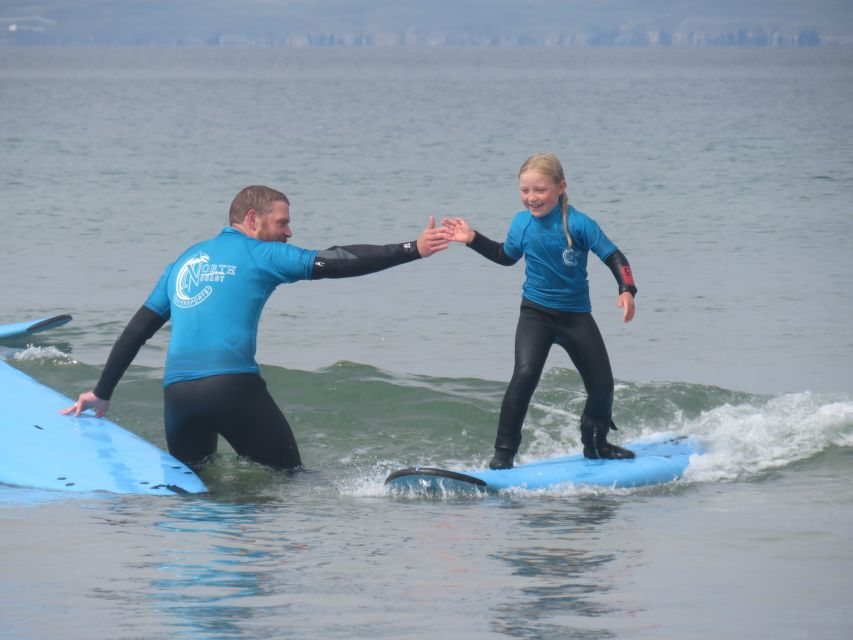
- Scottish champion coaching that keeps the lesson patient and practical
- All equipment included, from board to wetsuit, boots, and gloves
- A safety-first start on the dunes, then direct time in the water
- North Coast waves with beginner-friendly structure, built around popping up and riding
- Cold-water comfort, thanks to the 5mm wetsuit setup
- Small group or private options, with a minimum of three for standard group days
Why Dunnet Beach is a smart first-surf choice
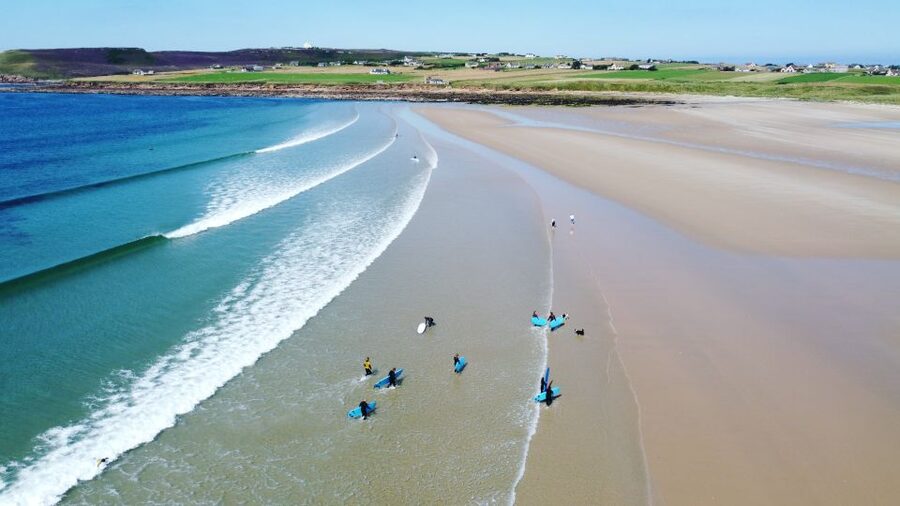
If you’re chasing a first surf lesson that feels real and not touristy, the North Coast of Scotland is a strong pick. Dunnet Beach sits right in that part of the Highlands that can look wild and dramatic from shore, then totally different once you’re on the water. You get to trade dry land views for waves and wind, with coaches guiding every step.
What I like most for beginners here is the mix of ambition and control. You’re aiming at some of Europe’s best waves in the UK, but the lesson is built to help you catch waves without turning the day into a survival test. That balance matters when you are learning basics like how to pop up and ride instead of just flailing about.
And the coaching credibility is a big deal. You’re not just getting someone with a whistle, you’re getting experienced local coaches, including Scottish champion-level instructors. That tends to mean clearer explanations, better feedback, and a smoother path from first wobble to first successful ride.
The other reason this works is the gear. Scotland’s water temperature can be intimidating, but the lesson uses a 5mm wetsuit with boots and gloves, so you are not stuck planning your whole day around the cold.
Also inked in under London
- London: East End Street Art Tour and Spray Painting Workshop
★ 4.8 · 297 reviews - London: Half-Day Street Art Tour and Workshop
★ 4.9 · 172 reviews - London: Traditional Scone Making Workshop
★ 4.7 · 129 reviews
Meeting at Dunnet Beach: what to watch for and what to pack
The lesson starts at the Dunnet Beach carpark. You’ll look for a white van parked up with lots of surfboards and wetsuits. Your instructor will be wearing a yellow rashvest, which makes it easier to spot the right team quickly.
One detail that can matter more than people expect: the location can vary depending on conditions. That’s not unusual in coastal surf, and it’s why you should keep an eye out for a message from the supplier if they need to relocate. The good news is they tell you in advance, so you’re not left guessing on the day.
What to bring is simple, but do it thoughtfully:
- Warm clothing for after the session
- A towel
And because there are no changing rooms or showers, plan to arrive ready to change. You’ll have a much easier time if you wear swimwear under your clothes and expect to change quickly when you arrive.
Also keep in mind the rules around behavior. Alcohol, drugs, intoxication, and littering are not allowed. Surf is safer and more fun when everyone is focused and respectful of the ocean and the gear.
Before the water: dunes briefing, safety, and board basics
Once you arrive, you’ll get talked through the plan and get kitted out with wetsuits and surfboards. Then you head over the dunes for the key part of the day: safety, board design, and the fundamentals of popping up.
This pre-water step is where beginners win or lose the session. The goal is not to drown you in theory. It’s to help you understand what you’re doing and why. When someone explains the role of the board, it changes everything, because surfboards are not one-size-fits-all. Even if you’re brand-new, you can learn how board shape and size affect paddling and stability, which helps you feel less random in the waves.
You’ll also learn the “how” behind popping up and riding. That usually means breaking down what happens from lying on the board to standing, plus the basics of balance and control once you’re upright. The point is to reduce hesitation when the wave timing gets real, because on the water you don’t have time to think through every step.
Safety briefing is the other big piece. You’ll go over what to do around waves and how to handle the conditions you’re actually facing, not some ideal imagined ocean. For a beginner lesson, that kind of structure is worth its weight in kelp.
Into the water: your real surf time on the North Coast
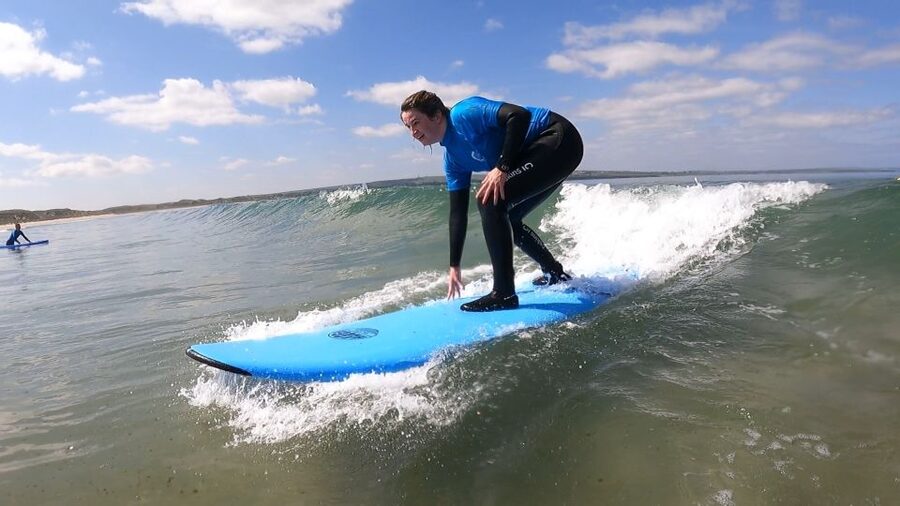
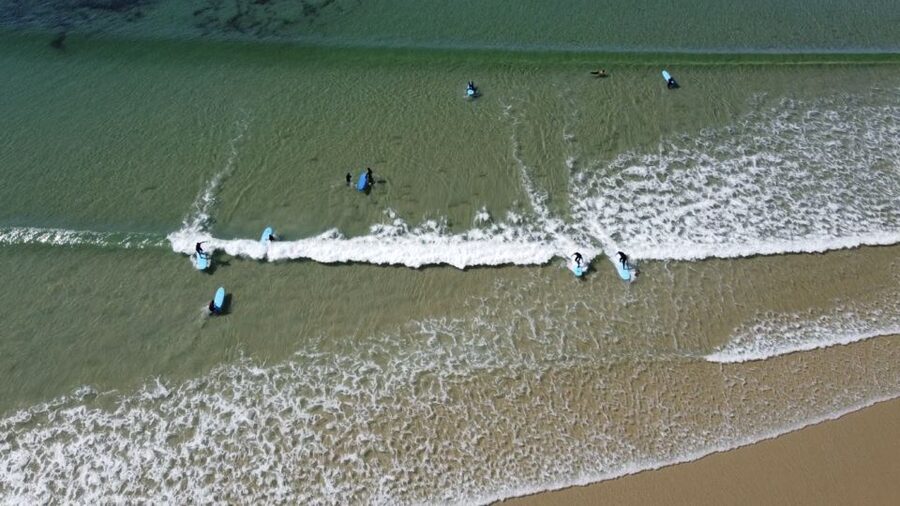
After the dunes session, you get in the water with the instructors. This is the fun part, but it’s also the part where coaching payoff shows up fast.
The lesson is designed to help you catch waves while you are still learning the fundamentals. You’re not expected to be a hero on your first day. Instead, you’ll focus on getting into position, understanding what the wave is doing, and practicing your pop-up and ride with real feedback.
Because the group is beginner-focused and the instructors are local, you’ll likely see them adapt the day to what the sea is offering. If it’s windy or the sets feel different, they can adjust where you’re starting, how you’re approaching the wave, and what the next practice looks like. That adaptability matters on the North Coast, where conditions can change quickly.
If you are worried about cold water, the wetsuit setup is your comfort net. The lesson includes boots and gloves as well as the wetsuit, which helps keep your extremities from going numb early. That makes a big difference because feeling in your hands and feet helps with balance, grip, and confidence.
A page further on, still in London:
- London: The London Eye Entry Ticket★ 4.6 · 35,875 reviews
- From London: Harry Potter Warner Bros Studio Tour★ 4.7 · 26,588 reviews
- London: Westminster to Greenwich River Thames Cruise★ 4.5 · 22,836 reviews
- Magical London: Harry Potter Guided Walking Tour★ 4.7 · 22,044 reviews
Gear comfort and why it changes your whole day
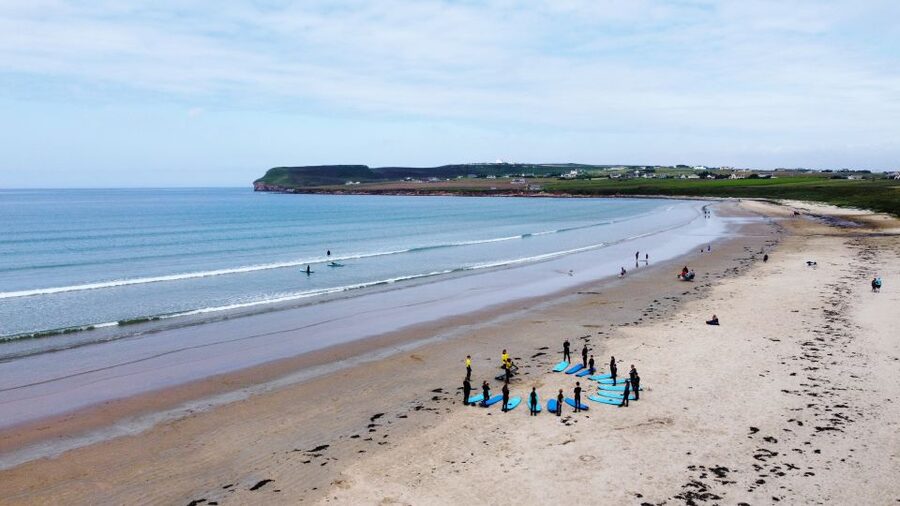
The 5mm wetsuit is not just a nice-to-have here. It changes your learning curve. If you’re cold, you tense up. If you tense up, you move less smoothly. Less smooth movement makes popping up harder, and suddenly every attempt feels like a workout instead of a lesson.
With this setup, the aim is to keep you comfortable enough to stay engaged. You still need warm clothing for afterward, but during the session you can focus on technique instead of counting minutes until you feel frozen.
One practical note: you’re told the lesson will take place rain or shine. That means you should be ready for damp, windy conditions on the shore and in the air, even if the water part is manageable. Dressing for wet weather and keeping your towel and warm clothes close is more important than you might think.
Price and value: is $60 for two hours worth it?
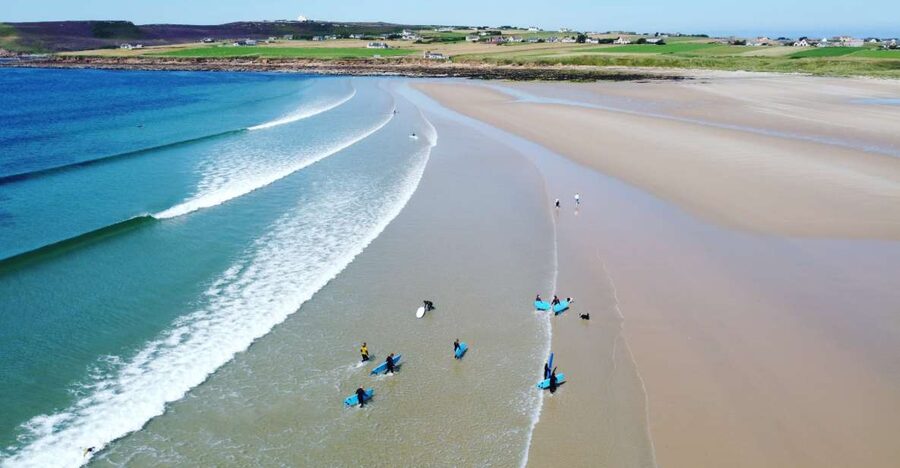
At $60 per person for a 2-hour beginner lesson, the value comes from what’s included and what you’re buying in coaching time.
You get:
- Full 2-hour surf tuition
- A wetsuit, boots, gloves, and surfboard
That’s important because surf can be expensive when you have to rent everything separately. Here, your “cost to participate” is clearer. You’re paying for instruction plus equipment, so you can budget without juggling rentals.
I also like that the lesson is structured. The day is not just “here’s a board, good luck.” You get a walkthrough, a safety and fundamentals session on the dunes, then guided time in the water. For a beginner, that kind of guided repetition is where your progress comes from.
One extra value tip: if you’re flexible, consider asking about on-the-spot options at the location, since one booking experience noted that arranging at the beach could cost less. You won’t know until you ask, but it’s a simple question that could save money if they have availability.
Groups, timing, and how to choose the right version
This lesson runs for 2 hours. Starting times depend on availability, so check the schedule for the exact day you want.
Group lessons require a minimum of three people. If fewer than three people have booked for your day and time, the supplier contacts you about 12 hours before to rebook you to a different time or turn it into a private lesson. That’s useful because it reduces the chance you show up expecting group coaching only to find it has changed.
You can also go for private or small groups. That can be a better fit if:
- You want more individual feedback
- You’re bringing someone who learns better with less group noise
- You’re trying to maximize water time with less waiting
Instructors are English-speaking, so you can expect straightforward communication during technique coaching and safety explanations.
Conditions, rain or shine, and when lessons get canceled
The session takes place rain or shine, so plan for coastal weather. But there’s a real safety line. If waves are flat or conditions are too stormy and dangerous, the lesson may be canceled, with a full refund or an option to reschedule.
This is exactly the way you want it to work for a beginner lesson. Surf is fun, but it should be safe, and flat or chaotic conditions change the lesson experience fast. When the sea is not cooperating, the supplier won’t force a bad session.
Also watch for the possibility of a time or meeting point change. If conditions require it, you’ll be contacted. Keep your phone handy.
Who this lesson suits, and who should sit this one out
This surf lesson is built for beginners, but it’s not for everyone.
Not suitable for:
- Children under 6 years
- Non-swimmers
- People over 70 years
- People with mobility impairments
If you’re a confident swimmer and you’re within the age range, you should feel welcomed. The teaching approach is designed to help you progress fast, with coaches staying patient and keeping things fun.
If you are scared of cold water, don’t automatically rule it out. The gear list is specifically meant to fight that problem, with a 5mm wetsuit plus boots and gloves. Just do your part by arriving ready to change and bringing a towel and warm clothes for after.
Also, transportation and food are not included. You’ll need to plan how you get there, and you may want a simple snack and drink before or after, since you are not getting any on-site.
Should you book Thurso’s Dunnet Beach beginner surf lesson?
Book it if you want a straightforward, beginner-focused surf session with real coaching and included gear, at a price that makes the whole experience feel doable. The 2-hour format gives you a full arc, briefing first, then wave time, and the wetsuit kit helps you stay comfortable enough to learn.
Skip it or look for another option if you are in the stated not-suitable categories, or if you know you cannot manage the lack of on-site changing rooms. Also, if you hate getting wet and wind-blown rain days, remember the lesson runs rain or shine.
Final practical advice: arrive with swimwear on under your clothes, bring your towel, and treat the first session like a technique class, not a performance test. If you do that, you’ll likely leave with a couple of solid pops up, a clearer sense of board control, and the kind of stoke that makes you want to come back sooner than you planned.
FAQ
Where do I meet for the Dunnet Beach beginner surf lesson?
Meet at the Dunnet Beach carpark. Look for a white van with lots of surfboards and wetsuits.
How do I recognize the instructor?
Your instructor will be wearing a yellow rashvest.
What equipment is included?
The lesson includes a wetsuit, boots, gloves, and a surfboard.
How long is the surf lesson?
The duration is 2 hours.
Does the lesson run in bad weather?
It takes place rain or shine. If waves are flat or conditions are too stormy and dangerous, the lesson may be canceled with a full refund or the option to reschedule.
Are there changing rooms or showers?
No. There are no changing rooms or showers, so it is recommended that you arrive with swimwear on under your clothes.
What should I bring?
Bring warm clothing and a towel.
Do I need to be able to swim, and what ages are suitable?
It is not suitable for non-swimmers. Children under 6 years are not suitable, and people over 70 years are not suitable.
Is transportation or food included?
Transportation and food and drinks are not included.
Newest entries under London






Workshops, compared.

Chocolate Bar Making Workshop at York Cocoa Works
Read our review →
East End Street Art Tour and Spray Painting Workshop
Read our review →




Browse the lists this tour appears in