

Reviewed · WORKSHOPS
London: Traditional Scone Making Workshop
Making scones in London beats any souvenir. This hands-on workshop in Balham teaches you the nuts and bolts of traditional scone making, from mixing to shaping, in a friendly kitchen setting. I love that the class is built for beginners, yet it still gives practical tweaks that can improve even a confident home baker.
Two standout perks for me: you get to choose between classic, cheese, or sultana scones, and you finish with a proper tea moment using jam, clotted cream, and tea. One thing to keep in mind is that you will be baking and eating on site, so you’ll want comfortable clothes and closed-toe shoes, and you may feel a small slowdown if you hate getting flour on your hands.
In This Review
- Key things I’d plan around
- Why this Balham scone class feels like a real London moment
- Entering the studio, setting up, and what to wear
- Choosing classic, cheese, or sultana scones
- How the lesson actually works in 1.5 hours
- The real technique: what makes a scone turn out right
- The best part: jam, clotted cream, and a proper pot of tea
- Leaving with a big batch to take home
- Price and value: is $80 worth 1.5 hours?
- Who should book this scone workshop
- Bring your own wine, keep it easy
- Practical tips so your scones come out great
- Should you book the traditional scone making workshop in London?
- FAQ
- How long is the London traditional scone making workshop?
- How much does the scone making workshop cost?
- What types of scones can I choose to make?
- What’s included in the class price?
- Is hotel pickup or drop-off included?
- Can I bring wine to the workshop?
- What should I bring or wear?
- Where do I meet for the class?
- What is the cancellation or payment flexibility?
Key things I’d plan around
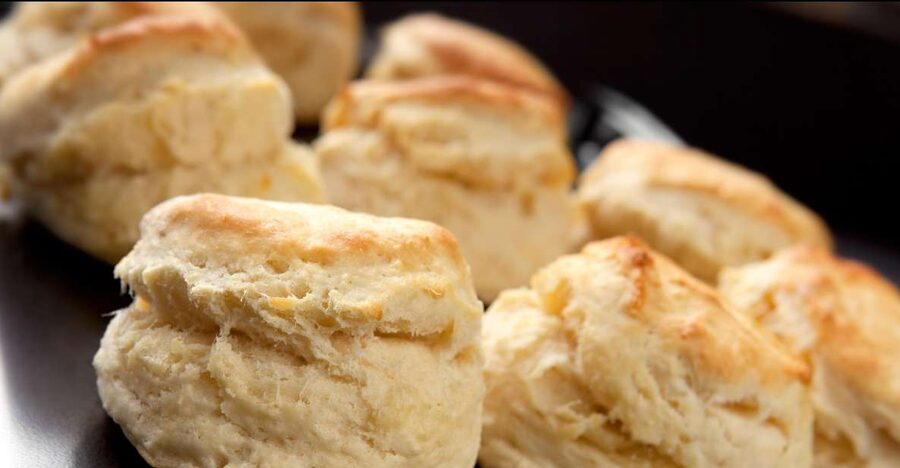
- Pick your scone style: classic, cheese, or sultana
- Small, personal instruction: patient teachers like JoJo, Lola, and Dora guide step-by-step
- Tea time that matters: jam and clotted cream with a pot of tea at the end
- You leave with a big batch: make extra so you can snack during your trip
- All ingredients and equipment included: you just show up ready to mix
Why this Balham scone class feels like a real London moment
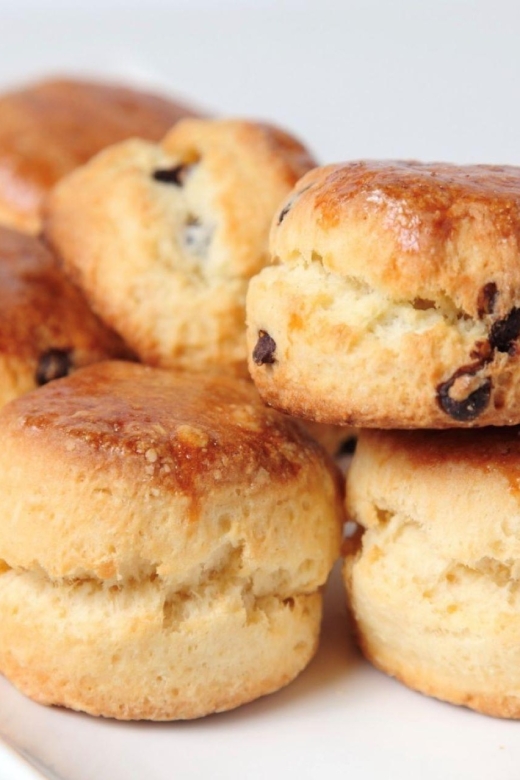
London has its share of food tours, but this one is different because you’re not just watching. You’re making. The payoff is instant, too, since your scones go from dough to oven to your plate in a short 1.5-hour session.
What makes it especially good value is that you’re learning a skill you can repeat at home. Scones are one of those foods people think they know, but they’re picky about technique. A good workshop helps you understand the texture goal, what the dough should feel like, and why small choices affect rise and crumb.
I also like the vibe. It’s not a stiff demo. You work at your own station, follow clear directions, and get help as needed. In past sessions, instructors have been described as warm, patient, and very encouraging, with enough teaching experience to explain things in plain language.
Also inked in under London
- London: East End Street Art Tour and Spray Painting Workshop
★ 4.8 · 297 reviews - London: Half-Day Street Art Tour and Workshop
★ 4.9 · 172 reviews - London: Pizza Making Cookery Class
★ 4.9 · 18 reviews
Entering the studio, setting up, and what to wear
Your meeting point is Cook and Craft Collective. You buzz for entry and wait in reception until you’re collected. Once you’re brought in, you’ll be set up with a work station, and the ingredients are already handled for you. You can also buy a beverage from the onsite cafe if you want something to start with.
For a smooth experience, wear comfortable clothes that can handle flour and a little mess. Closed-toe shoes are required. This is a practical class, not a costume event, so dress like you might bake at home.
If you’re the type who likes to plan ahead, I’d arrive a few minutes early. That buffer helps you settle before mixing begins, especially if you’re navigating public transport. The location is easy to reach by tube and other transit options, and the feedback I’m seeing consistently points to convenient access.
Choosing classic, cheese, or sultana scones

One of the best parts is choosing your scone style. You can make:
- Classic scones
- Cheese scones
- Sultana scones
Sultana scones are the sweet option, with dried fruit. Cheese scones tilt savory, which some people love as a tea-time change-up. Classic sits in the middle, and it’s a great baseline if you want to nail the technique before experimenting at home.
Even better, you’re not just picking a flavor. You’re picking a personality. Cheese scones feel a little more snacky, while sultana scones feel like a cozy afternoon. Classic is the best way to learn the fundamentals without extra variables.
There’s a small note to keep in mind: one comment mentioned that a requested cheese option wasn’t available in that particular session. It’s not something you should assume will happen, but if cheese scones are your must-have, I’d choose the option carefully when you book and double-check any details at confirmation.
How the lesson actually works in 1.5 hours
This is a beginner-friendly workshop, and the structure is designed so you can actively participate at every stage. The class includes ingredients, so you aren’t worrying about shopping or substitutions. Equipment is also provided.
In the time window, you can expect the key phases to happen in sequence:
- Mixing and combining ingredients
- Shaping the dough into scone rounds
- Baking until golden
- Eating right away with traditional accompaniments
- Taking home a batch made during class
Instructors like JoJo, Lola, and Dora have been praised for clear, step-by-step directions and for being patient when someone gets stuck. One review even called out practical gems learned by an experienced baker, so don’t assume you’ll only get basics. The teaching style seems to focus on what matters most for texture and handling.
If you’ve never baked before, the format should feel manageable. You get guidance, and you do the work yourself, rather than just watching. That makes a huge difference. Scone making becomes much easier once you know how the dough should come together.
A page further on, still in London:
- London: The London Eye Entry Ticket★ 4.6 · 35,875 reviews
- From London: Harry Potter Warner Bros Studio Tour★ 4.7 · 26,588 reviews
- London: Westminster to Greenwich River Thames Cruise★ 4.5 · 22,836 reviews
- Magical London: Harry Potter Guided Walking Tour★ 4.7 · 22,044 reviews
The real technique: what makes a scone turn out right
Scones have a specific mission: tender inside, good rise, and a crust that doesn’t turn tough. The workshop’s value is that it helps you aim at that mission, not just follow a recipe.
Here are the kinds of technique points I’d watch for during your session:
- How you mix: overmixing can make scones tougher, while careful mixing helps keep them tender
- How you handle the dough: light touch and correct shaping matter for height and crumb
- Doneness cues: knowing what golden looks like and when to pull them can save a batch
You’ll also get cultural tips along the way. One of the more charming pieces mentioned in feedback is learning about how people prefer to layer clotted cream vs jam. That might sound small, but it’s part of the ritual. You’ll leave knowing not just what to eat, but the classic order many people swear by.
If you care about getting results at home, try to remember the feel of the dough. That tactile memory is what makes your next batch better, even if your ingredients are different.
The best part: jam, clotted cream, and a proper pot of tea
The end of the class is the fun payoff. You’ll sit down and enjoy your freshly baked scones with jam, clotted cream, and tea. This isn’t a sad little snack. It’s a full tea moment.
What I like about this setup is that it turns technique into context. You taste the finished product immediately, while the learning is still fresh. If something is slightly off in your batch, you’ll notice it faster because you’re comparing it to what you’re hearing about traditional texture and flavors.
Several comments also highlight that teachers explain how to eat scones in a traditional way, including cream and jam ordering. That gives you something you can use back home, not just a meal.
And yes, tea is included in the experience flow. Expect it as part of the class rhythm, not as an afterthought.
Leaving with a big batch to take home
A smart detail here is that you don’t just bake one small trial. You’ll leave with a big batch to take home. That matters in London because you can:
- snack during the rest of your visit
- share with your group
- bring a taste of the class back to your hotel or rental
Multiple people noted that they had plenty of scones for their trip home. For me, this is part of the value. You’re paying for instruction, yes, but you’re also getting real food output you can enjoy later.
If you’re planning other activities the same day, this is a good one to schedule early. That way you eat a few fresh on site, and you don’t end up rushing to find storage or timing later.
Price and value: is $80 worth 1.5 hours?
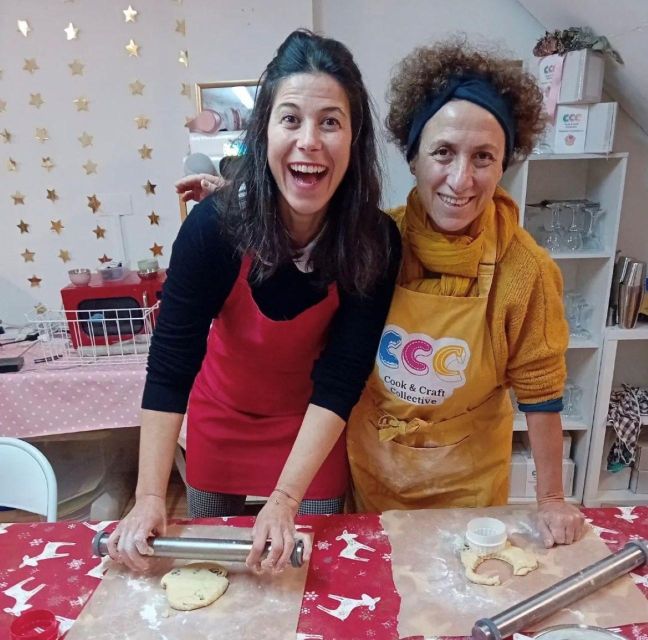
At about $80 per person for a 1.5-hour workshop, the question is whether you get your money’s worth.
Here’s what you do get based on the experience details:
- A true hands-on baking class (not a passive demo)
- Ingredients and equipment included
- Choice of scone type (classic, cheese, or sultana)
- Tea with jam and clotted cream at the end
- A take-home batch
That’s why it can feel like good value. Many food experiences in London are entertainment plus a small tasting. This one adds a skill you can repeat, plus a tangible amount of food you can eat over multiple days.
Also, the teaching style seems to be a major part of why people rate it so highly. Instructors are described as friendly, patient, and clear, with some highlighting over 20 years of teaching experience. When a class runs smoothly and you feel supported, you learn faster and you walk away happier.
Who should book this scone workshop
This class is a great fit if you want something different from the usual sightseeing loop.
It’s especially good for:
- Couples looking for a low-stress, cozy London activity
- Solo travelers who want interaction and a shared table moment at tea time
- Families, since multiple comments mention a positive experience for kids and teens
- Home cooks who want a repeatable British classic
If you’re traveling with someone who doesn’t want a long day tour, this also works. It’s short, focused, and it ends with a satisfying meal.
One more thing I appreciate: the workshop feels intimate. Some sessions were described as having only a few people, which usually means more personal attention. If that matters to you, book for a time slot that you expect might be less crowded.
Bring your own wine, keep it easy
You’re welcome to bring a bottle of wine to enjoy during the cooking experience. There is corkage of £2 per bottle. If you plan to do this, it’s best to coordinate with your own appetite and pacing, since you still need to work with flour and heat.
If you prefer not to bring anything, you can still purchase a beverage from the onsite cafe. Either way, the class stays centered on baking, not drinking.
Practical tips so your scones come out great
You’ll get instruction during the session, but these small prep ideas can help:
- Wear clothes you don’t mind getting a little flour on them
- Use the guidance early in the mixing stage, since scone texture is shaped by how you combine ingredients
- Pay attention to the dough feel when shaping. That’s where a lot of home-baker success starts
- Take a moment during tea time to compare your results. It helps you learn faster for future baking
If you’re aiming to impress later, the best strategy is to listen carefully during the technique explanations and then focus on being gentle with your dough. Scones reward soft handling and good timing.
Should you book the traditional scone making workshop in London?
Yes, I think you should book it if you want a hands-on London food experience with a clear end goal. It’s skill-building, social, and it includes a real tea payoff. You’ll also leave with a take-home batch, which makes it practical for travel days.
I’d skip it only if you want purely sightseeing, or if you’re uncomfortable with hands-on kitchen work. This is flour-forward. It’s meant to be active.
If you book, plan it early in your trip so you can use the scones as a mid-stay treat. And if you have a strong preference like cheese scones, put that preference front and center when you choose your option.
FAQ
How long is the London traditional scone making workshop?
The workshop lasts about 1.5 hours.
How much does the scone making workshop cost?
The price is listed as $80 per person.
What types of scones can I choose to make?
You can choose classic, cheese, or sultana scones.
What’s included in the class price?
The workshop includes the scone making experience and the ingredients.
Is hotel pickup or drop-off included?
No, hotel pickup and drop-off are not included.
Can I bring wine to the workshop?
Yes, you can bring a bottle of wine. There is a corkage fee of £2 per bottle.
What should I bring or wear?
Wear comfortable clothes and closed-toe shoes.
Where do I meet for the class?
You’ll buzz for Cook and Craft Collective and wait in reception until you are collected.
What is the cancellation or payment flexibility?
Free cancellation is available up to 24 hours in advance for a full refund, and there is a reserve now, pay later option.
Newest entries under London






Workshops, compared.
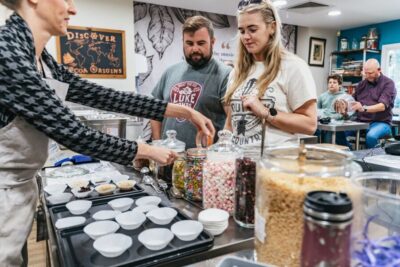
Chocolate Bar Making Workshop at York Cocoa Works
Read our review →
East End Street Art Tour and Spray Painting Workshop
Read our review →



Browse the lists this tour appears in