
Reviewed · BRITISH CASTLES & PALACES
Stirling Castle: Skip-the-Line Guided Tour in Spanish
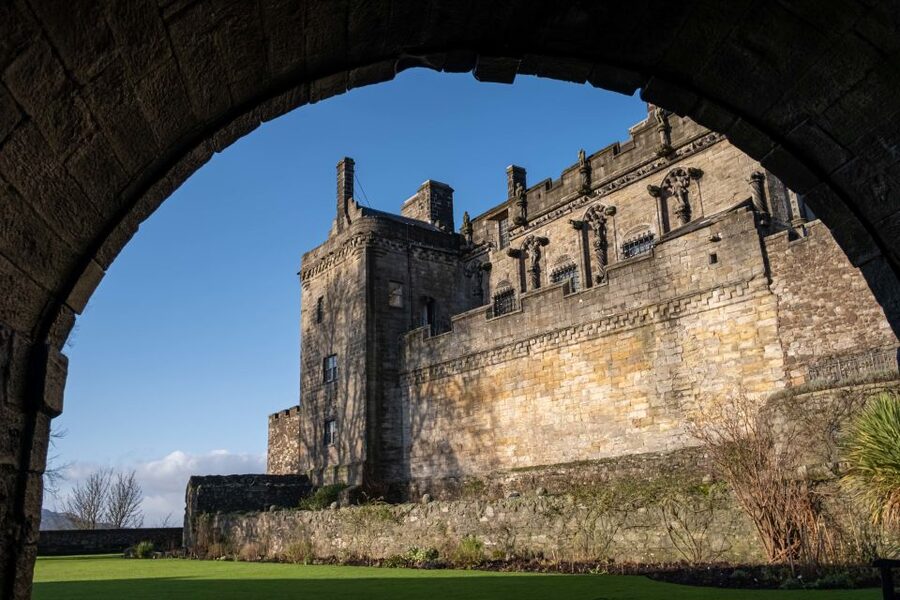
Stirling Castle can feel like a history movie that got stuck on real stone. This Spanish guided skip-the-line tour is a tight, smart way to see the royal rooms, the big feast space, and the stories that made Stirling matter for centuries. I especially love the fact that you can go straight in without wasting time in the ticket line, and you still get a guide who ties scenes together instead of listing facts.
What I liked just as much is the small-group pace, plus the way guides like Fernando and Alejandro use humor and creative storytelling (poems, jokes, and reenactment style) to keep you focused. The one thing to consider is that 1.5 hours is not meant for a slow, room-by-room wander, so if you want to linger and read every display, you may plan a follow-up stop on your own.
In This Review
- Key highlights you will actually remember
- Stirling Castle in 90 minutes, with the line skipped
- Meeting point on the Portcullis Hotel esplanade, then history starts fast
- Sieges and Scotland’s Wars of Independence, with Wallace and Bruce in context
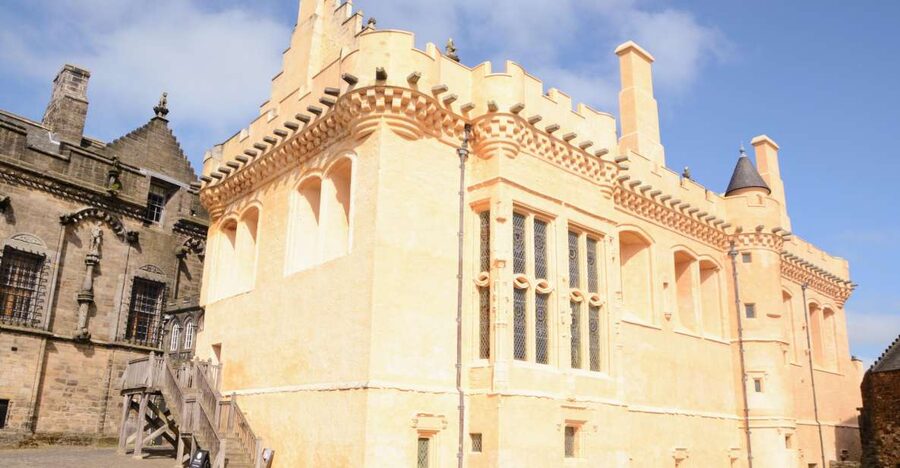
- Royal palace access, plus the first Renaissance palace in Britain
- Great Hall and royal ceremony, where feasts were political
- Mary Queen of Scots, coronation ground, and why the stories feel close
- John Damian, the bird-man story, and the legends that add spice
- Arthur links, William of Worcester, and the fun logic of medieval storytelling
- Spanish guiding style, small-group pacing, and what to listen for
- Who this tour suits best, and who might want a different plan
- Price and value: is $45 a good deal for Stirling?
- Should you book this Spanish skip-the-line tour?
- FAQ
- How long is the Stirling Castle skip-the-line guided tour in Spanish?
- Where do I meet the guide?
- Is the tour skip-the-line?
- What language is the guided tour in?
- Is this tour wheelchair accessible?
- Are luggage or large bags allowed?
Key highlights you will actually remember
- Skip-the-line entry so you spend time inside the castle, not waiting outside.
- Royal palace access, including the Renaissance palace rooms tied to Scotland’s monarchs.
- Great Hall moments, like the setting for royal ceremonies and feasts.
- Mary Queen of Scots details, including where she was crowned.
- Legends with names, from John Damian to Arthur-related claims linked to William of Worcester.
- Small group (max 10) with live Spanish guidance and an easy rhythm through the main spaces.
Stirling Castle in 90 minutes, with the line skipped
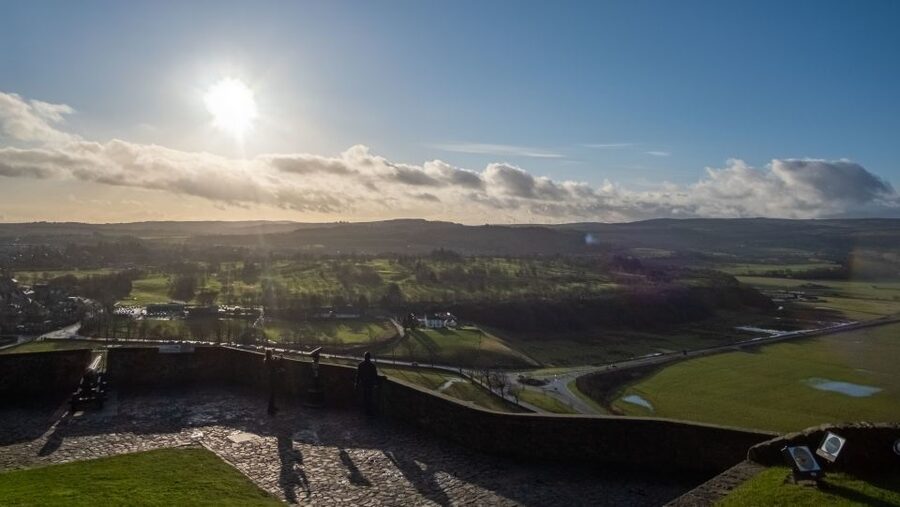
At $45 per person for a 1.5-hour live guide, this tour is really about value of time. Stirling Castle is one of the most popular stops in Scotland, and skipping the ticket line matters when you are juggling weather, driving times, or a day plan that has other castles and towns.
You are also paying for interpretation. In this kind of fortress, it is easy to see walls and towers and feel you are missing the point. Here, the guide gives you a story thread: siege after siege, who held power, and how Stirling became a stage for Scotland’s turning points.
One more practical win is the small group size, limited to 10 people. That keeps the experience from feeling rushed and helps the guide manage the route through inside spaces.
More keeps and staterooms to walk:
- Stirling: Private Old Town & Castle Walking Tour
★ 4.9 · 17 reviews - Windsor Castle Admission Ticket
★ 4.7 · 7,032 reviews
Meeting point on the Portcullis Hotel esplanade, then history starts fast
You meet in front of The Portcullis Hotel. Look for the black umbrella, arrive at least 15 minutes early, and get ready for the tour to start right on the castle esplanade area.
From the first minutes, you will get the basics you need to understand what you are looking at: how the castle’s importance grew with Scottish history, and why so many conflicts hit this site again and again. Guides typically do this kind of setup so you can connect the dots later when you are inside the royal palace and the ceremonial hall.
Weather is something to take seriously here. The tour runs in all weather except extreme conditions, since the castle itself can close. The route is adapted to minimize exposure to rain or snow, so it is not a promise of dry comfort, but it does mean you are less likely to get stuck in misery outside too long.
Sieges and Scotland’s Wars of Independence, with Wallace and Bruce in context
Stirling Castle played a key role in the Scottish Wars of Independence in the 14th century. The best moment is when your guide links the castle’s physical layout to the political drama. This is where the fortress stops being scenery and turns into strategy.
You will hear how Stirling became crucial in conflicts that involved major figures like William Wallace and Robert the Bruce. Even if you know the names from films and textbooks, you still need the local setting. The castle gives you that, because it is easy to understand why control of this stronghold could affect an entire campaign.
If you like battle history, this tour gives you a clear narrative arc. If you do not, no problem. The siege talk works as a reason why the castle looks the way it does and why the royals valued it so much later on.
Royal palace access, plus the first Renaissance palace in Britain
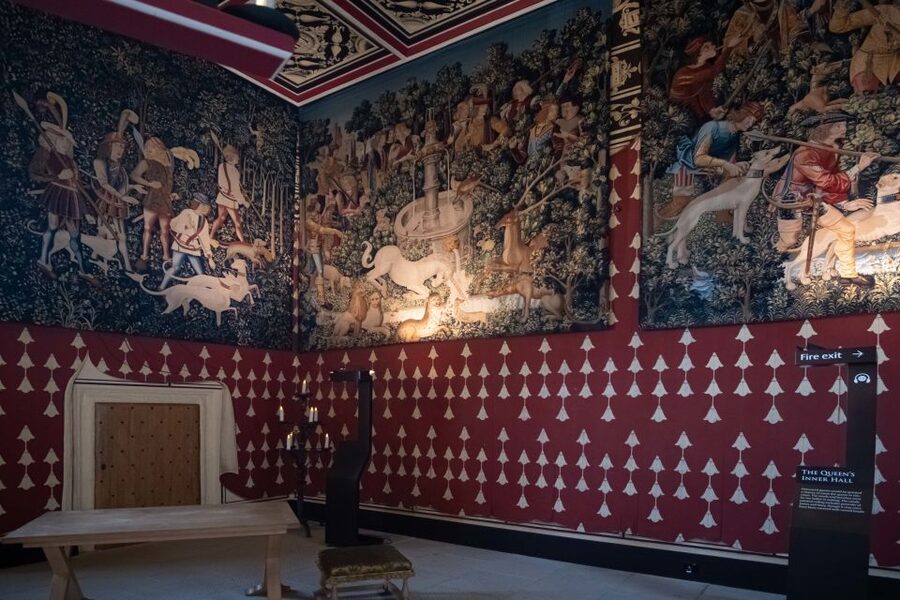
The inside focus is the royal palace. This is not just a photo stop. You get to see the rooms tied to centuries of royal life, including the period when Mary Queen of Scots lived here.
One detail that helps you “see” the change in the castle over time: this royal palace is described as the first Renaissance palace in Britain. That tells you something important for your expectations. Stirling is famous for medieval power, but this palace layer shows a shift toward courtly lifestyle and design that reflected continental influence.
The guide also connects the palace to the people using it, so you are not just looking at stonework. You are thinking about who slept, ruled, planned, hosted, and staged public moments in these rooms.
Practical note: this is a walking tour inside an operating heritage site. If you have mobility concerns, it is wheelchair accessible, but the tour still has you moving through castle spaces, so it is smart to take your pace seriously and plan for uneven ground and changing floor surfaces.
Great Hall and royal ceremony, where feasts were political
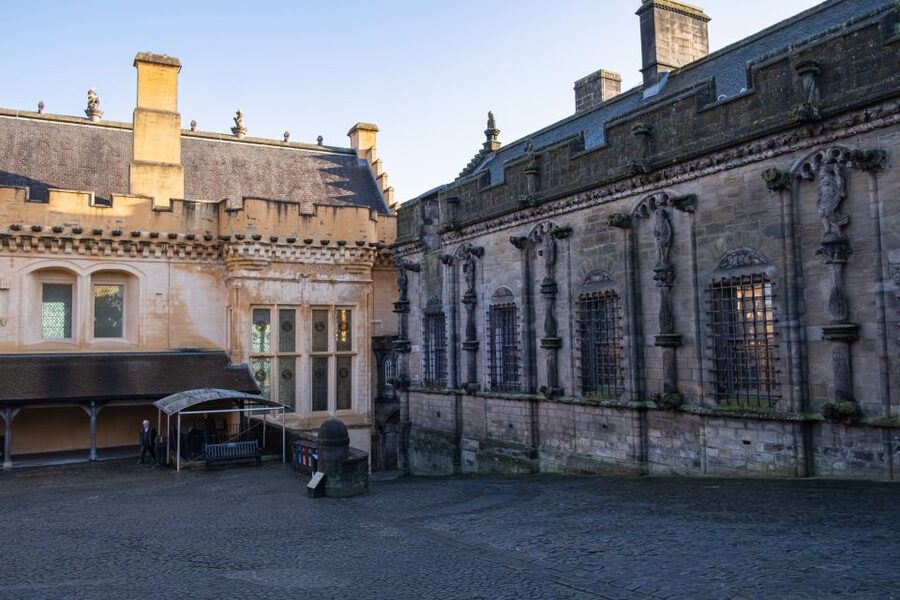
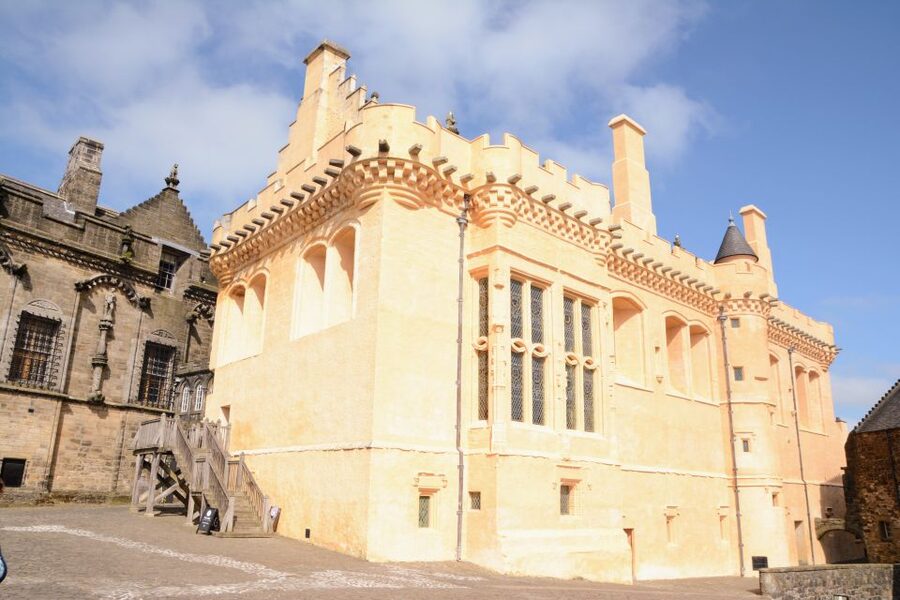
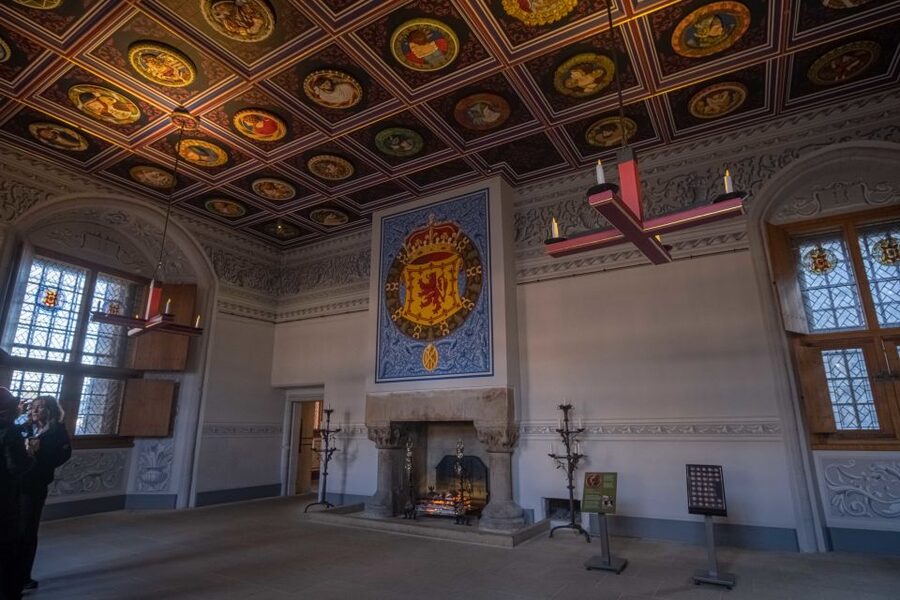
The other main interior highlight is the Great Hall. This is where the tour really earns its keep, because it connects architecture to ceremony. A hall like this was not only for eating. It was where power got performed.
You will visit the Great Hall and learn about it as a 16th-century space where parties and feasts took place. The guide also points to what the hall was used for, including celebrations tied to the baptism of the future king of Scotland. That kind of event detail matters because it turns a big room into a specific moment in the life of the court.
It is also a nice contrast to the earlier siege and war discussion. First you understand Stirling as a fortress. Then you see it as a court, which helps you grasp why it stayed so important even after military pressure changed.
Mary Queen of Scots, coronation ground, and why the stories feel close
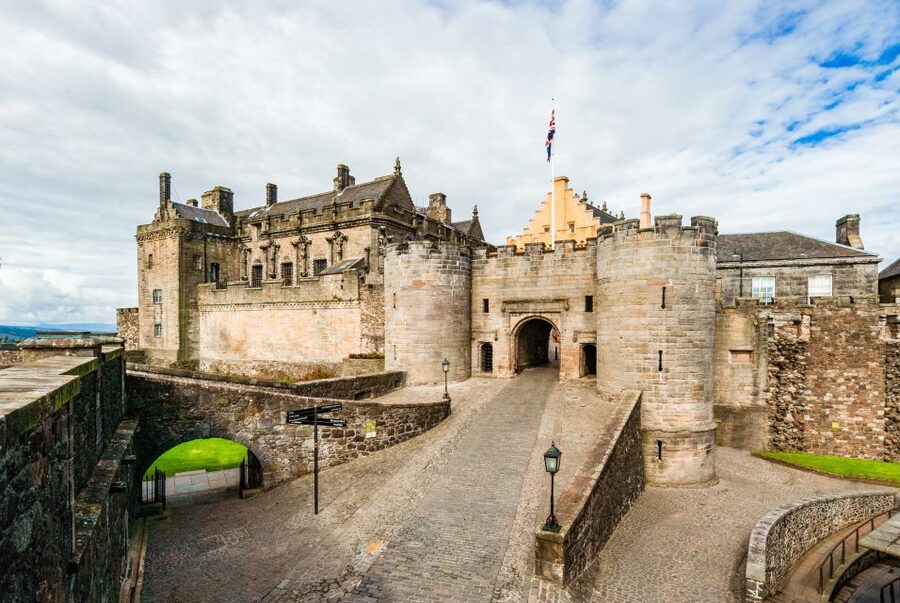
If you come for one reason, it is usually Mary Queen of Scots. This tour includes the story link that she was crowned at Stirling Castle, and your guide weaves that into the palace visit and the royal narrative.
What I find helpful here is that the tour does not treat Mary as a standalone celebrity. Instead, the guide frames her inside the castle’s long pattern of political importance. Stirling was a place where rulers showed up, and where legitimacy and authority were made visible.
The castle also comes with legends, and your guide may mention the ghostly side of the place. Even if you do not care about spooky stories, it helps you understand how the castle lives in popular culture, not only in archives.
John Damian, the bird-man story, and the legends that add spice
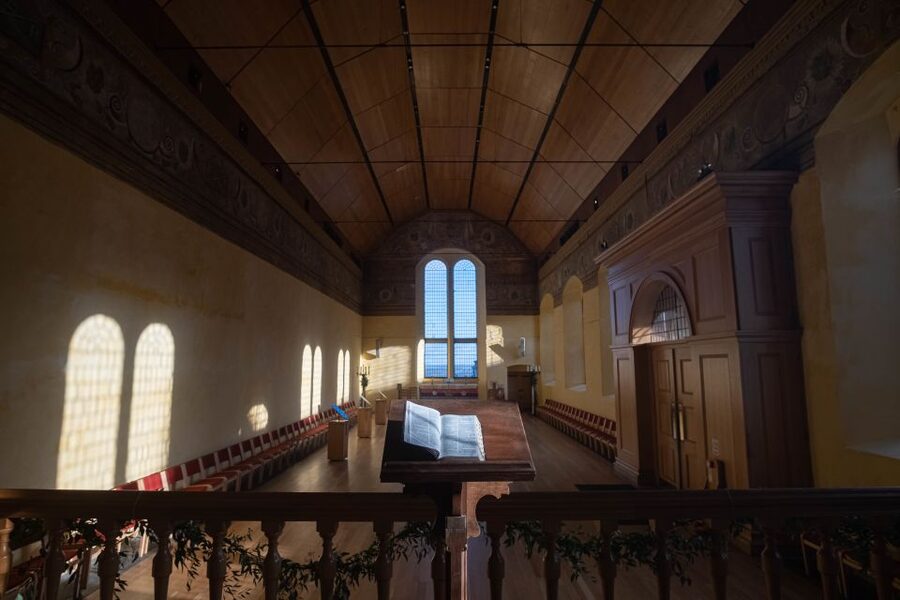
One of the more fun, memorable parts of the tour is John Damian, often described as the bird-man of Stirling Castle in the 16th century. The story goes that he wanted to fly to France, but certain inconveniences stopped him from going too far.
Even if you treat it as legend and not documented engineering, it works. It shows how Stirling inspired imagination and ambition. It also gives your tour a human-sized break from wars and dynasties, and it makes the castle feel less like a museum and more like a place people kept talking about.
This is the moment where the guide’s tone can matter a lot. In reviews, Fernando’s playful approach and Alejandro’s clear explanations come up again and again, and that style fits a story like Damian. It helps you keep moving without feeling like you are stuck in one heavy theme the entire time.
Arthur links, William of Worcester, and the fun logic of medieval storytelling
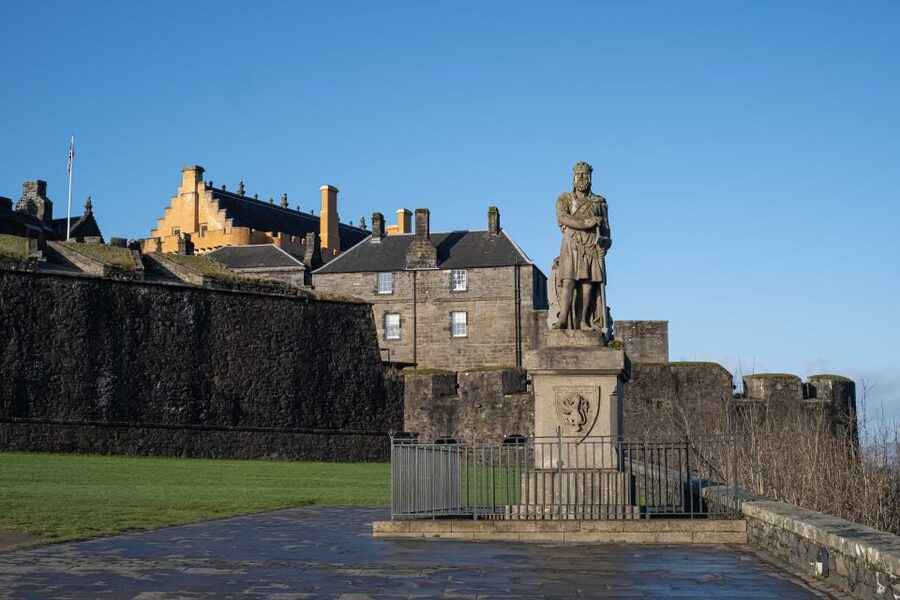
The tour also includes a claim that Stirling Castle was associated with the Knights of the Round Table of King Arthur. The name that connects this claim is William of Worcester, an English chronicler who identified Stirling Castle this way.
Now, you should keep your expectations grounded. This is part of the medieval world of storytelling, where famous legends could get attached to real places. The practical value for you is not whether it is literally true, but why it was repeated and how it shaped the castle’s reputation.
If you like legend history, this is a satisfying add-on. It keeps the tour from feeling like a straight line of dates and battles, and it shows the castle as something people mythologized over time.
Spanish guiding style, small-group pacing, and what to listen for
This tour is in Spanish, led by a live local guide. With only up to 10 participants, you get a conversational feel rather than a lecture aimed at a busload.
Based on what I’ve seen work best in these kinds of guided castle tours, you will get the most if you listen for the guide’s “why” statements. For example, when they say Stirling’s importance grew with Scottish history, try to translate that into a mental map: fortress outside, royal authority inside, ceremony in the hall, and political stakes in the palace.
Also, guides mentioned in reviews like Fernando and Alejandro were praised for making history feel like a story. Humor and even poems can do real work here. It prevents the most common castle-tour problem: you get facts but not cohesion.
If you speak basic Spanish, you will still likely do fine with the structure and key names. If you do not, the tour can still work thanks to the visuals, but your experience will be better with some language comfort.
Who this tour suits best, and who might want a different plan
I think this is a great fit if you want:
- a focused 90-minute walkthrough of the castle’s main interior highlights
- a guide to connect sieges, royal life, and famous figures without you needing to study every placard first
- a skip-the-line plan that protects your day schedule
It is less ideal if you want hours of independent exploring or you like reading every detail at your own pace. Since you only have 1.5 hours, there is a good chance you will want to return later to go deeper on the areas that grabbed you most, especially if you enjoy castle interiors.
One more practical thought: the tour does not allow luggage or large bags. If you are traveling with big items, plan ahead so you are not stressed at the entrance.
Price and value: is $45 a good deal for Stirling?
At $45 per person, this is not the cheapest way to visit Stirling Castle, but it is also not priced like a luxury private tour. The value depends on what you want most.
You are paying for three things:
1) skip-the-line entry, which saves time at a very popular site
2) a live local guide in Spanish who explains what you are seeing
3) a structured route that takes you into the palace and the Great Hall in a short window
If you are the type of traveler who enjoys museums when someone gives you the story behind the walls, this price tends to make sense. If you prefer self-guided wandering and you travel at your own pace, you might prefer an unguided visit to linger longer.
Should you book this Spanish skip-the-line tour?
Book it if you want a smart, time-friendly way to experience Stirling Castle’s core highlights: the royal palace, the Great Hall, the Mary Queen of Scots crown story, plus the extra legends about John Damian and the Arthur-related connection.
Pass or consider a different approach if you know you want long hours of independent exploring, since 1.5 hours is mainly about orientation and key scenes, not deep reading everywhere.
Either way, if you care about understanding why Stirling Castle mattered, this guided route is a very practical way to get there, in Spanish, without spending your precious time in queues.
FAQ
How long is the Stirling Castle skip-the-line guided tour in Spanish?
The tour lasts 1.5 hours.
Where do I meet the guide?
You meet in front of The Portcullis Hotel. Look for the black umbrella.
Is the tour skip-the-line?
Yes. The tour includes skip-the-line entrance to Stirling Castle.
What language is the guided tour in?
The live guide speaks Spanish.
Is this tour wheelchair accessible?
Yes, the tour is listed as wheelchair accessible.
Are luggage or large bags allowed?
No. Luggage or large bags are not allowed.
Newest entries under Stirling
British Castles & Palaces, compared.


Isle of Skye and Eilean Donan Castle Day Trip
Read our review →
Windsor Castle, Stonehenge & Bath Full-Day Tour
Read our review →
Giant’s Causeway Guided Day Tour With Castles
Read our review →


Browse the lists this tour appears in