

Reviewed · HISTORICAL TOURS
Stirling: Historical Walking Tour in Spanish
Stirling feels like a city where the past is still in charge. This Spanish guided walk connects the medieval walls to the moments that shaped Scotland, in just 1.5 hours. I especially liked how the tour links big national events to walkable streets you can actually see.
What I like most is the practical “you are here” storytelling. You’ll move along places like King Street and the Mercat area, so the history doesn’t float in the abstract. It’s grounded in buildings and street corners you can picture later.
One thing to consider: you’re outdoors in all weather except extreme conditions, so you’ll want layers and proper footwear. The route is adjusted to reduce rain or snow exposure, but this is still a walking tour.
In This Review
- Key things you’ll notice on this Stirling walk
- Door to the Highlands in Spanish: why Stirling works on foot
- Start at Caffe Nero, then get your bearings fast
- King Street and Mercat Cross: where the stories start to stick
- The medieval wall and the idea of Stirling as a power gate
- Up toward the top: the medieval market and public executions
- The Old Jail and the Tollbooth: punishment up close
- John Cowane Hospital, the Old Cemetery, and the quieter corners
- Holy Rude Church: James VI’s coronation connection
- What pace and group size feel like (and who it suits best)
- Weather reality: plan for outdoors, not just pretty days
- Price and value: is $24 a fair deal for this much coverage?
- Booking smart: when this tour is the right choice
- You should book if:
- Skip it if:
- FAQ
- How long is the Stirling Historical Walking Tour?
- Where do I meet for the tour?
- Is there hotel pickup or drop-off?
- What language is the tour in?
- How big is the group?
- Is the tour wheelchair accessible?
- Does the tour run in bad weather?
- Is an audio guide included?
- Is full cancellation available?
Key things you’ll notice on this Stirling walk

- Stirling’s medieval walls in action: you’ll walk the city’s fortified story as you go
- A key 14th-century battleground: learn why Stirling mattered in the wars of independence
- One of Scotland’s most important strongholds: the tour frames Stirling as a power center, not just a stop
- The Holy Rude Church and James VI: a rare coronation connection, tied to a working church
- Britain’s worst jail, 19th century: you’ll see how harsh the Old Jail era really was
- A small group (up to 10): questions and pace feel more human
Door to the Highlands in Spanish: why Stirling works on foot
Stirling sits right where Scotland turns from lowlands to the doorway toward the Highlands. On this Historical Walking Tour in Spanish, the goal is simple: show you how whoever controlled Stirling tended to control Scotland. You’ll get that message quickly, because you’re not touring “at random.” You’re moving through the parts of town that explain power, conflict, and punishment.
The 90-minute format matters. It means you’re not stuck on a long bus timeline. Instead, you get a concentrated walk across medieval Stirling, ending with places that help you understand the city’s role in both national politics and everyday life.
And because it’s a live guide in Spanish, it also becomes an active way to practice listening. If Spanish is your comfort zone, you’ll get more out of it. If it’s not, you can still follow along with the help of short notes and context, but you should be ready for a faster “storytelling” style.
More British streets at boot pace:
- Stirling: Daily Guided Walking Tour with a Local Guide
★ 4.7 · 108 reviews - Stirling: Private Old Town & Castle Walking Tour
★ 4.9 · 17 reviews - Magical London: Harry Potter Guided Walking Tour
★ 4.7 · 22,044 reviews
Start at Caffe Nero, then get your bearings fast
The tour meets inside Caffe Nero, and staff are there to check you in. Plan to arrive at least 15 minutes early. That buffer is worth it, especially if you want to settle in, use the restroom if needed, and make sure everyone in your group finds the meeting point without stress.
There’s no hotel pickup and drop-off, so you’ll want to treat it like a walk-in city plan. The benefit is that you get flexibility: you can base yourself anywhere with reasonable access to central Stirling, then connect to the tour from there.
Also, there’s no audio guide. For this kind of medieval street walk, that’s actually a plus. You’re meant to listen to the guide live, and questions are easier when the group stays small.
King Street and Mercat Cross: where the stories start to stick
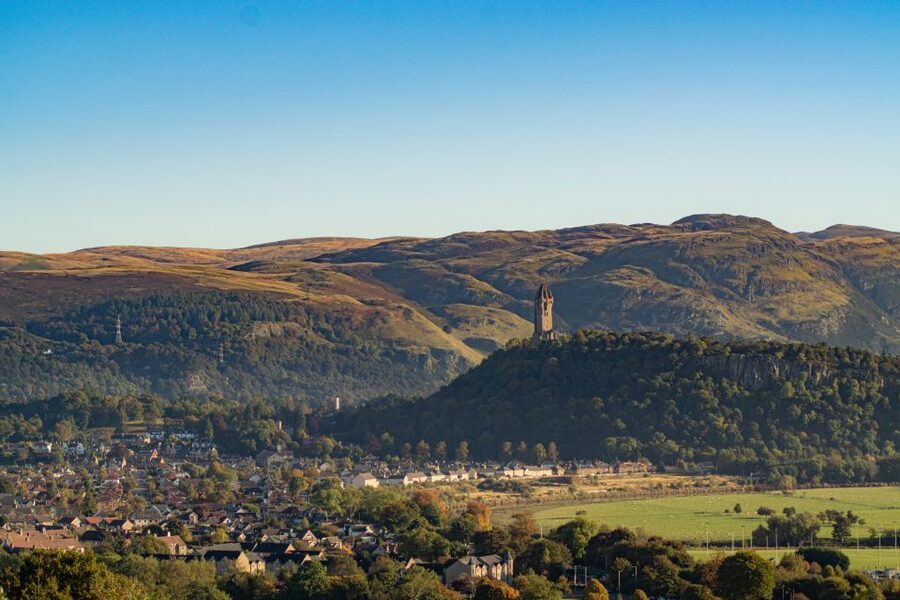
Once you’re checked in, the tour focuses on the street-level spine of Stirling. King Street is one of the anchors. You’ll hear how poets and famous names fit into the city’s identity, then the conversation shifts toward the physical landmarks that those stories touched.
From there, you’ll encounter Mercat Cross. A “mercat” cross is more than a decorative spot. It signals how the town organized public life: trading, announcements, and civic meaning in a shared public space. Standing near it while the guide connects it to medieval Stirling helps you understand why these places mattered even to ordinary residents, not just rulers.
What I like about this part of the walk is the pacing. You move through key zones, but you aren’t overwhelmed with facts. The tour builds a chain: street, market, civic center, then outward to the fortified and political parts of town.
The medieval wall and the idea of Stirling as a power gate

Stirling is described as one of Scotland’s 11 fortified cities in its history, and this walk treats the medieval wall like the main character. As you follow the town’s historic boundary areas, you start seeing why the city was strategic. Walls weren’t just for defense. They shaped movement, trade, and control.
You also learn that Stirling is considered one of the three most important strongholds in Scotland. That framing helps you make sense of why wars didn’t just happen nearby. They happened around this specific kind of leverage: a fortified place where power could be held and projected.
If you’re trying to visualize the “Door to the Highlands” idea, this is where it becomes clear. Stirling isn’t only scenic. It’s a geography lesson in why routes and choke points matter.
More centuries walked in an afternoon:
- London: Historic Pubs of Central London Walking Tour★ 4.9 · 1,065 reviews
- Portsmouth: Historic Dockyard Ultimate Explorer Ticket★ 4.8 · 1,052 reviews
- York: Witches and History Old Town Walking Tour★ 4.7 · 928 reviews
- London: Soho Music and Historic Pubs Walking Tour★ 4.9 · 836 reviews
Up toward the top: the medieval market and public executions

The tour climbs to the highest part of the city. This matters because it changes how the city “reads” to you. From higher ground, it’s easier to imagine why control and visibility were so important in earlier centuries.
Here, you’ll hear about the old medieval market area and the place where public executions were held. That pairing is uncomfortable, but it’s also historically honest. Markets represent everyday life. Public executions represent authority and fear. Hearing both tied to the same general high-ground space helps you understand how public control was woven into daily rhythms.
Practical tip: expect some incline. Wear shoes you’re happy to walk in for long enough to feel the change in altitude. Even if the tour doesn’t sound “big hills” on paper, Stirling’s old core can make you work a little.
The Old Jail and the Tollbooth: punishment up close
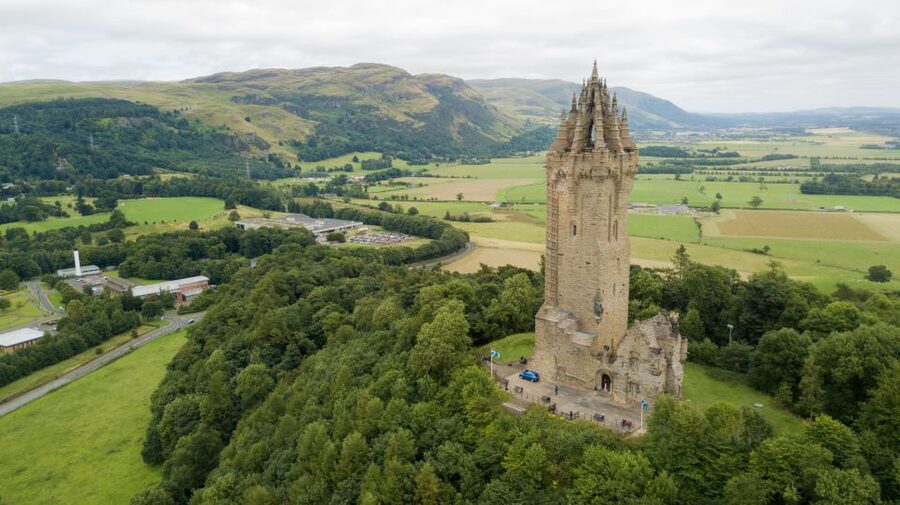
One of the most striking stops is the Old Jail. Stirling owned what’s described as Britain’s worst jail in the 19th century, and the tour doesn’t treat that like a trivia line. You get a sense of the conditions: a wet, nasty place that held prisoners crammed together, including men, women, and children.
The range of prisoners is especially sobering. You’ll learn about ages from minor offenders up to adults, and that it included people facing charges like murder, people awaiting trial, and even debtors. It’s the kind of history that reminds you a justice system can be harsh even without battlefield warfare.
Nearby, you’ll also see the Tollbooth. A tollbooth is a civic tool, not a prison. But in the same walk, it becomes part of the same system: taxation, authority, and enforcement all working together in the public space.
If you want a tour that only skims the cheerful stuff, this one won’t fit. If you want the full picture of how cities functioned, including the brutal parts, this segment gives you that.
John Cowane Hospital, the Old Cemetery, and the quieter corners

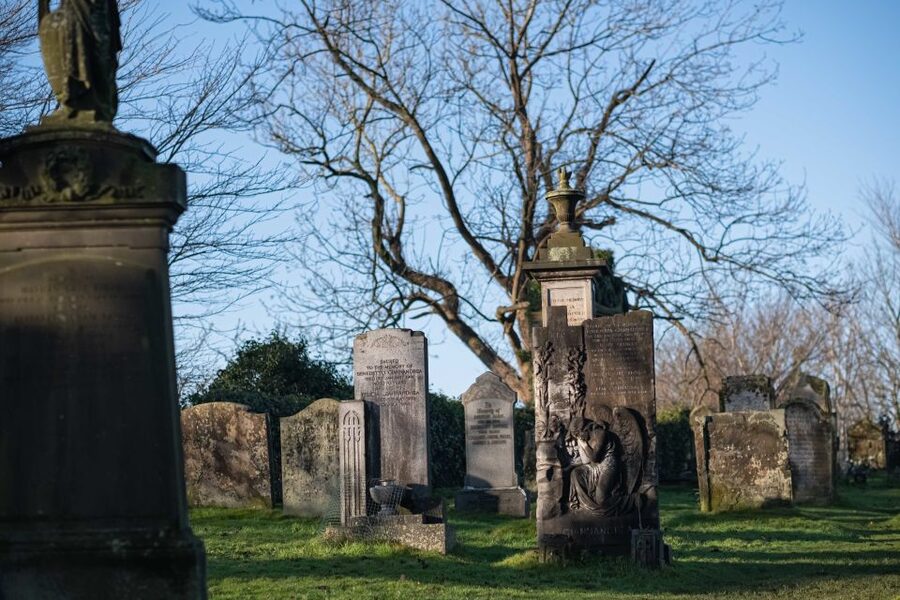
Not every moment on the tour is loud or dramatic, and I like that. You’ll encounter sites such as John Cowane Hospital and the Old Cemetery, plus other historic points along the route like Pyramid Star.
These stops help balance the heavier jail-and-war topics. Hospital and cemetery spaces tend to make you think differently. Instead of power as conflict, you start seeing power as care, community memory, and the long-term reality of living in a place for generations.
You don’t need to be a hardcore history person to enjoy this. If you like walking tours that feel human and not just “dates and names,” these quieter stops are where you get breathing room.
Holy Rude Church: James VI’s coronation connection

The tour’s standout cultural anchor is the Church of the Holy Rude. You’ll hear that this church hosted King James VI’s coronation. His background is part of the story too, tied to Mary Stuart.
What makes this particularly interesting is the specific rarity of the event connection. The tour frames Holy Rude as the only church still in use in Great Britain that has seen such coronation events, with Westminster Abbey being the other major reference point.
Even if you’ve heard names like James VI before, the live guide context makes a difference. You’ll understand why this matters locally, not just as a national footnote. A coronation is ceremony, but it’s also politics, legitimacy, and the idea that the crown connects to real buildings and real communities.
What pace and group size feel like (and who it suits best)

This is a small group tour, limited to 10 participants. That size keeps the walk flexible and helps the guide tailor pacing. It also makes it easier to ask quick questions, especially when you’re hearing history in Spanish.
I found that small group walking tours work best if you’re:
- comfortable doing about 1.5 hours of walking in central streets
- interested in how one city’s geography affects national history
- open to hearing the tough side of the past, including prison conditions and executions
It’s less ideal if you want a silent, self-paced museum style experience. This tour is guided, conversational, and story-driven.
Weather reality: plan for outdoors, not just pretty days
The tour runs in all weather except extreme conditions. The route is adapted to minimize rain or snow exposure. Translation: you should still dress for the weather you might get in Stirling.
Bring layers. Bring a waterproof outer layer if your forecast looks messy. And don’t underestimate wet stone paths. Even if the guide adjusts the route, you’ll still be walking on surfaces that may be slippery.
Price and value: is $24 a fair deal for this much coverage?
At $24 per person for 1.5 hours, the value comes from coverage and guide-led context. You’re not paying for a broad “see the town” loop. You’re paying for a local guide to connect the medieval wall, war-era importance, public life landmarks, the Old Jail, and Holy Rude’s coronation link, all within a tight window.
Is it the cheapest tour in town? Maybe not. But it’s also hard to beat the efficiency. This is the kind of itinerary that can save you time deciding what to prioritize on your own, especially if you only have part of a day in Stirling.
The other value factor is language match. Since this is Spanish, it’s a strong option if you want a guided experience in a language you can actually understand deeply. If you’re a Spanish speaker, that matters more than price.
Booking smart: when this tour is the right choice
This tour is a great fit if you want the story of Stirling as a strategic hinge between Scotland and England, with a strong emphasis on real sites you can stand near. It’s also ideal if you like tours where the guide brings it to life with anecdotes and keeps the walk moving without dragging.
The guide experience seems to be a major strength. In the operator’s orbit, guides like Ara and Lorena are described as attentive and confident, with a lively way of telling stories. If you’re sensitive to pace, keep in mind that spoken explanations can move briskly in Spanish, so focus on listening early rather than waiting until you catch up later.
You should book if:
- you like guided history on foot
- you want war-era context plus everyday life contrasts
- you’re okay with heavier topics like imprisonment and executions
Skip it if:
- you dislike outdoor walking in damp weather
- you want a totally surface-level overview
- Spanish spoken history is a real struggle for you
FAQ
How long is the Stirling Historical Walking Tour?
The tour lasts 1.5 hours.
Where do I meet for the tour?
You meet inside the coffee shop Caffe Nero.
Is there hotel pickup or drop-off?
No, hotel pickup and drop-off are not included.
What language is the tour in?
The live tour guide speaks Spanish.
How big is the group?
The group is small, limited to 10 participants.
Is the tour wheelchair accessible?
Yes, the tour is wheelchair accessible.
Does the tour run in bad weather?
It runs in all weather except extreme conditions, and the route can be adapted to minimize exposure to rain or snow.
Is an audio guide included?
No, an audio guide is not included.
Is full cancellation available?
Yes, you can cancel up to 24 hours in advance for a full refund.
Should you book this Stirling Spanish walking tour?
If you want a tight, high-impact introduction to Stirling’s medieval core, this is a smart booking. The combination of fortified-wall walking, independence-era context, Holy Rude’s coronation link, and the Old Jail story gives you more than “just landmarks.” Add the small group size and a Spanish guide, and you get a tour that feels focused and human. Just pack for weather and be ready to walk.
Newest entries under Stirling






Historical Tours, compared.



Westminster Abbey Tour with a Royal Heritage Guide
Read our review →

Browse the lists this tour appears in