
Reviewed · WESTMINSTER & BIG BEN WALKING TOURS
Majesty in Motion: Exploring Westminster’s Royal Legacy
Royal London, minus the guesswork. The Royal Tour of Westminster ties together the city’s political power and royal traditions in 140 minutes, beginning at Trafalgar Square and ending at Whitehall. I love the Changing of the Guard spectacle, and I love how Nick keeps history entertaining and easy to follow.
One consideration: the info you’re given marks it as not suitable for wheelchair users and for people over 95, even though wheelchair accessibility is also listed. If that applies to you, double check with the operator before booking, and plan for time outdoors.
In This Review
- Key things I’d circle on your map
- Trafalgar Square to St James’s Palace, where Westminster’s story starts
- Buckingham Palace and the Changing of the Guard, best watched with context
- St James’s Park and Horse Guards Parade, royal London as a working scene
- Westminster Abbey, when “royal” means funerals, coronations, and memory
- Houses of Parliament and 10 Downing Street, the power behind the pageantry
- Finishing at Whitehall, seeing the route as one connected line
- Price and timing, why $24 feels fair for what you get
- Who this Royal Tour of Westminster is best for
- The guide factor, why Nick’s style makes the difference
- Should you book The Royal Tour of Westminster?
Key things I’d circle on your map
- Changing of the Guard at Buckingham Palace, with a guided build-up that helps you watch better
- Nick’s pace and humor, including well-timed commentary you can actually use
- Westminster Abbey as more than a photo stop, it’s the royal story in stone
- Houses of Parliament and Downing Street for real-world context on UK governance
- A tight 140-minute route that hits major sights without turning into a day-long slog
Trafalgar Square to St James’s Palace, where Westminster’s story starts
Most London tours hit the headline spots. This one starts with your bearings. You begin at Trafalgar Square, right by Nelson’s Column, where the city’s grand axis and civic pride feel tangible even before you get to royal gates and government buildings.
From there, you move through the corridor of classic Westminster streets. A stop along Pall Mall helps you see how this area works as more than a museum zone. It’s part street, part ceremony pathway, and part political stage. You’ll get the sense that power in London is spatial. Where you stand matters, and the tour helps you understand why.
Next comes St James’s Palace. Even if you’ve only seen it from afar, you’ll likely start connecting the dots between the palace complex, the monarchy’s public presence, and the surrounding institutions that frame modern Britain. The value here is that the guide doesn’t just point, they explain what you’re looking at and why it matters.
If you like history that connects to what you see right now, this first stretch does that. You’re not stuck in a lecture. You’re walking, stopping, and learning just enough to make the next sight click.
More bells counted along Whitehall:
- London: Westminster to Greenwich River Thames Cruise
★ 4.5 · 22,836 reviews - London: Westminster to Tower Bridge River Thames Cruise
★ 4.5 · 6,127 reviews - London: Westminster Abbey, Big Ben & Buckingham Guided Tour
★ 4.8 · 3,240 reviews
Buckingham Palace and the Changing of the Guard, best watched with context
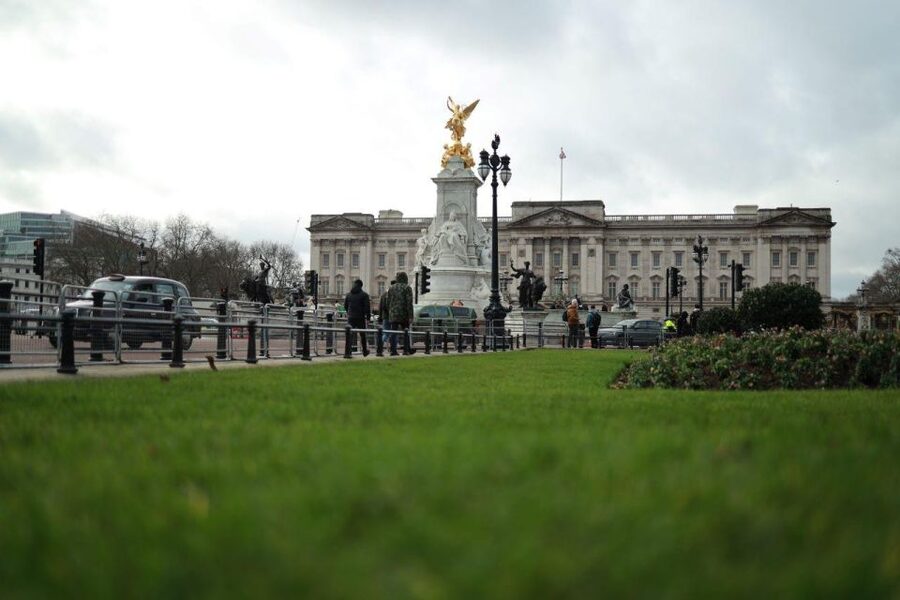
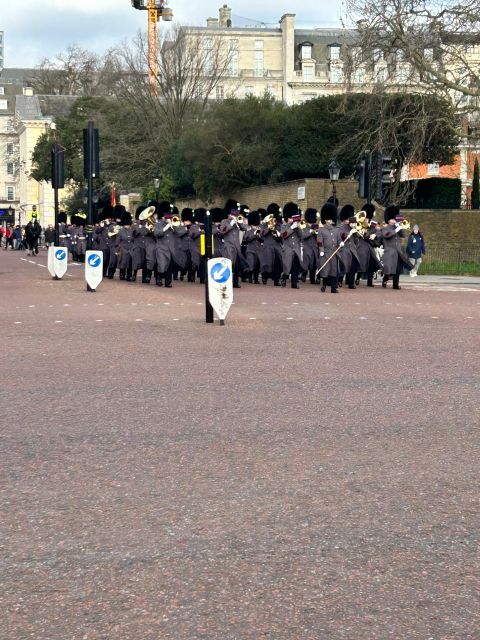
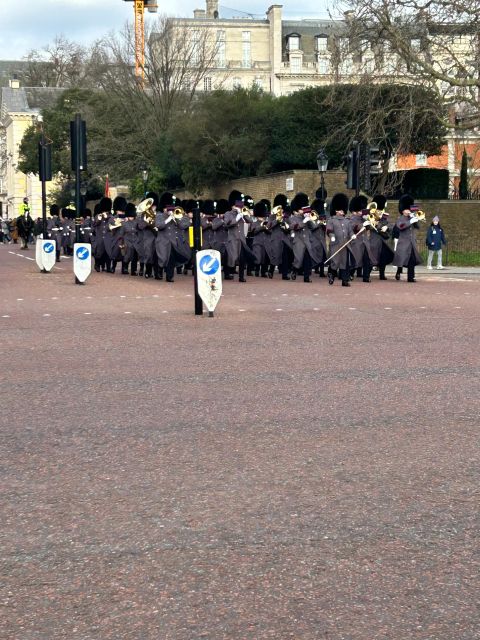
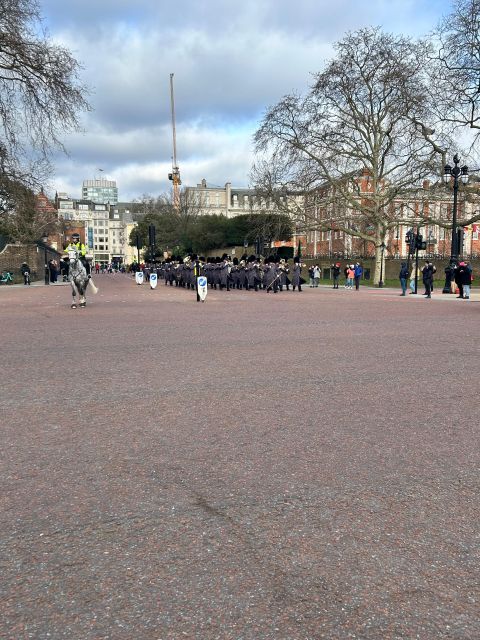
The highlight is the Changing of the Guard at Buckingham Palace. This is one of those London moments where the spectacle is obvious, but the meaning can be easy to miss if you show up cold. The tour’s pacing matters because it sets you up so you know what you’re seeing, not just what it looks like in photos.
When the ceremony starts, you get the rhythm: precision, uniforms, and the sense of tradition that looks planned down to the smallest detail. The guide’s role here is big. Good guides help you watch. They explain the structure of the event, what the guards represent, and why tourists line up in the first place.
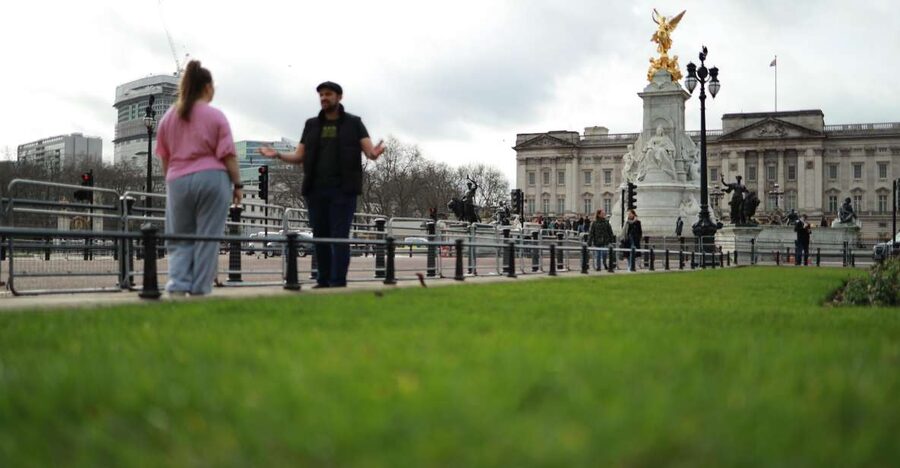
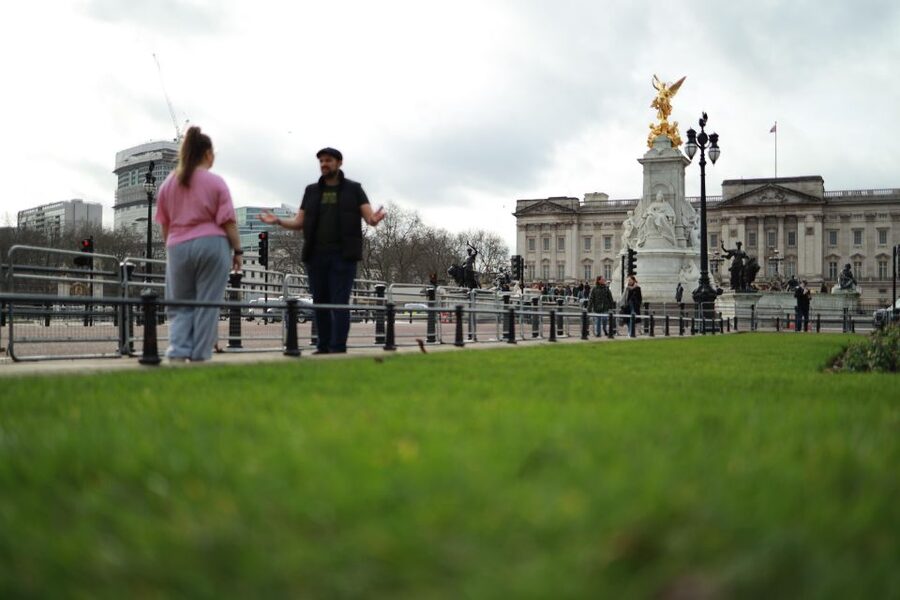
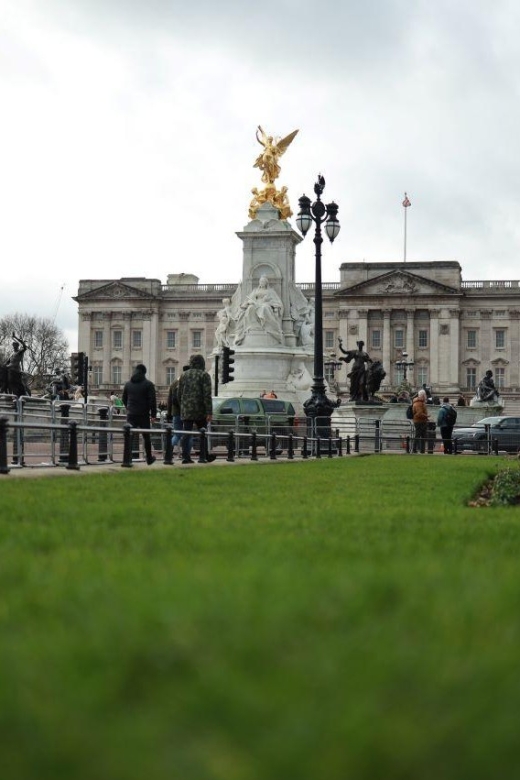
Then you move along Buckingham Palace views while the energy is still high. It’s not the kind of stop where you’ll stare at one façade for an hour. You’ll get a guided look, then keep moving, which helps if you’re trying to fit several Westminster icons into a short London visit.
Practical tip for your day: if you’re the type who gets irritated by long waits, keep your expectations realistic. This is a major ceremonial moment, and it draws attention. The tour’s benefit is that you’re not wandering around guessing where to stand or when to look.
St James’s Park and Horse Guards Parade, royal London as a working scene
After the palace, you’re guided toward St James’s Park. This stop changes the feel. It’s still central Westminster, but it gives you a calmer pace and a chance to reset. The park also helps you understand how the royal and political zones breathe into each other, with open space right next to the heavy architecture.
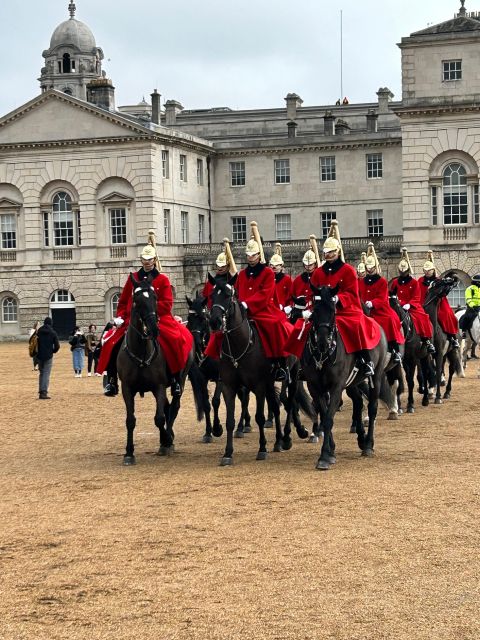
Then the tour includes Horse Guards Parade at Whitehall. This is the kind of place that can look like another government landmark until someone explains how it fits into ceremonial life. Even if you don’t catch a long performance, the viewing area helps you read the scene as part of the same world as Buckingham Palace and the guard ceremony.
This part of the route is also where the tour proves it’s designed for a short time window. You cover major sights in a way that keeps your legs moving but your attention sharp. It’s a smart balance between spectacle and context.
If you’re a fan of military pageantry, you’ll likely enjoy the continuity between palace ceremony and Whitehall ceremonial space. If you’re more into politics, you’ll start noticing how ceremony and governance share the same stage.
Westminster Abbey, when “royal” means funerals, coronations, and memory
Next is Westminster Abbey, and this is where the tone shifts from “look at the famous place” to “understand why it matters.” Westminster Abbey is tied to centuries of monarchy, including coronations and royal burials. The tour helps you see it as a national monument, not just an impressive building.
For readers who love architecture and symbolism, this stop can be a real payoff. You’ll likely spend a bit of time walking and looking rather than rushing. And you’ll get the kind of explanation that makes the details feel relevant to the nation’s story.
There’s also a human angle here. People often come to London chasing monarchs and kings. The guide’s framing can make you realize the abbey holds more than portraits. It holds memory, transitions of power, and long-lasting tradition.
Possible drawback: this isn’t the most hands-on experience on the route. You’re visiting and sightseeing. If you want very deep interior access or long time inside buildings, you might feel the Abbey stop is only as thorough as the group pacing allows.
Still, for a 140-minute tour that hits multiple major institutions, this is one of the most meaningful stops on the plan.
Also inked in under London
- London: The London Eye Entry Ticket★ 4.6 · 35,875 reviews
- From London: Harry Potter Warner Bros Studio Tour★ 4.7 · 26,588 reviews
- Magical London: Harry Potter Guided Walking Tour★ 4.7 · 22,044 reviews
- London: Madame Tussauds London★ 4.6 · 20,915 reviews
Houses of Parliament and 10 Downing Street, the power behind the pageantry
After Westminster Abbey, the route turns toward the working heart of the UK. Houses of Parliament is a must-see, but it can also be a confusing spot if you only know it as a photo. The guide’s job is to connect the building to the idea of democracy and governance, and that makes it feel less like a landmark and more like a system you’re standing next to.
You’ll get explanations and anecdotes that place the UK’s political center into context. For me, the value of this segment is the contrast. Buckingham Palace is tradition you can watch. Houses of Parliament is the machinery that continues with or without the spectacle.
Then you reach 10 Downing Street. Even if you only view it from the public-facing side, it lands hard because it’s instantly recognizable as the center of UK government leadership. The tour’s advantage is that you’re not just seeing the address, you’re understanding what kind of authority operates there.
If you’re the kind of traveler who likes to connect what you see with what it means, this part will satisfy you. If you’re expecting a lot of time inside political buildings, keep expectations aligned. This tour is built for guided viewing and context over a short timeframe.
Finishing at Whitehall, seeing the route as one connected line

You finish at Whitehall, which is a smart way to close the loop. Whitehall is the spine that links the palace zone with the parliamentary zone. Ending there helps you feel how Westminster works as a whole, rather than as disconnected stops.
This ending point also gives you flexibility. Once you’ve built the Westminster storyline, you can decide what to do next based on your interests. Want more ceremony? You can keep orbiting the palace area. Want more politics and architecture? You can linger around the parliamentary district.
I like that this finish location supports onward travel. You’re not trapped at an awkward spot. You’re finishing in an area that makes it easy to continue exploring on foot.
Price and timing, why $24 feels fair for what you get
At $24 per person for about 140 minutes, the value comes from compression and guidance. You’re paying for a guided route that connects several major landmarks that many visitors see as a list. Instead, you get explanations that help you watch better at Buckingham Palace, and you get context at the Abbey and the government buildings.
The tour also includes a live guide in English, so you’re not stuck reading plaques at speed. The group pacing matters here. You’re not wandering for long stretches, and you’re not doing a long detour for one building. That makes the experience work well for first-timers.
There’s also a clear “utility” element. After the tour, you’ll likely feel less lost. Westminster landmarks are close but not intuitive. A structured walk helps you understand the geography fast.
If you’re traveling on a tight schedule, this is the kind of experience that gives you a lot of return without swallowing your entire day. If you’re a super slow walker or you need long rests, factor in that it’s a walking sightseeing route, and your tolerance for standing outdoors will matter.
Who this Royal Tour of Westminster is best for
This tour fits best if you want a first look at Westminster with real context. It’s ideal for:
- First-time London visitors who want major royal and government landmarks without planning every step
- Families or mixed-age groups who benefit from a fun, entertaining guide and clear pacing
- History buffs who like stories tied to what they can see right away
- Royal fans who specifically care about the Changing of the Guard but also want the bigger picture
It may not fit well if you have limited mobility and fall into categories flagged as not suitable in the provided info. As noted, the details you’re given include an apparent contradiction about wheelchair accessibility, so I’d treat that as a prompt to confirm directly with Loudman Tours before you book.
The guide factor, why Nick’s style makes the difference
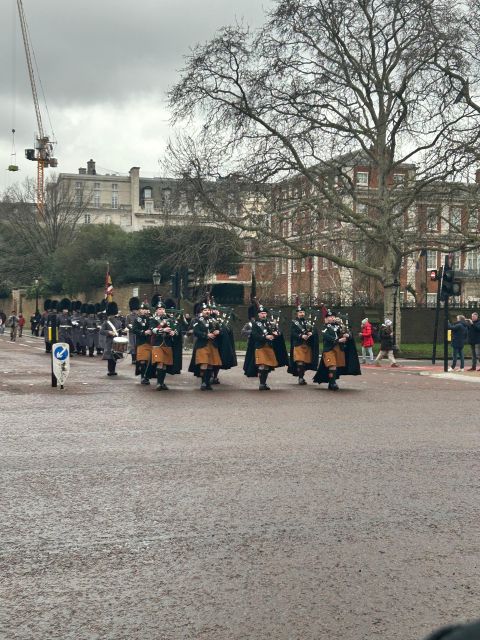
One thing that stands out is the way Nick leads. The reviews emphasize that he’s entertaining, educational, and keeps a pleasant pace. That matters because Westminster tours can feel either dry or rushed. A guide who uses humor and timing can turn “I’ve seen this before” into “Oh, that’s what that means.”
The best part for me is that the guide also prepares you for what comes next. That reduces the awkward moment where you wonder what you’re looking at. Instead, you get small mental cues that make each stop feel earned.
That combination of pacing plus storytelling is why the tour feels like more than sightseeing. You walk away with a clearer sense of how the monarchy, ceremonial traditions, and government power connect in the same geographic space.
Should you book The Royal Tour of Westminster?
I’d book it if you want a fast, guided way to hit the biggest Westminster hits and understand why they’re famous. The route is short enough to fit into a busy London plan, and the live guide approach makes the landmarks feel connected rather than random.
Skip it or confirm details first if your mobility needs are complex or if you’re in the age range mentioned as not suitable. Also, if you’re the kind of traveler who wants deep interior time at just one building, this may feel too structured and time-boxed.
If you’re aiming for a strong Westminster overview with a guide who can make it fun, this one is a solid choice.
Newest entries under London




Westminster & Big Ben Walking Tours, compared.
Westminster to Greenwich River Thames Cruise
Read our review →
Westminster to Tower Bridge River Thames Cruise
Read our review →
Westminster Abbey, Big Ben & Buckingham Guided Tour
Read our review →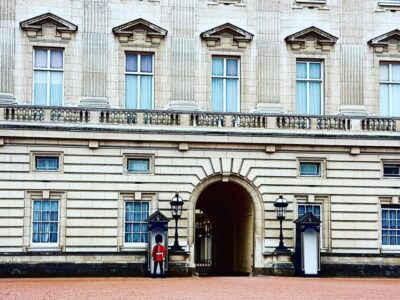
Buckingham Palace, Westminster Abbey & Big Ben Tour
Read our review →
Westminster WW2 Tour & Churchill’s War Rooms Ticket
Read our review →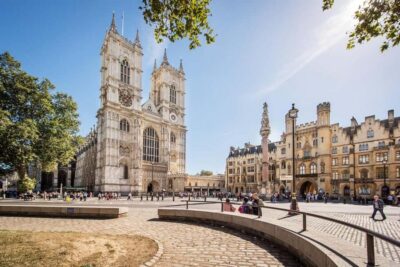
Westminster Abbey Tour with a Royal Heritage Guide
Read our review →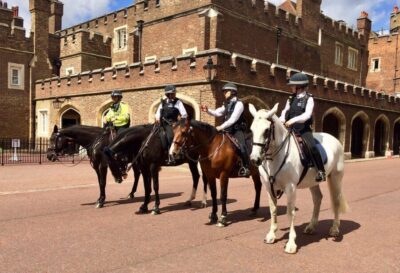
Westminster Tour and Churchill War Rooms Visit
Read our review →Browse the lists this tour appears in