
Reviewed · WESTMINSTER & BIG BEN WALKING TOURS
London: Westminster WW2 Tour & Churchill’s War Rooms Ticket
Underground London tells a chilling story. This Westminster WWII tour links the surface city you already see in postcards with the underground bunker that helped Britain steer through the Blitz. I especially like how the morning starts with a smart, guided walk through major power sites, then hands you the Churchill War Rooms for a self-paced visit with an audio guide.
You also get a clear story thread, from governments and monarchs pushed into exile in London, to Churchill’s close ties with Franklin Roosevelt. One drawback to plan for is that you’re on your feet the whole time, and the War Rooms area is not suitable for wheelchair users or people with mobility impairments.
You should also know what the tour is set up to do. The guide points out key moments around Westminster, then you go into the Churchill complex mainly on your own with audio. If you hate tight underground spaces or crowds, you might find it a bit compressed at peak times, but it is still a powerful visit.
In This Review
- Key takeaways before you go
- Where you meet and how the 2.5 hours are paced
- Westminster walking tour: Downing Street, Parliament, and the war memorial focus
- Churchill’s portrait in stone: exile, espionage, and the Women of WWII
- The 10 Downing Street connection that sets up the bunker
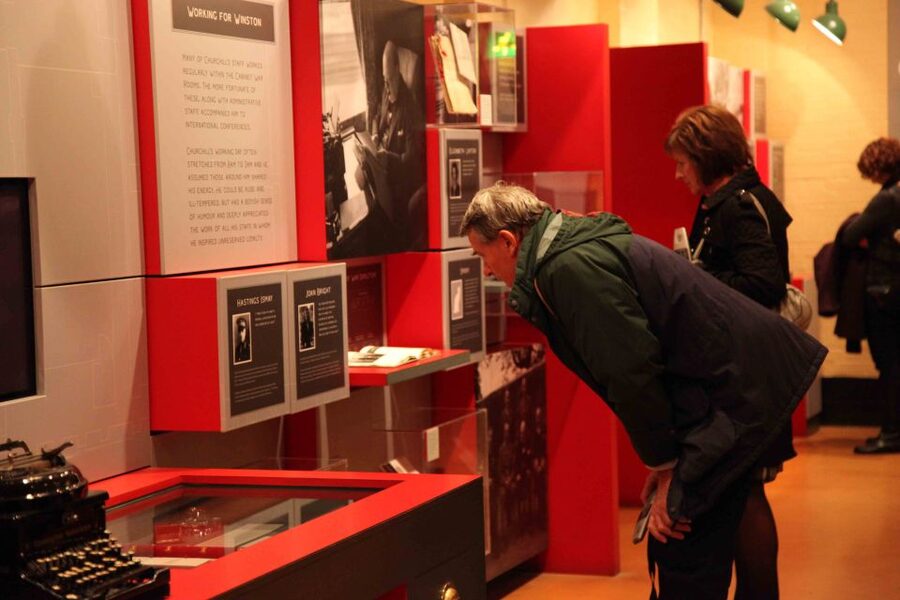
- Churchill’s War Rooms: what you’ll see in the underground maze
- How the audio guide works, and how to pace your 1.5 hours
- Big picture value: why $59 can make sense for this combo ticket
- Who should book, and who should choose a different WWII plan
- Should you book this Westminster WWII tour with Churchill’s War Rooms?
- FAQ
- How long is the tour?
- Where do I meet the guide?
- What does the schedule include on Westminster sites?
- Is Westminster Abbey included in the tour?
- Do I get a guided tour inside Churchill’s War Rooms?
- What is provided for listening during the walk and tour?
- Is the tour suitable for wheelchair users or limited mobility?
- Can I bring a stroller?
- What should I wear or bring?
Key takeaways before you go
- Westminster on foot first, then Churchill’s bunker underground, so the story actually connects
- Preserved War Rooms scenes with details like weather signs and lights switched off in 1945
- Strong guide energy at the walking stops, often with humor that keeps you listening
- Audio support inside the rooms, plus headset use so you can follow the walk even with street noise
- Not a fit for mobility needs, since there is no wheelchair access and strollers are not allowed
Where you meet and how the 2.5 hours are paced

Meet your guide outside Westminster Station. Use signs for Exit 2 (Victoria Embankment), go up to street level, and look for the group behind the statue of Boadicea on a chariot. The walking portion is the real setup for what you’ll see later, and it runs for about an hour before you head into the Churchill complex.
The full experience is about 2.5 hours total. The plan is simple: a guided Westminster walk with photo stops, then about 1.5 hours at Churchill’s War Rooms where you browse and explore with an audio guide. That split matters because it gives you two speeds. You get the big picture from the guide above ground, then you decide how long to linger underground.
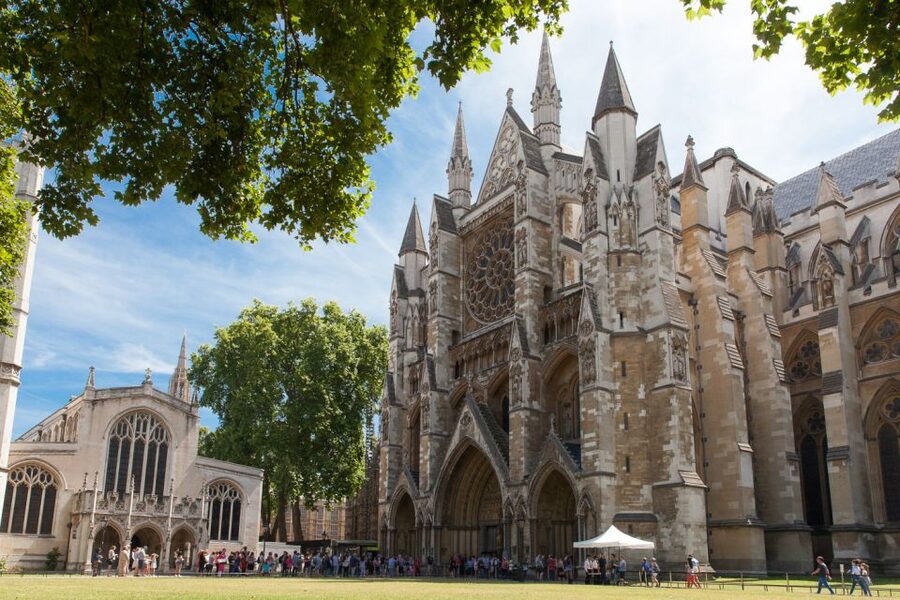
Also note one practical detail that affects your expectations. You do not get a guided visit inside Westminster Abbey. Abbey time here is photo stops only, and it’s listed as not included. So if you were hoping for an in-depth abbey visit, you’ll need to plan that separately.
More bells counted along Whitehall:
- London: Westminster to Greenwich River Thames Cruise
★ 4.5 · 22,836 reviews - London: Westminster to Tower Bridge River Thames Cruise
★ 4.5 · 6,127 reviews - London: Westminster Abbey, Big Ben & Buckingham Guided Tour
★ 4.8 · 3,240 reviews
Westminster walking tour: Downing Street, Parliament, and the war memorial focus
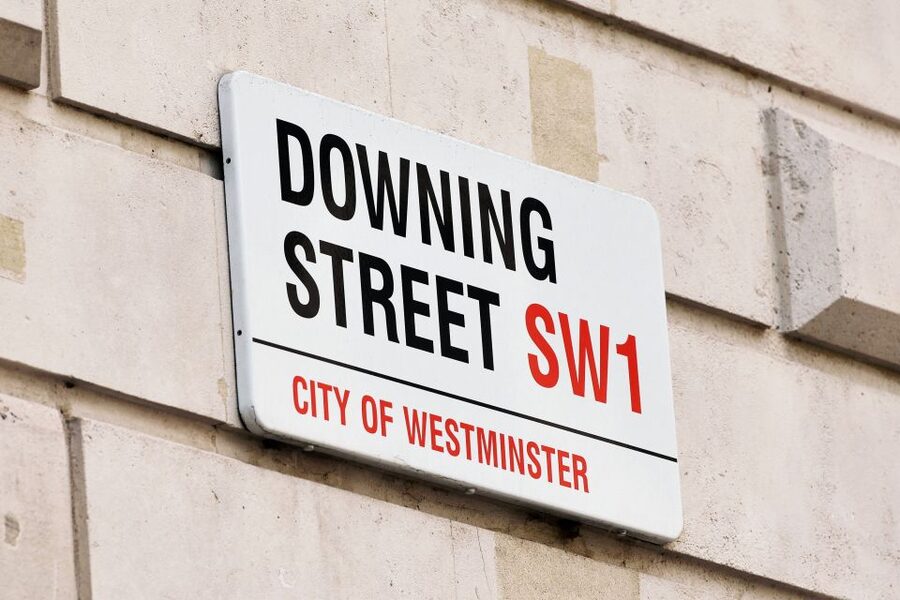
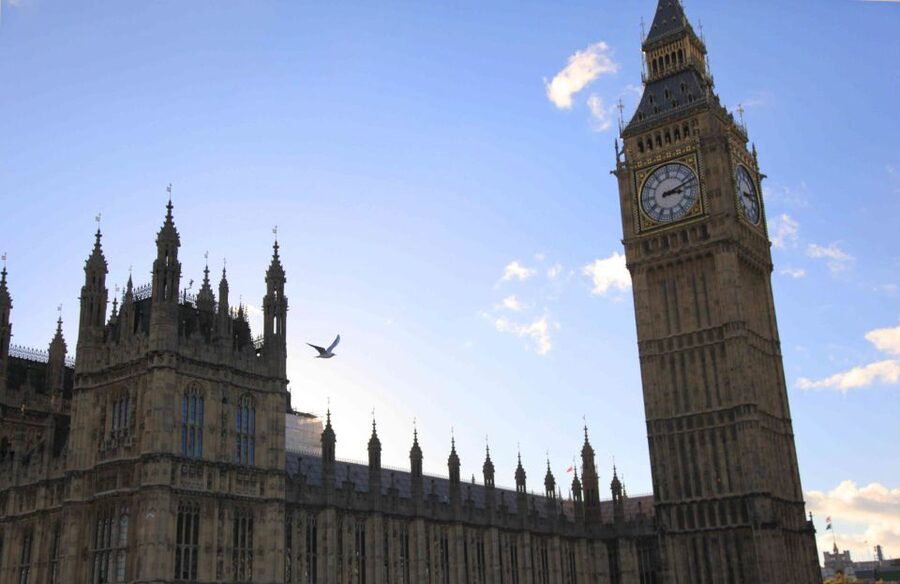
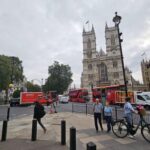
The surface portion is built around places that shaped wartime decision-making. You’ll walk around and stop for photos at major landmarks including 10 Downing Street, the Houses of Parliament, and Westminster Abbey. You’ll also get a photo stop at Big Ben, which is useful because it helps you orient yourself. Westminster can feel like a maze if you’re not seeing it with context.
What I like about this style of walk is that it keeps the story grounded in institutions, not just dates. The tour frames Westminster as a zone of power during WWII, including the fact that it had hidden bases and it suffered heavily during the Blitz. That context helps you understand why the War Rooms mattered so much, because you’re not just walking past buildings, you’re walking past the government machine.
You also get time at the Cenotaph, the UK’s primary national war memorial. It’s a natural emotional pause in a day like this. Starting with the symbols above ground, then moving into the rooms below, makes the underground tour feel less like a museum and more like a working space that belonged to real people under pressure.
Churchill’s portrait in stone: exile, espionage, and the Women of WWII
Between the big-name buildings, the tour adds the smaller, sharper story points that most self-guided sightseeing misses. You’ll hear about how European governments and monarchs were forced into exile in London as Germany overran their countries. That’s more than a political note. It explains why London drew so many networks, including intelligence gathering and covert planning.
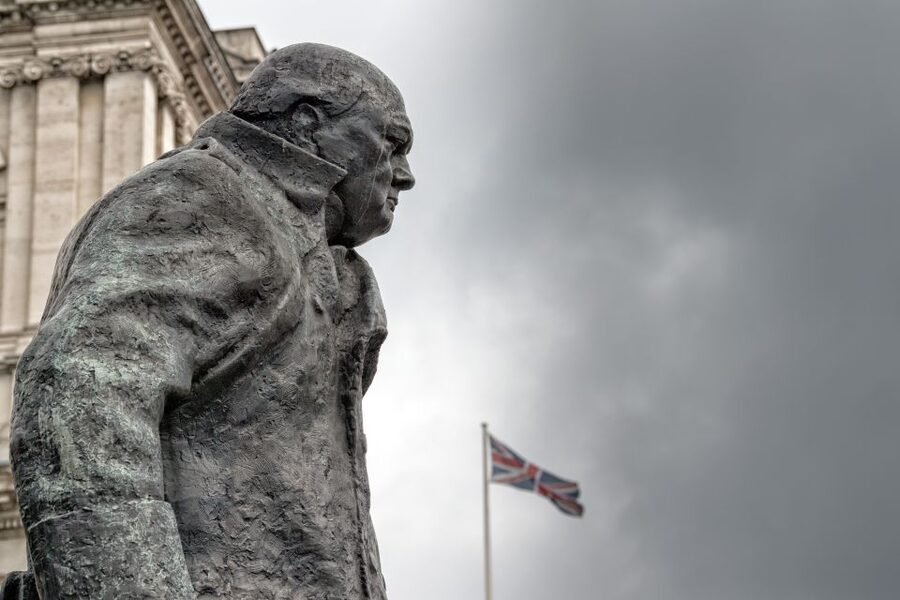
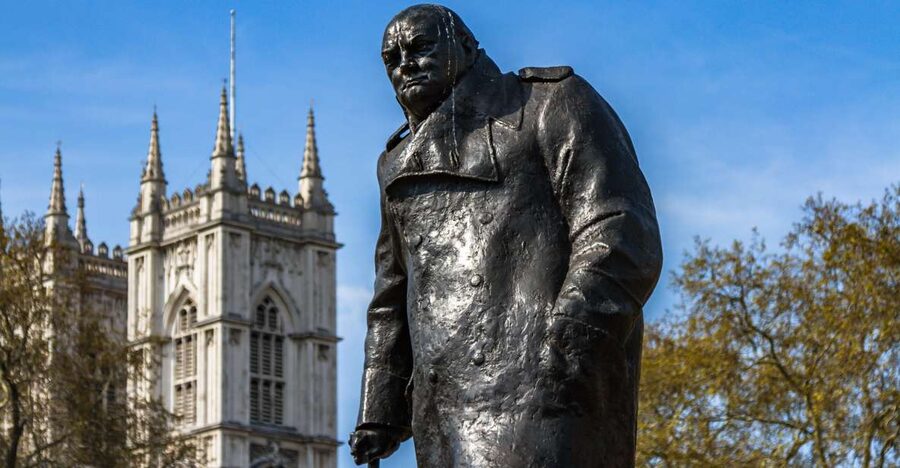
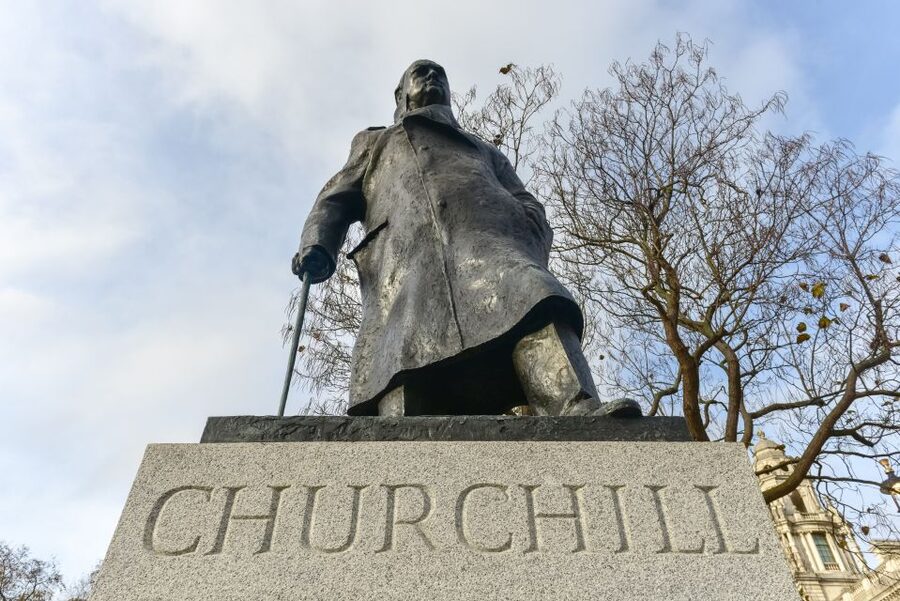
You’ll also see the statue of Sir Winston Churchill and the monument to the Women of World War II. I like including those because Churchill is the headline, but the war was powered by far more than one man’s speeches. The Women of WWII monument is a reminder that the home front and support roles were not side stories.
One of the best practical parts of the walk is the way your guide manages the group. People consistently mention that headsets make it easier to hear clearly, even when traffic and crowds get loud. You’ll still want comfy shoes, but the audio support helps you stay engaged rather than straining to catch every sentence at the curb.
The 10 Downing Street connection that sets up the bunker
One stop that makes this tour feel worth the money is the way it connects Churchill’s political authority to the physical locations of Westminster. You’ll hear the story around 10 Downing Street, including the mention of the original door that Churchill walked through after becoming prime minister. That detail helps you picture the moment more clearly, not just as an abstract turning point in 1940.
This part also adds meaning to the walking pace. You’re not rushing between landmarks. Instead, each stop is used like a chapter opener, setting you up for what you’ll see underground later: wartime coordination, communications, and the everyday work behind major decisions.
Then, as you near the end of the walk, you shift from symbolism to systems. The Cenotaph marks remembrance, and the next stop is where remembrance meets routine. That transition is the point. Churchill’s War Rooms weren’t built as a stage set. They were built as a command center, and the tour structure helps you feel that difference.
Also inked in under London
- London: The London Eye Entry Ticket★ 4.6 · 35,875 reviews
- From London: Harry Potter Warner Bros Studio Tour★ 4.7 · 26,588 reviews
- Magical London: Harry Potter Guided Walking Tour★ 4.7 · 22,044 reviews
- London: Madame Tussauds London★ 4.6 · 20,915 reviews
Churchill’s War Rooms: what you’ll see in the underground maze
Once you arrive at Churchill’s War Rooms, the experience turns from guided walk to self-led exploration. Your guide does not accompany you inside, but you do get an audio guide and time to wander.
This is the heart of the tour: the maze of underground rooms used during WWII for planning, strategy, and communication. You’ll learn how officials tracked and interpreted enemy messages and how maps were created to follow the army’s movements. If you’ve ever wondered how decisions get made when the world above ground is chaos, this is where the “how” becomes visible.
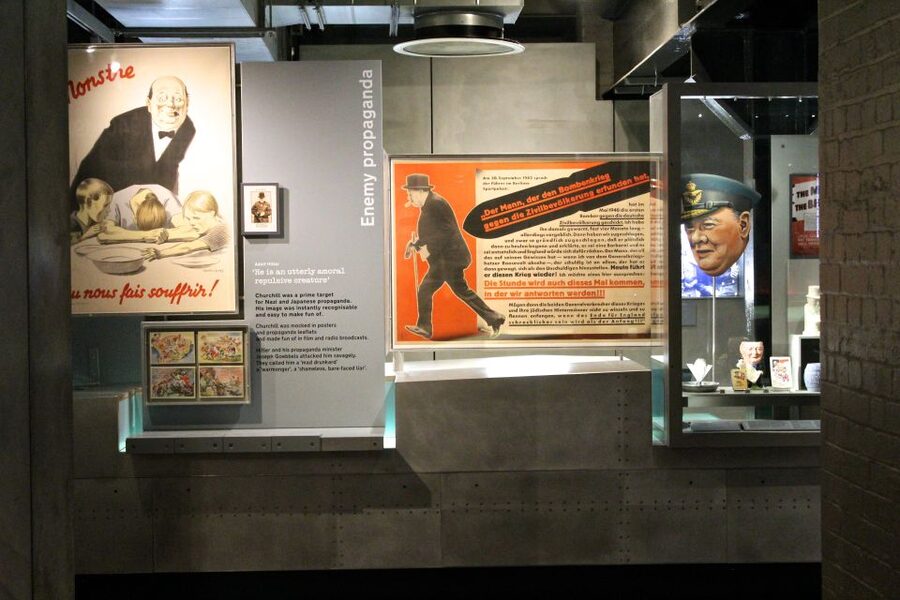
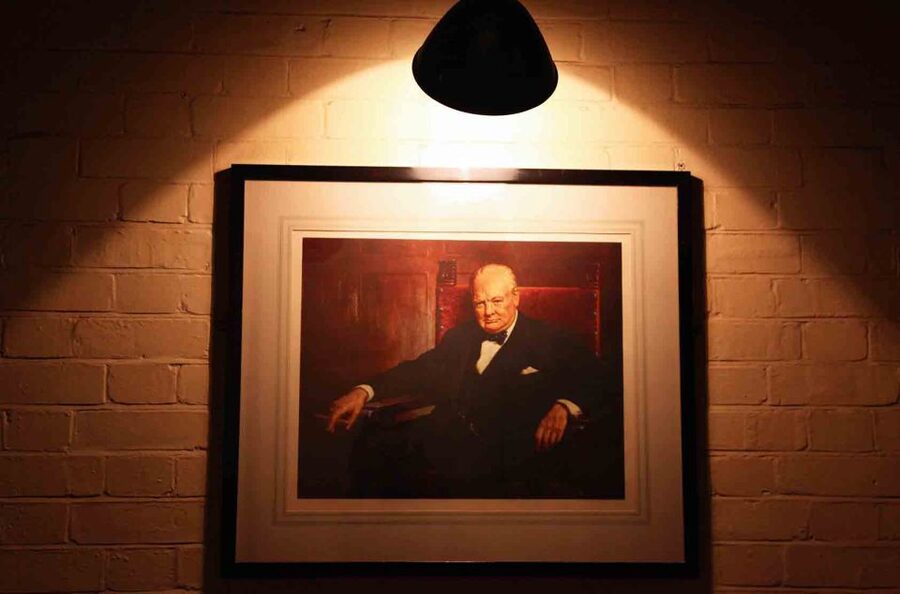
The War Rooms also include the Churchill Museum. The museum focus on Churchill’s life and legacy helps you connect the man to the machinery. You’ll hear authentic audio of his wartime speeches, and you’ll get stories about both his public persona and his personal life, including his love for his wife and his special relationship with President Roosevelt.
Some details in the room explanations are the kind that stick in your head because they feel human and a little surprising. For example, you’ll hear about primitive sun lamps used to support vitamin D, and the fact that even families of some workers could not know what those workers did. You’ll also see the difference between high-stakes talk and basic domestic needs, including a look at Churchill’s kitchen and the Transatlantic Telephone Room, where Churchill and Roosevelt had top-secret conversations.
Finally, the rooms are preserved in a way that emphasizes authenticity. They’re kept exactly as they were on the day the lights were switched off in 1945, and you’ll even see signs indicating the weather outside. That preservation choice turns the space into a time machine, not just a display.
How the audio guide works, and how to pace your 1.5 hours
Your schedule includes about 1.5 hours in the War Rooms. In real life, you’ll probably need to choose between “keep moving to see everything” and “slow down for the best rooms.” I recommend slowing down around the key communication and planning areas first, since those are the places where the story thread you heard on the walk really pays off.
Inside, you’ll rely on the audio guide rather than live commentary. Most people like this setup because it lets you pause, look closely, then continue when you’re ready. It can also help with crowd flow. You don’t have to keep track of a guide in a tight space.
One small consideration: some visitors report occasional headset audio issues, like needing to troubleshoot the channel to hear the narration clearly. That’s not guaranteed to happen, but it’s worth knowing. If audio sounds wrong, ask staff for a quick fix rather than powering through.
Also, underground spaces can feel cramped. A couple of people noted how tight it is due to the number of visitors. That does not ruin the experience, but it does mean you should expect less elbow room than you’d have in a large city museum.
Big picture value: why $59 can make sense for this combo ticket
At $59 per person for a 2.5-hour experience, the value depends on what you want from your day. If you only care about ticking off the War Rooms as a standalone attraction, you could likely spend less by buying an entry ticket only. But this tour adds the missing ingredient: meaning and orientation.
One person even pointed out that the guided walk option can be only about $20 more than the War Rooms self-guided approach. If that difference holds for your purchase, the walking recap is the bargain part. It gives you context for why those rooms existed, what Westminster looked like under threat, and how Churchill’s communications work connected to the real geography of power above ground.
The other value driver is the pacing. You get a guided walking intro that takes you through key sites, then you get self-paced time underground with audio. That hybrid format is great for mixed groups, and it prevents the War Rooms visit from turning into a rushed production line.
Who should book, and who should choose a different WWII plan
This one fits best if you like government history, wartime leadership, and places tied to real decision-making. It also works well if you want a guided storyline without feeling locked into constant narration. You’ll still do a lot of walking, and you’ll need comfortable shoes.
It is not suitable for wheelchair users or people with mobility impairments. The walking portion and the underground nature of the War Rooms make it a poor match for anyone who needs step-free routing. Also, baby strollers are not allowed, so plan accordingly if you’re traveling with little ones.
If you’re the type of person who likes your history with personalities, this tour leans that way. The Churchill material covers both his public leadership and his relationship with Roosevelt, plus his speeches and personal life notes. And the guide style matters. Many people describe guides like Paul, Michael, Maggie, Peter, Dave, Louise, Jo, Lee, Andy, Jay, and Ken as engaging, funny, and able to answer questions while keeping the walk moving.
Should you book this Westminster WWII tour with Churchill’s War Rooms?
If you want a WWII experience that connects the politics you see around Westminster to the underground planning space that powered Britain’s survival, this is a smart buy. The guided walk gives you structure fast, and the War Rooms self-paced audio lets you slow down where you care most.
Book it if:
- You want the combo of Westminster landmarks plus the bunker story
- You like audio-guided museum time after a guided intro
- You’re comfortable with walking and stairs
Skip or adjust your plan if:
- You need wheelchair access or step-free routes
- You dislike tight underground rooms
- You’d rather spend the entire time in one attraction with no walking segment
If your goal is to leave Westminster feeling like you understand how WWII decisions were made, not just where they happened, this tour is built for that.
FAQ
How long is the tour?
The total duration is about 2.5 hours.
Where do I meet the guide?
Meet outside Westminster Station. Follow signs for Exit 2 (Victoria Embankment), then go up to street level. The group meets behind the statue of Boadicea on a chariot.
What does the schedule include on Westminster sites?
You get a guided walking tour in Westminster, with photo stops at Big Ben, the Houses of Parliament, Westminster Abbey, and 10 Downing Street.
Is Westminster Abbey included in the tour?
No. Westminster Abbey is listed as not included as a visit.
Do I get a guided tour inside Churchill’s War Rooms?
No. The War Rooms portion is a visit with a self-guided tour using an audio guide.
What is provided for listening during the walk and tour?
The tour includes headsets, plus an audio guide inside Churchill’s War Rooms.
Is the tour suitable for wheelchair users or limited mobility?
No. It is not suitable for people with mobility impairments or wheelchair users.
Can I bring a stroller?
Strollers are not allowed.
What should I wear or bring?
Wear comfortable shoes. You should also be ready for walking and an underground visit.
Newest entries under London





Westminster & Big Ben Walking Tours, compared.

Westminster to Greenwich River Thames Cruise
Read our review →
Westminster to Tower Bridge River Thames Cruise
Read our review →
Westminster Abbey, Big Ben & Buckingham Guided Tour
Read our review →
Buckingham Palace, Westminster Abbey & Big Ben Tour
Read our review →
Westminster Abbey Tour with a Royal Heritage Guide
Read our review →
Westminster Tour and Churchill War Rooms Visit
Read our review →
Guided Westminster Abbey Tour and Refreshments
Read our review →Browse the lists this tour appears in