
Reviewed · MUSEUMS
London: The Courtauld Gallery at Somerset House Entry Ticket
The Courtauld turns London quiet and focused. This entry ticket gets you into the heart of one of the city’s best art collections, inside the grand setting of Somerset House. I love that it covers big-name masterworks without turning the day into a sprint.
Two things I really like: you get the LVMH Great Room start with major Impressionist and Post-Impressionist highlights, and then you shift gears to Renaissance in the Blavatnik Fine Rooms. One possible drawback is that the ticket covers the permanent collection, not temporary exhibitions, so if you want rotating shows, you may need a separate plan.
In This Review
- Key things I think you’ll love here
- Why the Courtauld Gallery inside Somerset House works so well
- LVMH Great Room start: Manet, Van Gogh, and Cézanne’s fingerprints
- Blavatnik Fine Rooms on the second floor: Renaissance to 18th century in one smooth shift
- Ruddock Family Gallery: Medieval and early Renaissance art you can use as a map
- 20th-century rooms and the Bloomsbury Group: art linked to ideas
- What your ticket includes, and what it does not
- How much time to plan for this 1-day entry
- Price and value: is $16 worth it?
- Practical visit tips inside Somerset House
- Who this Courtauld ticket suits best
- Should you book this Courtauld Gallery entry ticket?
- FAQ
- Where is the meeting point for this activity?
- What is included with the Courtauld Gallery entry ticket?
- Are temporary exhibitions included in this ticket?
- How long is the ticket valid?
- Is an audio guide provided, and what language is it in?
- Can I pay later or get a refund if I change plans?
Key things I think you’ll love here
- LVMH Great Room orientation with major Impressionist and Post-Impressionist works, including Manet and Van Gogh
- Blavatnik Fine Rooms on the second floor, a real Renaissance to 18th-century change of pace
- Botticelli’s Trinity with Saints and the feeling of stepping into a devotional masterpiece
- Ruddock Family Gallery for Medieval and early Renaissance art that adds context to later works
- 20th-century rooms featuring the Bloomsbury Group on a changing-displays basis
Why the Courtauld Gallery inside Somerset House works so well
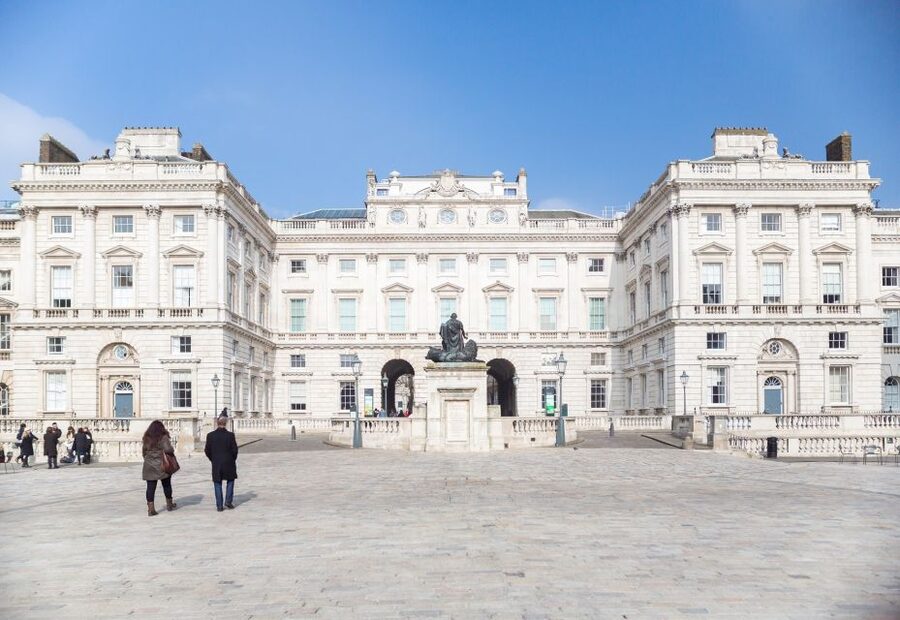
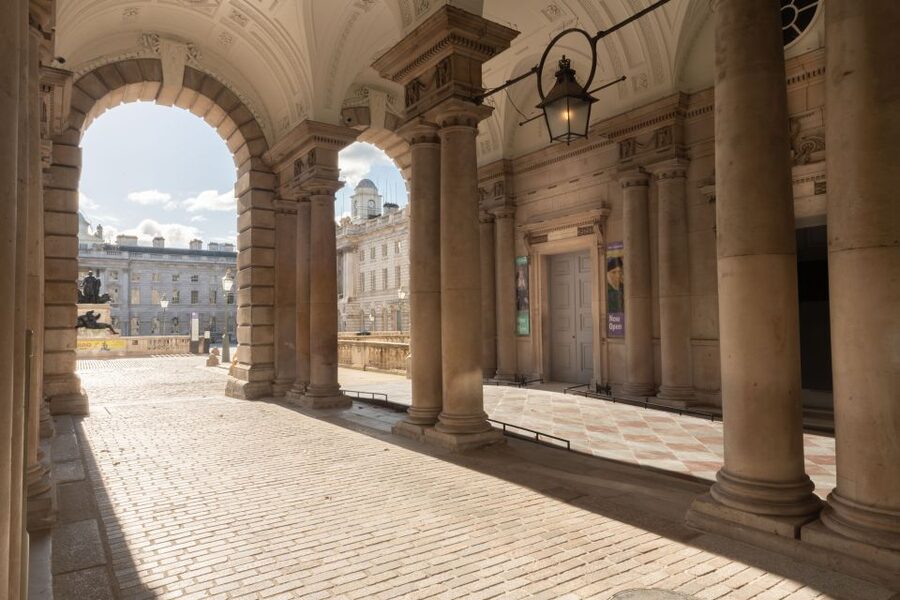
Somerset House already feels like a destination, even before you reach the art. The architecture gives you a sense of arrival, and then the Courtauld Gallery does what great museums should do, it organizes a complicated story into clear rooms you can actually enjoy.
What makes this Courtauld visit especially practical is the way your day flows through eras. You start with the big Impressionist and Post-Impressionist strengths, then you climb to Renaissance and early modern works, and finally you move into Medieval and 20th-century art. That structure helps you connect styles as you go, instead of only seeing disconnected famous paintings.
I also like the low-friction setup. The entry is for the Courtauld Gallery permanent collection, and you have an English audio guide included, which means you can move at your own speed instead of building your day around a specific time slot for a group talk.
More Museum Tours in London
- London: Chelsea Football Club Stadium and Museum Tour
★ 4.8 · 4,576 reviews - London: British Museum Guided Tour
★ 4.3 · 1,182 reviews - London: British Museum Guided Tour with Entrance Tickets
★ 4.9 · 748 reviews
LVMH Great Room start: Manet, Van Gogh, and Cézanne’s fingerprints
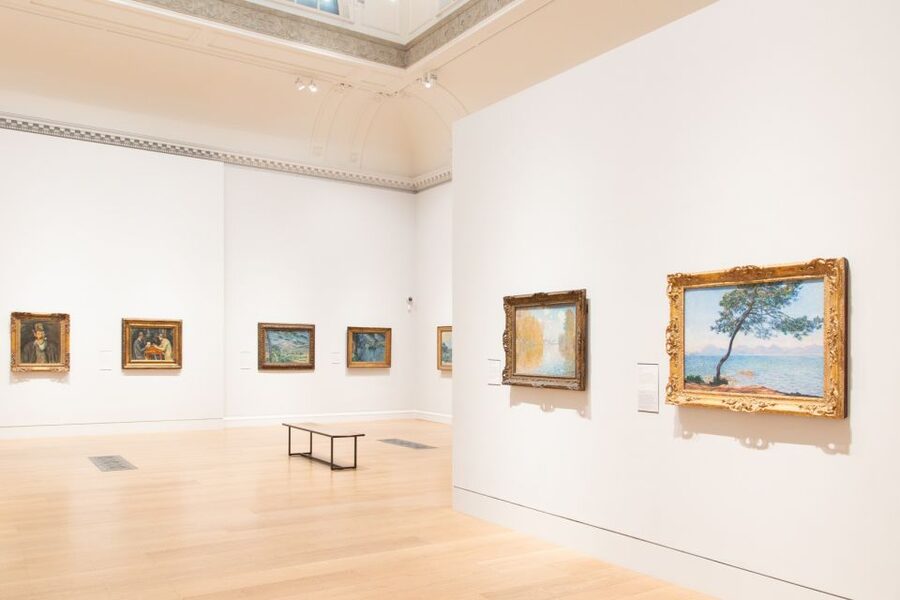
Your visit begins in the LVMH Great Room, and it is a smart opening because it puts the Courtauld’s modern strengths right in front of you fast. This is where the collection hits you with familiar names, but also with the kind of focused viewing that helps those names mean something.
Here’s what you’ll want to look for first. Manet’s work shows up in the form of A Bar at the Folies Bergère, a scene that mixes performance energy with emotional distance. If you’ve ever wondered how Manet could make style feel like psychology, this is the kind of painting that answers that question quickly.
You’ll also see Van Gogh, including Self-Portrait with Bandaged Ear. Even if you know the broad strokes of Van Gogh, a direct, on-the-wall look is different. You can notice how the portrait lands with urgency, and how the museum’s lighting and room setup help you see the details without the experience feeling rushed.
And then there’s Cézanne, described here as a UK treasure trove of works. That matters because Cézanne is often the bridge figure between what you think you know about Impressionism and where painting goes next. If you take 10 minutes just to compare brushwork and structure in the Cézanne pieces, the rest of the Courtauld day tends to click more.
Practical tip: don’t try to read everything in this room at once. Start with one Manet, one Van Gogh, then give yourself permission to slow down for Cézanne. The payoff is that you leave feeling like you actually studied something, not just “saw” it.
Blavatnik Fine Rooms on the second floor: Renaissance to 18th century in one smooth shift
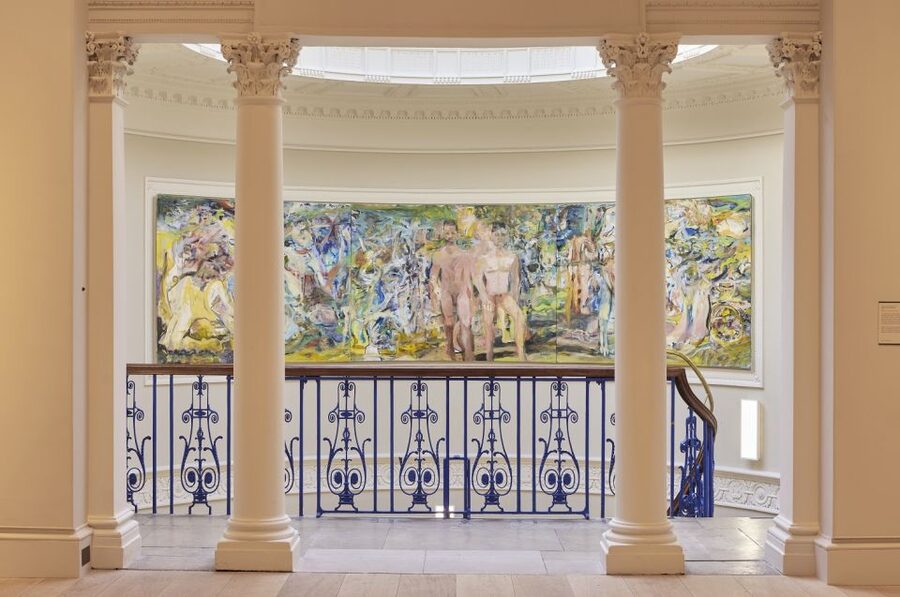
The second-floor Blavatnik Fine Rooms are where you feel the biggest mood change. This is the Renaissance stretch, and it gives you a chance to experience religious art, myth, and dramatic subjects in a setting designed for art viewing rather than foot traffic.
Several works are key here:
- Lucas Cranach’s Adam and Eve, which helps you see how Renaissance and Northern traditions overlap in tone and symbolism.
- Rubens’s The Descent From The Cross, where the emotion and movement do a lot of heavy lifting.
- Botticelli’s The Trinity with Saints, a centerpiece that leans into elegance and spiritual imagery.
- Pieter Bruegel the Elder’s Landscape with a flight into Egypt, which you can use to practice seeing how small details build a larger narrative.
Even if you usually prefer modern art, this floor is a good reason to come. It re-teaches your eye. In Impressionism and Post-Impressionism, you often focus on light, color, and immediacy. In Renaissance and early modern art, you start noticing composition first, then symbol, then emotion. It’s not a “better” or “worse” skill set, it’s different. And the Courtauld gives you both in the same day.
One consideration: you may find that the Renaissance rooms reward patience. If you’re the type who wants to check off names quickly, you might skim too much. If that’s you, plan to spend extra time with Botticelli or Rubens, then move on. You’ll remember those choices more than you’ll remember everything else.
Ruddock Family Gallery: Medieval and early Renaissance art you can use as a map
After you’ve had your Renaissance moment, the Ruddock Family Gallery brings you into Medieval and early Renaissance art. This part of the collection is useful because it fills the “how did we get here?” gap that many people feel but don’t always know how to answer.
Instead of treating the Courtauld as a list of famous works, you can use these rooms as stepping stones. You’ll see early approaches to figures, storytelling, and religious imagery that later artists refine and transform. It’s a strong way to understand why styles shift over time, not just what changed.
The gift of this gallery is context. When you later look back up at the Renaissance works, you can spot what evolved, and what stayed consistent. That’s when a collection feels more like a guided journey than a museum checklist.
More gallery rooms between showers:
- London: Tour of the British Museum★ 4.1 · 678 reviews
- Afternoon Tea at the British Museum★ 4.2 · 511 reviews
- London: Paradox Museum Entry Ticket★ 3.9 · 441 reviews
- London: National Gallery Guided Tour with Art Expert Guide★ 4.7 · 440 reviews
20th-century rooms and the Bloomsbury Group: art linked to ideas
The Courtauld’s later sections bring you into 20th-century art and the Bloomsbury Group world. The way it is described here suggests displays may change, so don’t assume every day looks exactly the same.
Still, this part of your visit matters because it completes the story. You started with modern painting’s big names. You went backward into Renaissance and Medieval roots. Now you land in a period where art is often tied closely to ideas, writing, and culture.
This is also where the audio guide helps most. In modern and contemporary art, details like title meanings, stylistic shifts, and context can get lost if you only look at the image and move on. The included English audio guide gives you a way to slow down without needing a live guide standing next to you.
Small self-check: if you feel slightly “done” after Renaissance, you might rush the 20th-century rooms. Try one intentional stop here, maybe the most interesting room, then take a break mentally. You’ll end up enjoying more, not less.
What your ticket includes, and what it does not
Your Courtauld entry ticket covers the permanent collection. That’s the big practical point. Temporary exhibitions are not included, so you’ll want to set expectations accordingly.
In exchange, you’re spending your time where the Courtauld’s strengths are most predictable. The works named here, like Manet, Van Gogh, Botticelli, Rubens, Cranach, and Bruegel the Elder, are the kind of permanent anchors that make the museum feel reliable. Instead of chasing whatever is on view this week, you can plan your day around the collection itself.
Also note that you’ll have an English audio guide included. That’s a real value add because it supports your own pacing. It also helps if you don’t want to do constant reading or if you’re traveling with someone who prefers to listen rather than read placards.
How much time to plan for this 1-day entry
This is a 1-day visit, and that sounds simple until you realize the Courtauld moves through eras quickly. To make it enjoyable, I’d plan your day like this:
- Spend your “anchor time” early in the LVMH Great Room.
- Give the Blavatnik Fine Rooms enough time to see at least a few named works properly.
- Use the Ruddock Family Gallery for context, not just a quick pass.
- Stop by the 20th-century rooms for one focused session.
If you treat the day like a checklist, you’ll feel rushed by the end. If you treat it like a sequence of moods, you’ll feel like you experienced the collection rather than just scanned it.
One more thing: since you choose a day and starting time availability matters, you’ll get the best results by picking a start that fits your energy. Morning usually helps if you want more time in the rooms without the afternoon fatigue.
Price and value: is $16 worth it?
At around $16 per person, this ticket is good value if your goal is the permanent collection highlights. You’re not paying for a temporary exhibition that might feel hit-or-miss. You’re paying for a museum visit built around major masterworks across multiple eras.
The value really comes from two factors:
- The named works cover major art history movements, Impressionism and Post-Impressionism, then Renaissance, then Medieval context, then 20th-century art.
- You also get an English audio guide included, which adds to the overall experience without additional spend.
If your travel style is “show me the best parts and let me linger,” this fits. If your idea of a museum day is only temporary blockbuster shows, then you’ll feel constrained because those are not part of this ticket.
Practical visit tips inside Somerset House
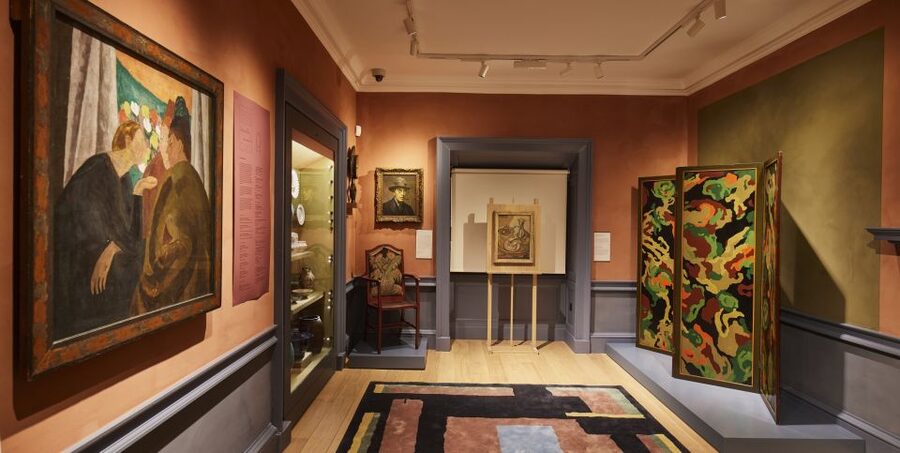
Courtauld Gallery is within Somerset House, so the location is a plus if you’re already spending time around the area. It’s easy to pair with other London walking plans, especially if you like museums more than shopping.
Because everything is about movement between rooms and floors, the audio guide helps you stay oriented. Use it to pick your order in each major area. For example, if you’re most excited about Botticelli and Rubens, you can prioritize those on the second floor first, then fill in around them.
Also remember: the ticket is for permanent collection entry. That means your plan should focus on the core galleries rather than hunting for special displays that might not be included.
Who this Courtauld ticket suits best
This entry ticket works especially well for you if:
- You want world-famous names like Manet, Van Gogh, and Botticelli, but in a museum layout that supports real looking.
- You like art history as a timeline, where Medieval links to Renaissance, and then to modern work.
- You prefer self-paced visits with an audio guide in English.
- You need wheelchair accessibility, since the gallery is wheelchair accessible.
It may not fit as well if you only care about temporary exhibitions, or if you want a guided live tour experience with a specific guide throughout. This is built around permanent collection access with an audio layer, not a rotating-show focus.
Should you book this Courtauld Gallery entry ticket?
Yes, I’d book it if your ideal London museum day is focused, art-forward, and paced by you. The combination of LVMH Great Room modern highlights and the second-floor Blavatnik Fine Rooms Renaissance works makes the ticket feel like real value, not just a one-museum stop.
Pick this ticket when you want a day where major works across eras are lined up in a logical flow. You’ll leave with stronger connections between styles, and you’ll also get to slow down long enough to really see why works like Manet’s Folies Bergère and Botticelli’s Trinity with Saints still pull people in.
If you want, tell me your travel dates and whether you like Impressionism more or Renaissance more. I can suggest a simple order for your visit based on your priorities and how long you like to linger in each room.
FAQ
Where is the meeting point for this activity?
The Courtauld Gallery is within Somerset House.
What is included with the Courtauld Gallery entry ticket?
The ticket includes entry to the Courtauld Gallery permanent collection.
Are temporary exhibitions included in this ticket?
No, entry to temporary exhibitions is not included.
How long is the ticket valid?
The ticket is valid for 1 day.
Is an audio guide provided, and what language is it in?
Yes, an audio guide is included in English.
Can I pay later or get a refund if I change plans?
You can reserve now and pay later. Free cancellation is available up to 24 hours in advance for a full refund.
Newest entries under London






Museums, compared.
Tower of London and Crown Jewels Exhibition Ticket
Read our review →
Liverpool Football Club Museum and Stadium Tour
Read our review →
Chelsea Football Club Stadium and Museum Tour
Read our review →



British Museum Guided Tour with Entrance Tickets
Read our review →Browse the lists this tour appears in