
Reviewed · MUSEUMS
London: Natural History Museum Guided Tour
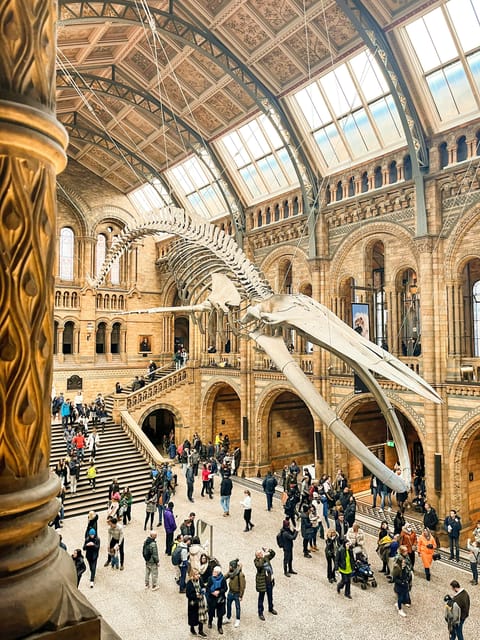
Fossils here feel oddly close. In 2.5 hours at London’s Natural History Museum, you follow life from earth’s beginnings to human origins, with a guide leading you through the museum’s maze of specimens. You’ll get standout moments like Iguanodon teeth fossils and a close-up Dodo skeleton, plus the kind of “wait, what am I looking at?” oddities that only museums pull off.
I love how this tour turns a massive museum into a clear storyline, not a checklist. Two of my favorite stops are the Pompeii casts and the first edition of On the Origin of Species, because they connect natural science to real human history and big questions. I also like that it’s designed as a small-group experience, with a professional guide who can steer the pace for the people in front of them.
One consideration: there’s a small amount of walking, and luggage or large bags are not allowed inside. That means you’ll want a lightweight day bag and comfy shoes, and if you rely on a wheelchair, the tour has limits based on the option you book.
In This Review
- Key highlights that make this tour worth your time
- Turning the Natural History Museum into a story in 2.5 hours
- Earth’s first chapters: fossils, Sophie, and the “big picture” start
- Pompeii casts and the dark side of curiosity
- Dodo, Darwin, and the moment science gets serious
- Archaeopteryx and the dinosaur-to-bird clue you can actually see
- The Cursed Amethyst and the Giant Sequoia slice for pure scale
- Why the guide makes the difference: names you might get and what they do
- Price and value for a $112, 2.5-hour guided hit
- Who should book, and who might want a different plan
- Should you book this Natural History Museum guided tour?
- FAQ
- How long is the London Natural History Museum guided tour?
- What group size is this tour?
- Is ticket line skipping included?
- What time and meeting point should I plan for?
- Do I need ID to join?
- Can I bring a suitcase or large bag?
- Is the tour wheelchair-friendly?
- What is the cancellation policy?
Key highlights that make this tour worth your time
- Iguanodon teeth fossils that make deep time feel physical and real
- Pompeii casts that bring the volcanic disaster into sharp focus
- A Dodo skeleton you can get close to and actually study
- First edition On the Origin of Species for the science moment that changed everything
- Archaeopteryx as the famous dinosaur-to-bird clue you’ll see up close
- Cursed Amethyst and a giant slice of Giant Sequoia for scale and spectacle
Turning the Natural History Museum into a story in 2.5 hours
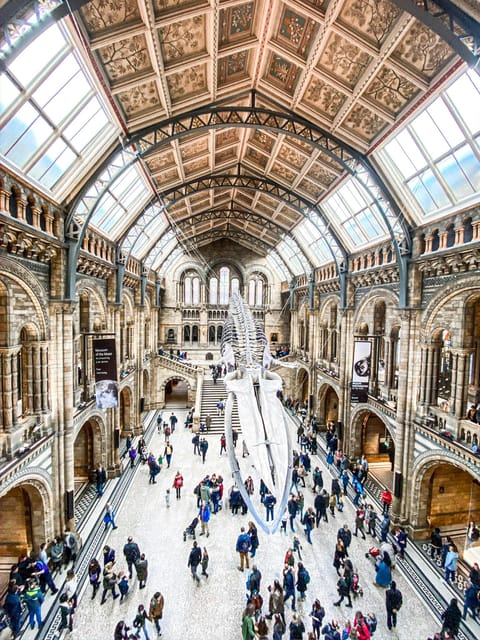
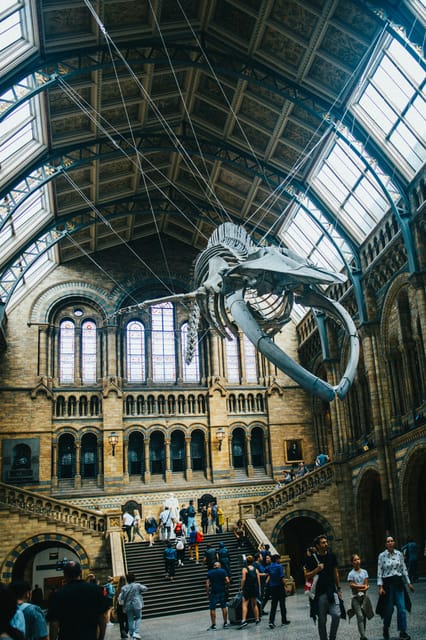
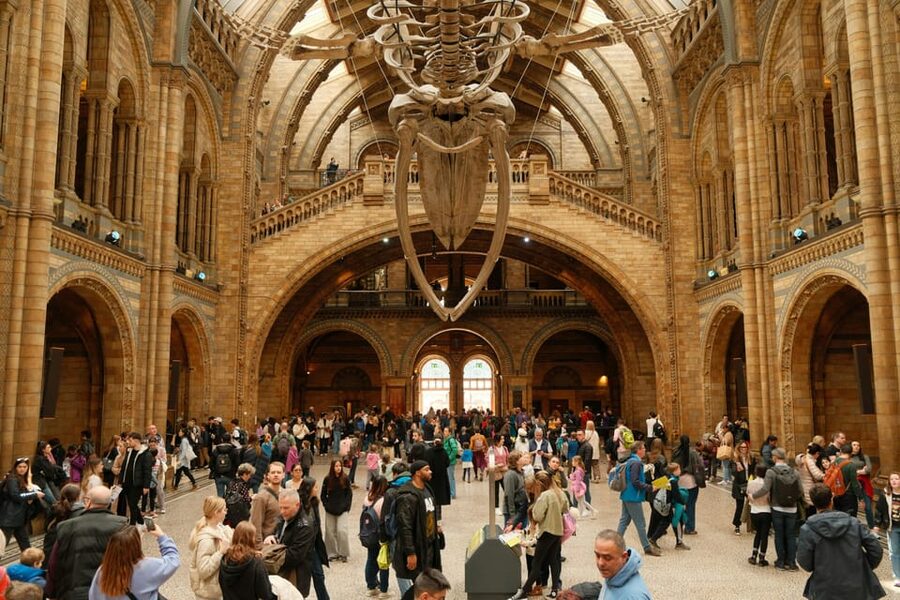
London’s Natural History Museum can swallow whole days if you wander on your own. This guided tour is built for focus, so you spend your energy on the museum’s strongest “wow” artifacts while still getting the why behind them.
The format is also practical. It runs for 2.5 hours, with private or small groups, and group tours cap at 8 guests maximum. If you’re aiming to see a lot but don’t want to feel lost in the galleries, this structure is a big deal.
You’ll also get the benefit of skip the ticket line access, though it’s still possible to see some lines due to security checks at major attractions. That’s normal in London, and it’s another reason a guide helps you keep moving.
One more practical note: meeting point can vary by option booked, so confirm the exact location before you go. And bring a passport or ID card, since it’s listed as required.
More Museum Tours in London
- London: Chelsea Football Club Stadium and Museum Tour
★ 4.8 · 4,576 reviews - London: British Museum Guided Tour
★ 4.3 · 1,182 reviews - London: British Museum Guided Tour with Entrance Tickets
★ 4.9 · 748 reviews
Earth’s first chapters: fossils, Sophie, and the “big picture” start
The tour starts by tracing the earth’s beginnings, then moves toward the dawn of our species. That’s not just a lecture on a wall, it’s a pathway through exhibits that show how scientists build an explanation from evidence.
Expect early natural history highlights that help you “read” fossils instead of just staring at them. The standout here is the Iguanodon teeth fossils, which are a great example of how small details can reveal whole ecosystems from long ago.
You’ll also encounter the museum’s famous characters, including Sophie the Stegosaurus. That kind of familiar face matters more than it sounds. It gives you an emotional hook, then the guide uses it to connect back to anatomy, evolution, and deep time.
This is a tour that tries to help you understand what you’re seeing. If you like your museum visits with clear explanations and a steady narrative, you’ll probably feel grateful you didn’t try to DIY this entire place.
Pompeii casts and the dark side of curiosity
One of the most intense segments is the Pompeii casts. Seeing those impressions in person hits differently than reading about a disaster, because your brain can’t help but visualize the moment.
This stop is valuable even if you came for dinosaurs. It shows how museums translate human tragedy into learning, using artifacts and displays to turn catastrophe into context. It also gives you a break from strictly prehistoric themes, which keeps the tour from feeling one-note.
The guide also covers other human history oddities tied to the collection, including the fact that some civilizations used human skulls as drinking glasses. That’s a heavy detail, but it’s exactly the sort of thing that makes museum collections feel connected to real people and real culture.
Tip for your experience: if you’re sensitive to unsettling historical details, it’s worth knowing this portion goes there. The tour is not just light and shiny, it has edges.
Dodo, Darwin, and the moment science gets serious
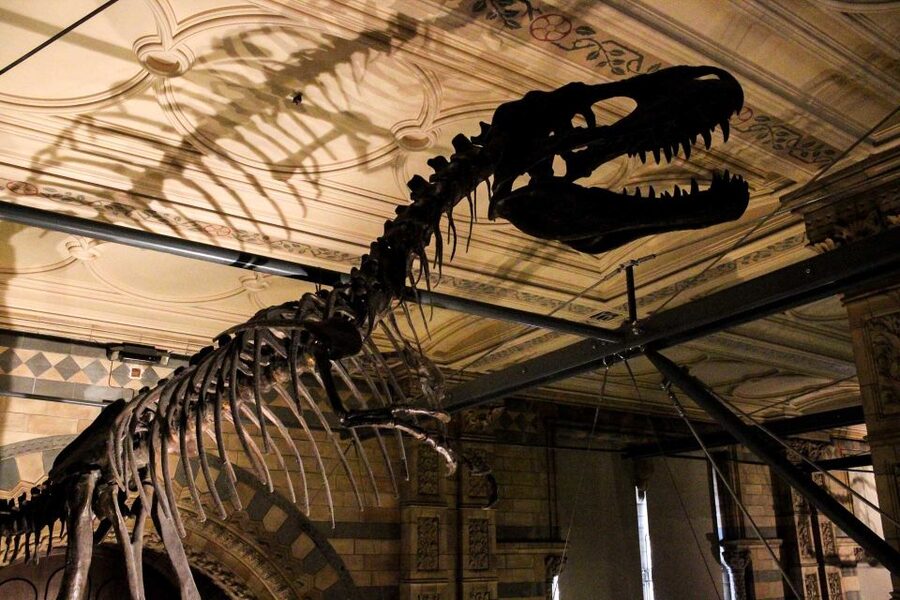
Then the tour pivots toward evolution and extinction. The Dodo skeleton is one of the most memorable stops, partly because the bird is so recognizable as a symbol of loss, and partly because it’s presented at a scale that makes it hard to dismiss as a distant fact.
Close up, you can connect the dots between extinction and the history of how humans understood the natural world. That theme gets its sharpest reinforcement at the first edition of On the Origin of Species. Seeing the artifact itself helps the ideas feel less abstract and more real.
This combination is a strong value of the tour: it doesn’t only show animals and minerals, it links them to scientific thinking. If you’re the type who wonders how we went from collecting objects to explaining nature, this is your payoff.
And if you have kids with you, this is the kind of section that can keep attention. In past groups, guides like Ivo and Guy V. were specifically praised for involving children and answering their questions clearly, without talking down.
More gallery rooms between showers:
- London: Tour of the British Museum★ 4.1 · 678 reviews
- Afternoon Tea at the British Museum★ 4.2 · 511 reviews
- London: Paradox Museum Entry Ticket★ 3.9 · 441 reviews
- London: National Gallery Guided Tour with Art Expert Guide★ 4.7 · 440 reviews
Archaeopteryx and the dinosaur-to-bird clue you can actually see
If you’ve ever heard that birds are basically dinosaur descendants, Archaeopteryx is the exhibit that makes it concrete. The tour points you toward this rare fossil and frames it as an alleged missing link between dinosaurs and birds.
Calling it alleged is important. Science isn’t always neat, and museums often show both evidence and uncertainty. A good guide helps you understand that difference, so you come away with a more honest view of how scientists interpret fossils.
This stop also works because it’s a “bridge” exhibit. You move from classic dinosaur ideas into the evolutionary pathway toward birds, and you can physically connect that with the rest of the tour.
If you’re a first-time museum visitor, you’ll likely leave feeling like you now know how to look at fossils. If you’ve visited before, this section can still sharpen your thinking, because it ties the exhibit to a clear question: what evidence do we have, and what does it suggest?
The Cursed Amethyst and the Giant Sequoia slice for pure scale
Not everything here is strictly science lab style. The tour also includes the Cursed Amethyst, which brings a bit of myth and drama to the museum experience.
You’ll also see an enormous slice of Giant Sequoia. This one is a reminder that museums are sensory machines. Even if you know the facts, scale does the persuading. A huge piece of tree turns “nature” from an idea into something you can almost feel.
I like these moments because they break up the heavier themes. After evolution and deep time, it’s refreshing to see something that sparks awe without requiring you to track complex concepts.
This is also where a guide helps you slow down. Without that, it’s easy to speed past objects that deserve a few extra minutes.
Why the guide makes the difference: names you might get and what they do
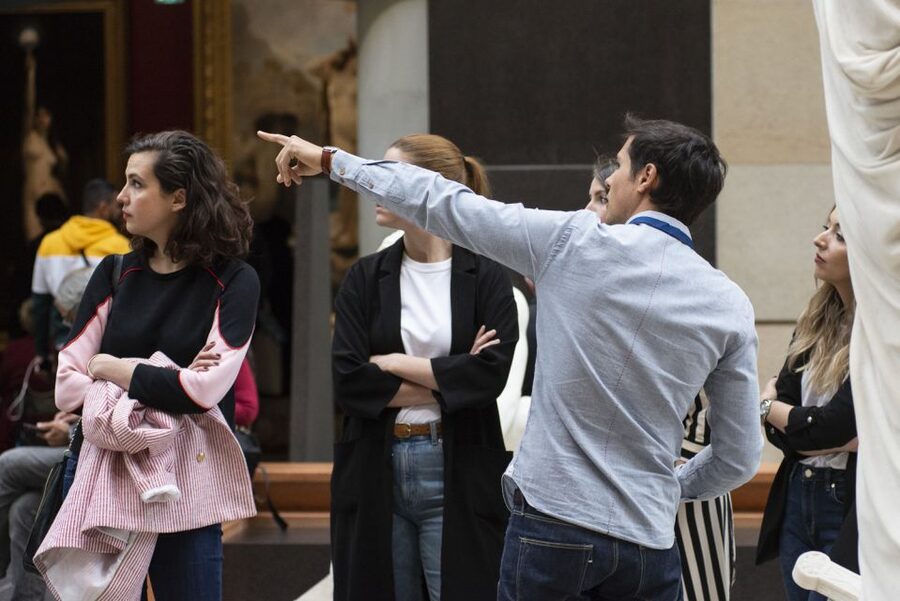
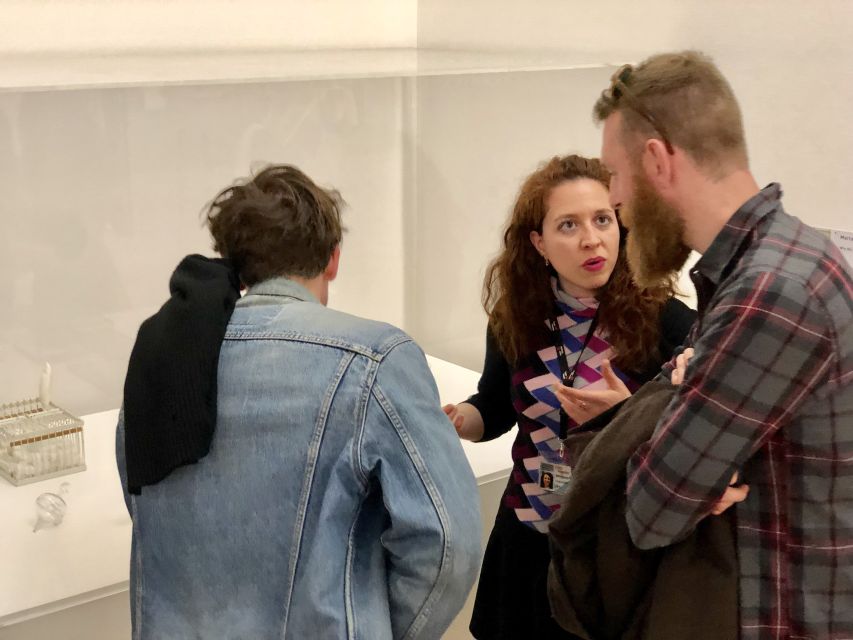
This tour includes a professional art historian guide, and the impact of that shows up in how tours are paced. You’re not just being told what’s on the wall, you’re being led to the most meaningful angles and given context that makes the highlights click.
Ivo is one of the guides mentioned in feedback for keeping both kids and adults engaged, including families with mixed ages. Guy V. also stands out for giving children special attention and sticking to clear, patient explanations that matched their questions. Matilda received praise for helping both a parent and a 13-year-old follow complex ideas without getting lost.
Even the quieter moments seem to benefit from good guiding. Sacha and Laurence were both credited with making museum corners feel covered, not missed, and with keeping the tour moving so it stays exciting rather than chaotic.
A practical way to use that: when your guide offers a quick explanation, listen for the “why this object matters” part. That’s often the difference between leaving with photos and leaving with understanding.
Price and value for a $112, 2.5-hour guided hit
At $112 per person for 2.5 hours, the value comes from how the tour is packaged. You get a live guide, skip the ticket line, and a focused route through major highlights, rather than paying for entry and hoping your own plan covers the best artifacts.
This pricing also makes sense if you care about time efficiency. The Natural History Museum is big. Paying for guided time is often cheaper than spending your vacation hours wandering in circles, especially with kids or if you only have a half-day window.
It’s also a value if you prefer small groups. Group tours run with a maximum of 8 guests, and private and semi-private options are available, which usually helps the guide tailor pacing.
One caution on value: temporary exhibits are not included, so if you’re hoping to see a specific temporary display, you’ll want to verify it separately. The tour’s promise is about the core collection highlights.
Who should book, and who might want a different plan
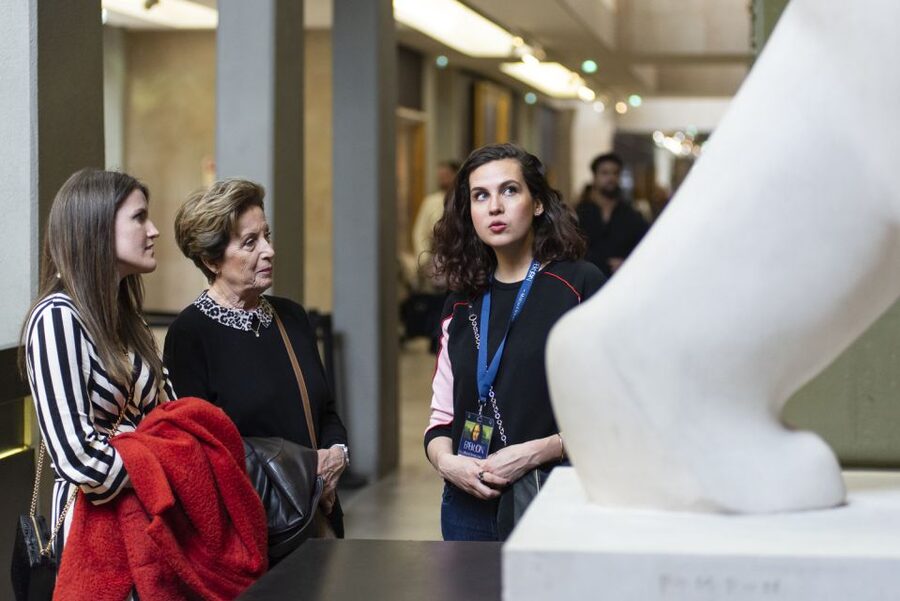
This tour fits best if it’s your first visit to the Natural History Museum, or if you’ve been before but want a guided route that hits the artifacts people talk about. It also works well for families, because several guides were specifically praised for engaging children and keeping the pace lively.
It’s also a good fit if you like science that connects to human themes, like Pompeii’s story and the evolution exhibits tied to On the Origin of Species. If you prefer only light entertainment, you might find a couple of historical details heavy, especially in the Pompeii segment.
Wheelchair access is limited. The data says wheelchair tours are available only on request and only as a private tour, but it also lists the experience as not suitable for wheelchair users. If mobility is a factor for you, contact the operator before booking and be very clear about what option you’re selecting.
Finally, pack light. No luggage or large bags are allowed inside, and only handbags or small thin bag packs go through security.
Should you book this Natural History Museum guided tour?
Book it if you want the museum’s strongest hits in one clean 2.5-hour route, with a guide who can answer questions and keep a small group moving. The focus on Iguanodon teeth, Pompeii casts, the Dodo skeleton, On the Origin of Species, Archaeopteryx, plus the Cursed Amethyst and Giant Sequoia slice makes it feel like a greatest-hits tour that still explains the science.
Skip it if you’re the kind of visitor who wants to roam completely at your own pace for hours, or if you only care about temporary exhibits and nothing else. For most people, though, a guided structure is the best way to avoid wasting time in a museum that can easily overwhelm you.
If you’re deciding right now and you’re a flexible planner, the booking options include free cancellation up to 24 hours in advance and reserve now, pay later.
FAQ
How long is the London Natural History Museum guided tour?
The tour lasts 2.5 hours.
What group size is this tour?
It’s offered as either a private tour or a group tour with a maximum of 8 guests. For group tours, there’s a minimum of 2 guests required for it to run.
Is ticket line skipping included?
Yes, skip the ticket line is included.
What time and meeting point should I plan for?
The meeting point may vary depending on the option booked. You’ll need to check the specific starting details for your date.
Do I need ID to join?
Yes. You should bring a passport or ID card.
Can I bring a suitcase or large bag?
No. Luggage or large bags are not allowed inside the museum. Only handbags or small thin bag packs can go through security.
Is the tour wheelchair-friendly?
The information provided says the tour is not suitable for wheelchair users, but it also notes wheelchair tours are available upon request only and only as a private tour. If you need wheelchair access, confirm the private option in advance.
What is the cancellation policy?
You can cancel up to 24 hours in advance for a full refund.
Centuries in an Afternoon
- London: Historic Pubs of Central London Walking Tour
★ 4.9 · 1,065 reviews - London: Soho Music and Historic Pubs Walking Tour
★ 4.9 · 836 reviews - London: Rock ‘n’ Roll History Tour
★ 4.6 · 645 reviews - London: Westminster Abbey Tour with a Royal Heritage Guide
★ 4.7 · 614 reviews
Newest entries under London






Museums, compared.
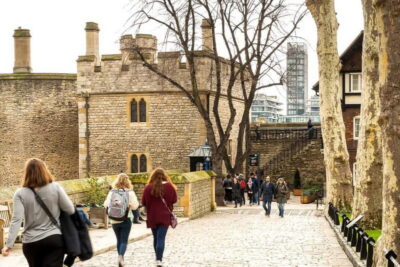
Tower of London and Crown Jewels Exhibition Ticket
Read our review →
Liverpool Football Club Museum and Stadium Tour
Read our review →
Chelsea Football Club Stadium and Museum Tour
Read our review →

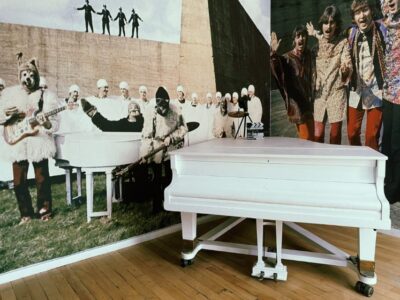
British Museum Guided Tour with Entrance Tickets
Read our review →Browse the lists this tour appears in