
Reviewed · MUSEUMS
London: Natural History Museum Guided Tour w/ Priority Entry
The whale greets you fast. This Natural History Museum guided tour is built around one showstopper moment in Hintze Hall, then helps you move through the museum’s big science themes without wasting time figuring out where to go.
I especially like two things: the iconic blue whale skeleton as your starting point, and having a guide (often Strabo) who turns a huge, intimidating museum into a clear route with memorable highlights. One tradeoff to plan for, though: with only 90 minutes, you cover key areas, not every gallery.
Next up, I really enjoyed the science-to-stories connection, from the Darwin Centre with behind-the-scenes views of research to hands-on moments like the earthquake simulator. If you want a fast, focused sampler that still feels meaningful, this works well, but it can get noisy in indoor galleries, so comfortable listening matters.
In This Review
- Key highlights you will actually feel
- Finding your footing inside the Natural History Museum
- Hintze Hall: the blue whale moment that anchors the whole visit
- A guide turns a big museum into a readable story
- Dinosaurs and Earth science: what you see, and why it clicks
- Dinosaur section, including the animatronic T. rex
- Geology and volcanoes, plus gemstones
- Evolution of mammals and early humans
- The Darwin Centre: behind-the-scenes research you can sense
- Earthquake simulator and interactive displays for all ages
- What the 90-minute format means for you
- Victorian architecture plus modern science, in one visit
- Where this tour is a great match, and where it is not
- Should you book this Natural History Museum guided tour with priority entry?
- FAQ
- How long is the Natural History Museum guided tour?
- What is included in the ticket price?
- Are special exhibitions included?
- Where do we meet for the tour?
- Are there photography restrictions?
- Is the tour wheelchair accessible?
Key highlights you will actually feel
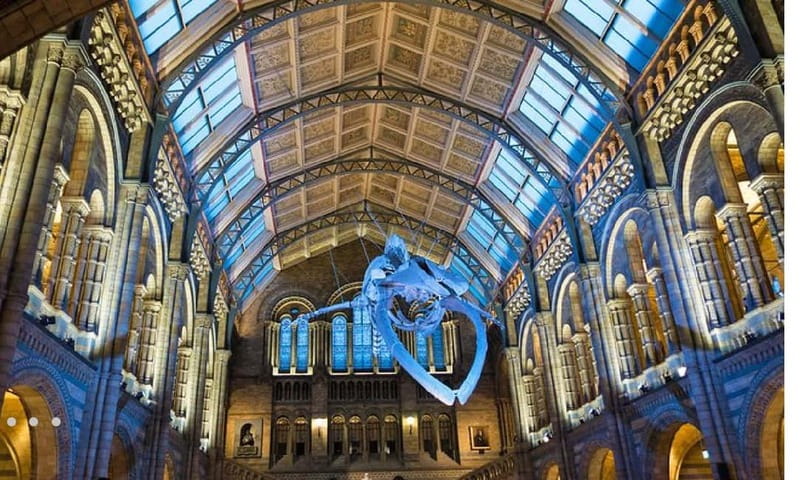
- Hintze Hall kickoff: the blue whale skeleton sets the vibe immediately, before you even reach the exhibits.
- Fast entry that saves your time: priority entry helps you get moving instead of stuck at the front doors.
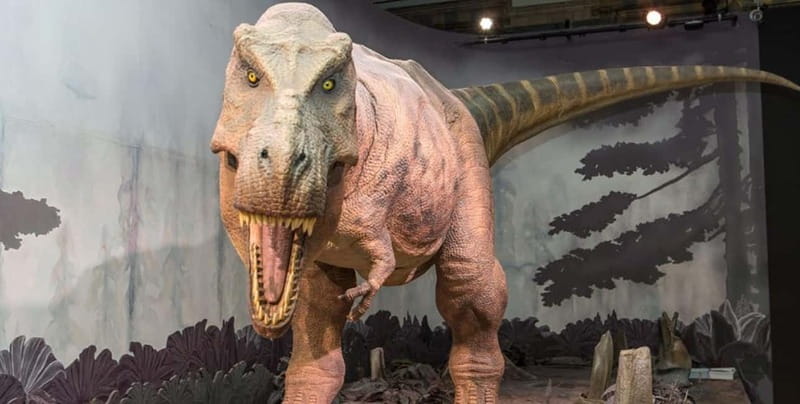
- Dinosaur gallery energy: you will see featured dinosaur displays, including a life-sized animatronic T. rex.
- Darwin Centre, not just display cases: you get glimpses into scientific work and preserved specimens.
- Earthquake simulator for hands-on learning: an easy, memorable stop that works well for kids and adults.
Finding your footing inside the Natural History Museum
The Natural History Museum is one of those London places that can either feel effortless or completely overwhelming, depending on how you plan. With this tour, you get structure from the start. You begin by meeting outside the Embassy of Venezuela at 1 Cromwell Rd in South Kensington, then you head toward the museum together. It is a simple lead-in that helps you get your bearings quickly, especially if you are arriving from a busy Tube station area.
Once inside, the pacing is set for a 90-minute experience. That time limit sounds short until you realize how enormous the museum is. Instead of trying to see everything, you get a route that hits the most talked-about sections and themes: dinosaurs, Earth science, evolution, and the museum’s research side. The value here is not just the entrance. It is the fact that you walk away feeling like you understood what you saw.
Also, note the practical basics: wear comfortable shoes and plan on carrying water. There is no flash photography allowed, so if you love low-light photos, you will want to switch to phone camera settings that work without flash and accept that some exhibits are best enjoyed with your eyes first.
More Museum Tours in London
- London: Chelsea Football Club Stadium and Museum Tour
★ 4.8 · 4,576 reviews - London: British Museum Guided Tour
★ 4.3 · 1,182 reviews - London: British Museum Guided Tour with Entrance Tickets
★ 4.9 · 748 reviews
Hintze Hall: the blue whale moment that anchors the whole visit
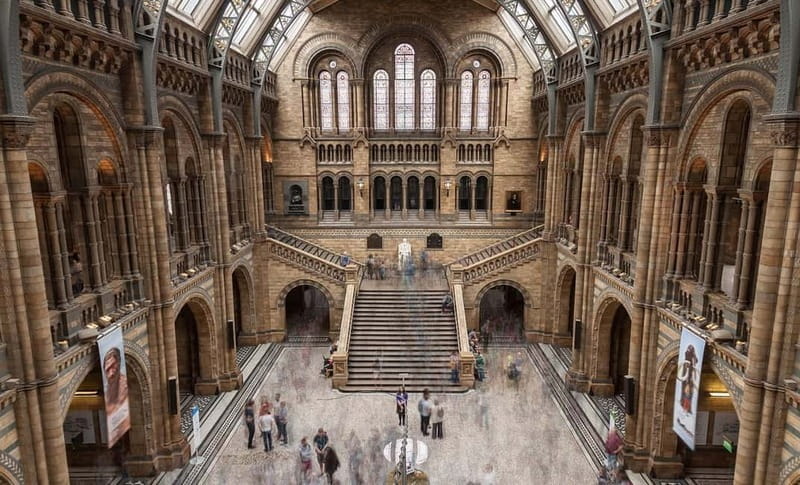
The tour’s first big payoff is the blue whale skeleton in Hintze Hall. This is the kind of iconic object that changes your whole mood the minute you see it, because it is so big and so central to the museum’s identity. You are essentially getting the museum’s mission in one glance: Earth, life, deep time.
Why this stop matters for your experience is simple. If you start anywhere else, you spend your early minutes trying to orient yourself. Starting here gives you a landmark you can mentally return to as the tour moves through different themes. It also helps kids connect the dots faster, because the whale is a visual anchor that feels like a “beginning.”
It is also where priority entry pays off. When the museum is busy, being able to get into key areas without losing time to long lines means more time for galleries you actually want to see.
A guide turns a big museum into a readable story
A guided tour here is not about lecturing you. It is about translation. In a museum this size, you need someone to point out what is worth your attention and how the exhibits connect.
The experience is led in English by a live guide from Strabo. People consistently mention that Strabo explains things clearly, with friendliness and humor, and that the pace feels right for a 90-minute format. That matters because the museum can be noisy. A good guide becomes your filter for what to pay attention to when other sounds and crowds pull focus.
One thing to keep in mind: a 90-minute tour has limits. Even with a guide, you will only hit a handful of areas. Some visitors felt it was more like walking with a friend than a tightly structured tour, and others noted the tour covered only a few parts of the museum. If you are hoping for a deep, slow look at every favorite gallery, this may feel short.
For most people, though, that short time is exactly the point. It is a focused highlights route that helps you enjoy the museum instead of fighting it.
Dinosaurs and Earth science: what you see, and why it clicks
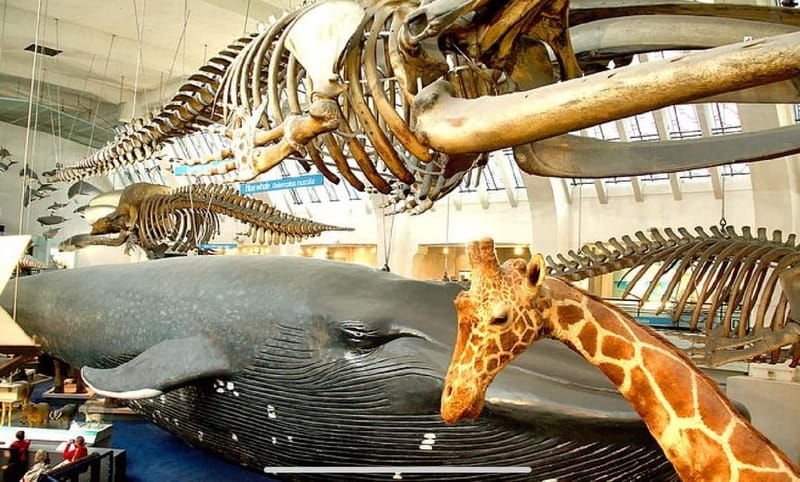
After Hintze Hall, the tour moves through themed galleries. You will focus on dinosaurs, then shift toward Earth’s story: geology, volcanoes, rare gemstones, and evolution. It is a smart mix because it builds continuity.
More gallery rooms between showers:
- London: Tour of the British Museum★ 4.1 · 678 reviews
- Afternoon Tea at the British Museum★ 4.2 · 511 reviews
- London: Paradox Museum Entry Ticket★ 3.9 · 441 reviews
- London: National Gallery Guided Tour with Art Expert Guide★ 4.7 · 440 reviews
Dinosaur section, including the animatronic T. rex
You get a look at dinosaur exhibits, including a featured life-sized animatronic T. rex. This is more than a gimmick. Animatronic displays can help you understand scale and presence, so the dinosaur stops being an abstract fossil and becomes something you can picture. It also gives you a quick visual “wow” that balances the more technical parts of geology later on.
If you are traveling with children, this is often the easiest moment for them to lock in.
Geology and volcanoes, plus gemstones
Earth science is a big part of the museum, and this tour includes the geology and volcanoes theme, along with exhibits featuring rare gemstones. The practical value here is that you get a human-friendly thread: how Earth changes over time, how rocks record history, and how minerals and gemstones connect to geological processes.
If you like science that feels tangible, this section is a good match because the exhibits are visual and immediate. You do not need a degree to enjoy it.
Evolution of mammals and early humans
The tour also covers evolution focused on mammals and early humans. This is where the museum’s storytelling style really matters. Instead of treating evolution as a single fact, you get a sense of how different branches connect across time.
If you enjoy the idea of using artifacts and models to build a timeline, you will likely appreciate how the tour frames these topics.
The Darwin Centre: behind-the-scenes research you can sense
One of the most meaningful stops is the Darwin Centre. Here, you get behind-the-scenes views of scientific research, plus preserved specimens. This is the part that often turns a typical museum visit into something you feel in a different way, because you can see that the museum is not only about displaying old treasures. It is also about active science.
What to expect is practical: you will be directed to areas where you can learn how research fits with what you see in galleries. The goal is to help you understand that specimens and collections are working tools for scientists, not just static objects for display.
If you like museums that explain the how behind the wow, this is the section to prioritize with your attention. Even in 90 minutes, this stop adds depth.
Earthquake simulator and interactive displays for all ages
Toward the hands-on end of the tour, you will encounter interactive elements. The headline here is the earthquake simulator, plus other interactive displays designed to make science feel immediate.
Why this is valuable is simple: hands-on experiences lower the barrier for understanding. You can try it, feel the effect, and then connect it to the volcano and geology themes earlier. It is the kind of moment that breaks up indoor concentration and gives the tour a livelier rhythm.
Some families will find these interactive sections especially helpful because kids can participate instead of just watching. Even if you are traveling solo, it is a fun palate cleanser after the more detailed exhibits.
What the 90-minute format means for you
This is a highlights tour. That is not a negative, it is a choice. The strongest version of this experience is for people who want:
- a guided overview that hits top museum areas
- a short, structured visit with a clear start and finish
- enough science context to make the exhibits feel connected
If you are the type who likes to linger for an hour in one gallery, you may feel rushed. A couple of visitors noted that the tour covered only a few parts of the museum during the 90-minute window. That aligns with reality: the museum is huge.
Also, plan for atmosphere. A few people mentioned the museum can be noisy. If you are sensitive to crowd noise, consider bringing a pair of earbuds (for comfort) so you can focus on your guide when things get loud.
Victorian architecture plus modern science, in one visit
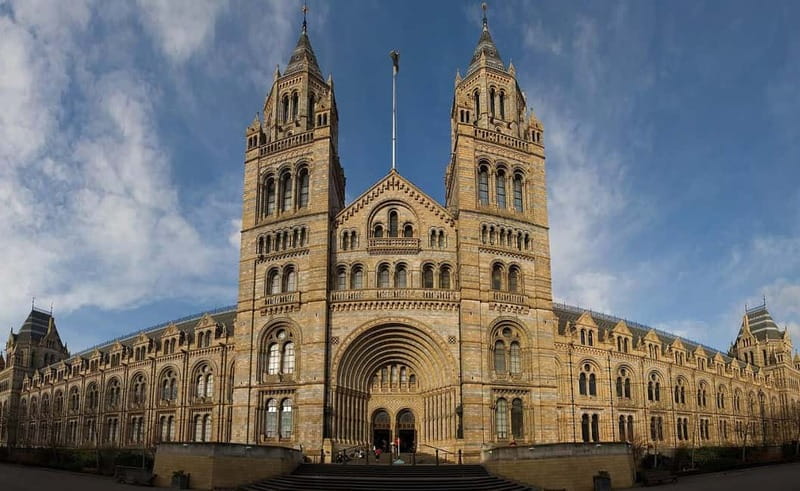
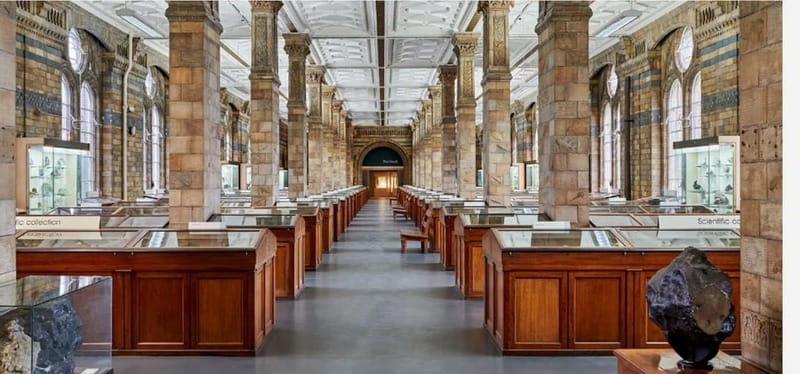
There is a special kind of pleasure in mixing eras in the same building. The museum’s Victorian architecture sets a grand stage, and then the exhibits shift into cutting-edge science themes like evolution and research behind the Darwin Centre.
You feel the contrast while walking. It makes the visit more than a checklist. You are seeing how a historical landmark can still serve the science world.
Where this tour is a great match, and where it is not
This tour fits best if you:
- want a short London museum experience that still feels organized
- like science topics like dinosaurs, geology, gemstones, and evolution
- want a guide to help you pick what to see and how to interpret it
- are traveling with kids who will enjoy interactive parts like the earthquake simulator
You might look elsewhere if you:
- want to spend lots of time in one gallery
- prefer fully self-guided wandering with no set route
- need a route that is guaranteed to work for wheelchair users, since the provided info contains conflicting notes about accessibility
Should you book this Natural History Museum guided tour with priority entry?
If you are trying to make the most of limited time in London, I think this tour is a smart buy. For the price of about $33 per person and a 90-minute visit, you are paying for orientation, a guide-led route, and priority entry style access so you do not waste your precious museum minutes.
Book it if your goal is a highlight route with enough explanation to make the exhibits stick. If your goal is a slow, deep museum day, you might feel shortchanged by the time limit.
My practical advice: go with comfortable shoes, arrive with a camera plan that does not rely on flash, and be ready for a lively, sometimes noisy environment. If you do that, you will leave with a much clearer picture of how dinosaurs, Earth science, evolution, and Darwin Centre research all fit together.
FAQ
How long is the Natural History Museum guided tour?
The tour runs for 90 minutes.
What is included in the ticket price?
You get entrance to the Natural History Museum, access to permanent exhibitions, and a tour guide.
Are special exhibitions included?
No, special exhibition tickets are not included.
Where do we meet for the tour?
You meet outside the Embassy of Venezuela at 1 Cromwell Rd, South Kensington, London SW7 2JB, and then you walk toward the Natural History Museum.
Are there photography restrictions?
Yes. Flash photography is not allowed.
Is the tour wheelchair accessible?
The information provided includes both statements, wheelchair accessible and not suitable for wheelchair users. Since that conflicts, you should confirm accessibility details with the operator before booking.
Centuries in an Afternoon
- London: Historic Pubs of Central London Walking Tour
★ 4.9 · 1,065 reviews - London: Soho Music and Historic Pubs Walking Tour
★ 4.9 · 836 reviews - London: Rock ‘n’ Roll History Tour
★ 4.6 · 645 reviews - London: Westminster Abbey Tour with a Royal Heritage Guide
★ 4.7 · 614 reviews
Newest entries under London






Museums, compared.
Tower of London and Crown Jewels Exhibition Ticket
Read our review →
Liverpool Football Club Museum and Stadium Tour
Read our review →
Chelsea Football Club Stadium and Museum Tour
Read our review →

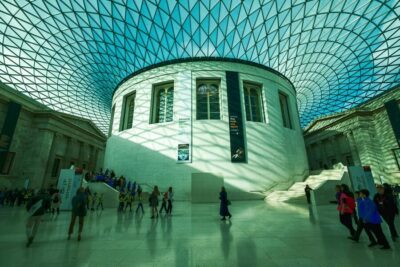
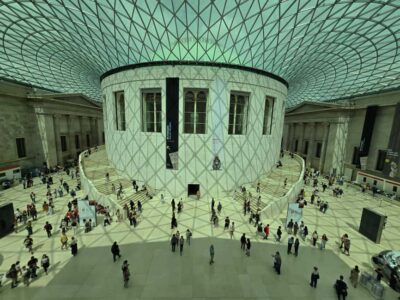
British Museum Guided Tour with Entrance Tickets
Read our review →Browse the lists this tour appears in