
Reviewed · MUSEUMS
London: Natural History Museum Entry Ticket and Guided Tour
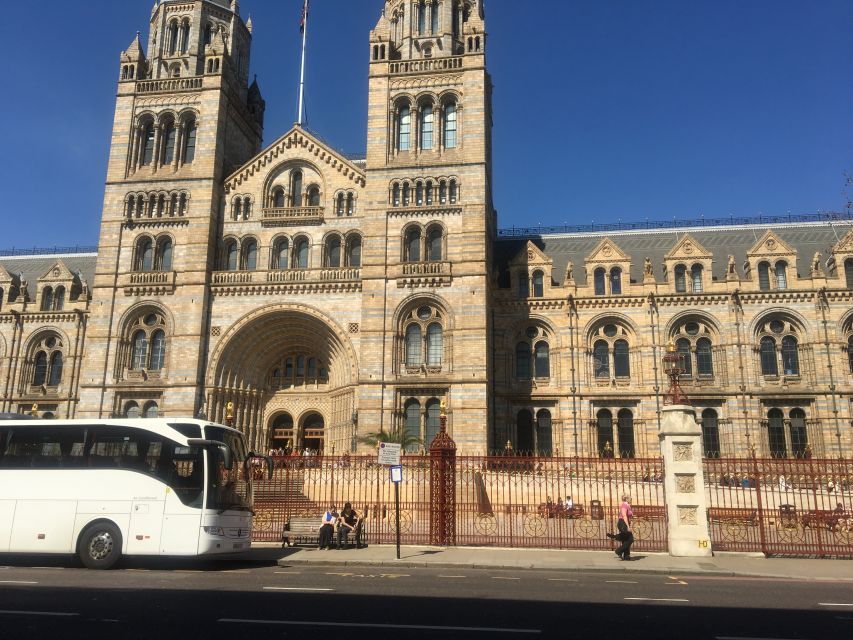
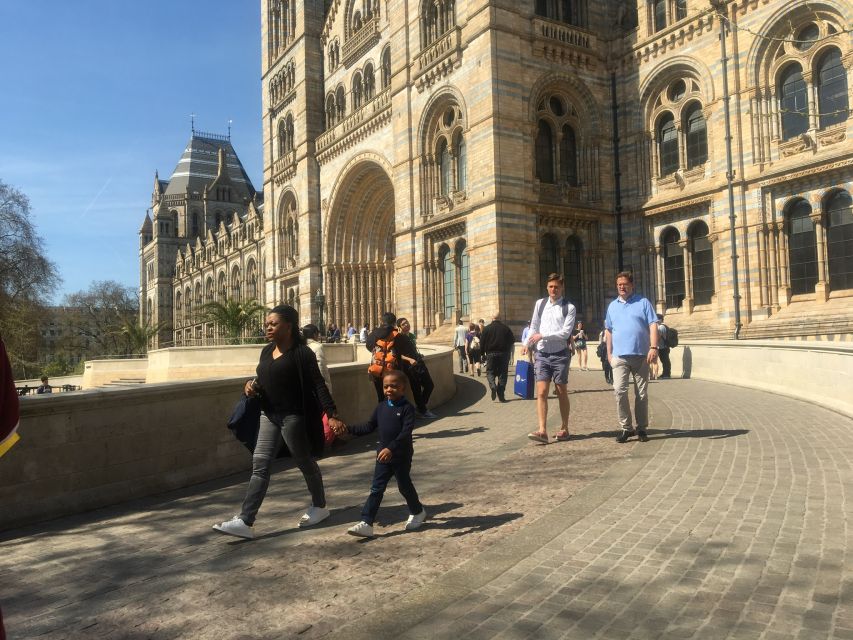
Dinosaurs and whales in one hour sounds wild. This Natural History Museum London guided tour pairs express security with live headsets, so you can spend your time staring up, not waiting in lines. You get a smart highlight route through the museum’s headline galleries, including Hintze Hall and the Wildlife Garden.
The one main catch is the time limit. In just 1 hour, you’ll see key moments, but you will probably want a second visit to slow down. Also, the meeting spot near South Kensington needs a quick look before everyone gathers.
In This Review
- Key Points Worth Knowing
- Why This Natural History Museum Tour Works in Just 60 Minutes
- Price and Value at $76 Per Person
- Meeting Point Near South Kensington, and How to Find It Fast
- The One-Hour Route, From Diplodocus to Hintze Hall
- Central Hall: Start With the Diplodocus Energy
- Hintze Hall: Blue Whale at 25 Meters Long
- Volcanoes and Earthquakes Gallery: Earth’s Forces, Not Just Rocks
- Evolution Gallery and Life’s Variety
- Minerals, Gems, and Intricate Specimens
- Butterfly Collection: Tiny Details With Big Impact
- Wildlife Garden: A Breather for Birds, Bees, and Other Life
- How the Guide Adds Context (and Why It Matters)
- Who This Tour Suits Best, and When to Adjust Expectations
- Tips to Make Your Hour Count
- Should You Book This Natural History Museum Guided Tour?
- FAQ
- How long is the Natural History Museum guided tour?
- What is included in the ticket price?
- Do you skip the line at security?
- Where do we meet near South Kensington?
- Is the tour in English?
- Is the experience wheelchair accessible?
Key Points Worth Knowing
- Express security with reserved entry helps you get moving fast inside a very busy museum
- Headsets when needed keep the guide’s explanations clear in large halls
- Hintze Hall highlights include the blue whale skeleton and famous dinosaur displays
- A short, high-impact route covers Central Hall, Volcanoes and Earthquakes, Evolution, and more
- Guides that handle questions well make the difference, especially with curious kids
Why This Natural History Museum Tour Works in Just 60 Minutes
The Natural History Museum is huge. Left to your own devices, you can drift into one gallery, then suddenly lose an hour to a butterfly case. This guided format fixes that problem by steering you to the museum’s heavy hitters in a short, concentrated visit.
I like that the tour feels built around impact. You get the big “wow” visuals people come for, then you get just enough explanation to make those fossils, minerals, and creatures mean more than pretty displays. It’s not about checking boxes, it’s about giving you a map for what to notice next while you’re there.
The route is also timed well for real life. One hour is long enough to hit multiple anchors, but short enough that you are less likely to end up museum-fatigued. And because the tour includes headsets when necessary, it’s easier to follow the guide even when the crowds thicken or you’re standing close to a display.
More Museum Tours in London
- London: Chelsea Football Club Stadium and Museum Tour
★ 4.8 · 4,576 reviews - London: British Museum Guided Tour
★ 4.3 · 1,182 reviews - London: British Museum Guided Tour with Entrance Tickets
★ 4.9 · 748 reviews
Price and Value at $76 Per Person
At $76 per person, this is not a bargain-ticket attraction. But it’s also not trying to be. The value is in the combination of things that save time and make the visit richer.
Here’s what you are paying for, practically:
- A guided route with a live English-speaking guide
- A reservation ticket so you do not have to sort out entry on your own
- Headsets if you need them to hear the guide clearly
- An express security check that helps you start sightseeing sooner
If you were going solo, you’d still have to enter, navigate, and choose what matters. This tour compresses that decision-making. The guide helps you focus on the most memorable exhibits first, then points out where you might want to return later.
One more value angle: when you spend time in the museum, hearing how specimens are studied and preserved can turn an “object” into a story. You’ll pick up context behind the displays, not just the visible facts. For many people, that is what makes the hour feel worth paying for.
Meeting Point Near South Kensington, and How to Find It Fast
The meeting point is near Metro South Kensington. Use the exit labeled for the Natural History Museum Ismaili Centre, then meet your tour guide at the metal plate marked The Royal Borough of Kensington and Chelsea, on Exhibition Road SW7.
In real terms, this is one of those places where clarity matters. A small delay here can eat into your tour time, and one of the most common frustrations with museum tours is not the museum, it’s the “where exactly are we meeting?” moment.
My practical tip: arrive a few minutes early, stand still, and look for the metal plate sign so you are matching the reference point. If you are in a group, designate one person to confirm the exact meeting marker, then the rest can keep gathering nearby.
The One-Hour Route, From Diplodocus to Hintze Hall
This tour is built around the museum’s biggest “stop and stare” moments. Expect a guided walk that strings together several core areas, so you keep moving without skipping the museum’s signature features.
More gallery rooms between showers:
- London: Tour of the British Museum★ 4.1 · 678 reviews
- Afternoon Tea at the British Museum★ 4.2 · 511 reviews
- London: Paradox Museum Entry Ticket★ 3.9 · 441 reviews
- London: National Gallery Guided Tour with Art Expert Guide★ 4.7 · 440 reviews
Central Hall: Start With the Diplodocus Energy
One of the tour anchors is the Central Hall. The star here is the enormous Diplodocus skeleton. Even if you think you know dinosaur facts, seeing a full skeleton at this scale changes the math in your brain. It’s hard to take a photo fast enough, because the goal is actually to look and then look again.
Why this stop matters: it sets the tone. The guide’s explanations help you connect what you’re seeing with how the museum organizes and interprets specimens.
Hintze Hall: Blue Whale at 25 Meters Long
Next up is the Hintze Hall, which is basically the museum’s gravity well for awe. The tour highlights include the blue whale skeleton, listed at 82 feet (25 meters) long, and the famous dinosaur displays in the same hall area.
This is one of those experiences where size hits first and details come second. The guide helps you slow down enough to notice what makes the display scientific, not just dramatic. And because Hintze Hall is a huge open space, hearing the guide matters. That’s where the headsets can be a real comfort.
Volcanoes and Earthquakes Gallery: Earth’s Forces, Not Just Rocks
From dinosaurs to the planet itself. You’ll spend time in the Volcanoes and Earthquakes Gallery, where the theme shifts from individual specimens to Earth’s processes. This part tends to land well because it explains how the planet changes over time, which makes the fossil and minerals displays feel less random.
Even with limited time, this stop adds a sense of sequence: life and Earth both evolve, but in different rhythms.
Evolution Gallery and Life’s Variety
The Evolution gallery is where the tour earns its meaning. Instead of only naming exhibits, the guide helps you understand the diversity of life on Earth. It’s the kind of stop that makes you want to revisit sections later, because evolution is not one display, it’s a logic you keep seeing across rooms.
If you have science-minded kids or adults in your group, this is a strong match. If your group is more art-and-design focused, it still works, because the explanation helps you interpret what you see.
Minerals, Gems, and Intricate Specimens
The tour also includes stops that point out the intricately detailed designs of minerals and gems. Even if you’re not a geology nerd, these displays tend to be visually hypnotic. With a guide, you’ll understand why certain stones and structures matter to scientists who study them and conserve them over time.
Butterfly Collection: Tiny Details With Big Impact
One of the tour highlights is the butterfly collection. This is a clever pivot from giant skeletons. It gives you a different kind of wonder: pattern, color, and precision in a space where you might otherwise rush.
If you like photos, this is one of the places you can get more satisfying results because the detail rewards close viewing. If you usually hate getting stuck behind others, you might still enjoy this stop, because it encourages careful looking rather than constant movement.
Wildlife Garden: A Breather for Birds, Bees, and Other Life
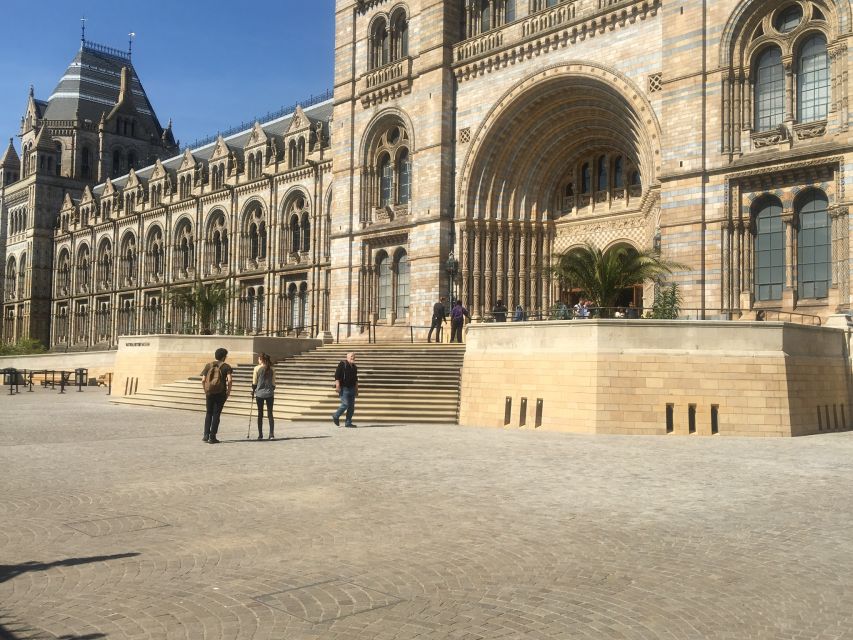
The Wildlife Garden is included, and I really like that the tour doesn’t only stay indoors. Even if the weather is doing its best impression of London, the garden gives you a reset. It’s described as a haven for birds, bees, and other animals, which means it’s alive in a way a glass case never can be.
This stop helps balance the museum’s “collected, labeled, studied” vibe. You get a reminder that the natural world is active right now, not only in fossils.
Practical note: because it is a short tour, you’ll likely spend limited time here. Plan to return on your own later if you want a slow, quiet garden-style visit.
How the Guide Adds Context (and Why It Matters)
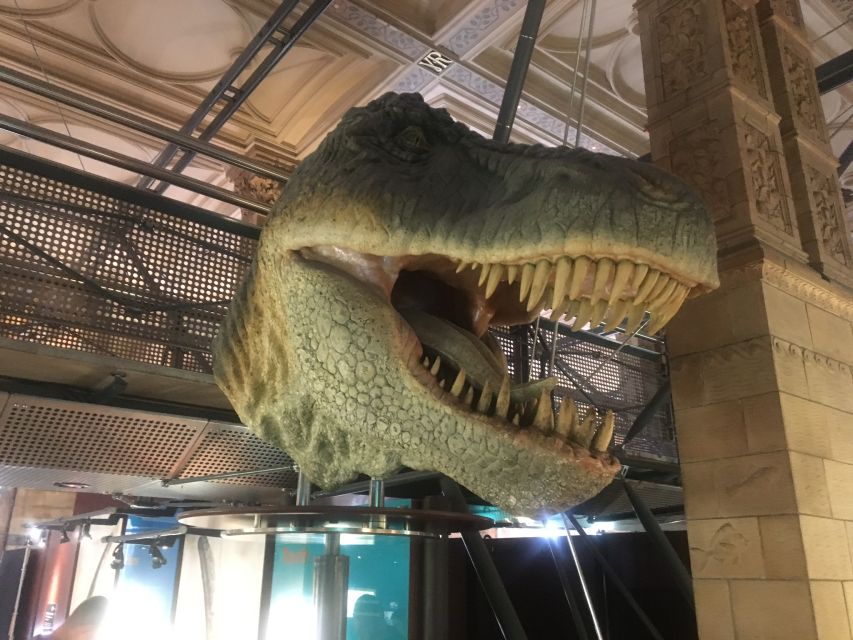
The guide experience is consistently the big differentiator. In the feedback, the strongest praise goes to guides who:
- Answer lots of questions
- Communicate clearly and kindly
- Keep the route efficient so you cover key rooms
- Give hints about what to return to after the hour ends
One standout guide name that shows up often is Paul. People describe him as friendly and very good at handling questions, including for adults and children. That kind of interaction is what turns a museum tour from a guided walk into a learning experience you can actually use.
The tour also focuses on how museum scientists work to preserve and study specimens. That is an important concept because it changes how you see the displays. You start thinking about care, conservation, and research rather than only the final result behind the glass.
Who This Tour Suits Best, and When to Adjust Expectations
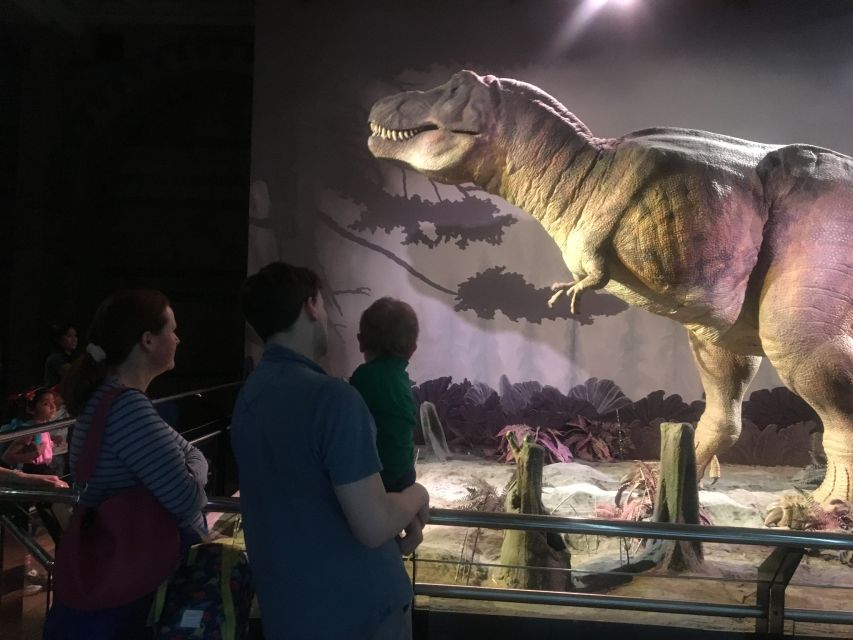
This is an excellent choice if you want a structured, memorable Natural History Museum visit without spending the entire day inside. It’s especially useful for:
- Families with older kids who enjoy questions and explanations
- Adults who want the headline sights, then a reason to pay attention
- First-time visitors who want a “best of” route and a list of what to return for
There is one practical caution. One review specifically pointed out that a one-hour guided format tends to work better with older children, not toddlers. That makes sense when you think about attention spans in a museum full of glass cases and quiet detail work. So if your group is mostly toddlers, you might find it harder to keep everyone engaged.
Also, expect “essentials within the time.” That means you will not see every single gallery in one hour. But you will leave with enough context to choose what matters most for your own self-guided time afterward.
Tips to Make Your Hour Count
If you only have a short window at the museum, this tour can be a smart way to get momentum. Here’s how to squeeze more value out of the hour.
- Go in with 2 or 3 questions ready. The guide time is precious, and the strongest moments come when you ask about what you’re actually seeing.
- Use the headsets early if offered. They help you hear explanations in big halls like Hintze Hall.
- Plan your next stop before you walk away. The tour route is designed to point you toward what to revisit, so keep a mental note of what made you stop.
- Wear shoes you can stand in. Even with an efficient route, you’ll be on your feet through multiple galleries.
- Take a quick look at the meeting marker. That South Kensington reference point is your best anchor if you get turned around.
Should You Book This Natural History Museum Guided Tour?
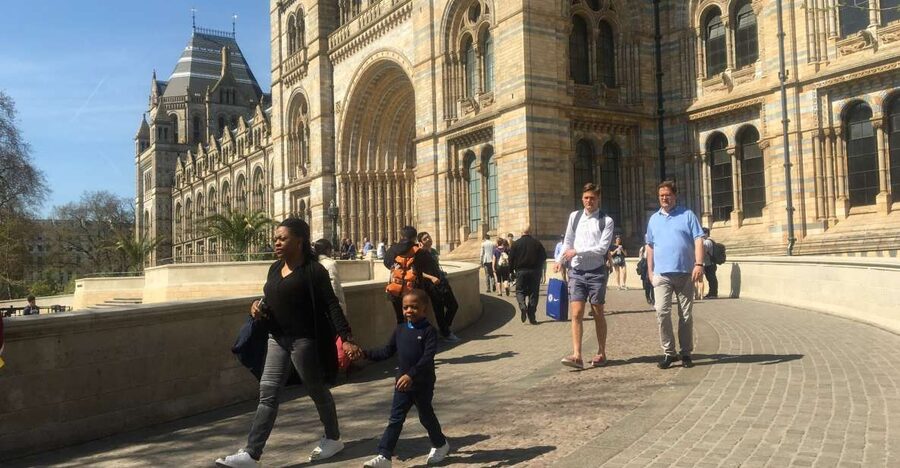
If your goal is a high-impact Natural History Museum London visit in a single hour, I think this is a strong booking. The express security and reservation ticket help you start faster, and the guided explanations are what turn famous exhibits into something you actually understand. The inclusion of headsets makes a noticeable difference in a big, busy museum.
I’d skip (or at least rethink) if you already have a detailed game plan for every gallery and you want complete freedom with no guide steering you. Also consider whether your group has the attention span for museum-style quiet learning, since the tour is structured around highlights rather than hands-on discovery.
FAQ
How long is the Natural History Museum guided tour?
The tour duration is 1 hour.
What is included in the ticket price?
It includes a guide, a reservation ticket, and headsets to hear the guide if necessary.
Do you skip the line at security?
Yes, the experience includes an express security check so you can enter more quickly.
Where do we meet near South Kensington?
Meet your tour guide at the metal plate marked The Royal Borough of Kensington and Chelsea at Exhibition Road SW7. The directions are from Metro South Kensington, using the exit for Natural History Museum Ismaili Centre.
Is the tour in English?
Yes, the live tour guide is in English.
Is the experience wheelchair accessible?
Yes, it is wheelchair accessible.
Centuries in an Afternoon
- London: Historic Pubs of Central London Walking Tour
★ 4.9 · 1,065 reviews - London: Soho Music and Historic Pubs Walking Tour
★ 4.9 · 836 reviews - London: Rock ‘n’ Roll History Tour
★ 4.6 · 645 reviews - London: Westminster Abbey Tour with a Royal Heritage Guide
★ 4.7 · 614 reviews
Newest entries under London






Museums, compared.
Tower of London and Crown Jewels Exhibition Ticket
Read our review →
Liverpool Football Club Museum and Stadium Tour
Read our review →
Chelsea Football Club Stadium and Museum Tour
Read our review →

British Museum Guided Tour with Entrance Tickets
Read our review →Browse the lists this tour appears in