
Reviewed · MUSEUMS
London: Museum of Brands Skip-the-Line Ticket
A walk through consumer culture feels like time travel. The Museum of Brands turns 200 years of everyday life into a chronological story, starting in Victorian Britain and racing through the modern age. I like that the museum focuses on how products and media changed daily routines, not just on nostalgia for nostalgia’s sake. You’ll also get a clear sense of the bigger social shifts behind brand logos and packaging. One thing to consider, if you prefer pure art or pure science, this museum is about society and advertising, so it stays more themed than technical.
Two highlights I really value are the Time Tunnel and the memorial garden finish. The Time Tunnel guides you through major historical moments, including royal coronations, two world wars, the man landing on the moon, and the jump to the digital age. After that, you can slow down in the award winning memorial garden, with cake and coffee or a glass of prosecco at your own expense. If you are visiting with very young kids or you get easily bored by long indoor exhibits, plan your pace and take breaks in the garden.
For a smooth start, you’ll be in Notting Hill on Lancaster Road, with an easy walk from Portobello Road Market. A skip-the-line ticket helps you avoid wasting your day in queues, so you can get to the good parts faster. The one possible drawback is simple: ticket content is mostly indoors, so on rainy days you will enjoy it, but you will not get a long outdoor stroll tour beyond the garden.
In This Review
- Key things that make this ticket worth your time
- 200 years of consumer culture in the Museum of Brands, Time Tunnel first
- What makes the Time Tunnel special
- Big historical moments, without the heavy-handed lesson
- How the museum uses brands and packaging to explain society
- Past TV adverts and the sweet spot of recognition
- Temporary displays that keep you from feeling stuck
- The collection size, over 12,000 items, and how to see it well
- Ending in the award winning memorial garden, coffee, cake, and a calm reset
- Location and timing near Portobello Road, Notting Hill logistics that actually matter
- Ticket value for $18, what you really get for the money
- Who this experience suits best
- If you should think twice
- Practical tips for your visit at Museum of Brands
- Should you book this London Museum of Brands ticket?
Key things that make this ticket worth your time
- Time Tunnel in chronological order, so you can connect brands to real world changes
- A collection of over 12,000 items, which means you are not just seeing a handful of famous labels
- Entertainment and travel themes, with the rise of cinema, radio, television, rail, cars, and airplanes
- Past TV adverts and temporary displays, including 1950s toys, London Punk, chocolate brands, and biscuit tins
- Award winning memorial garden stop, for a calmer end to a themed history visit
- Skip-the-line access, which is a real value in busy London areas
200 years of consumer culture in the Museum of Brands, Time Tunnel first
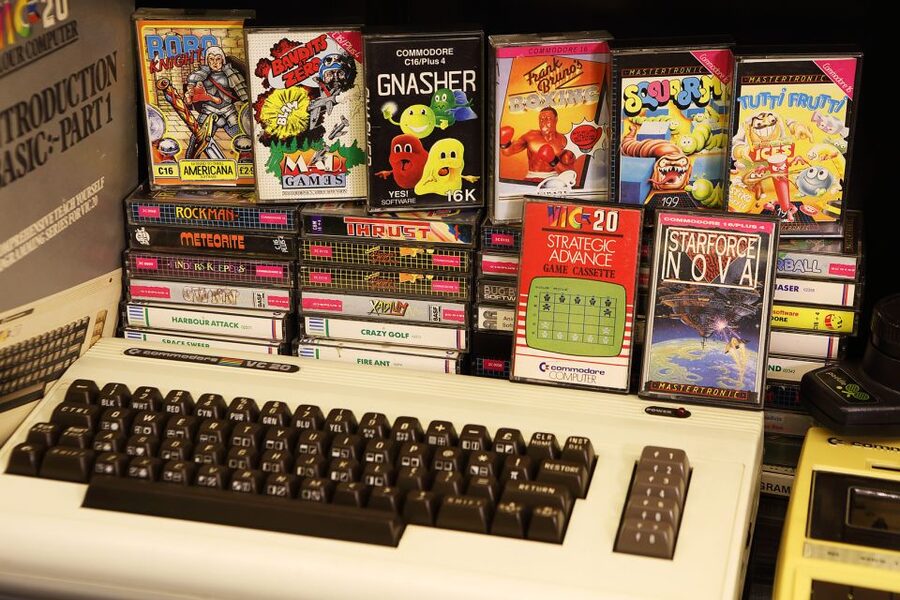
If you want a museum that feels like a story you can walk through, the Museum of Brands is built for you. It takes consumer culture and turns it into a timeline you can experience, from early brand life to today’s digital world. Instead of treating packaging and advertising as background, the museum puts them in the spotlight, because they shaped what people bought, watched, wore, traveled in, and talked about.
The concept is straightforward: daily life changed because technology and media changed, and brands rode those waves. The museum links those shifts to big world events too. You will see how society moved from Victorian norms into the world shaped by mass transport and mass communication. That blend is what makes the place feel more meaningful than a simple collection.
I also like the museum’s scale. With over 12,000 items, you get variety without needing to read a textbook. You can graze, stop when something catches your eye, and still feel like you saw a lot. The best visits are the ones where you mix attention with curiosity, and this museum supports that rhythm.
More Museum Tours in London
- London: Chelsea Football Club Stadium and Museum Tour
★ 4.8 · 4,576 reviews - London: British Museum Guided Tour
★ 4.3 · 1,182 reviews - London: British Museum Guided Tour with Entrance Tickets
★ 4.9 · 748 reviews
What makes the Time Tunnel special
The main attraction is the Time Tunnel, and it is designed to give you momentum. You enter and immediately start moving through the museum’s story, laid out chronologically. That matters because it keeps your brain from turning every exhibit into a random trivia stop. You start making connections: products evolve, media evolves, and society follows.
The Time Tunnel also highlights specific inventions that reshaped daily life, including the railway, the motor car, and the airplane. Even if you already know these inventions changed transport, the museum makes the downstream effects feel real. Travel became faster, leisure became more accessible, and advertising followed that new rhythm.
You will also see entertainment changes highlighted as technology rolled out, with cinema, radio, and television taking center stage. Brands were not just selling goods, they were selling the feeling of being part of modern life. The museum shows you how those media arrivals turned entertainment into a bigger and more repeatable experience.
Big historical moments, without the heavy-handed lesson
One of the smarter things the museum does is connect brand history with world history. You are not just looking at old posters or tins. The museum references major turning points like two world wars and a shift into the modern era marked by the man landing on the moon. It also includes royal coronations, which helps anchor the story in Britain’s public life.
This approach is useful because it explains why brand imagery and packaging styles changed. During major events, production, priorities, and messaging shift. When new technologies arrive, marketing language shifts too. You can interpret those changes visually, without needing a lecture.
If you come in hoping for a strict history class, you might feel the museum is more social than academic. But if you want a way to understand how everyday life got shaped, it is a strong fit.
How the museum uses brands and packaging to explain society
This museum works because it treats brands like cultural signals. A logo is not just decoration. A label on a tin is not just a design. They tell you what people valued, what they expected, and what they thought made life better.
As you move through the Time Tunnel, the museum encourages you to notice patterns:
- earlier messaging tends to look more formal and era-specific
- later marketing leans more toward lifestyle and media
- packaging becomes more about identity as the consumer world expands
That is what you are really paying for with this experience. The museum gives you context for why modern advertising looks the way it does, and why consumers became the driving force behind huge industries. The story is grounded in 200 years of consumer culture, which is long enough to show genuine change without feeling like an endless lecture.
More gallery rooms between showers:
- London: Tour of the British Museum★ 4.1 · 678 reviews
- Afternoon Tea at the British Museum★ 4.2 · 511 reviews
- London: Paradox Museum Entry Ticket★ 3.9 · 441 reviews
- London: National Gallery Guided Tour with Art Expert Guide★ 4.7 · 440 reviews
Past TV adverts and the sweet spot of recognition
After the main Time Tunnel, you get a chance to watch TV adverts from the past. This is one of the smartest parts of the visit because it turns design into sound and pacing. You can feel the tone of an era, how people were addressed, and what promises mattered most.
If you like pop culture, this section can be a highlight. If you are more into design, it still works, because you can see how graphics, slogans, and product shots were built for mass attention. Either way, it gives you a break from static displays.
Temporary displays that keep you from feeling stuck
The museum also rotates temporary displays, so you are not stuck with the same exhibits every day. Based on the displays you might see during your visit, the museum has focused on topics like 1950s toys, the London Punk scene, chocolate brands, and biscuit tins.
That mix is oddly effective. Toys and music connect to youth culture. Chocolate and biscuit tins bring in everyday rituals like treats, gifting, and household habits. Punk also adds an angle of counterculture, which reminds you that consumer culture is not only about approval. It can also be about identity and rebellion.
Even if a temporary display is not your personal taste, the fact that the museum changes themes helps the visit feel alive. It also means the collection is not just locked in glass cases, it is interpreted in different ways.
The collection size, over 12,000 items, and how to see it well
Seeing over 12,000 items is a big claim, but you do not need to track every artifact to feel satisfied. The practical trick is to decide what you want to look for as you go in. Here are three easy strategies that work well in a museum like this:
1) Pick one category first
Choose packaging, advertising graphics, or entertainment/media references. Then let related items pull you in.
2) Use your memory like a map
If you spot a familiar brand or product style, stop there and compare it to what you saw earlier. The museum’s chronology makes those comparisons meaningful.
3) Watch the details, not only the headline
Many displays reward close looking, especially packaging and printed design. If you slow down for a minute, you often catch the little clues that date an item to its era.
I like that you can have a satisfying visit even if you do not read every label. The Time Tunnel is structured enough to guide you, and the displays are visual enough that you can enjoy them without turning every stop into homework.
One more benefit: because the museum is organized around consumer culture and media, your attention has a clear direction. You are not trying to remember unrelated facts. You are tracking change.
Ending in the award winning memorial garden, coffee, cake, and a calm reset
After you finish the Time Tunnel experience and the past advert viewing, you get a change of pace. The museum includes access to the memorial garden, and it is a real part of the visit, not just a side area.
This is where you reset your brain. If you came in ready to speed through exhibits, the garden helps you slow down and still feel like you used your time well. And if you are traveling with someone who needs a break from museums, this is your compromise zone.
You can enjoy cake with coffee, or have a glass of prosecco at your own expense. Food and drinks are not included with the ticket, so you will want to budget a little extra if you plan to snack. The payoff is that you get a pleasant, low effort finish right on site, which saves you the scramble to find a café immediately after.
There is also a gift shop where you can pick up souvenirs. If you enjoy design and brand nostalgia, this is where you can turn a few favorite ideas into something tangible to take home.
Location and timing near Portobello Road, Notting Hill logistics that actually matter
The museum is in the heart of Notting Hill on Lancaster Road, and it is about five minutes from Portobello Road Market. That matters because it makes this easy to weave into a bigger neighborhood day. You can combine browsing at Portobello with a museum that gives you a different angle on history and culture.
Plan your day around opening hours:
- Monday to Saturday: 10:00 AM to 6:00 PM
- Sunday and Bank Holidays: 11:00 AM to 5:00 PM
It is closed on August 27, 28, 29, and also on December 24, 25, 26 and January 1.
If you are choosing a time of day, I suggest aiming for earlier rather than later, especially if you are pairing this with Portobello Road Market. Lunch crowds and peak shopping hours can add friction, and the museum already handles the busy part with a skip-the-line ticket. You can get your browsing done while your energy is still high.
Also, if you like to plan with buffer, remember this is a one day experience, valid from first activation. That language is useful if you like flexibility. You can keep it simple: go once, enjoy the Time Tunnel, the adverts, the temporary displays, then end in the garden.
Ticket value for $18, what you really get for the money
At about $18 per person, this is a good value for London because you are paying for more than a single room of exhibits. You get entrance to the museum plus access to the Time Tunnel story experience, temporary displays, and the memorial garden.
The big reason it feels like value is that the museum packs a wide range of themes into one stop:
- consumer culture across 200 years
- major world events and media milestones
- practical themes like travel, leisure, and entertainment
- rotating topics, like Punk culture or vintage toys
- a garden finish that turns it into a full half day or longer outing
What is not included is food and drinks and personal expenses. That means you may spend a little extra if you want the cake, coffee, or prosecco, or if you pick up snacks at the end. But compared with many London attractions, this ticket price still feels reasonable for the amount of themed space you will use.
Skip-the-line is also a quiet value win. In a city where lines can steal time, this helps you start the experience sooner. Even if you do not mind waiting, the museum’s focus is indoor pacing, and earlier entry helps you keep your flow.
Who this experience suits best
This museum is a strong match for people who like the intersection of design, media, and everyday life. You do not need to be an advertising expert. If you enjoy branding, packaging, retro visuals, or you are curious how modern consumer culture formed, you will likely enjoy yourself.
It is also a good option if you are traveling with a mix of interests, because it hits several themes at once: entertainment history, travel and technology, and household products. One person might gravitate to the old TV adverts. Another might love the look of biscuit tins or chocolate brand packaging. The museum supports multiple tastes in the same visit.
If you should think twice
If you mostly want architecture, famous masterpieces, or hands on science, this is not that kind of museum. It is about brands and social change, with a lot of emphasis on visual culture. You might still find it interesting, but your expectations should align with social and media history.
Practical tips for your visit at Museum of Brands
A few small choices make the whole day smoother.
First, use the museum’s structure to pace yourself. The Time Tunnel is the core. Plan to give it enough time that you can actually notice patterns, not just pass through. Then take the advert viewing and temporary displays as bonus chapters.
Second, build in time for the garden. If you rush through everything, you lose the benefit of a calmer end point. The garden also helps if you are traveling with kids or anyone who gets tired of indoor exhibits.
Third, keep an eye on what you want most. If you really want specific temporary displays, check your dates and prioritize those themes. Temporary exhibits can change, but the museum’s overall timeline stays consistent.
Finally, remember languages and support. The host or greeter is English, and the museum is wheelchair accessible. If you need accessibility support, this is a comfortable place to plan around because you can navigate the visit without complex transport steps.
Should you book this London Museum of Brands ticket?
Yes, if you want a smart, visual way to understand how modern life got built. The Time Tunnel plus the past TV adverts plus the temporary displays make this feel like more than a one note nostalgia stop. And the memorial garden finish turns a museum visit into a complete outing, not just an indoor sprint.
Book this if any of these sound like you: you like design and packaging, you are into entertainment history, you enjoy seeing how society changes through everyday products, or you want a museum that pairs well with Notting Hill and Portobello Road Market.
Skip it only if your perfect day needs outdoor scenery or hands on experiences. This experience is mostly about exhibits and storytelling indoors, finished with calm garden time.
If you are deciding between museums in the area, this one has a practical advantage: a skip-the-line ticket and a clear, chronological flow that makes your visit easier to enjoy.
Newest entries under London






Museums, compared.
Tower of London and Crown Jewels Exhibition Ticket
Read our review →
Liverpool Football Club Museum and Stadium Tour
Read our review →
Chelsea Football Club Stadium and Museum Tour
Read our review →

British Museum Guided Tour with Entrance Tickets
Read our review →Browse the lists this tour appears in