
Reviewed · JACK THE RIPPER WALKING TOURS
London: Jack the Ripper Tour in French
Whitechapel gets under your skin fast. This French-language Jack the Ripper walk is led by a native French Ripperologist who gives detailed explanations, with photographs and period documents to ground the story. The other thing I really like is the tight group size, capped at about 15 to 20 people, so the questions do not get lost. One consideration is that the subject is dark and it is not suitable for children under 12.
You’ll be out on real streets in the Whitechapel area, not stuck in a classroom. You start at Jack The Chipper on Whitechapel High Street, and you end closer to Liverpool Street, after tracing key alleyways like Gunthorpe Street and Artillery Passage. Dress for walking, because this is a comfy-shoes kind of tour, not a quick look-and-go.
In This Review
- Key Highlights Worth Planning For
- Meeting Outside Jack The Chipper on Whitechapel High Street
- A 2.5-Hour French Tour That Treats 1888 Like a Case File
- Brick Lane Stop: When Street Patterns Become Clues
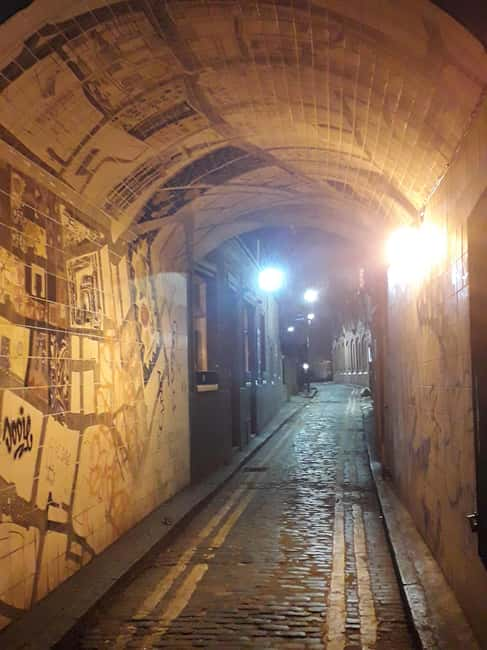
- Gunthorpe Street Alleyway, a Cold Walk Through the Victorian Gaps
- Fournier Street Conservation Area: The Victorian-Era Detail You Might Miss
- Ten Bells Pub: Why One Landmark Changes the Whole Mood
- The Building Entrance Where Evidence Was Found
- Artillery Passage Alley: The End Feeling Like a Last Page
- Price and Value: $26 for a Real Whitechapel Walk in French
- What to Wear and Bring for Darker Streets
- Who This Tour Fits Best (And Who It Might Not)
- Should You Book This Jack the Ripper Tour in French?
- FAQ
- What language is the Jack the Ripper tour in?
- Where do I meet, and where does the tour end?
- How long is the tour?
- How much does the tour cost?
- What is included in the tour?
- Is the tour suitable for children?
- What should I bring?
Key Highlights Worth Planning For
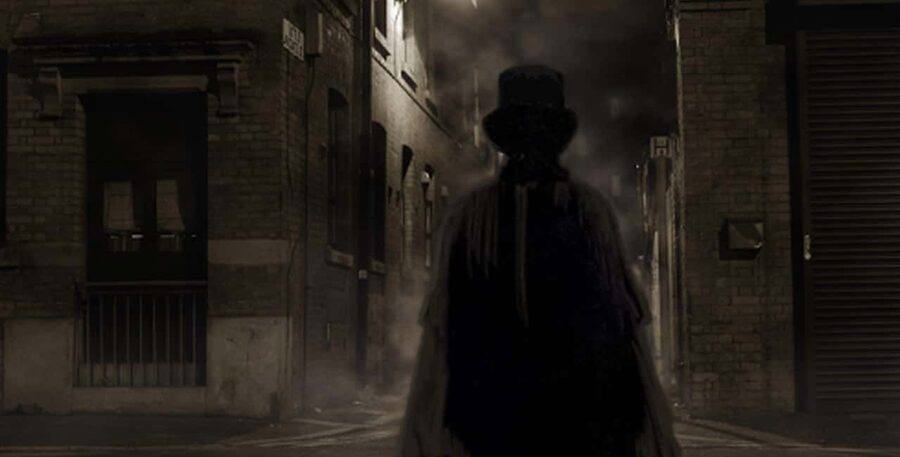
- Native French guide, expert Ripperologist approach that keeps the case understandable
- A small group (15 to 20) for better interaction and Q&A
- Whitechapel alleys and Victorian-era context tied to specific locations
- Brick Lane, Fournier Street conservation area, and Ten Bells as real landmarks, not generic stops
- Illustrated with photographs and period documents, plus an interactive activity
- Built for walking, with a route that gradually moves you toward Liverpool Street
Meeting Outside Jack The Chipper on Whitechapel High Street
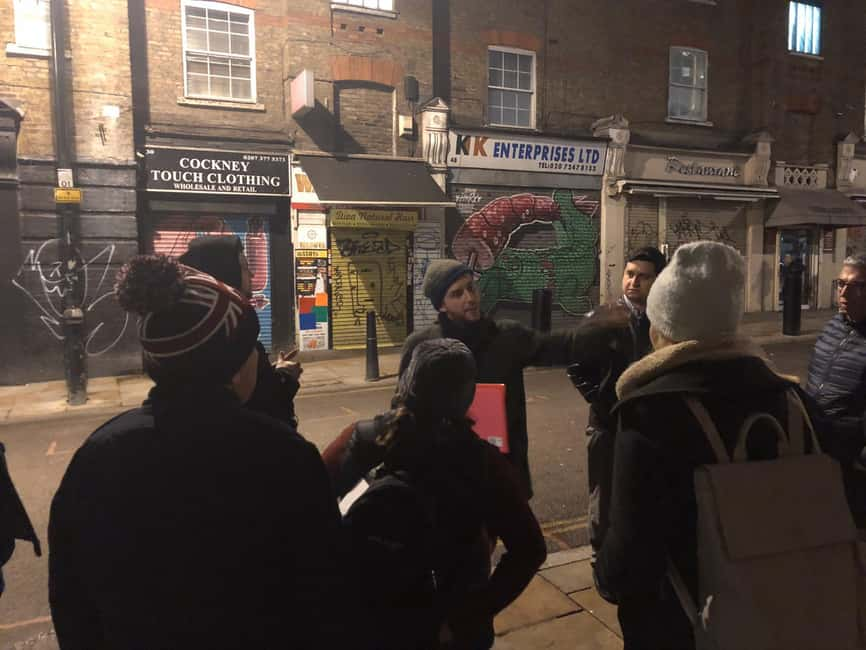
I like starting this kind of tour at a place that already feels local. You meet outside Jack the Chipper, 96 Whitechapel High Street, by Aldgate East tube station, in front of a long black wall. The guide will be holding a document pouch, so it is easier to spot everyone quickly.
This start point matters because it sets the tone. Whitechapel is a mix of old street patterns and modern London layers, and standing right here helps you orient yourself before you head into the quieter, more atmospheric lanes. It also helps you settle into the language switch, since the tour is in French, and the guide’s explanations are meant to be followed start to finish.
If you’re coming by Tube, plan a little buffer time. This is a neighborhood walk, not a bus tour, and once you miss the start you might have trouble catching up with the group.
More Whitechapel streets after the lamps:
- London: The Original Jack the Ripper Walking Tour
★ 4.7 · 7,833 reviews - London: Jack the Ripper Small Group Tour
★ 4.7 · 3,159 reviews - London: Jack the Ripper Tour with Immersive Ripper Vision
★ 4.5 · 1,840 reviews
A 2.5-Hour French Tour That Treats 1888 Like a Case File
The heart of this experience is that it is not only about the legend. The tour is built around the 1888 panic, when Londoners were terrified by a mysterious assassin and the killings sparked shockwaves across the city. You spend your 2.5 hours working through a mix of questions the guide frames along the way.
You’ll tackle the main mysteries the way investigators and journalists tried to handle them: why the crimes connected to Whitechapel, how many victims are commonly linked to Jack the Ripper, and who those victims were. You also look at the socio-historical context, which helps you understand why this case landed the way it did, including how the press and police reacted. Even the origin of the infamous stage name gets unpacked, along with the unsettling idea that someone might have been hiding behind it.
And yes, it includes visuals. The tour uses photographs and period documents, which is a big help when the story gets complicated. An interactive activity also keeps you from tuning out as you walk street to street.
One practical note: the content is focused and serious. Bring curiosity, but also expect a realistic, historical tone.
Brick Lane Stop: When Street Patterns Become Clues
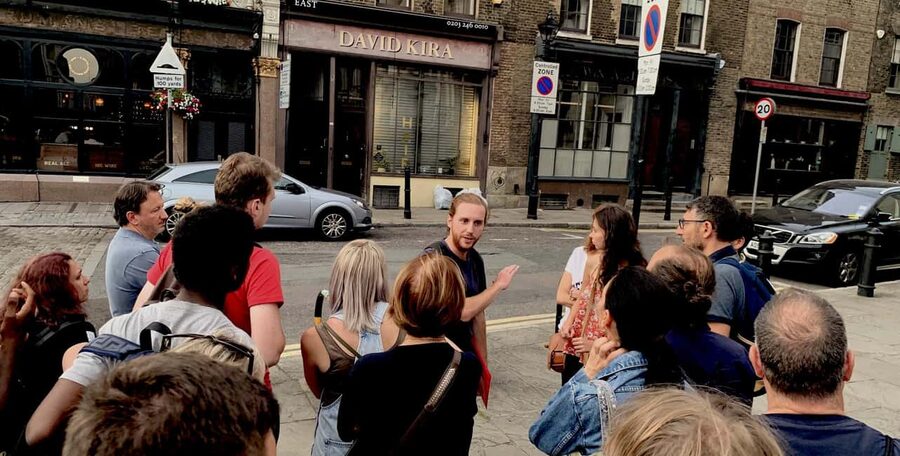
One of the best parts of this route is that it places you in a real neighborhood, Brick Lane included. This is not just a photo stop. You get a short guided moment here, meant to connect the area’s atmosphere to the case’s timeline and setting.
What I like about having Brick Lane on the route is that it reminds you how Whitechapel was never a single thing. It was a place where different communities lived and worked side by side, and that social mix is part of the “why here” question that runs through the tour. The guide’s explanations aim to connect the dots between location and the broader Victorian-era environment.
A small caution: Brick Lane can get busy at certain times. If you are the kind of person who hates weaving through crowds while listening in a second language, you might want to choose a calmer time of day when possible.
Gunthorpe Street Alleyway, a Cold Walk Through the Victorian Gaps
Then the tour shifts from broader streets to the narrower, darker-feeling passages. Gunthorpe Street is one of the chilling alleyway stops, and it’s there for a reason.
Alleyways like this are where you start to feel the logic of anonymity. You can understand how someone might move unseen, how witnesses could be unreliable, and how difficult it would be for anyone to piece things together quickly in 1888. The guide uses the street scale to make the story feel more concrete, not just dramatic.
This is also where the “solve the case” vibe starts to click. You’re not asked to become a detective, but you are pushed to follow clues, such as where victims and their killer may have spent time and how the environment shaped the events.
If you’re prone to getting spooked by narrow dark lanes, keep your pace steady and your eyes up. Good shoes help more than bravado here.
Also inked in under London
- London: The London Eye Entry Ticket★ 4.6 · 35,875 reviews
- From London: Harry Potter Warner Bros Studio Tour★ 4.7 · 26,588 reviews
- London: Westminster to Greenwich River Thames Cruise★ 4.5 · 22,836 reviews
- Magical London: Harry Potter Guided Walking Tour★ 4.7 · 22,044 reviews
Fournier Street Conservation Area: The Victorian-Era Detail You Might Miss
A big reason people enjoy small-group walking tours is the attention to specific details. Here, the Fournier Street conservation area gives you that chance.
You get a guided look that focuses on the feel of the streetscape and how the Victorian era comes through in the built environment. Even if you already know the broad outline of the story, this stop tends to add a new layer: it turns the case from a famous name into a physical place you can actually picture.
For me, this kind of stop is where the guide’s expertise really matters. A strong Ripperologist does not just recite dates. They connect street layout, local context, and the social situation into something you can mentally map.
Wear glasses if you need them. It can get tricky to spot the small cues while you’re listening in French.
Ten Bells Pub: Why One Landmark Changes the Whole Mood
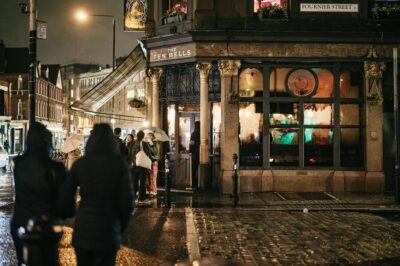
The tour includes a stop at the Ten Bells pub, a place tied to the idea that at least one of the victims frequented it. This matters because it brings the story down to everyday life.
It’s easy for a famous serial killer case to become abstract, like a headline. But when you stand near a specific pub, you’re reminded this involved real routines, real neighborhoods, and real people who had habits and hangouts. The guide uses the location to anchor that human side of the case.
A practical point: pubs can mean noise and activity. If the group has to pause briefly inside or at the edges, you’ll get the guided piece without spending ages waiting around.
Also, because the tour is in French, the guide’s ability to explain historical context clearly is key. This is one of the most praised aspects, with detailed explanations that keep you following even when you hit the trickier questions.
The Building Entrance Where Evidence Was Found
Another standout part of the walk is the stop at the entrance to a building where evidence was found. The guide uses this moment to tie the investigation to a physical location, which is a powerful change of pace from pure storytelling.
This kind of “look here, notice this” stop is valuable because it turns the case into something like a trail. Instead of only discussing what might have happened, you spend time on where things were discovered and why that would matter to police and investigators.
The inclusion of period documents and photographs strengthens this. When the guide shows you how evidence and reporting were handled at the time, it helps you see why conclusions were drawn, and why uncertainty still hangs over many parts of the case.
You will not leave with one neat, guaranteed answer. You will leave with a better sense of why the case remains famous.
Artillery Passage Alley: The End Feeling Like a Last Page
To wrap up, you reach Artillery Passage, a historic alleyway included on the route. This is one of those locations that works like punctuation at the end of a story.
The guide gives a short guided moment there, and then the tour continues toward the finish point. You finish near Liverpool Street and the provided end address is 222 Bishopsgate, London EC2M 4QD.
Why I like ending near Liverpool Street: it is an easy practical transition back into normal London. After walking through tense, history-heavy lanes, having a straightforward endpoint helps you avoid the “now what?” feeling. You can head directly to a train or Underground line without extra navigation.
Price and Value: $26 for a Real Whitechapel Walk in French
At $26 per person for about 2.5 hours, the value is strongest if you care about guided context, not just scenery. This tour does more than point out famous places. You get a native French guide, an expert Ripperologist approach, and a structure that covers key questions like victims, number of cases, police and press reactions, and how the stage name emerged.
The small-group cap, about 15 to 20 people, is part of why it feels worth it. You can actually interact. The guide’s explanations can adapt when questions come up, instead of becoming a one-way monologue.
It is also a smart deal for the format. You are paying for specialized expertise in a specific subject, plus illustrated material like photographs and period documents, plus an interactive activity.
What you should watch for: because it is French-language, the tour is best for people who can follow French comfortably. If you only understand a few phrases, you might catch the locations but miss the case reasoning.
What to Wear and Bring for Darker Streets
This tour is straightforward on its own rules: bring warm clothes and comfy shoes. Even if it is not cold out, alleys and street walking make temperature and fatigue add up faster than you expect.
Also, because you are standing and walking across multiple stops, your feet are the main limiting factor. Choose shoes you can walk in for a couple hours on pavement and uneven-feeling streets.
And since the subject matter is heavy, it helps to come ready for a serious historical narrative. Keep an open mind, not a tourist filter.
Who This Tour Fits Best (And Who It Might Not)
I think this tour is perfect if you like crime stories with real context. You want Victorian-era background, not just a spooky route. You also want something interactive, with photographs and period documents, and you appreciate when a guide knows the subject deeply enough to explain it clearly in French.
It is also a good match if you prefer smaller groups. A 15 to 20 person cap means you get more guide attention, and it stays more conversational.
On the other hand, it is not suitable for children under 12. If you’re traveling with younger kids, you’ll need a different plan.
Wheelchair accessibility is listed, so if you use mobility support, this may still be workable with the right pace and expectations for uneven streets.
Should You Book This Jack the Ripper Tour in French?
If you want a Whitechapel walk that treats Jack the Ripper as a historical case, not just a creepy theme, I’d book it. The biggest reasons are the native French Ripperologist leadership and the detailed explanations supported by photographs and period documents. The small group size also makes a real difference in how much you get out of the walk.
Book it especially if you’re comfortable following French and you like turning famous stories into specific places you can actually name. Start with a clear mindset, wear comfortable shoes, and you’ll get a tour that feels focused and grounded.
If you’re unsure, note that free cancellation is available up to 24 hours in advance for a full refund, and there is a reserve now and pay later option, which makes it easier to plan confidently.
FAQ
What language is the Jack the Ripper tour in?
The live tour guide speaks French.
Where do I meet, and where does the tour end?
You meet outside Jack the Chipper, 96 Whitechapel High Street, near Aldgate East tube station. The tour ends near Liverpool Street subway station, with the finish point listed as 222 Bishopsgate, London EC2M 4QD.
How long is the tour?
The duration is 2.5 hours.
How much does the tour cost?
The price is $26 per person.
What is included in the tour?
The tour includes a guided experience led by an expert Ripperologist guide, a 2.5-hour guided tour, and an interactive activity. It is also illustrated with photographs and period documents.
Is the tour suitable for children?
No, it is not suitable for children under 12.
What should I bring?
Bring warm clothes and comfortable shoes.
Newest entries under London


Jack the Ripper Walking Tours, compared.
Jack the Ripper Tour with Immersive Ripper Vision
Read our review →
German Language : Original Jack the Ripper Tour
Read our review →
French Language : Original Jack the Ripper Tour
Read our review →
Browse the lists this tour appears in