
Reviewed · JACK THE RIPPER WALKING TOURS
London: Jack the Ripper Tour with Immersive Ripper Vision
Ripper-Vision turns Whitechapel into a living crime scene. I love how this Ripper-Vision setup uses handheld projectors to put historic photos, maps, and press illustrations right onto the streets and building fronts tied to the murders. I also like the way the guide keeps the story fact-focused, separating evidence-based details from the loudest myths around Jack the Ripper.
One heads-up: the projections are only as good as the lighting and weather. If the evening starts brighter than expected, or if conditions are gray and drizzly, you might find some visuals harder to see clearly.
In This Review
- Key highlights worth planning for
- Ripper-Vision on real Whitechapel streets: what you are seeing
- Meeting point by Whitechapel Art Gallery, then an intro that sets the tone
- Walking the murder locations: how the story moves stop to stop
- Fact vs myth: what your guide does with suspects and theories
- Victims first: why the tone matters on a horror-themed tour
- When to go: daylight, rain, and seeing Ripper-Vision clearly
- Duration and pacing: 105 minutes of walking and watching
- Price and value: is $24 fair for what you get?
- Who this tour is best for (and who should skip it)
- Should you book this Jack the Ripper Tour in London?
- FAQ
- How long is the Jack the Ripper tour with Ripper-Vision?
- Where do I meet for the tour?
- Is the tour in English?
- Does the tour run in bad weather?
- Will the Ripper-Vision projections always work?
- What should I wear or bring?
- Is this tour suitable for young children?
- Is it accessible for wheelchair users or people with mobility issues?
- Is there a cancellation option?
Key highlights worth planning for
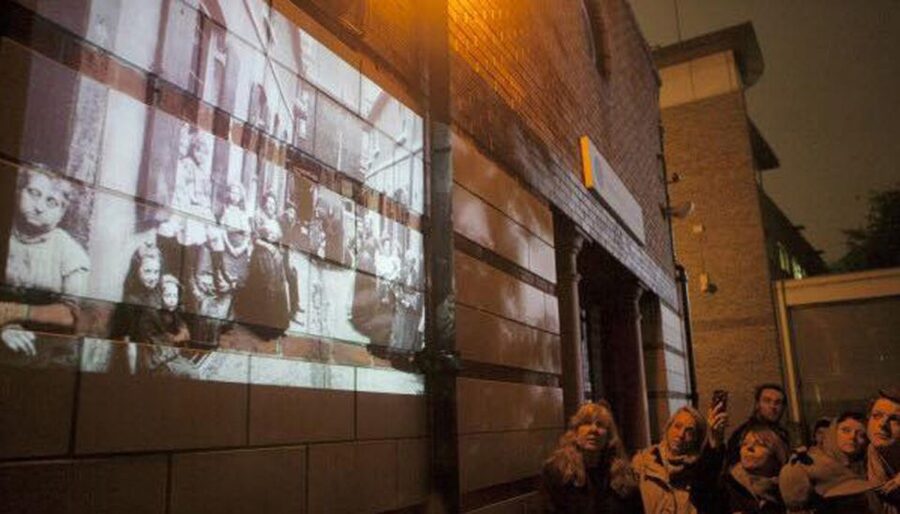
- Street-level Ripper-Vision projections placed on the real Whitechapel buildings, not a lecture hall
- Victim-centered storytelling, with an emphasis on the people first, not just the mystery
- Crime scene photos, maps, and period press illustrations used as the backbone of the narrative
- Guides with strong storytelling voices, including comedians of sorts, plus time for questions
- A 105-minute walk through the key murder-area locations, with uneven cobblestones at times
Ripper-Vision on real Whitechapel streets: what you are seeing
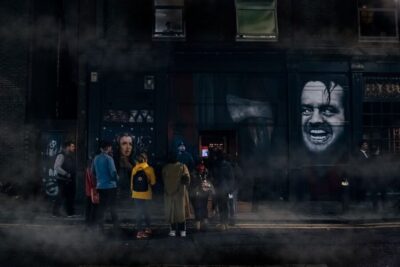
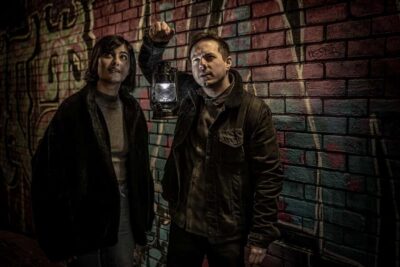
This is not a typical “walk and talk” London tour. The hook is the Ripper-Vision presentation: your guide uses powerful handheld projectors to cast vintage materials directly onto the street, walls, and nearby building facades.
That sounds simple until you’re standing on an East End corner and suddenly a period photograph or a map aligns with what you see around you. The effect is practical, too. It helps you grasp layout and distance fast, because the guide can point and then show. You are not just hearing, you’re watching the geography of 1888 snap into place.
You’ll typically see a mix of:
- historic crime-related imagery
- old maps and illustrated press content
- visuals that connect the real locations to the events
And yes, it can get intense. The tour discusses real historical violence, and the operator specifically notes it is not suitable for children under 10 unless parents consent. One nice detail: a few guides are careful about pacing and warn you before graphic images are shown, so you can choose to look away if you want.
More Whitechapel streets after the lamps:
- London: The Original Jack the Ripper Walking Tour
★ 4.7 · 7,833 reviews - London: Jack the Ripper Small Group Tour
★ 4.7 · 3,159 reviews - German Language : Original Jack the Ripper Tour
★ 4.6 · 1,805 reviews
Meeting point by Whitechapel Art Gallery, then an intro that sets the tone
You start outside Aldgate East Tube Station, Exit 3, not Aldgate Station. Head for the Whitechapel Art Gallery and look for the KFC right beside the meeting spot.
Arrive a few minutes early. The start matters here because the guide needs a moment to set expectations and explain how the projections work once the light shifts. When you’re on narrow streets, timing and spacing can make a difference in how well you can see the images.
The early part of the tour is also where you get your bearings. Expect the guide to frame the case before the visuals start going full-on. I like this approach because it prevents the story from becoming a blur of names and dates. Instead, you get a structure you can follow while you walk.
Walking the murder locations: how the story moves stop to stop
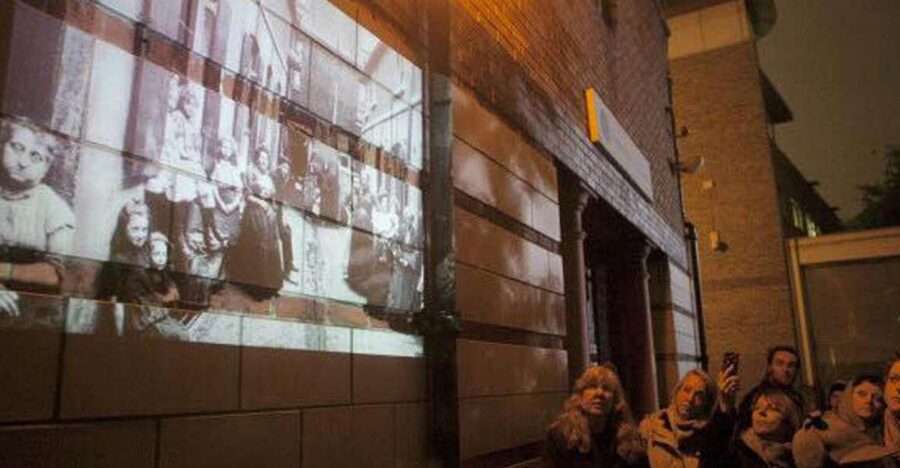
Your route is a guided walking tour through the Whitechapel area, hitting key locations linked to the Whitechapel murders. The guide stops at points tied to the case and then turns the projection on.
Here’s the important part for planning: this is a real street walk. The tour includes a moderate amount of walking, sometimes over uneven ground and cobblestones. So you’ll want comfortable shoes before you even leave the Tube station. If you arrive in sneakers that you normally wear for quick errands, you might regret it.
At each location, the experience is designed to work like this:
- you arrive at a specific corner or frontage tied to the case
- the guide places maps or crime-scene images on the surroundings
- you get context about the victims and the events connected to that spot
- then the guide connects it back to the broader investigation and suspects
Because the content is tied to real places, you also get a sense of how easy it would have been, in 1888, for people to move through the area without anyone noticing a pattern. Modern visitors often expect a case like this to feel orderly. On this tour, it feels messy, like the real world.
Fact vs myth: what your guide does with suspects and theories
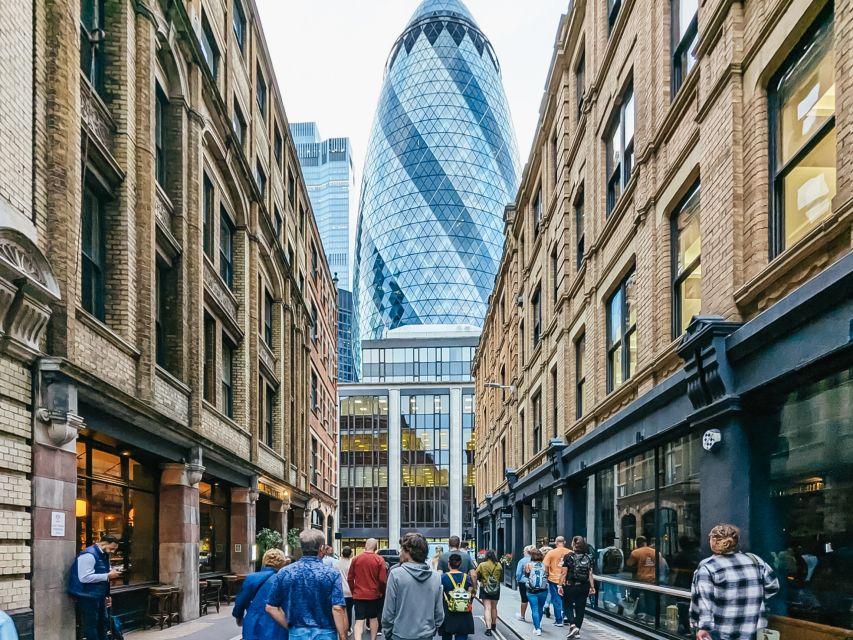
Jack the Ripper cases are famous for one thing: people disagree loudly. This tour leans into that, but it does so with a careful bias toward evidence and context.
You can expect the guide to separate:
- what the historical record supports
- what later storytelling turned into “certainty”
- and why certain suspects or theories gained traction
That approach is valuable because it protects your time. Instead of getting a list of wild ideas, you get explanations for how those ideas were shaped, and what parts hold up and what parts don’t.
Guides like Alan and Rob are often praised for maintaining a respectful tone and answering questions without rushing people. Harry and Andre also get credit for balancing facts with a storytelling style that keeps the pace moving. The best guides on this topic do two jobs at once: they keep you oriented in space, and they keep you oriented in evidence.
Also inked in under London
- London: The London Eye Entry Ticket★ 4.6 · 35,875 reviews
- From London: Harry Potter Warner Bros Studio Tour★ 4.7 · 26,588 reviews
- London: Westminster to Greenwich River Thames Cruise★ 4.5 · 22,836 reviews
- Magical London: Harry Potter Guided Walking Tour★ 4.7 · 22,044 reviews
Victims first: why the tone matters on a horror-themed tour
Let’s be honest. A Jack the Ripper tour can drift into voyeurism if it’s handled poorly. This one tries to keep the focus where it belongs.
The tour description and the stronger guide reviews point to a consistent theme: the victims are front and center. The guide explores the victims’ lives, then the brutal crimes, then the police investigation, and only after that the suspects.
That order matters. It changes what you carry with you after the tour ends. You don’t leave thinking only about the mystery word. You leave with a clearer sense of who those people were in daily life, and how the investigation played out in a city that was under pressure.
If you are bringing older kids or teens, this structure often works well. Several reviews specifically call out that the tour was interesting for teenage groups, not just adults hunting for spooky atmosphere.
When to go: daylight, rain, and seeing Ripper-Vision clearly
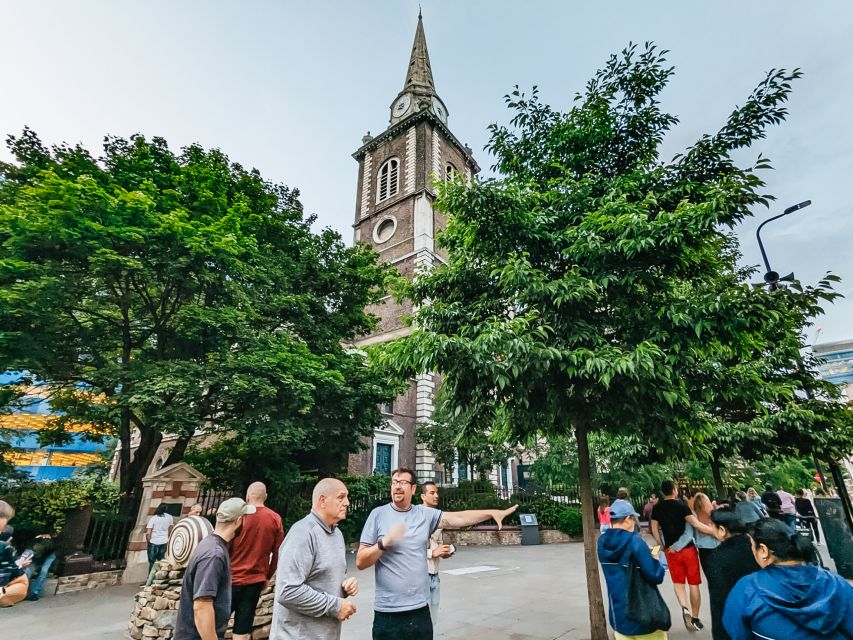
The tour runs in all weather conditions, so you should dress for an outdoor evening walk. That part is straightforward.
The trickier part is the visuals. The projection effects depend on weather and lighting. One review mentions daylight can delay the use of the Ripper-Vision if the start is too bright, which makes perfect sense. Light levels are physics, not marketing.
So here’s my practical advice:
- If you can choose a start time, aim for when it will be darker sooner.
- Bring a rain jacket or poncho if the forecast looks damp.
- Plan for the fact that cobblestones plus rain means slower footing.
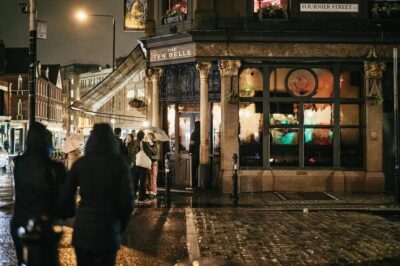
This is still a night tour experience, and it can feel especially right when the streets are damp and the case feels close to the surface. But the weather can also be a practical enemy to projection visibility, so don’t expect every moment to look the same.
Duration and pacing: 105 minutes of walking and watching
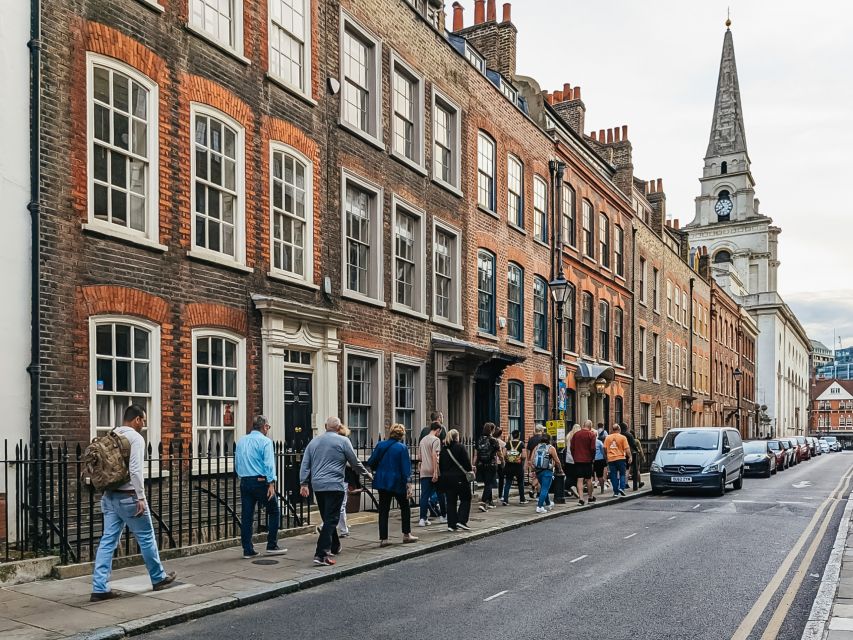
The tour lasts 105 minutes. That’s a sweet spot for a London evening activity. You get enough time to walk through multiple key locations, and the visuals do not feel like a gimmick sprinkled over a standard talk.
Pacing depends on the guide and group, but the core pattern stays consistent: short stops with projections, then movement, then more context. You’ll stand at points along the way for periods, so it’s not a “sit and listen” experience.
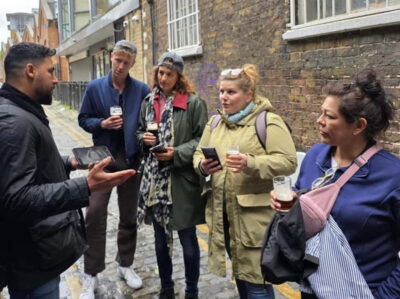
Group size can matter on narrow streets. One common review theme is that when groups are large, it becomes harder to see and hear at the same time. The guide can do a lot to manage it, but physics still wins. If you are sensitive to crowding, consider booking a time slot that tends to run with smaller groups.
Price and value: is $24 fair for what you get?
At $24 per person for about 105 minutes, the value comes down to one question: are you paying for a story, or are you paying for a unique way of understanding the story?
Here, you are paying for more than narration. You’re paying for:
- street-level Ripper-Vision projections that tie historical materials to real space
- a guide who can connect victims, investigation, and suspects without turning it into random horror points
- a route you’d probably never walk on your own, because Whitechapel is not laid out for casual sightseeing in the same way as central landmarks
Also, this price tends to be less than what you’d expect for an activity with any sort of “show” element. If you like walking tours but find some of them forget to teach you anything beyond vibes, this one is a better bet because it uses evidence visuals and maps.
If you’re already planning to spend time in East London, this ticket is a straightforward add-on. You’re not paying for transport, and you’re not buying a day-long commitment.
Who this tour is best for (and who should skip it)
This is a good fit if you:
- love London’s darker corners and want more than spooky storytelling
- like guided walking tours and can handle cobblestones
- want facts about the case, plus an explanation of how myths grow
- want a hands-on “visual” element, not just a book report
It may not be a good fit if you:
- need step-free routes or cannot manage uneven ground
- have heart problems, as the operator notes it is not suitable
- use a wheelchair, since it is not suitable for wheelchair users
- are traveling with children under 10 unless you have parent consent, because the tour discusses real historical violence
If you fall somewhere in the middle, I’d still be cautious. The “not suitable” list includes mobility and health needs for a reason: this is an outdoor, standing, walking experience, at night, through areas with uneven surfaces.
Should you book this Jack the Ripper Tour in London?
Book it if you want a Jack the Ripper tour that uses Ripper-Vision to teach you something you can’t get from a static photo or a quick museum display. The best part of this tour is how it turns evidence materials, maps, and press imagery into something you can see in context.
Skip it if you:
- hate walking on cobblestones or long standing
- cannot handle graphic historical themes
- are going mainly for visuals and need perfect viewing conditions, because projections depend on lighting and weather
If you like strong guides who keep the pace moving, give time for questions, and treat the victims with care, you’re likely to enjoy this one.
If you do book, do yourself a favor: wear warm clothes, bring good shoes, arrive early at Aldgate East Exit 3, and plan for a real East London evening walk where the story actually lands on the street in front of you.
FAQ
How long is the Jack the Ripper tour with Ripper-Vision?
It runs for 105 minutes.
Where do I meet for the tour?
Meet outside Aldgate East Tube Station, Exit 3, outside the Whitechapel Art Gallery next to the KFC.
Is the tour in English?
Yes, the live tour guide speaks English.
Does the tour run in bad weather?
Yes. The tour operates in all weather conditions, and you should dress appropriately.
Will the Ripper-Vision projections always work?
The projections are used throughout the tour weather and lighting permitting, so conditions can affect how clearly you see them.
What should I wear or bring?
Bring comfortable shoes and weather-appropriate clothing. The ground can be uneven and include cobblestones.
Is this tour suitable for young children?
The tour discusses real historical violence. It is not suitable for young children under 10 unless with parents consent.
Is it accessible for wheelchair users or people with mobility issues?
No. It is not suitable for people with mobility impairments or wheelchair users.
Is there a cancellation option?
Yes, free cancellation is offered up to 24 hours in advance for a full refund.
Newest entries under London



Jack the Ripper Walking Tours, compared.

German Language : Original Jack the Ripper Tour
Read our review →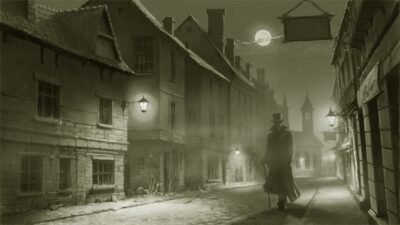
French Language : Original Jack the Ripper Tour
Read our review →
Browse the lists this tour appears in