
Reviewed · MUSEUMS
London: Freud Museum Entry Ticket
Vienna-in-London is what this feels like. Step into Sigmund Freud’s home, where the rooms preserve his study, desk, and famous couch, and then you continue into Anna Freud’s work and ideas. I love the fact that Freud’s Study is kept much like he left it, and I also like the way the visit uses an audio guide to connect objects to the people behind psychoanalysis.
One thing to consider: the museum relies on your phone and headphones for the audio guide, so if you show up without them, the experience can feel slower and less satisfying.
In This Review
- Key points before you go
- Freud Museum London in one day: what makes it feel like Vienna
- Entering Through the Shop: where the visit really starts
- Plan for your audio guide setup
- Freud’s Study and the original couch: the room where ideas look physical
- What the Study teaches you (without preaching)
- Freud’s desk, antiquities, and a quiet sense of obsession
- The Dining Room: family story meets psychoanalysis
- Anna Freud’s rooms: child psychoanalysis and her personal spaces
- Why Dalí’s portrait deserves time
- The 20-minute film: voices, recordings, and the Vienna to London link
- The peaceful garden: end on calm, not trivia
- Price and value: is the $19 ticket worth it?
- Who should book, and who might want a different plan
- Should you book the Freud Museum entry ticket?
- FAQ
- Where is the meeting point for the Freud Museum entry ticket?
- What is included with this entry ticket?
- Do I need headphones for the audio guide?
- How long should I plan to spend?
- Is there a film during the visit?
- Is the ticket refundable?
Key points before you go
- Freud’s original couch and study set-up make psychoanalysis feel personal, not theoretical
- Freud’s desk and antiquities add a human side to the man behind the ideas
- Anna Freud’s room highlights child psychoanalysis, with her couch and collections
- Salvador Dalí’s portrait of Freud links London 1938 to surreal art history
- A 20-minute film mixes Anna’s voice, a rare Freud recording, and footage from Vienna and London
Freud Museum London in one day: what makes it feel like Vienna
If you like museums where the rooms do half the talking for you, this is a strong pick. The Freud Museum London is the final home of Sigmund Freud and his daughter Anna Freud, and the atmosphere is unusually specific. You are not just looking at objects, you are looking at where people lived, worked, and thought.
What I like best is how the visit stays anchored in details. You move from Freud’s Study, to the family-focused Dining Room, to Anna’s rooms, then you end with quiet time in the peaceful garden. That rhythm gives you both the big idea and the small, human cues that make it stick.
The museum is also a good size for a 1-day plan. You can take your time without it turning into a marathon, especially since the film is clearly marked at 20 minutes.
More Museum Tours in London
- London: Chelsea Football Club Stadium and Museum Tour
★ 4.8 · 4,576 reviews - London: British Museum Guided Tour
★ 4.3 · 1,182 reviews - London: British Museum Guided Tour with Entrance Tickets
★ 4.9 · 748 reviews
Entering Through the Shop: where the visit really starts
Your meeting point is practical: go to the back of the house and enter through the shop. That matters because the building layout can make the first few minutes feel confusing if you start wandering in the wrong direction.
Once you’re inside, the visit is designed like a guided flow, even if you are doing it at your own pace. You will see the Study first, then work through the family rooms and film, and finish in the garden. If you want a calm visit, I suggest you start with the Study and take notes on what questions you have, then use the audio guide to chase those answers room by room.
Plan for your audio guide setup
The audio guide is included, but headphones are not. The museum asks you to bring your phone and headphones, so do not treat this like a free add-on you can improvise. If you are the type who enjoys pausing to read, you will still get value. If you hate juggling tech on vacation, this is your main potential friction point.
Freud’s Study and the original couch: the room where ideas look physical
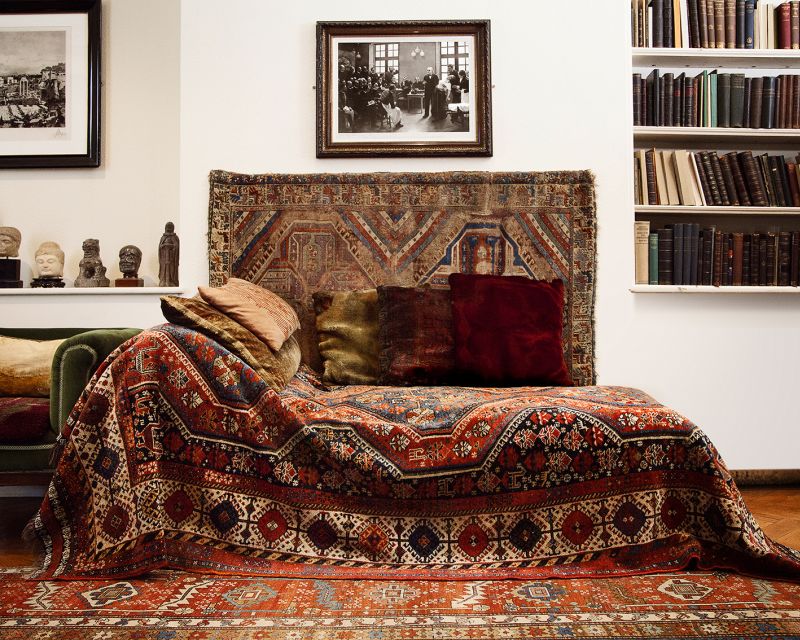
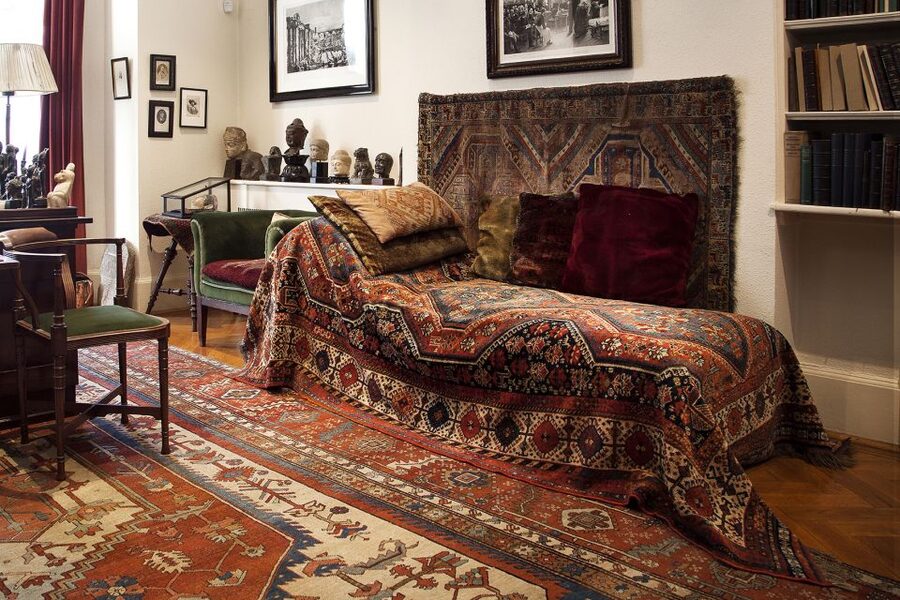
Freud’s Study is the centerpiece, and it is easy to see why. You are able to spend time in Sigmund Freud’s Study, seeing the world-famous psychoanalytic couch and the desk where he placed his favorite antiquities. The museum does not try to make the room look new or staged for photos. It preserves what mattered to him, which makes the whole topic feel less distant.
A couple details are especially worth your attention. The chair is unusual and anthropomorphic in design, built especially for Freud’s preferred seating posture. The idea was that he would sit with his legs over one arm of the chair. That small mechanical fact makes a bigger point: psychoanalysis was not only theory, it was also the body, the routine, and the physical setup of sessions.
Then there is the couch. You might expect something overly dramatic, but the real impact comes from how ordinary it feels in context. Once you connect it to the desk, the objects, and the layout, the couch stops being a symbol and becomes a working tool in a real room.
More gallery rooms between showers:
- London: Tour of the British Museum★ 4.1 · 678 reviews
- Afternoon Tea at the British Museum★ 4.2 · 511 reviews
- London: Paradox Museum Entry Ticket★ 3.9 · 441 reviews
- London: National Gallery Guided Tour with Art Expert Guide★ 4.7 · 440 reviews
What the Study teaches you (without preaching)
If you have ever found psychoanalysis hard to picture, this is where it becomes tangible. The Study helps you understand why people talk about the setting as part of the practice. You are not asked to agree with every idea in modern terms. Instead, you are shown how Freud lived with these concepts and how the physical space carried meaning.
Also, the museum’s decision to preserve the Study much as Freud left it is a big value point. It gives you a “time capsule” feeling, but one grounded in everyday furniture, not museum theater.
Freud’s desk, antiquities, and a quiet sense of obsession
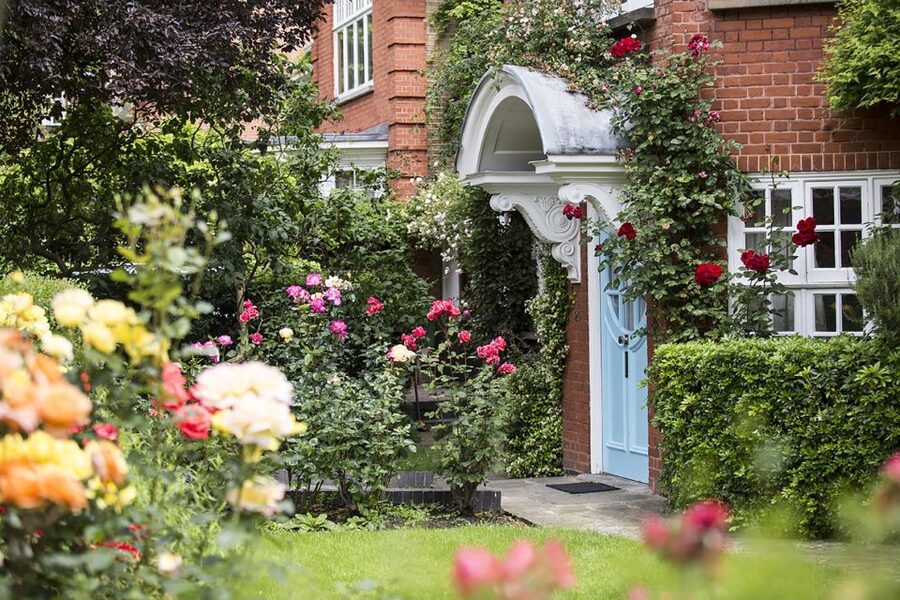
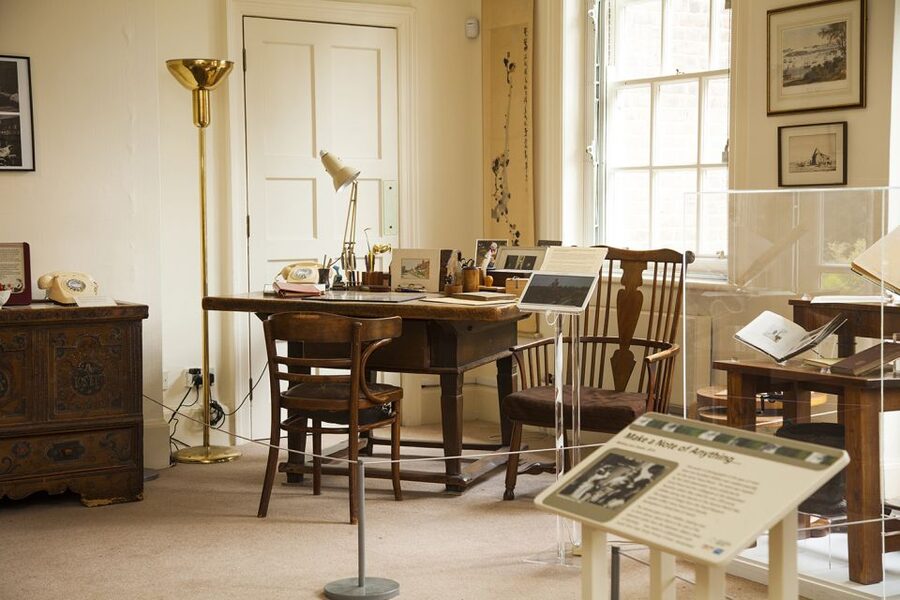
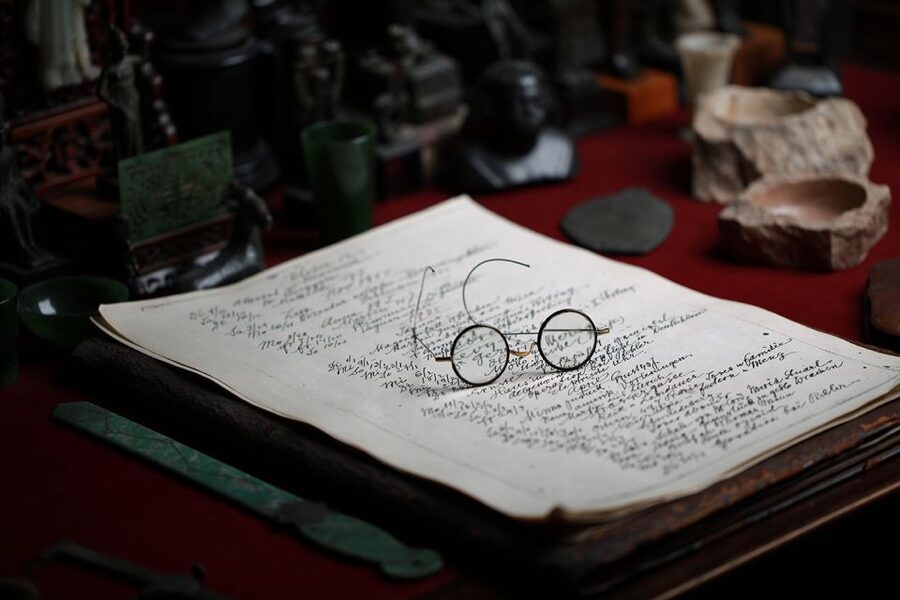
Freud’s desk might sound like a small stop, but it’s one of the best examples of how objects can explain personality. Seeing the desk where he placed his favorite antiquities gives you a glimpse into what he valued and collected. That matters because it frames him as an intellectual collector, not just a famous name.
I like this part because it slows the visit down. You stop trying to absorb the biggest talking points and instead you start noticing how a person organized their world. If you are the kind of traveler who likes museum details, you will get more out of this study than just the famous couch.
The Dining Room: family story meets psychoanalysis
After the Study, the museum shifts from objects to people. In the Dining Room, you learn about Freud’s family story and the story of psychoanalysis. This is where the visit becomes less about furniture and more about relationships.
The value here is balance. Psychoanalysis can get discussed like it belongs to textbooks only. This room reminds you it was built by a family and lived through real life. You are essentially being shown where ideas came from, including the emotional and day-to-day context that often gets left out when history is summarized in headlines.
If you feel tempted to skim, resist it for 5 to 10 minutes. The Dining Room is the bridge between the study space and Anna’s pioneering work, and skipping it can make the later rooms feel disconnected.
Anna Freud’s rooms: child psychoanalysis and her personal spaces
Anna Freud’s Room is a major highlight, and it changes the mood of the visit in a good way. You can learn about her pioneering work on child psychoanalysis and see her couch and collections. That matters because it shows psychoanalysis evolving, not freezing in one moment of history.
Anna’s space also gives you a different angle on the whole Freud story. Instead of staying focused on the founder’s study, you see the next generation working with the same tradition but applying it to children. If you care about how ideas get adapted rather than copied, you will appreciate this shift.
Alongside Anna’s Room, you will also see a portrait of Sigmund Freud by Salvador Dalí. That is a fun and unexpected stop because it connects psychoanalysis with surrealist art. You can learn about their meeting in London in 1938 through Professor Ades’ article on Dalí’s sketches of Freud.
Why Dalí’s portrait deserves time
Art can be a quick shortcut in museums, but here the portrait earns attention because it is tied to a specific meeting and a specific moment in London. You get a sense that Freud was not just a scientific figure in a private room. He moved through public life too, showing up in other cultural worlds.
If you like crossovers between disciplines, this is the part to linger over.
The 20-minute film: voices, recordings, and the Vienna to London link
Next comes the film about the Freud family, and it is clearly timed at 20 minutes. This is one of the easiest ways to understand what you are seeing without having to piece it together yourself.
The film uses voiceovers from Anna Freud and includes a rare recording from an interview with Sigmund Freud. It also uses footage from Vienna and London. That mix matters because it creates continuity across geography, which is often missing in history museums.
A practical tip: if you are wearing headphones and using the audio guide, consider lowering your phone volume during the film, or taking a short break from the audio guide so you can focus. Films in small spaces can be distracting if you try to do two audio tracks at once.
The peaceful garden: end on calm, not trivia
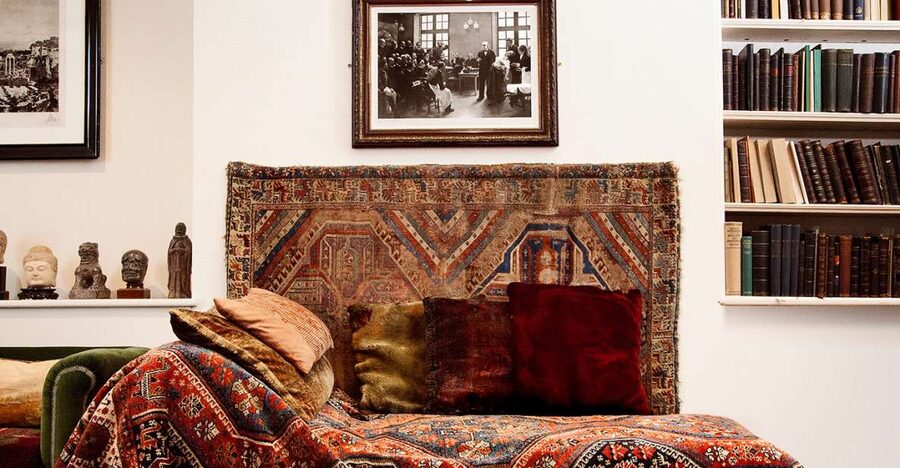
Finish in the peaceful garden. That last stop is more than a nice view. It gives you a reset after thinking about heavy themes tied to the mind and human behavior.
If you are visiting on a busy day, this garden break is your chance to slow down and reflect on what you absorbed. I find it helps you remember the rooms better because you are not immediately rushing to the next exhibit.
Even if you are not a “garden person,” spending 5 to 15 minutes here makes the whole visit feel complete.
Price and value: is the $19 ticket worth it?
At about $19 per person, this entry ticket can feel like a bargain or a splurge depending on what you want from a museum.
Here’s why I think it is good value if you like atmosphere and real objects. You get admission, an audio guide, time in Freud’s preserved Study with the couch, Anna Freud’s rooms with her couch and collections, a timed film, and access to the garden. That is a lot of distinct spaces for one ticket.
Also, the free tour included Thursday through Saturday at 2 pm can add value if your schedule matches. It’s not a guaranteed “all day guided” situation, but it gives you a chance to sharpen your understanding with a live explanation.
One more value point: the audio guide is part of your experience, not an optional bonus. Since the museum depends on your phone and headphones, bring them. If you do, you will get the most out of the objects and room connections.
Who should book, and who might want a different plan
This entry ticket fits you best if you want a focused, object-led museum experience. You are likely to enjoy it if you like:
- museum visits with strong room details, not just big exhibits
- psychoanalysis as a human story, not just a debate
- seeing Anna Freud’s contributions and child psychoanalysis in context
You might want to think twice if you hate using your phone for audio. Since headphones are not included, you will need to bring them. Also, if you expect a modern, action-packed museum with lots of interactive screens, this one is more about quiet spaces and preserved rooms.
If you are doing a broader London cultural day, you can pair it with other nearby historical sights. But even on its own, it works as a complete 1-day plan because the visit has a clear beginning (Freud’s Study) and a calm ending (the garden).
Should you book the Freud Museum entry ticket?
Book it if you want a museum that feels like you stepped into a home office and living space, not a set of generic exhibits. The preserved Study, the couch, the chair built for Freud’s posture, and Anna Freud’s rooms make this a memorable mix of personal atmosphere and real historical context. Add the 20-minute film with Anna’s voice and a rare Freud recording, and you get the story behind the objects without needing a separate lecture.
Skip it or choose something else if you are not interested in psychoanalysis as a story about people and spaces, or if you do not want to use your phone with headphones. Otherwise, this is a smart, compact London visit that gives you a lot of meaning per hour.
FAQ
Where is the meeting point for the Freud Museum entry ticket?
Go to the back of the house and enter through the shop.
What is included with this entry ticket?
Admission is included, along with an audio guide. A free tour is included from Thursday to Saturday at 2 pm.
Do I need headphones for the audio guide?
Yes. The audio guide is included, but headphones are not included, so you should bring your phone and headphones.
How long should I plan to spend?
The ticket is valid for 1 day, and you can spend time through the Study, Dining Room, Anna Freud’s rooms, a 20-minute film, and finish in the garden.
Is there a film during the visit?
Yes. There is a film about the Freud family that runs for 20 minutes.
Is the ticket refundable?
Yes, free cancellation is available if you cancel up to 24 hours in advance.
Newest entries under London






Museums, compared.

Tower of London and Crown Jewels Exhibition Ticket
Read our review →
Liverpool Football Club Museum and Stadium Tour
Read our review →
Chelsea Football Club Stadium and Museum Tour
Read our review →


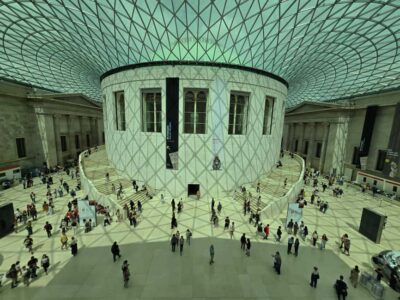
British Museum Guided Tour with Entrance Tickets
Read our review →Browse the lists this tour appears in