
Reviewed · MUSEUMS
London: Florence Nightingale Museum Ticket
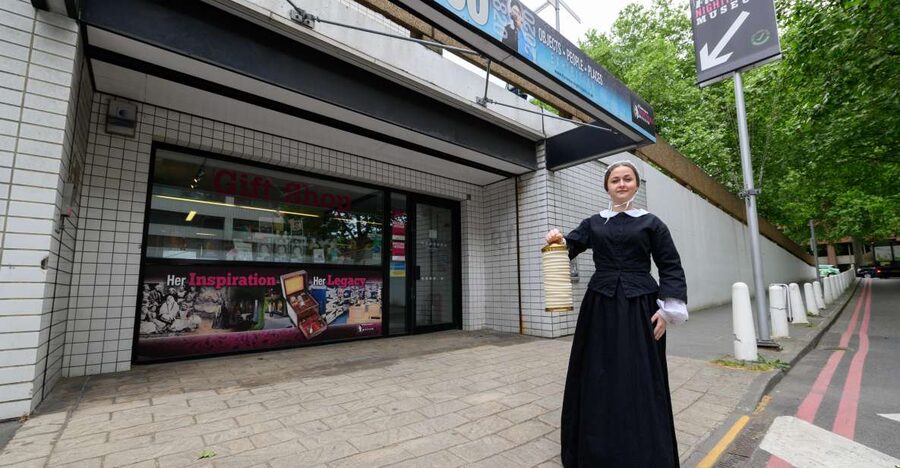
Florence Nightingale is closer than you think. This ticket gets you into the Florence Nightingale Museum on St Thomas’ Hospital grounds, where the exhibits focus on real artifacts and the story behind them. I love how the museum spotlights Nightingale through hands-on objects, especially the lamp tied to her nickname Lady with the Lamp.
I also like the more personal side of the woman behind the reform work. You’ll see details that connect her affluent childhood, her push to become a nurse against her parents’ wishes, and her Crimean War contributions to concrete items like her pet owl Athena and her medicine chest. One possible consideration: food and drinks are not allowed inside, so plan to eat before you go or right after.
In This Review
- Key highlights worth planning for
- Where St Thomas’ Hospital meets the story of nursing
- Ticket access that keeps your day flexible
- Seeing Nightingale’s lamp, Athena the owl, and her medicine chest
- Her childhood, family pressure, and the fight to become a nurse
- Crimean War work, and why her ideas changed healthcare
- What makes the nursing legacy feel real, not just heroic
- Meeting the museum, small group size, and who this suits
- Price and value: is $16 a fair trade for your time?
- Best times to go and how to plan your day around the museum
- The practical “walk-through” feel once you’re inside
- Should you book this Florence Nightingale Museum ticket?
- FAQ
- Where is the Florence Nightingale Museum, and what should I look for?
- What are the standard opening hours and last entry time?
- Is there any late opening?
- How does entry work with a 1-day ticket?
- What’s included with the ticket?
- Are food and drinks allowed inside?
- Is the museum wheelchair accessible, and what about groups and language?
- Does it offer flexible booking options?
Key highlights worth planning for

- Authentic Nightingale artifacts you can stand close to and actually look at
- The Lady with the Lamp story, linked to an object she carried
- Athena the pet owl for a surprising, human touch
- Crimean War and healthcare reform aimed at better care for ordinary people
- Small group size (up to 9) with an English host or greeter
Where St Thomas’ Hospital meets the story of nursing
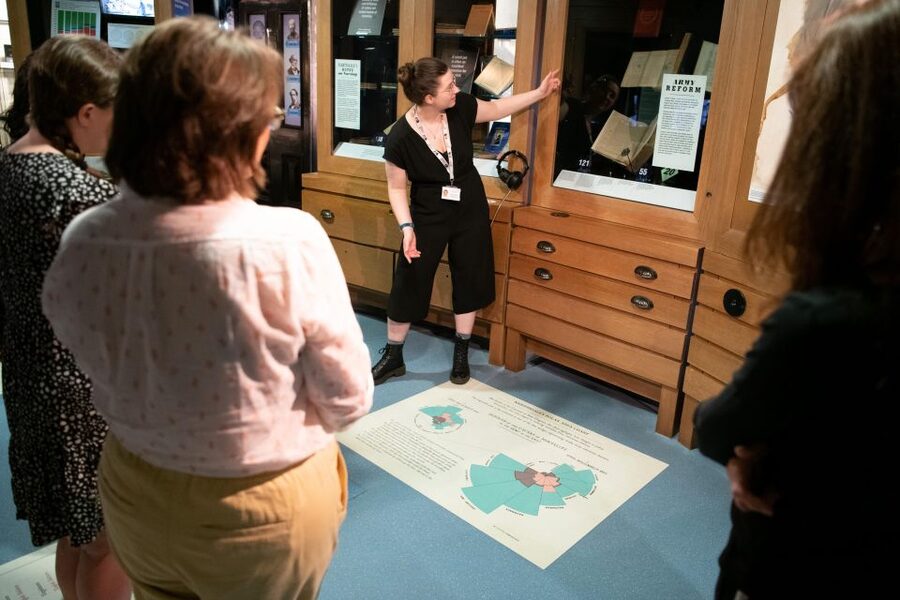
Getting to this museum is easy once you use the right landmark. The Florence Nightingale Museum sits at parking level in the grounds of St Thomas’ Hospital, and the usual clue is the St Thomas’ Hospital signage for the Florence Nightingale Museum. If you’re coming from the sights near the Houses of Parliament and the London Eye, you’re looking at a short walk through one of London’s most historically loaded hospital areas.
What I like about this location is the built-in context. You are not just reading about 19th-century healthcare. You’re in a working hospital zone, and that makes Nightingale’s push for better care feel less like a distant museum topic and more like a living legacy.
Also, because your ticket is valid for one day and you can enter at any time during opening hours on your booked date, you can fit it around the rest of your London day. That flexibility helps when your schedule gets pushed around by crowds, rain, or a sudden craving for something warm and sweet.
More Museum Tours in London
- London: Chelsea Football Club Stadium and Museum Tour
★ 4.8 · 4,576 reviews - London: British Museum Guided Tour
★ 4.3 · 1,182 reviews - London: British Museum Guided Tour with Entrance Tickets
★ 4.9 · 748 reviews
Ticket access that keeps your day flexible
This is a museum ticket that lets you access the collection any time within opening hours on your selected date. In other words, you do not have to force a tight timeslot plan like you would with some timed tours. You pick a moment that works for you, walk in, and then use the museum at your pace.
The museum is open Tuesday to Sunday from 10:00 AM to 5:00 PM, with last entry at 4:30 PM. On the last Thursday of each month, it’s open late until 8:00 PM, and last admission is at 7:30 PM. The late opening does not happen in December, so if you’re visiting in winter, stick to regular hours.
For pacing, I’d treat this as a solid focused visit rather than a quick stop. If you like reading interpretive panels and actually looking at objects, plan enough time to slow down. If you’re in a rush, you can still see the main highlights, but you’ll miss some of the details that connect her life to her reforms.
Seeing Nightingale’s lamp, Athena the owl, and her medicine chest
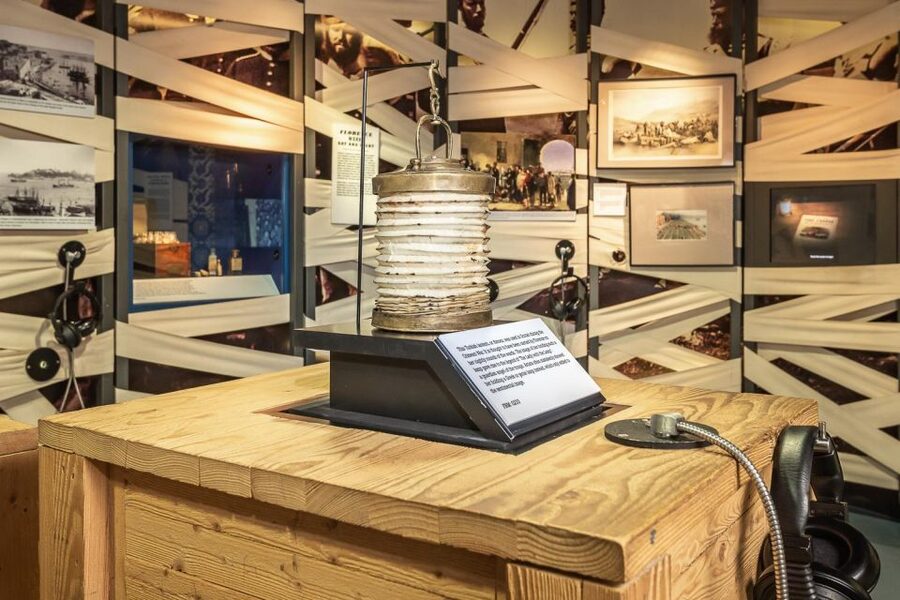
The easiest way to understand why this museum is so compelling is to start with the objects. The ticket experience is built around authentic items tied to Florence Nightingale’s life and work, and the most famous one is her lamp, connected to her nickname Lady with the Lamp. Seeing an old lamp connected to Nightingale helps you picture what her presence might have felt like on the ground during nights of care.
Then there’s Athena, her pet owl. This is one of those details that makes the museum feel less like a “lecture in a room” and more like a biography you can see. An owl might sound random if you only think of Nightingale as a battlefield reformer, but it adds a human layer. You get glimpses of her personal life and interests, which makes the later policy work feel grounded in a real person.
The medicine chest is another key stop. It’s a concrete reminder that Nightingale wasn’t only campaigning in theory. She was involved with how care was delivered, and that’s where the museum’s focus on the art and practice of nursing becomes clearer.
If you’re wondering what to do while you’re standing there looking at artifacts, keep it simple: slow down, read the labels carefully, and connect each object to the story elements you’re learning. The museum’s strongest moments are when the objects make the timeline stick.
Her childhood, family pressure, and the fight to become a nurse
A big part of the exhibit is about Nightingale’s early life, including her affluent childhood and the conflict that pushed her into nursing. The museum doesn’t just portray her as a heroic figure who “decided” to work as a nurse. It explains how she fought against her parents’ wishes to enter the profession.
That family tension matters. Nightingale’s later achievements were not just personal grit, they were also a response to the social constraints around her. When you understand she had to overcome resistance from the people closest to her, her determination feels less like legend and more like something believable.
As you move through the collection, the museum ties her upbringing and values to her later work. The point is not to romanticize hardship. It’s to show that reform often starts when someone refuses to accept how things are supposed to be.
If you’re visiting with teens, this is a good section to linger in. It turns the history into a story of choices, pressure, and perseverance, which is easier to follow than a list of dates.
More gallery rooms between showers:
- London: Tour of the British Museum★ 4.1 · 678 reviews
- Afternoon Tea at the British Museum★ 4.2 · 511 reviews
- London: Paradox Museum Entry Ticket★ 3.9 · 441 reviews
- London: National Gallery Guided Tour with Art Expert Guide★ 4.7 · 440 reviews
Crimean War work, and why her ideas changed healthcare

One of the museum’s best strengths is connecting Nightingale’s life story to real-world healthcare problems. The exhibits highlight her work during the Crimean War and how she used what she learned to advocate for better healthcare for ordinary people.
In a museum like this, it’s tempting to focus only on the dramatic parts, like the nickname or the setting of war. I think the more important takeaway is her campaigning. The museum is structured to show that her contributions weren’t just bedside care. She also pushed for practical change in the way care systems function.
This is where the medical emphasis pays off. Based on how visitors describe the information, you’ll likely find the medical context more detailed than you’d expect from a small museum. You can walk away understanding why her approach mattered, not just that she was famous.
If you’re the kind of person who likes seeing how a major figure’s work becomes an actual reform movement, give the Crimean War segment extra attention. Read slowly, and look for the connections between the problems she observed and the improvements she advocated.
What makes the nursing legacy feel real, not just heroic
Florence Nightingale is often described in broad terms, but the museum’s value is that it grounds her nursing legacy in specific contributions. You’ll see content focused on how she shaped the art of nursing, plus the way she earned influence to argue for change beyond the elite.
The museum also encourages you to think about nursing as more than compassion. It’s a discipline with methods, systems, and results. The medicine chest and other artifacts help reinforce that message without getting technical in a way that would alienate non-specialists.
I also appreciate that the museum’s story does not treat nursing history as separate from everyday life. It repeatedly circles back to better healthcare for ordinary people. That framing makes the exhibits feel relevant even if you’re not a history buff.
If you love biographies, this museum plays well with that interest. You get Florence Nightingale as a real person with a family story, a career struggle, and work that expanded into reform.
Meeting the museum, small group size, and who this suits

The experience includes a Florence Nightingale Museum ticket, and there is an English host or greeter. The group is limited to 9 participants, which is a meaningful detail. Smaller groups typically feel calmer, and it also makes it easier to take your time without feeling like you’re being herded.
The museum is wheelchair accessible, and the language support is English. So for most visitors, the experience should feel straightforward to navigate, even if you’re not traveling with a guide from your home country.
Who should book? I’d point to:
- People who want authentic, object-based history, not just photos and timelines
- Anyone curious about the origins of modern nursing thinking
- Families looking for an educational visit that includes engaging personal details like Athena the owl
Who might skip? If you only want a big, blockbuster museum with crowds and multiple galleries, this is more focused and smaller. It’s an excellent experience, but it’s not designed as a full-day museum marathon with dozens of unrelated exhibits.
Price and value: is $16 a fair trade for your time?
At about $16 per person, this ticket sits in a reasonable range for a specialized museum experience in central London. The value comes from what you get: access to an exhibit built around authentic artifacts owned or connected to Nightingale, plus the story coverage from childhood through the Crimean War and reform work.
This is not a generic “look at this painting” kind of museum visit. You’re paying for objects tied to a major historical figure and for the interpretive work that explains why those objects and experiences matter. For many people, that’s the key difference between paying for a venue and paying for a focused theme done well.
Also, because you can enter at any time during opening hours on your booked date, you are buying flexibility. If you’re traveling on a tight schedule, that reduces the cost of wasted time.
If you’re on a strict budget, you can still make the $16 feel worthwhile by planning your timing well. Go when you have energy to read, not when you’re already drained and just want to rush. This museum rewards attention.
Best times to go and how to plan your day around the museum
Your best bet is to time your visit so you’re not stuck arriving too late. With last entry at 4:30 PM during normal hours, it’s worth arriving earlier than you think, especially if you want time to linger with the main artifacts.
If you’re lucky enough to visit on the last Thursday of the month, the late opening can be a nice way to pair this museum with an evening plan. The museum stays open until 8:00 PM, and last admission is at 7:30 PM. Just remember, there is no late opening in December.
Weather matters in London, and this is a comfortable indoor stop. When the rest of your itinerary depends on walking outside, having a museum option that you can fit in confidently can save your day.
Since food and drinks are not allowed inside, plan a snack strategy. You’ll want to eat beforehand or after, so the visit stays stress-free and you don’t end up wishing you had grabbed something earlier.
The practical “walk-through” feel once you’re inside
There’s no complicated checklist required, but there is a sensible way to use your time. Start with the most iconic objects first, especially the lamp and the medicine chest. Once you’ve seen those, the rest of the exhibit reads like a story with proof, not just a narrative.
Then switch to the personal timeline: childhood, family expectations, her determination to become a nurse, and the later work during the Crimean War. When you hit those sections, you’ll notice how the museum uses her life to explain her impact.
Finally, take a moment with Athena the owl. It’s easy to treat that as a quirky distraction, but it works best as a reminder that Nightingale was not a symbol. She was a person with a life, not just a legacy.
If you’re visiting with kids, this is a strong structure. The museum tells the story, then punctuates it with memorable details that keep attention.
Should you book this Florence Nightingale Museum ticket?
Book it if you want an intimate, object-focused London museum experience with a clear theme. For about $16, you get a chance to see the lamp tied to her nickname, her pet owl Athena, and nursing artifacts like her medicine chest, all while learning how her work evolved from personal resolve to healthcare reform for ordinary people.
Skip it only if you want a huge museum with lots of unrelated galleries. This is a focused experience, and it shines when you enjoy reading and looking at the details behind a famous figure.
If your trip includes major sights like the Houses of Parliament and the London Eye, this is also a smart add-on. You can plan it without cramming, and the museum’s location inside the St Thomas’ Hospital grounds gives the history an extra layer of real-world connection.
FAQ
Where is the Florence Nightingale Museum, and what should I look for?
The museum is located at parking level in the grounds of St Thomas’ Hospital. Look for signs for the Florence Nightingale Museum at St Thomas’ Hospital. It’s also a short walk from the Houses of Parliament and the London Eye.
What are the standard opening hours and last entry time?
The museum is open Tuesday to Sunday from 10:00 AM to 5:00 PM. Last entry is at 4:30 PM.
Is there any late opening?
Yes. The museum is open late on the last Thursday of the month, open until 8:00 PM with last admission at 7:30 PM. There is no late opening in December.
How does entry work with a 1-day ticket?
Your ticket is valid for 1 day. On your booked date, you can access the museum anytime within opening hours.
What’s included with the ticket?
The ticket includes admission to the Florence Nightingale Museum.
Are food and drinks allowed inside?
No. Food and drinks are not allowed.
Is the museum wheelchair accessible, and what about groups and language?
Yes, the museum is wheelchair accessible. The host or greeter is English-speaking, and the experience is limited to small groups of up to 9 participants.
Does it offer flexible booking options?
Yes. You can cancel up to 24 hours in advance for a full refund. It also offers reserve now and pay later, so you can book without paying today.
Newest entries under London






Museums, compared.

Tower of London and Crown Jewels Exhibition Ticket
Read our review →
Liverpool Football Club Museum and Stadium Tour
Read our review →
Chelsea Football Club Stadium and Museum Tour
Read our review →



British Museum Guided Tour with Entrance Tickets
Read our review →Browse the lists this tour appears in