
Reviewed · MUSEUMS
London: Entry Ticket to The Guards Museum
Scarlet uniforms, history you can read in an hour. The Guards Museum at Wellington Barracks gives you a clear look at the Foot Guards and why they matter to ceremonial London. You will connect the details you see here to what you notice at Buckingham Palace.
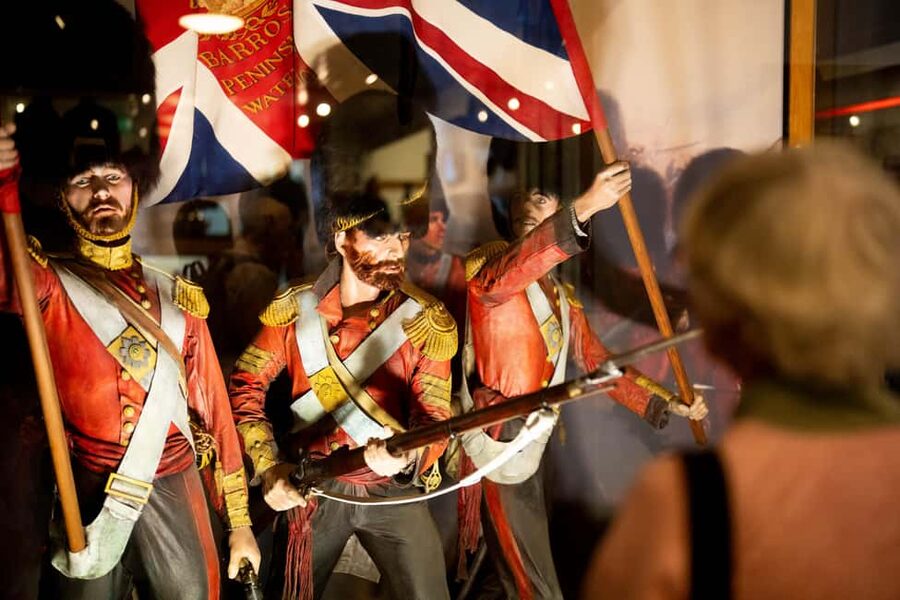
I like two things a lot. First, the exhibits trace 350 years of Foot Guards heritage, from early roots to today’s royal duties. Second, the museum lets you admire scarlet uniforms and bearskin hats up close, with explanations of what they mean and how soldiers serve in both combat and ceremony.
One catch to think about: this is just an entry ticket, not a guided tour. So your experience will depend on how much you enjoy reading museum labels and keeping a steady pace for a 1-hour visit.
In This Review
- Highlights you will notice fast
- The Guards Museum at Wellington Barracks: what the entry ticket really buys
- Your 1-hour route: the story beats you should not miss
- From the English Civil War to ceremonial duties, why 350 years matters
- Scarlet uniforms and bearskin hats up close, how to look like a pro
- Combat troops and royal ceremonial guards: how the roles fit together
- Your Buckingham Palace connection: what the Changing of the Guard means after this
- Price and value check: is $14 for a 1-hour museum ticket fair?
- Who should book this ticket, and who might skip it
- Practical tips for a smooth visit inside Wellington Barracks
- Should you book this entry ticket to The Guards Museum?
- FAQ
- How long is The Guards Museum entry ticket?
- Where is The Guards Museum located?
- What does the ticket include?
- Is a guided tour included?
- How much does it cost?
- Can I cancel for a full refund?
- Can I reserve now and pay later?
- Are meals and beverages included?
- Is the museum wheelchair accessible?
- FAQ
- What can I expect to see inside the museum?
Highlights you will notice fast

- 350 years of Foot Guards history, tied to real roles for real soldiers
- Five Foot Guards regiments explained in an easy, focused way
- Scarlet uniforms and bearskin hats shown up close, with attention to detail
- Combat and ceremonial duties side by side, so the story makes sense
- Royal Palace connections, helping you understand what you see at Buckingham Palace
The Guards Museum at Wellington Barracks: what the entry ticket really buys

This ticket gets you into The Guards Museum in ceremonial London, inside Wellington Barracks. The core promise is simple: you get a compact, high-impact history of the Foot Guards, including the regiments you may recognize from the guards you see at Buckingham Palace.
The time window matters. The experience is listed at 1 hour, which is actually a smart format in a city where everyone is trying to fit in too much. It also nudges you to move with purpose. If you try to treat it like a half-day museum, you may end up rushing at the end.
Price is about $14 per person, which is reasonable for a focused museum visit. You are paying for a single, concentrated stop with a very specific theme: Foot Guards history and ceremonial tradition. If your goal is a quick, meaningful context boost for the guards you will see outside, this ticket is built for that.
Also keep expectations realistic. No guided tours are included. There are no meals or beverages, and souvenirs are not included. Plan to use the hour for exhibits and reading, not for a guided chat.
More Museum Tours in London
- London: Chelsea Football Club Stadium and Museum Tour
★ 4.8 · 4,576 reviews - London: British Museum Guided Tour
★ 4.3 · 1,182 reviews - London: British Museum Guided Tour with Entrance Tickets
★ 4.9 · 748 reviews
Your 1-hour route: the story beats you should not miss
Since this is an entry ticket, you control the flow. Still, the museum has a clear storytelling arc, and you will get more value if you follow it.
Start with the opening chapters on the origins of the Foot Guards during the English Civil War. This is where the museum frames what these soldiers became and why the regiments carried forward traditions for centuries. Even if you are not a military-history person, this section helps you understand that the uniforms and ceremonial duties did not appear out of nowhere.
Then move into the sections that explain the five regiments of Foot Guards. Think of this as your “who is who” moment. Once you understand that there are multiple regiments, it becomes easier to connect symbolism and identity to what you see in ceremonial settings.
Next, give the uniforms real attention. The exhibits highlight the scarlet uniforms and iconic bearskin hats, and the advantage of being in a museum is time to look closely. In a street scene, everything feels fast. Here, you can slow down and notice the details the ceremony relies on.
After the uniforms, focus on roles. The museum describes soldiers serving in two major ways: combat and royal ceremony. The point is not just that soldiers did both, but that their operational lives and ceremonial duties are part of the same long-running identity.
Finally, end by tying it back to Buckingham Palace. The museum explicitly connects its story to the Changing of the Guard. Use the final stretch to read with one question in mind: what is the ceremony trying to communicate, and how does it connect to historical continuity?
From the English Civil War to ceremonial duties, why 350 years matters

The museum’s big number is 350 years, and it is not just a brag. You will feel the timeline most when you notice how the story moves from origins to what you actually see in London today.
The English Civil War origin thread helps you interpret why ceremonial traditions can be so persistent. Instead of treating the guard routine like pure pageantry, you get a sense of continuity. The regiments are presented as soldiers with a history that spans battlefield service and royal responsibility.
This is one of the most helpful parts for visitors who are new to British military tradition. Many people see the guards and think the only value is visual. Here, the uniforms and ceremony become “readable.” They are signals of role, duty, and lineage.
If you enjoy history that connects cause and effect, this is a strong stop. If you want a museum that focuses only on modern details, you may find some sections feel more foundational than you expected. Still, the museum’s theme is all about long-running heritage, so it is a good match for people who like context.
Scarlet uniforms and bearskin hats up close, how to look like a pro
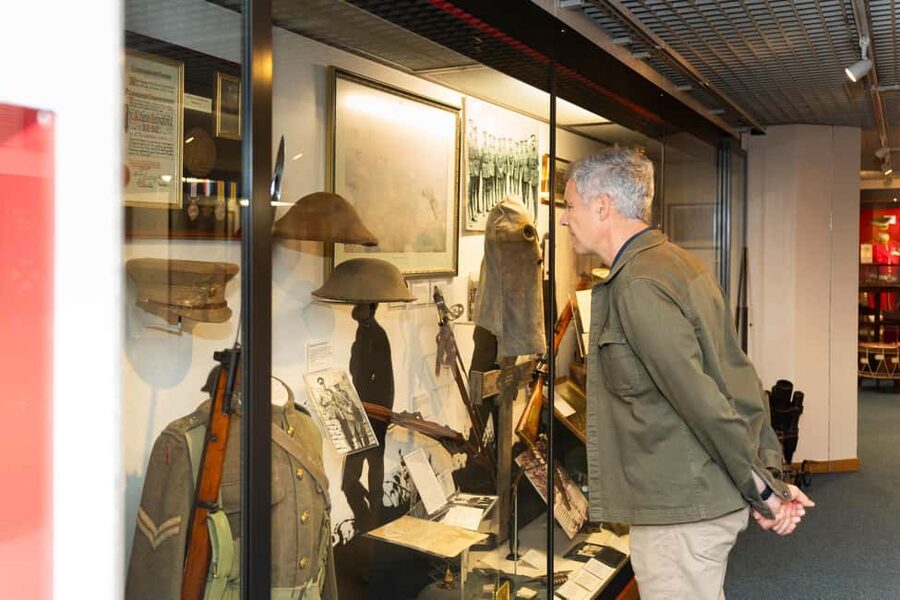
One reason people love this museum is very practical: you can look up close at scarlet uniforms and bearskin hats without the usual street limitations. Outdoors, you deal with distance, crowds, and fast-moving viewing angles. Inside, you can take your time and actually study the elements that create the iconic look.
Here is what to do so you get more out of the exhibit displays:
- Spend extra time on the uniforms and headwear first, before you move on to the narrative. When you see the physical details early, the explanations later feel more grounded.
- Read the parts that explain why the regiments guard the sovereign and royal palaces. The museum positions these guards as more than performers.
- Treat it like visual literacy. Ask yourself what makes these uniforms ceremonial rather than just traditional. The museum’s focus on both ceremony and military roles helps answer that.
The museum highlights the “intricate details” of the uniform and hat look, and that matters because a lot of visitors underestimate how much design communicates. The color, the silhouette, and the iconic shape all help the guards do their job in a royal setting, where visibility and tradition count.
More gallery rooms between showers:
- London: Tour of the British Museum★ 4.1 · 678 reviews
- Afternoon Tea at the British Museum★ 4.2 · 511 reviews
- London: Paradox Museum Entry Ticket★ 3.9 · 441 reviews
- London: National Gallery Guided Tour with Art Expert Guide★ 4.7 · 440 reviews
Combat troops and royal ceremonial guards: how the roles fit together
A key strength here is that the museum does not force you to choose between two storylines. You get soldiers shown as fighting troops and also as ceremonial royal guards.
That combination can change how you view what you see at Buckingham Palace. Once you understand that these regiments have both operational and ceremonial roles, the ceremony becomes less about costume and more about duty. The guards you notice outside are part of a system with historical roots in combat service.
The museum also emphasizes the soldiers’ roles in guarding The Sovereign and Royal Palaces. That focus helps you understand why the ceremony exists at all. It is not random. It is a formal expression of responsibility, tradition, and presence.
For people who enjoy military history but do not want a full multi-hour lecture format, this museum is a good compromise. You get the core story, with enough context to make the ceremonial routine feel meaningful.
Your Buckingham Palace connection: what the Changing of the Guard means after this
If you plan to watch the Changing of the Guard at Buckingham Palace, this museum can sharpen the experience. The museum explicitly connects its exhibits to what you may see during that ceremony.
Here is the value of doing this stop first or alongside palace sightseeing. You will likely start noticing details you would otherwise miss: the purpose behind the formality, how the regiments are tied to royal palaces, and why uniforms carry identity. Even if you cannot memorize everything, you walk away with a clearer mental map.
Timing wise, since the museum is 1 hour, it pairs well with a day that also includes palace views. You do not need a complex schedule. You simply need a block of time where you can slow down, read, and then go outside and look with fresh eyes.
Price and value check: is $14 for a 1-hour museum ticket fair?
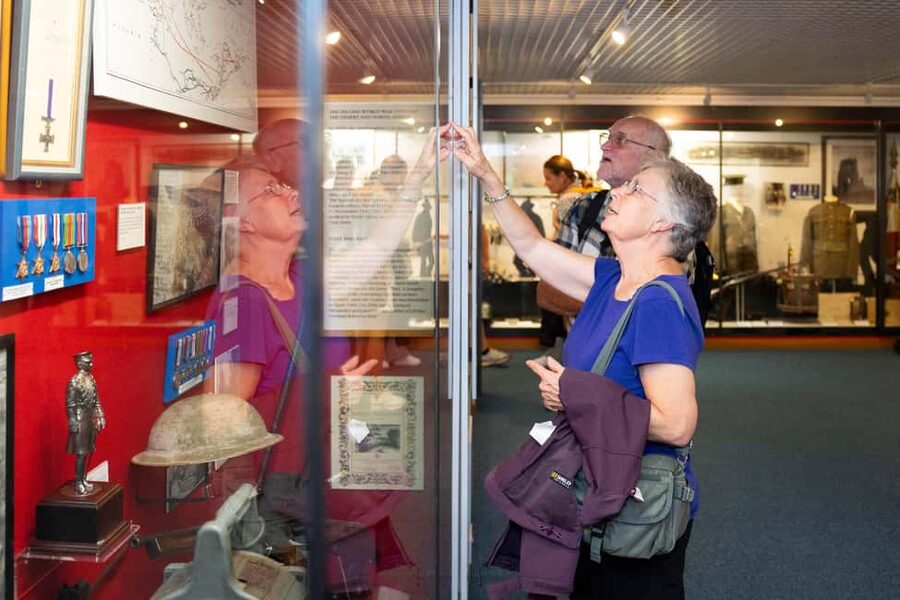
Let’s talk value in real terms. At about $14 per person, you are not buying a long, multi-stop tour. You are buying access to a focused museum experience centered on the Foot Guards theme.
That can be a bargain if your interests match the museum’s focus:
- You want to understand the regiments behind the guards you see.
- You care about uniforms and what symbolism means.
- You prefer shorter cultural stops that fit into busy London days.
It is less of a deal if you want:
- a guided lecture,
- a longer museum timeline,
- or a broader history museum experience that jumps across many eras and topics.
Because no guided tours are included, you should be ready to read the exhibits yourself. The upside is flexibility. You can spend more time on uniforms and less on the parts you find less interesting, and still finish within the stated hour.
Who should book this ticket, and who might skip it

This ticket fits best if you want a direct connection between museum learning and what you will see in ceremonial London.
It is a strong match for:
- First-timers who want context before watching the Changing of the Guard.
- Families, since the experience is described as both interesting and accessible for children.
- Visitors who like uniforms and visual details, not just abstract history.
It may feel like a weaker fit if you:
- want a guide-led narration,
- want to spend more than an hour,
- or are looking for a large, multi-collection museum day.
Also, if you are traveling with mobility needs, the museum is wheelchair accessible, which is a real planning advantage.
Practical tips for a smooth visit inside Wellington Barracks
A few practical points will help you get the most from your time:
- Plan for a steady pace. The total experience is listed as 1 hour, so pick what matters most to you and prioritize it.
- Skip the idea of snacks during the visit. Meals and beverages are not included, so eat beforehand or after.
- Wear comfortable walking shoes. This is a museum visit inside a historic military setting, and you will likely do a fair amount of moving while you scan exhibits.
- Bring curiosity. The museum’s strongest sections link heritage to real duties, so the more questions you bring, the more the displays answer.
If you want to make the day feel extra efficient, visit with a simple goal: leave knowing more about why the Foot Guards look the way they do and what they are doing when you see them in ceremony.
Should you book this entry ticket to The Guards Museum?
Book it if you want a short, focused way to understand the Foot Guards and you plan to see the guards at Buckingham Palace. For the price and the 1-hour duration, it is a practical context stop that makes the ceremony easier to interpret.
Consider skipping or pairing with something else if you know you want a guided tour format or if you prefer longer museums. But if you are happy reading exhibits yourself and you love uniforms, regimental identity, and the story behind ceremonial tradition, this ticket is a solid buy.
FAQ
How long is The Guards Museum entry ticket?
The experience is listed as 1 hour.
Where is The Guards Museum located?
It is located at Wellington Barracks in ceremonial London.
What does the ticket include?
The ticket includes entry to The Guards Museum.
Is a guided tour included?
No. Guided tours are not included with this ticket.
How much does it cost?
The price is listed as about $14 per person.
Can I cancel for a full refund?
Yes, you can cancel up to 24 hours in advance for a full refund.
Can I reserve now and pay later?
Yes, you can reserve now & pay later.
Are meals and beverages included?
No, meals and beverages are not included.
Is the museum wheelchair accessible?
Yes, the activity is listed as wheelchair accessible.
FAQ
What can I expect to see inside the museum?
You can expect exhibits covering the five Foot Guards regiments, over 350 years of heritage, the origins of the Foot Guards during the English Civil War, and stories of soldiers in both combat and royal ceremonial duties, plus uniforms and bearskin hats.
Newest entries under London






Museums, compared.
Tower of London and Crown Jewels Exhibition Ticket
Read our review →
Liverpool Football Club Museum and Stadium Tour
Read our review →
Chelsea Football Club Stadium and Museum Tour
Read our review →



British Museum Guided Tour with Entrance Tickets
Read our review →Browse the lists this tour appears in