
Reviewed · WESTMINSTER & BIG BEN WALKING TOURS
London: Churchill War Rooms & WW2 Westminster Private Tour
Churchill’s bunker still feels alive. This private Westminster walk and visit to the Churchill War Rooms turns famous landmarks into a working wartime map, and I especially liked how guide Jeremy made the story land for everyone, including kids. The one real thing to consider is practical, security and walking time, plus this tour is not suitable for people with mobility impairments and you cannot bring large bags inside.
What makes this outing worth your time is the pairing: above ground, you trace the Westminster streets tied to key WW2 moments, and below ground, you see the Cabinet War Room and the Map Room that has remained untouched since 1945. In about 2.5 hours, you go from the grandeur of Parliament and Westminster Abbey to the reality of people sleeping, eating, and working under bomb threat.
If you’re a first-time Londoner or a WW2 fan who wants the story to feel concrete, this is a strong fit. If you prefer a slow pace, or you hate security lines, you might want to plan your expectations around a tighter schedule.
In This Review
- Key Highlights You’ll Actually Care About
- Westminster, But Make It Wartime: Starting at Parliament Square
- Parliament, Westminster Abbey, and Whitehall: Turning Icons into Evidence
- Descending Under Whitehall: First Steps into the Churchill War Rooms
- The Cabinet War Room and Map Room: Where Strategy Took Shape
- What Wartime Life Looked Like Underground
- Price and Timing: Does $317 Per Person Make Sense?
- Who This Tour Is Best For (and Who Should Skip It)
- Should You Book the London Churchill War Rooms and Westminster Private Tour?
- FAQ
- Where do I meet the guide for the Westminster and War Rooms tour?
- How long is the tour?
- Is this tour private or group-based?
- What language is the tour conducted in?
- What is included with the tour price?
- What should I bring, and what is not allowed?
- Will the tour run in bad weather?
- What if I need to cancel?
Key Highlights You’ll Actually Care About
- Walk Westminster through a WW2 lens, with Big Ben, Westminster Abbey, the Cenotaph, Ministry of War, 10 Downing Street, and Whitehall in the mix
- Go underground to the Churchill War Rooms, where the atmosphere is kept close to wartime purpose
- See how decisions happened, in the Cabinet War Room, with the emotional weight of what those choices meant
- Stand in the Map Room, described as untouched since 1945, and connect it to what you saw above ground
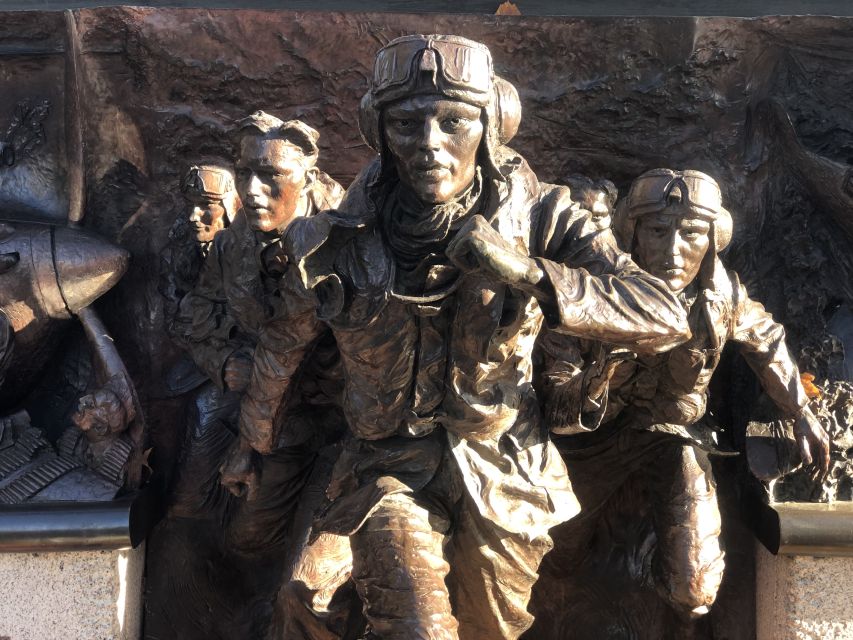
- Learn what life was like below the streets, including the routines for the men and women who worked there
- Rely on a private guide who tells the story clearly, with strong feedback on Jeremy’s ability to hold attention
Westminster, But Make It Wartime: Starting at Parliament Square
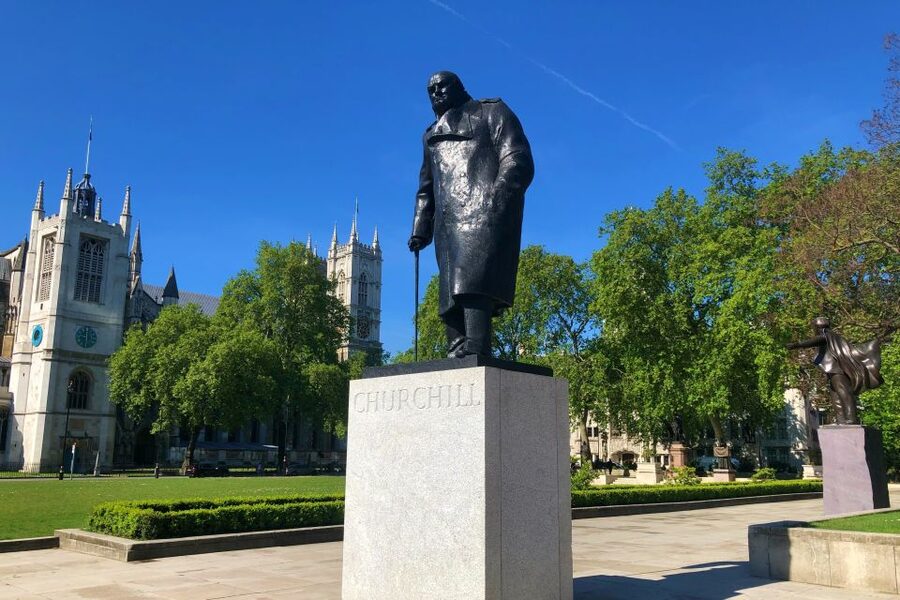
Your tour starts at the Winston Churchill statue on Parliament Square, where you’ll look for the Urban Saunters tour sign. The nearest underground station is Westminster, which makes it straightforward to arrive without wrestling with multiple changes.
From the first minutes, you’re not just sightseeing. You’re building a mental picture of how Westminster functioned when London was under attack, including the moment when Nazi Germany’s lightning war hit London on September 7, 1940 and triggered 57 consecutive nights of terror on Britain’s capital.
You’ll also want to wear comfortable shoes. This is a walking tour, and it runs in rain or shine, so you should be ready for damp sidewalks and a brisk pace.
More bells counted along Whitehall:
- London: Westminster to Greenwich River Thames Cruise
★ 4.5 · 22,836 reviews - London: Westminster to Tower Bridge River Thames Cruise
★ 4.5 · 6,127 reviews - London: Westminster Abbey, Big Ben & Buckingham Guided Tour
★ 4.8 · 3,240 reviews
Parliament, Westminster Abbey, and Whitehall: Turning Icons into Evidence
The route is designed to connect the big, postcard-famous Westminster landmarks to the war effort, so each stop helps you understand what was at stake.
At the Houses of Parliament, the focus shifts from architecture to purpose. You’ll get wartime context for why these power centers mattered, and how political leadership sat alongside urgent military realities during the Blitz and its aftermath.
Next comes Westminster Abbey, a place many people visit for its beauty first. Here, you’re guided to notice it through a WW2 lens, so your understanding expands from memorial grandeur to national identity under pressure.
From there, you’ll pass key reminders of national sacrifice, including the Cenotaph. It’s one of those spots where you can feel how public grief and public resolve coexisted, especially when your guide ties it back to the pressures on the leadership above.
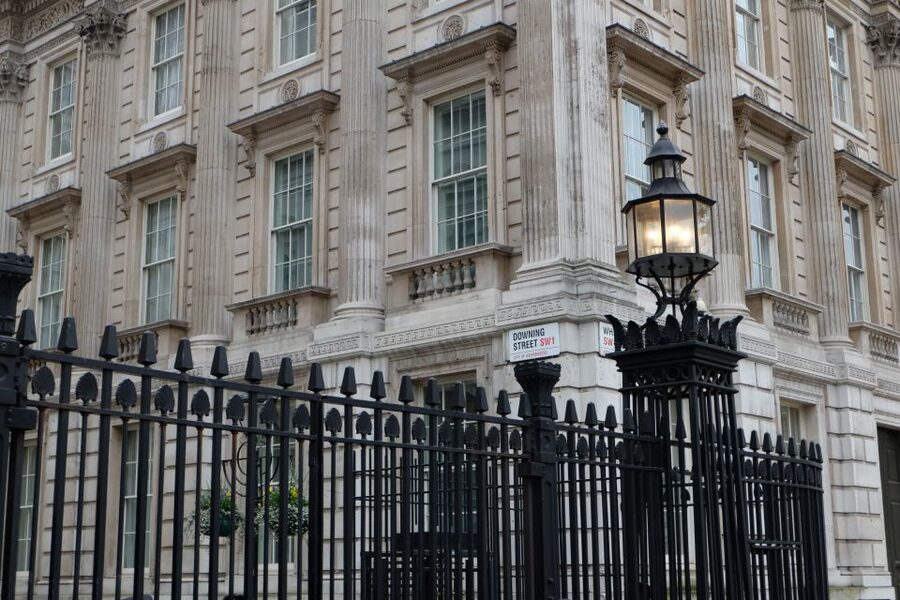
Then the tour points toward government and war administration around Ministry of War and 10 Downing Street, with stops that connect people at the top to the machinery of wartime decision-making. Even if you’ve seen these addresses from afar, you’ll leave with a clearer sense of who worked where, and why that mattered when events moved fast.
Finally, you reach Whitehall, the spine of government offices. This is where the tour’s structure really clicks, because you’re heading toward the transition from politics and command to the literal underground spaces built for survival and coordination.
A practical note: you’ll be walking between concentrated landmarks, not stretching out across London. That’s good for keeping momentum, but it also means you should be ready to keep moving for the full 2.5 hours.
Descending Under Whitehall: First Steps into the Churchill War Rooms
After the walking portion, you descend below the streets of Whitehall to the Churchill War Rooms. This is the part where the setting changes from ceremonial to functional, and the tone shifts immediately.
One of the strongest reasons to book this tour is that you’re not just walking through a museum display. The War Rooms are presented as a place where the environment is frozen in time, so you can sense how the space was built for wartime command while the bombs were falling overhead.
You will pass through security as part of the experience, so plan for a brief checkpoint moment. The good news is that this is built into your guided plan, so you’re not left guessing what comes next.
Once you’re inside, the tour helps you understand the building’s layout like a map. You’re led through corridors and key rooms where the atmosphere is tied to how leaders communicated, planned, and reacted.
For some visitors, this is also the most emotional stage of the tour. Not because it’s sensational, but because the spaces are specific, and your guide connects them directly to decisions that could mean victory or disaster.
The Cabinet War Room and Map Room: Where Strategy Took Shape
The Cabinet War Room is one of the highlights for a reason. Your guide explains it as a place where decisions were made under pressure, and you get a sense of how fast the stakes were, even if you’re not deep into military detail.
The tone of this room matters. It’s not presented as a relic you admire from a distance. You’re guided to interpret it as an active command space, a place built for clarity and speed when the rest of the city was chaos.
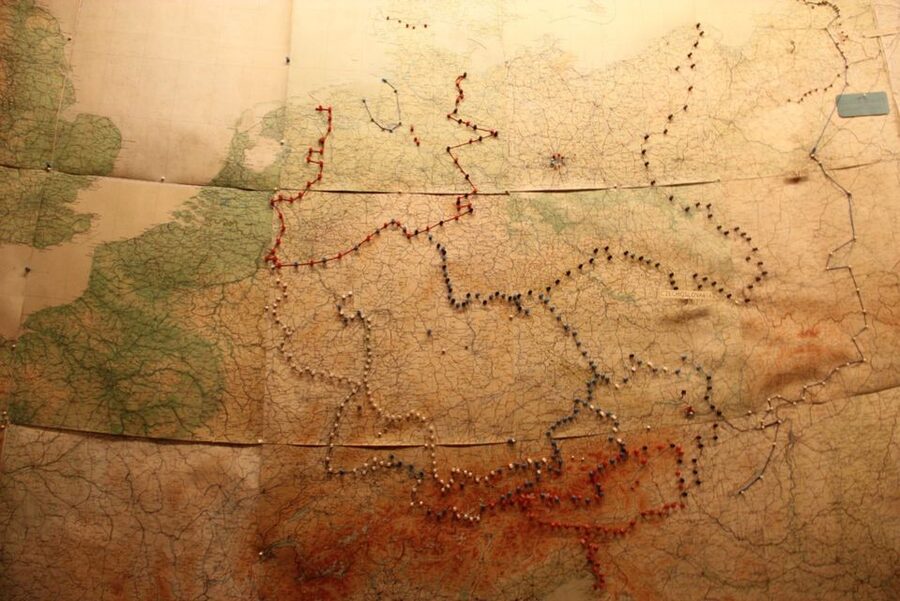
Then comes the Map Room, described as untouched since 1945. That detail is huge for your experience, because it means you’re stepping into a room that retains a wartime feel. Even if you already know London’s story, standing in a preserved planning environment makes the conflict feel less abstract.
As you move through these areas, you’ll also learn how Winston Churchill’s leadership is reflected in the spaces. The tour mentions a museum-like collection of artefacts connected to Churchill, including items from his life, like a cigar and bowler hat he was never seen without, and even something as personal as a baby rattle. That matters because it balances the public wartime leader with a human figure.
What I like about this part of the tour is that it doesn’t require you to already be an expert. Your guide’s job is to connect the room to the story, and the room to the consequences.
Also inked in under London
- London: The London Eye Entry Ticket★ 4.6 · 35,875 reviews
- From London: Harry Potter Warner Bros Studio Tour★ 4.7 · 26,588 reviews
- Magical London: Harry Potter Guided Walking Tour★ 4.7 · 22,044 reviews
- London: Madame Tussauds London★ 4.6 · 20,915 reviews
What Wartime Life Looked Like Underground
A common disappointment in war museums is when you only learn about leaders and operations. Here, you’re also shown what life was like for the people who kept the system running below ground.
The tour includes explanation of how the men and women who worked in the War Rooms slept, ate, and worked while bombs rained overhead. That shift in focus is valuable because it reminds you the war was not only maps and meetings. It was daily routines under extreme conditions.
This is also where a private guide really pays off. With a group tour, you can end up racing through exhibits to see everything. In a private format, you can ask questions and get answers shaped to your interests, whether you care most about strategy or about what ordinary life looked like under threat.
If you’ve ever wondered how a command center functioned as a workplace and a refuge at the same time, this is the most direct answer you’ll get in a short London window.
Price and Timing: Does $317 Per Person Make Sense?
At $317 per person for a 2.5-hour experience, this isn’t the cheapest way to spend an afternoon in London. But it also isn’t trying to compete with basic entry tickets or broad sightseeing buses.
You’re paying for two things that usually cost extra when booked separately. First, you get a private walking guide covering key Westminster landmarks with WW2 context. Second, you get tickets and entry reservations for the Churchill War Rooms, so your visit to the underground site is included rather than something you must coordinate on your own.
So the value equation is pretty clear: if you want a tight story-focused route that pairs Westminster streets with War Rooms rooms, and you want it guided end-to-end, this price can feel reasonable.
Where it might not fit is if you only want casual sightseeing or you’re trying to keep costs very low. In that case, you might prefer a cheaper group tour or self-guided visits.
In general, I’d treat this as a history-and-context tour, not a quick museum drop-in. The guide makes the time feel connected.
Who This Tour Is Best For (and Who Should Skip It)
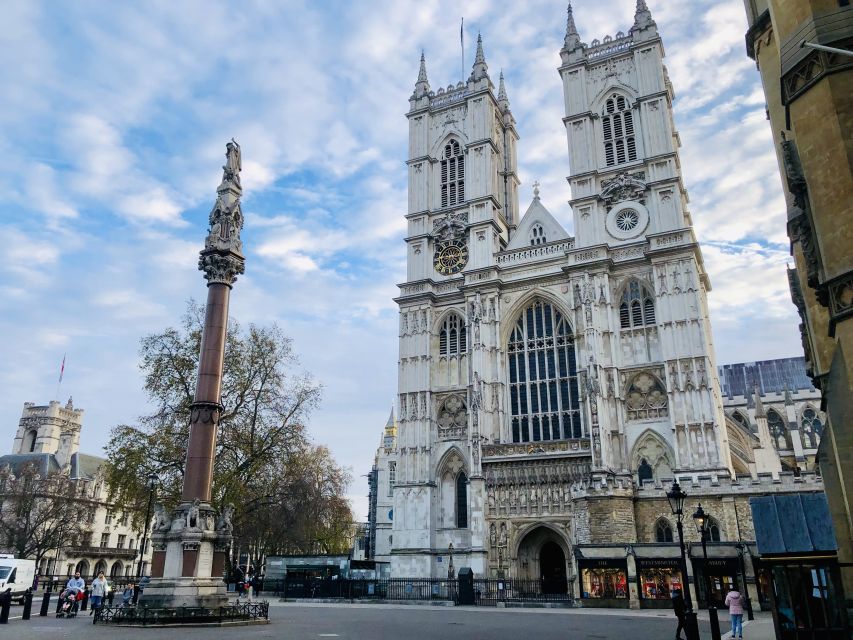
This works best for WW2 fans, first-time London visitors, and anyone who likes guided storytelling that connects famous buildings to actual events. If you’ve got limited time and you want a meaningful hit of Westminster landmarks plus the War Rooms, 2.5 hours is a good length.
It’s also a strong family option if your kids can handle walking and museum-style spaces. Feedback on guide Jeremy includes that he held attention even with an 8-year-old and a 13-year-old in the group, which suggests the pacing and explanations are built for mixed ages.
That said, it is not suitable for people with mobility impairments. Between walking portions and descending into underground areas, it’s not a pick if mobility is a concern.
You should also plan around what you can bring. Large luggage or bags are not allowed inside the Churchill War Rooms, and the tour also has the usual security requirement for entry.
Should You Book the London Churchill War Rooms and Westminster Private Tour?
If you want your London sightseeing to make sense in wartime terms, I think you should book it. The pairing is the whole point: above ground, you learn why Westminster mattered, and below ground, you see the operational spaces where choices were made.
I’d especially recommend it if you have one main priority, WW2 command and decision-making, and you don’t want to piece it together yourself. You’ll also like the private format if you want your guide to explain, connect, and adjust to your questions rather than follow a rigid group script.
If your budget is tight, or you need an accessible route, then it’s probably not the right fit. Otherwise, this is one of those focused London experiences where the time feels well used because you’re not just looking at buildings, you’re learning how they functioned when history turned sharply.
FAQ
Where do I meet the guide for the Westminster and War Rooms tour?
You meet your guide at the Winston Churchill statue on Parliament Square. The guide will be holding an Urban Saunters tour sign, and the nearest underground station is Westminster.
How long is the tour?
The duration is 2.5 hours.
Is this tour private or group-based?
This is a private group experience.
What language is the tour conducted in?
The live tour guide speaks English.
What is included with the tour price?
Included are a private walking tour of Westminster, the live guide experience in the Churchill War Rooms, and tickets and entry reservations to the Churchill War Rooms.
What should I bring, and what is not allowed?
Bring comfortable shoes and comfortable clothes. Large luggage or large bags are not allowed, and you must pass through security.
Will the tour run in bad weather?
Yes, the tour takes place rain or shine.
What if I need to cancel?
Free cancellation is available up to 24 hours in advance for a full refund.
Newest entries under London





Westminster & Big Ben Walking Tours, compared.

Westminster to Greenwich River Thames Cruise
Read our review →
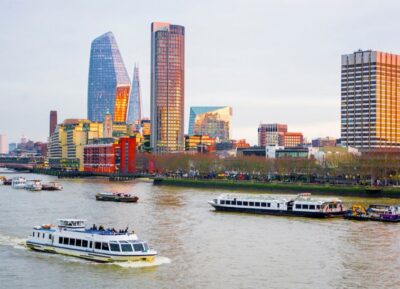
Westminster to Tower Bridge River Thames Cruise
Read our review →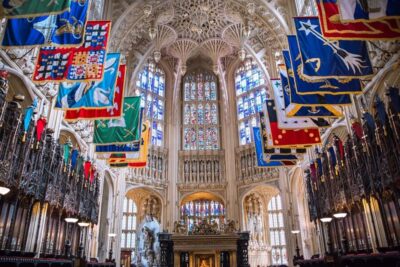
Westminster Abbey, Big Ben & Buckingham Guided Tour
Read our review →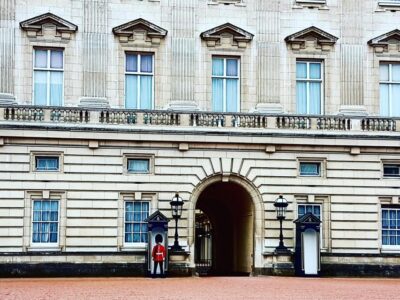
Buckingham Palace, Westminster Abbey & Big Ben Tour
Read our review →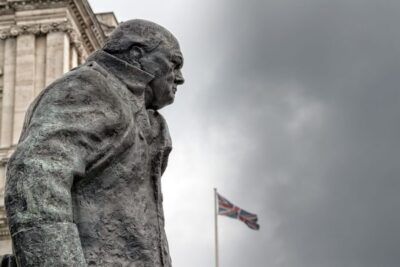
Westminster WW2 Tour & Churchill’s War Rooms Ticket
Read our review →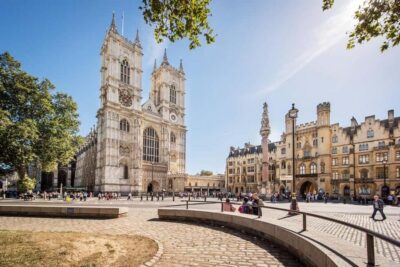
Westminster Abbey Tour with a Royal Heritage Guide
Read our review →
Westminster Tour and Churchill War Rooms Visit
Read our review →Browse the lists this tour appears in