
Reviewed · MUSEUMS
London: British Museum Tour with Archaeologist Guide
The British Museum becomes a story, fast. An archaeologist guide turns the galleries into a clear timeline, with skip-the-line entry so you spend less time stuck in queues and more time seeing the good stuff. You also get a route that’s paced for real understanding, not just photo stops.
I love how the guide, Rossa, uses the objects to explain people, place, and purpose, so the Rosetta Stone and the big-name statues make sense beyond the plaque. I also like that the tour is selective, which matters because the museum is huge, and without a plan you can end up sprinting from one crowd to another.
One possible drawback is timing. The group leaves promptly at 9:45am, and late arrivals can miss the entry slot, plus the 2.5-hour format means you will not see everything.
In This Review
- Key Takeaways Before You Go
- Russell Square Start and the Skip-the-Line Pace
- What The Archaeologist Guide Teaches You, Not Just Shows
- Egypt First, With Rosetta Stone and Ramses II
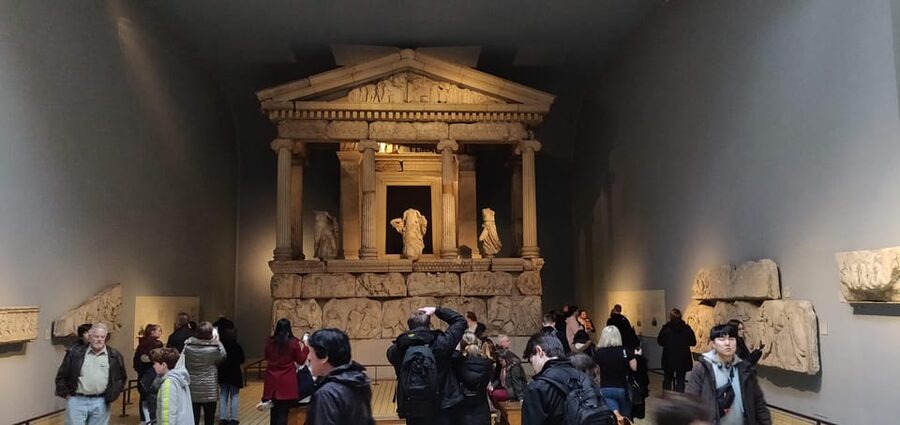
- Greek and Assyrian Masterpieces, Including Parthenon Marbles
- Viking Britain and Dark Ages Britain, Lewis Chessmen to Sutton Hoo
- Global Curiosities The British Museum Puts Together, Aztec and Moai
- How Much Time You Need After 2.5 Hours
- The $58 Price Tag, What You Get, and Who It’s Worth It For
- Should You Book This British Museum Tour?
- FAQ
- How long is the British Museum tour?
- Where do I meet the tour guide?
- Does the price include British Museum entry?
- Is there a skip-the-line option?
- What language is the tour guide?
- Is the tour wheelchair accessible?
- What should I bring with me?
- Are food and drinks included?
- What items are not allowed?
Key Takeaways Before You Go
- An archaeologist guides the highlights, so you get context and “why it matters,” not just names and dates
- Skip-the-line entry helps you start strong, even when the museum is packed
- You get a timed route through standout collections, including Egypt, Greece, Vikings, and early Britain
- Rossa’s storytelling style keeps explanations focused, and he is built for questions in a noisy gallery
- You leave knowing where to go next, which is gold in a museum this size
- Bring water and comfy shoes, since you will be on your feet through a lot of territory
Russell Square Start and the Skip-the-Line Pace
You meet at the entrance of Russell Square Station. Your guide holds a tablet showing Spirit of Discovery on the screen, which is a nice, low-stress way to spot the right group. The walking time is short, about 5 minutes, and the tour then moves you quickly into the British Museum experience.
Here’s the practical thing I like: you do not wait in the standard entry crush. The tour uses a separate entrance for faster entry, and that matters because the British Museum is often crowded enough that you lose patience before you even start.
The tour duration is 2.5 hours. That’s long enough for real storytelling and multiple galleries, but short enough that you can still explore afterward if you want. You just need to be ready for a focused run, not a slow museum wander.
And yes, you need to be on time. The group leaves promptly at 9:45am to hit the museum entry slot, and they cannot wait for late comers. If you’re even slightly worried, plan to arrive early, use the restroom before you meet up, and keep your bag situation simple since large bags are not allowed.
More Museum Tours in London
- London: Chelsea Football Club Stadium and Museum Tour
★ 4.8 · 4,576 reviews - London: British Museum Guided Tour
★ 4.3 · 1,182 reviews - London: British Museum Guided Tour with Entrance Tickets
★ 4.9 · 748 reviews
What The Archaeologist Guide Teaches You, Not Just Shows
This is not a “point and read” museum tour. You’re led by a professional archaeologist, which changes the tone in the best way: objects get linked to how they were found, how they were used, and what scholars still debate.
I especially like the way Rossa ties history directly to the artifacts. Instead of treating items as isolated trophies, you get the human side: who made them, why they mattered, and what the discovery tells you about trade, power, belief, and everyday life.
Another reason this works well in a massive museum is pacing. You’re steered to a handful of major exhibits plus some lesser noticed ones, so you get the “wow” moments and the connective tissue. In a crowded building, that’s the difference between feeling overwhelmed and actually feeling oriented.
One more practical detail from how the tour is run: the guide keeps the group together in busy galleries. People mention that hearing him is easy, even when the room is noisy, and that’s a real advantage in the British Museum where it’s common for sound to bounce and drift.
Egypt First, With Rosetta Stone and Ramses II
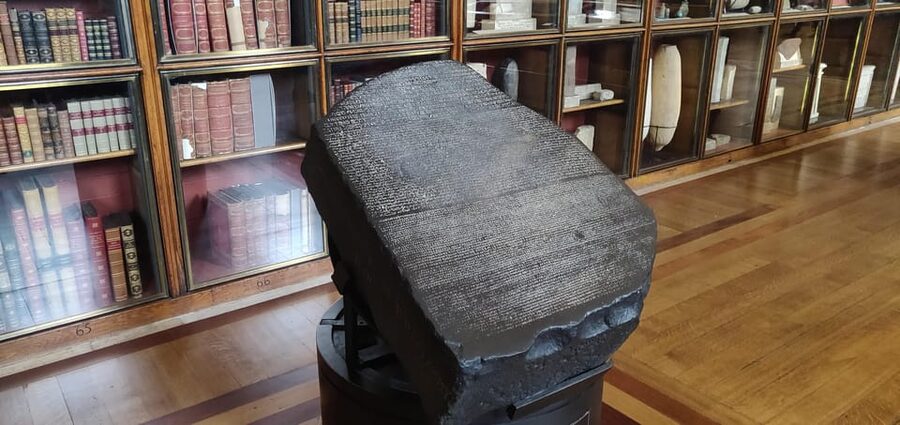
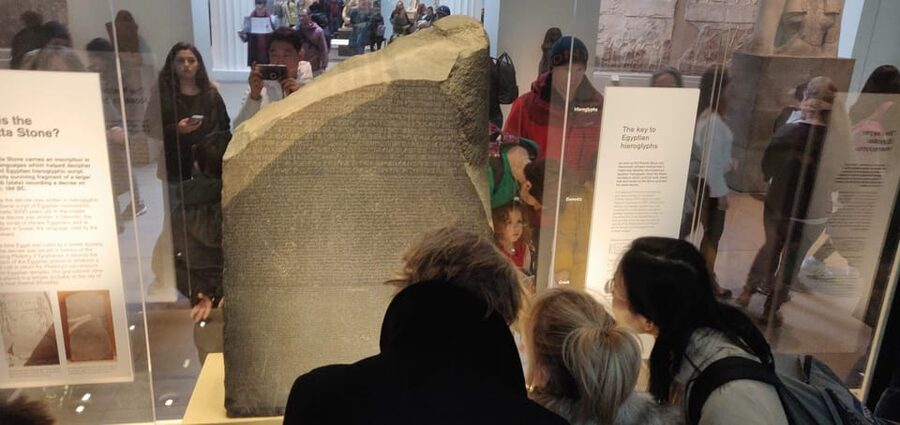
Expect to spend time in the Egyptian orbit, where the British Museum does not just show objects, it shows the tools for reading the past. The Rosetta Stone is the headline moment, and you’ll get the story of how it helped crack the hieroglyph puzzle, making long-forgotten writing accessible. That context turns the stone from a famous rock into a breakthrough in communication and power.
You also see Pharaoh Ramses II represented by an impressive colossal statue. Even if you’ve never studied ancient Egypt, seeing the scale in person helps you understand how ruler imagery worked. It wasn’t just art, it was political messaging built to survive.
What I like about the Egypt portion is that it’s not only about monuments. You get a sense of how an empire expressed itself through symbols, language, and craftsmanship. That makes later galleries click too, since you start noticing patterns in how different civilizations used art to explain authority and belief.
If you’re short on time and wondering what to prioritize in the museum, this Egypt start is a solid bet. It gives you a strong foundation before the tour jumps to other regions and time periods.
Greek and Assyrian Masterpieces, Including Parthenon Marbles
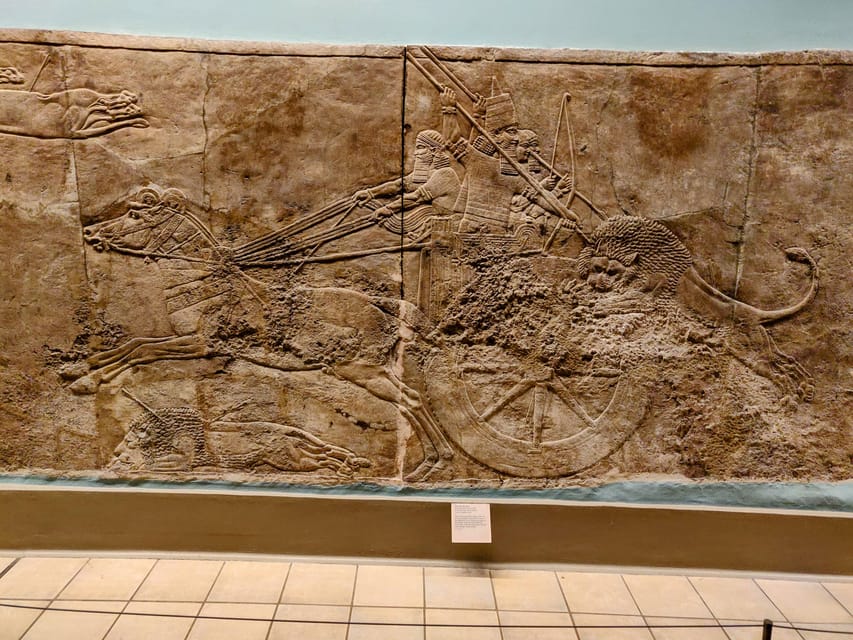
After Egypt, the tour moves into other heavyweight collections, including the Parthenon Marbles. These are the kind of objects you might think you already know from photos, but in person the details hit differently. You’ll get the why behind their fame and what they represent from ancient Greece.
You’ll also meet Assyrian power, including tall imagery associated with the Assyrian Empire. The museum’s Near East galleries are where you start seeing how empires managed messaging through large-scale art: dramatic reliefs, commanding figures, and architecture-like visual storytelling.
This part of the tour is valuable for a simple reason. Many museum visitors only look at what’s in front of them, then move on. Here, you get a “compare and contrast” feeling, so Egypt’s style, Greece’s sculpture, and Assyria’s imperial messaging start to feel like separate chapters in the same big book.
A small consideration: when a guide is clearly excited and the explanations run long, you may see fewer objects in a single gallery than you expected. That can be a trade-off you’ll either love for depth or wish were a touch quicker, depending on your travel style.
More gallery rooms between showers:
- London: Tour of the British Museum★ 4.1 · 678 reviews
- Afternoon Tea at the British Museum★ 4.2 · 511 reviews
- London: Paradox Museum Entry Ticket★ 3.9 · 441 reviews
- London: National Gallery Guided Tour with Art Expert Guide★ 4.7 · 440 reviews
Viking Britain and Dark Ages Britain, Lewis Chessmen to Sutton Hoo
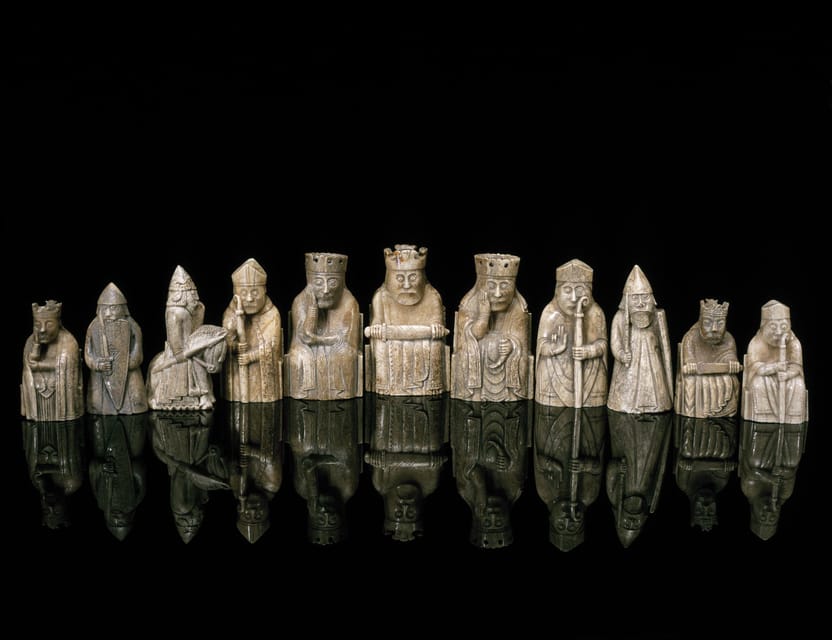
If you want a museum tour that tells you what Britain was like before London was London, this is where it pays off. You’ll see the Lewis Chessmen, which are among the most astonishing Viking Age relics in the museum. Even if you’re not a chess person, the story of how they connect to daily life, craftsmanship, and the era’s reach is a strong reason to stop.
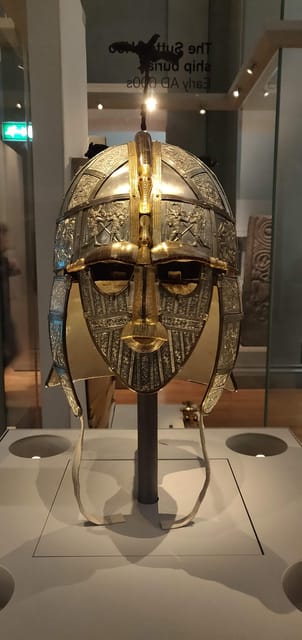
Then you step into the Dark Ages with the Sutton Hoo hoard. This is one of those displays that feels like it should be a movie scene, because it points to someone extremely powerful in early medieval England. The guide connects it to the mysterious King Raedwald, helping you understand why scholars treat this hoard as a key clue to politics, wealth, and connections in that time.
I like this pairing because it solves a common problem. Visitors often treat Vikings as a standalone story and Sutton Hoo as a standalone story. Put them together with clear context and you start seeing a broader picture of how power circulated in early Britain.
Also, these displays tend to draw crowds, so the benefit of having a guide who keeps you moving and gives you the right perspective is huge. You are not just trying to see through shoulders, you’re being told what to look for.
Global Curiosities The British Museum Puts Together, Aztec and Moai
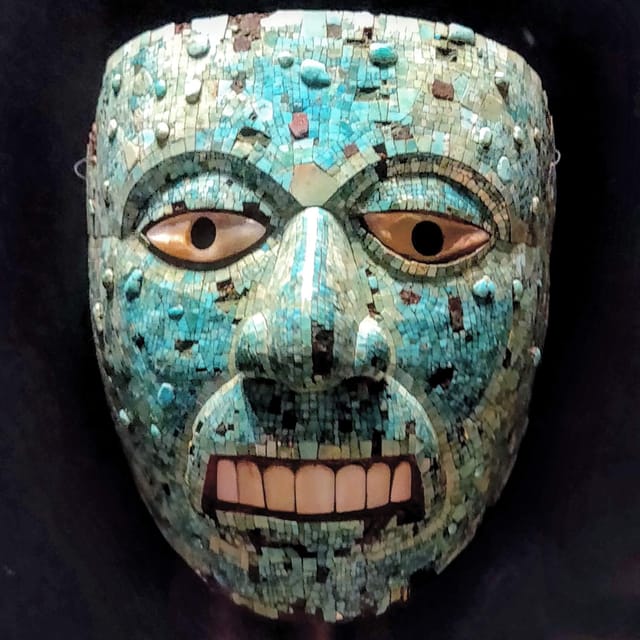
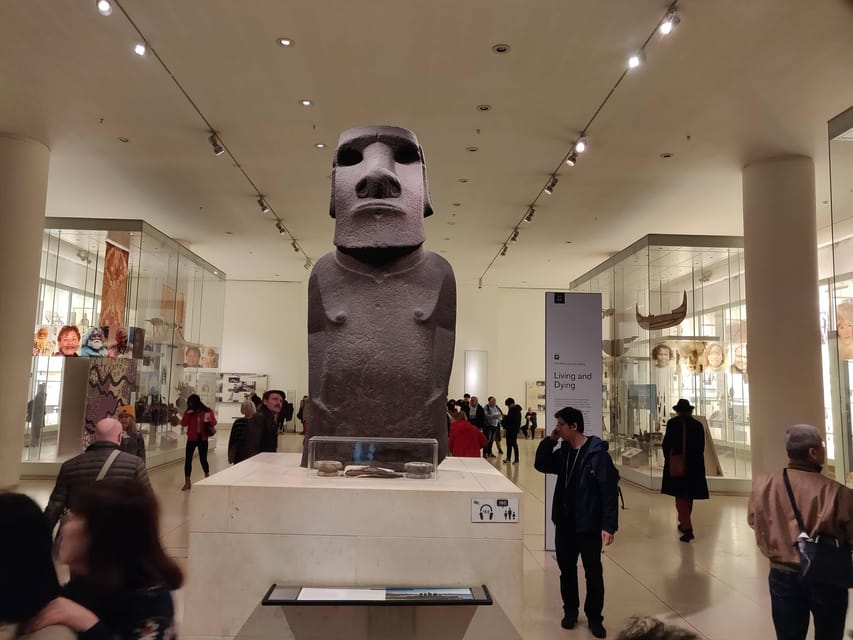
One of the most fun parts is that the tour does not keep everything locked inside Europe. You’ll see highlights linked to the Aztec Empire, including crown jewels style pieces that show wealth, ceremony, and status. You’ll also hear about the Moai statues of Easter Island, which often feel mysterious because so much is about what we think we know rather than what we can fully prove.
These stops work well because the guide frames them in terms of use and meaning. Instead of letting them become “culture snacks” between big exhibits, you learn what they reveal about society, belief, and how people made impressive things in challenging places.
This section is also a reminder that the British Museum is not only a collection of European winners. It’s a global map of artifacts, and your job as a visitor is to avoid treating it like a loot list. With the archaeologist guidance, you get a method: ask what it was for, who made it, and why it survived.
How Much Time You Need After 2.5 Hours
When the tour ends, you’re not done. You’re actually set up for the rest of your museum day. The guide focuses on key galleries, which means you leave with a mental route and a clearer idea of what you care about most.
Here’s how I’d plan it. If you only have one day in London and this tour is your British Museum anchor, keep more time afterward than you think. Even if you only want to hit a few additional rooms, you’ll be moving at a smarter pace because you already understand what the objects mean.
If you want to go deeper on your own, it helps that you have learned the “how to look” part. You’ll notice details on your second pass, and you’ll spend less time stuck reading random labels with no direction.
One caution: the museum can feel overwhelming without a plan. A timed tour like this is the best way to avoid that, but you still need a calm follow-up. After the tour, pick a few themes, for example Egypt, classical sculpture, or early Britain, and commit to small goals.
The $58 Price Tag, What You Get, and Who It’s Worth It For
At $58 per person for a 2.5-hour guided experience, the value is in what’s included. You get museum entry, an archaeologist guide, and a skip-the-line setup through a separate entrance. You’re paying for interpretation, not just access.
You’re also paying for efficiency. In a place as huge as the British Museum, time is money. This tour turns a chaotic day into a structured one, and you still have freedom afterward to wander based on what you liked most.
This one is especially worth it if:
- You feel intimidated by the museum size and want a route that makes sense
- You like learning from a trained professional and asking questions in real time
- You are going with kids or teens and need a guided pace that stays engaging
- You only have a half day and want the highest-impact highlights with context
It may be less ideal if you want maximum browsing time and minimal talking. The 2.5 hours is fixed, and depth takes time. Some people like that trade. Others prefer to keep the day quiet and self-directed.
Logistically, come prepared for walking. Wear comfortable shoes, and bring water. Food and drinks are not included, so plan a snack break elsewhere if you need one. Also note that weapons or sharp objects are not allowed, and luggage or large bags are restricted, so travel light.
Should You Book This British Museum Tour?
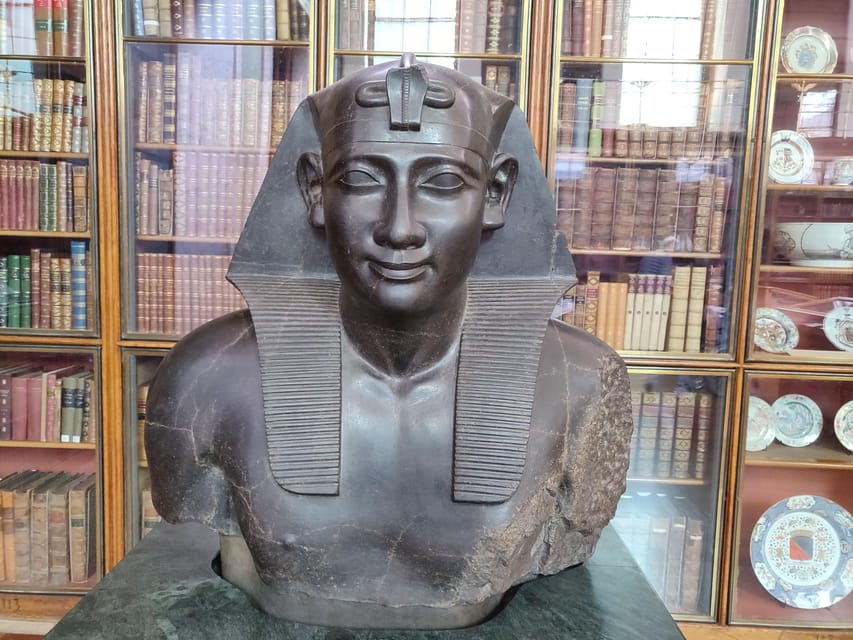
Yes, I think you should book it if you want a guided British Museum visit that feels like a real education without eating your whole day. The standout benefit is the archaeologist-led storytelling, especially the way Rossa connects major objects like the Rosetta Stone, the Parthenon Marbles, the Lewis Chessmen, and the Sutton Hoo hoard to the bigger human story behind them.
Book it if you want to leave feeling oriented and with a clear sense of what to see next. Skip it only if you truly enjoy wandering without structure, or if a guided timebox feels too restrictive for your travel style.
If you are visiting London and the British Museum is on your list, this is one of the smarter ways to turn a huge museum into a focused, memorable morning.
FAQ
How long is the British Museum tour?
The tour lasts 2.5 hours. Plan your schedule so you can stay for the full guided time.
Where do I meet the tour guide?
Meet at the entrance of Russell Square Station. The guide will be holding a tablet that displays Spirit of Discovery.
Does the price include British Museum entry?
Yes. Entry to the British Museum is included, along with the guided tour and the archaeologist guide.
Is there a skip-the-line option?
Yes. The tour includes skip-the-line entry through a separate entrance.
What language is the tour guide?
The live tour guide speaks English.
Is the tour wheelchair accessible?
Yes. The tour is wheelchair accessible.
What should I bring with me?
Bring comfortable shoes and water.
Are food and drinks included?
No. Food and drinks are not included in the tour.
What items are not allowed?
Weapons or sharp objects are not allowed, and luggage or large bags are not allowed.
Newest entries under London






Museums, compared.
Tower of London and Crown Jewels Exhibition Ticket
Read our review →
Liverpool Football Club Museum and Stadium Tour
Read our review →
Chelsea Football Club Stadium and Museum Tour
Read our review →


British Museum Guided Tour with Entrance Tickets
Read our review →Browse the lists this tour appears in