
Reviewed · MUSEUMS
London: British Museum Highlights Guided Small Group Tour
Five rooms, five worlds. This British Museum highlights tour is great because you zero in on the museum’s heavyweight objects, including the Rosetta Stone and the Assyrian lion hunt reliefs, with a guide who explains what you’re actually looking at and why it mattered.
The tradeoff is time. In 2 to 2.5 hours you move quickly, with a small amount of walking and no luggage or large bags allowed, so it is not the best choice if you want to linger and roam at your own slow pace.
In This Review
- Quick hits before you go
- Why this British Museum highlights tour fits London reality
- The route: what 2 to 2.5 hours feels like inside
- Stop one: Rosetta Stone and the art of reading history
- Assyrian Lion Hunt reliefs: power you can see up close
- Parthenon Sculpture: when art becomes a political record
- Lewis Chessmen: puzzles that survived centuries
- Oxus Treasure: trade routes made tangible
- Other common highlight stops you may see
- What the guide does that makes the difference
- Value check: is $112 worth it?
- Who should book this British Museum highlights tour
- Book it or plan it yourself: my decision guide
- FAQ
- How long is the British Museum Highlights Guided Small Group Tour?
- What are the main highlights included in the tour?
- Is this tour private or small group?
- Where do we meet for the tour?
- Do I need to bring identification?
- Is hotel pickup or drop off included?
- What luggage is allowed?
- Is the tour suitable for wheelchair users?
- What should I know about minimum numbers and cancellations?
Quick hits before you go
- A highlights route that actually works: 2 to 2.5 hours is long enough to hit the biggest crowd-pleasers without feeling rushed.
- Major artifacts, not random stops: Rosetta Stone, Parthenon Sculpture, Lewis Chessmen, Oxus Treasure, and more.
- A guide who connects objects to real people: you’ll hear stories about forgotten empires and everyday life across thousands of years.
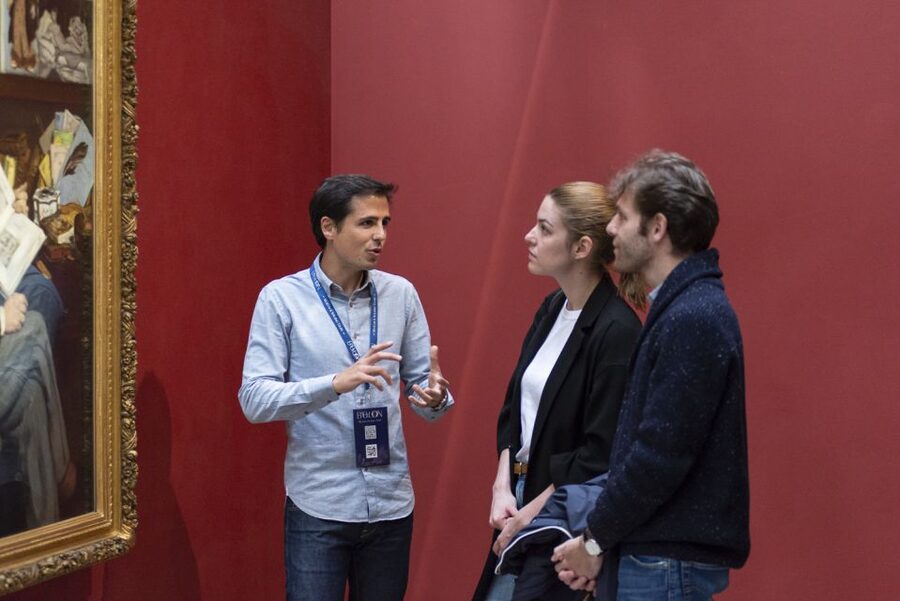
- Small group size for better attention: semi-private tours cap at 8 guests.
- Practical museum pacing: you get help navigating the space instead of staring at maps.
- Tight bag rules: plan to travel light since luggage and large bags are not allowed.
Why this British Museum highlights tour fits London reality

The British Museum can swallow a whole day, and then some. You could absolutely wander on your own, but you’ll also spend time guessing what to prioritize. This small-group tour makes a different bargain. You get a focused path through the museum’s most famous works, with context layered on as you go.
I like that the emphasis stays on objects you can recognize instantly once you see them. The Rosetta Stone is there for a reason, and the Parthenon Sculpture moments land fast. Instead of turning the visit into a blur of rooms, the guide gives you a thread to hold onto. That makes the museum feel less like a warehouse of stuff and more like a timeline of human ideas, power, trade, art, and survival.
The other big win is pacing with people. The museum’s size can make you feel lost even when you’re standing right in front of something extraordinary. A professional local guide helps you spend your limited time with the pieces that do the most work for your understanding.
More Museum Tours in London
- London: Chelsea Football Club Stadium and Museum Tour
★ 4.8 · 4,576 reviews - London: British Museum Guided Tour
★ 4.3 · 1,182 reviews - London: British Museum Guided Tour with Entrance Tickets
★ 4.9 · 748 reviews
The route: what 2 to 2.5 hours feels like inside
You should expect a purposeful walk between galleries. The tour includes a small amount of walking, and that’s part of the deal. You’re not sitting in one room for a history lecture. You’re moving with a plan, which is ideal when you have a tight schedule.
Group size depends on the option you pick:
- Semi-private tours run with up to 8 guests maximum.
- Private options are available if you want a one-on-one feel.
In real life, that means you’re more likely to get your guide’s attention and ask follow-up questions. It also helps when crowds thicken, because you’re not trying to shoulder your way through the same hotspots without a strategy.
One practical note: the meeting point may vary depending on the booking. So when you book, confirm exactly where you should meet so you can start smoothly. Also plan to arrive with passport or ID card in hand.
Stop one: Rosetta Stone and the art of reading history

Let’s start with the obvious star. The Rosetta Stone is not just a cool object, it’s a turning point in how people learned to interpret the past. On your tour, you’ll see it as a physical artifact and also as a key that helped unlock meaning across languages and scripts.
What I think makes this stop valuable is that it reframes the museum experience. You’re not just looking. You’re connecting an object to a process. A big reason many people fall in love with this tour is that it helps you understand why this stone is so famous, even if you never studied linguistics.
This also sets up the bigger theme of the day: humans communicate in many ways, and empires leave behind evidence in the form of what they carved, traded, built, and recorded.
Assyrian Lion Hunt reliefs: power you can see up close
The Assyrian Lion Hunt reliefs are one of those museum moments where the realism hits you first. Then the meaning lands after you hear the context. Your guide will explain what these reliefs are showing and why such scenes were used.
This matters because lion hunts were not just sport in the way we think of sport today. They were tied to authority, control, and public image. When you understand that, the carved bodies and dramatic motion stop being just impressive sculpture. They become political communication.
If you like history that feels visual, this stop usually delivers. And if you’re traveling with teens, it’s often the kind of scene that gets attention immediately. Guides are known for adding story details that make the carvings feel less distant.
More gallery rooms between showers:
- London: Tour of the British Museum★ 4.1 · 678 reviews
- Afternoon Tea at the British Museum★ 4.2 · 511 reviews
- London: Paradox Museum Entry Ticket★ 3.9 · 441 reviews
- London: National Gallery Guided Tour with Art Expert Guide★ 4.7 · 440 reviews
Parthenon Sculpture: when art becomes a political record
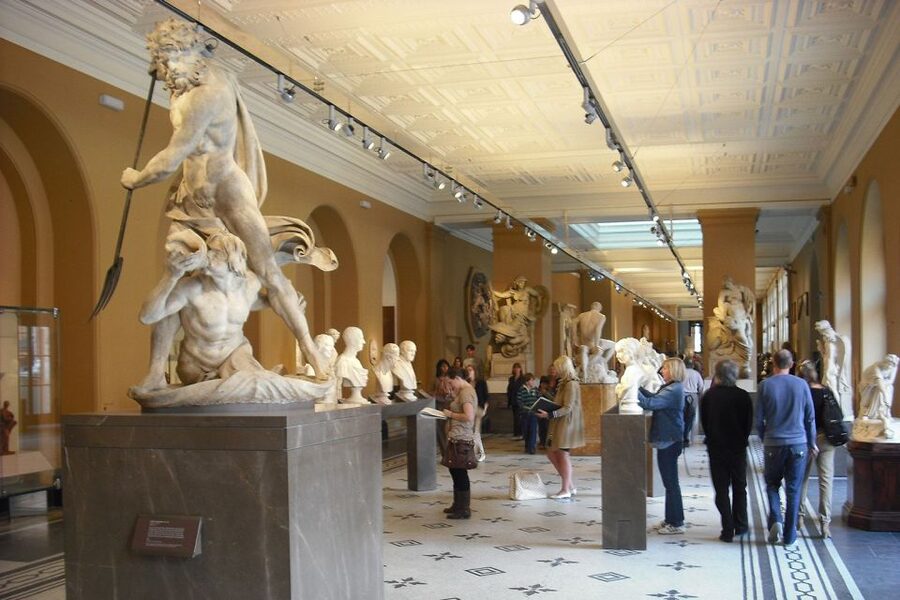
Next up is the Parthenon Sculpture. This stop has two layers. First, it’s stunning to see a major work up close. Second, it’s a chance to learn how art and ideology were tangled together in the ancient world.
Your guide will help you notice the features that give the sculptures their drama, and the context that explains what the Parthenon represented. That’s the magic of a guided highlight tour. You’re not just appreciating aesthetics. You’re learning what messages were built into the art.
A lot of visitors get stuck thinking of ancient Greece as perfect and far away. The guide approach tends to bring it back to human goals and human stakes.
Lewis Chessmen: puzzles that survived centuries
The Lewis Chessmen are small enough to look at easily, but they carry a big story. When your guide talks about them, the emphasis shifts from chess pieces as curiosities to chess as a window into culture.
These are artifacts of daily life in another time. A game sounds ordinary, and that’s exactly why it’s powerful in a museum packed with monumental art. You realize that people who lived long ago also had leisure, strategy, and the urge to compete.
If you like “surprise” objects in a highlights tour, this is one to watch for. It’s the moment where the museum feels less like ancient royalty and more like normal humans with normal interests.
Oxus Treasure: trade routes made tangible
The Oxus Treasure is where the tour reminds you that history is not trapped in one place. Treasure like this is tied to movement, contact, and exchange across regions. Your guide will connect the objects to the wider world around them, so you’re not just staring at gold and thinking, nice, shiny.
In a museum that spans 6,000 years, it’s easy to lose the thread. This stop helps rebuild it by showing how wealth and materials traveled and how cultures influenced one another.
Other common highlight stops you may see
Depending on what’s on display, your route may also include other major pieces. The most commonly mentioned additions include:
- Samurai armour, to show how craftsmanship and status shaped real protection and identity
- The Mummy of Katebet, for a human story that cuts through the distance of time
- The Royal Game of Ur, another “everyday life” bridge between eras
- Oxus Treasure is already a cornerstone, but you might also see related context that helps tie pieces together
A fair heads-up: museums sometimes have works on loan or being restored. So don’t expect your exact list to be identical to every other day. But the tour is designed around the “greatest hits” that visitors most often want to see.
What the guide does that makes the difference
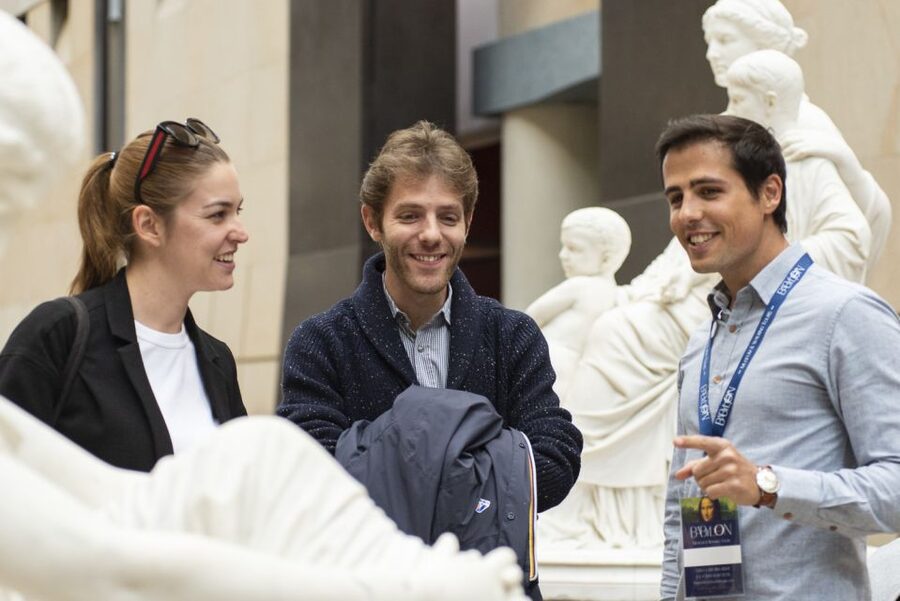
The best guided museum tours do two things well. They explain what you’re looking at, and they create a rhythm so your brain can keep up.
Across the many guide names connected with this experience, a common thread is story-driven object explanation. You’ll hear background on empires and also on smaller details, like how symbols and scenes were used to communicate power, belief, or status. Some guides are known for mixing humor with serious context, which helps when you’re standing in galleries for a couple of hours.
You’ll also notice the pacing technique. Good guides manage crowd pressure so you get actual time with the pieces instead of just glancing and moving on. That’s a quiet but huge value, especially in a museum where the must-sees can get packed.
Value check: is $112 worth it?
At $112 per person for 2 to 2.5 hours, this tour sits in the “pay for convenience and clarity” category. You’re not paying for a long itinerary. You’re paying for someone to do the hard parts: choose the right stops, manage timing, and give context that you would otherwise need to research before or during your visit.
Here’s how I think about it:
- If you’re visiting the British Museum for the first time, a guided highlights approach is usually worth it because it saves time and frustration.
- If you love independent wandering, you might still benefit, especially if you go on the same day you plan to explore further afterward. The tour helps you build a mental map of what matters.
- If your priority is a handful of world-famous objects like the Rosetta Stone and Parthenon Sculpture, this is a sensible way to see them with meaning attached.
One practical caution: hotel pickup and drop off are not included. So factor in your own transit and the time it takes to get to the meeting point.
Also note that your tour includes the guide, not food and drinks. If you need a break, plan your timing so you can eat before or after without rushing.
Who should book this British Museum highlights tour
This tour is a good match if:
- You want to see the big British Museum icons without spending your trip planning
- You’re traveling with teens who need context to stay interested
- You enjoy learning through stories tied to specific objects, not just general lectures
- You want a small group experience with a cap of 8 on semi-private tours
It may not be the best fit if:
- You want a slow, self-paced museum day where you read every label and linger for an hour per room
- You’re traveling with lots of luggage, because luggage or large bags are not allowed
- You need wheelchair access as a small group, since wheelchair tours are only available as a private tour
Book it or plan it yourself: my decision guide
I’d book this tour if you’re the kind of traveler who likes structure but still wants a sense of wonder. The standout objects are famous for a reason, and the guide approach turns them into a coherent story instead of a checklist.
I’d plan it yourself if you already know the museum well, or if you prefer to browse galleries without deadlines. In that case, you might spend less money and more time at your own pace.
If you’re undecided, a simple way to choose is this: if you have limited time and you want the museum’s major hits with context, the tour is a smart buy. If you have a full day and you like reading and wandering, you can absolutely do it on your own.
FAQ
How long is the British Museum Highlights Guided Small Group Tour?
The tour lasts about 2 to 2.5 hours.
What are the main highlights included in the tour?
The highlights typically include the Rosetta Stone, Assyrian Lion Hunt reliefs, Parthenon Sculpture, Lewis Chessmen, and Oxus Treasure. Other works may also be included depending on what is on display.
Is this tour private or small group?
It is offered as either a private tour or a semi-private tour. Semi-private options have a maximum of 8 guests.
Where do we meet for the tour?
The meeting point may vary depending on the option booked, so you should confirm the exact location with your booking details.
Do I need to bring identification?
Yes. You should bring a passport or ID card.
Is hotel pickup or drop off included?
No, hotel pickup and drop off are not included.
What luggage is allowed?
Luggage or large bags are not allowed.
Is the tour suitable for wheelchair users?
Wheelchair tours are only available as a private tour. The small group option is not suitable for wheelchair users.
What should I know about minimum numbers and cancellations?
There is a minimum of 2 people per booking for the tour to run. Free cancellation is available up to 24 hours in advance for a full refund. You can also reserve now and pay later.
Newest entries under London






Museums, compared.
Tower of London and Crown Jewels Exhibition Ticket
Read our review →
Liverpool Football Club Museum and Stadium Tour
Read our review →
Chelsea Football Club Stadium and Museum Tour
Read our review →


British Museum Guided Tour with Entrance Tickets
Read our review →Browse the lists this tour appears in