
Reviewed · MUSEUMS
London: British Museum Archaeology Course and Guided Tour
The British Museum comes with a decoder ring. This 5.5-hour archaeology course turns famous rooms into a guided story, led by Rossa, who keeps the momentum moving from the earliest tools to major ancient empires.
I especially liked how the tour connects facts to real objects, not just names on labels. In reviews, even a 13-year-old stayed fully engaged, which says a lot about how clearly the material is explained and paced.
My second favorite part was the mix of brain-work and fun. You learn how Egyptian hieroglyphs and Sumerian cuneiform were deciphered, then you literally play The Royal Game of Ur, one of the world’s oldest board games with rules reconstructed by British Museum scholars.
If you like history that feels like problem-solving, this is a great day.
One thing to plan for: lunch is not included, and the tour is long enough that you will want to eat on your schedule and wear shoes that can handle museum-floor time.
In This Review
- Key highlights to look for
- From Russell Square to the British Museum’s biggest stories
- The museum route that follows humanity, not just artifacts
- Egypt and Assyria, plus the Rosetta Stone effect
- Greece and Rome, and why collapses matter
- Vikings, Aztecs, and the museum’s global logic
- The Royal Game of Ur and how old rules come back
- How archaeology actually works: burial, dating, and evidence
- Break time, crowds, and how to pace your visit
- Why this costs about $81, and why it can be worth it
- Who should book this British Museum archaeology course
- Should you book it or DIY the museum?
- FAQ
- Where do I meet the guide for the London British Museum archaeology tour?
- How long is the tour?
- Is there a separate entrance or skip-the-line option?
- What is included in the price?
- Is lunch included?
- Is the tour accessible for wheelchair users?
Key highlights to look for
- Meet outside Russell Square Station with an iPad display, so start time is simple.
- A guided, chronological route across major civilizations instead of random stops.
- Decoding ancient writing with real examples from Egyptian hieroglyphs and Sumerian cuneiform.
- A board game break featuring The Royal Game of Ur, reconstructed by British Museum experts.
- Archaeology as science including how burial happens and how artifacts get dated.
- Separate entrance, skip the line for a smoother start inside the museum.
From Russell Square to the British Museum’s biggest stories
Your day starts outside Russell Square Station, where your guide meets you holding an iPad with the local partner name visible. You are asked to arrive about 10 minutes early, which makes a difference. In a place this big, a smooth start helps you actually enjoy the museum instead of spending the first 20 minutes just finding the right entry point.
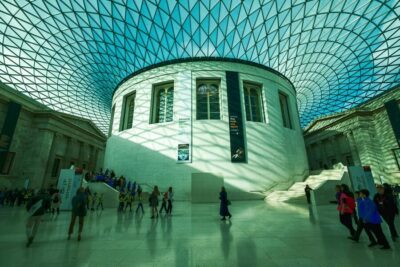
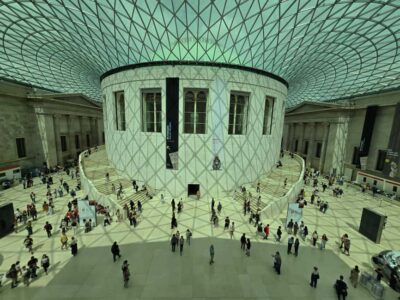
It is then a short walk to the British Museum. Once inside, you will feel the benefit of this tour format right away. Instead of trying to pick the right galleries on your own, you follow a curated route that aims to cover the big arcs of human civilization. That matters at the British Museum, because it is too tempting to wander and then realize you missed the most meaningful connections between objects.
You also get an organized structure that includes guided time and a class-style feel. That means you are not only looking, you are learning how archaeologists think. For first-time visitors, that is a big upgrade over audio alone.
More Museum Tours in London
- London: Chelsea Football Club Stadium and Museum Tour
★ 4.8 · 4,576 reviews - London: British Museum Guided Tour
★ 4.3 · 1,182 reviews - London: British Museum Guided Tour with Entrance Tickets
★ 4.9 · 748 reviews
The museum route that follows humanity, not just artifacts
One of the smartest choices here is the tour’s approach: it moves through time and themes, with stops that keep the story coherent. You are tracing humanity’s journey from very early origins through first cities and major empires, then into what happened after large civilizations collapsed.
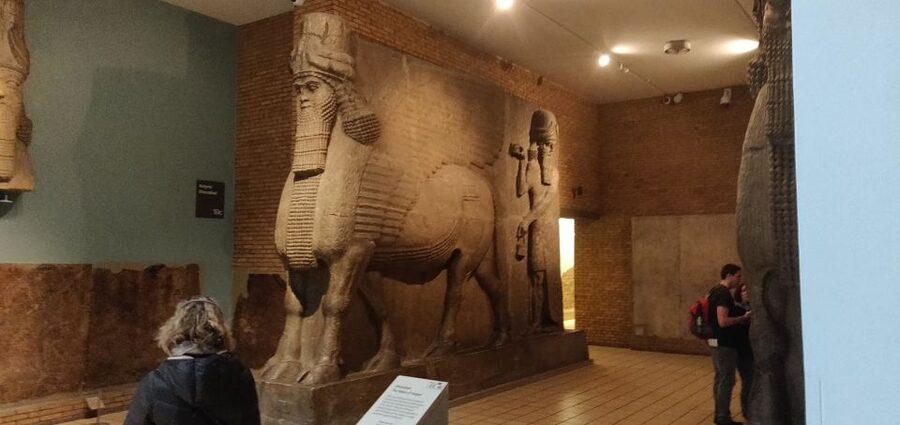
Along the way, the tour focuses on well-known galleries such as Ancient Egypt and Assyria, Ancient Greece and Rome, plus stops connected to the Vikings and the Aztecs. You do not just hear where an object came from. You learn why archaeologists treat it as evidence and what questions it can answer.
This structure helps you when you go off on your own later. You start to see patterns. You begin to recognize how museums group objects, why certain items become teaching anchors, and how different civilizations share themes like trade, belief systems, warfare, and writing.
Also, you end the guided portion at the British Museum. The practical upside is that you can keep exploring afterward without having to reorient yourself to a new meeting point.
Egypt and Assyria, plus the Rosetta Stone effect
The tour’s Egyptian and Assyrian segments are where the learning feels most like detective work. You are guided through major artifacts and big ideas, including how scholars cracked ancient scripts.
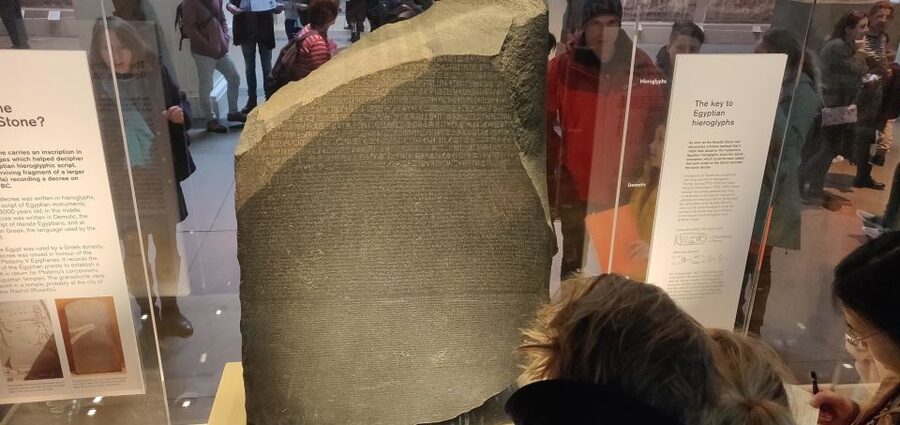
If you have ever looked at a museum case and thought, I get that this matters, but how did anyone ever read it, this part answers that directly. You learn about the decipherment process for Egyptian hieroglyphs and Sumerian cuneiform, presented in a way that connects the writing systems to actual breakthroughs.
The Rosetta Stone is one of the museum’s most famous teaching tools, and here it is not only a name. You get the context behind what made decipherment possible, which makes the artifact feel more like a turning point than a display item.
Even if you are not a language person, you should enjoy this portion. The tour treats writing as technology, a human invention that changes everything from administration to religion to identity.
Greece and Rome, and why collapses matter
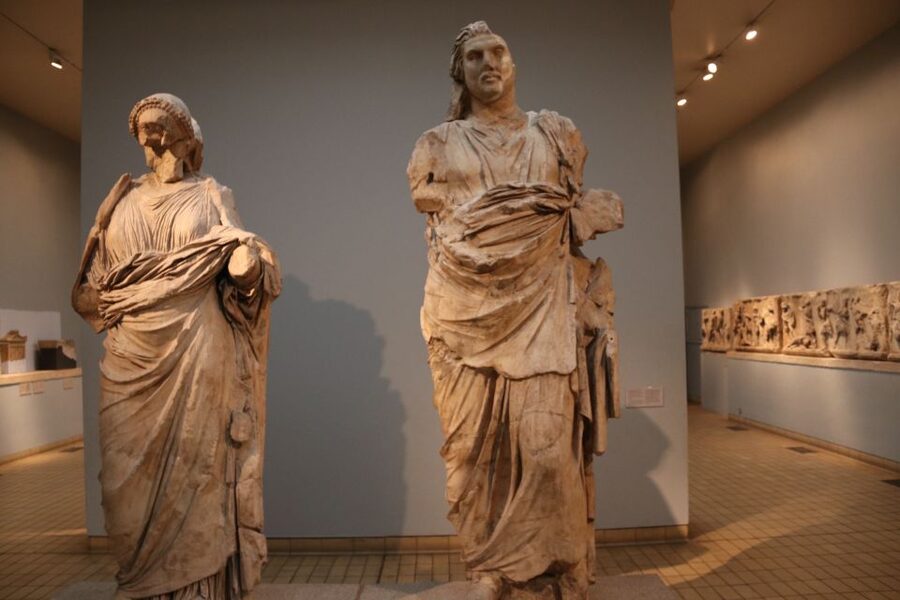
Ancient Greece and Rome are often presented as a highlights reel, but this tour makes room for the messier story underneath. You cover the timeline of empires and what happened when they weakened or fell.
That added context is one reason this works as an archaeology course, not just a sightseeing tour. Instead of thinking of objects as isolated wonders, you start connecting them to political change, cultural exchange, and the long aftermath of collapse. It also sets up a useful viewpoint for the rest of the day, because it reminds you that history does not reset. It transforms.
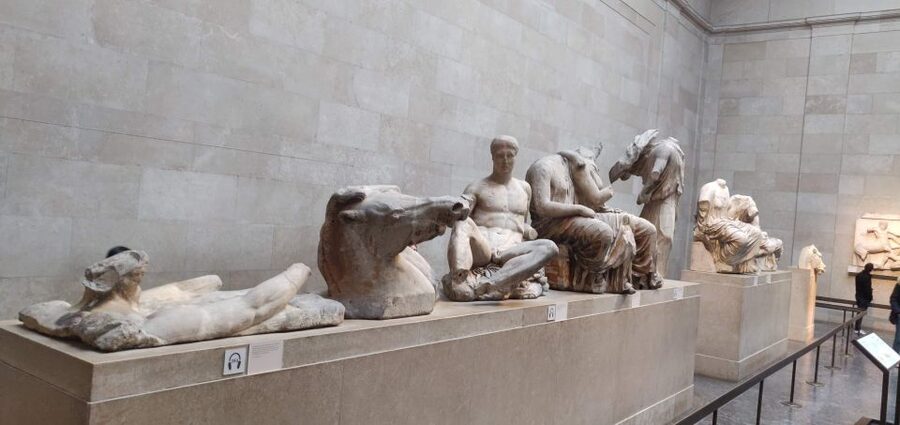
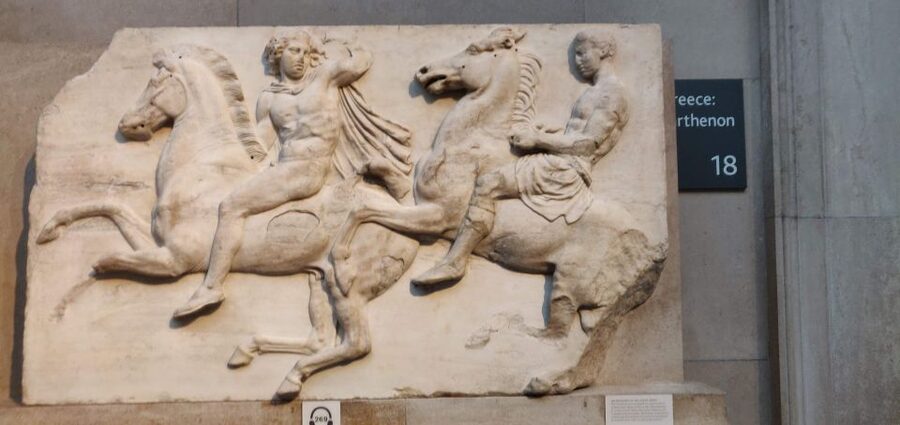
The tour also includes major artifacts such as the Parthenon Marbles. You will likely come away thinking less about a single carved moment and more about how power, art, and ideology were tied together.
More gallery rooms between showers:
- London: Tour of the British Museum★ 4.1 · 678 reviews
- Afternoon Tea at the British Museum★ 4.2 · 511 reviews
- London: Paradox Museum Entry Ticket★ 3.9 · 441 reviews
- London: National Gallery Guided Tour with Art Expert Guide★ 4.7 · 440 reviews
Vikings, Aztecs, and the museum’s global logic
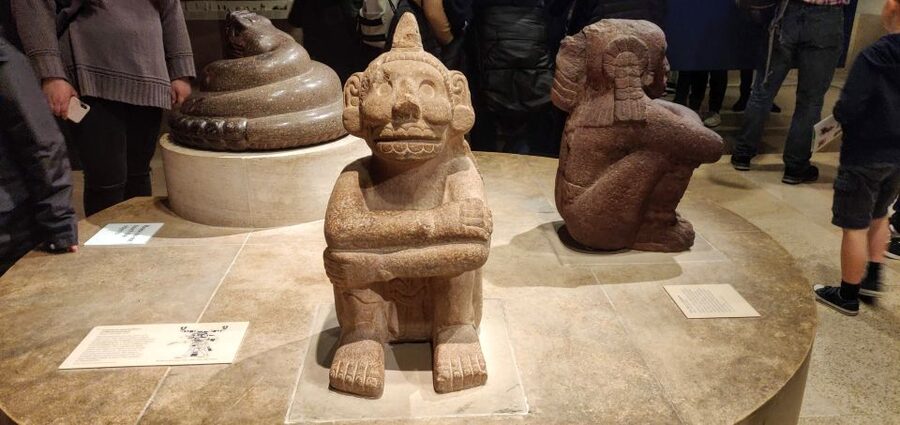
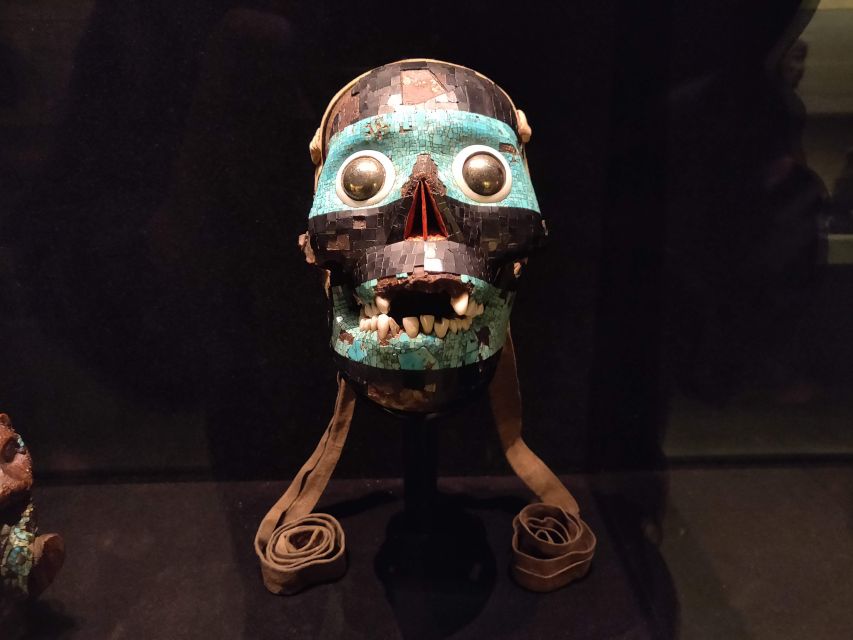
One surprise of this tour is that you do not stay locked in a single region. You are shown how different parts of the world relate through time, trade routes, and shared human problems. Stops connected to the Vikings and the Aztecs help broaden your understanding without turning the day into a random list of civilizations.
The practical value here is balance. Many museum tours oversell one theme. This one spreads your attention across multiple cultures, while still keeping a consistent story about how societies rise, organize themselves, and leave traces.
You also get to see iconic museum teaching objects such as the Sutton Hoo Helmet and the Lewis Chessmen. These are the kinds of pieces people photograph, but the tour lens changes how you perceive them. Instead of treating them as impressive items, you start asking what they reveal about status, daily life, belief, and craft.
The Royal Game of Ur and how old rules come back
This is the most fun part of the day, and it is also more educational than it sounds. You play The Royal Game of Ur, which is one of the oldest known board games. The big deal is that the rules were deciphered by scholars connected to the British Museum.
So while you are moving pieces and learning the flow, you are also seeing how scholarship brings a lost world back to life. It is basically archaeology with a playful twist.
In reviews, this is mentioned as a standout moment, especially for families. Kids and teens tend to remember a hands-on activity better than a lecture alone, and adults usually enjoy the break from standing and reading labels.
If you are bringing a group, this is the kind of moment that keeps people from separating in different directions. Even if you came for the Rosetta Stone and marbles, you will still be glad you got the game.
How archaeology actually works: burial, dating, and evidence
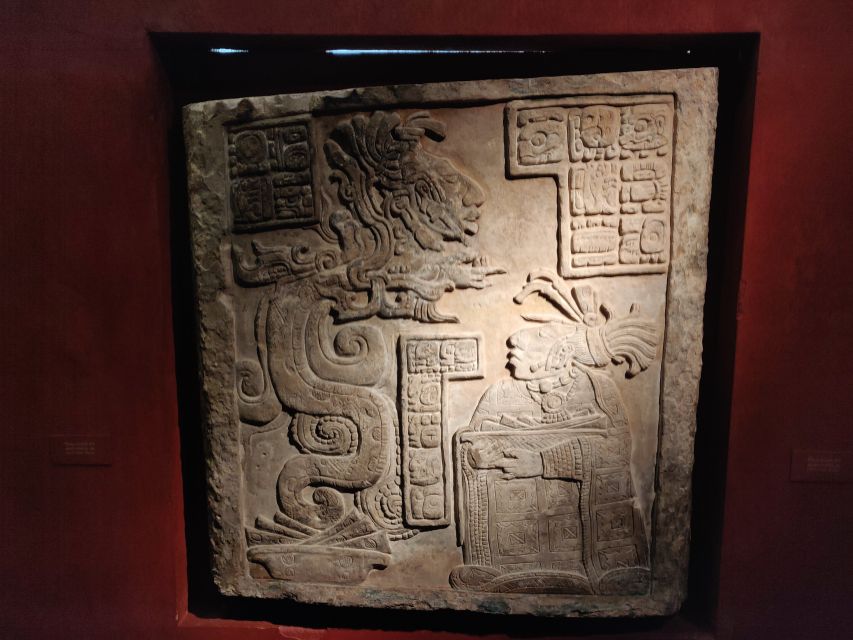
The tour’s final learning arc is the science side of archaeology, and it is one of the reasons it feels worth more than a basic highlights tour.
You hear about questions like:
- how ancient sites become buried
- how relics get dated
- why some mysteries stay unsolved
That focus matters because archaeology is not just digging. It is interpretation. Objects survive in uneven ways. The ground changes. Materials degrade. And the dating process often uses multiple lines of evidence. Learning that approach helps you understand why archaeologists can build a story from partial remains.
This is also where the British Museum context pays off. The museum does not only display objects. It preserves the evidence base for ongoing research. When your guide talks about dating and discovery hazards faced by relic hunters and explorers, you get a better sense of why careful documentation is so important.
One more helpful detail from how the tour is described: the day includes breaks. That means you are not stuck listening nonstop for 5.5 hours. You can reset and refocus, especially when the tour shifts from galleries to language and then back to science.
Break time, crowds, and how to pace your visit
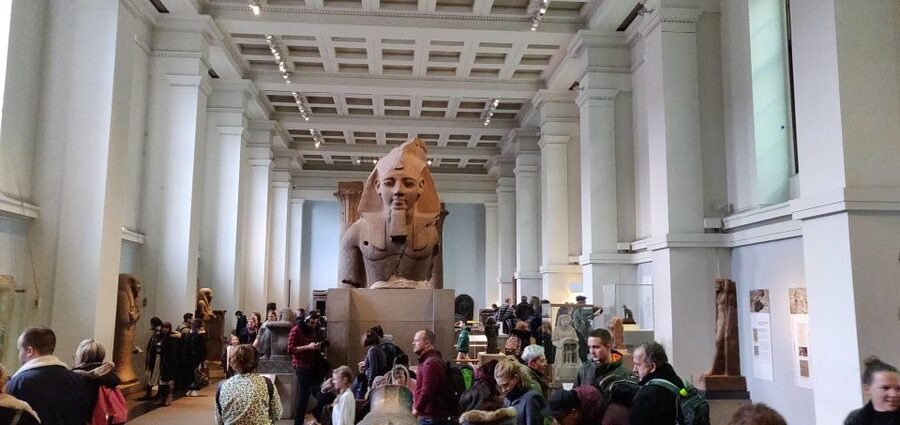
The British Museum can be busy, and you should expect that, especially on weekends. This tour is built to work in that reality. You also skip the line via a separate entrance, so you spend less time waiting and more time learning.
You will still be on your feet for much of the day. That is normal for any museum tour, but it is worth saying plainly. Wear comfortable shoes. Bring water if you can, and plan your eating.
Lunch is not included, but you are not totally stuck. The museum has food outlets, and reviews also suggest bringing a packed lunch if you want more control over timing. A quick meal can be the difference between enjoying the final part of the tour and feeling wiped out.
Seating tips are worth noting. One review recommends grabbing a folding chair at the entrance for those who want to cut down on standing during breaks. You might find portable stools available, so it is smart to check when you arrive. If you have limited mobility, you should contact the operator with special requirements, since the tour is described as suitable for limited mobility.
If you do nothing else, keep your expectations realistic: 5.5 hours covers essential highlights and teaching moments, not every artifact in the building.
Why this costs about $81, and why it can be worth it
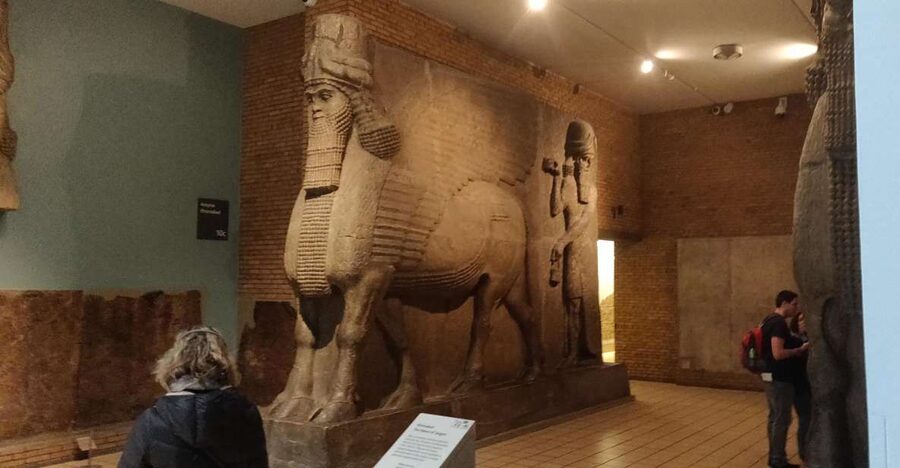
At around $81 per person, the price is not cheap for a museum day. But entrance is free, so what you are really paying for is the guide and the structure.
You are getting:
- a qualified archaeologist guide
- a guided tour with a class-like explanation style
- access support through a separate entrance to skip the line
- time spent on how writing was deciphered and how artifacts are dated, not just what they are
That shifts the value equation. You could spend a day wandering the museum by yourself, but you would likely miss the “how we know” stories that make the objects feel alive. This tour is built around that missing layer.
Another reason the cost can feel fair: reviews repeatedly describe Rossa as exceptionally engaging, with the ability to hold attention for the full time. When a guide can explain dense topics like decipherment and dating in a way that stays fun, you end up with a day that feels like learning instead of ticking boxes.
Who should book this British Museum archaeology course
This tour fits best if you:
- love ancient history and want it explained as evidence, not just facts
- want to understand how archaeologists date objects and reconstruct the past
- are traveling with teens or mixed-age family members who need energy and interaction
- would rather learn how writing systems were deciphered than only see the results
It is also a solid choice for first-time museum visitors. It helps you understand what you are looking at before you start free-roaming.
Language is English, and the tour is described as wheelchair accessible. If you have limited mobility, you should reach out with needs before you go so the team can plan appropriately.
Should you book it or DIY the museum?
Book this tour if you want the British Museum to feel like a story of human evidence, with an archaeologist guiding you through the big questions. The combination of major galleries plus the decipherment topics plus the Royal Game of Ur makes it feel more like a course than a walk-through.
Skip or DIY if you already know you only want museum free time. If your plan is to linger slowly at a few favorites and you do not care about learning the methods behind decipherment and dating, you might be happier with a self-guided plan and audio.
My practical take: if you have limited time in London, this is one of those structured days that gives you more than you thought you could get. And if you want your teen to enjoy it, that is where this style shines.
FAQ
Where do I meet the guide for the London British Museum archaeology tour?
Meet your guide outside Russell Square Station. The guide will be holding an iPad with the local partner name displayed. Arrive about 10 minutes before the start time.
How long is the tour?
The duration is 5.5 hours.
Is there a separate entrance or skip-the-line option?
Yes. The tour includes skip-the-line access through a separate entrance.
What is included in the price?
Included items are a qualified archaeologist guide, free entrance, and a guided tour.
Is lunch included?
No, lunch is not included.
Is the tour accessible for wheelchair users?
Yes, the tour is wheelchair accessible, and it is also described as suitable for people with limited mobility. If you have special requirements, you are advised to contact them.
Newest entries under London






Museums, compared.
Tower of London and Crown Jewels Exhibition Ticket
Read our review →
Liverpool Football Club Museum and Stadium Tour
Read our review →
Chelsea Football Club Stadium and Museum Tour
Read our review →

British Museum Guided Tour with Entrance Tickets
Read our review →Browse the lists this tour appears in