
Reviewed · MUSEUMS
London: British Museum: Ancient Magic and Art – Private Tour
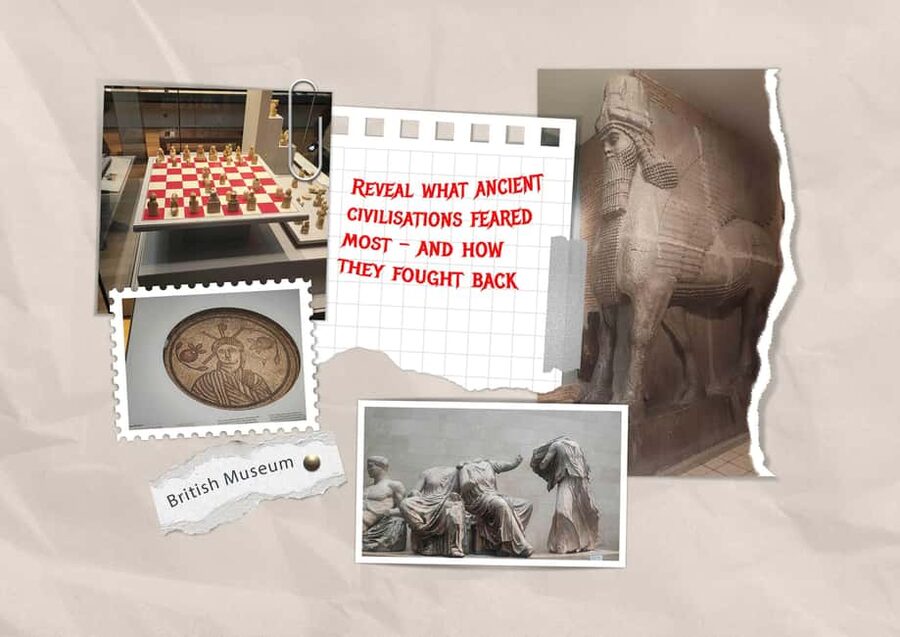
Magic and art walk hand in hand. This private British Museum experience turns famous objects into ghostly stories about ancient magic, mythology, and medieval superstition. I love how the tour uses big-name artifacts like the Rosetta Stone and Parthenon Marbles as story anchors, so you leave with clearer ideas, not just dates. I also like the fast-track entry approach, so you spend less time stuck at security and more time looking closely.
One thing to consider: the route involves moderate walking, and it is not suitable for people with mobility impairments or wheelchair users. Also, it is a museum visit with rules, so you’ll want comfy shoes and a plan for what you can and cannot carry.
In the feedback I found, the guides were praised for handling real-world hiccups smoothly, including an entry problem that got resolved during a visit. The guide you’ll meet is part of My London Guide, and the person holding the sign marked My London Guide will bring the whole thing to life in English.
In This Review
- Key things you’ll like in this British Museum private tour
- Ancient magic is the secret sauce at the British Museum
- Meeting at Edward VII’s Entrance, then skipping the security grind
- The Rosetta Stone: how one object changed reading the past
- Parthenon Marbles: beauty as a continuing idea, not a dead style
- Egyptian mummies: the dance of life and death
- Medieval comic books and the secret childhood of Jesus
- How you’ll connect Greece, Egypt, Mesopotamia, India, and England
- Price and value for a private 2-hour British Museum experience
- What to bring, what not to bring, and how to avoid tour-time stress
- Who this private ancient-magic museum tour is best for
- Should you book this British Museum private tour?
- FAQ
- Where do we meet for the tour?
- How long is the private tour?
- Is this a private tour?
- Can I take photos, and is flash allowed?
- Are backpacks or large bags allowed?
- Is the tour suitable for wheelchair users or mobility impairments?
- Can I cancel and get a refund?
Key things you’ll like in this British Museum private tour
- Rosetta Stone language magic: You get the hieroglyphs breakthrough story tied to how people actually learned to read them.
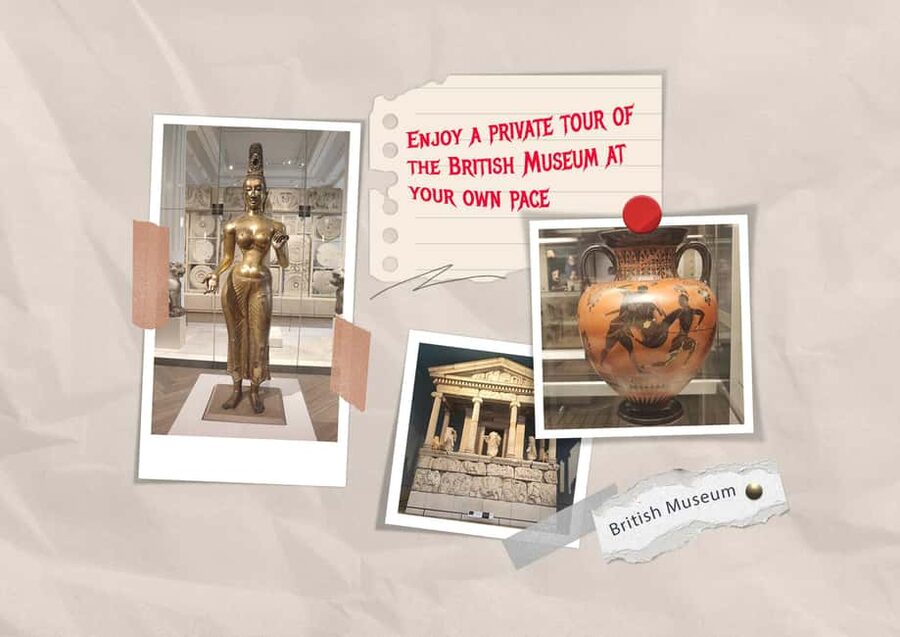
- Parthenon Marbles, explained through beauty: You’ll see how Greek ideas of form and “what’s beautiful” still echo today.
- Egyptian mummies with a life-and-death angle: The tour frames them as more than displays, with symbolism and beliefs in focus.
- Medieval comic clues about Jesus: A surprising stop that connects Christian history to medieval superstition and storytelling.
- A myth-and-magic lens, not a standard facts-only tour: You’ll move across civilizations through themes, not just gallery order.
Ancient magic is the secret sauce at the British Museum
The British Museum is famous for “serious” archaeology. This tour keeps the seriousness, then adds a different tool: imagination. Instead of treating objects as sealed-off artifacts, you’re invited to ask how people once explained the world when science did not look the way it does now.
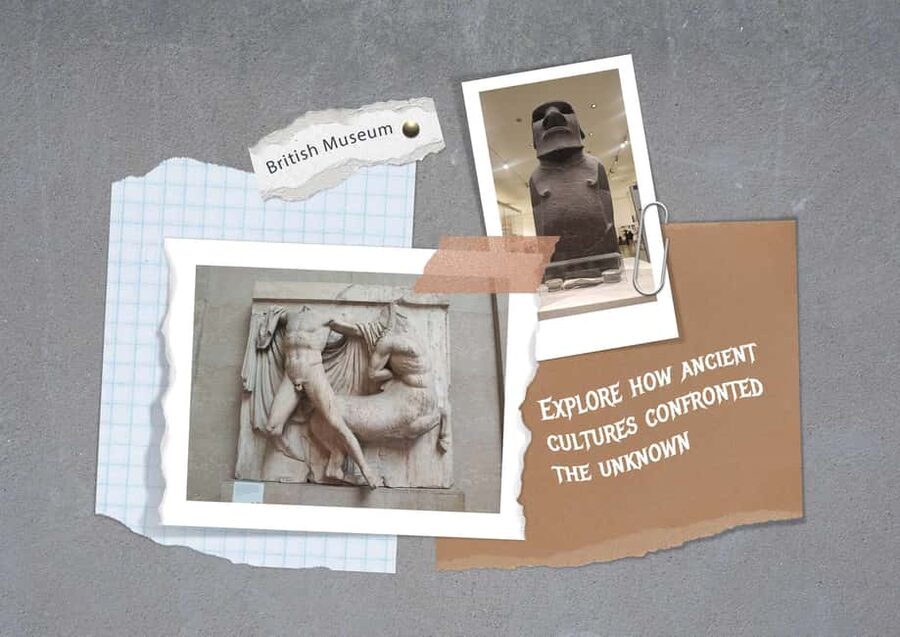
That theme matters because it changes how you look at details. A symbol carved into stone, a body prepared for another life, or a fragment of Greek sculpture can feel more human when you connect it to beliefs, rituals, and everyday fears. Expect the tour to lean into ancient magic, mythology, and medieval superstitions as a way to understand the mindset behind the objects.
You also get a specialist art angle, which helps when you see works that many visitors “recognize” but do not really understand. The guide’s storytelling is the bridge between the museum’s scale and your personal takeaways.
More Museum Tours in London
- London: Chelsea Football Club Stadium and Museum Tour
★ 4.8 · 4,576 reviews - London: British Museum Guided Tour
★ 4.3 · 1,182 reviews - London: British Museum Guided Tour with Entrance Tickets
★ 4.9 · 748 reviews
Meeting at Edward VII’s Entrance, then skipping the security grind
You meet at the group entrance to the British Museum at Edward VII’s Entrance. The guide will be holding a sign that says My London Guide, and you’ll go in together for the fast-track entry and express security check.
Why this matters in real life: the British Museum can be busy, and security lines can eat time. A private format plus express entry means the tour starts with momentum, not frustration. You’re still in a public building, so rules apply, but you avoid the most painful bottleneck.
The tour is also designed for a smooth 2-hour experience, so don’t plan on wandering off halfway through. Use that time well by coming with a clear idea of what you want: close-looking, story-driven context, and a guided path through major highlights.
The Rosetta Stone: how one object changed reading the past
The Rosetta Stone is the kind of artifact that sounds like a legend even before you see it. Here, the focus is on the moment it enabled people to crack hieroglyphs, turning scattered symbols into a readable language system.
I like this approach because it turns “a famous stone” into an actual breakthrough story. You’re not just hearing that hieroglyphs were deciphered. You’re hearing how the discovery connected language, history, and interpretation, which is exactly what you want when you’re standing in front of something that feels locked behind mystery.
Even if you know the general idea, you may find the framing useful. Language is power, and this is a physical example of how knowledge advances. By treating the Rosetta Stone like a story about lost languages, the tour helps you remember it.
Practical note: plan to look twice. Give yourself one pass for the big idea, then a second pass for the details the guide points out, like how symbols and writing systems communicate meaning.
Parthenon Marbles: beauty as a continuing idea, not a dead style
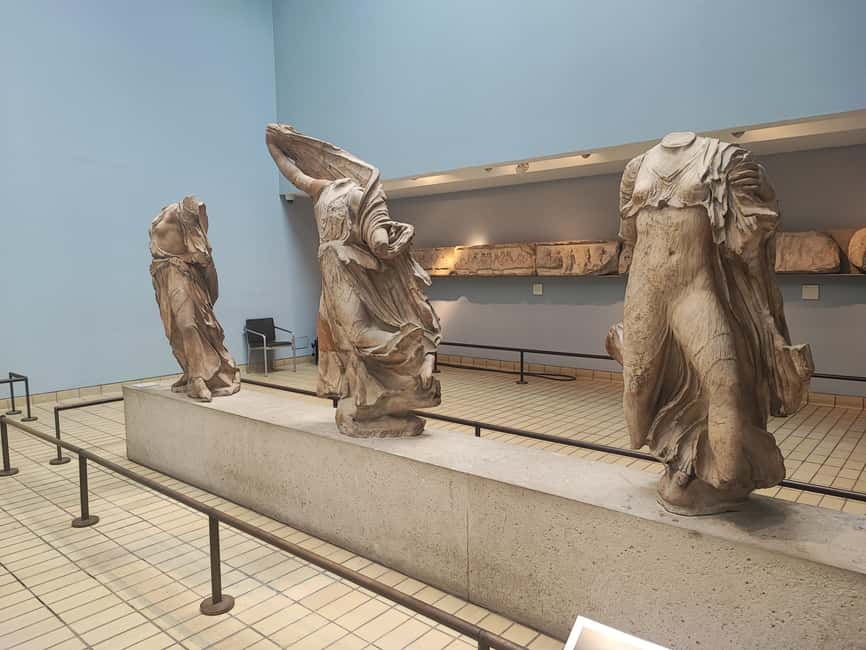
From the Rosetta Stone, the tour pivots into ancient Greece with a focus on the Parthenon Marbles. The theme here is evolution of beauty, and how Greek ideas still shape modern views of art.
This is a smart move for two reasons. First, the Parthenon Marbles are often treated like museum royalty, but most visitors do not know what to notice. Second, “beauty” is subjective until you learn the framework someone used to define it.
Expect the guide to help you see the marbles in terms of form, proportion, and meaning. When you understand that ancient Greek artists weren’t only creating decoration, you start reading the sculpture as communication. That makes the marbles feel less distant and more like a worldview expressed in stone.
Also, the tour’s myth-and-magic lens keeps things interesting. You’re not just comparing styles, you’re watching how earlier beliefs and cultural ideals shaped what later societies thought was worthy of preservation and attention.
More gallery rooms between showers:
- London: Tour of the British Museum★ 4.1 · 678 reviews
- Afternoon Tea at the British Museum★ 4.2 · 511 reviews
- London: Paradox Museum Entry Ticket★ 3.9 · 441 reviews
- London: National Gallery Guided Tour with Art Expert Guide★ 4.7 · 440 reviews
Egyptian mummies: the dance of life and death
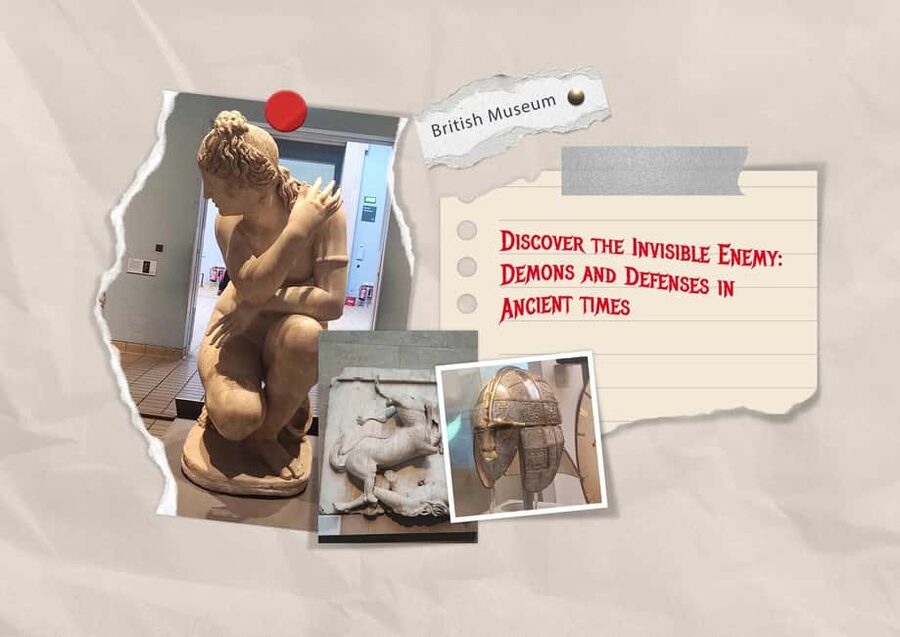
Egyptian mummies can feel spooky in a museum display case, but the best way to view them is as a window into belief. This stop is built around contemplation of the dance of life and death, so you’ll get more than “this is old” and “this is famous.”
That angle matters because it shifts your attention from surface oddity to cultural logic. People in ancient Egypt lived with death close to daily life, and their rituals reflected hope, fear, and the idea that identity could continue. When a guide connects the mummy to that mindset, the object becomes less like a shock museum item and more like a carefully planned tradition.
You’ll likely spend time thinking about symbols and practices tied to the afterlife. The guide’s storytelling style keeps it human, and that makes a huge gallery feel focused rather than overwhelming.
If you’re sensitive to morbid imagery, plan to take it at a comfortable pace. This tour is story-driven, but it is still a museum. You control your speed by asking questions and letting the guide know what you want emphasized.
Medieval comic books and the secret childhood of Jesus
This is the part that can surprise you. The tour includes medieval comic books that frame Jesus Christ in a story-world, described as uncovering a secret childhood.
Why include this at all in the British Museum? Because medieval art and storytelling often mixed theology, moral lessons, and supernatural ideas. Medieval “comics” or illustrated narrative texts can show how people imagined sacred figures at an emotional level, not just a doctrinal one.
If you like the idea of alternative narratives beyond traditional accounts, this is a highlight. You’re not being asked to treat everything as literal history. You’re being asked to understand cultural storytelling, belief, and how imagination spreads.
This stop also strengthens the tour’s overall theme: it treats mythology and superstition as real forces in how people created art. That’s useful even if you’re not religious, because it shows how society builds meaning.
How you’ll connect Greece, Egypt, Mesopotamia, India, and England
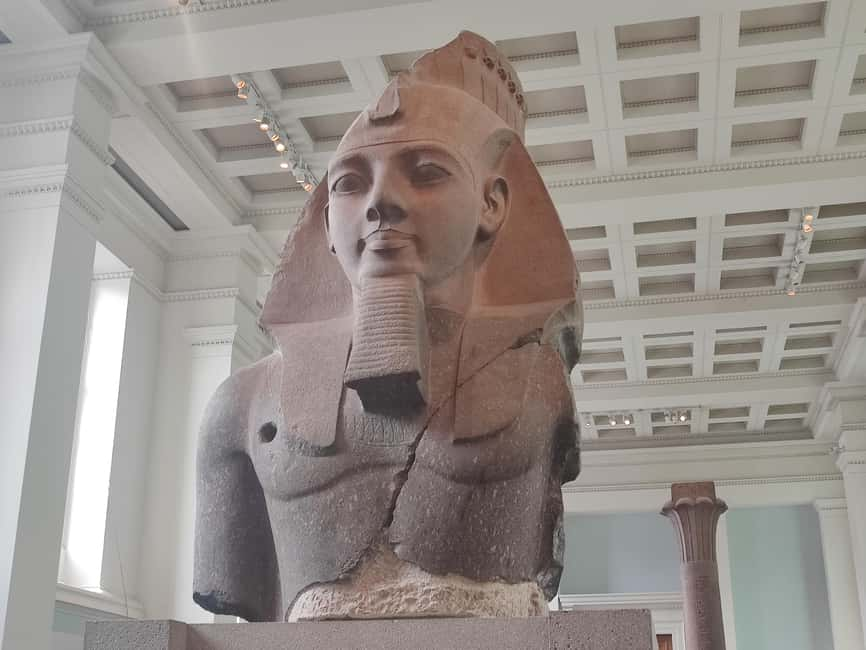
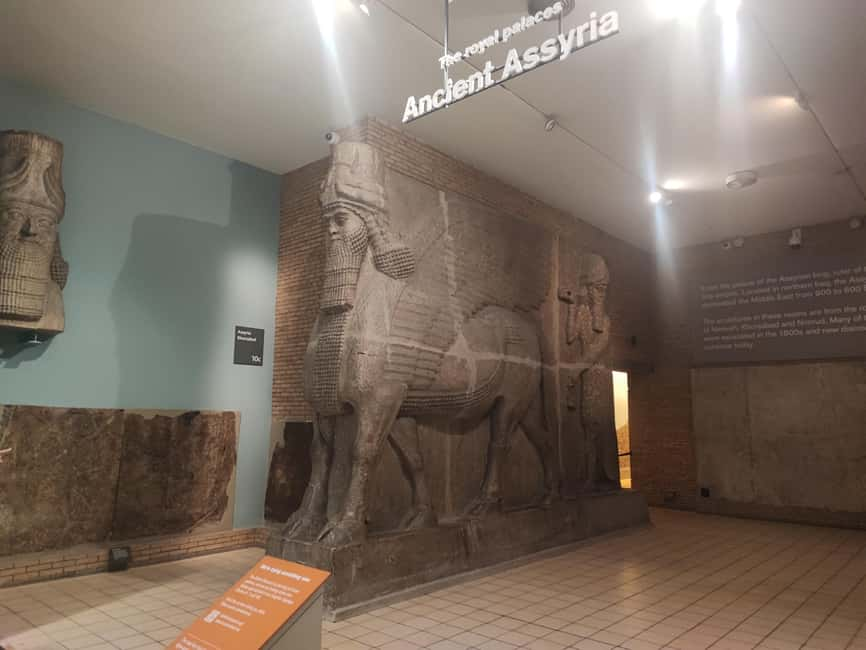
The tour does more than point at famous objects. It connects civilizations through recurring ideas: what people learned, what they feared, and what they used to explain the unknown.
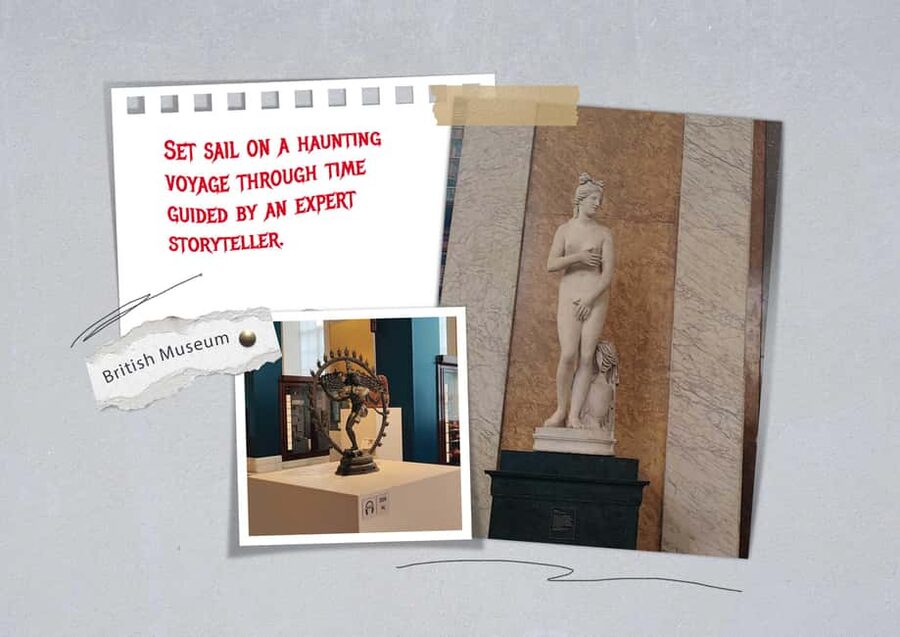
You can expect the big sweep to include ancient Greece’s lasting ideas such as philosophy, democracy, and theatre, and how those shaped later thinking about beauty and art. Ancient Egypt shows up as pyramids, hieroglyphs, and medical knowledge. Mesopotamia is framed through inventions like the wheel, siege engines, and the foundations of farming.
India is included through yoga and ideas around rebirth and spiritual enlightenment. England comes in through Stonehenge, craftsmanship, and even the roots of the English language, as part of the story the guide tells about cultural development.
This “linking” style is where the tour can feel especially valuable. In a museum, highlights can turn into a checklist. Here, you get a theme to carry between rooms, which makes the British Museum feel like one story instead of dozens of unrelated ones.
Price and value for a private 2-hour British Museum experience
It’s priced at $129 per group up to 8 people, for about 2 hours. That number looks small if you’re comparing to private tours priced per person, and it can look generous if you split it among a few friends.
Here’s the practical way to think about value: you’re paying for (1) a private guide, (2) an art specialist storytelling angle, and (3) fast-track entry with express security. The private format also means you can ask your questions without feeling rushed, and the guide can adjust where you spend time.
If you go as a full group of 8, you’re effectively making this a cost-conscious way to get a tailored museum experience. If you go as just two or three, it’s still a fair deal if you care about deeper context and not just seeing the big rooms.
One more point: the tour’s theme is specific. If you want strict chronology and only mainstream interpretations, you might find the focus on ancient magic and superstition less to your taste. If you like narrative learning, mythology, and symbolism, you’ll likely feel like you’re getting a lot more than a standard highlights route.
What to bring, what not to bring, and how to avoid tour-time stress
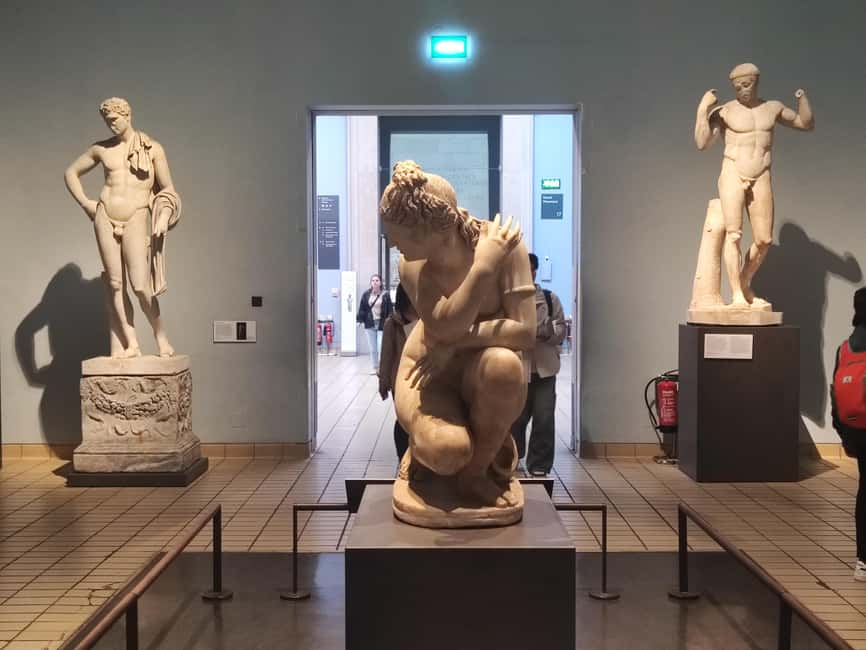
This tour is a walk-through museum experience, so basic prep makes a big difference. Bring comfortable shoes, a camera, and water. Photography is allowed as long as you do not use flash.
Plan around what you cannot bring. Flash photography is not allowed. Backpacks and large bags are also not allowed inside the museum. Food and drinks are not permitted inside the exhibition halls, so grab anything you need before you start.
Because it involves moderate walking and the experience is not suitable for wheelchair users or people with mobility impairments, it’s smart to pace yourself. If you need frequent rests, ask the guide early and plan for a slower rhythm. A private tour is one of the few settings where adjustments can actually happen.
Who this private ancient-magic museum tour is best for
This tour is ideal if you love museums but get bored by pure recitation. It’s also a great fit for visitors who enjoy connecting art to belief systems, because that’s the tour’s engine.
You’ll likely enjoy it if you:
- want a guided approach to the Rosetta Stone and major British Museum highlights
- like myth, symbolism, and the way people historically explained mystery
- travel with family or friends and want one shared experience with room for questions
- prefer an art-forward guide rather than only archaeology facts
It may not be the best match if you need full mobility access or if you dislike story-heavy interpretations. The tone is playful and eerie in a thoughtful way, not in a gimmicky way, but the theme is central.
Should you book this British Museum private tour?
Book it if you want the British Museum to feel like a set of connected stories. The private format, the art-and-myth focus, and the fast-track entry all help you make the most of a short window in London.
Skip it if you’re only after a straightforward, chronological museum tour with minimal interpretation. Also skip it if you know you cannot manage moderate walking, since it is not suitable for wheelchair users or people with mobility impairments.
If you’re on the fence, my suggestion is simple: choose this if your favorite museum moments are the ones where a guide helps you notice what you would have missed on your own.
FAQ
Where do we meet for the tour?
You meet at the group entrance to the British Museum, at Edward VII’s Entrance. The guide will be holding a sign that says My London Guide.
How long is the private tour?
The tour runs for about 2 hours.
Is this a private tour?
Yes. It is a private group experience, priced for groups up to 8 people.
Can I take photos, and is flash allowed?
Photography is allowed without flash. Flash photography is not permitted.
Are backpacks or large bags allowed?
No. Backpacks and large bags are not allowed inside the museum.
Is the tour suitable for wheelchair users or mobility impairments?
No. It is not suitable for people with mobility impairments or wheelchair users.
Can I cancel and get a refund?
Yes. You can cancel up to 24 hours in advance for a full refund.
Newest entries under London






Museums, compared.
Tower of London and Crown Jewels Exhibition Ticket
Read our review →
Liverpool Football Club Museum and Stadium Tour
Read our review →
Chelsea Football Club Stadium and Museum Tour
Read our review →

British Museum Guided Tour with Entrance Tickets
Read our review →Browse the lists this tour appears in