
Reviewed · WALKING TOURS
Derry City: The Troubles Bogside Walking Tour.
Bloody Sunday is close, not history. This 1.5-hour Bogside tour walks you through the Troubles with first-person stories and real street-level context.
I love two things most. First, you get a guided explanation of major moments, from the start of the Troubles through the Irish Peace Process. Second, the Bogside murals are treated like a timeline, so you are not just looking at art, you are understanding each scene.
One consideration: the topic is heavy and it can be emotionally intense. Also, when you arrive outside the Museum of Free Derry, take a second to confirm you are joining this paid tour, not another free walk that may be advertised nearby.
In This Review
- Key things that make this walk worth your time
- Getting your bearings outside the Museum of Free Derry
- How the Bogside murals turn a street into a timeline
- Bloody Sunday, and why standing at the site changes the story
- Free Derry Wall photos, plus the meaning behind the slogan
- From the start of the Troubles to the Hunger Strikes
- The Peace Process ending, plus what you take away
- Price and value for a $30, 1.5-hour walk
- Who this tour suits best
- Should you book the Derry City Troubles Bogside Walking Tour?
- FAQ
- Where does the Troubles Bogside Walking Tour start and end?
- How long is the walking tour?
- Is the tour guided, and what language is it in?
- How much does it cost?
- What will I see during the tour?
- Is the tour wheelchair accessible?
Key things that make this walk worth your time
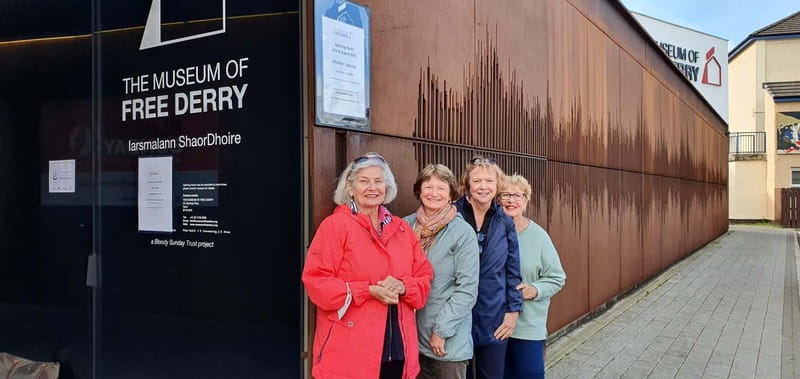
- Meet right at the Museum of Free Derry: the tour begins and ends at the same spot, so it is easy to anchor your visit.
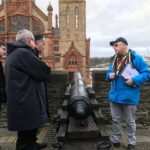
- Bloody Sunday site stop: you walk to the place where the massacre happened, not just a distant overview.
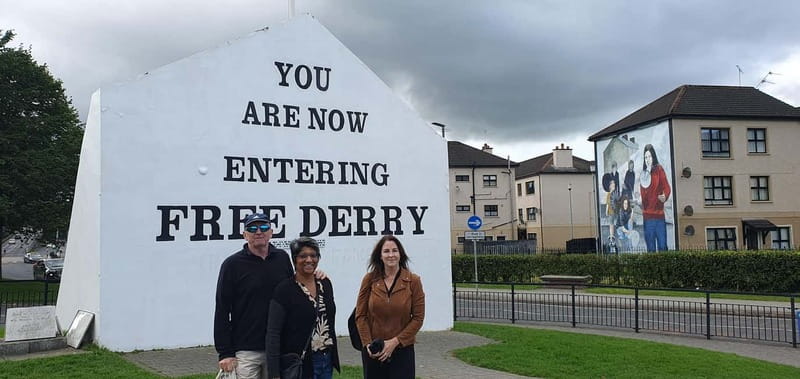
- Free Derry Wall photo moment: you get a clear, famous spot for your picture while the guide explains what it signaled.
- Life-size Bogside murals with guidance: the guide points out what each mural is saying and why it matters.
- Guides with lived experience, like Noel and John: you hear stories told from inside the community, not from a textbook voice.
- A wrap-up on the Peace Process: the tour does not stop at tragedy, it connects events to the eventual political resolution.
Getting your bearings outside the Museum of Free Derry
Most people start the day in Derry trying to understand the geography. This tour makes that easier by meeting outside the Museum of Free Derry in the Bogside and returning there at the end. That setup matters because you are not spending the whole 90 minutes trying to navigate an unfamiliar area.
From the start, the guide sets expectations: this is Irish history, but told through personal memory and local detail. In reviews, guides like Noel and John are praised for speaking clearly and keeping an unhurried pace, so the information lands rather than races past. If you prefer learning with room for questions, this format helps.
Practical note for your comfort: wear shoes you can stand in for a bit and bring your camera for the Free Derry Wall stop. The walk is described as not long, and the tour is listed as wheelchair accessible, so you do not need to fear a long, exhausting trek.
More British streets at boot pace:
- Derry: McCrossan’s Public Walking Tour of the Historic City
★ 4.8 · 329 reviews - Derry: Bloody Sunday and Bogside Murals Walking Tour
★ 5.0 · 227 reviews - Derry City: The Bloody Sunday Story Walking Tour
★ 4.9 · 64 reviews
How the Bogside murals turn a street into a timeline
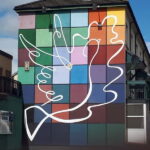
The star of the Bogside experience is the murals. You are walking through life-size scenes that describe key parts of the Troubles story, and you are guided to the history behind each image. That is the difference between seeing murals and truly reading them.
I love that the guide does not treat the murals as static background. Each stop is explained in a way that links the picture to events, people, and the wider political situation. One guide, Mick Kinsella, is specifically mentioned for telling the story behind the Battle of the Bogside murals, which shows you how the murals connect directly to major episodes, not vague “sad times.”
A small but important detail: murals can blur together if you are trying to do them like a photo scavenger hunt. Here, you get context first, then you look. You will likely remember the story more than the snapshots.
Bloody Sunday, and why standing at the site changes the story
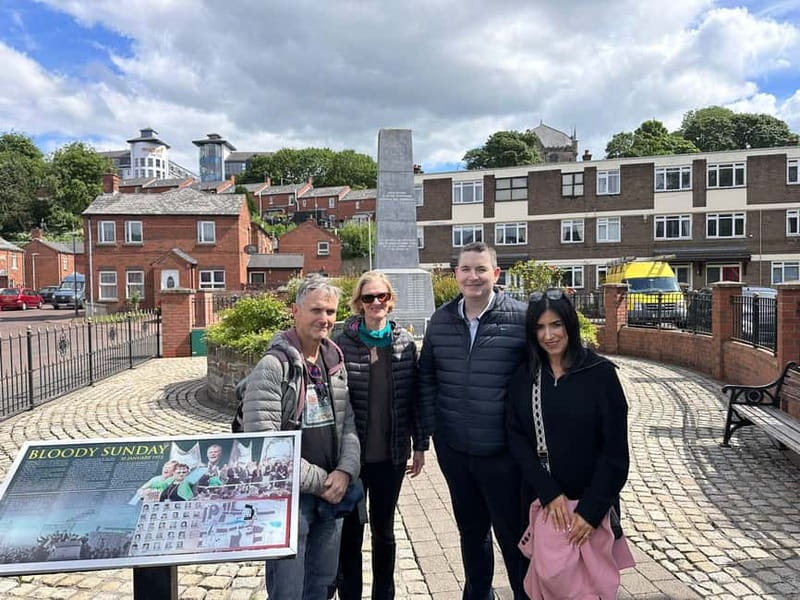
Bloody Sunday is the emotional center of the tour. You are taken to the site of the massacre, and the guide explains what led up to it, what happened, and what followed. That sequence matters. You start with context, you face the event at the actual location, and you finish with the longer consequences.
What really elevates this part is the lived perspective. Multiple reviews emphasize that guides have personal, close connections to the events. Noel is described by guests as having firsthand experience, and John is described as someone whose elder brother, William, was murdered on that day. When a guide speaks like a witness, your brain stops filing the tragedy as distant news.
I would also call out the tone. Several reviews mention that guides were truthful and balanced, while still compassionate. That combination is not easy to get in a walking tour about conflict, but it comes up again and again: clear facts, personal cost, and a refusal to reduce people to slogans.
One more useful tip: go in ready to listen, not ready to debate. This tour is built around remembering and understanding. If you enter with open curiosity, you will get more out of it.
Free Derry Wall photos, plus the meaning behind the slogan
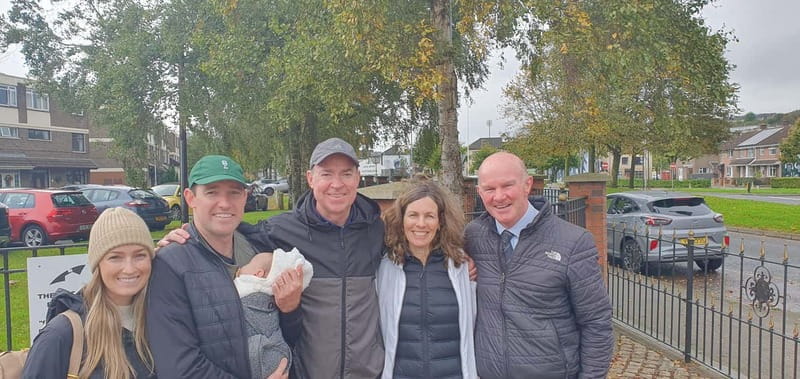
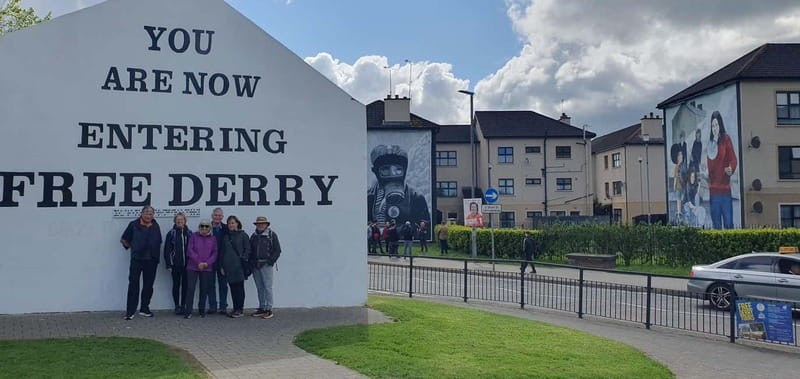
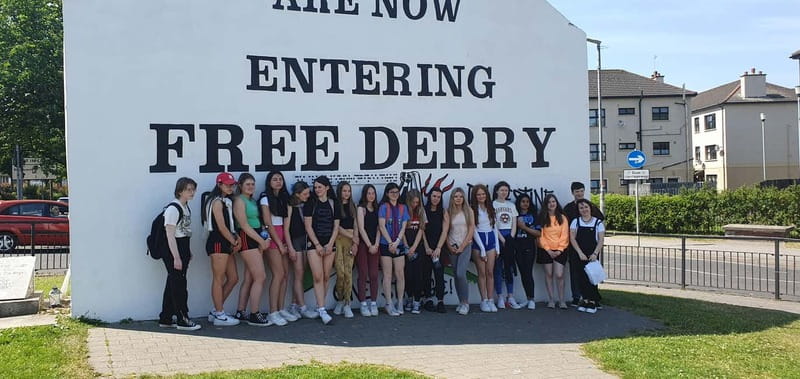
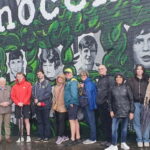
At some point, you will get guided to the world famous Free Derry Wall. You will also have your photo taken there, which is handy because it is easy to miss how important the spot is until someone points it out.
More than the photo opportunity, I like how the guide ties the wall to the larger story of the community. The phrase and the wall became symbols during the Troubles, so your picture is not just sightseeing. It is a marker of identity, resistance, and political messaging at a specific moment in time.
If you are the type who always reads signs last, do the opposite here. Listen first, then take the picture. You will get a lot more meaning from the wall once you understand why it was there and what it represented.
Also inked in under Derry
- Derry: Derry Girls TV Show Filming Locations Tour★ 4.9 · 123 reviews
- Discover the City Walls – Small Public Group or Private Tour★ 4.9 · 39 reviews
From the start of the Troubles to the Hunger Strikes
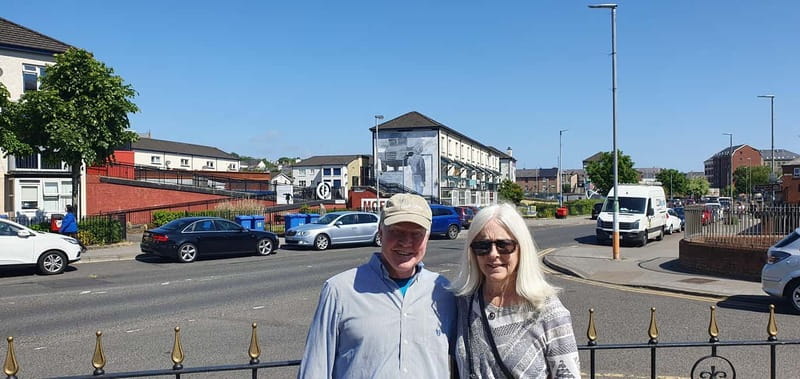
The tour covers a lot in 1.5 hours, but it stays anchored to real places you can point to. You learn about the start of the Troubles, you walk through the Battle of the Bogside story, and you also hear about the Irish Hunger Strikes. Then the guide connects those events to the bigger picture of civil rights and conflict in the region.
This matters for two reasons. One, it prevents the story from becoming only one day, Bloody Sunday. Two, it shows the chain reaction. People often think of the Troubles as a single turning point. Here, you see that it was a sequence of pressures, reactions, and decisions over time.
I also appreciate that guides can answer questions. Reviews mention guides being happy to keep responding and digging into detail. If you have always wondered how the conflict escalated, or how communities coped and organized, this is the part where your questions can fit naturally.
The Peace Process ending, plus what you take away
You do not finish the tour by stopping at tragedy. The walk includes a guided discussion of the Irish Peace Process, the path that ended the conflict after decades. That “then what” piece is important, because otherwise you leave with emotion but no direction.
Guests also describe the experience as moving and thought-provoking, with a sense of hope after the hard parts. Suzanne’s review talks about hope for the future, and others highlight that the guide’s personal story left a lasting impression. You can feel the message the guides are trying to share: remembrance with responsibility, not forgetting.
One more practical way to get more value: plan a visit to the Museum of Free Derry either before or right after your walk. Some guests mention doing it before gave them more perspective. Since the tour ends at the museum too, you can use the last minutes of the tour to decide what you want to see up close.
Price and value for a $30, 1.5-hour walk
The price is listed as $30 per person for a 1.5-hour experience. That sounds simple, but the real value depends on what you are buying: access to street-level storytelling from people who lived through it, plus guided stops at specific, meaningful locations like the Bloody Sunday site and the Free Derry Wall.
The reviews reinforce that this is not treated like a quick drive-by tour. Many guests describe the guides as able to explain events with clarity and personal investment. There is also a consistent theme that the guides were emotionally connected without turning the tour into a performance. You pay for that balance, plus the time spent walking and listening rather than just reading plaques.
If you like high-context experiences, where a guide links places to events, this price feels reasonable. If you only want a light, casual stroll, you might prefer something less intense.
Also keep your expectations about pricing and availability grounded in what you see outside the museum. One review notes that there were free tours advertised nearby and guests thought the paid tour might be a free one. When you arrive, confirm the meeting point and the type of tour you booked so you do not start the walk with confusion.
Who this tour suits best
This is a strong choice for you if you:
- want to understand the Troubles in a grounded, local way
- prefer stories told by people with lived experience
- are interested in how civil rights, violence, and political change connected over time
It is also a good fit if you value guided conversation. Reviews mention guides answering questions and speaking with a clear, unhurried tone, which helps if you like to process as you go.
You may want to think twice if you are looking for a relaxed, purely sightseeing walk. This is history with real human cost, and the tour aims to make that weight understandable.
Should you book the Derry City Troubles Bogside Walking Tour?
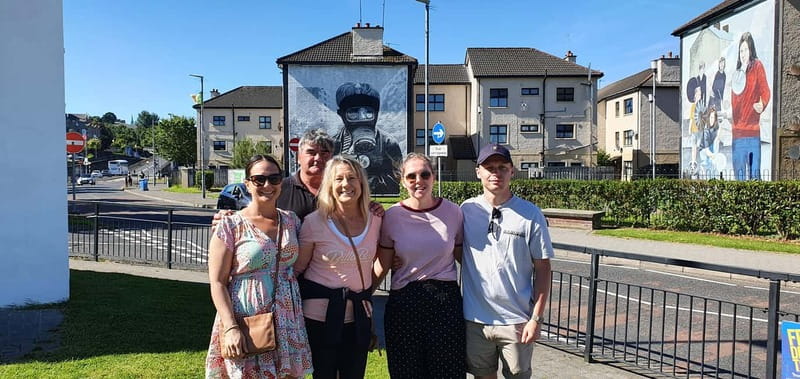
Yes, book it if you want the Bogside story told where it happened. The biggest reason is simple: you are not just looking at murals or reading about Bloody Sunday, you are standing in the right places while a guide connects them into a clear narrative from the start of the Troubles through the Peace Process.
Before you go, do one small thing to improve your experience: decide you are going to listen first. Take in the sites, then take photos. If you do that, the 1.5 hours goes faster than you expect, and it sticks longer than you might think.
FAQ
Where does the Troubles Bogside Walking Tour start and end?
The tour starts and ends outside the Free Derry Museum in the Bogside.
How long is the walking tour?
The duration is 1.5 hours.
Is the tour guided, and what language is it in?
Yes, it is a live tour with a guide, and it is listed as English.
How much does it cost?
The price is listed as $30 per person.
What will I see during the tour?
You will visit the Bloody Sunday massacre site area, see the Free Derry Wall for a photo, and explore the Bogside murals with guidance on the history behind each life-size mural. The tour also mentions visiting the Museum of Free Derry at the end.
Is the tour wheelchair accessible?
Yes, it is listed as wheelchair accessible.
Newest entries under Derry

Walking Tours, compared.

Magical London: Harry Potter Guided Walking Tour
Read our review →
University and City Walking Tour with Alumni Guide
Read our review →
Harry Potter Movies Walking Tour (Kids Go Free)
Read our review →
The Great British Rock and Roll Music Walking Tour
Read our review →
Harry Potter Walking Tour Including New College
Read our review →Browse the lists this tour appears in