

Reviewed · MUSEUMS
Warwick: British Motor Museum Entry Ticket
Step into motoring time travel. The British Motor Museum is built for people who like cars, and for people who thought they didn’t, because it tells the story of British motoring through rides down themed paths like the Time Road. You’ll see how cars shaped everyday life, not just how they look.
Two things I especially like: the museum’s Time Road keeps you moving through decades with period touches like music and memorable moments (including the introduction of double yellow lines), and the Collections Centre adds a behind-the-scenes layer that explains how vehicles are conserved for the future. It turns a car display into a living craft story.
One thing to consider before you go: if you plan to rely on tour narration, the museum spaces can be big, and the audio can be tricky in places, with some visitors finding it hard to hear.
In This Review
- Key things to know before you go
- Entering The British Motor Museum in Warwickshire
- What you’re paying for, and why it feels fair
- The world’s largest collection of historic British cars, up close
- The Time Road route: when cars track family life
- Making British Cars: industry power, not just styling
- Under The Skin: interactive car mechanics you can actually understand
- The Collections Centre: how historic cars are conserved
- Guided tours and volunteers: Trevor and the power of good storytelling
- Plan your day: how long to stay and how to pace it
- Café, shop, and family-friendly extras that actually help
- A quick reality check: things some fans will want you to know
- Who should book this British Motor Museum ticket?
- Should you book the British Motor Museum entry ticket?
- FAQ
- How much is the British Motor Museum entry ticket?
- How long should I plan for at the museum?
- Is the British Motor Museum wheelchair accessible?
- Is parking free?
- Are pets allowed in the museum?
- Is there a café on site?
Key things to know before you go
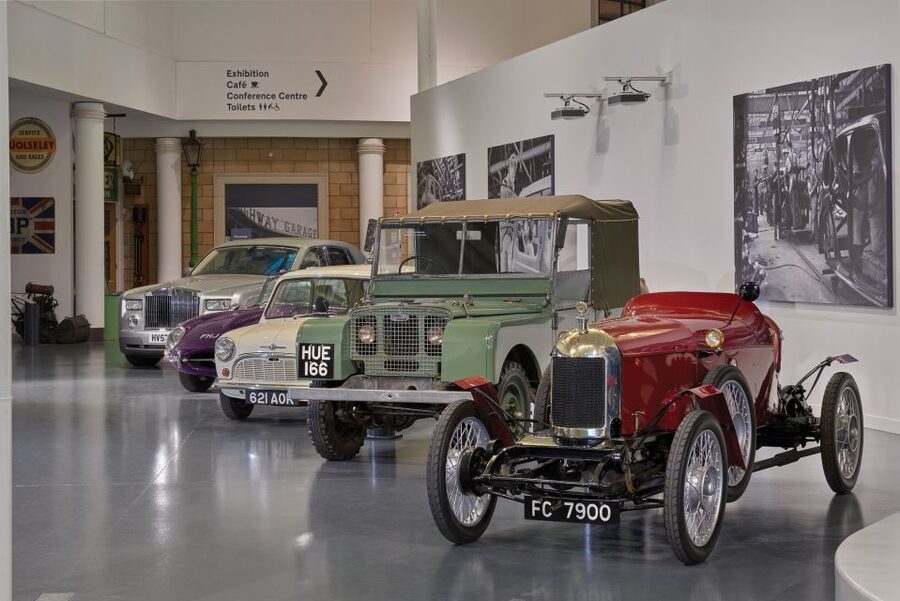
- Time Road connects motoring changes with family life, complete with period details
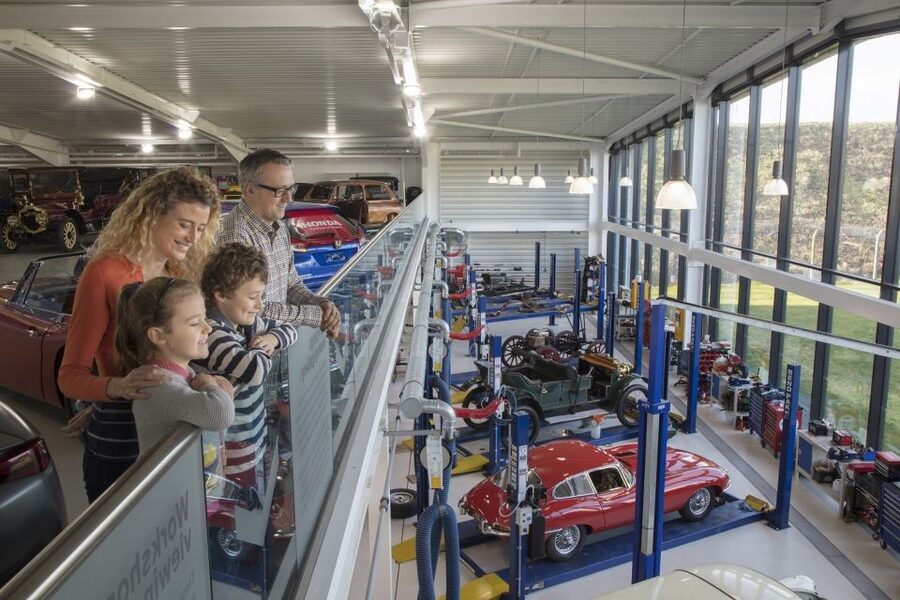
- Collections Centre gives you a look at how cars are conserved, not just displayed
- Under The Skin is hands-on, with explanations of how suspension and steering evolved
- Making British Cars puts industry, design, and the future of motoring into context
- Volunteer guides like Trevor can add extra color and clear up questions as you walk
Entering The British Motor Museum in Warwickshire

The British Motor Museum sits in Warwickshire, and it feels set up for a full, unhurried day. This isn’t a dusty warehouse where you breeze past labels. The buildings are described as high quality, and the layout is easy to maneuver, which matters if you’re using a wheelchair, mobility scooter, or just want to keep a steady pace.
If you’re arriving by car, you’ll appreciate the simple stuff: free parking is included, so you’re not doing mental math before you step inside. Inside, there’s also a shop, toilets, and an onsite café, which helps you avoid the classic museum problem of getting hungry halfway through and turning cranky.
What really changes the mood is the people factor. The museum has enthusiastic staff and volunteers, and many visitors highlight how happy they are to answer questions. If you’ve ever stood in front of a car wondering what you’re actually looking at, this is one of the places where your questions get real answers, not just a shrug.
More gallery rooms between showers:
- London: Chelsea Football Club Stadium and Museum Tour
★ 4.8 · 4,576 reviews - London: British Museum Guided Tour
★ 4.3 · 1,182 reviews - London: British Museum Guided Tour with Entrance Tickets
★ 4.9 · 748 reviews
What you’re paying for, and why it feels fair
The entry ticket is listed at about $24 per person, and the best way to judge value here is by what you get for that day. You’re not only buying access to 400 plus vehicles, you’re buying multiple themed routes, interactive exhibits, and a behind-the-scenes conservation look.
Plus, the museum includes family-friendly activities in your admission, along with an onsite play area. That’s a meaningful value boost if you’re visiting with kids or teens, because it gives them something to do without you feeling like you’re dragging them into your hobby.
On the “heads up” side, a couple of reviews mention pricing could feel steep during busy periods like the Christmas season, and the café can be a bit pricey depending on what you order. Still, the overall verdict is that the museum delivers a full day of content without feeling like you’re paying extra for every little thing.
The world’s largest collection of historic British cars, up close
The headline is big for a reason: the museum claims the world’s largest collection of historic British cars, with over 400 cars in the collection dating back to the 1890s. That range is more than a brag. It changes what you notice as you walk, because you’re comparing early design, mechanical thinking, and cultural needs across decades.
If you’re a car person, you’ll likely find yourself slowing down for specifics. Reviews mention enjoying everything from rare prototypes to one-off cars, and even “movie cars” that add a pop of pop culture to the displays. You can also feel the museum leaning into British marques and eras, including strong spots for brands like Jaguars and Vauxhalls, and noticeable presence of other well-known names.
If you’re not the “I know my carburetors” type, don’t worry. The museum labels and themed routes do a lot of the translation for you. The cars become evidence in a story about technology, family life, and the wider society that formed around motoring.
Practical tip: plan for walking time. One review mentions about 2.5 hours for a more steady walkthrough, while others put it closer to 4 to 5 hours if you stop and read and chat. If you like details, give it the longer window.
The Time Road route: when cars track family life
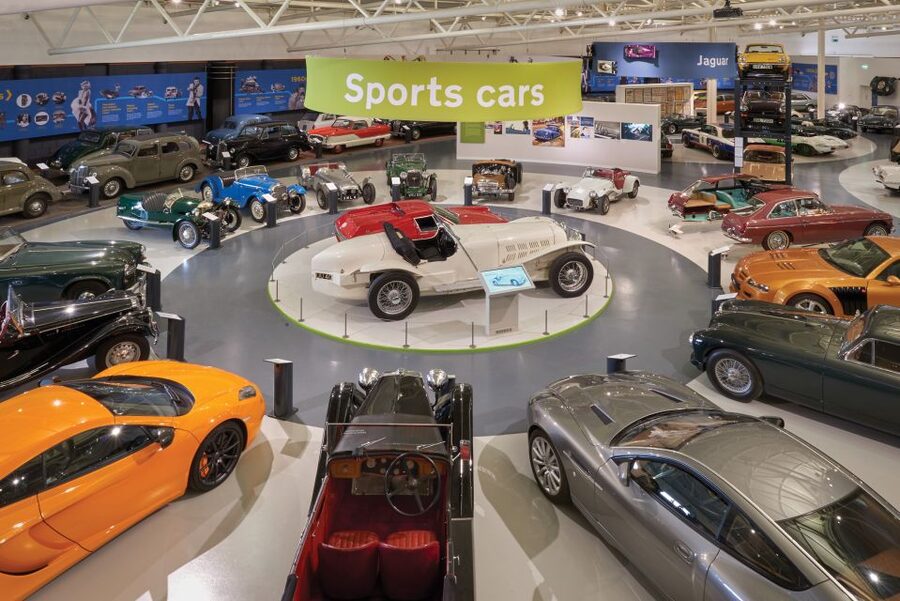
The Time Road is one of the museum’s strongest features because it links motoring history to real-life context. Instead of treating cars like isolated objects, it shows how motoring fit into everyday routines as decades changed.
You’ll notice period music woven into the experience, and you’ll see how certain public moments connect to driving and street life. A great example is the introduction of double yellow lines, called out as a memorable event on the route. That kind of detail makes the history feel less like dates on a wall and more like the world you actually lived in, or wish you had.
This route is also a smart choice if you’re going with mixed ages. Reviews point out that it gives something of interest for everyone, including kids and teens who might otherwise only glance at cars. The Time Road helps you keep momentum because it has a narrative shape, so you’re not wondering what to do next.
One thing to keep in mind: if you’re sensitive to heat or you’re visiting on a very warm day, you might want to build in short breaks. A review mentioned slower pace on hot days due to ventilation, so don’t schedule yourself too tightly.
Also inked in under London
- London: The London Eye Entry Ticket★ 4.6 · 35,875 reviews
- London: Tower Bridge Entry Ticket★ 4.7 · 15,560 reviews
- London: St Paul’s Cathedral Entry Ticket★ 4.7 · 9,813 reviews
- London: London Eye and Madame Tussauds Combo Ticket★ 4.7 · 7,428 reviews
Making British Cars: industry power, not just styling
After Time Road, the museum shifts gears into industry and production. The route called Making British Cars is where you see the motor industry as a force that shaped jobs, design choices, and what people expected from a car.
This section matters because it answers a quiet question most car fans have: why did cars change when they did? The museum’s approach is to connect the machines to the broader motor story, including where British car manufacturing has come from and where it is heading. That keeps the exhibits from feeling stuck in the past, even though you’re surrounded by vintage metal.
You’ll also see why some visitors come back. One review mentioned prototypes that never made production, which tells you the museum covers not only what became mainstream, but also what was tried and why it didn’t stick. That angle turns the museum from a catalog into a place where you can think about risk, engineering tradeoffs, and shifting consumer needs.
If you’re visiting with an older relative, this route can be extra satisfying because it connects cars to their living experience. Several reviews describe strong nostalgia when seeing vehicles that feel tied to family cars from the past.
Under The Skin: interactive car mechanics you can actually understand
If you’ve ever walked into a car museum and thought, Great, but how does it work, this is the section that helps. Under The Skin focuses on car functions through interactive exhibits, with a specific emphasis on mechanical evolution.
You can compare improvements in suspension over time, and you can learn how steering systems changed, including the difference between rack and pin steering and power steering. Even if you don’t know the terminology, the interactive approach makes it easier to grasp what changed and why that matters for driving feel.
This is also where the museum earns its “not just for car nerds” reputation. Mechanics can sound intimidating, but when you’re hands-on or at least guided through cause and effect, it becomes simple: better suspension means a smoother ride, steering changes affect control, and design tweaks reflect both technology and user needs.
If you’re traveling with teens, this is often the section that holds attention longer than you’d expect. A few reviews mention the museum being engaging even for people who weren’t sure they liked cars, and interactive elements like these are usually where that happens.
The Collections Centre: how historic cars are conserved
Here’s the twist that makes this museum feel different from a standard car showroom: the museum takes conservation seriously. The Collections Centre is described as a behind-the-scenes look at how vehicles are conserved for future generations.
That matters because preservation is a hidden skill, and most museums only show finished artifacts. Seeing conservation thinking in action helps you understand what goes into keeping old cars stable, protected, and safe from the slow damage of time.
If you love the idea of restoration, you’ll likely appreciate the visitor reports about talking with volunteers working in refurbishment areas. Those conversations can add a practical layer to the experience, including why certain materials and storage conditions matter.
A detail worth planning around: if you really want the conservation angle, don’t rush. You’re learning a process, not just reading a label. Give yourself time to observe and ask questions, especially if a volunteer is available.
Guided tours and volunteers: Trevor and the power of good storytelling
One of the most consistently praised parts of the museum experience is the guidance. Reviews call the guided tours brilliant, and they specifically mention volunteers as guides with real enthusiasm.
There’s at least one named guide mentioned in the feedback: Trevor. One visitor booked a partner’s birthday trip and highlighted Trevor as lovely, with the kind of explanation that adds context to the development of cars. That’s the biggest advantage of a volunteer-led approach, the stories are tied to what the cars mean to the people who care for them.
You can use the guided tour best if you treat it like a question-and-answer session. If you care about a particular era or brand, listen for clues in the narration, then look back at the cars with fresh eyes. Even without a tour, staff and volunteers are repeatedly described as knowledgeable and happy to chat, so you can still get context.
One balancing note: a few reviews mention that acoustics in a large room can make it hard to hear amplified sound. If you know you struggle with audio in big spaces, sit closer when you can, and consider asking the guide questions directly when the group moves.
Plan your day: how long to stay and how to pace it
This is a one-day ticket, and the museum itself is set up for flexible pacing. Reviews give a useful range: some people spend around 2.5 hours for a steady walkthrough, while others take 4 to 5 hours, especially if they’re reading signage, examining details, and chatting with volunteers.
I suggest you choose your pace up front:
- If you’re short on time, focus on the themed routes first, then do a second pass around the cars you liked most
- If you want a calmer experience, start with Time Road, then Under The Skin, then let the Collections Centre become your slow finale
Also, plan around temperature. One review mentioned hot days and a need for better circulation, which slowed their pace. That’s a reminder that your body sets the schedule if you get overheated.
Finally, don’t underestimate how satisfying it can be to simply talk to volunteers. Multiple reviews highlight friendly, helpful staff and volunteers, plus clean, accessible spaces and lifts. That means you can slow down without feeling like you’re holding everyone up.
Café, shop, and family-friendly extras that actually help
You’ll find an onsite café serving hot and cold meals and snacks. Several reviews describe it as good and accessible, and others call out that the café is a solid stop during a long visit. One small caution is cost. At least one review says the café can be pricey, and another notes overall pricing during Christmas season felt high, even if the day was enjoyable.
But beyond food, the onsite perk that improves the family experience is the play area and children’s activities included with admission. Reviews mention push-along cars for kids, and a general sense that children have something to do besides just staring at vintage metal.
There’s also a shop, plus toilets, which sounds basic until you’re halfway through a museum day and decide you don’t want to leave. This is one of those places where the practical amenities make your visit smoother.
For accessibility, reviews are strong. The site is described as incredibly accessible with easy maneuvering around displays, lifts, and good signage. If you’re traveling with a mobility scooter, plan an easy route and enjoy the fact that you’re not fighting stairs.
A quick reality check: things some fans will want you to know
No museum is perfect, and this one has a few points worth thinking about.
First, there’s mention that the 4×4 track has gone and karting is not there anymore. If you’re expecting a big outdoor add-on, you might be disappointed, so focus on the cars and indoor exhibits.
Second, audio can be an issue in larger spaces. If your hearing isn’t great in echoey rooms, plan to move closer to speakers, or rely more on reading and direct conversations with guides.
Third, brand expectations can vary. One review was disappointed that Triumph cars were not on display. That’s a good reminder: if you have one specific marque you’re chasing, it’s worth checking ahead of time what’s currently featured in the collection on your date.
Who should book this British Motor Museum ticket?
This ticket suits a surprising range of people.
Car enthusiasts will love the sheer scale: 400 plus cars, rare prototypes, and the chance to see how steering and suspension evolved from earlier engineering ideas to modern setups. You’ll also get a lot from the way the museum connects prototypes and one-offs to broader British industry trends.
Non-car people might still have a good day because the museum uses themed routes like Time Road and interactive sections like Under The Skin. One review even described it as engaging for someone who isn’t normally interested in cars.
Families should feel comfortable too. Kids and teens get included activities and an onsite play area, and reviews specifically mention enjoying different interests across ages. If you’re traveling with an elderly parent, the accessible layout and lifts help a lot.
If you want pure speed, you might find the museum is too much to sprint through. If you enjoy reading, comparing, and stopping to ask why things changed, you’re in the right place.
Should you book the British Motor Museum entry ticket?
Yes, I’d book it if you want a full day of hands-on learning and real car stories in Warwickshire. The biggest reasons are the themed routes, the interactive Under The Skin section, and the behind-the-scenes Collections Centre conservation angle, plus the consistently praised volunteer-led guidance.
I’d think twice only if you’re expecting lots of outdoor attractions like track activities, or if you know you struggle with hearing in large rooms and would rather have a quiet, guided experience with tight audio.
If you’re curious about British car culture, or you want a family day that doesn’t feel like babysitting, this is a strong bet.
FAQ
How much is the British Motor Museum entry ticket?
The price is listed as $24 per person.
How long should I plan for at the museum?
The experience is described as valid for 1 day. Visitors’ walkthrough times vary, with some spending around 2.5 hours and others taking closer to 4 to 5 hours.
Is the British Motor Museum wheelchair accessible?
Yes. The attraction is wheelchair accessible, and the site is reported to be easy to maneuver, including for people using mobility scooters.
Is parking free?
Yes. Free parking is included.
Are pets allowed in the museum?
Pets are not allowed, but assistance dogs are allowed.
Is there a café on site?
Yes. There is an onsite café serving hot and cold meals and snacks.
Newest entries under London






Museums, compared.

Tower of London and Crown Jewels Exhibition Ticket
Read our review →
Liverpool Football Club Museum and Stadium Tour
Read our review →
Chelsea Football Club Stadium and Museum Tour
Read our review →



British Museum Guided Tour with Entrance Tickets
Read our review →Browse the lists this tour appears in