
Reviewed · WALKING TOURS
Walking tour: Covent Garden; ghosts and theaters with a final tarot card
Ghosts and tarot, right in Covent Garden. This 2-hour walk ties together Freud and Victorian spiritualism, then sends you past London’s most haunted theater for stories that feel strange in the best way.
I really like how the pacing is simple and human, with short stops where you can look, listen, and take in the details you’d normally miss. One thing to keep in mind though: it’s mostly outdoors with no real break, so weather matters, and you’ll want comfortable shoes.
In This Review
- Key things to look forward to
- Starting at Abuelo, then walking into Covent Garden’s “on-stage” mood
- What the price really buys
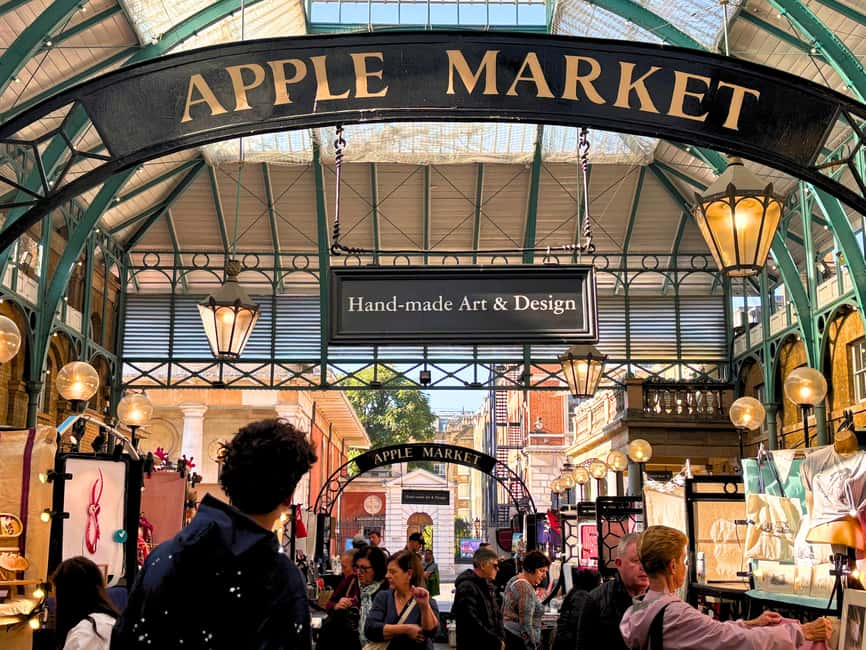
- Covent Garden Piazza: architecture, market life, and that hidden cemetery
- Practical tip for this stop
- Theatre Royal Drury Lane: ghosts, lovers of the king, and the Freud link
- A possible drawback to know up front
- Royal Opera House area: fire, illusion, glamour, and a coffee moment
- Cecil Court and the Victorian puppet shop: shopping streets with a strange smile
- How to use the shopping time well
- The secret stop and Covent Garden Station: more stories between the landmarks
- St Paul’s Church, the actors’ church, and the ghostly garden
- Watkins Books ending, plus your optional tarot card reflection
- Who this Covent Garden ghost and tarot walk is for
- Should you book this tour?
- FAQ
- How long is the Covent Garden ghosts and tarot walking tour?
- What does the tour cost?
- Where do I meet the guide?
- What language is the live guide?
- Is the tour walking only?
- Is there a break during the tour?
- What should I wear and bring?
- Does the tour include theater entrance fees?
- Is the tarot card reading real divination?
- Are there refreshments allowed during the tour?
Key things to look forward to
- Freud meets Victorian spiritualism: you’ll hear how ideas about mind and séance culture overlapped in the 1800s.
- Theatre Royal Drury Lane ghost stories: London theater lore, including romantic and eerie tales connected to the building.
- A final tarot card reflection: optional, symbolic, and designed for personal thinking, not fortune-telling.
- Cecil Court and a Victorian puppet shop stop: a classic pocket of London that adds whimsy and shops to the walk.
- The oldest hidden cemetery in the square: a quick lesson in how the city layered over itself.
- Watkins Books at the end: an esoteric bookstore where tarot and forbidden-leaning reading still has a place.
Starting at Abuelo, then walking into Covent Garden’s “on-stage” mood
You meet at Abuelo, and the guide will be easy to spot with a yellow umbrella open. From the first minute, the vibe is theatrical. Covent Garden can look like a shopping and show district now, but you’re being guided through its older identity, when voices, vendors, and character types turned the area into a noisy everyday stage.
This tour works best if you like atmosphere and stories, not if you want museum-style facts only. It’s also in Italian with some content in the original language, so plan to enjoy the journey through the guide’s storytelling rhythm. If you speak basic Italian, great. If you don’t, you can still follow along with the landmarks, the questions, and the mood.
The route is entirely on foot. That matters because you’ll actually see the architectural mix in real time, not just photos of it. You get frequent short viewing breaks, typically around 10 minutes at a few key spots, plus a longer pause at the opera and ballet area.
More Guided Walking Tours in London
- Magical London: Harry Potter Guided Walking Tour
★ 4.7 · 22,044 reviews - London: The Original Jack the Ripper Walking Tour
★ 4.7 · 7,833 reviews - London: Harry Potter Movies Walking Tour (Kids Go Free)
★ 4.7 · 3,071 reviews
What the price really buys
At $20 per person, you’re paying for a guided storytelling experience, not attraction tickets. You’re also getting a light interactive format: a historical bingo with a mini-prize and a mystery question during the walk. Those small games are useful, because they keep attention up without turning it into a classroom.
You should also know theater entrance fees are not included, and the stops are outside visits. So think of this as the dramatic backstory around the buildings, with you as the audience.
Covent Garden Piazza: architecture, market life, and that hidden cemetery
Your first real “wow” moment is the Covent Garden Piazza area. The square is the natural center of it all, and the guide uses it to set the theme: this place has been a crowd magnet for a long time.
Here’s what I’d highlight for you: you’re not only looking at pretty buildings. You’re being walked through the idea that the square used to function as a market, with incredible voices and characters. That context helps the stories make more sense later on, because theater people and spiritualist thinkers didn’t emerge from thin air. They came from the same London street culture that traded news, gossip, and belief.
One of the most memorable themes is the old hidden cemetery under the square. The tour frames it as the oldest hidden cemetery in the square, and even if you don’t catch every detail, you’ll leave with a clearer sense of how London stacks time on top of time. Streets move. Buildings rise. And the city keeps its secrets in the layers below.
Practical tip for this stop
Stand where you can see the facades clearly, then step back for a second to take in the whole piazza view. The stories land better when you can compare angles, entrances, and what would have been visible long ago.
More British streets at boot pace:
- London: The Great British Rock and Roll Music Walking Tour★ 4.9 · 1,783 reviews
- London: Harry Potter Walking Tour in German★ 4.8 · 1,505 reviews
- London: Jack the Ripper Evening Walking Tour★ 4.9 · 1,449 reviews
- London: Street Art and Graffiti Guided Walking Tour★ 4.9 · 1,354 reviews
Theatre Royal Drury Lane: ghosts, lovers of the king, and the Freud link
Next comes Theatre Royal, Drury Lane. This is the heart of the “ghost tour” feel. The tour presents it as London’s most haunted theater, full of ghosts and lovers of the king. Even if you’re skeptical, the guide’s job is to help you see how theater buildings accumulate reputation over centuries. When you stand in the right spot outside, you can almost understand why people kept returning with fear and fascination.
This is also where the tour makes a smart intellectual move: it connects the area to the link between Freud and Victorian spiritualism. The key idea is not that the tour turns Freud into a séance entertainer. It’s more like this: during the Victorian era, spiritualism was a serious cultural force, and ideas about the mind were rapidly changing. So you get a story-world where questions about consciousness, unseen forces, and performance all touch each other.
That is a great pairing for Drury Lane, because theater itself is a kind of belief machine. People go in looking for the unseen, for emotion, for illusion that feels real. Then you get the Victorian layer, where spiritual explanations competed with rational ones.
A possible drawback to know up front
If you’re expecting jump-scare horror or heavy gore, this is not that. You’ll hear about prostitution references, ghosts, superstitions, and death at some points. The tour says nothing is gory. Still, it’s good to know the tone is darker than a typical sightseeing walk.
Royal Opera House area: fire, illusion, glamour, and a coffee moment
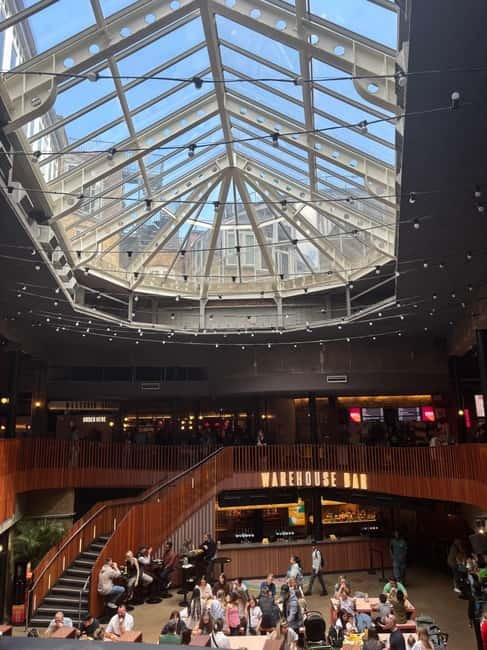
Then you shift toward the Royal Opera and ballet zone. The tour includes a pause here, with break time built in, even though the overall tour notes mention no real break. Translation for your day: you might get a short stretch of time, but don’t expect a full sit-down reset like you’d get on longer half-day tours.
At this stop, the storytelling focuses on how fires and illusions shaped the Opera House story, moving from destruction and spectacle into glamor. You’ll also hear about getting a good coffee nearby. That’s not a random add-on. It’s practical, because this portion is where you’ll probably want a drink and a brief breather before continuing.
What makes this stop valuable is the contrast. Earlier, you’re dealing with market life and hidden cemetery layers. Now you’re looking at how major performance institutions survived major setbacks, and how they became masters of illusion.
If you’re traveling with kids around 12 to 14, this part often helps, because it feels less gloomy and more like “look at the building, imagine the show.” (The overall tour is still story-heavy.)
Cecil Court and the Victorian puppet shop: shopping streets with a strange smile
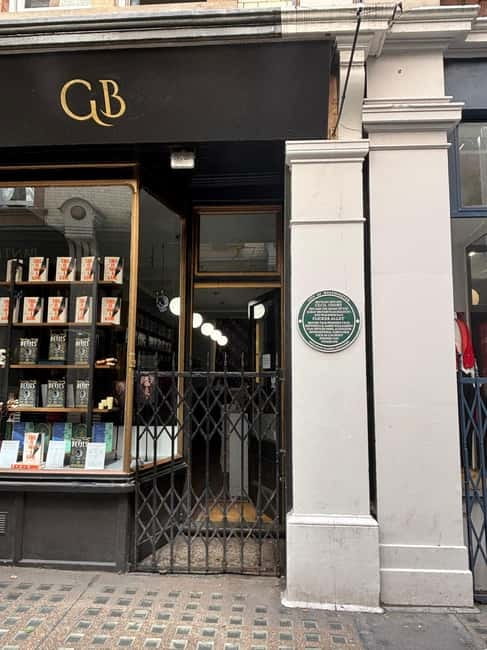
From the opera area you move to Cecil Court, a lane that already feels like a secret even when you’re standing in it. The tour treats this as a shopping and free-time stretch, with about 20 minutes here. You get a chance to slow down, browse, and take the pace down a notch.
A highlight is the Victorian puppet shop stop. Puppet stories are a perfect fit for this tour’s theme: performance without the full body, characters created through illusion, and the idea that small figures can still tell big truths. If you like eerie fun rather than scary fun, this is where the tour does it best.
Cecil Court is also useful because it breaks the pattern of only big landmarks. You get a smaller scale London feel, and you’re reminded that esoteric interests, curiosities, and theater culture often lived side by side.
How to use the shopping time well
Set a quick goal before you step into shops. For example, plan to buy one small item related to tarot, theater, or books. Then you’re not stuck deciding for 20 minutes, wondering if you missed something.
The secret stop and Covent Garden Station: more stories between the landmarks
After Cecil Court, there’s a secret stop with guided storytelling. Since the exact location isn’t spelled out in the basic outline, treat it as part of the fun. This kind of surprise works best when you keep your senses open, because you’ll likely get a story connected to what you can see right there.
Then the tour continues toward Covent Garden Station for stories of greedy ghosts. That phrase alone sets expectations: this isn’t just about spooky atmosphere. It’s about motivation, greed, and human behavior wrapped in legend.
If you’ve ever wondered why ghost stories stay popular, here’s your answer: they’re human warnings in costume. People hear a warning story, then remember it when they’re tired, stressed, or curious.
St Paul’s Church, the actors’ church, and the ghostly garden
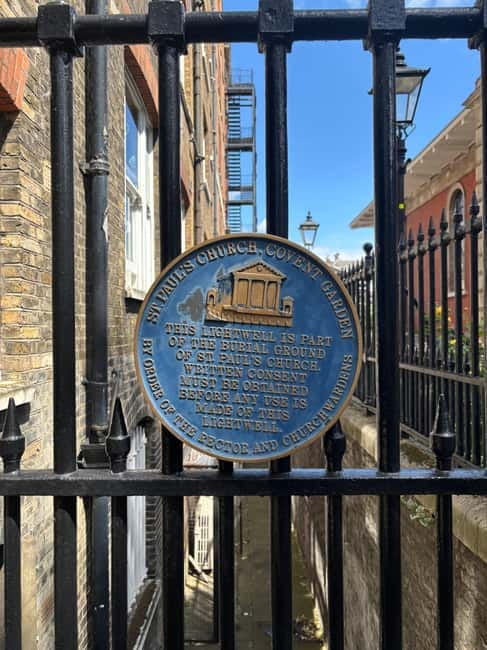
St Paul’s Church is known as the actors’ church. That label matters, because it signals why performers would have cared about a particular church in the first place, and why theater people might have developed rituals, superstitions, and stories around it.
The tour includes the church and its ghostly garden. Even if you don’t count yourself as religious, you’ll probably appreciate this as a cultural node. London churches aren’t only for worship. They’re also where communities, trades, and creative people formed identity.
This part of the tour is a nice tonal shift. You go from theater and city stories into something quieter and more symbolic. It also works as a bridge to the ending, because the final stop is about esoteric thinking and reflection.
Watkins Books ending, plus your optional tarot card reflection
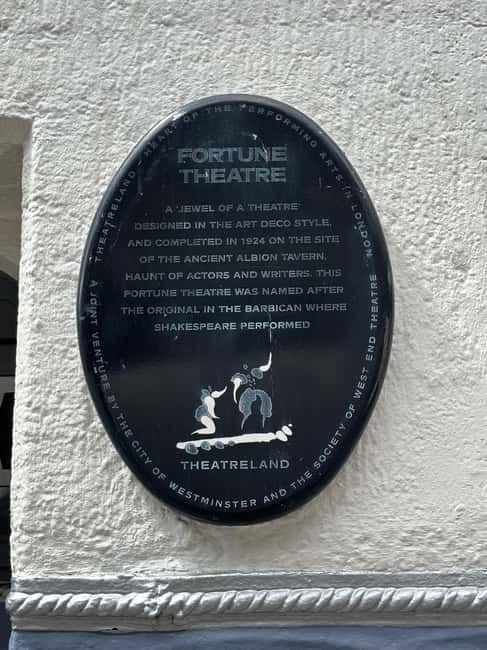
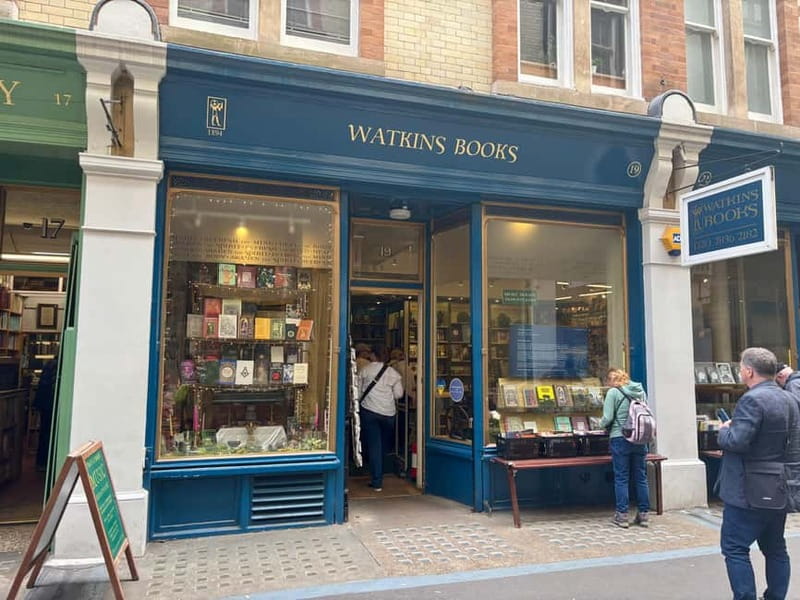
You wrap up among the shelves of Watkins Books, described as the oldest esoteric bookstore in London. That ending is a strong move. It brings the supernatural theme back down into something tangible: books you can hold, tarot you can buy, and curiosity that still has a public place.
The tour notes that Watkins Books sells tarot cards, forbidden texts, and a little bit of dreams. Whether you buy anything or not, you’ll understand why a place like this belongs in a ghost and tarot walking tour. It’s not just about fear. It’s about belief systems, questions, and the human habit of trying to interpret what we cannot fully explain.
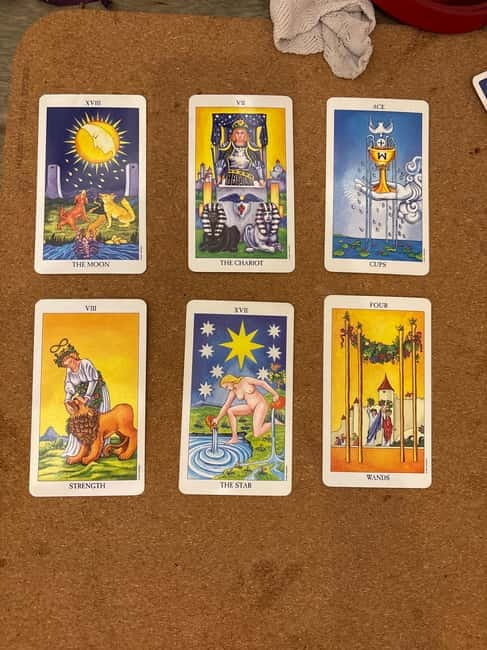
There’s also the optional final moment where you can draw a tarot card for a personalized reflection. Important detail: the tarot moment is symbolic and reflective, not divination. So you can treat it like a thinking prompt, like journaling, but with imagery.
If you get value out of self-reflection tied to stories, this part will land well. If you don’t care about tarot at all, you can still enjoy the bookstore atmosphere and the final guided wrap-up.
Who this Covent Garden ghost and tarot walk is for
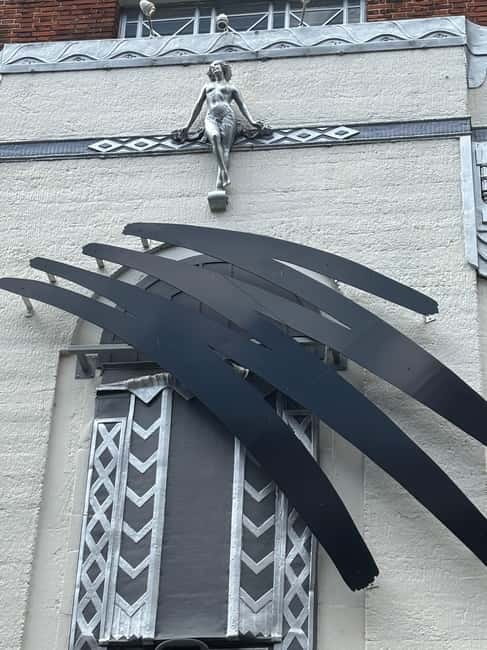
This tour fits best if you like:
- Story-based walking tours with outdoor landmark stops
- Theater culture, including the darker folklore side of it
- People-watching energy, but with structured pacing
- A light interactive twist like historical bingo and a mini-prize
It’s less ideal if you want quiet, minimal talking, or if you’re hunting for indoor attractions and paid ticket sights. Also, because you’re outside most of the time and there’s no full break, it’s smarter to go when weather is reasonable.
It can be family-friendly in spirit. The tour even works for families with kids, because the guide’s enthusiasm and the nonstop attention to landmarks and characters keep younger minds engaged.
Should you book this tour?
I’d book it if you want a different Covent Garden experience, one that mixes culture, psychology-flavored Victorian ideas, theater ghosts, and an ending in a real esoteric bookstore. At $20 for a 2-hour, guided, story-heavy walk with an interactive bingo, it’s strong value, especially since outside visits mean you are not paying separate theater entrance fees.
I would skip it if you hate spooky themes, don’t like outdoor walking without a true rest stop, or you need strict quiet and minimal content. Also, if you’re expecting actual ticketed access inside major venues, this isn’t that kind of tour.
If you like imagination with boundaries, this is a fun, well-paced way to see Covent Garden with your mind switched on.
FAQ
How long is the Covent Garden ghosts and tarot walking tour?
The tour lasts about 2 hours.
What does the tour cost?
It’s $20 per person.
Where do I meet the guide?
Meet in front of the Abuelo café, and look for the guide with a yellow umbrella open.
What language is the live guide?
The tour guide speaks Italian, and some content may be shown in its original language.
Is the tour walking only?
Yes, it is entirely on foot.
Is there a break during the tour?
The tour notes say there is no break, but there is also a break time included at the Royal Ballet and Opera stop. Plan for a short pause, not a long sit-down break.
What should I wear and bring?
Wear comfortable shoes. The tour is outdoors most of the time, so check the weather.
Does the tour include theater entrance fees?
No. Theater entrance fees are not included.
Is the tarot card reading real divination?
No. The tarot card moment is symbolic and reflective, not divination.
Are there refreshments allowed during the tour?
Food and drinks, alcohol, and drugs are not allowed.
Newest entries under London






Walking Tours, compared.
Magical London: Harry Potter Guided Walking Tour
Read our review →

University and City Walking Tour with Alumni Guide
Read our review →
Harry Potter Movies Walking Tour (Kids Go Free)
Read our review →
The Great British Rock and Roll Music Walking Tour
Read our review →
Harry Potter Walking Tour Including New College
Read our review →Browse the lists this tour appears in