
Reviewed · WALKING TOURS
The Old City of London – Guided Walking Tour 12 guests 2,5h
London’s timeline starts here. In 2.5 hours you get the Roman wall story and the Temple Church stop that links to The Da Vinci Code. I love how the walk moves forward in time instead of listing landmarks. The only drawback is it is a steady, all-weather walk, and a few places may be viewable mainly from the outside.
What makes the tour land is the human touch. A guide named Colin shows up in feedback for telling the City story from different angles, and that matters when you are trying to keep 2,000 years straight.
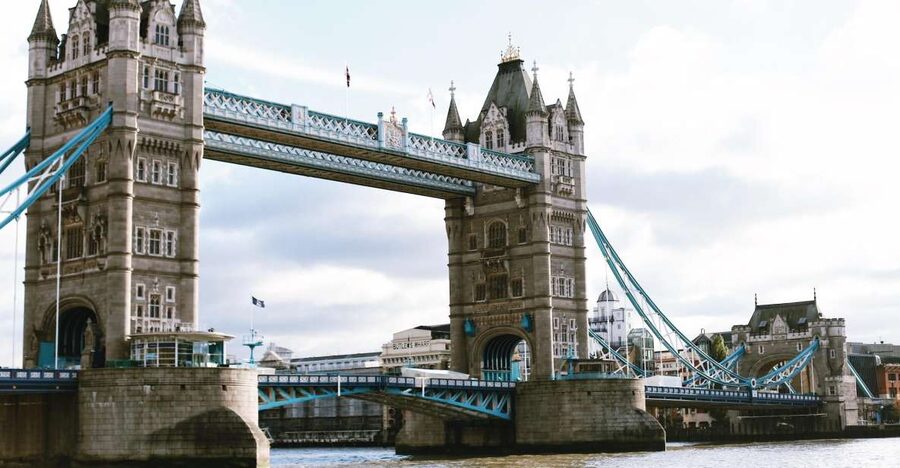
You also get a nice “old meets new” arc. The route links the Monument for the Great Fire of London, the domed St Paul’s Cathedral, and then the Thames with a look at Tower Bridge and the newer Millennium Bridge. You’ll still want comfortable shoes because the walking is moderate and the group is small, not a sit-down tour.
In This Review
- Key points to know before you go
- Roman Wall Remnants and the Temple Church stop that feels like movie history
- St Paul’s Cathedral plus St Mary-le-Bow: City worship you can actually see
- Guildhall, the Bank of England, and the Monument to the Great Fire
- Thames River walk, Tower Bridge views, and how Millennium Bridge changes the story
- Tower of London: the medieval finale that ties the whole walk together
- Price and group size: is $61 for 2.5 hours good value?
- Practical tips to enjoy the Old City walk, rain or shine
- Should you book this Old City of London walking tour?
- FAQ
- How long is the Old City of London guided walking tour?
- Where does the tour start?
- What is included in the ticket price?
- What do I need to bring?
- Are large bags or luggage allowed?
- Does the tour run in bad weather?
- Can I cancel and get a refund?
Key points to know before you go
- Roman London to the Tower of London in one walk with a clear time line through major eras
- Temple Church and The Da Vinci Code era connections that make the setting feel cinematic
- Great Fire of London context at the Monument so the story has real place behind it
- Thames bridge comparison that connects Tower Bridge to the more recent Millennium Bridge
- Major City landmarks in a tight 2.5-hour loop, from St Paul’s to Bank and Guildhall
- A small group feel, with a professional local guide and plenty of chances to ask questions
Roman Wall Remnants and the Temple Church stop that feels like movie history
This is the kind of London tour that helps you read the city like a timeline. Early on, you focus on Roman London and the fortified settlement theme, including the wall built in 220 AD and what that legacy means for what you see today. Even if you are not a “Roman person,” this works because you’re not just looking at rubble, you are learning why the area held power and how later London grew around it.
Then you hit Temple Church, one of the stops where the tour’s personality shows. You do a photo stop and a guided visit, with a setup that connects the setting to The Da Vinci Code scenes. The church is tied to the Knights Templar as a former headquarters, and the guide’s job is to turn that into something you can picture, not just a name on a plaque.
After that, you roll to St Bride’s Church for another short, guided pause. This is the kind of stop that works best when you keep your expectations simple. You’re not trying to “complete” the entire church inside and out. Instead, you use it as a moment to recalibrate, catch architecture details, and keep the walking story moving.
Why this matters for your first-time London visit: Roman sites and medieval religious sites can feel like separate worlds. In this tour, they are part of one continuous geography. You start understanding why the City’s center kept its importance, even when the eras changed.
One practical note: some of the places you’ll approach may not be accessible from the inside due to security measures. That does not kill the experience, but it does mean you should plan on exterior viewing and guided explanations rather than expecting a full interior tour at every stop.
More Guided Walking Tours in London
- Magical London: Harry Potter Guided Walking Tour
★ 4.7 · 22,044 reviews - London: The Original Jack the Ripper Walking Tour
★ 4.7 · 7,833 reviews - London: Harry Potter Movies Walking Tour (Kids Go Free)
★ 4.7 · 3,071 reviews
St Paul’s Cathedral plus St Mary-le-Bow: City worship you can actually see
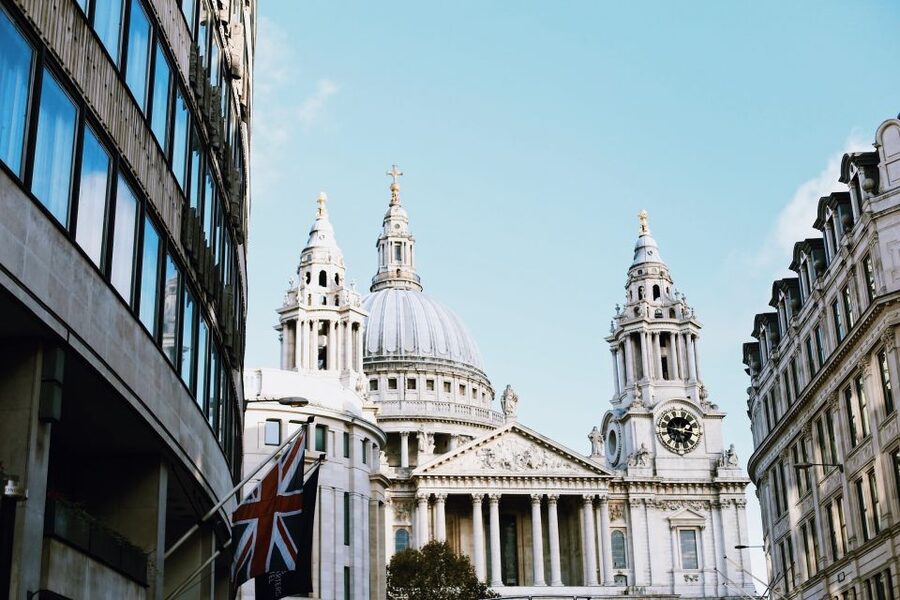
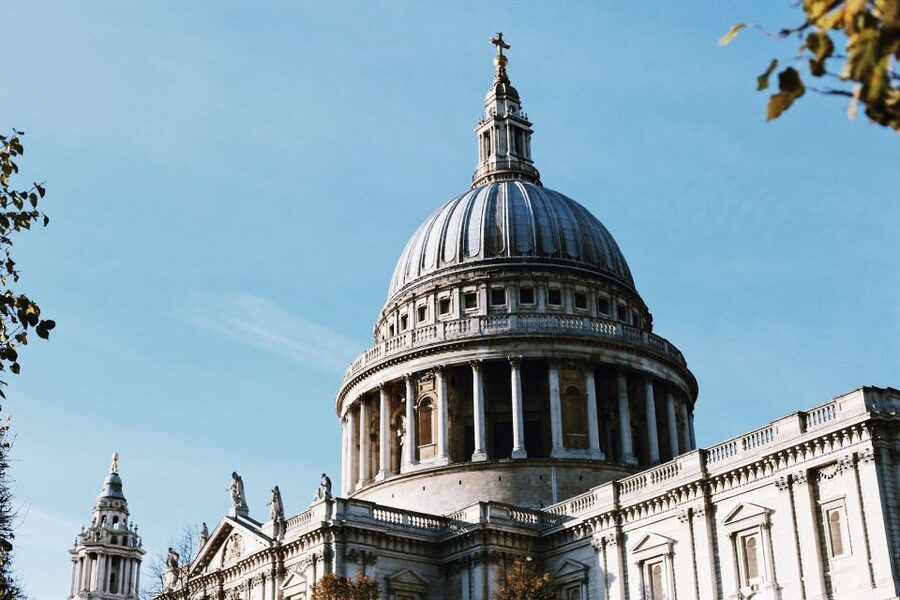
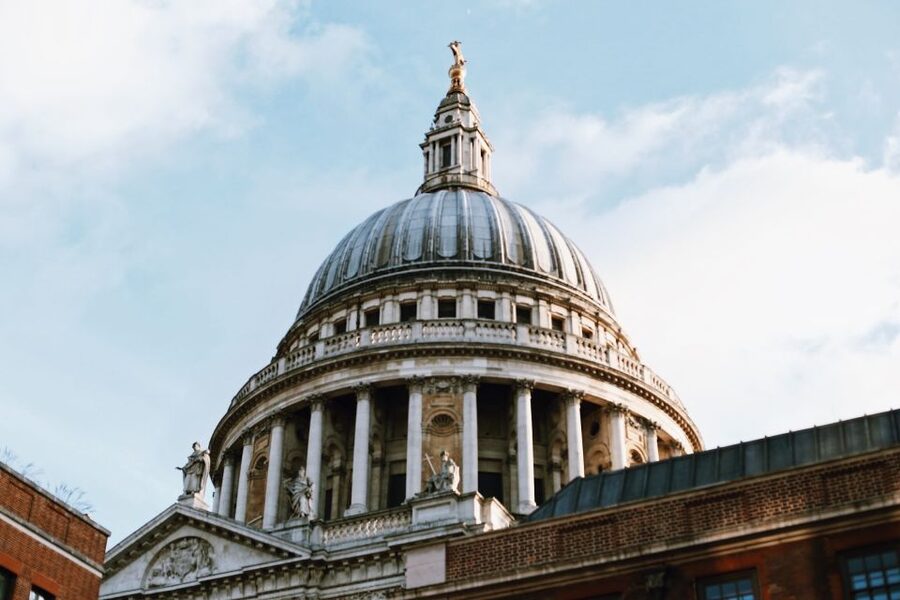
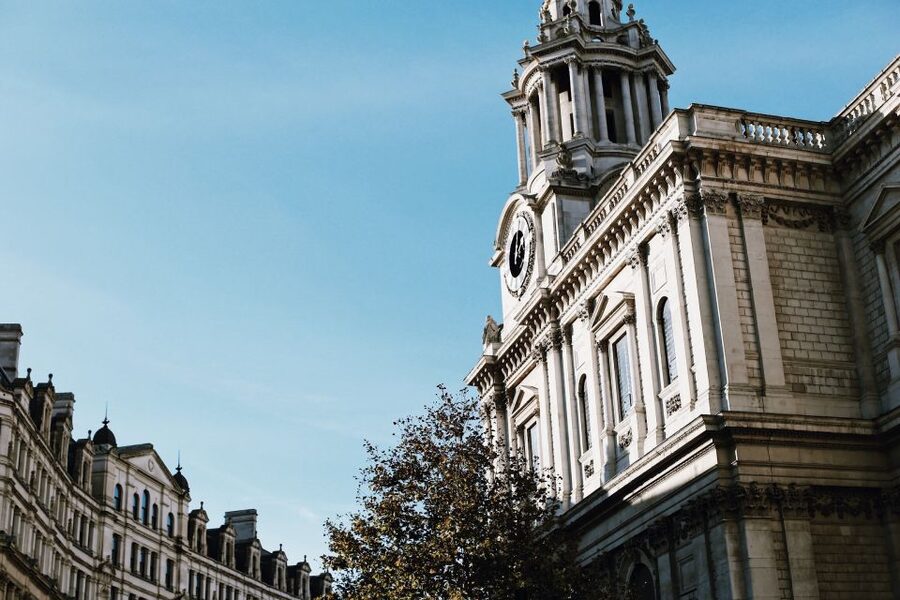
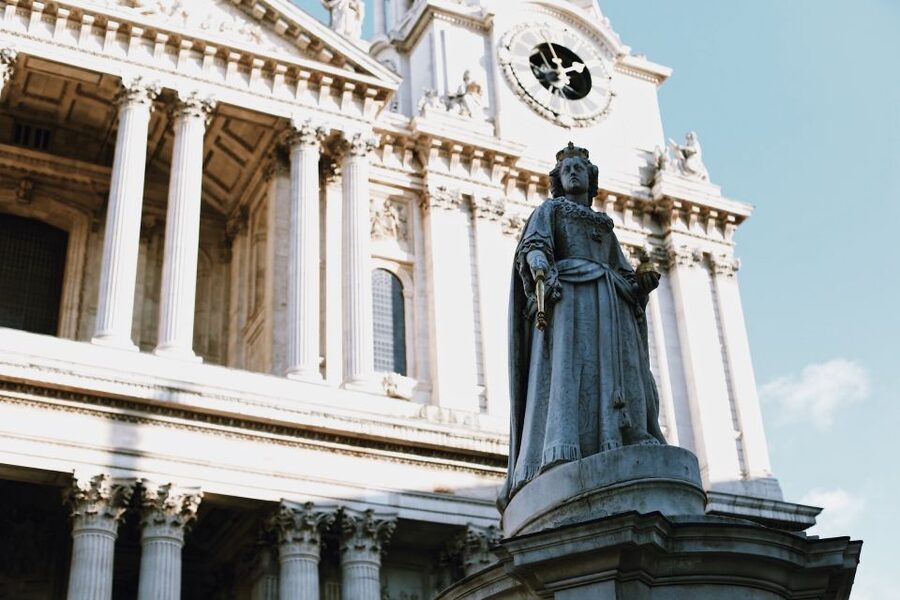
Next comes St Paul’s Cathedral, and this is where the skyline start feeling “real” again. The tour frames St Paul’s as the magnificent domed cathedral with a memorable human story attached, including that it was the wedding hall for Charles and Princess Diana in 1981. That’s a detail worth holding onto because it pulls the monument out of the category of “big building” and drops it into modern life.
Expect a photo stop and a guided look. The stop is quick by design, because the tour is only about 2.5 hours. The win here is that you are not stuck in one spot. Instead, you see how St Paul’s sits at the center of the City’s identity, then you keep moving while the guide connects the dots.
St Mary-le-Bow Church follows as another short guided stop. Again, this is a “look and learn” moment, not a long exploration. The route keeps it efficient, but you still get enough time to absorb why the City’s churches matter in the broader story of London’s civic life.
What you can do to get the most out of these stops: stand back first, then listen. If you rush in for photos right away, you might miss the guide’s explanation about why the building’s presence matters in this part of London. A few minutes of attention here makes the later stops click, especially once you reach the City institutions and the Great Fire memorial.
Guildhall, the Bank of England, and the Monument to the Great Fire
As you move deeper into the City district, the tour naturally shifts from religious and Roman foundations toward governance and money. You’ll stop at Guildhall, then at the Bank of England. These are huge names, but the value on a walking tour is context. You get a guided tour style that helps you see how these institutions fit into the same streets that once carried the earlier power of Rome and the later political weight of medieval London.
Then comes the Monument to the Great Fire of London. This is one of the best stops for connecting history to place. The tour specifically frames it as standing in the shadow of the Great Fire memory, dedicated to what happened in London and why that event changed how the city rebuilt.
If you love history, this stop can be emotionally satisfying because it turns a famous disaster into something you can physically orient yourself around. You stand near the landmark, then the guide connects it back to what you’ve already learned about the City’s endurance. It also helps you understand why later London could rebuild into something that still feels layered, not erased.
Timing helps here too. By the time you reach the Monument, you’ve already covered enough stops to understand what “London over time” means. If you only started at Tower of London, the Big Picture would be harder. Starting with Roman and medieval cues sets you up so the Great Fire stop feels like a turning point instead of another random landmark.
There’s also an extra photo stop in the middle of the route. The tour includes a couple of short, guided moments that keep the pacing light and give you breaks in between the heavier landmarks. Treat these as your “photo and reset” intervals. You’ll see how the guide uses them to keep you positioned for the Thames portion next.
Thames River walk, Tower Bridge views, and how Millennium Bridge changes the story
Once you’re ready for the river, the tour shifts gears. You’ll stroll along the Thames and get help planning your route out of the City. That practical side is underrated. London streets can feel like a maze when you’re tired. Having a guide show how the next leg fits your day can save you time and frustration later.
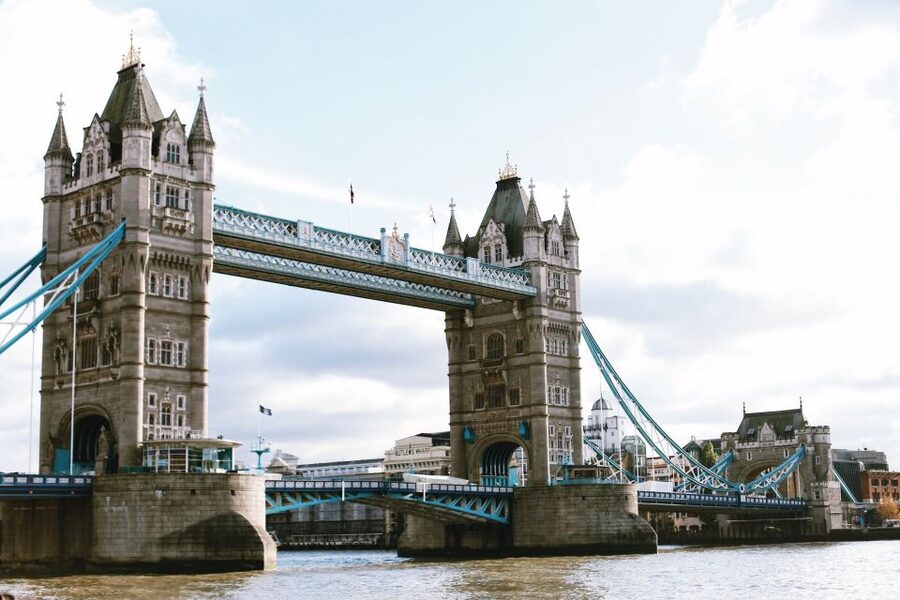
This is also where the tour’s “old meets new” idea becomes more than a slogan. You learn about Tower Bridge, then you also compare it to the Millennium Bridge, the more recent crossing nearby. The contrast is useful because it teaches you what to notice when you look at architecture across different periods. Tower Bridge is tied to the older, iconic city image. Millennium Bridge gives you a look at London’s later, modern approach.
In the itinerary, you’ll see Tower Bridge as a key photo stop with a guided tour element, then another quick photo stop afterward before arriving at the Tower of London. Those brief pauses matter because they keep the walking manageable while you reposition for the final medieval power stop.
How to make the most of the bridge section:
- Bring water and keep it handy so you do not lose energy right before the Tower.
- Take a second photo from a slightly different angle if the guide points out sight lines. On the Thames, small changes in position help you capture the way bridges connect the city layout.
And if the weather is rough, the route being outdoors matters. The tour operates in all weather conditions, so pack for wind and rain. An umbrella helps, and a hat in summer keeps you comfortable enough to keep listening, not just surviving.
More British streets at boot pace:
- London: The Great British Rock and Roll Music Walking Tour★ 4.9 · 1,783 reviews
- London: Harry Potter Walking Tour in German★ 4.8 · 1,505 reviews
- London: Jack the Ripper Evening Walking Tour★ 4.9 · 1,449 reviews
- London: Street Art and Graffiti Guided Walking Tour★ 4.9 · 1,354 reviews
Tower of London: the medieval finale that ties the whole walk together
You end with the iconic Tower of London. The tour frames it as the place that rose over the City in medieval times, which is the perfect final note after Roman, then medieval, then civic institutions, then the Great Fire memory. By the time you reach the Tower, the city should feel like it has a spine, not just scattered attractions.
You do a photo stop and a guided tour element here, with time to take it in before the tour ends. You may not be able to go inside every attraction on a day, because some locations can’t be visited from the inside due to security measures. That’s not a deal-breaker, but it is a reason to manage expectations: focus on what you can see and listen to the guide’s connections.
This finale works especially well if you are a fan of stories and “place meaning.” The Tower is a high-impact setting. On a regular self-guided day, you might admire the walls and move on. On this tour, you get the backstory that makes the Tower feel like the culmination of everything you saw earlier.
Price and group size: is $61 for 2.5 hours good value?
At about $61 per person for a 2.5-hour guided walking tour, the value comes from two things: the professional local guide and the density of major stops in a compact time window. You are not just paying for one landmark. You’re paying for the way the guide connects multiple eras in the same walking route, from Roman London themes to medieval London power, then to the modern bridge comparison.
It also helps that the group size is capped. The tour lists a maximum of 8 people per tour, which is a big deal in London. A smaller group usually means less waiting, more flexibility for questions, and a tour pace that feels intentional rather than rushed.
The big catch is what is not included. There’s no food or beverages, so plan to buy a snack later. For the tour itself, bring a bottle of water. It sounds simple, but it changes how much you enjoy the day when you’re walking 2.5 hours in city weather.
Who this price makes sense for:
- First-timers who want major landmarks without spending half the day on transit
- History fans who like timelines more than random facts
- Movie-spotters who want The Da Vinci Code connections grounded in real place
- People who appreciate a guide who tells stories from different angles, like Colin in feedback
Practical tips to enjoy the Old City walk, rain or shine
This tour is designed for a moderate walking pace, so plan your day around it. Wear comfortable shoes that you trust for city streets. This is not a “sneakers optional” situation.
Bring:
- A bottle of water
- An umbrella in case of rain
- A hat during summer
- Your passport or ID card
No large bags or luggage are allowed. If you’re doing a day trip or traveling light, you’re fine. If you’re used to carrying a bigger bag around London, you’ll want to rethink that.
Weather is not a deciding factor. The tour runs in all weather conditions, and the supplier notes the route may shift due to national celebrations. When that happens, the tour still aims to see all highlights, but you should expect some changes in exact paths. In those cases, the supplier does not offer refunds or discounts, so keep your plan flexible.
Finally, know that some sites may have interior access limitations due to security measures. That is normal in central London. You will still get photo stops and guided storytelling, but it helps to mentally prepare for “view and learn” rather than “tour everything inside.”
Should you book this Old City of London walking tour?
I think you should book it if you want a fast, organized way to get your bearings in London and you like history that moves forward through time. The mix of Roman London themes, Temple Church and Knights Templar connections, St Paul’s Cathedral, the Monument for the Great Fire, and the Tower of London finale creates a coherent story arc in a short window.
It’s also a strong choice if you enjoy guides who tell stories with multiple angles. The feedback highlighting a guide named Colin for engaging storytelling is exactly what you want on a walking tour, where attention can drift if the guide is only listing facts.
Skip it if you want heavy indoor time at every stop or if your day depends on minimal walking. The tour involves moderate walking, and some attractions may not be accessible inside. It also is not listed as suitable for wheelchair users, though wheelchair-friendly tours may be available upon request only.
If you fit the sweet spot, this is one of those London experiences that leaves you with a clearer mental map. You will walk away knowing why the Roman wall mattered, how the City evolved, and how the Thames still carries London’s identity from old to new.
FAQ
How long is the Old City of London guided walking tour?
The tour lasts about 2.5 hours, with the duration listed as 2 to 2.5 hours.
Where does the tour start?
The meeting point may vary depending on the option booked. The tour’s starting area is in the Temple area, and Temple Station is listed among the options.
What is included in the ticket price?
You get a professional local tour guide and the guided walking tour for about 2 to 2.5 hours. Food and beverages are not included.
What do I need to bring?
Bring a valid photo ID, plus comfortable shoes. It also helps to bring a bottle of water, an umbrella in case of rain, and a hat during summer.
Are large bags or luggage allowed?
No. Luggage or large bags are not allowed during this tour.
Does the tour run in bad weather?
Yes. It operates in all weather conditions, so you should dress appropriately.
Can I cancel and get a refund?
Yes. Free cancellation is available up to 24 hours in advance for a full refund.
Newest entries under London





Walking Tours, compared.

Magical London: Harry Potter Guided Walking Tour
Read our review →
University and City Walking Tour with Alumni Guide
Read our review →
Harry Potter Movies Walking Tour (Kids Go Free)
Read our review →
The Great British Rock and Roll Music Walking Tour
Read our review →

Harry Potter Walking Tour Including New College
Read our review →Browse the lists this tour appears in