
Reviewed · BEATLES HISTORY TOURS
The Beatles London Walking Tour
Beatles London feels like a pop-up timeline. This 2 to 2.5 hour small-group walk links famous songs to real streets, with Paul McCartney locations and an ending at Abbey Road. You get the stories behind the band and the city, not just names on a map.
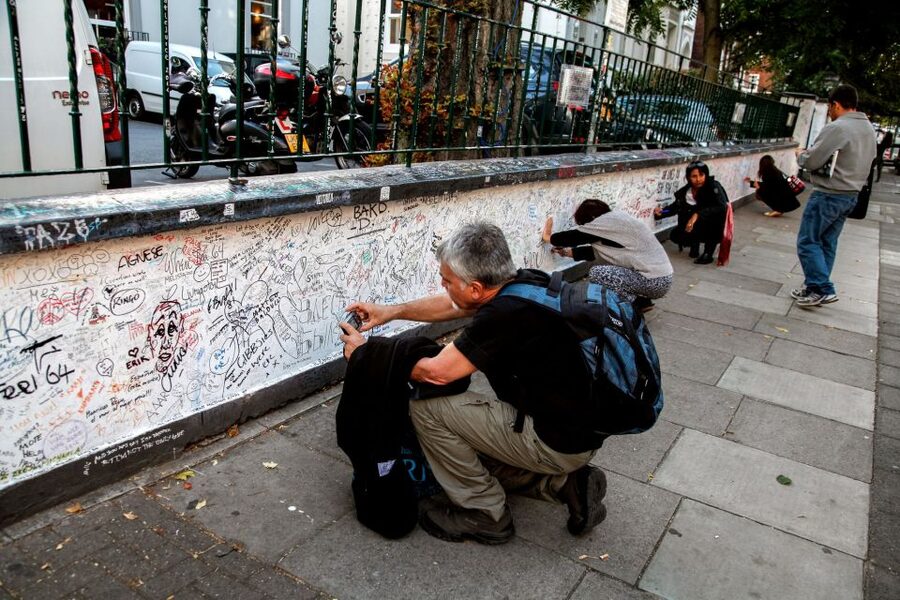
I like how the tour stays practical and street-level, so each stop feels tied to something you can still see. I also like that you get a true finale moment at Abbey Road Studios, including the chance to sign the wall and try for a photo at the zebra crossing (if transport allows).
One thing to plan for: the Abbey Road section includes a short tube ride, and the tube station is not accessible. That makes it a poor fit if you have mobility limits, back issues, or if you are pregnant.
In This Review
- Key things to know before you go
- From Dominion Theatre to Denmark Street, where the Beatles map starts
- Denmark Street and Soho Square, the Beatlemania spark you can still feel
- Trident Studios site, Wardour Street, and the stories behind Hey Jude and classic films
- Carnaby Street and the London Palladium, why the swinging 60s section is more than photo stops
- Savile Row, Paul McCartney’s London offices, and the Yesterday story
- Abbey Road finale, tube timing, wall signing, and the zebra-crossing photo reality
- Small-group guides, pace control, and why the $55 price feels fair
- Should you book the Beatles London Walking Tour?
- FAQ
- How long is the Beatles London Walking Tour?
- Where do I meet, and where does the tour finish?
- Is transportation included, and do we use the tube for Abbey Road?
- Is the tube station used for the Abbey Road part accessible?
- What happens at Abbey Road Studios during the tour?
- What should I bring, and what is not allowed?
- What languages are available for the live guide?
Key things to know before you go
- Small-group energy: the pacing adjusts as you go, and the tour aims to finish on time
- Abbey Road access: sign the wall in front of the studios, plus a crossing photo attempt when possible
- Song-and-street connections: you stop at places tied to Hey Jude, Beatlemania, and filming for A Hard Day’s Night and Help
- Swinging 60s stops: Carnaby Street is a centerpiece, with nearby theatre landmarks on the route
- Paul McCartney highlights: the guide points out his London offices and home areas, including a story tied to Yesterday
From Dominion Theatre to Denmark Street, where the Beatles map starts
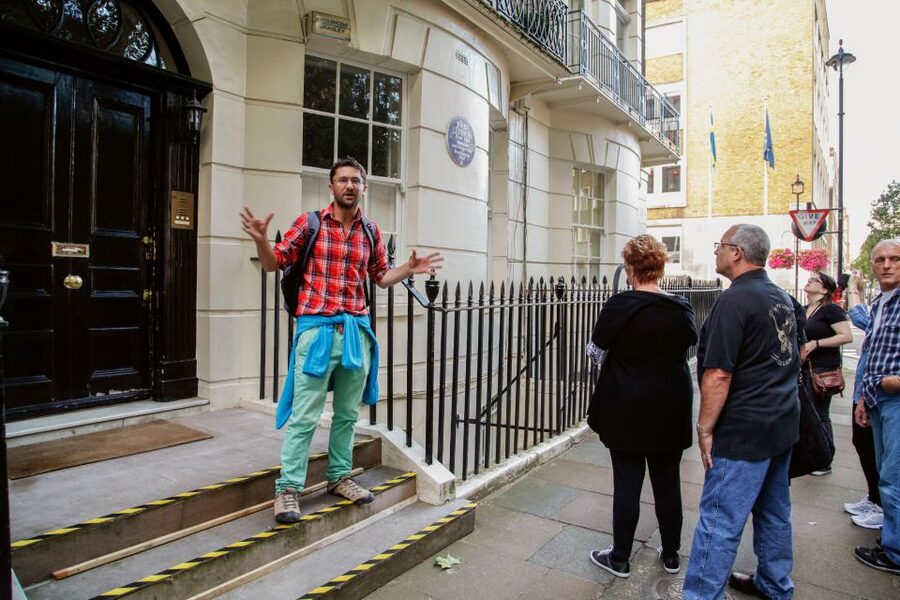
You begin at the Dominion Theatre, right across the street from Tottenham Court Road Tube Station. It is a smart starting point because you can easily find it before the tour, and it also sets the tone with theatre-land energy from the jump.
From there, the route kicks into early Beatles London. You hit Denmark Street first, the kind of place that makes the 1960s feel immediate, because it is all about the density of venues, hangouts, and music culture in a tight area. Expect your guide to connect the dots between the band’s rise and why London’s street life mattered.
Next comes Soho Square, a classic part of central London where your guide can place the Beatles in context with the city around them. This is not a lecture that floats above the pavement. It is more like getting a local to point out what shaped the band, and then showing you where that influence still shows up in architecture and street layout.
You’ll also notice that the tour structure is built for walking and timing. Each stop is given a set window, which keeps the day moving without feeling rushed, as long as everyone meets promptly at the start.
More Guided Walking Tours in London
- Magical London: Harry Potter Guided Walking Tour
★ 4.7 · 22,044 reviews - London: The Original Jack the Ripper Walking Tour
★ 4.7 · 7,833 reviews - London: Harry Potter Movies Walking Tour (Kids Go Free)
★ 4.7 · 3,071 reviews
Denmark Street and Soho Square, the Beatlemania spark you can still feel
Soho and nearby streets are where you start understanding why the Beatles’ story is also a London story. The tour keeps returning to the theme of momentum: how quickly attention turned into fandom, and how the city became a stage.
In this stretch, the guide sets up the idea of Beatlemania as something that started as buzz and then grew into a full scene. You will visit the birthplace of Beatlemania as part of this early section of the walk, with your guide explaining why that moment mattered. The best part is that you do not just hear dates, you hear what the crowd energy looked like and why it spread.
Your guide also brings in small details that make the area feel lived-in. Several past tours noted that guides use old photos and articles on their phones to show what streets and buildings looked like back then. That kind of side-by-side comparison is a big reason this tour lands emotionally, even if you only know the Beatles through albums and music videos.
If you like pop culture history, you may also enjoy how the tour later adds modern anchors. The highlight list includes cinema locations tied to Harry Potter world premieres, which gives you a fun break from 1960s-only focus while you are still walking through the same theatre and entertainment corridors.
Trident Studios site, Wardour Street, and the stories behind Hey Jude and classic films
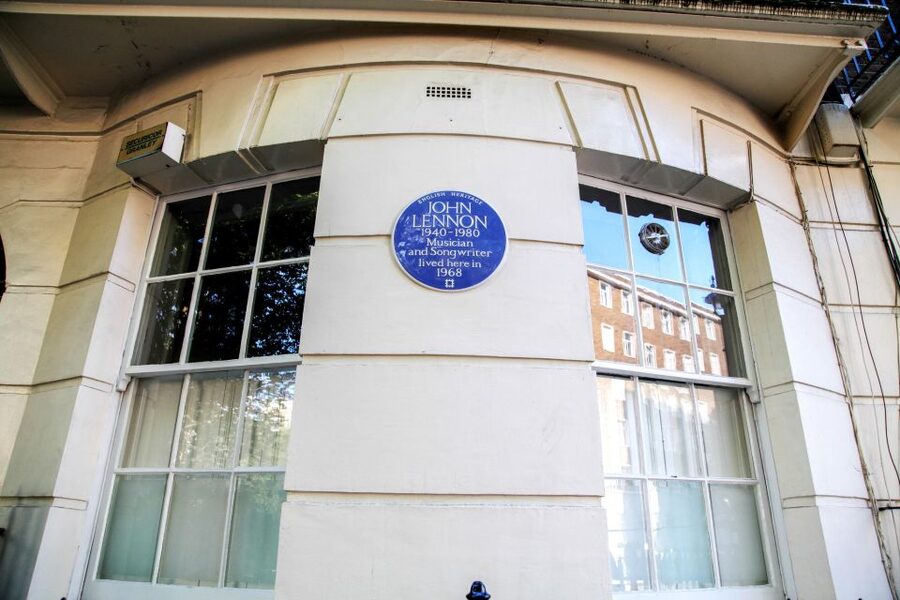
As you move deeper into the walk, the tour starts getting very specific about music. One of the key stops is the former site of Trident Studios, where your guide connects the location to the recording story of Hey Jude. This is where the tour becomes more than sightseeing, because you are standing near a place tied to a song most people already know by heart.
Right after, you pass Wardour Street, another name that matters for anyone who wants Beatles London to feel real. The guide typically uses these streets to explain how working musicians used central London as a network. That means you get both the band story and the city’s role in turning sessions, rehearsals, and performances into momentum.
The tour also includes film locations tied to A Hard Day’s Night and Help. You can expect your guide to point out what made these places work on screen, and how London’s look helped sell the Beatles as something bigger than just a band from Liverpool. It is a good reminder that London was part of the visual branding, not only the background.
If you like questions, this is where you should ask them. Guides such as Anna and Conor have stood out in past tours for answering lots of queries and keeping the mood light with humor and pacing that works for the group. That matters because music-history tours can get dry when the guide treats everything like a timeline.
Carnaby Street and the London Palladium, why the swinging 60s section is more than photo stops
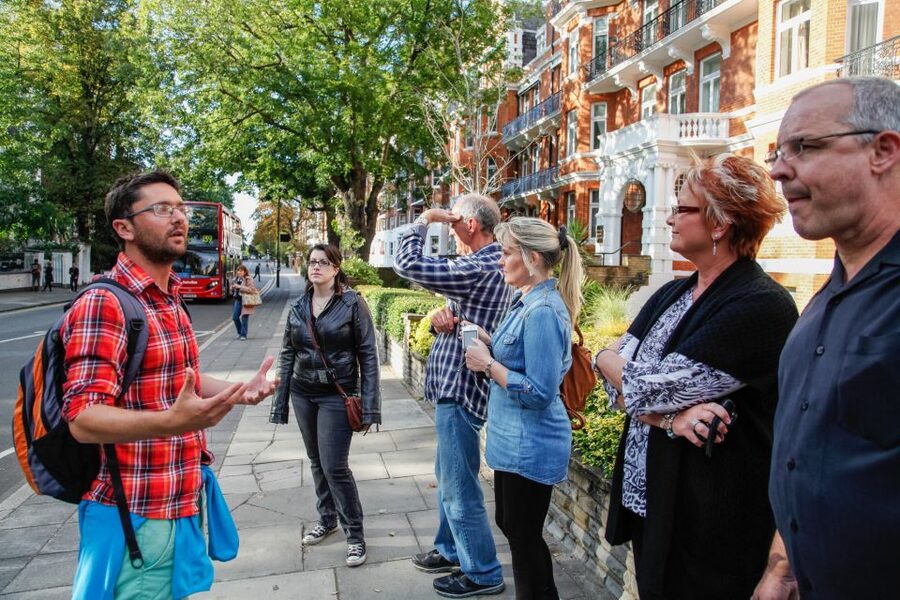
Carnaby Street is one of the big highlights of the day for a reason. This is the swinging 60s in street form, where style, shopping culture, and youth energy collided. Your guide uses the walk here to show how the Beatles fit into the broader cultural scene, not just chart success.
This part of the route also includes landmark theatre stops. You pass by the Prince of Wales Theatre and the London Palladium, and the guide uses these as connective tissue between the Beatles and London’s performance world. Even if you are not a theatre expert, these places help you picture the crowd attention the Beatles were learning to ride.
The tour also features cinema locations linked to Harry Potter world premieres, which may sound like a curveball until you notice the bigger pattern. London’s entertainment venues keep reusing the same central stages for different generations. So when your guide points out these modern premiere sites, it is a clever way to make the city feel alive rather than frozen in the 1960s.
You’ll also get a feel for how these streets handle crowds. One past guide and group noted that a busy Abbey Road zebra crossing can get intense for solo photos, while rain sometimes thins the crowd. That general lesson applies here too: if you want clean photos on the iconic spots, plan for weather and timing.
More stops on the Merseybeat trail:
- London: Beatles and Abbey Road Tour with Richard Porter★ 4.6 · 543 reviews
- A Ticket to Ride: Beatles in London Tour★ 4.6 · 272 reviews
- London: Beatles In My Life Walking Tour with Richard Porter★ 4.7 · 215 reviews
- Liverpool and The Beatles Day Tour from London★ 4.4 · 157 reviews
Savile Row, Paul McCartney’s London offices, and the Yesterday story
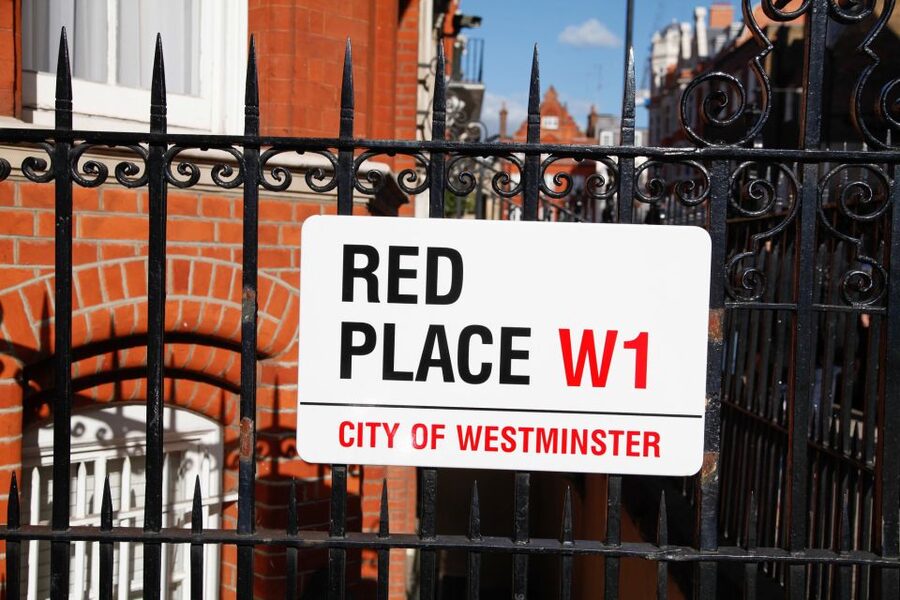
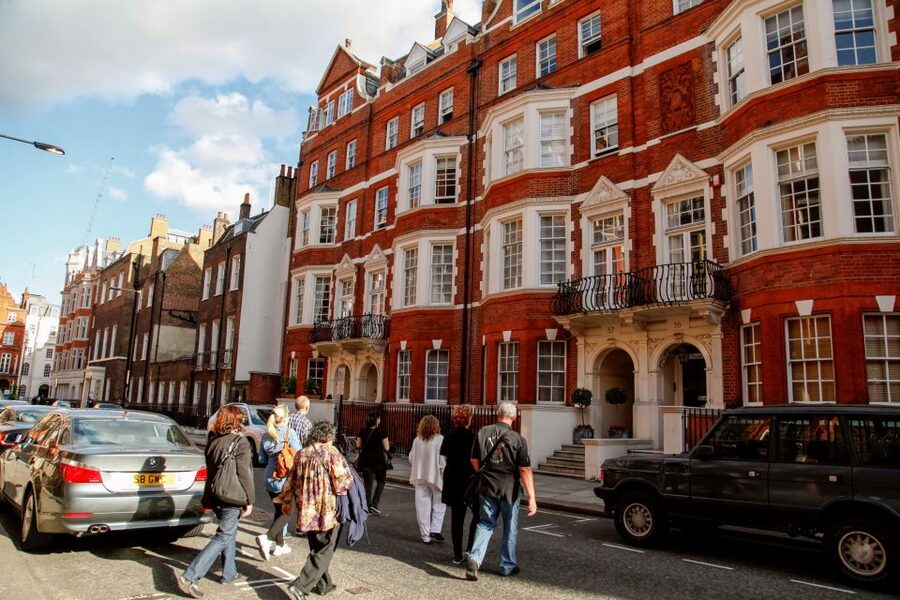
Savile Row is where the tour starts adding a more personal, Paul-focused layer. During this segment, your guide points out areas tied to Paul McCartney’s London home and offices. You also learn about the building where Paul first played the melody of Yesterday to his mates, which gives the day a behind-the-scenes feeling.
This is also where some of the Let It Be style lore can come into focus. One review specifically mentioned the rooftop concert connection at Apple Studios on Savile Row, which is exactly the kind of detail that makes fans grin because it ties a well-known story to a real piece of the city.
This section is also a good time to slow down mentally. Up to now, you have been gathering Beatles landmarks and studio connections. Now you start seeing the Beatles as working people shaped by addresses, routines, and London’s geography. It helps if you enjoy the quieter side of fandom, the sort that asks what daily life looked like between big breakthroughs.
If you want to get the most out of this part, come ready with one or two questions. For example, ask your guide how the city changed their workday, or why certain parts of London show up again and again in music stories. Good guides like the ones named in past tours, including Saleha and Tim, tend to invite interaction without turning it into chaos.
Also note that this tour is all walking, so bring comfortable shoes. Even when the stop-by-stop time looks manageable, London sidewalks add up fast when you are stopping for photo angles and short explanations.
Abbey Road finale, tube timing, wall signing, and the zebra-crossing photo reality
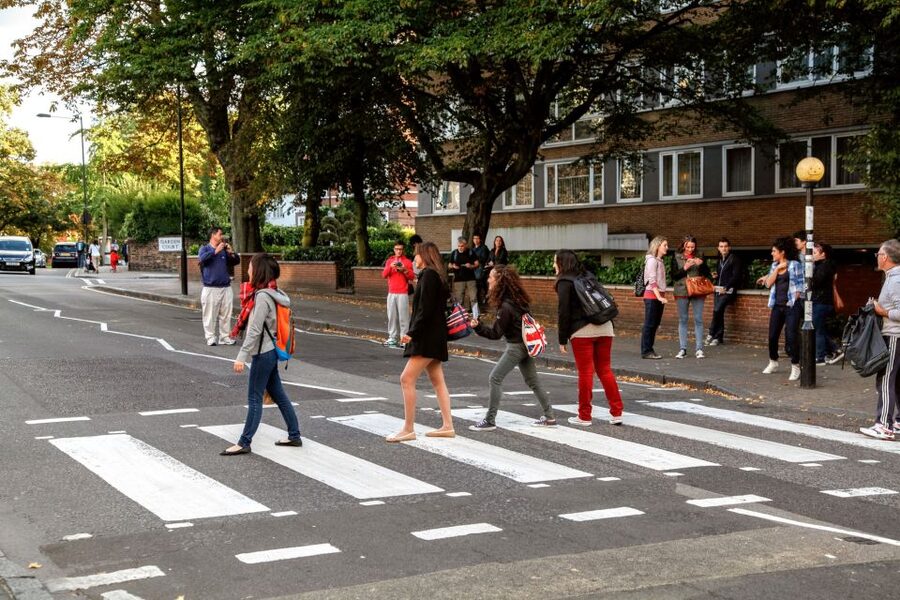
The big finale is Abbey Road Studios. But before you get there, there is a short tube ride required for this section. The timing includes a public transport segment, and the tour ends up centered on the Abbey Road area once everyone is in the right spot.
Here is the key practical note: the tube station is not accessible. The tour is also listed as not suitable for wheelchair users, pregnant women, and people with back problems. If any of those apply, this is the part you should think about first before booking.
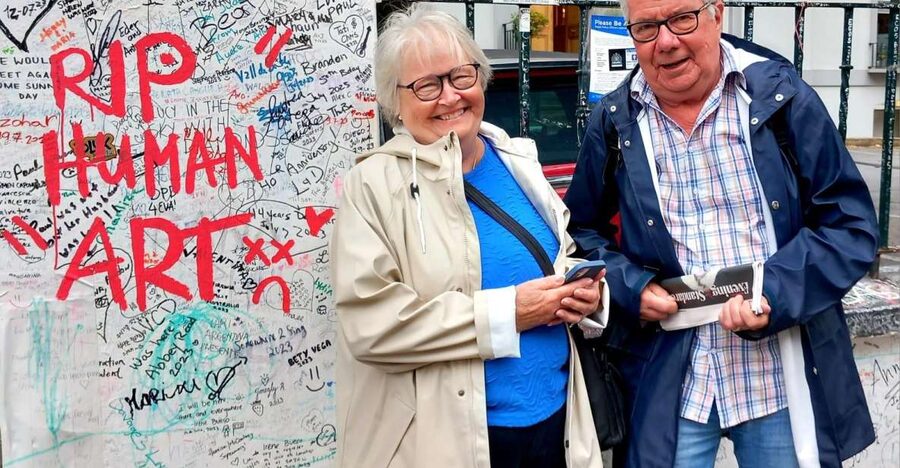
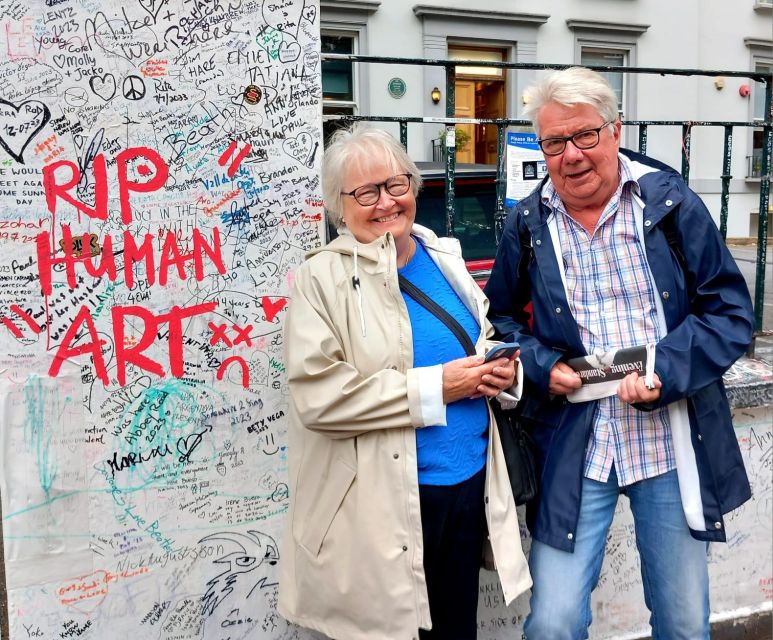
Once you arrive, the experience turns iconic fast. You get to sign the famous wall in front of Abbey Road Studios, and you can also take a photo on the Abbey Road crossing if transport permits. That condition matters. It is a real-world London constraint, not a trick, and it is why your guide will likely keep a close eye on timing and crowd flow.
If you are chasing the cleanest possible zebra-crossing photo, plan extra flexibility. One tip from a past booking suggested that an early, quiet solo trip can help avoid the toughest crowd conditions. Another note said that rain can reduce the number of people around the crossing, which can make photos easier. In plain terms, weather and time of day have a huge impact here.
Finish energy is what you want from a Beatles walk: you should leave with the sense that you touched the exact places you only ever saw on album covers and video clips. Signing the wall is a small gesture, but it turns the finale into a personal memory instead of just a stop on an itinerary.
Small-group guides, pace control, and why the $55 price feels fair
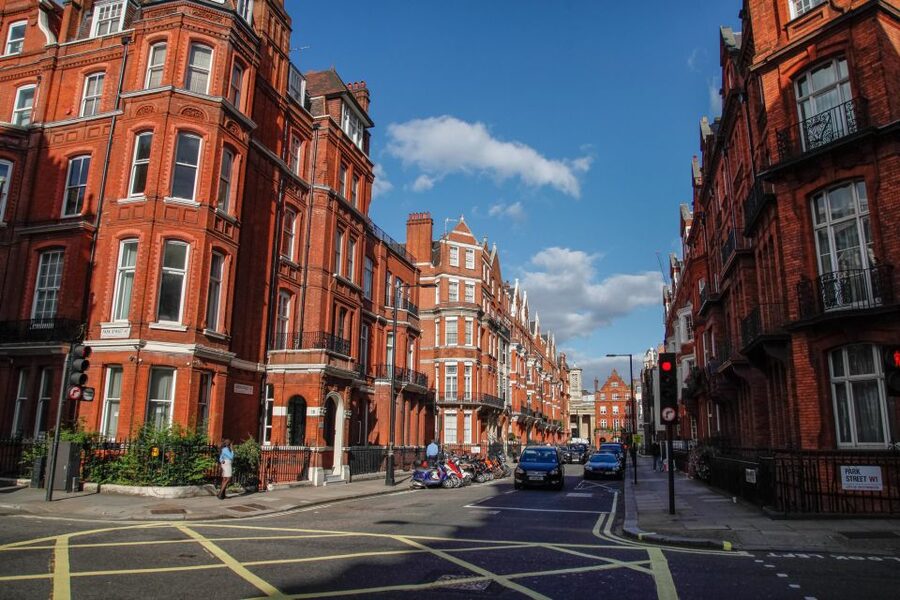
At $55 per person for a 2 to 2.5 hour guided walk, this is not a budget bus tour. You are paying for a professional guide, a tight route through multiple story-heavy neighborhoods, and a finale tied to Abbey Road Studios.
The value comes from how much the guide handles for you. You do not just get locations. You get why the Beatles mattered to London, and why London gave them tools to become a global act. You also get someone organizing timing so you do not spend your afternoon hunting for the next spot.
A big theme in the strong reviews is the guide factor. Names that showed up repeatedly include Ana, Anna, Anna(nie), Conor, Connor, Saleha, Tim, Kevin, and Jimmy, with praise for being fun, interactive, and quick to answer questions. Several mentions also highlight that guides share older photos or articles on their phones, which helps you see changes over time instead of imagining the past.
Pacing is controlled, too. The tour finishes on time, and if a group lingers somewhere, the guide adjusts the itinerary to keep the full set of content. That is important because Beatles sites attract everyone, including people who want extra photos. You still get the full route, as long as you start on time at Dominion Theatre.
Who this tour suits best:
- You are a Beatles fan who wants street locations tied directly to songs and moments
- You enjoy walking through real neighborhoods like Soho and Carnaby Street, not only studio sites
- You want a guide who can answer questions and keep energy up through humour and anecdotes
Who should think twice:
- You need wheelchair access for the tube part, since the Abbey Road section uses a station that is not accessible
- You have back issues or are dealing with pregnancy constraints, because it is a walking-focused route
Should you book the Beatles London Walking Tour?
If you are choosing between a self-guided Abbey Road run and a guided Beatles walk, I think this is the better use of time. You get multiple Beatles-connected locations, studio and film connections, and a finale that feels like a moment, not a checkbox.
Book it if you want both band history and London context, and if you are comfortable with a walking route and one short tube ride. Skip it only if mobility limits make the tube and walking part hard for you.
If you are already planning your London itinerary, consider adding this early in your trip. A good guide will help you get your bearings fast, so the rest of London feels more connected to the stories you just heard.
FAQ
How long is the Beatles London Walking Tour?
The tour runs about 2 to 2.5 hours, depending on the group’s walking pace.
Where do I meet, and where does the tour finish?
You meet at Dominion Theatre, across the street from Tottenham Court Road Tube Station. The tour finishes at Abbey Road Studios.
Is transportation included, and do we use the tube for Abbey Road?
Transportation is not included. A short tube ride is required for the Abbey Road section of the tour.
Is the tube station used for the Abbey Road part accessible?
No. The tube station for the Abbey Road section is not accessible.
What happens at Abbey Road Studios during the tour?
You sign the famous wall in front of Abbey Road Studios. You can also have your photo taken on the Abbey Road crossing if transport permits.
What should I bring, and what is not allowed?
Bring comfortable shoes. Pets, smoking, and luggage or large bags are not allowed.
What languages are available for the live guide?
Live guides are available in English and Russian.
Streets at Boot Pace
- London: The Great British Rock and Roll Music Walking Tour
★ 4.9 · 1,783 reviews - London: Harry Potter Walking Tour in German
★ 4.8 · 1,505 reviews - London: Jack the Ripper Evening Walking Tour
★ 4.9 · 1,449 reviews - London: Street Art and Graffiti Guided Walking Tour
★ 4.9 · 1,354 reviews
Newest entries under London




Beatles History Tours, compared.

City & Beatles Tour with Live Guide & Live Music
Read our review →
Beatles and Abbey Road Tour with Richard Porter
Read our review →
Browse the lists this tour appears in