
Reviewed · 3-HOUR EXPERIENCES
Tate Britain London: Private Guided Tour – 3 Hour
Art history gets personal at Tate Britain. With Robert Miller leading a private tour for up to five, you get a smart, conversational guide, not a generic headset tour, and you can ask questions all the way through. I like how the focus can hit the paintings that matter most to you, and the Turner section often lands as a true highlight.
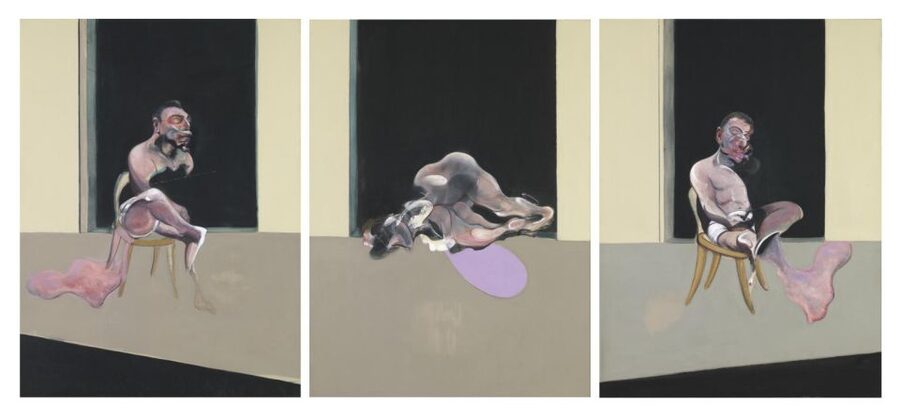
You also get more than “what you’re looking at.” The tour includes the gallery’s story, how it has built its collection, and the context that makes big names feel real, from artists like Rubens and Van Dyck to Hogarth, Reynolds, Turner, Sargent, and on to modern voices like Bacon and Freud. One possible consideration: temporary exhibitions are not included, so if you want those specific displays, you will need separate tickets.
In This Review
- Key things to know before you go
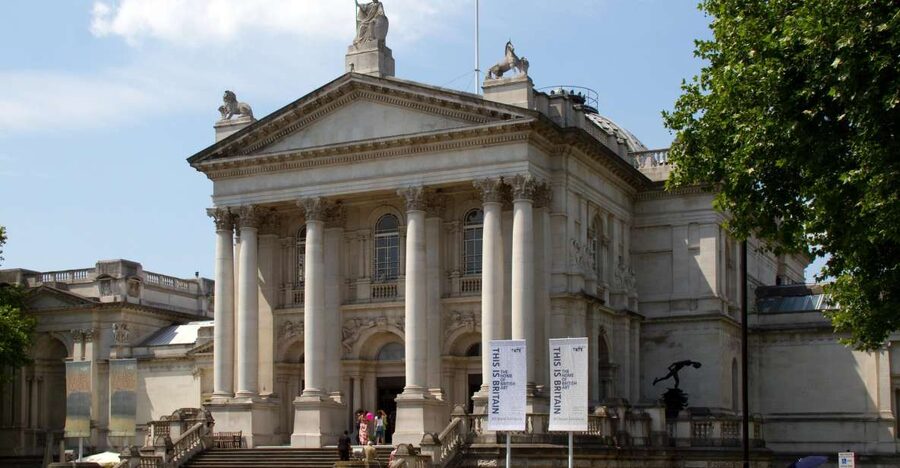
- Meet at Tate Britain’s front door, right by the Thames
- Why private guiding makes Tate Britain easier (and more fun)
- The 3-hour structure: what you can realistically cover
- The art focus: British masterpieces, from royal portraiture to modern provocation
- The collecting story: how the gallery built its collection
- How your guide makes paintings feel specific, not generic
- Where you will spend your attention during the tour
- Price and value: $263 per group for up to five
- Accessibility and who this tour fits best
- Who should book this private Tate Britain tour
- Should you book this Tate Britain private tour?
- FAQ
- Where is the meeting point for the Tate Britain private guided tour?
- How long does the tour last?
- Is this a private tour and how many people can go?
- Does the tour include temporary exhibitions?
- What language is the live tour guide?
- Is the tour wheelchair accessible, and is it suitable for everyone?
Key things to know before you go
- Private pacing for up to five people, with room for questions
- An art historian guide who uses anecdotes to connect art and Britain’s story
- A 3-hour highlight route spanning 16th to 20th century works
- Collecting history included, not just artist name-dropping
- Temporary exhibitions excluded, they cost extra if you want them
- Meet at the front entrance by the Thames with a name card for easy pickup
Meet at Tate Britain’s front door, right by the Thames
Your tour starts at the front entrance overlooking the River Thames. Your guide will have a card printed with your name, which is a small detail that saves real time when you are trying to find the right person in a busy central London setting.
This matters because Tate Britain is huge in feel even when you are only doing a 3-hour visit. Getting off to a clean start means you spend your energy on the art, not on figuring out where to queue.
Also inked in under London
- London: The London Eye Entry Ticket
★ 4.6 · 35,875 reviews - From London: Harry Potter Warner Bros Studio Tour
★ 4.7 · 26,588 reviews - London: Westminster to Greenwich River Thames Cruise
★ 4.5 · 22,836 reviews
Why private guiding makes Tate Britain easier (and more fun)
A private tour is not only about comfort. It is about control. In a group of up to five, you can slow down for a painting that grabs you, or speed up when you know you want a different period or style.
That pacing is a big deal at Tate Britain, because the collection stretches across centuries. Without a guide, you can end up bouncing between rooms, seeing a few highlights but missing the links that explain why these works fit together in one national story.
I especially like that the guide is described as expert and entertaining, which usually means two things in practice. First, you should get clear explanations instead of academic fog. Second, you should get lively framing, so a painting feels like a decision, not just a destination.
The 3-hour structure: what you can realistically cover
The tour lasts around 3 hours. That time window is long enough to see multiple major works, but short enough that you will likely need a plan for what you want most.
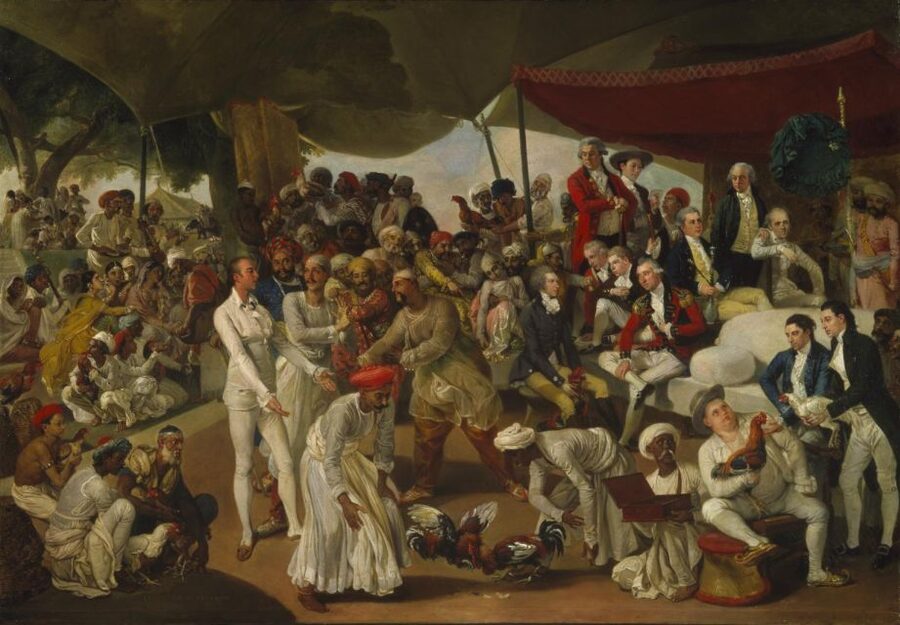
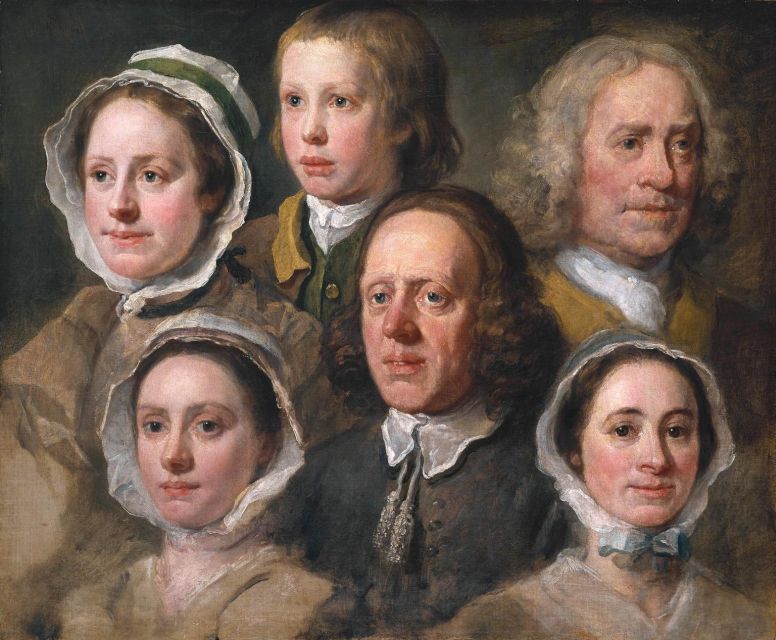
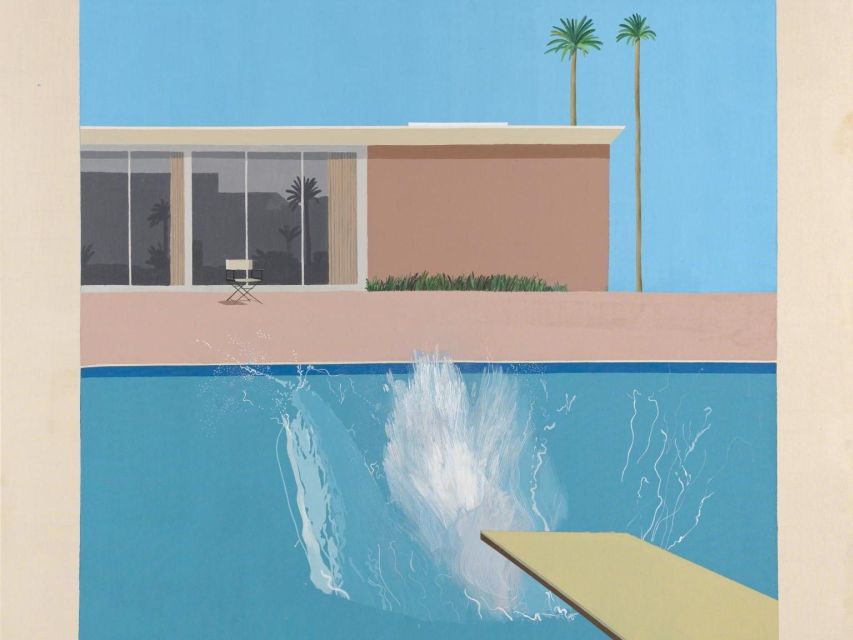
The tour is built around the Tate Britain collection, so you will be looking at famous British art from the 16th to the 20th century, plus works described as spanning into contemporary territory. Artists named as part of the experience include Rubens, Van Dyck, Lely, Kneller, Hogarth, Canaletto, Reynolds, Gainsborough, Turner, Sargent, Millais, Blake, Bomberg, Bacon, Freud, Epstein, Hockney, and Moore, among many others.
In plain terms, you can expect a route that moves through eras. You are not trying to “see everything.” You are seeing the right things, in the right order, with a guide pointing out the patterns that help it all make sense.
The art focus: British masterpieces, from royal portraiture to modern provocation
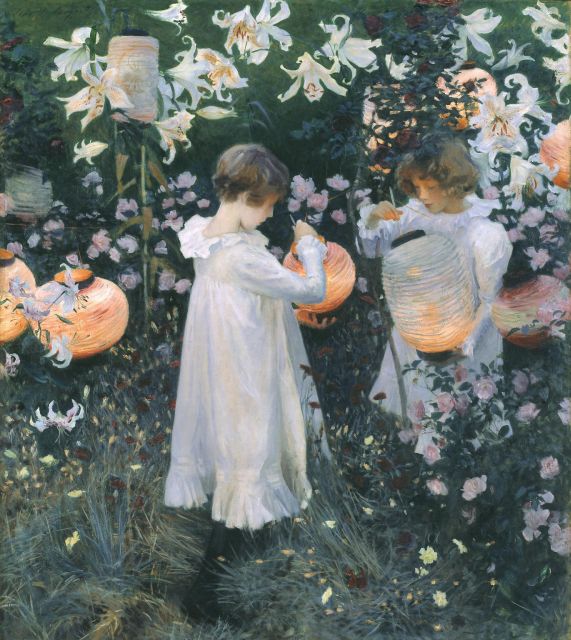
Tate Britain is strongest when you treat it like a timeline of ideas, not just a list of famous names. This tour follows that logic. You get to see works across centuries, and the guide connects how styles, subjects, and even attitudes change as Britain changes.
Early on, you might find yourself in the world of courtly taste and elite portraiture, where artists like Rubens and Van Dyck represent a certain international prestige, and where British painters later develop their own voice. The guide can help you spot the difference between copying a look and making a new argument through paint.
Then you move into the classic British storyline, where names like Hogarth and Canaletto can bring in social observation and urban life, and painters such as Reynolds and Gainsborough show how portraiture becomes a kind of performance. This is one of the best uses of a private guide: a guide can show you how to read a face, a gesture, and even a background like it is part of the plot.
Later, when you reach the 19th and 20th centuries, the emotional temperature often shifts. Turner, for example, is listed as a major part of the tour experience. If you care about light, atmosphere, and dramatic composition, this is a section that can make you see more than one type of “wow.” And when the tour reaches later artists named like Sargent, Millais, Blake, Bacon, Freud, Epstein, Hockney, and Moore, you should expect the guide to frame what changed, why it changed, and what the artists were pushing against.
A page further on, still in London:
- Magical London: Harry Potter Guided Walking Tour★ 4.7 · 22,044 reviews
- London: Madame Tussauds London★ 4.6 · 20,915 reviews
- London: Warner Bros. Studio Harry Potter Tour & Branded Bus★ 4.7 · 19,194 reviews
- London: Tower Bridge Entry Ticket★ 4.7 · 15,560 reviews
The collecting story: how the gallery built its collection

One of the most useful parts of this tour is that it includes the history of the gallery and its collecting. That is not just trivia, it is the reason you understand why certain works are here and how Tate Britain became what it is today.
When a guide talks about collecting, you start noticing patterns: what a museum valued at different moments, what it acquired to represent national art, and how the collection grew over time. Without this piece, you can still enjoy the paintings, but it is easier to miss why the museum organizes them the way it does.
Think of it as the backstory of the building you are standing in. It turns the visit from a one-time look into a guided understanding of how taste and institutions evolve.
How your guide makes paintings feel specific, not generic
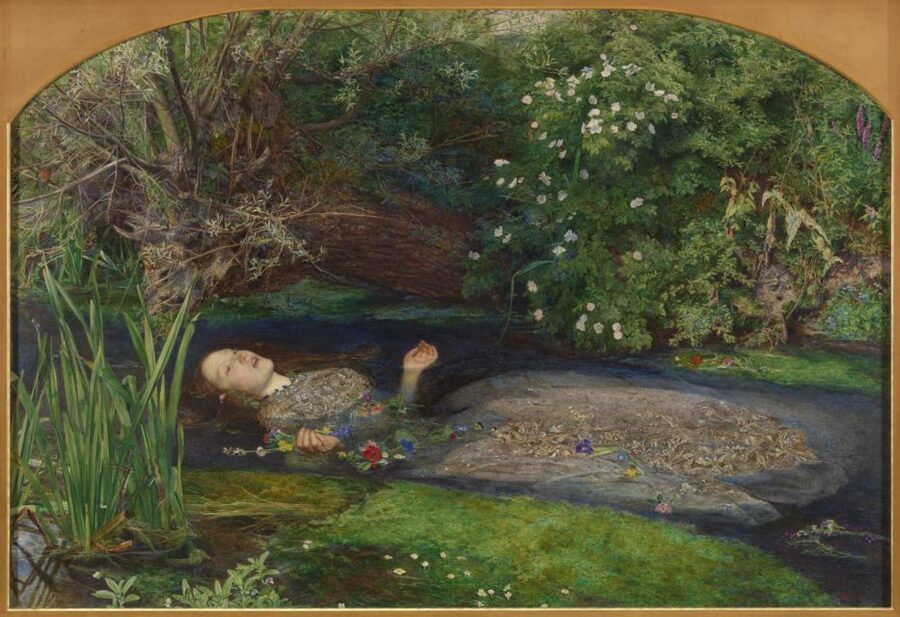
The tour is designed for a conversation, not a lecture. Since it is private and bespoke, you can go at your own pace, ask as many questions as you like, and even tailor the route to your interests.
This is where expert communication shows up. The guide is described as able to enhance your knowledge of art and the country’s history, and at times other people may end up stopping to listen because the storytelling is clear.
A couple names show up strongly in the experience: Robert Miller is mentioned as especially connected to the Turner collection. That matters if Turner is one of your reasons for visiting. It also matters if you are the type of person who wants to know what to look for. A good guide gives you a short checklist, like how to track a composition choice or what to notice in brushwork, so the next room becomes easier.
And if you are traveling with limited time, there is real value here. You do not need to guess which rooms to prioritize. You follow a route that aims at “important objects” within the time limit, so you leave feeling informed rather than hurried.
Where you will spend your attention during the tour
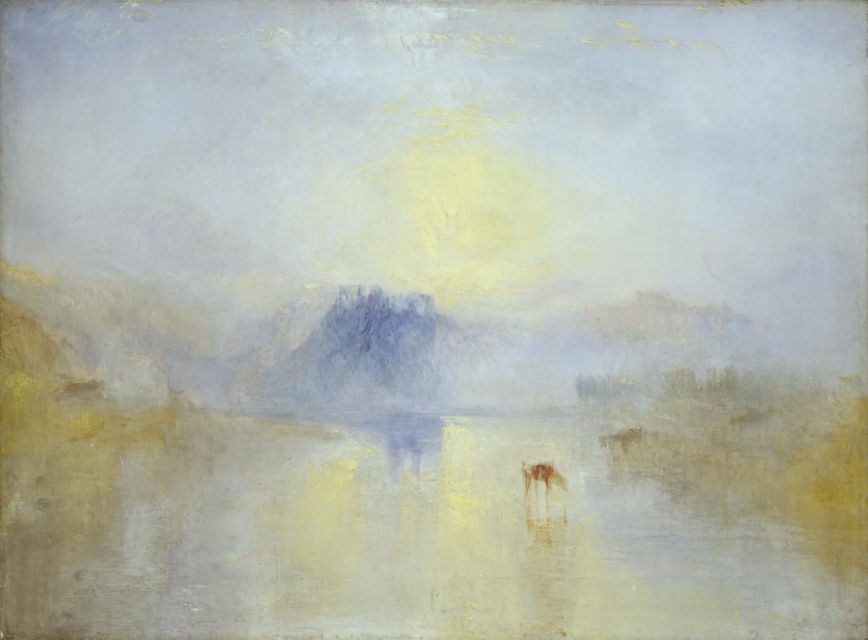
Because the tour is bespoke and private, you should expect the guide to steer the exact stops based on your tastes. But the overall structure stays anchored in the Tate Britain collection, from the 16th century through major 20th-century figures.
In practice, that means you will likely experience three layers of looking:
1) First contact with a major work, where the guide points out the obvious and then the overlooked
2) Context that ties the painting to its moment in Britain and to wider art history
3) Meaning-making, where you learn how to read symbolism, technique, and subject choices without needing an art degree
The best part is that your questions can shape the pacing. If you want more time on Turner, you can ask. If modern art is your focus, you can steer toward Bacon, Freud, Hockney, or Moore. If your interest is portraiture, you can lean into artists like Reynolds and Gainsborough.
Price and value: $263 per group for up to five
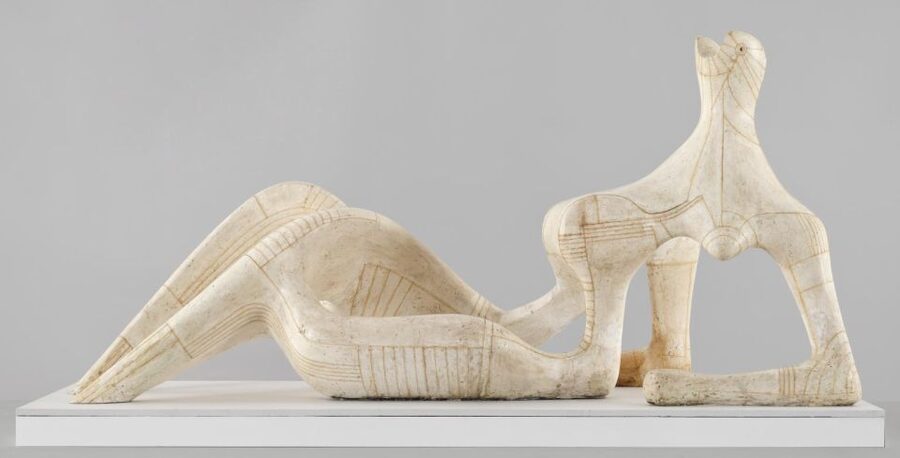
The price is $263 per group for up to five people, lasting 3 hours. The value depends on how you group up.
If you bring the full five people, the effective cost is roughly $52.60 per person. If it is just two people, it is about $131.50 per person. That still can be good value in London, especially when you compare it to the cost of multiple separate guided options or the time you would lose trying to self-navigate the collection.
Where this tour feels strongest is in efficiency and direction. Tate Britain is not an art museum you can casually “figure out” in one visit if you care about understanding. A guide helps you spend your limited time on the works that actually connect across centuries, and that is hard to recreate on your own without pre-planning.
If you are visiting with friends or family, it also becomes a social experience. You can share what you are seeing, react to the stories, and get answers for multiple people at once.
Accessibility and who this tour fits best
This tour is listed as wheelchair accessible, and it runs in English with a live guide.
That said, it is also listed as not suitable for visually impaired people and not suitable for hearing-impaired people. If accessibility is a key factor for your group, you should treat that as a firm limitation rather than a minor note.
Also, because the tour is strongly focused on seeing and discussing artworks, it is often best suited for people who can comfortably view paintings in person and follow spoken explanations.
Who should book this private Tate Britain tour
You should consider booking if you match a few of these profiles:
- You want a guided highlight route through British art from the 16th to the 20th century
- You love asking questions and getting direct explanations, not just reading wall labels
- You have limited time and want the route shaped to your interests
- You care about specific artists named as part of the experience, especially Turner
- You prefer a small group format where you are not fighting for attention
It is also a great pick if you are the trip planner and you want a predictable structure: meet at a clear spot, go for 3 hours, and leave with a stronger understanding of both the art and how Tate Britain built its collection.
Should you book this Tate Britain private tour?
Yes, if you want real guidance in a museum that can easily swallow time. The price works best when you fill the group size, and the structure makes sense for a first serious Tate Britain visit, or for a return trip when you want a deeper, more organized way of seeing.
I would book especially if Turner matters to you, because the guide is specifically noted for connection to the Turner holdings. And I would book if you enjoy art history that feels like a conversation, with anecdotes and context that help you look longer and think better.
If you are mainly chasing temporary exhibitions, plan on adding separate tickets, since those are not included in this tour. Otherwise, this is one of those London experiences where paying for direction can make the art feel faster, clearer, and more memorable.
FAQ
Where is the meeting point for the Tate Britain private guided tour?
You meet at the front entrance overlooking the River Thames. The guide will have a card printed with your name.
How long does the tour last?
The tour lasts 3 hours.
Is this a private tour and how many people can go?
Yes, it is a private group tour. It is for up to five people.
Does the tour include temporary exhibitions?
No. Temporary exhibitions are not included and require pre-booked tickets at extra cost.
What language is the live tour guide?
The tour is guided in English.
Is the tour wheelchair accessible, and is it suitable for everyone?
The tour is wheelchair accessible. It is listed as not suitable for visually impaired people and not suitable for hearing-impaired people.
Newest entries under London






3-Hour Experiences, compared.


Victoria and Albert Museum London Private Guided Tour 3 hour
Read our review →Browse the lists this tour appears in