

Reviewed · WALKING TOURS
Slavery & City of London Walking Tour by Sams Walks
London has hidden depths in plain sight. This 90-minute walk treats the City of London like a map of how coercion shaped power, not just a backdrop of office towers. You’ll be shown artifacts, alleys, labyrinth-like streets, and historic architecture, with an agenda that many London tours skip entirely: the British experience of enslavement and the systems that followed.
What I like most is the way the story stretches across time, from Roman slavery to later continuations under Germanic tribes and the shift William the Conqueror brought with feudalism. I also love that the tour connects big themes to real places, so terms like indentured servitude and press gangs stop being abstract and start sounding like something with names, roles, and consequences.
One thing to consider: this is a heavy topic in a very busy, urban environment. The tour moves along a series of City streets, so wear supportive shoes and be ready to keep your pace steady even when your brain wants to slow down.
In This Review
- Key points that make this walk worth your time
- Why a slavery theme belongs in the City of London
- Tower Hill Tram to the Tower of London, the tour’s fast primer
- Roman walls, Vine Street, and the City’s underlayer
- Leadenhall Street, Lloyds, and the East India Company connection
- Cornhill to the Royal Exchange, money and labor in one frame
- St Mary Woolnoth Churchyard, Lombard Street, and the Lloyds coffee stop
- George Yard and the Society for the Abolition of the Slave Trade
- Plantation Lane, Fen Court, and the East India Arms closer
- Price and value for a 1.5-hour City walk
- Who should book this walk, and who might prefer something lighter
- Should you book the Sams Walks Slavery & City of London Walking Tour?
- FAQ
- Where is the starting meeting point for the tour?
- Where does the tour finish?
- How long is the Slavery & City of London Walking Tour?
- How much does it cost?
- What language is the live guide?
- Is the tour wheelchair accessible?
- What should I wear or bring?
- What is the tour about, in plain terms?
- What places are visited during the walk?
- What cancellation options are offered?
Key points that make this walk worth your time

- A rare focus on British enslavement, not just the usual focus on overseas campaigns
- Time jumps that actually compare systems, Roman slavery, Germanic continuation, and feudalism under William the Conqueror
- Concrete City stops, including the Royal Exchange, the Bank of England, and the Lloyds area, tied to the theme of power and labor
- George Yard and the Society for the Abolition of the Slave Trade, a direct pivot toward abolition history
- You’ll hear about class division and coercive labor, including indentured servitude and press gangs
- A tight 1.5-hour route, built to pack a lot of context into a walk you can realistically fit in
Why a slavery theme belongs in the City of London
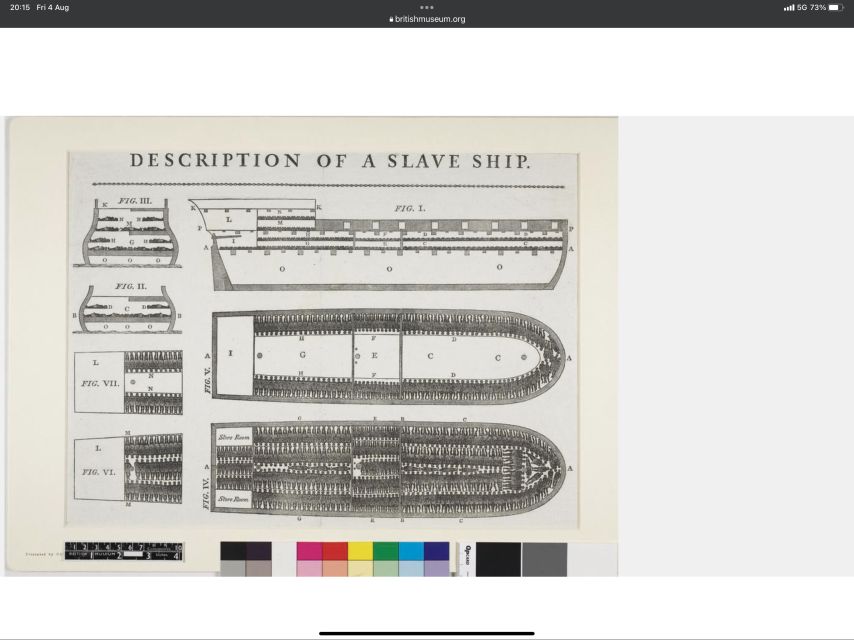
The City of London is famous for banking, trade, and slick façades. This tour nudges you to look past that, and it does so with a clear idea: power systems rely on labor systems, and labor systems rely on control.
Instead of focusing only on one era, the walk frames the topic as a chain of changes. You start with Roman slavery and then move into later periods where slavery continued in Britannia, before the 11th century shift toward feudalism under William the Conqueror. The practical value for you is simple: you get a timeline you can carry in your head, not a pile of disconnected facts.
It also helps that the approach is place-based. You are guided through the City’s streets and corners, with stops that include walls, alleys, and famous institutional buildings. That means your mental map of London becomes more specific, not just scenic.
More Guided Walking Tours in London
- Magical London: Harry Potter Guided Walking Tour
★ 4.7 · 22,044 reviews - London: The Original Jack the Ripper Walking Tour
★ 4.7 · 7,833 reviews - London: Harry Potter Movies Walking Tour (Kids Go Free)
★ 4.7 · 3,071 reviews
Tower Hill Tram to the Tower of London, the tour’s fast primer
The walk starts at Tower Hill Tram, with a guide holding a sign that reads Slavery & City of London Walk. That small detail matters. In a place where streets look similar, it helps you find the right group quickly and avoid that awkward late-start scramble.
The first stop is the Tower of London, with a guided component listed at about 10 minutes. Even within a short time window, the Tower works as a strong anchor. It’s a place tied to authority, enforcement, and the kinds of systems that can turn coercion into routine.
From a pacing point of view, this is a smart way to begin. After the Tower primer, you’re set up to read the City around you differently. You stop seeing the route as random street names, and you start seeing it as an itinerary of power centers.
Roman walls, Vine Street, and the City’s underlayer
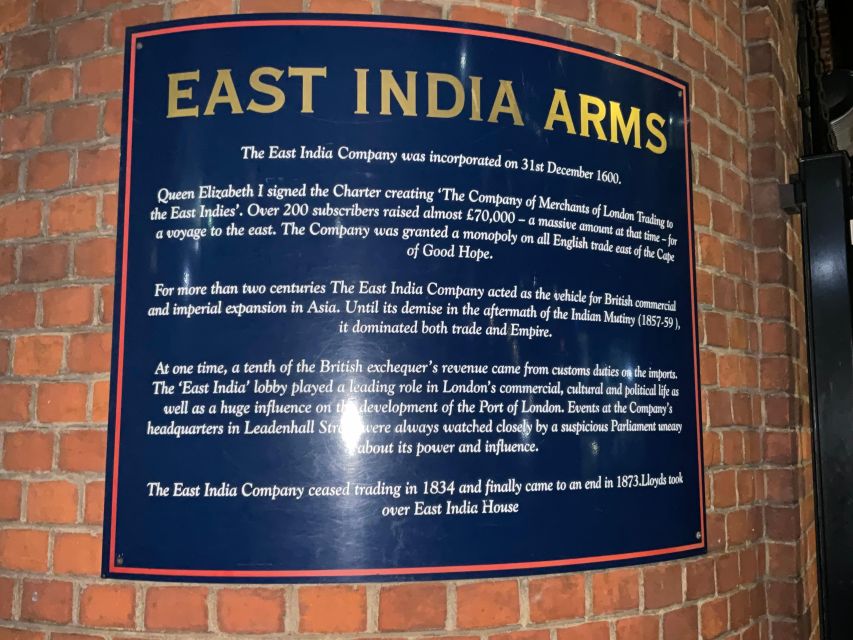
After the Tower, the route threads through parts of the City that feel slightly less obvious than the main tourist lanes. You’ll pass the Roman Wall by Vine Street area, plus stops including Vine Street Gallery and Aldgate Square.
This is where the tour’s promise of London’s hidden depths becomes concrete. A Roman wall is not just a relic, it is a reminder that control was built into the physical layout of the city. If you’ve only visited London for its polished highlights, this section can recalibrate what you think the City is.
From there the walking continues through Creechurch Lane and The Tea Warehouse, then toward Leadenhall Street. The Tea Warehouse stop adds an extra angle: trade and supply chains often sit next to labor systems, even when no one wants to talk about the connection out loud.
A practical note: this part of the walk includes several named streets in sequence. Keep your phone charged, not for selfies but in case you want to refresh where you are. Also, expect more turning and weaving than a straight-line sightseeing loop.
Leadenhall Street, Lloyds, and the East India Company connection
Leadenhall Street is listed with the Lloyds building and the East India Company. That pairing is important for the tour’s theme, because it puts familiar modern landmarks into a larger frame: what institutions do now is often shaped by what institutions built earlier.
The walking route continues through Cornhill and then into St Michaels Alley. This is one of those City transitions where you can feel the difference between a wide public street and a narrower, older-feeling corridor. That shift supports the tour’s method, which is to use physical space as evidence.
If you like tours that take you from “big-name London” into “human-scale detail,” this mid-route section is where that payoff starts. You’re moving from places people recognize to spaces that invite you to look carefully.
More British streets at boot pace:
- London: The Great British Rock and Roll Music Walking Tour★ 4.9 · 1,783 reviews
- London: Harry Potter Walking Tour in German★ 4.8 · 1,505 reviews
- London: Jack the Ripper Evening Walking Tour★ 4.9 · 1,449 reviews
- London: Street Art and Graffiti Guided Walking Tour★ 4.9 · 1,354 reviews
Cornhill to the Royal Exchange, money and labor in one frame
Next up are Cornhill, St Michaels Alley, and the Jamaica Wine House. Then you reach the Royal Exchange, followed by the Bank of England.
This is a powerful cluster because it lines up three forces the tour keeps returning to: commerce, authority, and hierarchy. The Royal Exchange and the Bank of England are easy to understand as centers of finance. What the tour encourages you to ask is: finance does not grow in a vacuum. It grows through systems that determine who gets work, who gets paid, and who gets coerced.
The tour also mentions examining class structure and division. That theme fits well with these stops. Even if you don’t agree with every interpretation, the tour’s method helps you notice how quickly London architecture signals rank and role.
One consideration here is mental load. The tour is packed with names and concepts, including indentured servitude and press gangs. If you tend to get overwhelmed on dense walking tours, bring a small notepad and jot down the few names that you want to remember.
St Mary Woolnoth Churchyard, Lombard Street, and the Lloyds coffee stop
After the Bank of England, the route includes St Mary Woolnoth Churchyard and then Lombard Street, plus Lloyds Coffee House.
Churchyards in London often feel like pause points, and that’s true here. You get a shift in tone, from institutional grandeur to a quieter space where the story can land more personally. The tour uses these variations in setting to keep the content from feeling like a continuous lecture.
Lombard Street and the Lloyds area bring you back into the commercial orbit. The point, according to the tour’s overall framing, is that the City’s identity is not only about banking buildings and trade. It’s also about the human systems that made that economy possible, including coerced labor forms and the social divisions that followed.
George Yard and the Society for the Abolition of the Slave Trade
Then comes George Yard, listed with the Society For The Abolition of The Slave Trade. This is one of the most directly relevant stops in the entire route because it names abolition in a literal, place-based way.
For you, this matters because it changes the emotional arc. Earlier parts of the walk explore slavery’s continuation and transformation. George Yard introduces a counterpoint, showing that abolition was not just an idea floating in political speeches, it was tied to organizations and street-level history.
This segment is also where you’ll likely feel the benefit of the tour’s long timeline. If you’ve learned about abolition before, you can place it against the earlier systems the tour covers. If you haven’t, the contrast helps you understand why reform movements grew.
The walk then continues through Gracechurch Street, Fenchurch Street, and Plantation Lane, keeping you moving through areas that add up to a layered City map.
Plantation Lane, Fen Court, and the East India Arms closer

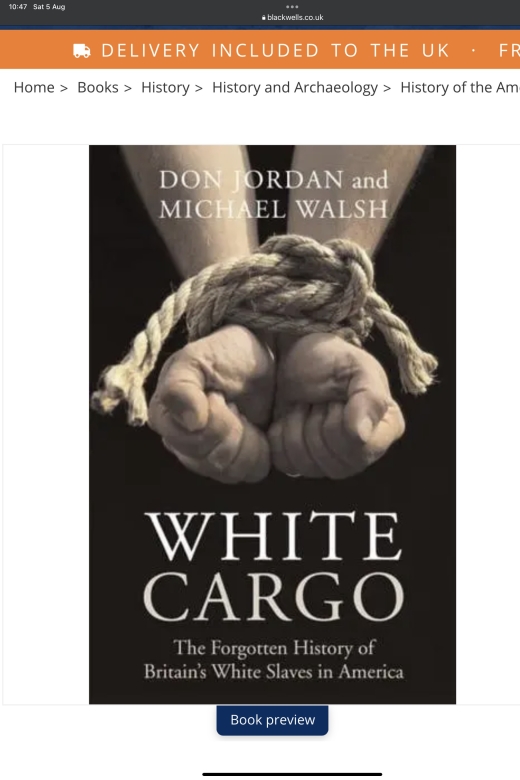
The route continues through Fen Court and East India Arms, Fenchurch Street, and finishes at Aldgate Square (EC3N 1AF). This ending is practical because Aldgate Square is a recognizable finish point, and it helps you plan where to go next without guessing.
By the final stretch, the tour’s theme should feel more than theoretical. You’re seeing multiple parts of the City that link to the story of control, trade, and labor, then ending in a central area where you can easily connect to other plans.
Also, don’t miss the tour’s “topic coverage” approach. In addition to slavery, it includes indentured servitude and press gangs, and it touches on commissioned officers and suffrage. Even when you don’t walk out with every detail memorized, you’ll have a fuller sense of how power systems organize society.
Price and value for a 1.5-hour City walk
At $26 per person for about 1.5 hours, this is priced like a solid neighborhood walk, not a half-day activity. The value comes from density: multiple topic eras, several major City landmarks, and a thematic through-line that ties coercion and labor to institutions you already want to see.
If you normally pay for generic “highlights of the City” walks, this one is different. It gives you context you can use as you roam afterward. You’ll look at buildings and street names and at least consider what kinds of labor and control made that built environment possible.
There’s also a practical benefit: it’s only 90 minutes. That means you can slot it into a travel day without losing the whole afternoon. You also don’t have to commit to a long tour to get a coherent narrative.
Who should book this walk, and who might prefer something lighter
This tour suits you if you like history that connects ideas to specific places. You’ll probably also enjoy it if you want a London tour that isn’t just about famous architecture and photo stops, because it’s built around under-discussed systems.
It can be a good fit for people who value comparison across time periods. The tour’s framing includes Roman slavery, Germanic continuation in Britannia, and feudalism introduced by William the Conqueror. It also highlights indentured servitude and press gangs, which can add a more grounded feel to how coercion shows up in society.
If you prefer cheerful, purely scenic walks, you may find the content emotionally heavy. In that case, consider going in with a plan to decompress after, like a calm meal or a quiet walk along a calmer street.
Should you book the Sams Walks Slavery & City of London Walking Tour?
I’d book it if you want an angle on London that most standard tours skip, and you’re comfortable walking for 90 minutes while hearing tough themes clearly explained. The best reason is the place-based method, it ties big history to streets and buildings you can point to later.
Skip it if your priority is only famous sights with light commentary, because the tour’s focus is purpose-built around slavery and its aftermath. For many people, though, that trade-off is exactly what makes it memorable and useful.
FAQ
Where is the starting meeting point for the tour?
The meeting point is Tower Hill Tram.
Where does the tour finish?
The tour finishes at Aldgate Square EC3N 1AF.
How long is the Slavery & City of London Walking Tour?
It lasts about 1.5 hours.
How much does it cost?
The price is listed as $26 per person.
What language is the live guide?
The live tour guide is English.
Is the tour wheelchair accessible?
Yes, the tour is wheelchair accessible.
What should I wear or bring?
Bring comfortable shoes and comfortable clothes.
What is the tour about, in plain terms?
It focuses on slavery and British history connected to the City of London, including slavery, indentured servitude, press gangs, feudalism under William the Conqueror, and topics like class division and commissioned officers.
What places are visited during the walk?
The route includes stops such as the Tower of London, Roman Wall by Vine Street, Leadenhall Street, Cornhill, St Michael’s Alley, the Royal Exchange, the Bank of England, George Yard (Society for the Abolition of the Slave Trade), Plantation Lane, Fen Court, and East India Arms.
What cancellation options are offered?
The listing states free cancellation up to 24 hours in advance for a full refund.
Newest entries under London





Walking Tours, compared.

Magical London: Harry Potter Guided Walking Tour
Read our review →
University and City Walking Tour with Alumni Guide
Read our review →
Harry Potter Movies Walking Tour (Kids Go Free)
Read our review →
The Great British Rock and Roll Music Walking Tour
Read our review →
Harry Potter Walking Tour Including New College
Read our review →Browse the lists this tour appears in