
Reviewed · MUSEUMS
Shrewsbury Prison Guided Tour and Museum Access
The steel doors here feel real. In just 1.5 hours, you’ll get a guided walk through key prison spaces and a self-guided chance to explore more at your own pace.
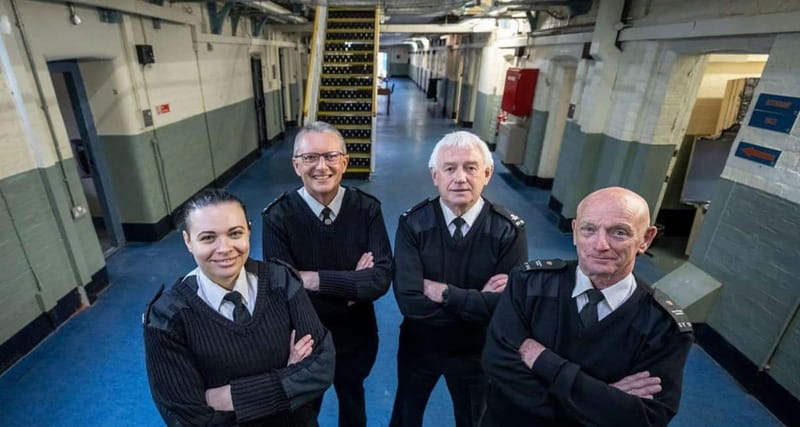
I particularly like how the tour is led by an on-duty style Prison Officer guide, with stories that connect Georgian-era changes to modern prison life. I also love that your ticket includes time for a self-guided tour and museum access, so you can linger where your curiosity pulls you.
One thing to plan for: you’ll do a lot of standing and walking on stone floors, and it can feel chilly inside the prison walls even when the day outside is warm.
In This Review
- Key highlights you will not want to miss
- A 90-minute prison tour that explains how control worked
- Arrive through the giant metal gates, then follow the signage
- Victorian wings, steel doors, and what 172 cells really means
- Reception, the B.O.S.S. chair, and the moment prisoners entered the system
- Exercise yards, netting, and the myths your guide will address
- Healthcare queues, medication lines, and programs for addiction
- Visits: where people from outside came in, and why security got stricter
- Executioner’s bedroom and the last-day geography of Shrewsbury
- The execution room, George Riley, and why the death penalty ended
- Self-guided tour time and the prison museum that sits inside the walls
- Price, timing, and why $33 can be solid value here
- Who should book this prison tour?
- Should you book Shrewsbury Prison Guided Tour and Museum Access?
- FAQ
- How long is the guided tour?
- What is included with the ticket?
- Can I do a self-guided visit as well?
- Do I need an English-speaking guide?
- Is Shrewsbury Prison wheelchair accessible?
- Is there food available on site?
Key highlights you will not want to miss
- Officer-led explanations that turn the layout into a story, not just a list of rooms
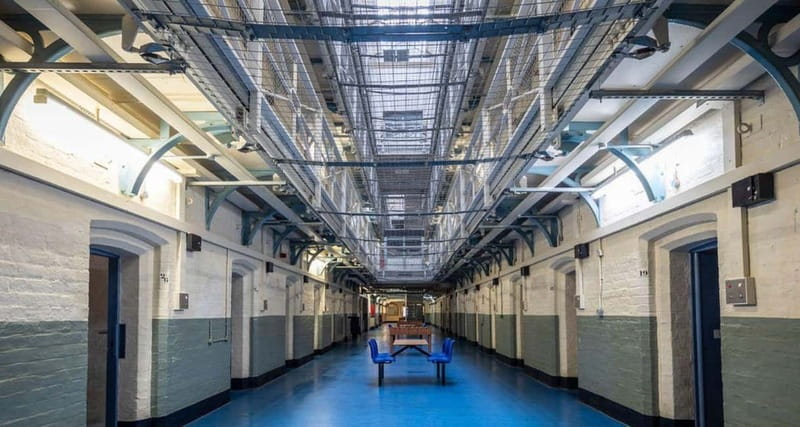
- Two Victorian wings you can actually picture, A Wing with 172 cells and C Wing with 22 cells
- Reception and security tech details, including the B.O.S.S. chair you will see in action during the tour
- Exercise yards and daily routines, with answers to questions like why netting was used and what direction prisoners walked
- Visits area and high scrutiny, where you learn how visits worked and why it was tightly controlled
- Execution spaces with documented facts, including the Executioner’s bedroom and the last execution in 1961
A 90-minute prison tour that explains how control worked

Shrewsbury Prison is not a museum that sits quietly behind glass. It is a working-style walkthrough of spaces built for order, surveillance, and punishment, from older Georgian approaches to more modern thinking.
The length is right for most people, about 1.5 hours, because it gives you enough time to see the big physical parts without turning your feet into a problem. And because you also get self-guided access, you can extend the experience after the main tour without rushing.
I like that the guide doesn’t just point at things. You’ll be asked to look at how the building itself shaped life, movement, and privacy. That is where the story becomes practical, not just grim.
More gallery rooms between showers:
- London: Chelsea Football Club Stadium and Museum Tour
★ 4.8 · 4,576 reviews - London: British Museum Guided Tour
★ 4.3 · 1,182 reviews - London: British Museum Guided Tour with Entrance Tickets
★ 4.9 · 748 reviews
Arrive through the giant metal gates, then follow the signage
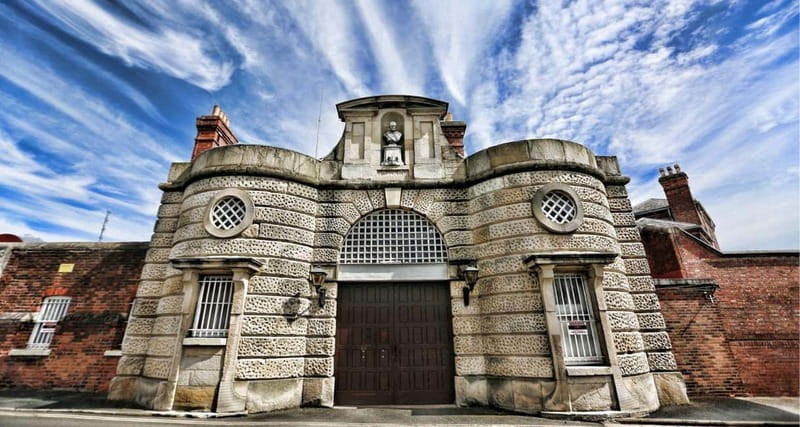
Your visit starts at the big gate entrance, where you’ll spot a Welcome to Shrewsbury Prison sign to the left of the main entrance. Follow the signs to the visitor center, where a team member helps you find where the guided tour begins.
This matters more than it sounds. Prison sites can feel maze-like, and getting oriented early means you spend your time watching and listening, not wandering around looking for your group. It also sets the tone: you are entering a controlled environment, not just sightseeing.
If you are bringing kids or teens, this early organization helps a lot. One reason the tour consistently lands well is that it feels structured from the start, which helps people stay engaged even with heavy subject matter.
Victorian wings, steel doors, and what 172 cells really means
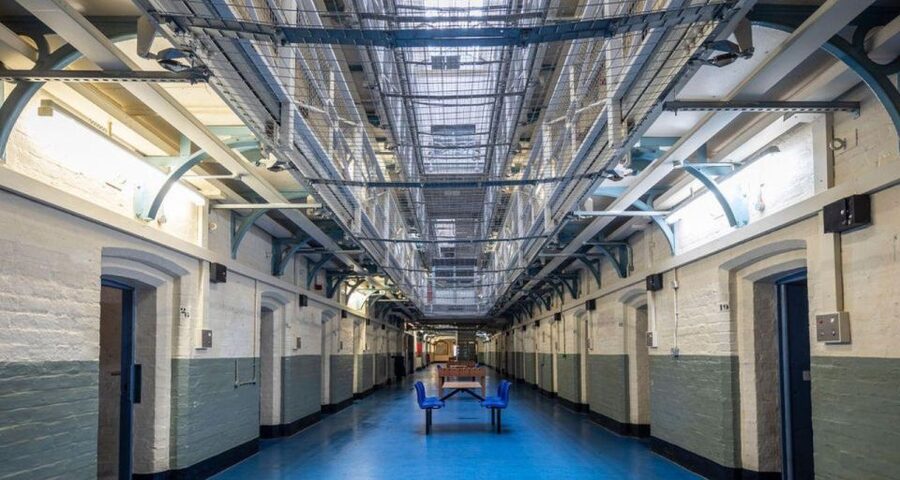
Once you start the walkthrough, the tour focuses on two traditional Victorian prison wings. The scale is the shock: A Wing has 172 cells built to house 350 men. Your guide helps you picture how crowded that must have been, and what that kind of design does to daily life.
Then you move to C Wing, which has 22 cells originally intended for female prisoners until 1921. That shift in use is more than an architectural note. It helps you understand how prison systems changed what they held, who they held, and how policies evolved over time.
A standout part is the way you walk the landing like officers did for around 200 years. You get a sense of routine movement, sightlines, and that constant awareness of the steel doors. It’s hard to forget once you feel how the space channels everyone’s choices.
Reception, the B.O.S.S. chair, and the moment prisoners entered the system

In the reception area, you’ll see how prisoners were processed when they entered or left. This is the place where the building starts acting like a machine, turning people into a case number and a schedule.
One specific stop you get here is the B.O.S.S. chair, the Body Orifice Security Scanner. Seeing it in the context of reception makes it feel less like a gadget and more like part of a bigger security mindset. Your guide uses these details to explain why procedures existed and how they were enforced.
If you like learning how rules work in real life, not just in theory, this section is a great fit. It’s also a good mental reset between the heavier spaces, because it ties the physical layout to the everyday mechanics of control.
Also inked in under London
- Magical London: Harry Potter Guided Walking Tour★ 4.7 · 22,044 reviews
- London: Emirates Stadium Entry Ticket and Audio Guide★ 4.7 · 5,513 reviews
- London: Christmas Lights Bus Tour With Live Guide★ 4.0 · 5,410 reviews
- From London: Cotswolds and Oxford Guided Day-Trip★ 4.7 · 3,720 reviews
Exercise yards, netting, and the myths your guide will address
Next come the exercise yards, two areas enclosed by tall, foreboding prison walls. The walls make the yards feel smaller than they should, which helps explain why exercise was still about management, not freedom.
Your guide also covers practical questions that make the tour feel grounded. Why was netting placed over the main exercise yard? And is it true that prisoners always walked in a clockwise direction? You do not just hear spooky trivia. You get real explanations that connect design to security needs.
This is one of the most useful parts of the tour because it teaches you how information, movement, and visibility were controlled. When you understand the logic here, you start noticing the same pattern in other spaces.
Healthcare queues, medication lines, and programs for addiction
The healthcare stop is where the building shifts from punishment to treatment. You’ll see where prisoners queued for medication and where drug and alcohol addiction programs were administered.
It’s a sobering section because it forces you to consider that prisons were not only places of custody. They were also places where people went to manage health needs, sometimes amid harsh constraints.
I like that the tour does not ignore this. You get a more complete picture of what the system tried to do, and why healthcare inside a prison can never be the same as outside.
Visits: where people from outside came in, and why security got stricter

The visits area is the only place within the prison walls where prisoners could meet people from outside. That single detail tells you a lot about the mindset of the place: even contact had limits.
Your guide explains the number of visits a prisoner was entitled to, how long visits would last, and why this area had the highest level of security and scrutiny within the prison. It’s not just about rules on paper. It’s about controlling the timing, the conversation, and the flow of who could enter.
This section tends to make people think differently. It’s easy to imagine prisons only as walls and cells. Visits remind you the system also regulated relationships, hope, and communication.
Executioner’s bedroom and the last-day geography of Shrewsbury

The tour moves into some of the darkest parts of the site, and it does so with factual structure. First up is the Executioner’s bedroom, a room where many executioners spent the night before sending the condemned man through the drop.
Albert Pierrepoint is specifically referenced here, letting you connect the room to a real person and the timeline of hangings. That grounding makes the experience more than storytelling. You start to see the spaces as part of a procedure that people carried out.
Then you see where the condemned man had his cell, where he would have spent his last days before being hanged. Even if you are not a history buff, the spatial logic hits hard, because you can literally walk the “before” space and understand why the final period was structured.
The execution room, George Riley, and why the death penalty ended

The Execution Room is described as one of the darkest places within the prison due to its previous usage. You learn that eight men lost their lives in this room after committing horrendous crimes.
Then the tour brings it closer to a point in time: George Riley, the last man executed at Shrewsbury Prison in 1961. Your guide also discusses how executions happened, why public executions were outlawed, and why the death penalty was removed altogether in 1965.
If you care about how societies change, this is where the tour turns from architecture to ethics. You get the facts around policy shifts, and the contrast between how earlier procedures were run and why later laws moved away from them. It is heavy material, but the structure helps you keep your footing.
Self-guided tour time and the prison museum that sits inside the walls
Your ticket includes self-guided access before or after your guided portion. That’s a big value add, because the guided walk hits the essential highlights, but your eyes will still want more.
You also get access to the Shrewsbury Prison Museum, with artifacts displayed from past inmates hidden within the prison walls. The museum adds texture to what you learned in the hallways. It turns a stop on the route into something you can revisit at your own pace, especially if you want to read slowly.
And yes, you should factor in the onsite restaurant. You’ll find hot and cold food and drinks, plus homemade cakes and bakes. After an experience with this level of emotional weight, having a real place to sit and recover your brain matters.
Price, timing, and why $33 can be solid value here
At $33 per person for about 1.5 hours, the pricing is reasonable for a fully guided experience in a real prison site, plus included self-guided time and museum access. You are not paying just for a lecture. You are paying for a route through spaces that are expensive to maintain and difficult to experience without a guide.
The real value shows up in how the tour is delivered. Many guides you might meet include prison officers like Alex, Dan, Michelle, Malcolm, and Graham, and the common thread in their style is engagement. You might hear dad jokes and see an approach that keeps teenage listeners from tuning out, which is not easy to do with this subject.
Time is also managed well. Some people feel the tour could be longer, and it can feel fast because there is a lot packed into 90 minutes. Still, that same packing is why it feels worth doing, because you leave knowing the layout and the major themes without losing the group.
Who should book this prison tour?
This fits best if you like history that you can walk through, especially if you prefer real-world context over textbook descriptions. It also works well if you enjoy systems, rules, and how buildings shape behavior, because the tour constantly links physical design to daily routines.
It’s also a strong pick for families with teens, as long as everyone is comfortable with dark topics. The guided approach, including the way humor is used to keep people comfortable, seems to help younger visitors stay focused.
If you are sensitive to heavy themes like executions, plan your pace and keep breaks in mind. And if standing is difficult for you, know that a lot of the experience is on your feet during the main tour route.
Should you book Shrewsbury Prison Guided Tour and Museum Access?
I think you should book if you want a structured, fact-forward prison experience that you can extend on your own afterward. The combination of an officer-led guided tour, a self-guided walk, museum access, and an onsite place to eat makes it feel complete for the price.
You should also book if you enjoy tours where the guide answers specific questions, like netting over exercise yards or whether prisoners really walked in a certain direction. Those practical details are exactly what turns a grim building into a learning experience.
Skip it only if you want a light, casual outing or if you cannot manage a lot of standing in a cold-feeling stone environment. For most people, though, the format is balanced: enough guided structure to understand what you are seeing, and enough freedom to explore what you still want to know.
FAQ
How long is the guided tour?
The total experience is about 1.5 hours.
What is included with the ticket?
Your ticket includes the guided tour of Shrewsbury Prison, access to the self-guided tour, access to the Shrewsbury Prison Museum, and entry to the onsite restaurant.
Can I do a self-guided visit as well?
Yes. You can take part in a self-guided tour either before or after your guided tour, and explore at your leisure.
Do I need an English-speaking guide?
The guided tour is provided in English.
Is Shrewsbury Prison wheelchair accessible?
Yes, the experience is wheelchair accessible.
Is there food available on site?
Yes. There is an onsite restaurant with hot and cold food and drinks, plus homemade cakes and bakes.
Newest entries under London






Museums, compared.
Tower of London and Crown Jewels Exhibition Ticket
Read our review →
Liverpool Football Club Museum and Stadium Tour
Read our review →
Chelsea Football Club Stadium and Museum Tour
Read our review →



British Museum Guided Tour with Entrance Tickets
Read our review →Browse the lists this tour appears in