
Reviewed · MUSEUMS
Sheffield: National Emergency Services Museum Entry Ticket
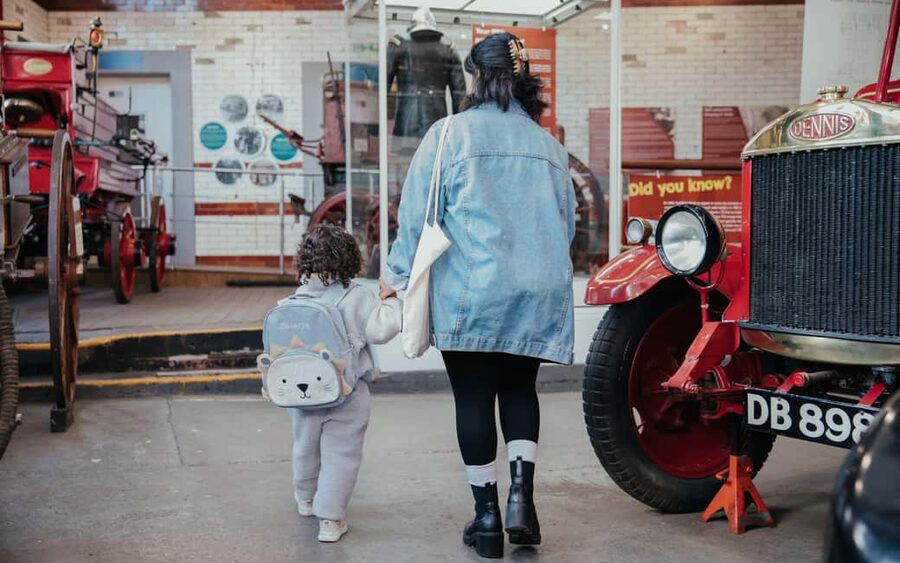
A Victorian police, fire, and ambulance station tells its story. The National Emergency Services Museum in Sheffield turns that setting into a hands-on day out with interactive exhibits and real emergency-service artifacts. It is the kind of place where you can look, play, and learn without feeling like you are in a classroom.
I especially love the original police cells and engine house layout, because the building itself helps you understand the work. The museum also leans hard into action and problem-solving, so kids and adults both stay interested through the different floors.
One thing to plan for: the museum sits in a Victorian building, so wheelchair access and movement can be limited for people with mobility impairments.
In This Review
- Key Highlights You Will Actually Use
- Where the Museum Fits Into a Sheffield Day
- Tickets and Value: Is $12 Good for What You Get?
- Arriving at a Victorian Building: Your Practical Ground Rules
- Your Walk Through the Three Floors
- Original Police Cells: Why This Part Hits Hard
- The Engine House and Firefighting Archives
- Vintage Police Cars: When You Get the Details
- Medical Equipment and Life-Saving Stories
- The 47ft Lifeboat: A Scale Moment You Should Not Skip
- Hands-On Learning That Works Across Ages
- How Long You Need: A Realistic Pace for a 1-Day Visit
- Staff and On-Site Help: Small Touches That Make a Difference
- Food, Drinks, and Energy Planning
- Who This Museum Is Best For
- Should You Book This Sheffield Museum Ticket?
Key Highlights You Will Actually Use
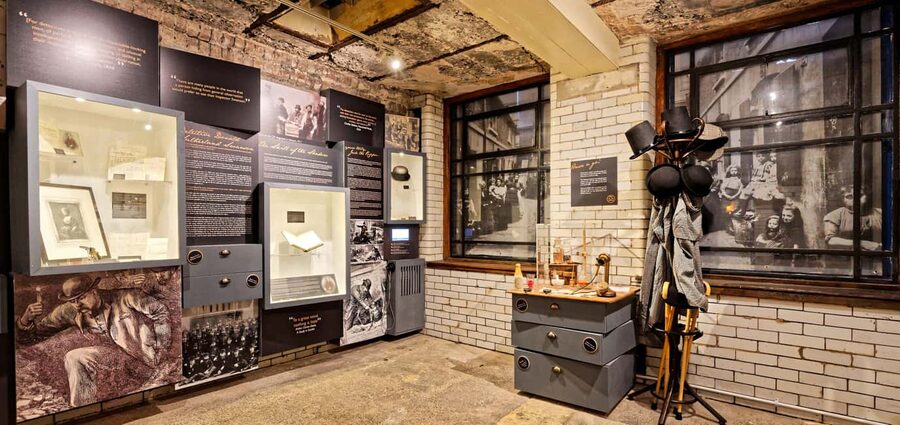
- Original police cells and an engine house setting that makes history feel physical, not just displayed
- Interactive, hands-on learning that works for kids and adults without separate experiences
- Three floors of exhibits, so you can tailor the pace, from a quick loop to a longer wander
- Medical and firefighting collections, including life-saving equipment and firefighting archives
- A 47ft lifeboat, a standout scale moment that adds drama to the day
Where the Museum Fits Into a Sheffield Day
Sheffield is not just steel mills and city walks. If you want a break that is indoors, family-friendly, and tied to real public service, this museum is a strong choice. It takes about a day, and it is ideal if you like your activities with a purpose, not just decoration.
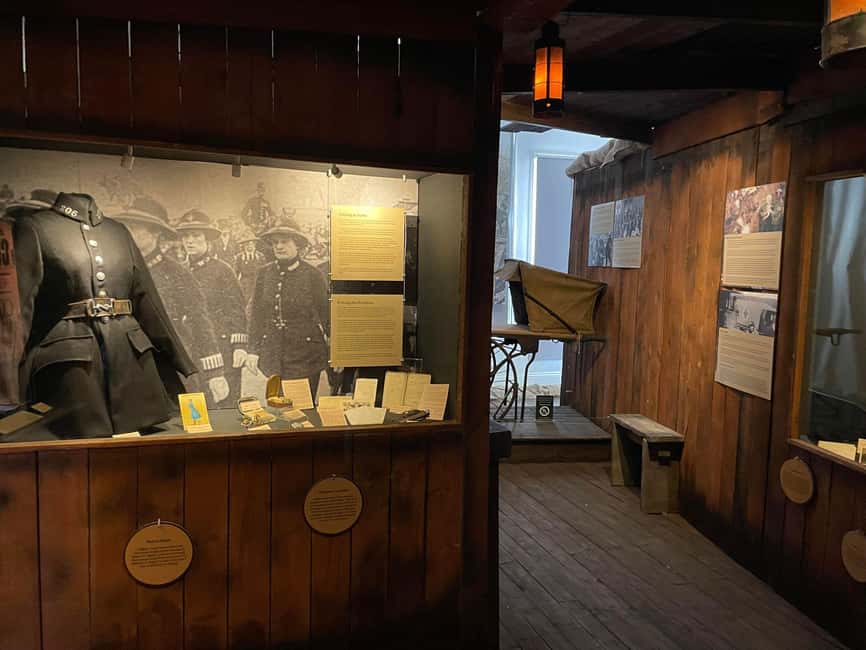
The museum is housed in a Victorian police, fire, and ambulance station, and you feel that right away. The thick walls and older rooms add context for the stories about the people who served others. That matters because it turns the exhibits into something more believable than posters on a wall.
You will also find that the museum is built for different tempos. You can do this like a quick win, staying mostly on the main areas, or you can slow down and read more of the display boards, especially if you like detail.
More gallery rooms between showers:
- London: Chelsea Football Club Stadium and Museum Tour
★ 4.8 · 4,576 reviews - London: British Museum Guided Tour
★ 4.3 · 1,182 reviews - London: British Museum Guided Tour with Entrance Tickets
★ 4.9 · 748 reviews
Tickets and Value: Is $12 Good for What You Get?
For about $12 per person, the value is strong if you care about interactive learning and you want a few hours that keeps multiple age groups engaged. This is not a museum where you mostly “pass through” quickly. It is set up so you can spend time in rooms that invite participation.
Access is for the full experience, so you are not nickel-and-diming your way into the good parts. You get entry to all exhibitions, and the museum is designed to offer enough variety that repeating a visit would still feel different.
Food and drinks are not included, so plan to either bring snacks you can manage comfortably or budget a meal stop nearby. That is a small trade-off, but it is an easy one: you get to control what you eat and when, and the museum stays focused on the exhibits.
Arriving at a Victorian Building: Your Practical Ground Rules
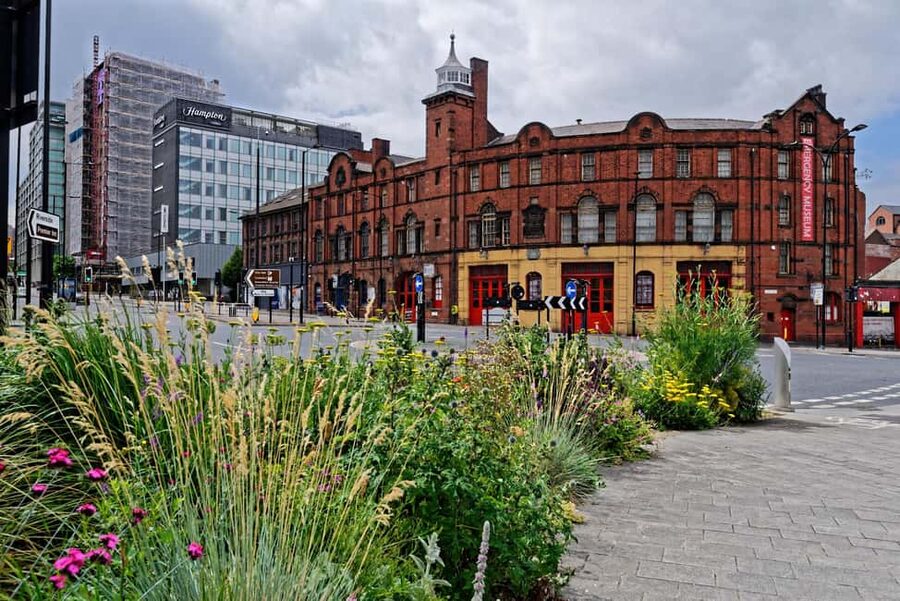
Wear warm clothing. Even inside, older buildings can feel cooler, especially if you are moving between floors. If you are visiting with kids, this matters because they will run and stop often, and you do not want anyone getting chilled.
Plan your route in advance. One practical snag that comes up is parking directions that can be confusing once you are close. If you are driving, I strongly suggest using a navigation app to confirm which car park entrance you are actually aiming for, rather than relying only on signage. It can cost you time, and time is the most precious currency in a family day out.
Also, the museum is in English. There is a host or greeter, so if you need help getting oriented, you are not left to figure it out alone.
Your Walk Through the Three Floors
The museum spreads across three floors, and the layout is part of the point. You are not just collecting exhibits, you are moving through spaces that match the emergency services theme.
A lot of the learning happens because the building is doing double duty. It is museum space, but it is also a working-era feel for how emergency services operated. That is why the police cells and engine house areas feel more immersive than you might expect from a museum with static displays.
If you are visiting with younger kids, the three-floor structure helps because you can choose what to focus on first. Start with the areas that grab attention fastest, then come back to read more slowly when the energy levels stabilize.
Also inked in under London
- London: The London Eye Entry Ticket★ 4.6 · 35,875 reviews
- London: Tower Bridge Entry Ticket★ 4.7 · 15,560 reviews
- London: St Paul’s Cathedral Entry Ticket★ 4.7 · 9,813 reviews
- London: London Eye and Madame Tussauds Combo Ticket★ 4.7 · 7,428 reviews
Original Police Cells: Why This Part Hits Hard
The museum’s original police cells are one of the best reasons to go. You are not looking at a recreated room that feels generic. You are standing in something that communicates what detention and policing looked like in an earlier era.
What makes this section work, even for kids, is that it connects environment to story. You can see how the physical space would influence decisions and behavior, and that makes the history feel real instead of distant.
For parents, this is one of those areas where you can get easy buy-in. Kids usually do not say they love detention history, but they do like the sense of stepping into a real-world place. Adults often stick around longer because the display boards tend to add context in plain language.
The Engine House and Firefighting Archives
Next, you get into the engine house world. This is where the museum’s emergency theme expands from policing to firefighting operations. You will find firefighting archives and firefighting-related displays that help explain the evolution of equipment and response.
This is also where the museum’s hands-on approach starts to feel extra practical. When you can connect tools and equipment to what they were designed to do, the exhibits make more sense. You do not just memorize dates. You get a feel for the problem each tool was built to solve.
If you like visual details, this section rewards it. The way equipment and artifacts are presented helps you notice differences and scale, which is especially helpful if you have a teenager who wants to know how things worked.
Vintage Police Cars: When You Get the Details
The museum includes vintage police cars, and that is a smart move because vehicles create instant interest. Kids get the wow factor, and adults get the design and evolution angle.
Cars in particular help you understand the shifting role of police across time. Even without a deep technical explanation, you can see changes in build, purpose, and how a vehicle communicates its job. It is history you can interpret with your eyes.
If your group includes mixed ages, this is an easy meeting point. Everyone can agree on cars first, then split a little later to follow their own interests.
Medical Equipment and Life-Saving Stories
One of the strongest themes across the museum is the focus on emergency medical care. The museum includes life-saving medical equipment, along with the kinds of stories that explain why readiness matters.
I like this part because it shifts the mood from action to service. It is still exciting, but it also underlines why emergency work is about preparation and quick decisions, not just hero moments. That angle tends to land well with kids who are curious about how people help others.
If you are visiting with older kids, they often enjoy the equipment displays because they feel like puzzle pieces. You can look at a tool and then connect it to a situation, which makes the information stick better.
The 47ft Lifeboat: A Scale Moment You Should Not Skip
The highlight for many people is the 47ft lifeboat. It is the kind of exhibit that changes the entire room temperature, because it is hard to ignore something that size.
Scale matters in museums. A small artifact can be interesting, but a large vehicle or boat helps you understand the effort behind rescue work. It also gives you a natural “photo and pause” moment, which is great when you are managing energy levels in a family group.
This is a good anchor point for your visit. If your group starts to lose momentum, use the lifeboat as a reset. Everyone regains interest, and then you can carry that attention into the surrounding exhibits.
Hands-On Learning That Works Across Ages
The museum is very direct about being interactive, and it delivers. The exhibitions are set up so kids can play and learn through hands-on activities, while adults get informative display boards and clear explanations.
A major reason this works for families is variety. You are not stuck doing one type of activity for hours. You will rotate between looking, reading, and trying something practical.
For parents, this reduces the classic museum problem. You are not constantly negotiating what to do next. The exhibits already have built-in pacing, so you can let the museum guide you.
For older kids, the interactive elements also offer a way to participate without feeling like they are being talked down to. That is often the difference between a museum day that feels tolerable and one that actually feels fun.
How Long You Need: A Realistic Pace for a 1-Day Visit
This is a one-day museum, and you should plan for a couple of hours minimum if you want to see highlights without rushing. If your group includes children who will stop frequently, or if you like reading display boards, you may stretch longer.
A good strategy is to do it in loops. First pass: focus on the spaces that create instant attention, like the police cells, engine house area, and any vehicle displays. Second pass: slow down for the medical and firefighting story content, and then finish with the lifeboat if it helps your group end on a high note.
If you are visiting during cooler months, build in extra pauses to warm up. The museum is in a Victorian structure, and you will appreciate breaks if everyone is moving up and down between floors.
Staff and On-Site Help: Small Touches That Make a Difference
The museum’s staff are part of the experience. People describe them as friendly, and in a museum like this, that matters because it can take the pressure off. If you arrive and feel slightly unsure about where to go first, a quick question can save time and help you pick the right route.
There is also an English-speaking host or greeter, which is useful if you want fast orientation. In practice, that kind of help makes a museum day smoother, especially with kids.
Food, Drinks, and Energy Planning
Food and drinks are not included, so you need to plan your own timing. If you are traveling with children, I recommend doing a snack break before energy fully drops. That keeps the day cheerful and reduces meltdowns that usually arrive right after a long reading session.
If you bring your own snacks, make sure you plan for space and mess. You do not want to be hunting for a place to sit when everyone is hungry.
If you prefer to buy food outside, treat the museum as an anchor, then schedule a meal stop after your visit. That way you are not trying to make decisions while your group is tired.
Who This Museum Is Best For
This museum is a strong fit for families, especially because it is built around hands-on, action-packed exhibits. If you have kids between about preschool age and early teens, the mix of interactive activities and historical artifacts tends to keep attention.
It is also a good pick for adults traveling with someone else who wants variety. You can enjoy the history angle, but you can also stay engaged through the interactive and equipment-focused exhibits.
If your group loves emergency services as a general theme, you get a balanced spread: policing, firefighting, ambulance-style medical care, and rescue work. That balance is exactly why it works as a day out instead of a quick stop.
Should You Book This Sheffield Museum Ticket?
Book it if you want a family-friendly museum that stays active, not passive. The combination of three floors, original spaces like the police cells, and standout exhibits like the 47ft lifeboat creates enough variety that most groups will find something they enjoy.
Skip it only if your group prefers museums with long, quiet reading time and minimal participation. This place is designed to be touched, tried, and explored, and that is a little less suited to visitors who want a purely contemplative experience.
If you like practical learning, real artifacts, and a day that can flex to different ages, this ticket is a solid use of your time in Sheffield.
Newest entries under London






Museums, compared.
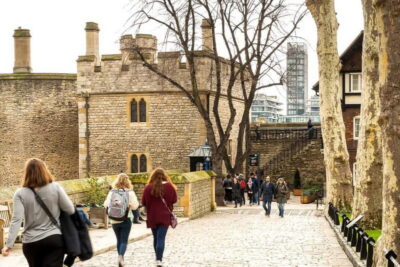
Tower of London and Crown Jewels Exhibition Ticket
Read our review →
Liverpool Football Club Museum and Stadium Tour
Read our review →
Chelsea Football Club Stadium and Museum Tour
Read our review →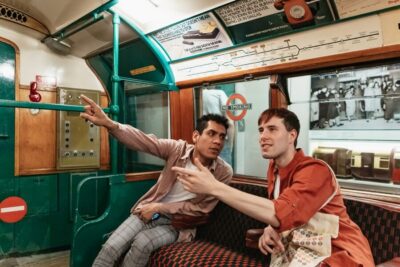

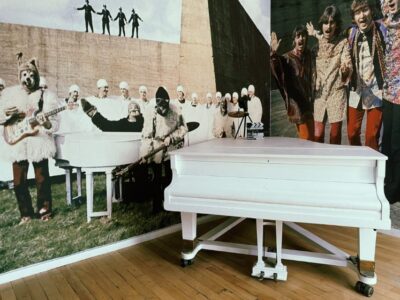


British Museum Guided Tour with Entrance Tickets
Read our review →Browse the lists this tour appears in