
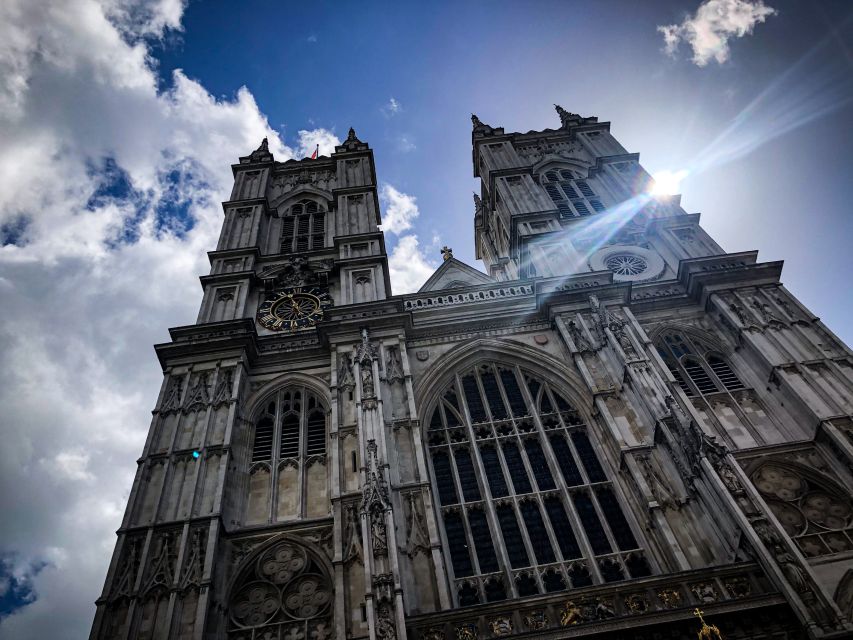
Reviewed · WALKING TOURS
Royal London: Tudors & Stuarts Walking Tour
St James’s Palace makes royal drama feel real. This 2-hour walking tour connects Tudor and Stuart landmarks to the people and power plays behind them, from Henry VIII and Anne Boleyn to Charles I. I like the way it mixes big names with human details, and I also like the small group size, up to 6, which makes questions easy for a guide like Natalie. One drawback to plan around: there is no landmark entry included, so some sites are viewed from outside unless you buy tickets separately.
You’ll start at the gates of St James’s Palace in a part of London that still feels like a court waiting to happen. The tour highlights the site where the largest royal palace once stood, a “Stuart gem” tied to Shakespeare’s premieres, and the route associated with the love-torn king who ended up executed. The only real consideration is footwear and weather, since it runs rain or shine and you will be walking for the full 2 hours.
If you’re a fan of British royal period dramas, you’ll feel like you’re walking through familiar scenes, but with the messy real-world context that TV usually skips. There’s also plenty of court gossip built in, including what St James’s Palace was once called and a couple of royal-child stories that make you look twice at how propaganda worked. Wear comfortable shoes, bring an umbrella, and expect a brisk, steady stroll.
In This Review
- Key moments you will remember
- Where the Tudors and Stuarts feel close up
- Starting at St James’s Palace, where court life turned into gossip
- Henry VIII and Anne Boleyn, the marriage that changed everything
- The Stuart years and Shakespeare, where culture met power
- Charles I’s footsteps, from romance to execution
- The largest palace site, and what it teaches about royal power
- Glorious Revolution and the royal “who married whom” puzzle
- Royal children myths: warming pan and the palace imagination
- Pocahontas in royal England, and which residence mattered
- How the 2-hour pace works for real-life schedules
- Price and value, is $29 actually fair?
- Who this tour fits best, and who should skip it
- Practical tips before you meet the guide
- Should you book the Royal London: Tudors & Stuarts Walking Tour?
- FAQ
- Where do I meet the guide?
- How long is the tour?
- How much does it cost?
- Is entry to landmarks included?
- What should I bring?
- Does the tour run in bad weather?
- Is it suitable for kids or wheelchair users?
- What language is the tour guide?
- FAQ
- How big are the groups?
- Is hotel pickup included?
Key moments you will remember
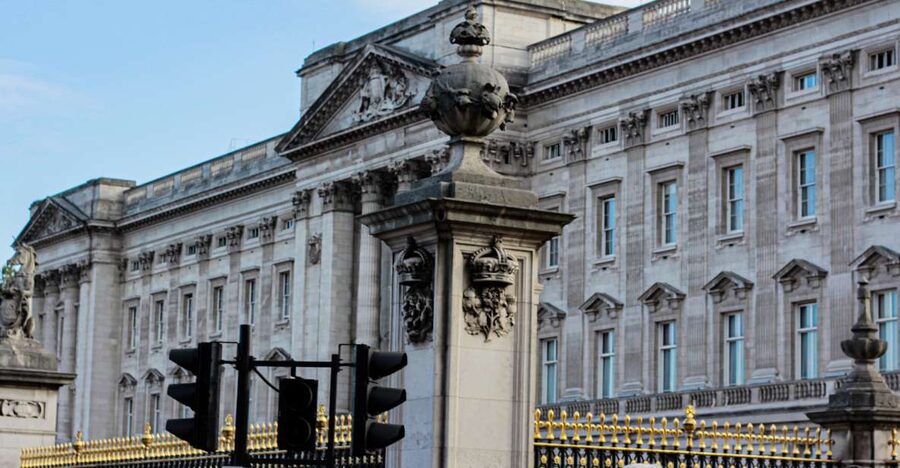
- St James’s Palace as your starting point, right at the gates, so the whole tour has a strong anchor from minute one
- Henry VIII and Anne Boleyn connections, tied to how marriages reshaped the throne’s future
- Charles I’s endgame, where the romance of monarchy runs headlong into power and execution
- A Stuart-linked place where Shakespeare premiered his plays, showing how politics and theater overlapped
- The biggest royal palace site once stood here, letting you picture how enormous royal presence really was
- Pocahontas at court, and the specific royal residence she visited during her time in England
Where the Tudors and Stuarts feel close up
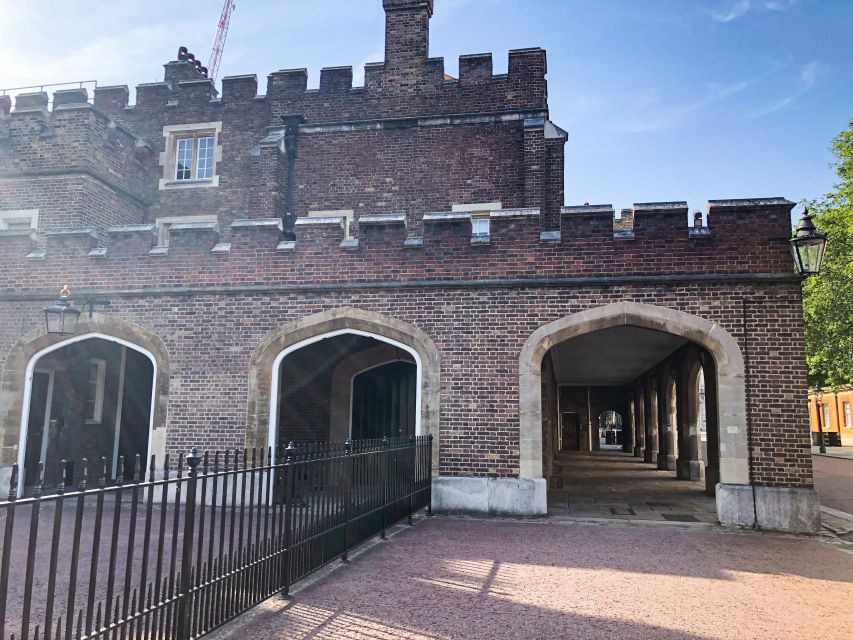
Royal London tours can go big and vague, or they can go focused and personal. This one does both, which is why it works. You meet at the gates of St James’s Palace at the bottom of St James’ Street (Cleveland Row, Pall Mall). The guide is described as quirky and short, and in practice that kind of energy matters. It usually means you get a guide who talks like a person, not like a textbook.
Then you begin walking through an area where the monarchy was not just symbolic. It was the operating system of London. As you move from stop to stop, you start seeing patterns: how royal families used architecture, ceremony, and rumors to hold onto power. The tour is about Tudor and Stuart reigns across more than 200 years, but it stays grounded by constantly connecting events to locations you can actually stand near.
The small group size, limited to 6 participants, is a quiet advantage. You can ask basics without feeling silly, and you can steer your curiosity. One review specifically praised Natalie for being patient with historical beginners and generous with her time, which is exactly what you want on a subject that can feel complicated fast.
More Guided Walking Tours in London
- Magical London: Harry Potter Guided Walking Tour
★ 4.7 · 22,044 reviews - London: The Original Jack the Ripper Walking Tour
★ 4.7 · 7,833 reviews - London: Harry Potter Movies Walking Tour (Kids Go Free)
★ 4.7 · 3,071 reviews
Starting at St James’s Palace, where court life turned into gossip
St James’s Palace is a fitting place to start because it gives you an instant mood switch. Even if you just look at the exterior and imagine the gates, you can feel the difference between a royal building and a museum. Court life was controlled, theatrical, and full of backstage stories, and the tour leans into that.
One of the more memorable angles is the darker rumor side. You learn why St James’s Palace was once referred to as the Royal Brothel. That kind of detail does two useful things for you as a visitor. First, it reminds you that politics and sexuality were tangled in public perception. Second, it helps you read the past the way people in that era did, with propaganda and scandal moving hand in hand.
You also get royal-lifestyle context that makes later events make sense. When you understand how the palace functioned, Henry VIII’s marriage politics feel less like random drama and more like calculated moves. And when you understand how the court talked, the later stories about royal heirs and near-misses stop feeling like pure fantasy and start feeling like how power protected itself.
Henry VIII and Anne Boleyn, the marriage that changed everything

The tour follows Henry VIII’s footsteps and uses key sites to explain how Tudor power shifted through marriage. Henry and Anne Boleyn are not just names here. They are a hinge point.
This is the part of the tour where you should pay extra attention to the details about consequences. Henry’s relationship with Anne is tied to the future of the line and to how the monarchy handled legitimacy, religion, and authority. Even if you already know the headline facts, walking through the area linked to court decision-making helps you understand the urgency behind the story.
You also get a look at the beautiful exterior of a historic Tudor palace. It matters that it is an exterior view because it forces you to notice scale, style, and the plain fact that these buildings were built to impress. Royals did not just rule, they signaled. The architecture tells you that, and the guide helps you connect the look to what people feared and wanted.
A practical note: since entry to landmarks is not included, you will often be outside, looking in from the edges. If you prefer ticketed, indoor history, treat this tour as the orientation layer that makes later paid visits more meaningful.
The Stuart years and Shakespeare, where culture met power
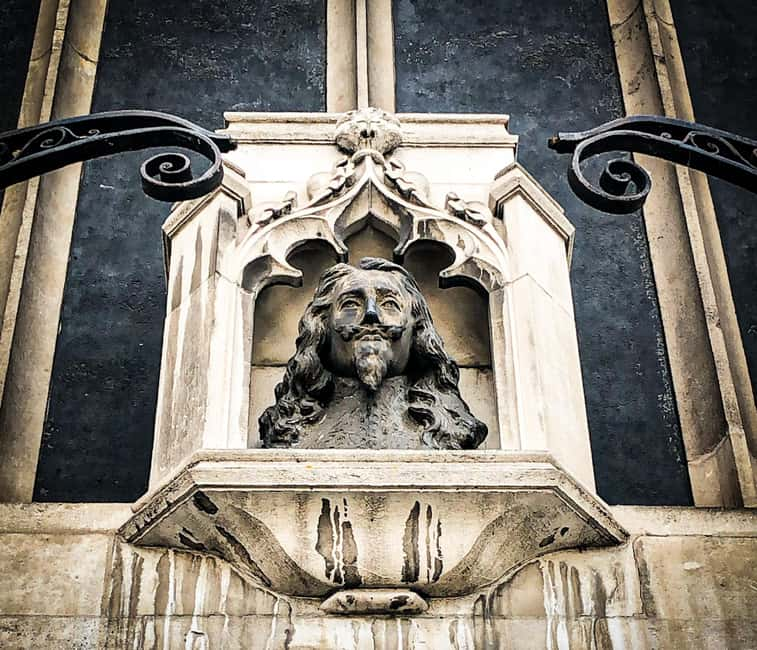
One highlight is the Stuart gem connected to where Shakespeare premiered his plays. This is the kind of stop that makes the walk feel like more than royal biography. You start to see the monarchy as a sponsor of culture, not just a set of rulers.
Here’s the value for you: when you connect Shakespeare to the Stuarts, theater becomes part of court dynamics. Plays were entertainment, yes, but they were also commentary and political messaging. Knowing that premieres happened under Stuart-era patronage helps you place Shakespeare in a larger power ecosystem.
It also adds variety to the walking pace mentally. After Henry VIII and the Tudor marriage stakes, Shakespeare is a reminder that monarchy shaped everyday life beyond the palace doors. If you like period dramas like The Tudors, Gunpowder, and To Kill a King, you’ll recognize the overlaps. It’s the same world, just from different angles.
More British streets at boot pace:
- London: The Great British Rock and Roll Music Walking Tour★ 4.9 · 1,783 reviews
- London: Harry Potter Walking Tour in German★ 4.8 · 1,505 reviews
- London: Jack the Ripper Evening Walking Tour★ 4.9 · 1,449 reviews
- London: Street Art and Graffiti Guided Walking Tour★ 4.9 · 1,354 reviews
Charles I’s footsteps, from romance to execution
The tour then shifts into one of the heaviest emotional stories tied to the Stuarts: the love-torn king doomed to be executed. That framing is useful because it prevents the story from becoming only about dates and events. Charles I’s downfall is political, but it is also human. You feel how the monarchy’s image crumbles when power stops cooperating.
As you follow the steps associated with his execution, focus on the turning points. Think less about memorizing every name and more about the theme: when legitimacy is contested, the court’s usual tools stop working. The tour uses the physical route to help you grasp how fast a monarchy can move from ceremony to crisis.
If you have seen TV versions, you will likely notice a difference here. TV often compresses timeline and simplifies motives. A guided walk slows it down. You get to absorb that history happened in steps, with decisions stacking up until the final outcome felt almost inevitable.
The largest palace site, and what it teaches about royal power
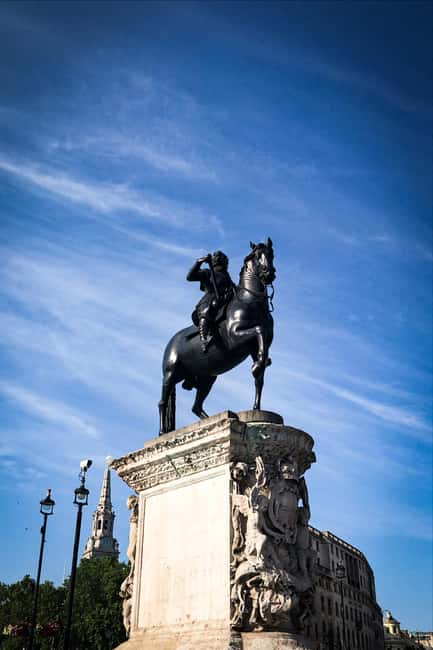
Another highlight is exploring the site where the largest royal palace once stood. Even when you do not have the building in front of you, the idea lands: royal London was enormous, and the monarchy took up real estate like it owned the city. The tour uses this stop to help you picture scale.
This is one of the tour’s best values for first-time London visitors who want royal context but don’t have time for multiple full-ticket sites. Standing where the biggest palace once operated gives you a mental model. You stop thinking of the monarchy as a distant symbol and start thinking of it as a physical presence that shaped streets, movement, business, and public behavior.
A caution for your expectations: because entry is not included, you might not have indoor interpretation at this stop. If you want photos, try different angles, and if you can, take a moment to look for spatial cues. Where would the crowds have gathered? How would guards and processions have moved? The guide’s storytelling helps fill the gaps.
Glorious Revolution and the royal “who married whom” puzzle
The tour includes moments tied to major constitutional change, like the Glorious Revolution being enacted. It also asks and answers the relationship questions that people often forget.
You will hear about where Queen Anne married her prince, who the first royal couple was where both were monarchs, and how these marriages and appointments helped stabilize or shake the throne. This part is not just trivia. It explains why monarchy survived at all. Dynastic planning was a survival strategy.
If you have ever wondered why royal families treated marriage like statecraft, this is the section where it clicks. The guide turns genealogies into cause-and-effect. When you know the outcome, the earlier details make more sense, and when you see the location-linked context, you stop treating the royals as remote personalities and start treating them as political operators.
Royal children myths: warming pan and the palace imagination

One highlight asks big questions that sound like campfire stories but point to real issues of security, rumor, and succession. You’ll hear about whether a palace was built for the royal children and about the story of someone smuggling a royal heir inside a warming pan.
Even if you already know the headline, I like how this kind of stop works on a guided walk. It gives your brain a break from the heavy executions and constitutional battles. But it also keeps you alert to the reality that people in power lived inside constant uncertainty. When succession was at stake, the palace was not only a home, it was a fortress, and stories traveled fast.
The tour’s tone helps here. It presents the stories in a way that feels like court talk, not just a legend dump. If you are the type of visitor who likes history with personalities and contradictions, you’ll probably enjoy this stop a lot.
Pocahontas in royal England, and which residence mattered
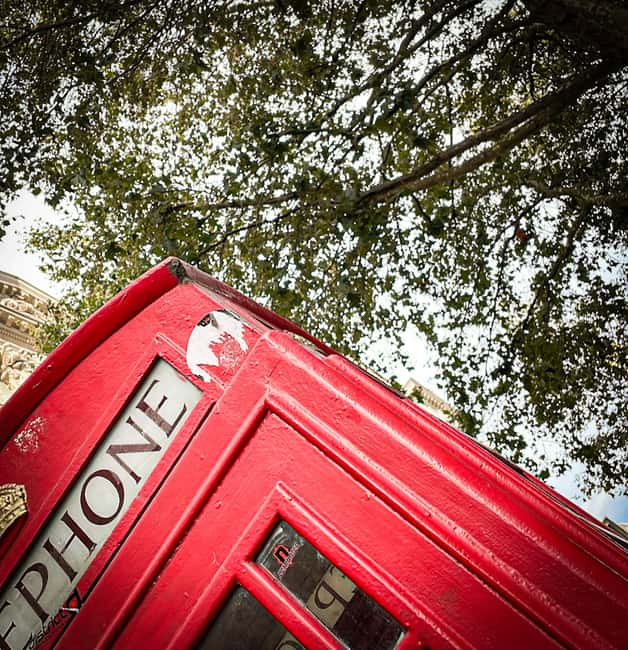
The final major highlight is finding out which royal residence was visited by the lady we know as Pocahontas. This is the kind of detail that surprises people, and that is usually a sign the tour is giving you something you cannot get from a quick guidebook skim.
For you, the value is twofold. First, it expands the cast beyond the usual English royal loop. Second, it places cross-cultural contact inside the real spaces where decisions and presentations happened. Even a short answer about which residence is tied to her visit can steer how you interpret the rest of the walk, because it reminds you the court was connected to the wider world.
If you want a tour that includes more than just the usual Tudor and Stuart names, this stop is part of the reason to choose it.
How the 2-hour pace works for real-life schedules
This is a 2-hour walking tour. That length is practical. You get a dense overview without turning your day into a half marathon.
It is also set up for the reality of London weather. The tour runs rain or shine, so you do not have to gamble with forecasts. The best move is to treat London like it always might drizzle, pack an umbrella, and wear shoes that can handle wet pavement.
Restrooms are available in Trafalgar Square, though opening hours can change. So if you think you might need a break, plan it before the late part of the walk. Bring a reusable water bottle too, since it is a long enough span to feel thirsty in mild weather.
A small group, limited to 6 participants, means you will not get dragged behind a crowd. You will also feel the guide more clearly. On a topic that can get name-heavy, that clarity is worth a lot.
Price and value, is $29 actually fair?
At about $29 per person for a 2-hour guided walk, the price is relatively strong for what you get: a live English guide, a focused route through major royal themes, and a chance to learn how Tudor and Stuart reigns connect.
You do not get entry to landmarks, so if your dream includes indoor exhibits, you should budget for additional tickets. But if your goal is understanding and context, this works well as a foundation. Many travelers spend more on an attraction and come away still confused about the bigger story. This tour helps you build that story quickly, with locations that keep you oriented.
Also, the tour format is a big value lever. With only up to 6 people, you are not paying for a lecture delivered to a wall of strangers. You are paying for a guide you can ask questions of, and reviews specifically praise Natalie for being friendly and amusing, with deep knowledge and patience for beginners.
Who this tour fits best, and who should skip it
This tour is especially suited for fans of royal period dramas, including The Tudors, The Spanish Princess, Firebrand, Wolf Hall, Gunpowder, Mary and George, and To Kill a King. If you recognize the scenes, you will enjoy the connections between drama and the real power shifts.
It is also a good fit if you like storytelling history, because the walk uses anecdotes and court talk alongside the dates. You will walk away with more than names. You will understand why people behaved the way they did.
One clear limitation: it is not suitable for children under 13. So families with younger kids should look for something else.
Wheelchair info is mixed. The tour notes wheelchair accessibility, but it also says it is not suitable for wheelchair users. If you rely on wheelchair access, confirm directly with the operator before booking.
Practical tips before you meet the guide
Here’s how to make your walk smoother:
- Bring comfortable shoes. You will be walking a lot in a royal district with changes in pavement.
- Pack an umbrella. The tour is rain or shine.
- Bring a reusable water bottle.
- Sunglasses are a good idea because sunshine is unpredictable in London.
- If you plan to use restrooms, Trafalgar Square has options, but hours can shift.
For your mindset, try this: treat each stop like a clue. The guide gives you connections, but you should look for how the places reinforce the story. Royal drama makes more sense when your feet are moving through the city that shaped it.
Should you book the Royal London: Tudors & Stuarts Walking Tour?
Book it if you want a compact, story-driven introduction to Tudor and Stuart England that ties major events to places you can actually see. It is strong value for the price because you get a live guide, a small group experience, and a clear emphasis on the relationships between rulers, courts, and culture. If you care about Henry VIII, Anne Boleyn, Charles I, Shakespeare, Glorious Revolution, Queen Anne, and the surprising reach of court visits like Pocahontas, this walk gives you a lot of those threads in 2 hours.
Skip it if you primarily want indoor museum time and paid landmark entry, because this tour does not include admission. Also, if your schedule cannot handle a steady rain-or-shine walk, consider a different format.
FAQ
Where do I meet the guide?
Meet the guide at the gates of St James’ Palace at the bottom of St James’ Street (Cleveland Row, Pall Mall). The guide is described as a quirky short lady.
How long is the tour?
The tour lasts 2 hours.
How much does it cost?
The price is listed as $29 per person.
Is entry to landmarks included?
No, entry to landmarks is not included.
What should I bring?
Wear comfortable shoes. Bring an umbrella and a reusable water bottle. Sunglasses are also recommended because London sunshine can be unpredictable.
Does the tour run in bad weather?
Yes. The tour takes place rain or shine.
Is it suitable for kids or wheelchair users?
It is not suitable for children under 13. For wheelchair users, the information is mixed, since it lists wheelchair accessibility but also says it is not suitable for wheelchair users, so you should check with the operator.
What language is the tour guide?
The live guide speaks English.
FAQ
How big are the groups?
The tour is a small group limited to 6 participants.
Is hotel pickup included?
No. Hotel pickup and drop-off are not included.
Newest entries under London






Walking Tours, compared.

Magical London: Harry Potter Guided Walking Tour
Read our review →

University and City Walking Tour with Alumni Guide
Read our review →
Harry Potter Movies Walking Tour (Kids Go Free)
Read our review →
The Great British Rock and Roll Music Walking Tour
Read our review →

Harry Potter Walking Tour Including New College
Read our review →Browse the lists this tour appears in