
Reviewed · WALKING TOURS
Royal London: from Saxons to Tudors & Stuarts Walking Tour
Royal history, in walking form. This 2-hour tour turns central London into a timeline of power, love, and consequences, from Saxons to Stuarts. I like the way it points you at Shakespeare-linked locations, not just dates and kings. I also love the human thread through the story, especially the tragedy of Charles I and the shock of Henry VIII and Anne Boleyn. One thing to plan for: it is all outdoors, so rain and cold are part of the deal.
You’ll meet at the entrance to Waterstones by Trafalgar Square, then follow a quirky short guide with real storytelling energy. The walk is limited to six attendees, which helps you ask questions and stay focused without feeling rushed.
In This Review
- Key takeaways before you go
- Starting at Waterstones, Trafalgar Square, and building your Saxons-to-Stuarts map
- Saxons, Tudors, and the real reason the timeline can feel confusing
- The palace site where a huge royal center once stood
- The Stuart stop that ties right into Shakespeare premieres
- Following Charles I’s footsteps, the love-and-doom storyline
- Henry VIII and Anne Boleyn, where the marriage happened
- How the six-person group size changes the whole experience
- Outdoor walking realities: rain, shoes, water, and quick toilet planning
- Price and value: why $29 for a 2-hour small group can be a smart move
- Who this tour suits best, and who should skip it
- Should you book this Royal London tour?
- FAQ
- How long is the Royal London walking tour?
- Where do I meet the guide?
- How many people are in the group?
- Is the tour indoors or outdoors?
- What should I bring?
- Is this tour suitable for children and wheelchair users?
- Is the tour in English, and can I get a refund if plans change?
Key takeaways before you go
- Start at Trafalgar Square, with an easy-to-find meeting spot right by Waterstones bookshop
- Saxons to Stuarts timeline, explained through places you can actually stand on
- Shakespeare and the Stuarts, tied to a specific location where his plays premiered
- Charles I’s final chapter, guided as a personal, love-and-doom story
- Henry VIII and Anne Boleyn, including where the marriage happened
- Comfort matters, because you walk outside the full two hours, rain or shine
Starting at Waterstones, Trafalgar Square, and building your Saxons-to-Stuarts map
The best part of this tour is the pacing. You do not just learn about monarchs, you connect them to real corners of London. Meeting at the Waterstones entrance near Trafalgar Square gives you a clean starting point, and it puts you in the thick of the story quickly.
From the first minutes, the guide frames the big questions. What did William Conquer, really? Why are Tudors important for how England later worked? Who was Edward the Confessor, and why does he still show up in the lead-up to later rule? That approach helps you keep the centuries straight, because you are not memorizing names in a vacuum.
This is also a good “first royal London” tour. You get an overview strong enough to make later visits make sense, like you suddenly understand why certain buildings and street-level locations matter.
More Guided Walking Tours in London
- Magical London: Harry Potter Guided Walking Tour
★ 4.7 · 22,044 reviews - London: The Original Jack the Ripper Walking Tour
★ 4.7 · 7,833 reviews - London: Harry Potter Movies Walking Tour (Kids Go Free)
★ 4.7 · 3,071 reviews
Saxons, Tudors, and the real reason the timeline can feel confusing
Royal history can feel like a blur of similar names and costumes. This walk combats that problem by treating the changes in monarchy like cause-and-effect, not just pageantry.
You’ll move through the story in a way that answers the tour’s own prompts. It brings up the Saxons, then shows why the Tudors became such a turning point. It also touches on Edward the Confessor, which is key because he sits in the lead-up to later conquest and political shifts.
As you walk, you’ll see how the guide links these moments to what you’re standing near. That matters for you, because it turns London into a study aid. Instead of trying to hold everything in your head, you attach it to a place, then the next stop makes sense.
The palace site where a huge royal center once stood
One highlight is exploring the site where the largest royal palace once stood. Even if you do not see the old grandeur anymore, the point of being there is the scale. When you know a palace of that size existed, the area suddenly feels less random.
The guide’s storytelling gives you context for why those palaces mattered. Royal power was not only in crowns and speeches. It was also in where people gathered, where decisions were made, and where influence moved through the city.
This is a good segment to pay close attention. If you wander off mentally, you might miss the logic the guide uses to connect palace life to what comes next in the Tudor and Stuart eras.
Practical note: since this is outside the whole time, you’ll want your eyes up, but your feet comfortable too.
The Stuart stop that ties right into Shakespeare premieres
The tour’s Stuart chapter has a specific punch: you get to admire the Stuart gem where Shakespeare premiered his plays. That’s the kind of detail that instantly makes monarch history feel less academic.
Here’s what you’re really getting in that moment. You’re seeing how cultural power and royal support overlapped. The monarchy wasn’t only about rule and war. It was also a stage for writers, performers, and public attention.
If you are a fan of royal period dramas like The Tudors, Becoming Elizabeth, Gunpowder, The White Queen, Mary and George, Outlander, or similar shows, you’ll probably enjoy how this portion connects fiction-friendly vibes to actual locations. Not everything will be a pop-culture match, but the atmosphere and power dynamics line up with what those stories are trying to dramatize.
Because this segment is location-based, it works well even if you are not a diehard Shakespeare fan. You’ll still walk away with a clear sense of why the Stuarts mattered and how that era supported the kind of theatrical premieres people remember.
More British streets at boot pace:
- London: The Great British Rock and Roll Music Walking Tour★ 4.9 · 1,783 reviews
- London: Harry Potter Walking Tour in German★ 4.8 · 1,505 reviews
- London: Jack the Ripper Evening Walking Tour★ 4.9 · 1,449 reviews
- London: Street Art and Graffiti Guided Walking Tour★ 4.9 · 1,354 reviews
Following Charles I’s footsteps, the love-and-doom storyline
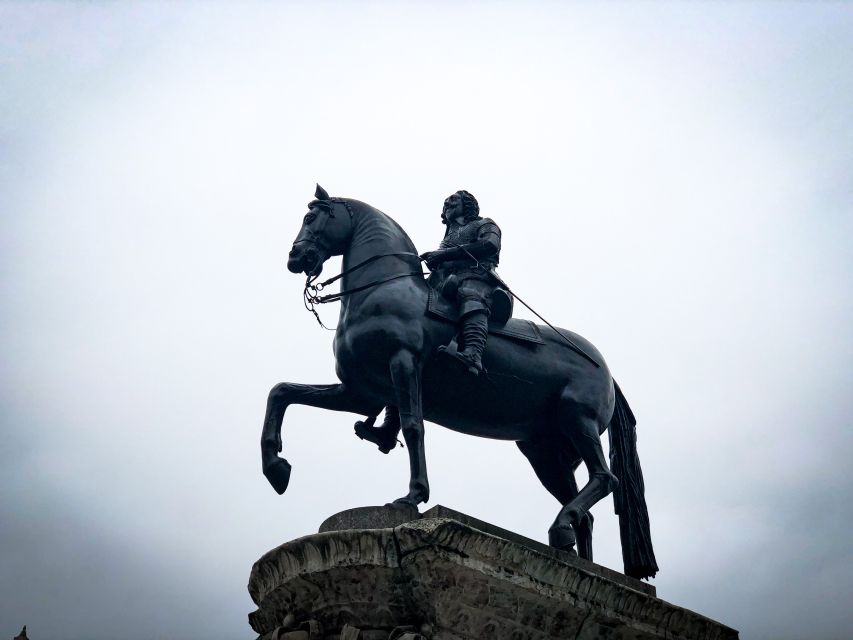
Another highlight is following the footsteps of the love-torn king doomed to be executed. That king is Charles I, and the tour frames his story in a way that goes beyond textbook summary.
This part of the walk matters because it prevents “monarch as statue” syndrome. Charles I is often reduced to a date and a famous end. Here, the guide leans into the tension and emotion that surrounded his life and downfall.
You’ll also hear how this ties into the broader shifts in England. Even without every political detail spelled out like a lecture, you get a stronger understanding of how monarchy, conflict, and public pressure connect. For you, that makes the next time you read or watch something about the English Civil War period feel less like separate content pieces.
Tip: if you enjoy asking questions, this is a good time to do it. The guide’s style, seen in past groups with guides like Natalie and Nichole, is to stay friendly and respond as you go.
Henry VIII and Anne Boleyn, where the marriage happened
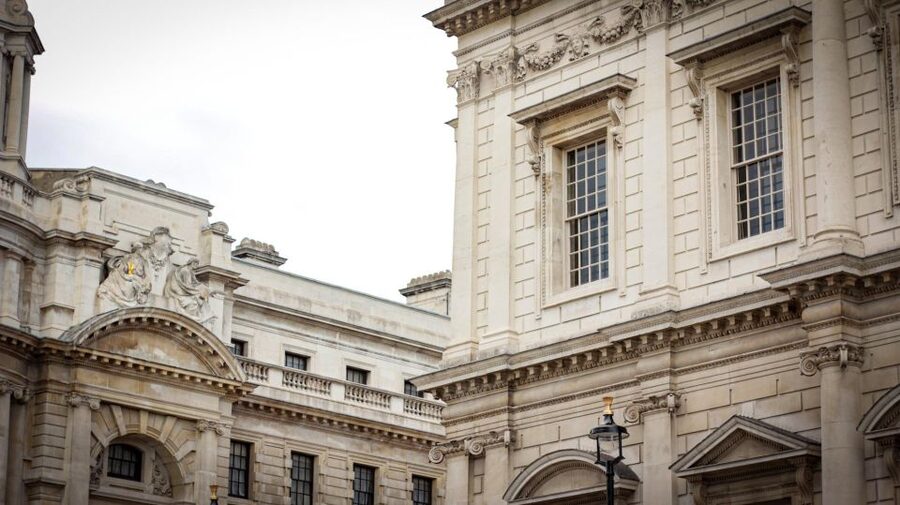
The Henry VIII and Anne Boleyn portion is the tour’s major love-story anchor, and it includes something very concrete. The guide explains where Henry VIII married Anne Boleyn, not just that it happened.
That’s important for value. Lots of tours can tell you what happened historically. This one helps you build the “where” in your head, which is the difference between knowing a story and feeling like you can picture the story’s real geography.
The tour also sets this up as what it calls the greatest royal love story of all time. Even if you have mixed feelings about the phrase, the structure works. You treat the marriage as more than romance. You see it as a turning point that feeds into religious and political change.
If you enjoy dramatic historical moments, this is one of the best segments to focus on. You’ll likely find it easier to connect the Tudor court to what you might have seen in shows and books, because the guide is giving you specific place-based cues.
How the six-person group size changes the whole experience
A limit of six attendees might sound like a small detail, but it changes what the tour feels like. With fewer people, you get:
- more chance to ask questions
- a steadier pace that suits storytelling
- less time waiting for someone to catch up
This format also helps with comfort. You are walking continuously for two hours, outside for the full duration. When the group stays tight, you spend less time doing stop-start catch-up.
There’s another subtle benefit. Since you are not in a huge crowd, you notice things. That means you can actually take in the setting around each stop, rather than only looking at the guide.
Guides described as quirky and short on past bookings, including names like Natalie and Nichole, also tend to keep things lively. The tone is part humor and part history, and that balance is what makes the facts stick.
Outdoor walking realities: rain, shoes, water, and quick toilet planning
This tour takes place rain or shine. You should bring an umbrella, just in case, because the walk is outside for the entire two hours. Comfortable shoes are a must, not a suggestion.
A bottle of water is recommended. Central London walking can add up faster than you expect, especially when you’re stopping for explanations. There are toilets in Trafalgar Square, but opening hours are subject to change, so plan a quick check before you get caught needing one at the wrong time.
If you’re heat-sensitive, bring water anyway. If you’re cold-sensitive, dress in layers. This tour is short enough that you can handle it, but only if you show up prepared.
Price and value: why $29 for a 2-hour small group can be a smart move
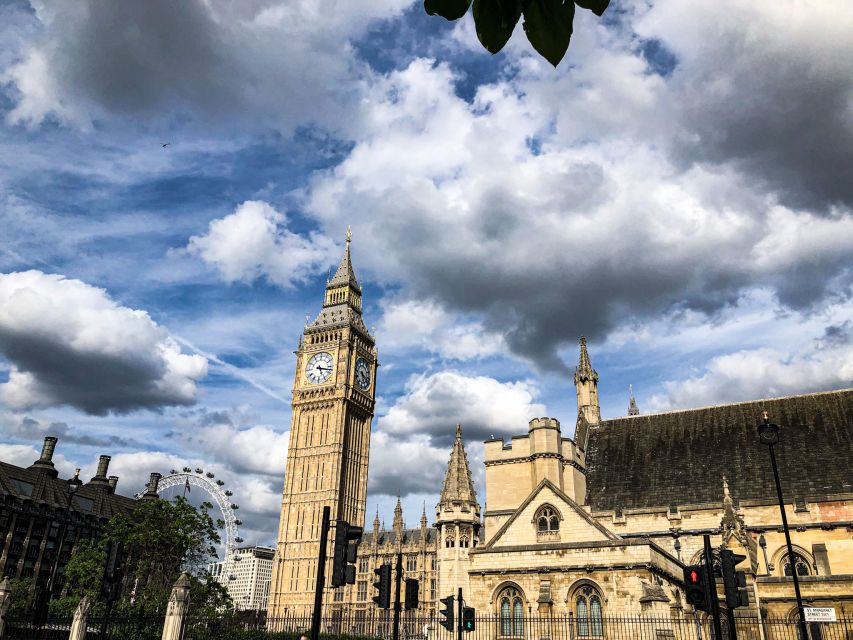
At $29 per person for a two-hour, small-group walking tour, you’re paying for time and interpretation. You are not paying for museum entry, and you are not spending time on indoor tickets or lines.
Because it is outside the whole time and does not include visits to places of interest, the cost is essentially about the guided storytelling and the locations you stop at. For many people, that’s exactly the sweet spot in London. You get context without big add-on costs.
The small group limit also helps value. You get more direct guide attention than you would in a big bus group. If you’ve ever felt like history tours were written for silent heads and not curious ones, this format is more forgiving.
And if you are coming in from a show-loving angle, this tour can feel like a translation layer. You go from dramatized monarchy to the real places tied to it.
Who this tour suits best, and who should skip it
This is especially recommended for fans of royal period dramas, which makes sense. The tour’s themes match the emotional beats people love in those series: court intrigue, high-stakes love stories, power shifts, and dramatic downfalls.
It’s also a strong fit if you want a starting point for British monarchy in the London setting. The guide’s framing around Saxons, William the Conqueror, Edward the Confessor, Tudors, and Stuarts creates a clean foundation.
It is not suitable for people with mobility impairments, children under 13, or wheelchair users. Since it is outside for two hours, keep in mind that it is a walking experience, not a sit-down lecture.
Should you book this Royal London tour?
Book it if you want a two-hour shot of monarchy that stays place-based. You’ll like it if you care about the connections between rulers and the geography of London, especially around Shakespeare, Anne Boleyn, and Charles I’s tragic end.
Skip it if you need step-free access or a fully seated experience. Also skip if you hate walking outdoors, rain or shine, because this tour does not switch to indoor content.
If you do book, go in with one mindset: let the guide turn the city into a timeline. The payoff is when your next London walk feels smarter, because you can suddenly place Saxons, Tudors, and Stuarts into the same mental map.
FAQ
How long is the Royal London walking tour?
The tour lasts 2 hours.
Where do I meet the guide?
Please meet at the entrance to Waterstones bookshop, Trafalgar Sq, WC2N 5EJ, UK.
How many people are in the group?
The walking tour is limited to 6 participants.
Is the tour indoors or outdoors?
It takes place outside for the entire two hours, and it does not include visits to places of interest.
What should I bring?
Wear comfortable shoes. Bringing an umbrella is recommended, and a bottle of water is recommended to stay hydrated.
Is this tour suitable for children and wheelchair users?
No. It is not suitable for children under 13 years old, people with mobility impairments, or wheelchair users.
Is the tour in English, and can I get a refund if plans change?
The tour has a live guide in English. It also offers free cancellation up to 24 hours in advance for a full refund, and you can reserve now and pay later.
Newest entries under London






Walking Tours, compared.

Magical London: Harry Potter Guided Walking Tour
Read our review →

University and City Walking Tour with Alumni Guide
Read our review →
Harry Potter Movies Walking Tour (Kids Go Free)
Read our review →
The Great British Rock and Roll Music Walking Tour
Read our review →
Harry Potter Walking Tour Including New College
Read our review →Browse the lists this tour appears in