Reviewed · TICKETS
Portsmouth: The D-Day Story Entry Ticket
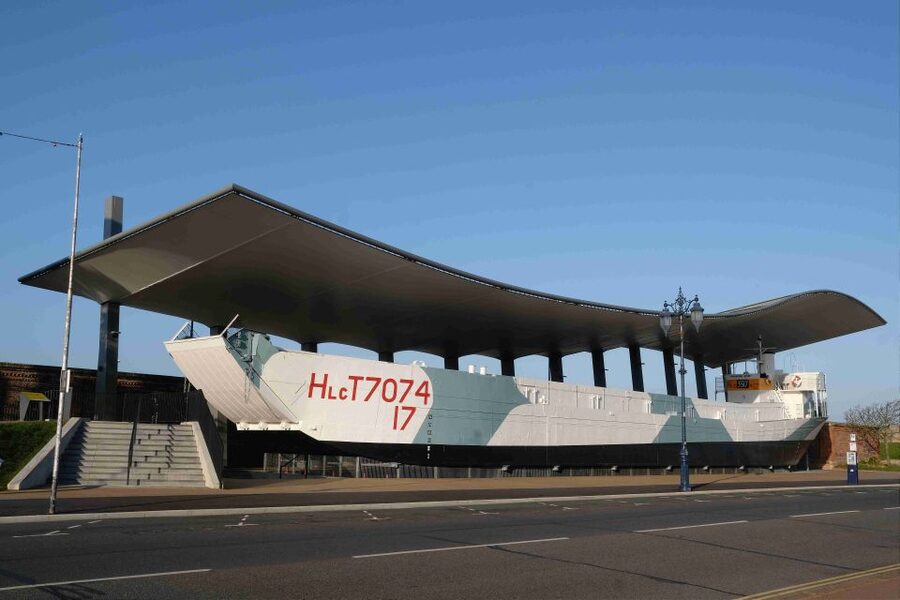
Portsmouth’s D-Day Story is the only UK museum dedicated to the Allied Invasion of June 1944, and the place makes the day feel human. You can get right up close to the LCT 7074 landing craft, where the scale of an invasion landing hits you in a very physical way.
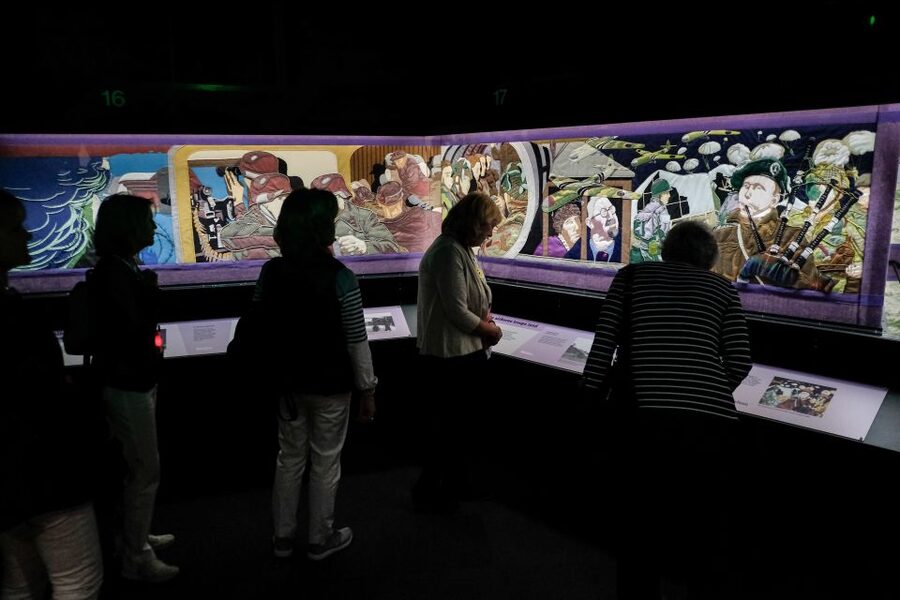
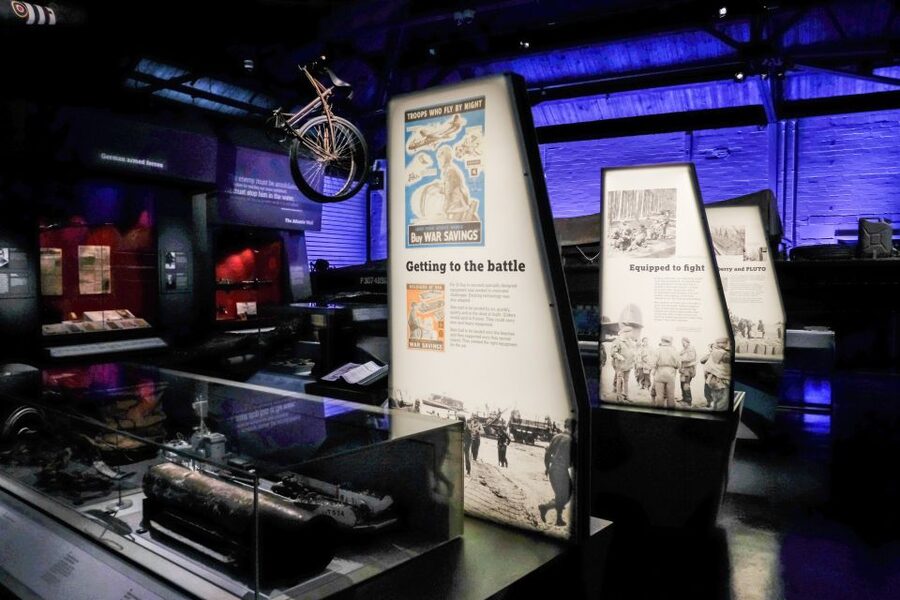
I especially love the mix of real objects and personal accounts. The museum is packed with over 10,000 fascinating items and artifacts, then brings it home with the Overlord Embroidery, commissioned to remember the people who took part in D-Day.
The biggest catch is time. If you want to read, watch, and take it in slowly, you will likely need more than the 1-day checkbox suggests.
In This Review
- Key highlights worth planning around
- A museum built around one day that changed everything
- Why Portsmouth’s D-Day Story matters for UK visitors
- Step onto the LCT 7074 landing craft, then picture the tanks
- The museum galleries: three parts, thousands of objects, clear storytelling
- The Plan: decisions, secrecy, and deception explained in practical terms
- Overlord Embroidery: 34 hand-stitched panels that land emotionally
- How long to plan, plus the last-entry timings that matter
- Who this experience fits best in your travel plans
- Practical value at about $19 per person
- Should you book the Portsmouth D-Day Story entry ticket?
- FAQ
- Where is the meeting point for The D-Day Story?
- How long does this ticket cover?
- What time does The D-Day Story open and when is the last entry?
- What does my ticket include?
- Is the museum wheelchair accessible?
- Is the Overlord Embroidery included in the visit?
- Do I need to choose a time to visit?
Key highlights worth planning around
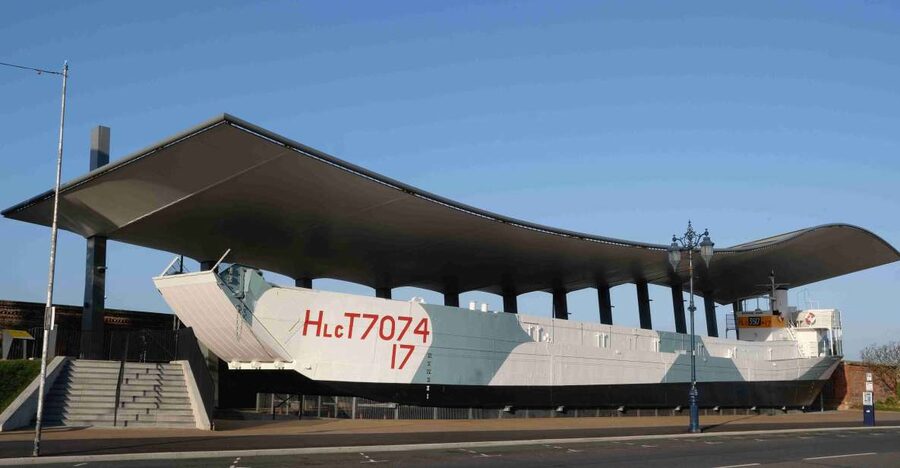
- LCT 7074 access to the last surviving landing craft tank used to carry tanks to Normandy
- Tanks inside the story with Sherman and Churchill vehicles that show you what “full of vehicles” meant
- Over 10,000 items spanning artifacts, personal possessions, and invasion details
- Film clips and first-person accounts that focus on what men, women, and children faced
- Overlord Embroidery with 34 hand-stitched panels telling the story of D-Day and the Battle of Normandy
A museum built around one day that changed everything
When I think about D-Day, it is easy for it to stay stuck in big, dramatic headlines. The D-Day Story in Portsmouth does the opposite. It turns June 6, 1944 into something you can walk through, pause on, and understand as a chain of decisions and lived experiences.
This is also a smart stop if you are using Portsmouth as your base. It is not a vague “World War Two” museum. It is laser focused on the Allied invasion, the planning, the secrecy and deception, and what happened to the people on the ground. You do not have to be a hardcore history buff to feel it, either. The layout is clear, and the museum keeps steering you back to what mattered most: the why, the how, and the cost.
You should also know what kind of visit it is. Expect a full museum experience, plus access to a real landing craft and the chance to see tanks. Plan for a couple of hours minimum, and longer if you take your time with exhibits and audio.
Also inked in under London
- London: The London Eye Entry Ticket
★ 4.6 · 35,875 reviews - London: Tower Bridge Entry Ticket
★ 4.7 · 15,560 reviews - London: St Paul’s Cathedral Entry Ticket
★ 4.7 · 9,813 reviews
Why Portsmouth’s D-Day Story matters for UK visitors
There are lots of WWII sites across Britain, but this one has a specific job. It is the only museum in the UK dedicated to the Allied Invasion in June 1944. That focus shows in the galleries, where the story stays anchored to the day, the preparation, and the aftermath in Normandy.
I like that the museum does not treat D-Day like a one-time event and then move on. It follows the lead-up and the execution, including the practical problem of when and where to cross the channel. It also makes room for the human side. You see how the invasion affected not just soldiers, but also the men and women, and even children who were living through the consequences.
And because Portsmouth is a historic departure point, the setting helps. You are not only learning about ships and landings, you are doing it in the same coastal region where the UK’s wartime maritime story is part of daily life. That context helps your brain connect the objects to reality.
Step onto the LCT 7074 landing craft, then picture the tanks
The highlight is the chance to go onboard the LCT 7074. This is the last surviving landing craft tank, the kind of vessel that carried vehicles to Normandy on D-Day. In practice, it is a different feeling than reading about an invasion. You are surrounded by the structure of the craft, so it is easier to grasp how cramped, loud, and all-consuming that environment would have been.
Make sure you look at the landing craft with the tanks in mind. The museum includes Sherman and Churchill tanks, which give you a sense of what the hold would look like when it was full of vehicles. Even if you have seen tank photos before, seeing the combination of craft and tanks helps everything click. It stops being abstract armor and becomes space, weight, and logistics.
A small planning tip: give yourself time to move slowly here. You can miss details if you hurry, and the benefit of this part is exactly the chance to take in the physical scale. If you are traveling with someone who likes hands-on or “show me the real thing” exhibits, this section is where they will light up.
Also, timing matters for onboard access. The last entry onto the craft is 4:00 pm from April to September, and 3:30 pm from October to March. If you show up late in the day, you could be pushed into museum galleries only.
The museum galleries: three parts, thousands of objects, clear storytelling
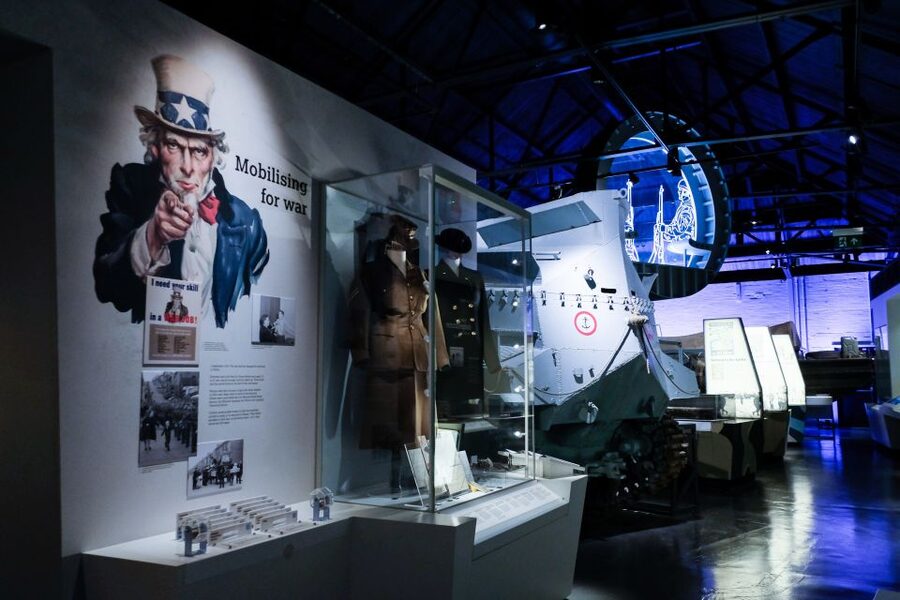
After the landing craft, you will shift into the museum galleries. This is where the D-Day Story expands beyond what you can see on the craft. The exhibits are arranged to walk you through the story in stages, with interactives and video that keep the focus on the people involved.
One big number you will notice is the collection size: over 10,000 items, including artifacts and personal possessions. That sounds huge because it is huge, but the layout keeps it readable. You are not dumped into a maze of glass cabinets. The museum guides your attention with named themes, object displays, and film clips.
You will also see the story told through the perspective of those who were there. That matters, because it prevents the museum from turning into a purely tactical history lesson. Yes, you learn about how the invasion worked. But you also get the emotional reality, including the impact on civilian life.
Some visitors say the museum can feel like it takes longer than expected, especially if you stop for audio and video. If you like to read labels, this is where you should plan for extra time. If you only want the big moments, you can still get a meaningful visit, but you will likely move faster through cabinets and sections.
A page further on, still in London:
- From London: Harry Potter Warner Bros Studio Tour★ 4.7 · 26,588 reviews
- London: Westminster to Greenwich River Thames Cruise★ 4.5 · 22,836 reviews
- Magical London: Harry Potter Guided Walking Tour★ 4.7 · 22,044 reviews
- London: Madame Tussauds London★ 4.6 · 20,915 reviews
The Plan: decisions, secrecy, and deception explained in practical terms

A lot of D-Day information online focuses on the dramatic landing itself. The D-Day Story gives you an extra layer: The Plan. You can see how the people in charge made crucial decisions about when and where to cross the channel. It also tackles secrecy and deception, which were not side stories. They were part of the work that helped make the invasion possible.
What I like about how the museum handles “planning” is that it does not reduce it to slogans. It ties deception and timing to real outcomes. You start to understand that D-Day was not one brilliant idea that succeeded by luck. It was many steps, coordinated across uncertainty, with a constant need to hide intentions.
If you are the type who enjoys cause and effect, this is a strong section to linger on. Watch the videos, then come back to the objects. The craft and tanks show the physical “how.” The galleries explain the “why now, here, and not elsewhere.”
Overlord Embroidery: 34 hand-stitched panels that land emotionally
At the end of the visit, you will find one of the most praised parts of the museum: the Overlord Embroidery. This commissioned work was created to remember those who took part in D-Day and the larger Battle of Normandy story.
The key detail is its structure. It is made of 34 extraordinary hand-stitched panels, each one telling a piece of the broader narrative. People who have visited before often highlight this as a must-see moment, not just because it is impressive, but because it slows the visit down. After all the tanks, machinery, and planning, the embroidery puts the focus back on the human story.
One practical consideration: lighting can be dim. If you want to appreciate the stitching, bring patience. Position yourself carefully, and give it enough time that you are not just catching it as a quick glance. If you are visiting in colder months, do not be surprised if the museum feels cool near certain areas, and you might want to warm up in the cafe afterward.
Also note the terminology. Some visitors point out that it is technically an appliqué. Either way, it functions like a visual history you can stand with for a while.
How long to plan, plus the last-entry timings that matter
The D-Day Story is not a “pop in for 30 minutes” place. Even visitors who feel they did it efficiently often mention needing more time than expected, mainly because there is so much to read and watch. Others say about 2 to 3 hours works if you do not rush. I would plan on at least that, and if you like details, stretch it toward half a day.
For onboard access and gallery closing, these timing rules are crucial. The museum runs:
- 1 April to 30 September: 10:00 am to 5:30 pm
- 1 October to 31 March: 10:00 am to 5:00 pm
Last entries:
- Landing craft LCT 7074: last entry is 4:00 pm (Apr to Sep), and 3:30 pm (Oct to Mar)
- Museum galleries: last entry is 4:30 pm (Apr to Sep), and 4:00 pm (Oct to Mar)
In other words, you should aim to do the craft earlier than you think. The galleries often feel like they give you more flexibility, but the craft has a hard cutoff.
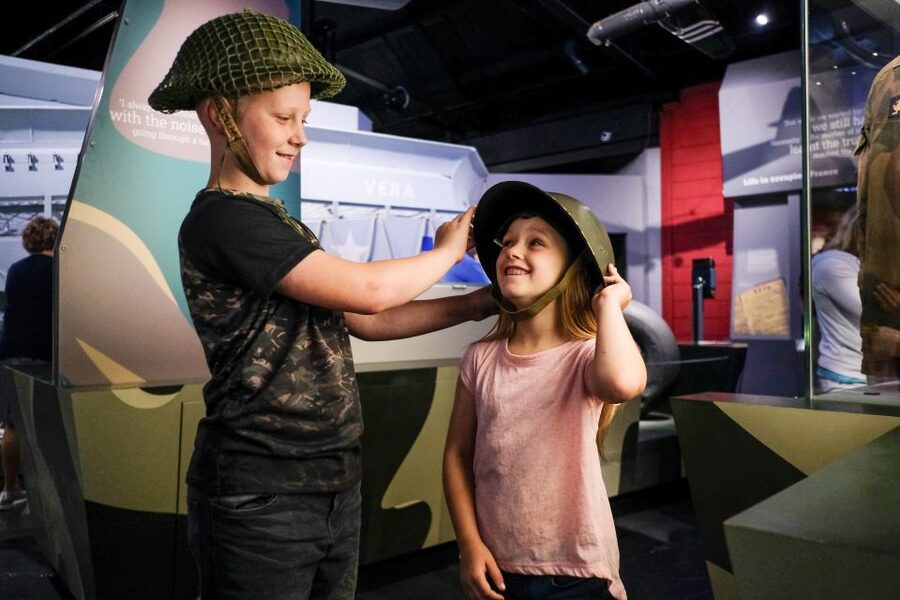
If you are traveling with kids or anyone who gets tired easily, you will have a smoother visit by choosing a pace. Do the craft first, then pick a few gallery sections to go deeper on. That way you still see the “core story” without ending the day exhausted.
Who this experience fits best in your travel plans
This is a strong choice if you:
- Want one focused WWII destination instead of a general museum
- Enjoy object-based history, especially vehicles and equipment
- Like first-person accounts and short videos
- Appreciate an ending moment that is emotional, not just informational
It can also work for a wide age range. The museum is praised as suitable for all ages by many visitors, and it has interactives. Still, one review suggests it might not be ideal for very young children. If your group includes toddlers, you might find the length, reading, and detail a bit heavy. For older kids and teens, it is often a good fit because D-Day is one of those topics that feels both dramatic and deeply real.
If you are a wheelchair user, this site is wheelchair accessible, so you can plan without worrying about being shut out.
If you are the kind of traveler who hates “glass cabinet fatigue,” try to build variety into your route. Combine reading with the craft, then reset with audio or video. You’ll keep your interest up better that way.
Practical value at about $19 per person
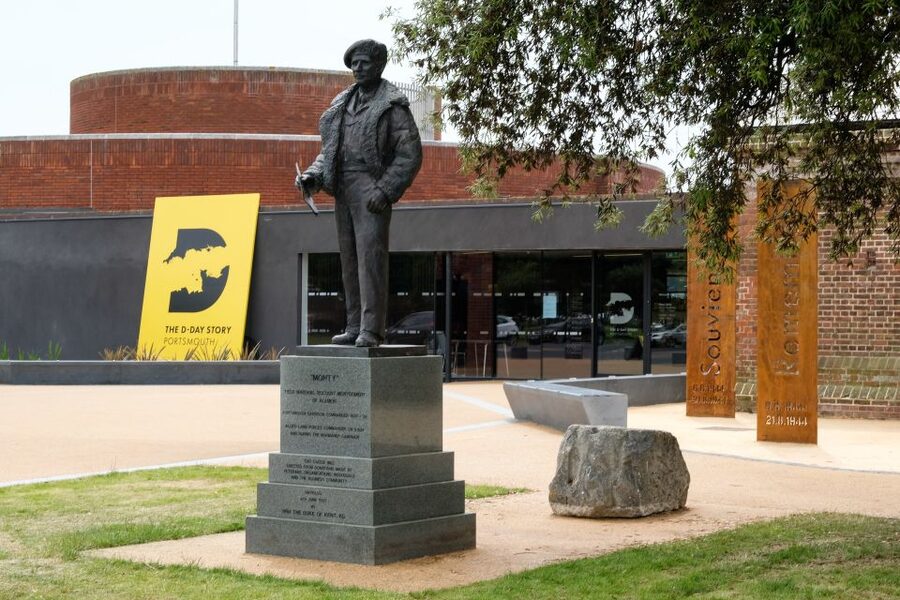
At around $19 per person, this ticket is usually good value because you are not paying for one room or one exhibit. You are paying for a full day’s museum experience built around a rare, high-interest subject, plus access to the LCT 7074 and the included tank displays.
Where the value really shows is in density. The museum is packed with over 10,000 items, and it also uses film clips and interactives to connect objects to stories. Add in the Overlord Embroidery finale, and you get a full arc rather than a quick stop.
To get your money’s worth, do two things:
- Schedule enough time so you are not rushing through sections you will care about
- Use the audio option if it is available during your visit, since people specifically call out the audio guide as helpful
If you only want a broad overview of WWII, you might decide this is more detail than you need. But if D-Day is on your “must understand” list, it is one of the better single-ticket buys in the region.
Should you book the Portsmouth D-Day Story entry ticket?
Yes, I think you should book if you want a focused, object-based way to understand D-Day without needing prior knowledge. The museum’s structure makes it easy to follow, the landing craft access gives you a real sense of scale, and the Overlord Embroidery provides a strong emotional finish.
Book it soon if you are visiting between the seasonal closing rules. Plan to reach the landing craft earlier in the day so you do not get cut off at last entry times.
Skip it only if you are looking for a light, casual outing with minimal reading and you hate museums that ask you to slow down. This is a meaningful visit, and you will enjoy it most when you treat it like the main event.
FAQ
Where is the meeting point for The D-Day Story?
The entry point is The D-Day Story, Clarence Esplanade, Southsea, Portsmouth PO5 3NT.
How long does this ticket cover?
The ticket is valid for 1 day, so you can visit during the museum opening window on your selected day.
What time does The D-Day Story open and when is the last entry?
It opens 10:00 am to 5:30 pm from 1 April to 30 September. From 1 October to 31 March, it opens 10:00 am to 5:00 pm. Last entry on board the LCT 7074 is 4:00 pm (Apr to Sep) and 3:30 pm (Oct to Mar). Last entry in the museum galleries is 4:30 pm (Apr to Sep) and 4:00 pm (Oct to Mar).
What does my ticket include?
Your admission ticket covers entry to The D-Day Story and the experience elements that include access on board the LCT 7074 plus the museum galleries and exhibits, including the Overlord Embroidery.
Is the museum wheelchair accessible?
Yes, the experience is listed as wheelchair accessible.
Is the Overlord Embroidery included in the visit?
Yes. The Overlord Embroidery, made in 34 hand-stitched panels, is part of the museum visit.
Do I need to choose a time to visit?
You can book a spot for a starting time, since availability depends on selected times.
Newest entries under London






Tickets, compared.

Tower of London and Crown Jewels Exhibition Ticket
Read our review →




Buckingham Palace: The State Rooms Entrance Ticket
Read our review →