
Reviewed · SAFARI
Padstow: Guided RIB Sealife Safari
Speed, salt spray, and wildlife on the move. This 2-hour RIB sealife safari takes you from Padstow out toward the Atlantic, with guided slowdowns where marine life and seabirds show up. Expect rugged North Cornish coast views, fast boat time, and chances to spot everything from seals to dolphins and even sunfish.
Two things I really like: first, you go far enough to feel like you left the shore behind, with about 25 miles of coastline covered in search of wildlife. Second, the guides and skippers are clearly focused on helping you see animals while keeping things safe, with staff such as Harriet, Kelsey, Anne, Jenny, Hope, Emma, and Ian showing up across departures.
One consideration before you book: it’s an open-top RIB, so it’s fast and bouncy, and you should expect waves, spray, and some serious wet action. If you are prone to seasickness, this is not the right activity for you.
In This Review
- Key things to know before you go
- From Padstow to the Atlantic: the 2-hour RIB rhythm
- Suit up at the office: what the briefing and waterproofs get right
- How the guide searches for seals, dolphins, and seabirds
- Seasonal wildlife odds, Puffin Island, and nesting cliffs
- Port Isaac and Trevose Head: Doc Martin views and the lifeboat station
- Weather, waves, and the wet-fast reality of open-top RIBs
- Binoculars, shoes, and camera tips that help in real life
- Is it worth about $60 per person?
- Who should book, and who should skip
- Should you book Padstow’s RIB Sealife Safari?
- FAQ
- How long is the Padstow guided RIB sealife safari?
- Where do I meet for the tour?
- What is the group size?
- What wildlife might we see?
- Is wildlife spotting guaranteed?
- What gear is included?
- What should I bring?
- Is the boat ride safe for people who get seasick?
- Can I bring a drone or go fishing?
Key things to know before you go
- About 25 miles of coastline searched out from the Camel Estuary toward the Atlantic
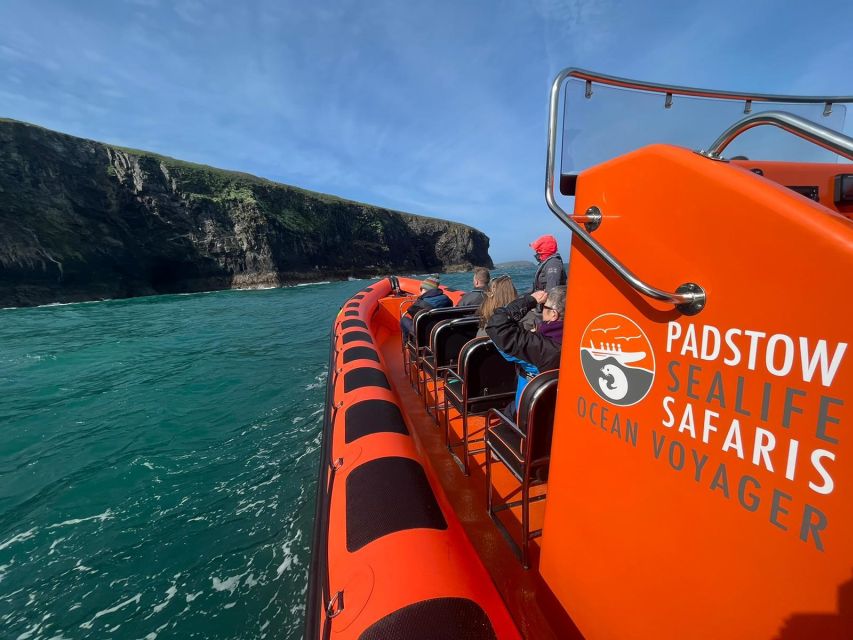
- Open-top RIB, fast and bouncy, so bring weather gear and expect spray
- Small groups (up to 12) for easier scanning and photo stops
- Wildlife is never guaranteed, but the crew slows down in likely areas to improve your odds
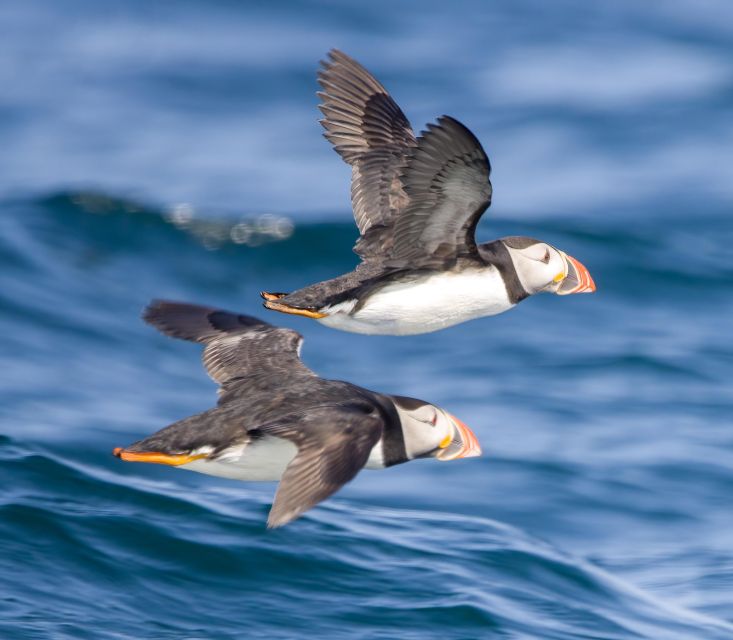
- April to July puffin season includes Puffin Island and nesting guillemots and razorbills
- Photo-friendly stops plus guide talk about what you are seeing (and local points of interest)
From Padstow to the Atlantic: the 2-hour RIB rhythm
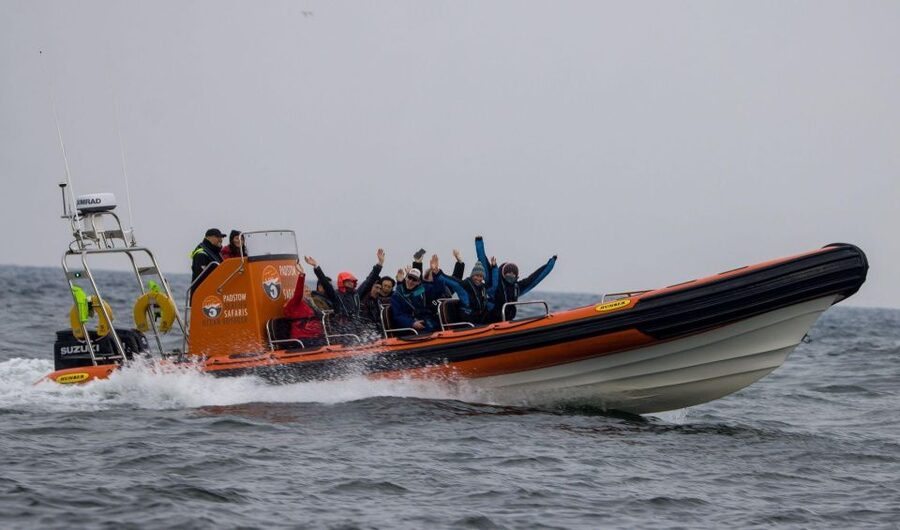
This trip is built around a simple idea: get you out onto the water fast, but slow down when the action is likely. You start in Padstow, then head out of the Camel Estuary toward the Atlantic Ocean, with the boat covering about 25 miles of coastline as you search for marine life.
The timing matters. With only two hours, you do not waste time on long onboard lectures or slow cruising. You’ll have a mix of speed, viewing, and short pauses when the guide and skipper spot birds or mammals ahead. That keeps the experience lively, but it also means the ride can feel like a roller-coaster if you are not expecting it.
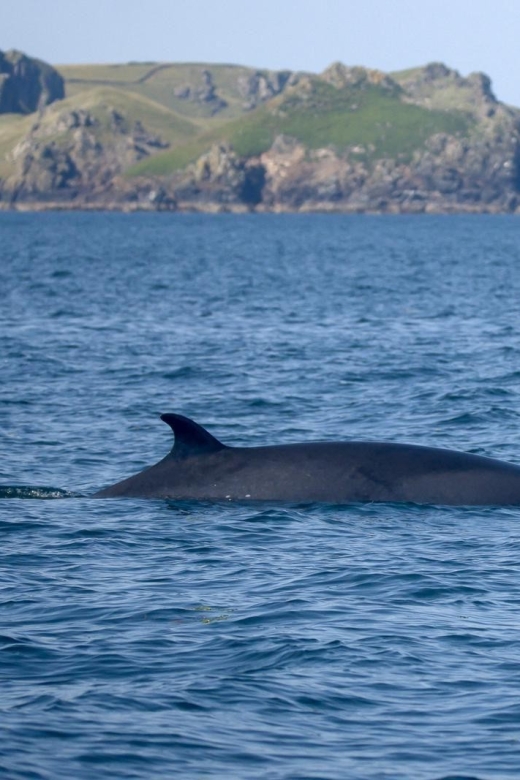
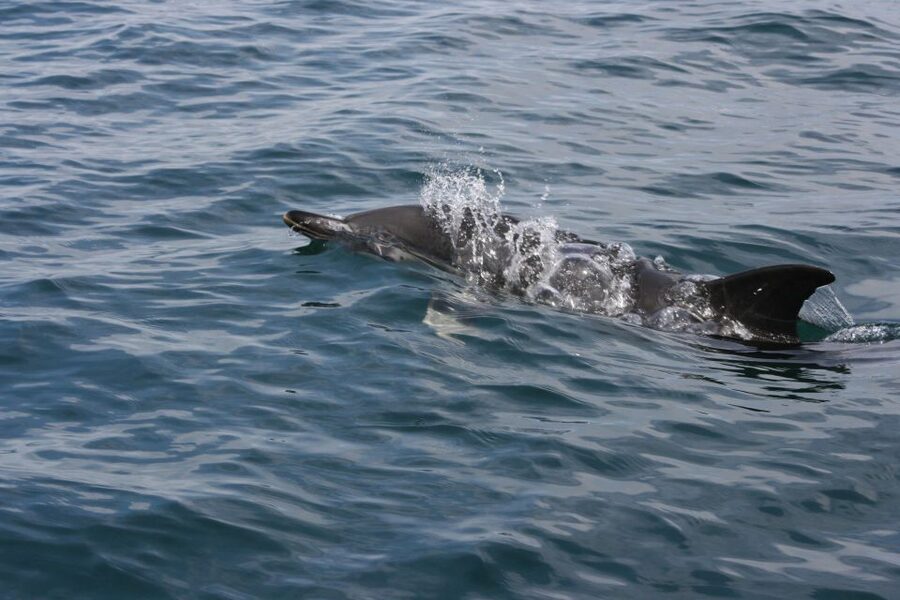
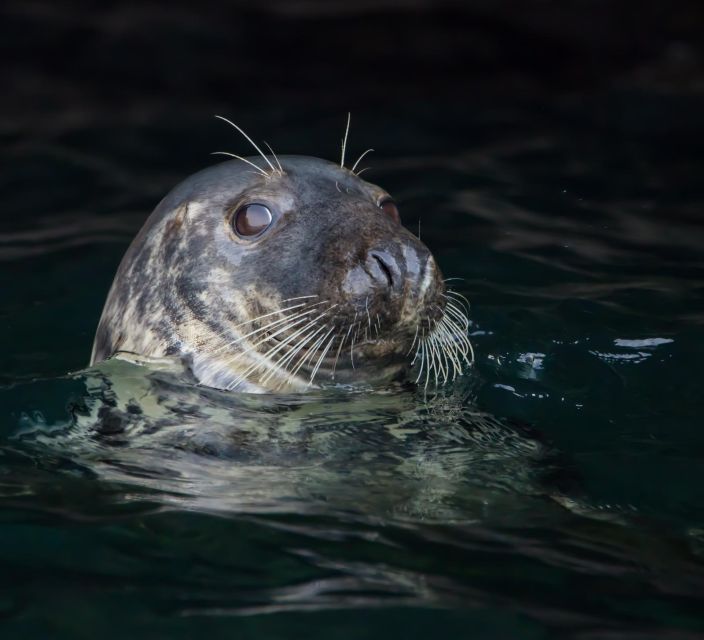
The wildlife angle is the heart of it. You’re not just taking in views, you’re actively scanning for seals, dolphins, porpoises, and whales, plus seabirds like gannets, shearwaters, fulmars, oystercatchers, shags, and cormorants. Some departures also include the possibility of sunfish. And if puffins are part of your season, you’re in the right place for that too.
Also inked in under London
- Knowsley: Safari Entry Tickets
★ 4.5 · 109 reviews - Fort William: 1hr Loch Safari Speedboat Tour
★ 4.7 · 77 reviews - Cornwall: Guided Seal Safari by Boat
★ 4.7 · 63 reviews
Suit up at the office: what the briefing and waterproofs get right
Your best move is to arrive ready to go, not changing clothes for ages. The meet-up point is the Padstow Sealife Safaris office, and check-in begins 30 minutes before your trip time. When you’re early, you get the quick safety routine and the chance to fit the gear properly.
What I like here is that you’re given waterproof jackets and trousers to borrow, plus life jackets. That removes one of the biggest stress points with coastal boat trips. You can show up with a sensible layer system, then rely on their waterproofs to keep you dry enough to enjoy the ride instead of spending the whole time shivering.
Then comes the safety briefing and the on-the-water mindset. You’re riding in open-top RIBs, which means you feel more, and you get wet more. The crew also keeps the experience wildlife-friendly, including reminders that you’re there to observe, not to treat nature like a theme park.
How the guide searches for seals, dolphins, and seabirds
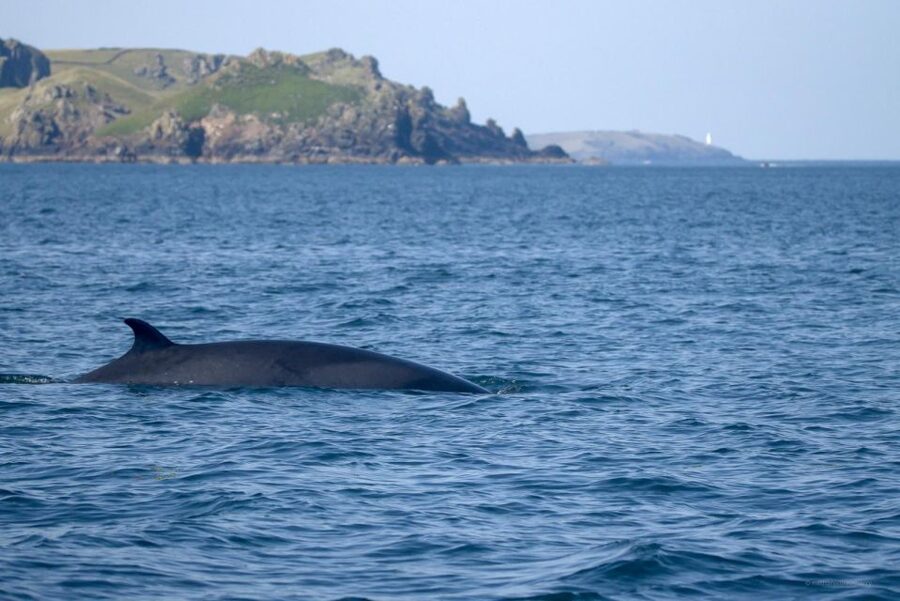
Once you’re underway, the trip becomes a mix of navigation and observation. You’ll travel along the coast and then slow down in designated regions where sightings are more likely. It’s not random driving. The skipper is steering the boat toward spots the guide expects to have birds feeding, seals resting, or dolphins moving through.
This is where the guide talk adds real value. Guides such as Harriet and Kelsey are known for answering questions and sharing what to look for, so you spend less time guessing and more time enjoying the moment. When you see seabirds wheeling overhead, the guide helps you connect what you’re noticing to why marine life might be nearby.
If you are hoping for dolphins, you’ll want to keep your eyes scanning not only at the surface, but also for movement near the boat path. In multiple departures, dolphins have been seen close to the rib, with pods staying around long enough for repeated looks. Seals are often easier to spot when the boat slows, so those pause times can matter more than the high-speed sections.
Seasonal wildlife odds, Puffin Island, and nesting cliffs
The seasonal thread is strong here, especially if you travel between April and July. During those months, the cliffs can be busy with nesting guillemots and razorbills, and that increases the odds you’ll hear and see a lot of seabird activity.
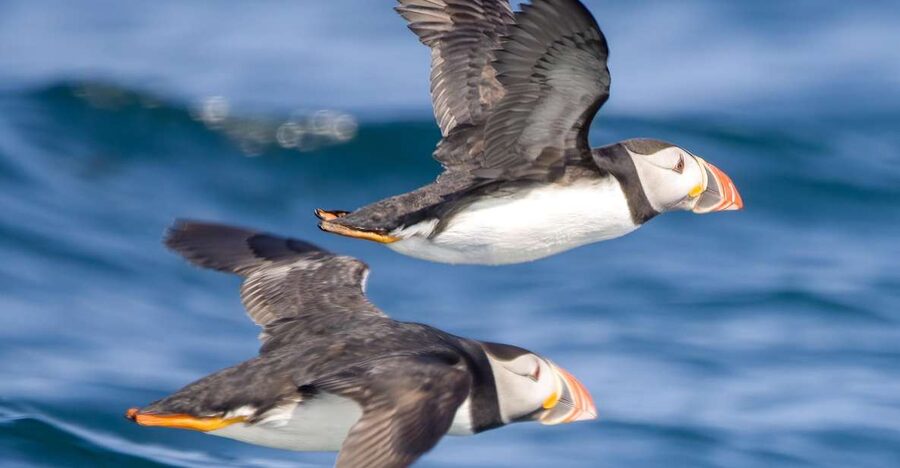
If puffins are on your list, this is one of the key reasons to do this tour. The trip can visit Puffin Island, one of the last places where puffins can nest in Cornwall. The experience is framed as a hope, not a guarantee, but the timing is clearly aimed at improving your chances when the birds are active.
Even when puffins are not spotted, the bird variety can still make the trip feel like a field day. You might see gannets feeding up close, plus shearwaters, fulmars, oystercatchers, shags, and cormorants. That’s a great combo because it keeps the day interesting even if the mammals decide not to show.
A page further on, still in London:
- London: The London Eye Entry Ticket★ 4.6 · 35,875 reviews
- From London: Harry Potter Warner Bros Studio Tour★ 4.7 · 26,588 reviews
- London: Westminster to Greenwich River Thames Cruise★ 4.5 · 22,836 reviews
- Magical London: Harry Potter Guided Walking Tour★ 4.7 · 22,044 reviews
Port Isaac and Trevose Head: Doc Martin views and the lifeboat station
You get more than wildlife scanning. Depending on weather and sea conditions, the tour may include stops near Port Isaac or Trevose Head.
Port Isaac is a familiar name if you’ve watched Doc Martin. Even if you are not a superfan, it’s a photogenic coastal village, and the viewing time helps you appreciate how steep and rugged this part of Cornwall really is. For many people, it also breaks up the high-energy boat ride with a steadier pace for photos.
Trevose Head brings a different kind of coastal focus. You may get a unique view of the new Padstow lifeboat station. It’s one of those practical maritime details that ties the whole region together, from working boats to the sea life you’re hunting.
Weather, waves, and the wet-fast reality of open-top RIBs
Let’s be honest: this is not a calm glass-water cruise. The rib is fast and bouncy, and choppy conditions can happen more often than not. Even on a good weather day, you should plan for spray and wind. People often end up glad they followed the advice about waterproofs, and that’s a consistent theme.
If you are sensitive to motion, this is where you need to take their guidance seriously. The tour is not suitable for people prone to seasickness or people with motion sickness, and it’s also not recommended for pregnant women, people with back problems, and those with recent surgeries. Add in the fact that it’s an open-top ride, and you can see why the list is strict.
There’s also a pacing factor. Some folks find the excitement peaks early, then the repeated scanning and bouncing can feel a bit repetitive toward the end. The good news is that the crew tries to keep the viewing active with slowdowns and stops for photos, so two hours can still feel full even if the mammals are shy.
Binoculars, shoes, and camera tips that help in real life
If you do just two things, do these: bring binoculars and keep your camera accessible. The tour encourages binocular use, and when birds are flying low over rocks or circling feeding areas, a quick scan through lenses beats trying to spot everything with the naked eye.
For photos, remember the boat is open-top and moving. Use a camera mode that can handle quick changes in light and water reflections, and assume you’ll get more splash than you expect. Waterproof trousers matter because wet pants turn an exciting ride into an uncomfortable one fast.
Also plan for the day’s layers. You’ll want outdoor clothing that fits the season, a jacket if the wind picks up, sunscreen for sun breaks, and sunglasses to cut glare. Waterproof shoes are a smart choice because you are not stepping into a dry, polished boat deck.
Is it worth about $60 per person?
At around $60 per person for a 2-hour outing, the value comes from two places: time on the water and what’s included. You get a guided RIB trip, plus the loan of waterproof jackets and trousers and life jackets. That means you’re not paying extra to “rent competence” for changing weather.
The small group size, limited to 12 participants, also affects your experience. With fewer people, it’s easier for everyone to see over the rail line and for the guide to keep track of questions without losing the group’s attention. And when wildlife is present, the crew can make quick viewing adjustments without turning the whole boat into a traffic jam.
The other value piece is how focused the crew is on finding wildlife without acting like it’s a petting zoo. You may get luck with dolphins, seals, and plenty of seabirds, and sometimes you may end up seeing only part of the animal list. That is normal. What matters is that the operator is actively searching and adjusting the route based on conditions and sightings.
If you are traveling with teenagers, you might feel the price more sharply, especially compared to other Cornwall activities. Still, if your top goal is wildlife time plus a real RIB adventure, this is one of the more direct ways to do it.
Who should book, and who should skip
This is a great match if you want a mix of adrenaline and nature. You’ll likely enjoy it if you like fast boat rides, you can handle some spray, and you’re excited by the chance to spot marine mammals and seabirds in the wild.
Book it if:
- You want a short, high-action outing that covers about 25 miles of coastline
- You’re traveling as a small group and want guided wildlife spotting
- You’re in Cornwall during April to July and want a real shot at Puffin Island
Skip it if:
- You are prone to seasickness or motion sickness
- You are pregnant, have mobility impairments, or you use a wheelchair
- You have back problems or have had recent surgery
- You’re very elderly, since the activity is not suitable for people over 80
Should you book Padstow’s RIB Sealife Safari?
If your goal is wildlife with a guide, and you’re okay with a fast, bouncy open-top ride, I think you should book. The best part is the combination: you’re out far enough to matter, you get help spotting what’s around you, and you have a chance at standout sightings like dolphins, seals, and sometimes whales.
Just be practical about the trade-offs. Pack for getting wet, bring binoculars, and be ready for choppy water. If you know you react badly to motion, save yourself the misery and choose a calmer option instead.
If you hit the right day, two hours here can feel like a whole morning of Cornwall wildlife drama, with photo stops and coastal views to round it out.
FAQ
How long is the Padstow guided RIB sealife safari?
The duration is 2 hours.
Where do I meet for the tour?
Please meet at the Padstow Sealife Safaris office.
What is the group size?
It is a small group, limited to 12 participants.
What wildlife might we see?
You may spot seals, dolphins, porpoises, and whales, and there is also a chance of sunfish. You can also see seabirds such as gannets, shearwaters, fulmars, oystercatchers, shags, cormorants, and more.
Is wildlife spotting guaranteed?
No. Wildlife spotting is not guaranteed, but the provider will try their very best to find as much as possible during the trip.
What gear is included?
The trip includes the RIB ride and a guide, and you’re provided with waterproof jackets and trousers to borrow, plus life jackets.
What should I bring?
Bring sunglasses, a sun hat, a camera, sunscreen, weather-appropriate outdoor clothing, waterproof shoes, and binoculars if you have them.
Is the boat ride safe for people who get seasick?
The activity is not suitable for people prone to seasickness or people with motion sickness, because the open-top RIB is fast and bouncy.
Can I bring a drone or go fishing?
No. Drones are not allowed, and fishing and feeding animals are also not allowed.
Newest entries under London





Safari, compared.

Torquay: Guided Wildlife, Bushcraft, Sea Cave Kayak Safari
Read our review →Browse the lists this tour appears in