
Reviewed · HISTORICAL TOURS
Newcastle Unveiled Tour: History, Bridges, and Secrets in Spanish
Newcastle has a way of grabbing you fast. This Spanish guided walk connects medieval defenses and industrial breakthroughs through real streets and real landmarks. Two things I really like are the route through places like Grainger Market and Blackfriars, and the way the guide turns the city below your feet into a story you can actually follow. One thing to consider: you will climb and descend a lot, including 200 steps down to the riverbank, so plan for that if you do not like stairs.
I also like the small group feel, because it makes the tour feel like a live conversation rather than a “line up and follow” parade. The guide I saw highlighted how Newcastle’s coal fueled trains, factories, and homes, and I especially enjoyed the focus on the Victorian period and mining and industrialization. The possible drawback is simple, Spanish is the main tour language, so if you need more English than Spanish, you should check that your comfort level matches.
If your idea of a great day in a city is history you can walk through, this one fits. You start at Grey’s Monument and end at the Quayside, with photo stops along the way, including the famous bridge lineup over the Tyne.
In This Review
- Key things you will notice on this tour
- Grey’s Monument to the city’s shopping heart
- Blackfriars Friary: where the medieval vibe still feels human
- Following the Medieval Wall: you can trace the border city
- The industrial story, from coal to electricity and trains
- RMS Mauretania and shipbuilding on the River Tyne
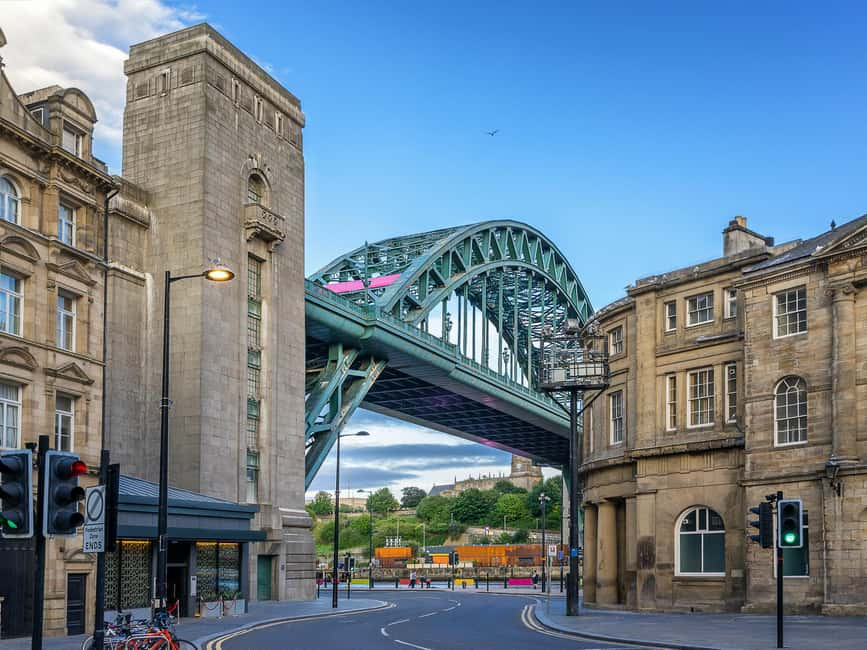
- The Quayside finale: the seven bridges over the Tyne
- How the 2.5 hours fit together (and how to pace yourself)
- Value check: is $46 worth it?
- Best for who, and who may want a different tour style
- Should you book Newcastle Unveiled, History, Bridges, and Secrets in Spanish?
- FAQ
- How long is the Newcastle Unveiled tour?
- What language is the guide?
- Where do I meet the tour guide?
- What should I bring?
- Is the tour mostly flat walking?
- What is included in the price, and what is not?
Key things you will notice on this tour
- Grey Street starts the story with one of Newcastle’s best known streets before you hit the markets
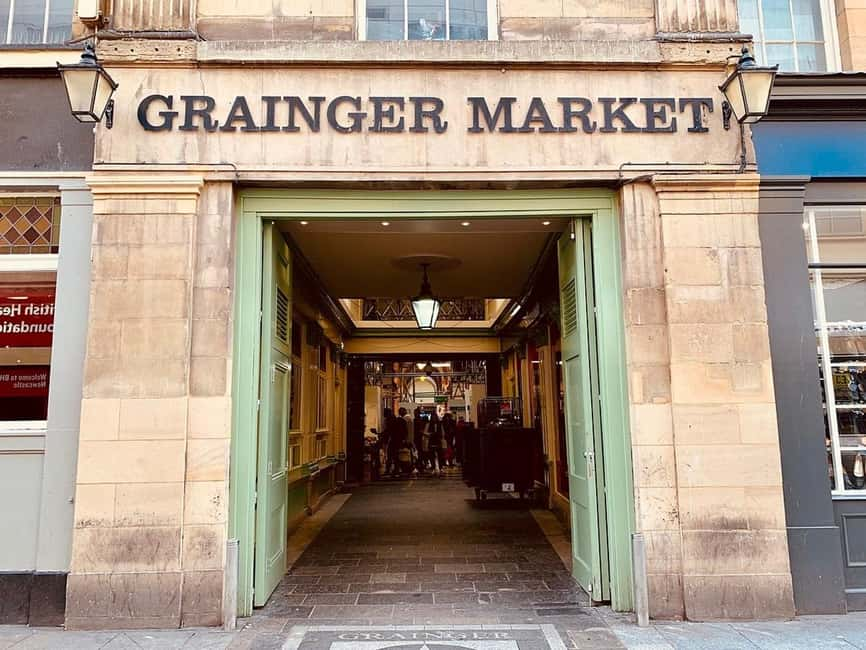
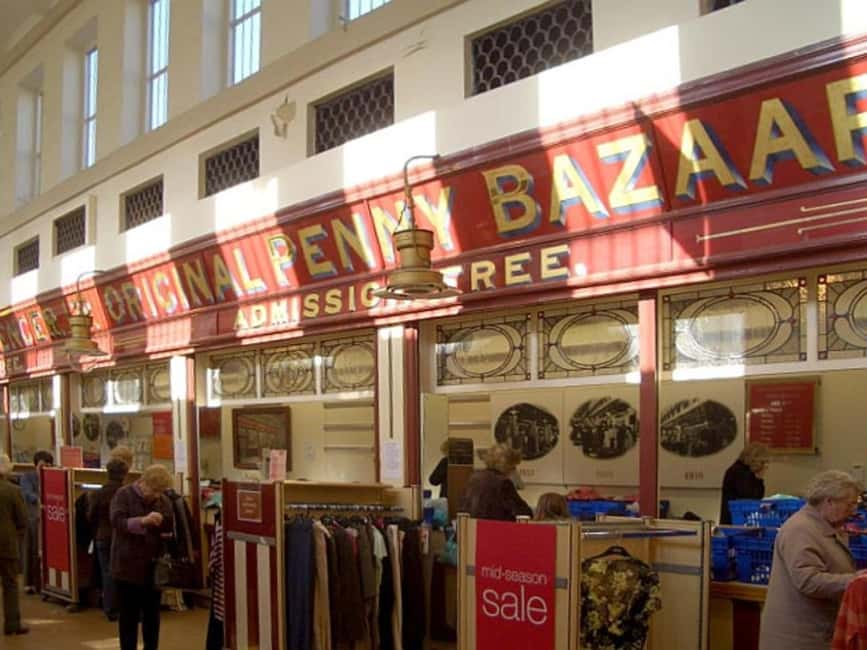
- Grainger Market gives you a quick taste of how trade still shapes the city
- Blackfriars Friary shows how old and preserved can feel charming and lived in
- Medieval Wall symbols help you picture the original border city, block by block
- Westgate and Newgate make the defensive layout feel real, not just names on a sign
- Seven bridges at the Tyne give you one of the best “end-of-tour” views in Newcastle
Grey’s Monument to the city’s shopping heart
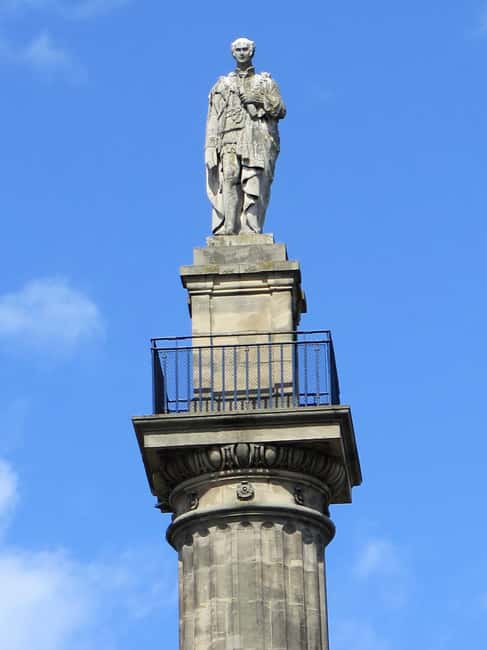
I love how this tour starts with a clear point on the map. You meet at Grey’s Monument, in front of the big Charles Earl Grey Monument. From there, you head out into the streets that shaped Newcastle’s everyday life, not just its postcard corners.
The pace early on feels smart. You get a little time to settle in, then you begin moving through the city’s central spine. The tour then feeds you one practical stop after another, and it is not random. Grey Street is a good warm up, because it is one of those streets where you can see the city’s character right away.
Next comes Grainger Market. This is the kind of place that works on multiple levels. It is visually interesting, yes, but it also gives you a sense of how markets helped a working city function. Even if you only spend a short time there, you get the feeling that Newcastle was built around commerce and movement, not just battles and ships.
If you like taking photos, this section gives you options without forcing you into a photo frenzy. If you like listening, the guide has enough room here to explain why these places mattered, which makes the walk feel connected instead of scattered.
More centuries walked in an afternoon:
- Newcastle: History and Highlights Guided Walking Tour
★ 5.0 · 18 reviews - Newcastle: Guided Ouseburn Food and History Tour
★ 5.0 · 1 review - London: Historic Pubs of Central London Walking Tour
★ 4.9 · 1,065 reviews
Blackfriars Friary: where the medieval vibe still feels human
After the market area, the tour turns toward the Blackfriars neighborhood and Blackfriars Friary. This is one of the stops that makes you slow down. A former Dominican priory can sound like a history class assignment, but the experience comes from how preserved the setting feels once you are there.
I like this part because it gives you a break from heavy industry talk and defensive walls. You still get historical context, but the mood is more intimate. You are also getting a sense of how Newcastle managed to keep its older identity while changing around it.
Blackfriars also works well as a navigation anchor. The streets feel easier to “read” after this. You start to understand what parts of the city are layered over older layouts, and that helps later when you are literally following medieval wall lines.
If you are prone to feeling rushed on tours, this stop helps. It has enough time for a proper photo and a slower look, not just a quick glance before moving on.
Following the Medieval Wall: you can trace the border city
The most interesting trick in this tour is the focus on the medieval wall layout. You follow pavement symbols that mark where the wall once ran. That is a big deal. It turns an abstract concept into something physical, something you can track under your feet as you walk.
This is also where the tour’s “secrets” angle becomes real. It is not secrets in the spooky movie sense. It is hidden structure, old defensive thinking, and the logic of how a border city tried to survive.
As you move, you get to the old access gates, Westgate and Newgate. The names alone do not explain much, but the guide connects them to how Newcastle guarded itself for centuries. You are not just hearing about gates. You are learning how entrances controlled movement, how a city organized risk, and how people lived under constant threat of sieges and change.
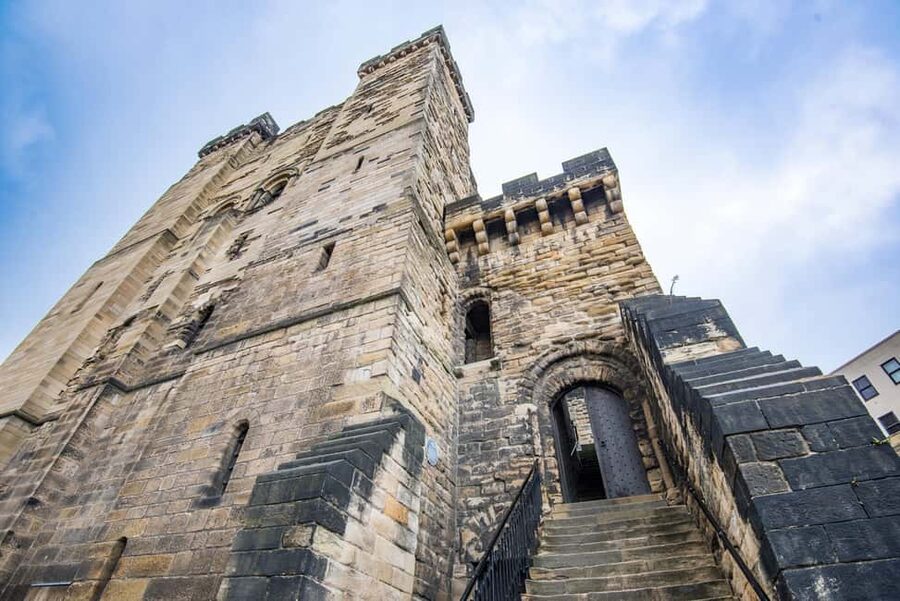
Then you continue toward Black Gate and Newcastle Castle, the place where it all began. This is the part of the tour where the view matters because it connects you to why the castle location mattered. From the summit area, the river and trade become part of the explanation, because controlling the river meant controlling commerce and power in the north of England.
If you like history that feels practical, not lectury, this is the section. It answers the question of how a city protected itself and still grew.
The industrial story, from coal to electricity and trains
Newcastle is famous for ships and industry, but what surprised me here is how clearly the tour ties the story together. You do not just hear that coal was important. You hear how coal wealth powered the machinery of a modern era.
The guide highlights the shift into the Victorian industrial period, including mining and industrialization. One review I read mentioned Dani as the guide, and that focus on how industrialization shaped Newcastle really matches the tour’s core approach. You are not only getting facts. You are getting a thread: coal fuels work, work fuels innovation, and innovation spreads outward.
The tour also brings up two early “modern world” moments that helped define what came next. First, it mentions some of the world’s first electric lights being switched on in Newcastle. That is an attention grabber, because it makes the city feel like a startup capital in the early days of a technology we now take for granted.
Second, it covers the railway revolution, linked to the invention of the steam locomotive by the Father of the Railway. Even if you already know the big picture, hearing it placed in Newcastle helps it make sense. The city became a symbol of innovation because it had the resources, the talent, and the pressure to move faster and farther.
This section is valuable if you want context. It explains why industrial cities became modern cities, and it helps you spot the “why” behind the landmarks rather than just memorizing dates.
Also inked in under Newcastle Upon Tyne
- Best of Newcastle Highlights Walking Tour★ 4.8 · 51 reviews
- Northumberland: Full-Day Tour of Vera Filming Locations★ 4.7 · 49 reviews
- Newcastle: Junkyard Golf Tickets for 9 or 18 Holes★ 4.3 · 42 reviews
- Newcastle: Private Vera Half Day TV Locations Tour★ 4.6 · 41 reviews
RMS Mauretania and shipbuilding on the River Tyne
Then the tour swings toward naval engineering and shipbuilding. This is where Newcastle stops feeling like a medieval place with a few industrial facts and starts feeling like a global player.
The guide points out the shipyards along the River Tyne and connects them to one of the most famous ships of the 20th century: the RMS Mauretania. The tour frames it as a Cunard Line pride and as a speed record holder in the North Atlantic for more than 20 years.
What makes this part work is the location. When you are near the river, the explanation has weight. Trade and shipbuilding stop being abstract terms. You get the sense that the river was the engine of wealth, and the ships were the vehicles that turned that wealth into influence.
Even if you are not a ship nerd, this stop helps. It gives Newcastle a wider horizon, beyond the region.
The Quayside finale: the seven bridges over the Tyne
The endgame is the River Tyne and the Quayside, and this is where you get the payoff views. You go down to the riverbank, and the tour notes that this involves 200 steps. That is worth planning for. If you are okay with stairs, you will likely feel rewarded. If you are not, you might want to consider whether this tour style fits you.
Once you reach the river area, the tour focuses on the seven bridges connecting Newcastle with Gateshead. Each bridge is presented like a symbol of the city’s evolution. The classic Tyne Bridge is the name everyone recognizes, and the Millennium Bridge is the modern counterpoint.
I like how this finish works emotionally. It is not just “look at the river.” It ties back to everything earlier in the walk: old defenses, controlled access, industry that powered movement, and now bridges that physically connect different sides of the city.
You also end at the Quayside, which is a smart choice because it gives you options after the tour. You can keep exploring, grab something to eat on your own, or just enjoy the river atmosphere with the story still fresh in your head.
How the 2.5 hours fit together (and how to pace yourself)
This is a 2.5 hour walking tour through Newcastle’s historic center. That is a sweet spot for a city day, especially if you want history without losing half your day.
The itinerary style includes walking segments with short breaks and photo stops. In practice, that means you are not constantly sprinting. You get enough downtime to look around, take photos, and reset your legs before the next chunk.
But the biggest pacing factor is the stair descent to the riverbank. The tour is “rain or shine,” so if the ground is slick, slow down on steps and take your time. Good shoes matter more than you might think for this route.
Also, even though the tour includes a lot of stops, it stays focused on themes: Newcastle’s medieval planning, its industrial leap, and how the river ties it all together. That theme structure is why the time feels well spent.
Value check: is $46 worth it?
At $46 per person, you are paying for a guided walk, historical interpretation, and a set route through multiple major areas. You also get the practical value of someone local organizing your day for you, including recommendations for cafes and museums after the tour.
Here is how I think about value for this type of experience. You could go explore some of these places on your own, yes, but you would likely miss the through-line. Following pavement symbols for the medieval wall, understanding Westgate and Newgate as part of defensive city logic, and connecting electric lights, the steam locomotive, and RMS Mauretania into one story is hard to do solo without a lot of reading.
What you do not get is anything that would add cost mid-tour. Tickets to museums and attractions are not included, and food and drinks are not included. So your money goes primarily into guiding and storytelling, plus photo stops.
For me, that makes the price feel fair if you like guided context. If you prefer to wander freely without explanations, you might feel like you are paying for someone to point things out that you could find with your own research.
Best for who, and who may want a different tour style
This tour is a good fit if you like city walking tours with a narrative. You will probably enjoy it more if you care about why a place looks the way it does, not just what it is called.
It also fits well if you want a Spanish guided experience with English capability. The guide speaks both Spanish and English, and the tour content is delivered in Spanish. So it can work for mixed language comfort, as long as you know what language you want the main commentary in.
It is not a great match if you have mobility impairments, because the tour includes stairs and a descent to the riverbank. It also is not intended for babies under 1 year.
One more practical note: pets are not allowed, with assistance dogs permitted. Alcohol and drugs are not allowed, and the tour has a no-speakers rule, which keeps the walk from turning into a noise-fest.
Should you book Newcastle Unveiled, History, Bridges, and Secrets in Spanish?
I would book it if you want a guided walk that ties together Newcastle’s medieval defense system, its industrial breakthroughs, and its riverfront bridge views into one coherent story. The “how” matters here, following the wall symbols, stopping at gates, and finishing where the city opens up across seven bridges.
I would skip it or look for an easier alternative if stairs are a problem for you, or if you want a lighter, more casual tour with minimal walking and no pressure to keep moving between stops. The riverbank steps are not a small detail.
If you are deciding today, here is the easy filter: do you want explanations in Spanish, do you like history you can physically trace on streets, and can you handle the stairs? If yes, this is a strong way to spend a half-day in Newcastle.
FAQ
How long is the Newcastle Unveiled tour?
The tour lasts about 2 hours and 30 minutes.
What language is the guide?
The tour is live in Spanish, and the guide also speaks English.
Where do I meet the tour guide?
You meet in front of the big Charles Earl Grey Monument at Grey’s Monument.
What should I bring?
Bring rain gear, since the tour runs rain or shine.
Is the tour mostly flat walking?
No. You will go down 200 steps to reach the riverbank.
What is included in the price, and what is not?
Included are the guided walking tour, key landmark visits like Grainger Market and Blackfriars, history and industrial milestones information, photo stops including the seven bridges, and personalized recommendations. Not included are tickets to museums or attractions, food and drinks, and transportation to or from the meeting point.
Newest entries under Newcastle Upon Tyne





Historical Tours, compared.
Westminster Abbey Tour with a Royal Heritage Guide
Read our review →

Browse the lists this tour appears in