
Reviewed · TOURS
Midlands: Bomber Command Tour
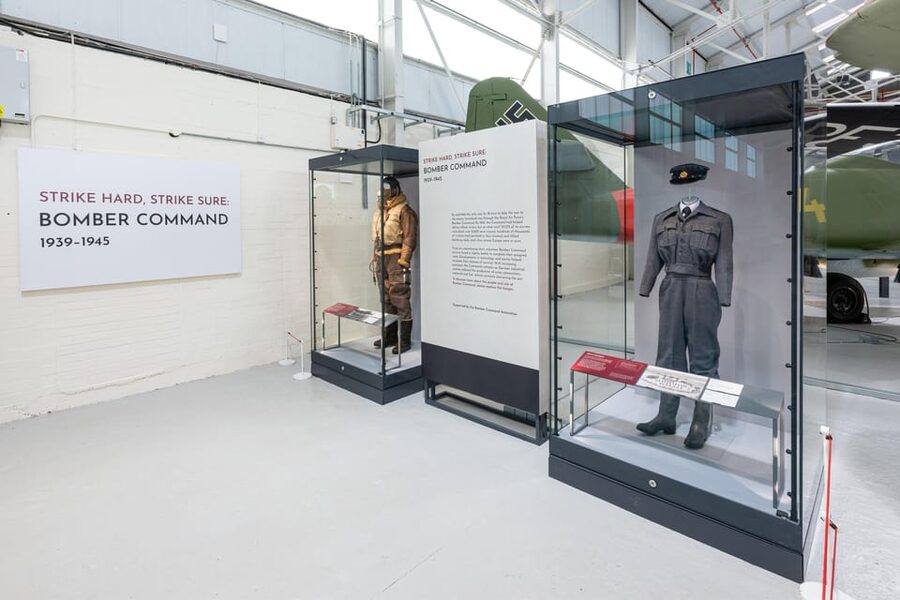
Bomber Command in one hour, no fluff. At the Royal Air Force Museum Midlands, this guided Bomber Command experience is a tight, practical way to understand how Britain’s bomber force started, how it was used in WWII, and why it still mattered during the Cold War. I especially liked seeing the restored Vickers Wellington, one of only two surviving worldwide, and then getting your eyes on Guy Gibson’s Victoria Cross and personal artifacts without needing to search museum rooms on your own.
One caution if you’re expecting cockpit time: this is a ground tour only, so you will not go inside the aircraft. Also, it is not geared for kids under 12, and you will want to plan for the fact that no food or drinks are included.
In This Review
- Key things you’ll notice on this RAF Museum Midlands tour
- Why a Bomber Command tour at RAF Museum Midlands fits real travel time
- The Vickers Wellington display, restored and surprisingly important
- Guy Gibson’s Victoria Cross and personal artifacts: the story gets personal
- The controversial Bomber Command role, framed with context
- From 1936 formation to Cold War strategy, the through-line is the point
- Other aircraft stops: Bristol Blenheim and a First World War perspective
- Price and value: why $13 can be a good deal for this topic
- A smooth game plan for your 60-minute tour
- Who this tour suits best (and who might prefer something else)
- Should you book the Midlands Bomber Command Tour?
- FAQ
- How long is the Bomber Command tour?
- Where do I meet for the tour?
- Is the tour inside the aircraft?
- What is included in the price?
- When does the tour run?
- Is it wheelchair accessible and is it suitable for children?
Key things you’ll notice on this RAF Museum Midlands tour
- The restored Vickers Wellington display, one of only two surviving worldwide
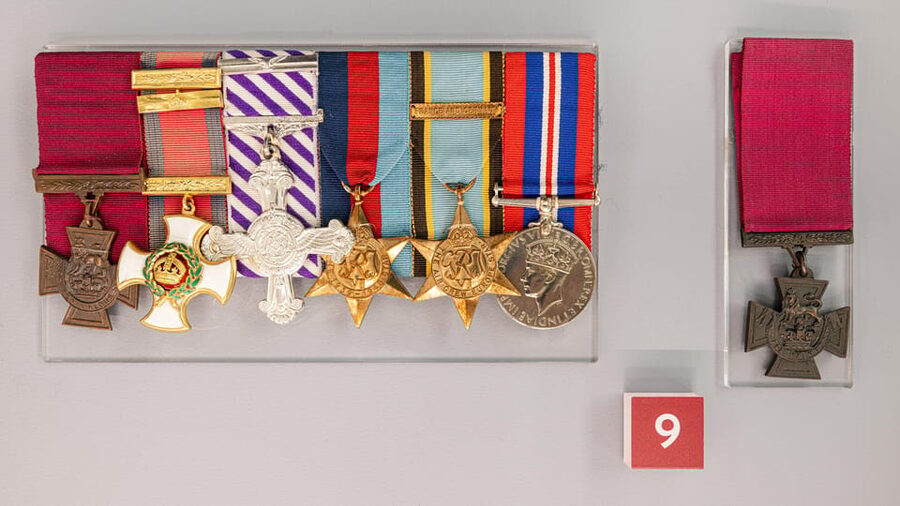
- Guy Gibson’s Victoria Cross plus personal artifacts that make the story feel human
- WWII context with a controversy lens, not a one-sided victory lap
- Cold War impact on military strategy, explained as a continuation of earlier thinking
- Aircraft variety, including a Bristol Blenheim and other significant planes
- A First World War detour, like a Sopwith biplane and personal letters from local pilots
Why a Bomber Command tour at RAF Museum Midlands fits real travel time
This is the kind of tour I love when you have limited time but still want real meaning. It runs about an hour, and it is guided, which matters here because the subject can get confusing fast if you just wander. With a guide, you get a clear thread from 1936 formation, through WWII use, and into the Cold War, when bombing strategy became part of how countries planned deterrence and force.
The museum setting also helps. You are not reading a textbook. You’re looking at aircraft and objects tied to the story, including the Vickers Wellington and Guy Gibson’s Victoria Cross. That combination is what makes the hour feel full instead of rushed.
Signed into the guestbook for Cosford just ahead of you:
- Midlands: Battle of Britain Tour at RAF Museum Midlands
★ 4.7 · 3 reviews - Midlands: Spitfire Cockpit Experience
★ 5.0 · 2 reviews - Midlands: Spitfire 360° VR Experience
★ 5.0 · 1 review
The Vickers Wellington display, restored and surprisingly important
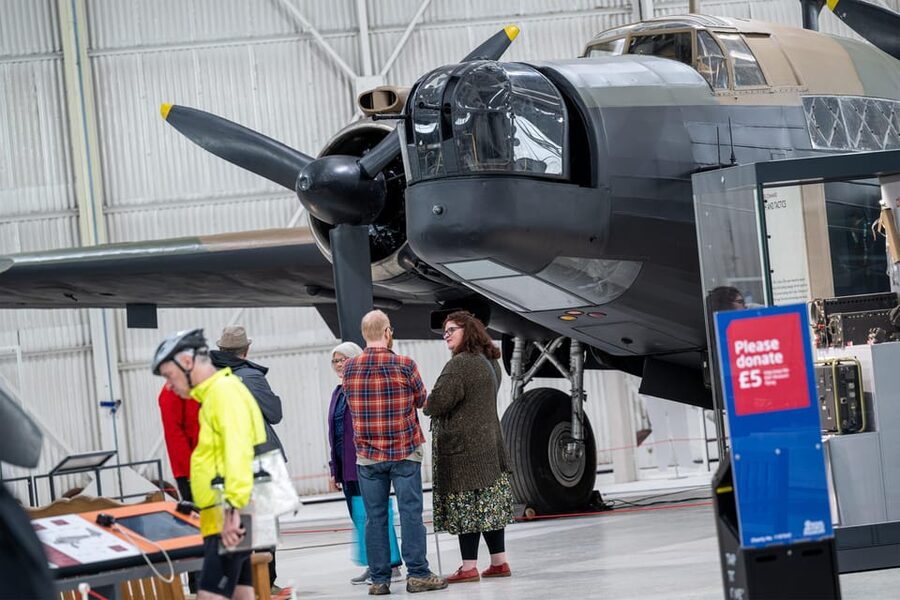
You will spend time around the Vickers Wellington, which the museum presents in a newly restored state. It is one of only two surviving worldwide, so even before the politics and strategy, there is a quiet wow factor. It is not a generic prop plane. It is a real artifact from the era, and that scarcity makes the viewing more than a quick photo stop.
Here’s what to look for on this sort of display. Don’t just clock the aircraft shape. Pay attention to what the museum labels emphasize, because museums usually choose specific details to explain how the plane fit into Bomber Command’s mission. In a one-hour tour, those labels and the guide’s pointers are doing heavy lifting for you.
A practical note: since this is a ground tour, you will not be stepping into the aircraft. That may disappoint you if you love cockpit views, but it also keeps the focus on interpretation. In other words, you can learn without worrying about stairs, crowding, or time disappearing into photos inside the fuselage.
Guy Gibson’s Victoria Cross and personal artifacts: the story gets personal
A big reason to book this tour is the chance to see Guy Gibson’s Victoria Cross. The Victoria Cross is one of the most recognizable military honors in the UK, and seeing it in person changes the tone immediately. It brings the discussion down from strategy to a person, and the tour leans into that.
You also get time with Gibson’s personal artifacts. That matters because medals alone can feel distant. Personal items help you connect the dots between the high-level talk of bombing campaigns and the lived reality of the people involved.
If you’re sensitive to heavier history, this is also a good place to slow down. The museum objects make it harder to treat WWII as just dates and aircraft models. You will likely find yourself paying more attention to the “why” behind missions, not only the “what.”
The controversial Bomber Command role, framed with context
Bomber Command is one of those WWII topics where the historical debate is not background noise. It is part of the subject itself. This tour specifically includes the controversial role of Bomber Command in the Second World War, and it does not treat the topic like a settled scoreboard.
For you, that’s valuable because most people leave the argument at slogans. Here, you get the chance to understand the strategic logic that leaders used at the time, and then see why that logic still fuels disagreement. It’s also a chance to notice how museums handle difficult history, meaning they often try to explain decisions and consequences rather than just glorify operations.
I appreciate when a tour does this carefully. It respects that the topic is painful and complex, but it still helps you make sense of what happened and why it continues to matter.
From 1936 formation to Cold War strategy, the through-line is the point
What makes this experience stand out for me is the time scale. You start with Bomber Command’s formation in 1936 and you end up at the Cold War impact on military strategy. That arc helps you see bombing not as a single war phase, but as a way of thinking that carried forward.
During the WWII years, bombing strategy linked to how Britain planned to hit enemy industry and morale while supporting broader war goals. Then, in the Cold War, the logic shifted again. Bombers and long-range strike capabilities became part of deterrence planning and power projection, even when direct combat was not the immediate reality.
Your guide helps you connect those dots in plain language. In a one-hour format, the goal is not to make you an expert. It is to get you a usable mental map so you understand why Cold War planning looked the way it did.
If you like history that has cause and effect, you will probably enjoy this section. It turns the museum from a collection of objects into a story you can follow.
Other aircraft stops: Bristol Blenheim and a First World War perspective
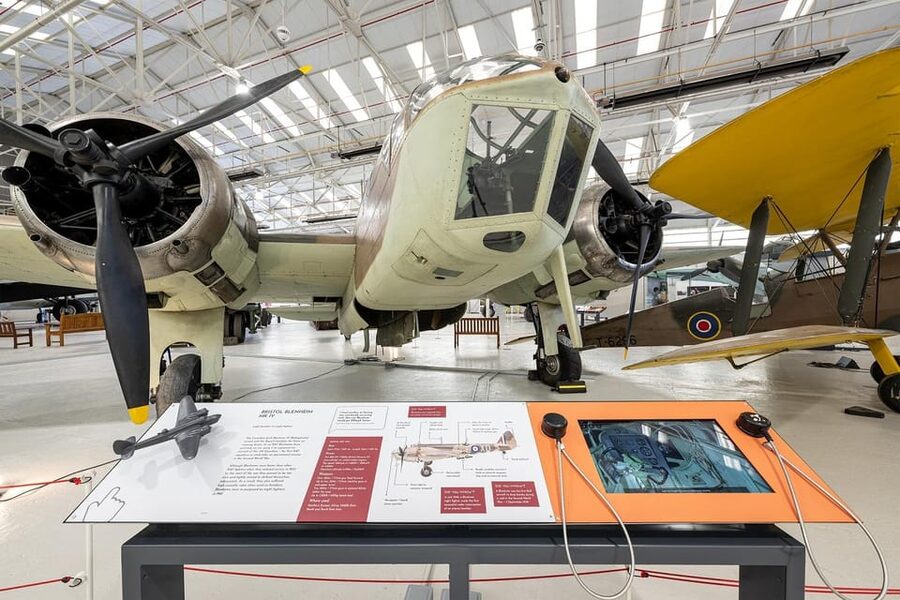
You will not only focus on the Wellington. The tour also highlights the Bristol Blenheim and other significant aircraft. That variety matters because it stops the subject from turning into a single-aircraft lecture. You get a wider look at the kinds of aircraft that shaped British air power decisions.
Then comes a smart curveball for your understanding: the tour includes First World War aircraft, like the Sopwith biplane. Even if the First World War feels like a different era, aviation tech and training culture do not reset like a computer game at the start of every conflict. Early aircraft and the people around them help explain how aviation skills and ideas matured into later roles.
The tour also includes personal letters from local pilots. That detail is easy to overlook if you are only chasing famous names and medals. But letters add texture. They help you remember that behind every aircraft and mission, there were people writing about fear, duty, weather, and home.
This is where the tour feels grounded. It gives you more than spectacle.
Price and value: why $13 can be a good deal for this topic
At about $13 per person for a 1-hour guided experience, the value is tied to what you actually get. You get entry to the RAF Museum for this time period, you get a guided tour focused on Bomber Command exhibits, and you get viewing of Guy Gibson’s Victoria Cross. Those three things together are the core of the cost.
If you tried to do it on your own, you would likely spend time wandering between exhibits, and you might miss the specific story connections the guide makes. For many visitors, paying for guidance is not about convenience only. It’s about interpretation. You are buying a faster path to understanding, with a focus on the objects that matter most.
Time also matters. One hour is short enough to fit into a travel day, yet long enough that the guide can explain the WWII controversy and the Cold War shift without turning everything into a bullet list.
One small trade-off: the tour does not include food or drinks. So you should plan a snack stop before or after, especially if you’re arriving hungry or you have kids with you, though this tour is not suitable for children under 12.
A smooth game plan for your 60-minute tour
To get the most from your time, I recommend you treat this like a timed museum briefing, not a casual wander.
- Arrive early at the Admissions Desk at the RAF Museum, Midlands. If you aim for at least 30 minutes before, you’ll avoid that stressed scramble that ruins the start.
- Look for signage pointing to the Bomber Command section or the Vickers Wellington display, then follow your guide to the designated area.
- Wear comfortable shoes. The tour is short, but museums still mean a fair amount of walking and standing.
- Since it is ground tour only, set expectations so you can focus on exhibits and objects rather than trying to find a way into the aircraft.
- If you care about WWII controversy, bring an open mind. This subject rewards you when you’re willing to hold complexity in your head for an hour.
Also, if you like souvenirs, the museum shop is there for you after. But I’d wait until the end so you do not shop while your brain is trying to process a century of aviation history.
Who this tour suits best (and who might prefer something else)
This tour is a strong fit if you:
- Like museum tours with a guided narrative, not just self-guided galleries
- Want a clear overview of Bomber Command from 1936 onward, including the WWII controversy
- Care about specific artifacts like the Vickers Wellington and Guy Gibson’s Victoria Cross
- Appreciate that the tour touches both WWII and the Cold War, plus a First World War connection
It may be less ideal if you:
- Want to explore inside aircraft, because access is not included
- Are bringing younger children, since it is not suitable for those under 12
- Expect on-site food or a longer, all-day experience
If you’re an aviation fan, this works because you see multiple aircraft types, including a Sopwith biplane and Bristol Blenheim. If you’re more of a history fan, it works because the tour gives you the big strategic arc with the human anchor points.
Should you book the Midlands Bomber Command Tour?
Yes, I think you should book this tour if you’re looking for a focused, guided way to understand Bomber Command without getting lost in the museum. For the price, you get museum entry, a guided walkthrough of Bomber Command exhibits, and a chance to view Guy Gibson’s Victoria Cross. The restored Vickers Wellington and the personal artifacts make it more than just aircraft spotting.
I would only skip it if you strongly need inside-aircraft access, or if your group includes kids under 12. Otherwise, it’s a smart, time-efficient way to get context, including the controversy that surrounds Bomber Command and the way its influence stretches into Cold War strategy.
FAQ
How long is the Bomber Command tour?
The tour lasts 1 hour.
Where do I meet for the tour?
Meet your guide at the Admissions Desk at the RAF Museum, Midlands. Look for signage pointing toward the Bomber Command section or the Vickers Wellington display.
Is the tour inside the aircraft?
No. It is a ground tour only, with no access inside the aircraft.
What is included in the price?
You get entry to the RAF Museum, a guided tour of Bomber Command exhibits, and viewing of Guy Gibson’s Victoria Cross.
When does the tour run?
It runs on Tuesdays at 11:00 AM and 2:00 PM, and on Sundays at 11:00 AM.
Is it wheelchair accessible and is it suitable for children?
The tour is wheelchair accessible. It is not suitable for children under 12.
Newest entries under Cosford

Tours, compared.

Magical London: Harry Potter Guided Walking Tour
Read our review →
Warner Bros. Studio Harry Potter Tour & Branded Bus
Read our review →
Loch Ness, Glencoe & the Scottish Highlands Tour
Read our review →
Loch Ness, Glencoe & Scottish Highlands Tour
Read our review →
Liverpool Football Club Museum and Stadium Tour
Read our review →
Warner Bros. Studio Harry Potter Tour with Transfers
Read our review →