
Reviewed · HORSES
Meditate With Horses
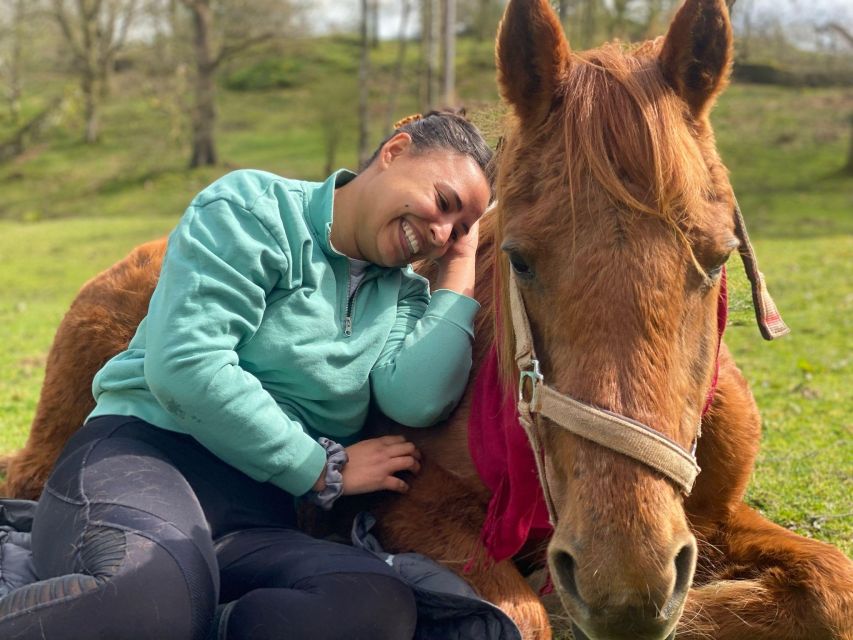
Horses can change your breathing fast. At Holmeshead Farm in Ambleside, Cumbria, you spend a half-day to full-day learning a gentle, meditation-led way to connect with rescue horses and the Lake District around them, without any riding involved. I really like the focus on you becoming present, not performing, and I also like that you’re taught how to read simple horse body language so you feel safe and grounded. The one drawback to consider is that this is a calm, sensory experience that involves close, physical proximity, so it is not for you if you want something active or hands-off.
You might be surprised by how quickly the setting does the work. This is built around herd animals that respond to each other’s hormones and heart rates, and the session uses breath work and guided meditation to help you match that slower rhythm. I’d especially book it early in your trip, because it’s the kind of reset that makes the rest of the days feel easier to handle.
In This Review
- Key things you’ll notice right away
- Holmeshead Farm, Ambleside, and the kind of quiet you can feel
- Rescue horses, herd signals, and why the meditation is more physical than you expect
- Safety briefing first, because calm needs rules
- Grooming and morning stillness: the workshop rhythm that builds trust
- Workshop 1: learning horse body language without overthinking it
- Break time in the Lake District fields, and how to use it well
- Workshop 2: breath work, guided meditation, and laying down with the herd
- The “after” effect, when the world feels less loud
- Price and time value for a $114 session
- What to bring, wear, and avoid so you feel comfortable
- Languages, group size, and how to know if it fits you
- Should you book Meditate With Horses at Holmeshead Farm?
- FAQ
- Where does the experience take place?
- How long is Meditate With Horses?
- What is the price per person?
- Is riding included?
- What happens during the session?
- Do I need to bring anything?
- Are there any food rules?
- What if the weather is cold or wet?
- What languages are offered?
- Is the activity wheelchair accessible and offered in small groups?
- How do I find the meeting point?
Key things you’ll notice right away
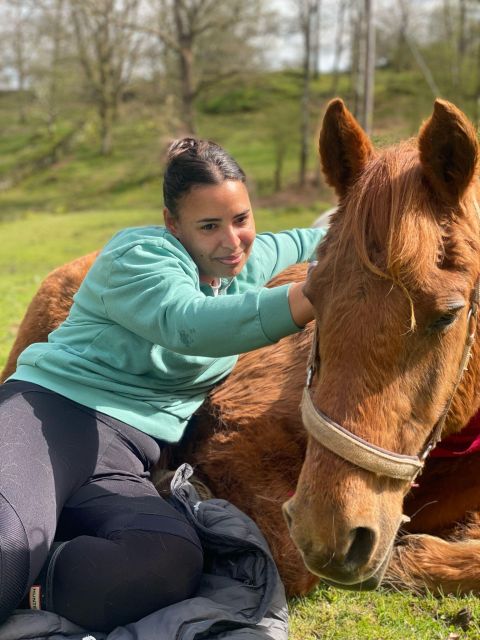
- Close-contact, lay-down meditation that replaces effort with stillness
- Rescue horse care matters, since 100% of the fee supports the herd
- Breath work plus guided meditation designed to slow your body down
- Learning horse signals, so you can stay relaxed and understand what you’re seeing
- Lake District quiet-time, with mountains and fields doing most of the talking
- Small group experience, so you get support instead of being rushed
Holmeshead Farm, Ambleside, and the kind of quiet you can feel
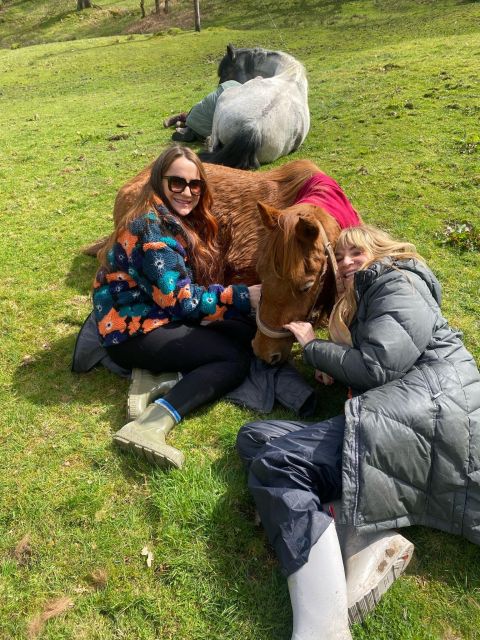
The whole experience is anchored at Holmeshead Farm B&B in Ambleside, right up against Lake District scenery and the view of the Langdales. The vibe is a working farm, not a stage set, and you’ll feel that from the start. You’re there to slow down, so arriving with a clear mind helps.
What I like about the location for this kind of activity is the contrast. You go from daily noise to a place where the main soundtrack is breathing, hooves on grass, and wind moving through nearby trees. That matters because the guided parts work better when your brain stops trying to multitask.
Also inked in under London
- London: Slow Horses TV Series Guided Tour
★ 5.0 · 13 reviews - York: Horse Drawn Carriage Ride Around the Countryside York
★ 4.1 · 13 reviews - York: Horse Drawn Carriage ride & Cream Tea
★ 5.0 · 3 reviews
Rescue horses, herd signals, and why the meditation is more physical than you expect
The horses are rescue horses that have been rehabilitated using the gentle meditation-led technique the provider teaches. You’re not just watching animals from a distance. You’re pairing your body awareness with theirs.
Here’s the core idea you’ll hear explained: horses are herd animals, and they pick up on each other’s hormones and heart rates to coordinate as a group. When you meditate, the body changes in ways that are mirrored by the horses. The description you’re given is that they can become gooey and sleepy, and that they go into a healing state that affects you.
This is not about magic. It’s about nervous system and rhythm. Even if you’re skeptical, the practical value is that the session gives you a step-by-step way to stop fighting your own stress. That’s why people walk away talking about intense relaxation and clarity.
Safety briefing first, because calm needs rules
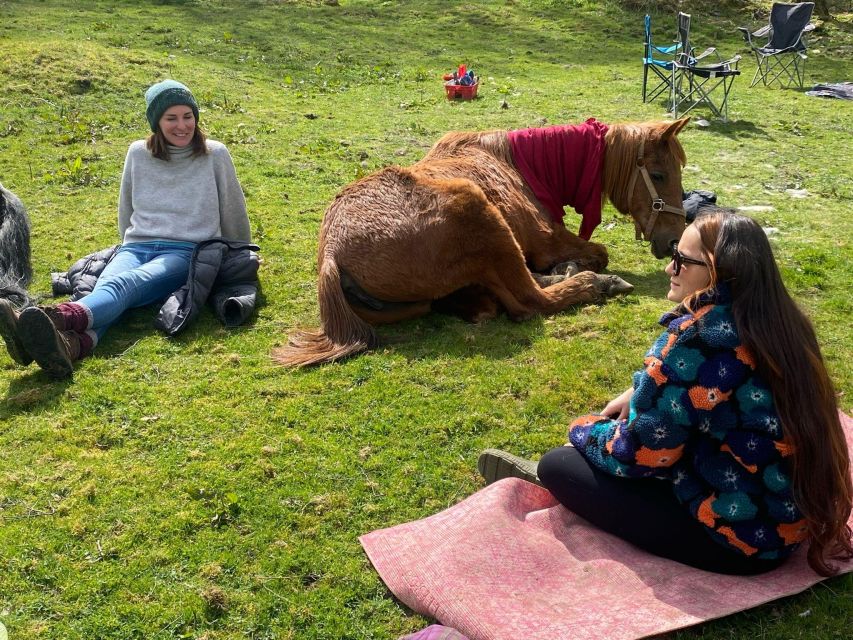
Before you get into the field time, you get a safety briefing. It runs about 30 minutes, and it’s there for a reason. Horse-led experiences can feel dreamy, but they still involve large animals with instincts, and the session treats that seriously.
You’ll get instruction and ongoing support throughout the day, and that structure helps nervous people relax, according to the kinds of experiences shared by participants. One theme from local reviews is that the learning component makes it feel magical, not confusing. When you understand what you’re seeing, you can settle faster.
Grooming and morning stillness: the workshop rhythm that builds trust
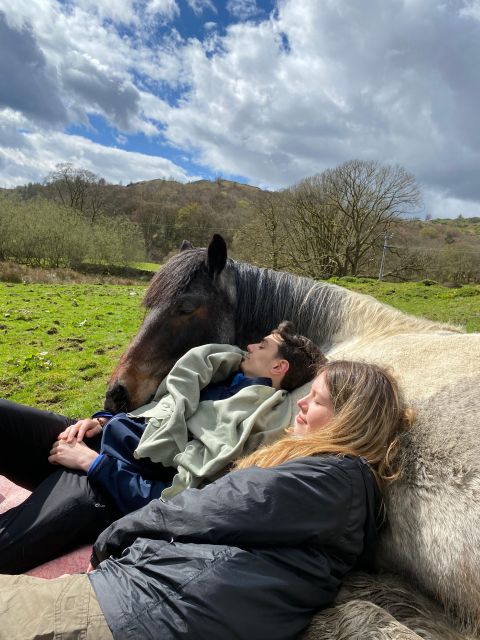
The day is paced like a calm arc. You start by meeting the horses at the farm, and then the session moves into working with them in a gentle, focused way. One of the best parts is that you don’t have to force closeness. You earn it through simple actions and attention.
A common moment described is grooming with gentle circles using a curry comb, with the horses lowering their heads and closing their eyes partway as they enjoy the attention. That kind of interaction teaches you something practical: when you move slowly and predictably, you get a response that tells you you’re doing it right.
Then you shift toward breath work and guided meditation. The setting adds to the effect. Cold morning air, warm coats under your palm, and the sight of a horse standing still beside you are the kind of sensory cues that pull you into the moment.
A page further on, still in London:
- London: The London Eye Entry Ticket★ 4.6 · 35,875 reviews
- From London: Harry Potter Warner Bros Studio Tour★ 4.7 · 26,588 reviews
- London: Westminster to Greenwich River Thames Cruise★ 4.5 · 22,836 reviews
- Magical London: Harry Potter Guided Walking Tour★ 4.7 · 22,044 reviews
Workshop 1: learning horse body language without overthinking it
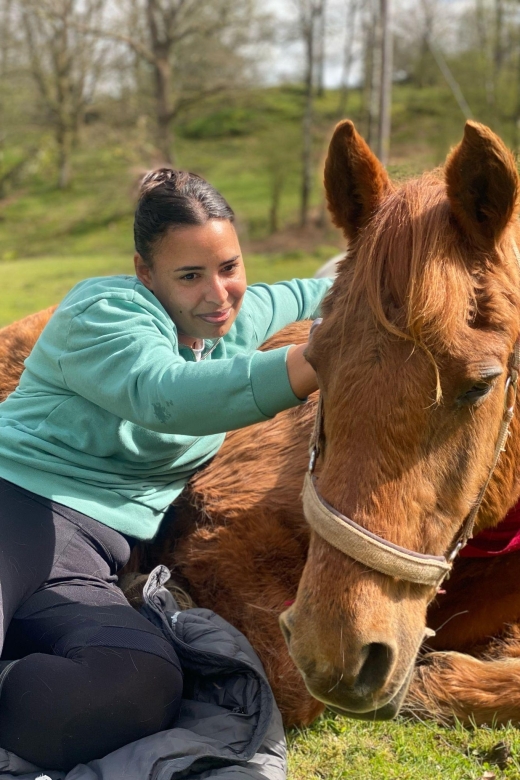
One of the most praised parts of this experience is learning to read horse body language. Janice, from the UK, highlighted exactly that in her feedback, saying it helped her understand how to be present and how to feel the same peace and calm the horses show.
You’re not being asked to become a horse trainer. The teaching is meant to help you notice a few key things and respond appropriately. When you can interpret basic signals, you stop imagining the worst and you start trusting the process.
That’s the real value for you: the workshop reduces mental noise. Instead of scanning for danger or worrying you’re doing something wrong, you get a framework that keeps you steady. And steady is what lets the meditation work.
Break time in the Lake District fields, and how to use it well
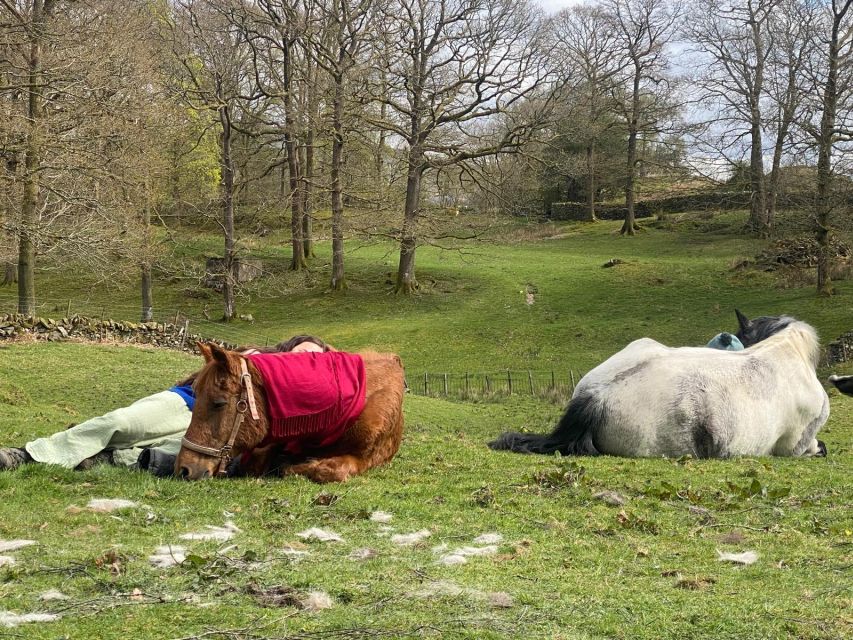
After the first main session, you get a break time of about one hour. This is a good moment to reset your posture, drink some water, and let your mind settle after the quiet focus.
Use this time to check how your body feels. If you’re tense, you can notice it without trying to fix it instantly. The point is to carry a little of that calm into the next segment, rather than snapping back to a travel brain.
Also, bring yourself back to earth with small observations. The group is often surrounded by green fields and big mountain views, and you’ll likely notice more once your breathing has slowed earlier. If you go into the break talking loudly, the contrast can feel jarring, so keep it low-key.
Workshop 2: breath work, guided meditation, and laying down with the herd
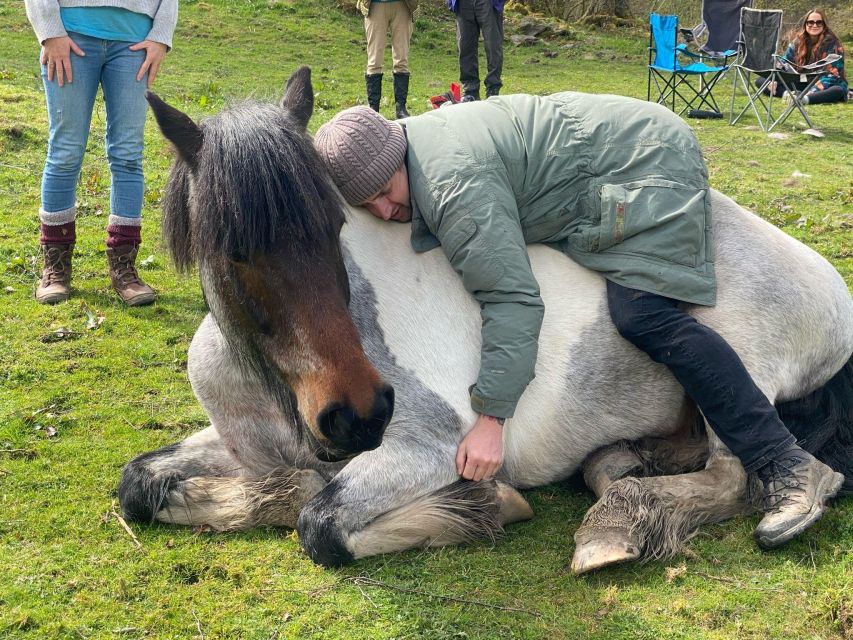
The later part of the day is where the session earns its name. You do more guided meditation, breath work, and hands-on connection that can include laying down with the horses.
The experience is described as intense relaxation, like a natural sedative. That wording is dramatic, but it matches the mechanism the provider explains, where you co-synchronize with the horses as they settle into a healing state. In practice, what you might feel is slower thoughts, a slower heart rhythm, and a sense of perspective that’s hard to recreate with typical travel activities.
There’s also a big emotional piece: you’re not alone with the calm. You gather afterward in a circle with others who started as strangers. Then you talk about what you learned, what felt clear, and what surprised you. Katrina, from the UK, described it as interesting and relaxing, and she specifically mentioned taking time to breathe and chill with these gentle creatures.
One thing to note for your expectations: this is not silence theater where you control every second. It’s a guided flow that includes animal interaction, so you stay responsive and flexible.
The “after” effect, when the world feels less loud
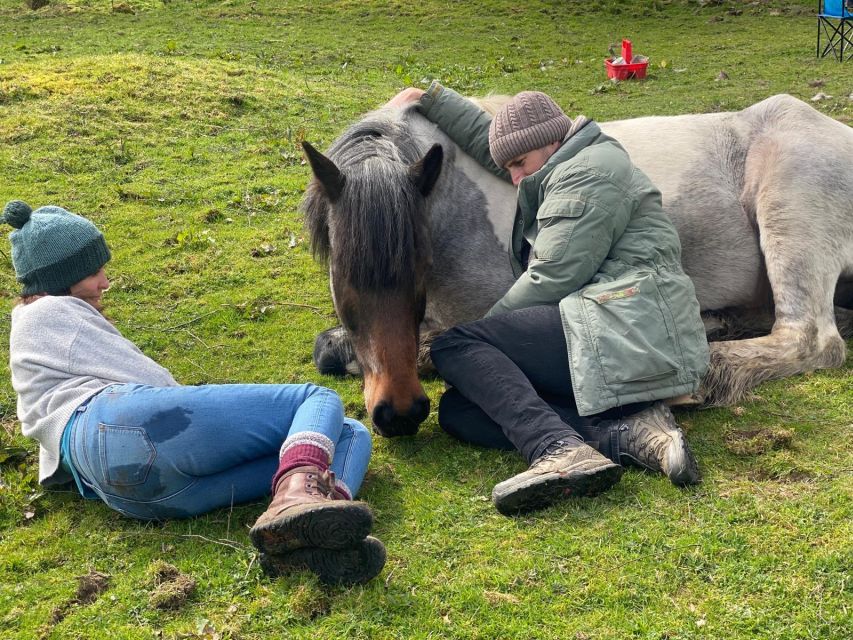
A lot of value in experiences like this is what happens after. The description of returning home and still feeling the warmth and calm is common with body-based activities. In your case, you might find you carry a calmer baseline into the rest of the day, which makes it easier to enjoy other Lake District moments without getting mentally scattered.
This is why I like the suggestion to schedule it early in your holiday. You leave with a tool, not just a memory. Even if you cannot recreate it perfectly later, the experience can show you what “present” feels like in your own body.
Price and time value for a $114 session
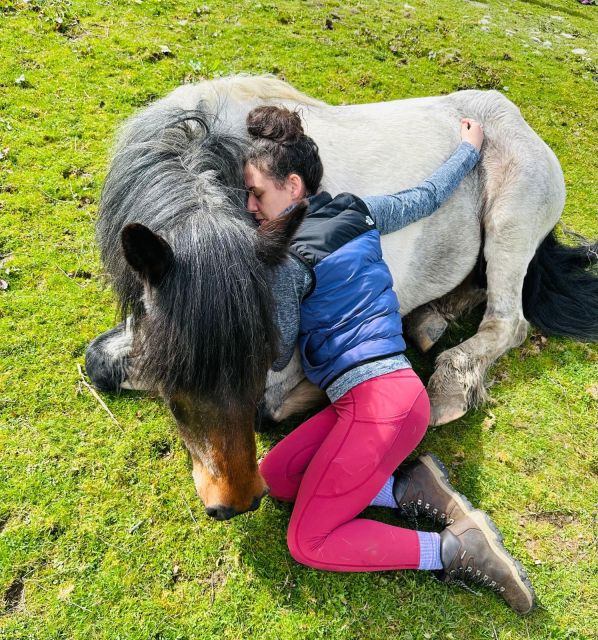
The listed price is about $114 per person, with a duration that can run from two to six hours depending on starting times. On paper, that sounds like a premium farm activity, but you’re not paying for riding. You’re paying for instruction, safety briefing, guided meditation, breath work, and structured support, plus the care of rescue horses.
The best value argument here is the mission. The provider says 100% of your fee goes to looking after the horses. That changes the feel of the day, because you’re not just consuming an experience, you’re helping fund the rehab and ongoing welfare of the herd.
Is it expensive? Yes, it is not a bargain. But for a small group, close-contact guided meditation with dedicated instruction, and farm-based horse care support, it can feel fair. If you’re the kind of traveler who loves nature but also wants calm and perspective, it’s a solid use of your time.
What to bring, wear, and avoid so you feel comfortable
This works best when you dress for cold, because you’ll be in farm conditions and you’ll want to stay warm for the sitting and lying parts.
Bring:
- Warm clothing
- Warm shoes
Wear old clothes and sturdy boots. If it’s a cold day, wrap up very warm. If you need waterproof layers, bring full waterproofs.
You also need to follow one specific rule: please don’t have sugar in your pockets. That is a clear, practical thing, and it’s easy to respect.
If you tend to get chilly, plan for it. The session asks you to slow down, and slow bodies cool faster.
Languages, group size, and how to know if it fits you
The instructor languages are English and French, and there’s an option for a small group. That matters because small group settings usually help with support, especially if you’re unsure about being close to horses or you’re new to meditation.
The experience is also described as wheelchair accessible. If you use a wheelchair, the best move is to confirm what the on-the-ground setup is like, but the provider states accessibility is supported.
Who it suits:
- You want a nature-based reset that is calmer than typical sightseeing
- You’re open to close animal contact and hands-on guidance
- You like guided breathing and meditation structure
- You appreciate learning something practical, like reading horse signals
Who might want to skip:
- You want riding, training rides, or a more athletic horseback day (riding is not included)
- You prefer to avoid physical proximity with animals
- You dislike slow, sensory experiences and long periods of stillness
Should you book Meditate With Horses at Holmeshead Farm?
I think you should book if you’re craving a real reset, not another photo stop. The most praised aspects are clear in the feedback: people love learning horse body language, feeling present, and getting that calm, magical peace from the guided meditation and breath work.
Book it early in your trip, wear warm boots and old clothes, and treat it like an experience with rules that keep you safe and comfortable. If you want active adventure or riding, look elsewhere. But if you want clarity and intense relaxation with rescue horses that matter, this is a strong Lake District choice.
FAQ
Where does the experience take place?
It meets at Holmeshead Farm in Ambleside, Cumbria, in the Lake District area.
How long is Meditate With Horses?
The duration is listed as two to six hours.
What is the price per person?
The price is listed as $114 per person.
Is riding included?
No. Riding is not included.
What happens during the session?
You’ll get a safety briefing, breath work, and guided meditation, along with support. You also connect with the horses, including the chance to lay down with them.
Do I need to bring anything?
Yes. Bring warm clothing and warm shoes. Wear old clothes and sturdy boots.
Are there any food rules?
Yes. Please don’t have sugar in your pockets.
What if the weather is cold or wet?
Wear full waterproofs if necessary, and wrap up very warm on cold days.
What languages are offered?
The instructor offers English and French.
Is the activity wheelchair accessible and offered in small groups?
Yes, it is described as wheelchair accessible, and small group options are available.
How do I find the meeting point?
A What3Words link for directions is sent so you can find the meeting point at Holmeshead Farm B&B.
Newest entries under London


Horses, compared.
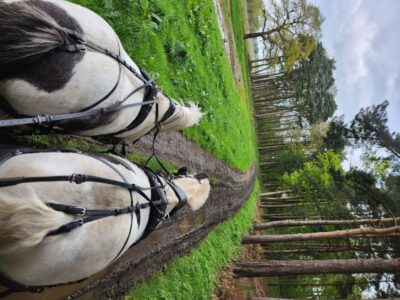
Horse Drawn Carriage Ride Around the Countryside York
Read our review →
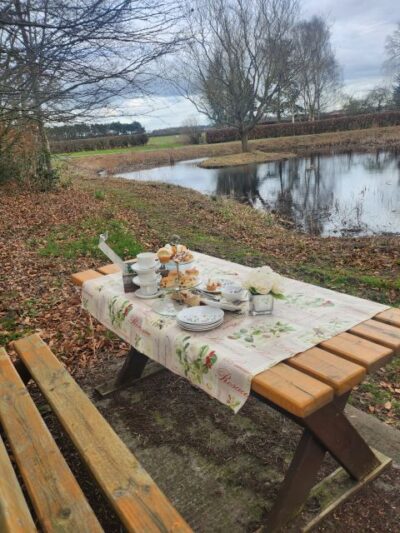
Private Horse-Drawn Carriage Ride and Afternoon Tea
Read our review →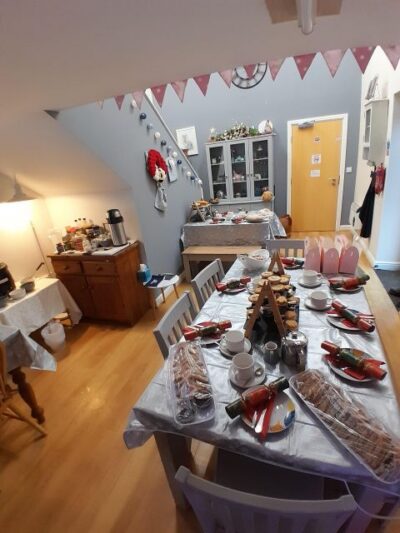
Browse the lists this tour appears in