
Reviewed · DRINKING TOURS
London: Secrets of Freddie Mercury Tour with a Cocktail
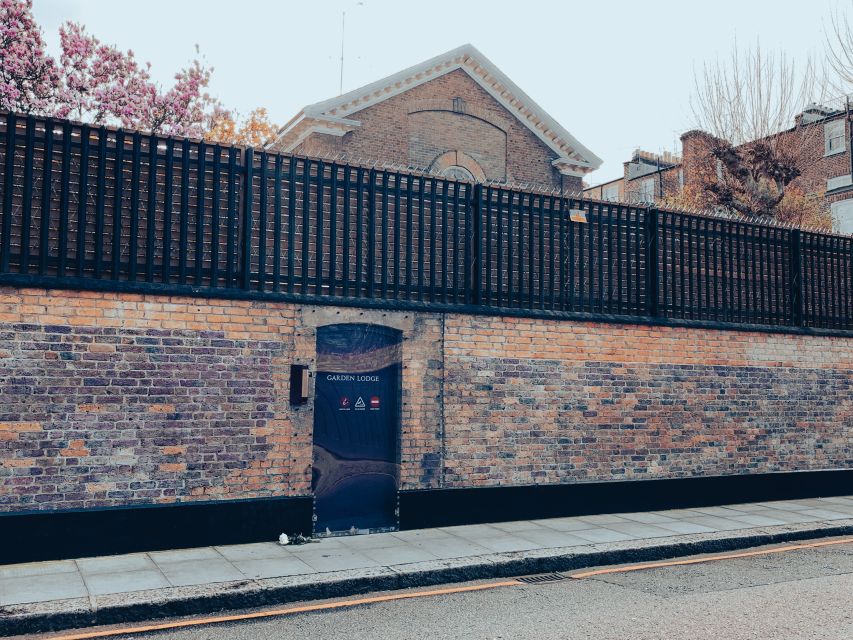
Freddie Mercury’s London feels uncomfortably close to the present. This tour takes you past Mary Austin linked locations and into the Trident Studios orbit, where Queen recordings helped shape the sound of an era. You also get street-level context for how his private life and public stage life overlapped in the same city.
I like the pacing for a 2.5-hour walking format: you see a lot of key stops without turning it into a museum slog. I also like that the route threads together homes, meeting places, and recording spaces so the story hangs together instead of feeling like random photo points. One thing to consider, though, is that parts of the tour can feel like you are looking at ordinary-looking streets and facades from the outside, especially if it’s rainy or if you expect obvious plaques.
In This Review
- Key things to look for on this Freddie Mercury walking tour
- Starting in Hammersmith: The Hand & Flower to Covent Garden
- Studio stops that feel like the real soundtrack
- Mary Austin’s London: homes, meeting spots, and the last-years walk
- Kensington streets and the first-flat area
- Royal Opera House and Montserrat Caballé
- The last performance moment tied to Time
- Price and logistics: is $344 worth it?
- Should you book this Freddie Mercury tour with a cocktail?
- FAQ
- How long is the Freddie Mercury Secrets tour?
- Where does the tour start?
- Is the tour guided?
- What languages are offered?
- Is the tour wheelchair accessible?
- Is it a private group?
- What should I bring for getting around?
- When does the tour include a break?
- What time is allotted for a photo stop?
- Does the tour end in Covent Garden?
Key things to look for on this Freddie Mercury walking tour
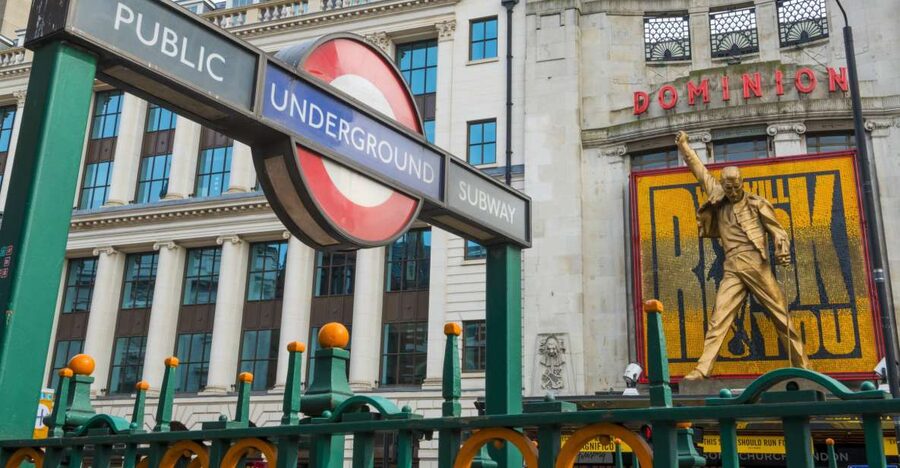
- Trident Studios connections tied to major tracks like Who Wants to Live Forever and Barcelona
- Mary Austin landmarks, including where he lived and where his last years were tied to her family
- Pub and meeting points, including the famous pub stop connected to band get-togethers
- Royal Opera House moment, where Freddie is linked to meeting Montserrat Caballé
- The Time musical final-performance stop, marked by the date 14 April 1988
Starting in Hammersmith: The Hand & Flower to Covent Garden
The tour begins at The Hand & Flower in Hammersmith, which is a good spot because it sets the tone right away. This is a walking route built around neighborhoods, not indoor ticket lines. Before you even reach the more famous landmarks, you get a quick orientation and then a photo-oriented secret stop where the guide sets up what you are about to see.
From there, you break briefly at a local café, which is useful if you want to reset before the denser parts of central London. Then the tour swings toward Covent Garden, with a visit timed for short sightseeing rather than a long sit-down. If you like moving at a human pace, this works well, because you still have time to enjoy the street atmosphere instead of feeling rushed from one doorway to the next.
One practical tip: because you need your day-travel tickets or Oyster card ready, expect that you will use transit between clusters of sights. That means you should travel with comfy shoes and a plan for weather. When it rains in London, the route is still do-able, but you will appreciate a rain layer more than you might think.
More Pub & Bar Tours in London
- London: Bar and Club Crawl to 5 Central London Venues
★ 4.5 · 1,241 reviews - London: Historic Pubs of Central London Walking Tour
★ 4.9 · 1,065 reviews - London: Soho Music and Historic Pubs Walking Tour
★ 4.9 · 836 reviews
Studio stops that feel like the real soundtrack
A big reason fans book this kind of tour is the chance to connect songs to place. Here, the tour leans into that by hitting the recording-studio story, not just the “famous name on a sign” version.
You’ll start with one major concert venue tied to Queen performances, including the legendary Xmas concerts in 1975 and 1979. Even without a museum explanation, that matters because it places the band’s rise in specific years, not just a vague decade. Then the tour moves into the studio zone, where you see Trident Studios, the recording site connected to tracks including Who Wants to Live Forever and Barcelona.
What makes this part valuable is the way studios change your listening. Instead of treating the songs as finished products, you see how they were built through rehearsals, takes, and production choices. You also pass another studio space that was used for rehearsals, which helps you understand that Queen’s sound was not created in a single magic session.
If you’re a serious Queen listener, this is usually the most satisfying part of the walk. If you are more of a casual fan, the studio stops may feel more abstract, so bring the mindset of storytelling through place, not worship in front of equipment. Either way, it is the section most likely to turn a good tour into a memorable one.
Mary Austin’s London: homes, meeting spots, and the last-years walk
The tour’s emotional center is Freddie Mercury’s relationship to Mary Austin, shown through where they lived and where their lives intersected publicly. You start with the place where Freddie lived with Mary in the 1970s, and then you keep walking into the later-years geography.
A key stop is the house area connected to where Freddie spent his last years, which is tied to Mary Austin and her family. This is one of those moments that does not need dramatic narration to land. You are simply moving through the same kind of residential streets where real life happens, which makes the story feel heavier than the concert-era stops.
Before you reach that last-years area, the tour includes a pub stop tied to Freddie meeting key people, including Brian, Roger, and Mary. This part is more than a trivia hit. It helps you connect the “band myth” to the social reality of the era: musicians meeting in public places, decisions and friendships forming in normal city settings.
You also walk by the shared-flat context from the early 1970s when the band members spent time together. That helps you understand that Queen’s early sound did not grow in isolation. It grew from a shared environment, with people coexisting, rehearsing, and testing ideas.
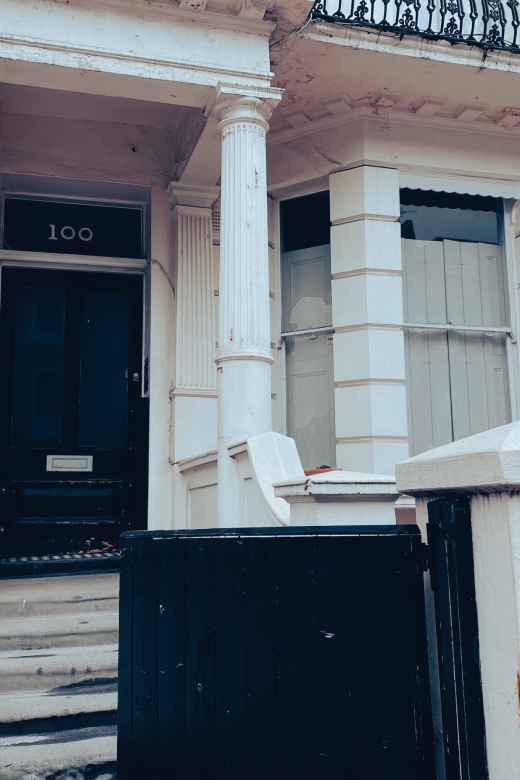
One caution based on what I’d want you to know before you go: some residential views can look subtle from the sidewalk. If you expect the buildings to announce their importance, you may feel a bit underwhelmed. Go in knowing this is a street-level interpretation, not a guided postcard tour.
Kensington streets and the first-flat area
After the more focused Mary Austin sections, the tour shifts toward the early “where Freddie was seen” side of the story. You’ll walk through an area described as once a Kensington Market where Freddie was often seen selling shoes and art. That detail is exactly the sort of human, grounded fact that makes a celebrity story feel less like myth and more like a person navigating London.
You then visit the area connected to where Queen recorded the songs for their first two albums. That’s a big deal, because early albums are where you can hear a band defining itself. This stop ties back to the studio segment later in the tour, but in a different way. Here, the emphasis is on beginnings and early momentum.
Then you get back into the “city as stage” theme again, by walking toward cultural landmarks near Royal Opera territory. You will do short sightseeing connected to the Royal Ballet and Opera, and this sets you up for the next major stop.
I find this middle stretch works best if you like connecting eras. It is not only “Freddie in one moment.” It is Freddie across phases, from the early-market side of London into the institution side of the city.
Also inked in under London
- London: Windsor, Stonehenge & Bath with 14th-Century Pub★ 4.6 · 765 reviews
- London: Royal Historic Pubs Walking Tour★ 5.0 · 536 reviews
- London: Jack the Ripper Tour with Historic Pub Stops★ 4.8 · 360 reviews
- London: Landmarks & Secrets Bike Tour with Pub & Street Art★ 4.9 · 314 reviews
Royal Opera House and Montserrat Caballé
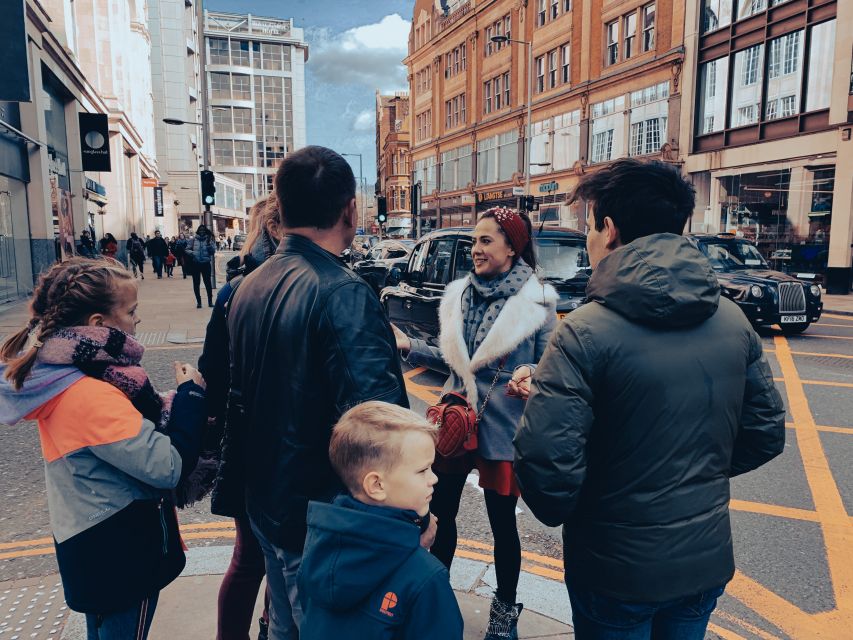
The Royal Opera House stop is one of the tour’s standout story beats, because it links Freddie to the meeting with Montserrat Caballé. This matters to you even if you are mostly a Queen fan, because it reminds you Freddie did not only work inside one genre bubble.
From a practical standpoint, this part is well placed because it sits near your Covent Garden sightseeing block. You get an urban calm after the tighter studio and residential segments, and the location makes it easy to picture the formal world Freddie stepped into.
This is also where the guide can help you understand why the meeting mattered musically, not just socially. If your guide explains the context clearly, the Royal Opera House stop becomes more than a photo. It becomes a lens for hearing the artistic risk and ambition behind certain recordings.
The last performance moment tied to Time
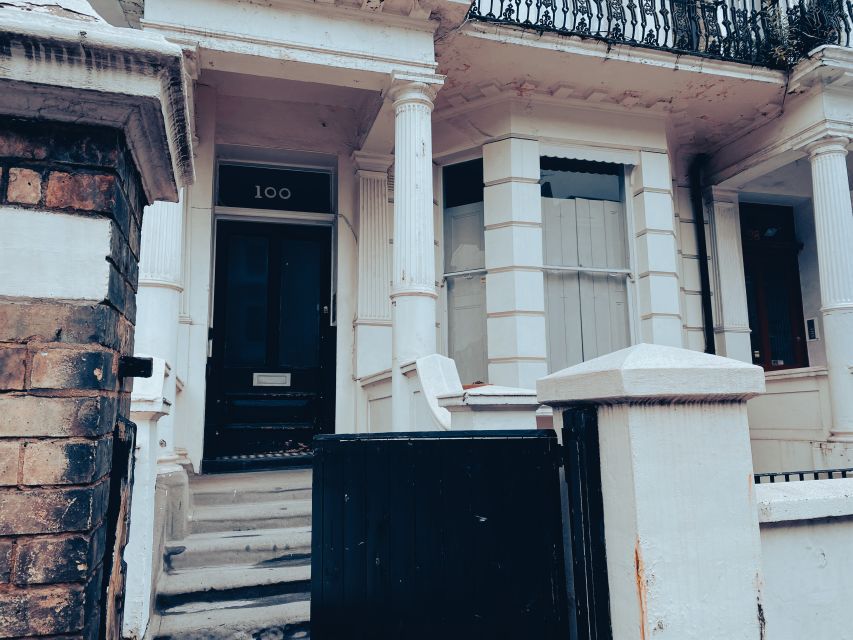
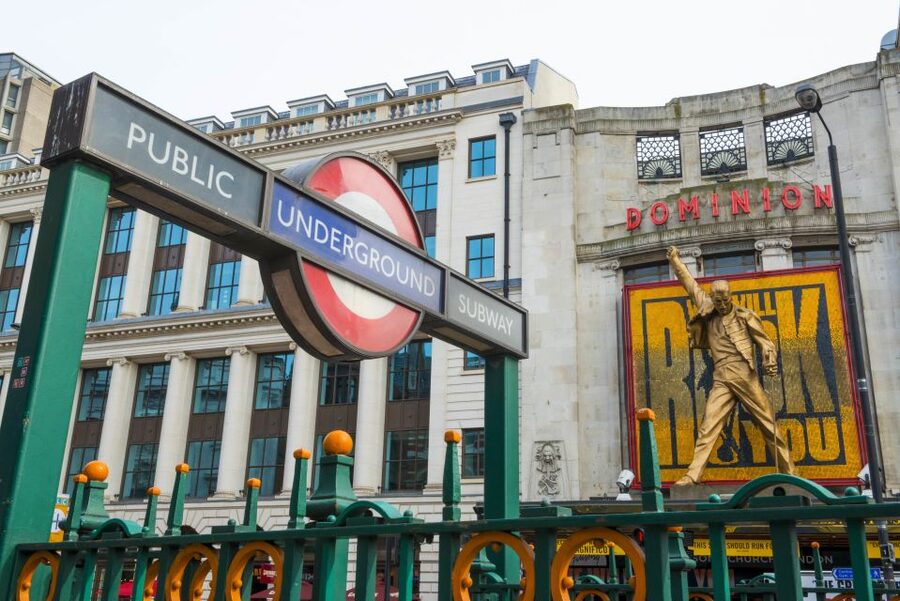
The tour closes by pointing you toward the place tied to Freddie’s very last performance in Time on 14 April 1988. Even when the surroundings are just typical London streets, this final stop can hit hard because it gives you a date. Dates are anchors, and anchors help a story feel complete.
If you like an ending that feels like closure, you’ll probably appreciate this finish. It is not the kind of tour that ends when the landmarks end. It ends when the timeline reaches a hard stop.
That said, you should keep expectations realistic about what you will see. You are not entering an archival exhibit. You are walking and looking at the city where life happened, so the emotional payoff comes from interpretation and the feeling that you are standing in the same urban environment.
Price and logistics: is $344 worth it?
At $344 per person for a 2.5-hour private group guided walk, this is not a budget-friendly Queen outing. The value depends on what you want from a tour.
If you want a lot of stops packed into one go, plus an interpretation thread that connects homes, studios, and major performances, the price can make sense. You are also getting a guide who can tour in English, Russian, and Ukrainian, and the tour is listed as wheelchair accessible, which reduces friction for many travelers.
But if you mainly want doors you can point to, lots of indoor time, or deep breakdowns of every musical decision, you may feel the price is high. One reason is simple: much of the route is street-based. Even the biggest names in music are tied here to places you view from the sidewalk, not behind glass.
Also, the guide quality clearly affects the experience. Some people report that the guide made the day special, even in rainy conditions, and one even noted a small Queen-themed lottery prize as a nice extra. Others felt the explanation was too light for the price. So here’s my practical advice: if you book, go in expecting a guided walk with storytelling, not a classroom lecture. And if you are picky about detailed music analysis, message the operator ahead of time to confirm what the guide focuses on in your language.
Lastly, about the cocktail: the tour title says it includes a cocktail, but the provided details focus on walking and a café break. When you confirm your booking, ask when and where the cocktail fits in so you are not surprised.
Should you book this Freddie Mercury tour with a cocktail?
Book it if you are the type of fan who loves London streets, studio-linked storytelling, and timeline-driven stops. The mix of homes tied to Mary Austin, the studio angle with Trident Studios, and the Royal Opera House link to Montserrat Caballé gives you a satisfying story arc in a short time.
Skip it or think twice if you expect big indoor access, obvious landmark markers, or long musical theory explanations. At this price, you should be comfortable with the idea that you are walking, looking, and letting the guide connect the dots.
If you are unsure, your best move is to confirm the cocktail timing and ask what the guide will emphasize in your language before you go. For the right kind of Queen fan, this tour can feel like a “real city” version of the band’s greatest chapters.
FAQ
How long is the Freddie Mercury Secrets tour?
The tour duration is 2.5 hours.
Where does the tour start?
It starts in front of The Hand & Flower at 1 Hammersmith Rd, Hammersmith, London W14 8XJ, UK.
Is the tour guided?
Yes, it is a guided walking tour with a live tour guide.
What languages are offered?
The live tour guide is available in English, Russian, and Ukrainian.
Is the tour wheelchair accessible?
Yes, the tour is listed as wheelchair accessible.
Is it a private group?
Yes, it is a private group.
What should I bring for getting around?
Have your day-travel tickets or Oyster cards ready.
When does the tour include a break?
There is a local café break time of 20 minutes.
What time is allotted for a photo stop?
There is a secret stop with a photo stop of 30 minutes.
Does the tour end in Covent Garden?
Yes, it finishes at Covent Garden.
Newest entries under London




Drinking Tours, compared.

Bar and Club Crawl to 5 Central London Venues
Read our review →
Windsor, Stonehenge & Bath with 14th-Century Pub
Read our review →

Chocolate Bar Making Workshop at York Cocoa Works
Read our review →
Landmarks & Secrets Bike Tour with Pub & Street Art
Read our review →Browse the lists this tour appears in