

Reviewed · MUSEUMS
London: National Gallery of London Masterpieces Guided Tour
Art history clicks into place fast here. You get live commentary that ties famous works to the bigger story, plus a clear path from 1300s painting to later masterpieces like Da Vinci and Van Gogh. I love the way the tour picks recognizable names without turning it into a school lecture, but the main drawback is the museum can be noisy, so you may have trouble catching every word in a crowd.
This tour runs as a private or small group experience (up to 8 people) for about 2.5 hours, with daily departure times depending on availability. Home to paintings from the 1300s onward, the National Gallery makes it easy to get overwhelmed, and this tour gives you a focused route with a guide who keeps the pace human.
Plan on a bit of walking and remember you need a passport or ID card. Also note the rules, luggage or large bags are not allowed, and wheelchair access is listed as limited, with wheelchair-friendly tours only available on request.
In This Review
- Key highlights at a glance
- What Makes This National Gallery Tour Worth Your Time
- A 2.5-Hour Route Through the Story of Painting (1300s to Later Masterpieces)
- Da Vinci to Van Gogh: The Masterworks You’ll Be Talking About Later
- How Live Commentary Makes the Art Click
- Small Group Pacing: Better Attention, Fewer Headaches
- What to Know Before You Go (ID, Bags, and Where to Meet)
- Price and Value: Why $112 Can Make Sense Here
- Who This Tour Suits Best (And Who Might Want to Skip It)
- Should You Book This National Gallery Masterpieces Tour?
- FAQ
- How long is the London National Gallery masterpieces guided tour?
- Is hotel pickup included?
- What is included in the tour price?
- What should I bring to the tour?
- Can I bring luggage or large bags?
- Is the tour wheelchair-friendly?
Key highlights at a glance
- Chronological art history: You move through centuries, starting around the 1300s and continuing forward.
- Big-name paintings, explained well: You’ll see highlights connected to Leonardo, Van Gogh, Vermeer, and more.
- A guided experience, not a reading assignment: The guide’s stories help you notice details in context.
- Small group size (max 8): More chances to ask questions and actually hear the guide.
- A pace built for real attention: About 2 to 2.5 hours with a manageable amount of walking.
What Makes This National Gallery Tour Worth Your Time
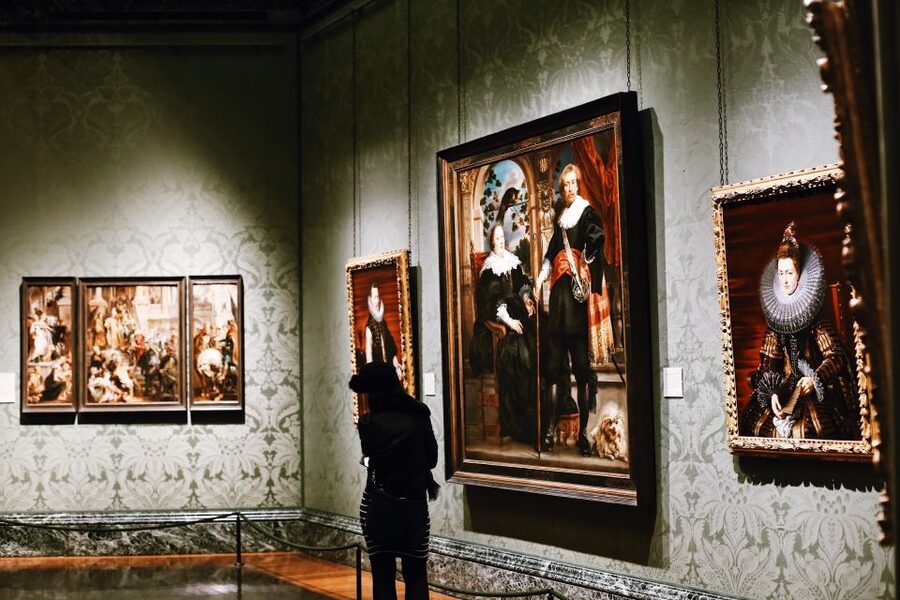
The National Gallery can feel like a giant buffet: lots of paintings, lots of opinions, and not much guidance. This tour fixes that by giving you a guided storyline through art history, so the collection stops being random and starts making sense.
I especially like the format that mixes famous artists with clear themes, like devotional art and how styles change across time. You’ll also spend time with works tied to major shifts in technique and subject matter, not just the names. That combination matters because it turns seeing art into something you can remember later.
The other big plus is the live, English commentary. Guides vary, but the throughline is the same: the explanations are meant to be understandable in the real conditions of a crowded gallery, not delivered as if you’re sitting comfortably with headphones and a textbook.
One word of caution: the museum environment can be loud and echo-y. If you’re the type who misses details when you cannot hear perfectly, bring strategies to stay engaged, like standing closer when the guide pauses or asking questions when you get a clear moment.
More gallery rooms between showers:
- London: Chelsea Football Club Stadium and Museum Tour
★ 4.8 · 4,576 reviews - London: British Museum Guided Tour
★ 4.3 · 1,182 reviews - London: British Museum Guided Tour with Entrance Tickets
★ 4.9 · 748 reviews
A 2.5-Hour Route Through the Story of Painting (1300s to Later Masterpieces)

Even without an official minute-by-minute schedule shared here, the tour is built around a forward-moving timeline. You start with earlier painting traditions (the tour emphasizes art from the 1300s onward) and then “fast-forward” through changing styles and themes.
Here’s what that means in practice. In the early parts of the tour, you’re likely to get the key language for devotional and historical painting: why certain subjects were popular, how artists used symbolism, and what viewers at the time would have been expected to understand. Then the route pushes toward later periods where brushwork, color, light, and composition become bigger talking points.
This is one of the best values in a short museum tour. Instead of trying to see everything, you learn a framework for the collection. Once you have that, you can walk the gallery afterward and recognize what you’re looking at much faster, even if you come back without a guide.
Da Vinci to Van Gogh: The Masterworks You’ll Be Talking About Later
This tour doesn’t scatter your attention across dozens of paintings. It steers you toward the kinds of works that anchor the story of European painting, including pieces by Leonardo da Vinci, Vincent van Gogh, and others.
A few highlights you can expect to see time with include:
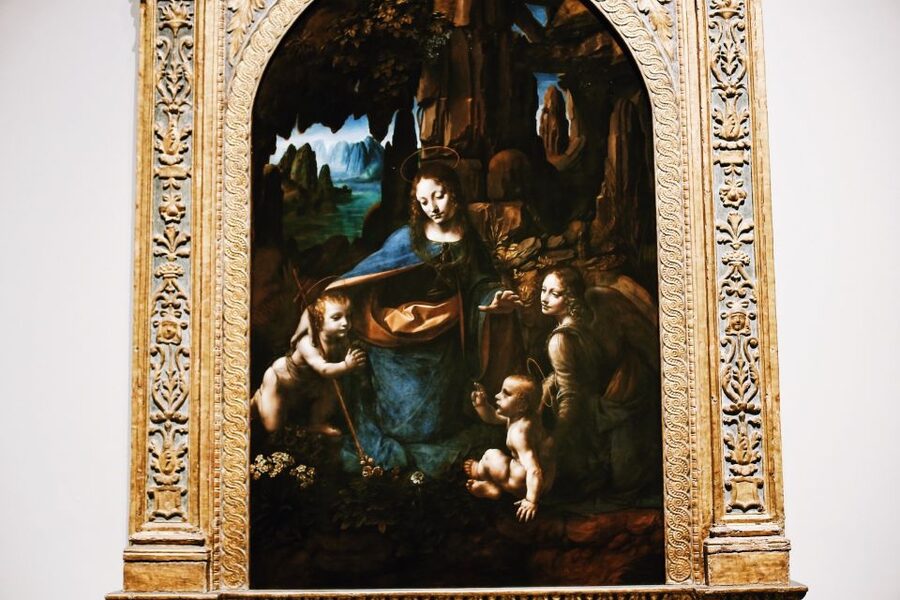
- Da Vinci’s The Virgin of the Rocks, a chance to watch Renaissance ideas come through in composition and storytelling.
- Van Gogh’s Sunflowers, useful for understanding how color and emotion became central in later art.
- Vermeer’s Lady Standing at a Virginal, a great example for how everyday settings and quiet focus can be loaded with meaning.
- Botticelli’s panel painting of Venus and Mars, a strong bridge between myth and visual style.
- Seurat’s Bathers at Asnières, a natural step in the timeline for how new approaches to color and form changed painting.
- Velázquez’s Rokeby Venus, which helps you compare how artists treated the human figure across eras.
- Plus major artist names you’ll hear connected to the tour, including Rembrandt and Monet.
Even if you think you only care about one artist, this kind of route works because each stop is paired with context. You’re not just staring at a painting, you’re learning what to look for: technique choices, theme shifts, and how artists responded to the world around them.
One more smart detail: the guide is expected to cover early devotional paintings by Raphael and to bring the history of these works into the present for you. That’s a big deal because old religious images can feel distant until someone gives you a handle on symbols and purpose.
How Live Commentary Makes the Art Click
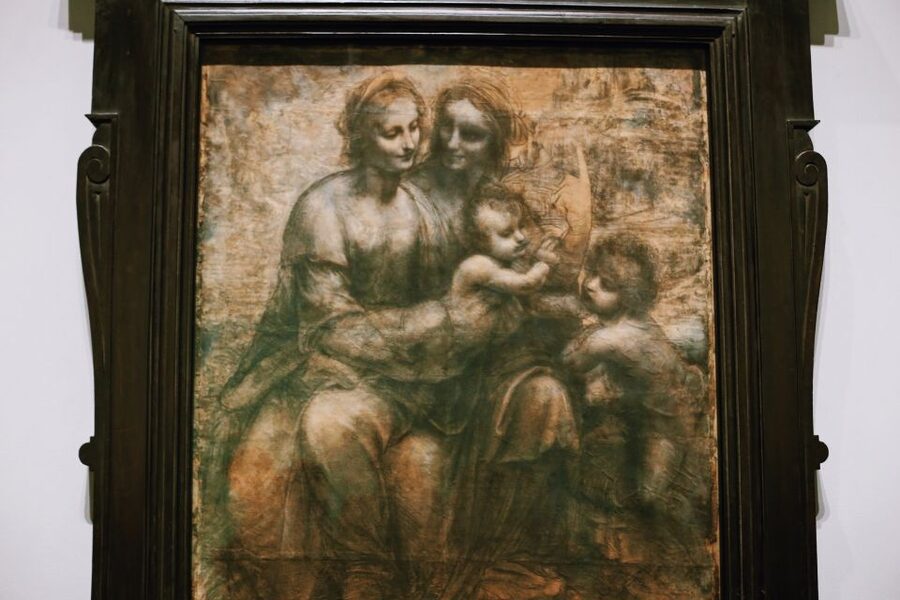
The tour’s live commentary is the engine. When it’s done well, it changes how you see the painting, not just what you know about it.
Many guides on this tour are described as engaging and interactive. In the names you may encounter, you’ll hear guides like Jake and Steph, plus examples such as Matilda, Alex, Becky, and Kathy showing up as standouts for enthusiasm, clarity, and pacing. What I like about that pattern is consistency: the commentary isn’t written to impress art history majors, it’s built to keep people with different backgrounds interested.
You’ll also find the explanations structured to support conversation and observation. That matters because some museum art feels slow until you learn how to “read” it. The guide often helps you spot things like style changes across centuries and the kinds of symbols and themes that drive why a painting looks the way it does.
If you rely on hearing aids, this tour format can still work well because one key theme in the feedback is that guides speak clearly even in crowds. Still, no tour can change the physics of a busy gallery, so I suggest you stay attentive at the moments the guide steps closer to point out details.
Also inked in under London
- Magical London: Harry Potter Guided Walking Tour★ 4.7 · 22,044 reviews
- London: Emirates Stadium Entry Ticket and Audio Guide★ 4.7 · 5,513 reviews
- London: Christmas Lights Bus Tour With Live Guide★ 4.0 · 5,410 reviews
- From London: Cotswolds and Oxford Guided Day-Trip★ 4.7 · 3,720 reviews
Small Group Pacing: Better Attention, Fewer Headaches
A big reason I like this as a value choice is the group size. The tour is private or a small group with a maximum of 8 people. That keeps the experience from turning into a line of bodies with a distant voice booming over everyone else.
You also get a sense of “managed movement.” There’s a small amount of walking, but it’s not framed as a marathon. For most people, 2.5 hours is a sweet spot: long enough to learn a real arc, short enough that you do not leave exhausted.
Another practical upside is interaction. In a small group, you can ask questions and get quick clarification. If art is new territory for you, that helps a lot. If art is already your thing, you’ll still enjoy the way the guide points out details you might have missed without prompting.
What to Know Before You Go (ID, Bags, and Where to Meet)
This tour is straightforward, but a few rules can catch you if you ignore them.
Bring a passport or ID card. It’s listed as required, so don’t count on forgetting it without consequences.
Also check the bag rules: luggage or large bags are not allowed. If you’re arriving with shopping bags or a bulky daypack, it’s worth reorganizing before you head in, so you can move easily during the tour.
Meeting point can vary depending on the option you book. Because of that, I recommend you confirm the exact meeting spot right before you leave. “Varies” sounds minor, but it’s one of those tiny things that can waste 20 minutes if you show up at the wrong entrance.
Wheelchair access is a little complicated. The info says wheelchair-friendly tours are available upon request only, but it also states the tour is not suitable for wheelchair users. If mobility is a concern, I’d treat this as a sign to contact the operator before booking to confirm what they can actually accommodate on your date.
Price and Value: Why $112 Can Make Sense Here
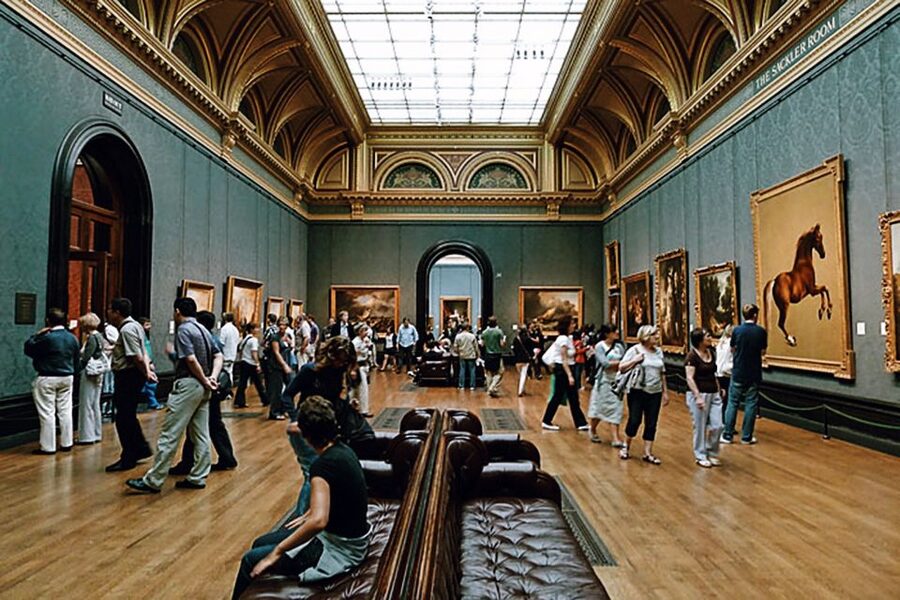
At $112 per person for a 2.5-hour guided tour, the headline number looks like a splurge. But the value is in what you get packed into the time and attention you don’t have to engineer yourself.
You are buying:
- A professional guide who stays in charge of pacing and meaning.
- Live commentary that connects works across centuries, starting around the 1300s.
- A curated route through famous paintings, including works associated with da Vinci and Van Gogh, plus others that help you compare styles.
Without a guide, you can still visit the National Gallery and wander. The problem is that wandering is slow learning, and it is easy to miss the “why” behind what you’re seeing. In a 2.5-hour window, paying for someone to guide your eyes is often the fastest way to get satisfied.
Also, small group size matters to perceived value. If it were a huge crowd, the price might feel less fair because your time with the guide would shrink. Here, max 8 people is a big part of why the experience can justify the cost.
Who This Tour Suits Best (And Who Might Want to Skip It)
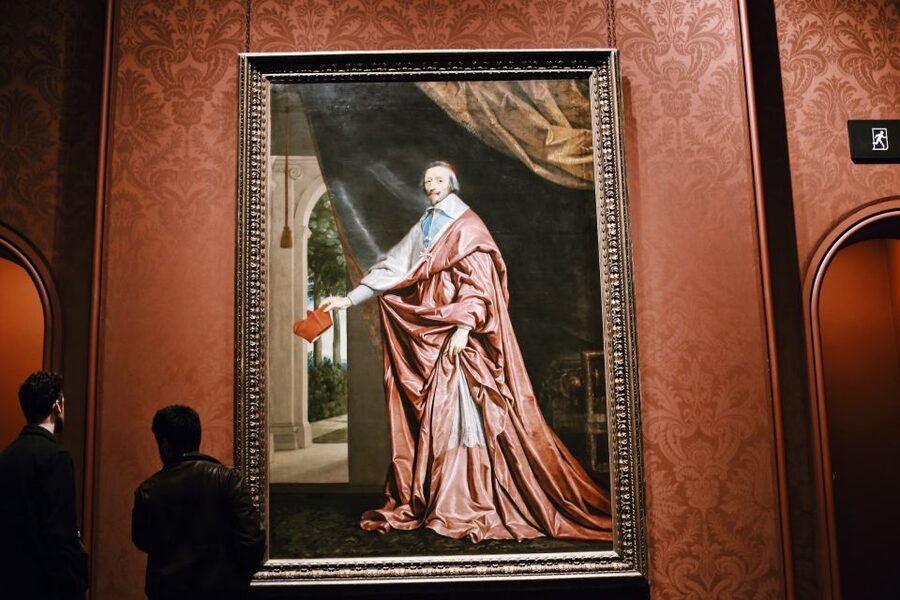
This is ideal if you want structure. If you like museum time but hate when you stand in front of a painting and feel unsure what you’re looking at, this format gives you prompts and context so your visit feels productive.
It also suits families with teenagers and mixed-interest groups. One reason is that the tour focuses on major masterpieces and story arcs that can pull in non-experts while still rewarding people who want art history details.
People who care about clarity will probably appreciate the guide focus on understandable English. In feedback, clarity and confidence in crowded rooms show up as a theme, which is exactly what you want in a live museum setting.
I would be more cautious if you have strong hearing sensitivity in crowded spaces. The museum can be noisy, and the tour does not mention headsets. You can still enjoy it, but consider positioning yourself well and asking questions when the guide pauses.
Should You Book This National Gallery Masterpieces Tour?
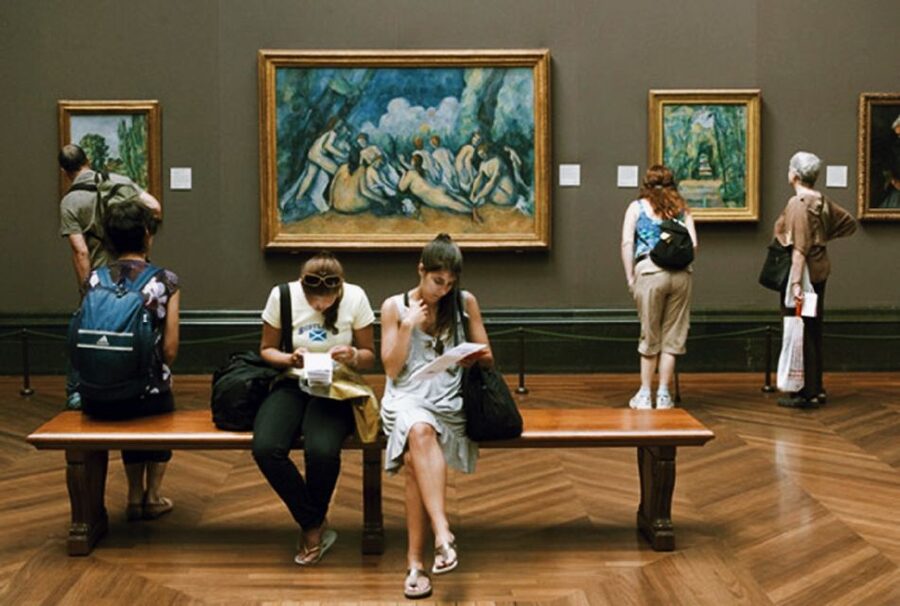
Yes, book it if you want a short, focused way to understand the National Gallery from the 1300s onward. The combination of live commentary, a small group up to 8, and anchored highlights like da Vinci, Vermeer, Van Gogh, Botticelli, and Seurat makes it a smart choice for first-timers and returners alike.
Skip it or reconsider if you prefer fully self-directed museum time and you dislike any form of guided pacing. Also check accessibility needs carefully, since the information here is mixed on wheelchair suitability.
If you’re booking with limited time in London, this is one of the easiest ways to turn “I saw great paintings” into “I understand how and why these paintings changed.” And that’s the kind of souvenir that lasts longer than a photo.
FAQ
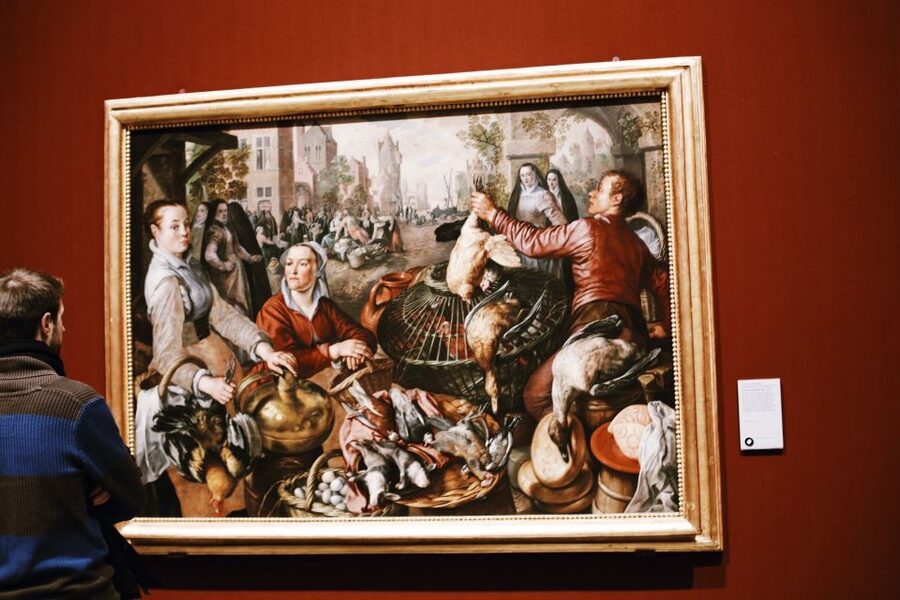
How long is the London National Gallery masterpieces guided tour?
The tour lasts about 2.5 hours. Daily departures are available, and durations can run around 2 to 2.5 hours depending on the option.
Is hotel pickup included?
No. Hotel pickup and drop-off are not included.
What is included in the tour price?
A professional guide is included. The tour is described as having live commentary from the guide.
What should I bring to the tour?
Bring a passport or an ID card.
Can I bring luggage or large bags?
No. Luggage or large bags are not allowed.
Is the tour wheelchair-friendly?
Wheelchair-friendly tours are available upon request only, but the tour is also listed as not suitable for wheelchair users. If you need accessibility support, confirm details with the operator before booking.
Newest entries under London






Museums, compared.
Tower of London and Crown Jewels Exhibition Ticket
Read our review →
Liverpool Football Club Museum and Stadium Tour
Read our review →
Chelsea Football Club Stadium and Museum Tour
Read our review →

British Museum Guided Tour with Entrance Tickets
Read our review →Browse the lists this tour appears in