Reviewed · LONDON TOURS & EXPERIENCES
London: Hidden Baker Street Tube Station Tour
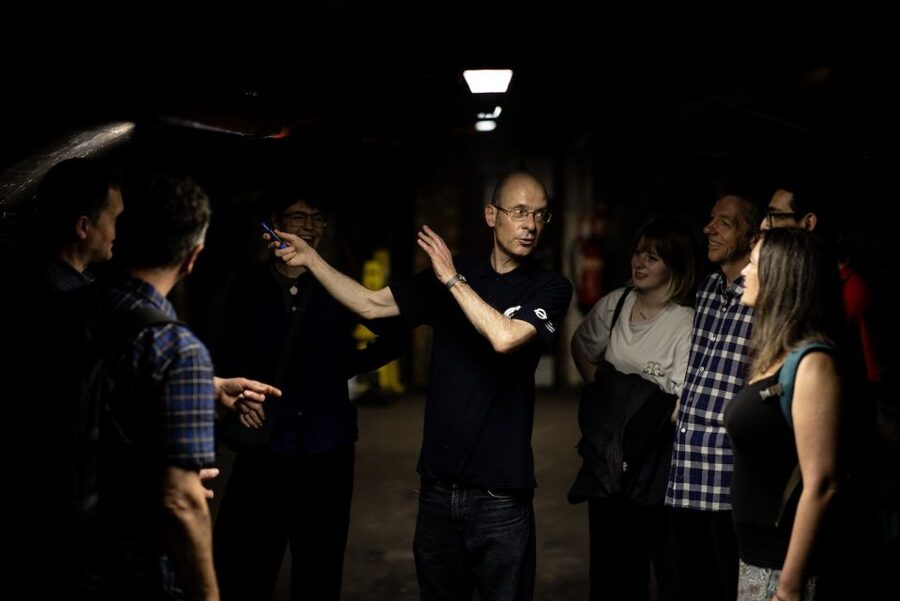
Baker Street hides more than you expect. This London Transport Museum Hidden London guided tour takes you into parts of Baker Street Station most people never see, including corridors and old lift shafts out of public use for about 75 years. I especially love how the tour links the Victorian birth of the Underground to what the station did day to day, and I love the surprise stops like the staff rifle range, where the practical side of running a station suddenly feels very real. Guides such as Anthony, Sophie, and Pat are repeatedly praised for bringing the stories to life without turning it into a lecture.
The main drawback is physical: the tour involves lots of walking in low lighting, with uneven ground, stairs, and no elevators. If you deal with claustrophobia or mobility limits, this is not the right fit.
In This Review
- Key things to know before you go
- Baker Street Station as a time machine, 1863 to today
- Entering the tour rhythm, meeting at Sherlock Holmes
- The hidden platforms and “how did people move here” corridors
- Staff spaces you can actually picture, including the rifle range
- Baker Street as London Underground operational headquarters
- What first passengers thought of underground travel in 1863
- The people behind the place, workers who lived and worked here
- Comfort and fit, because the station is not a climate-controlled mall
- Price and value, $60 for 85 minutes of real access
- Who should book this Hidden Baker Street tour
- Should you book this tour, or put it on the maybe list?
- FAQ
- FAQ
- How much does the London: Hidden Baker Street Tube Station Tour cost?
- How long is the tour?
- Where do I meet the guide?
- Is food or drinks included?
- Is there a guide, and what language is the tour in?
- Do I need to bring anything?
- Are elevators available?
- Is the tour suitable for children?
- Is the tour suitable for mobility impairments or claustrophobia?
- What is the cancellation policy?
Key things to know before you go
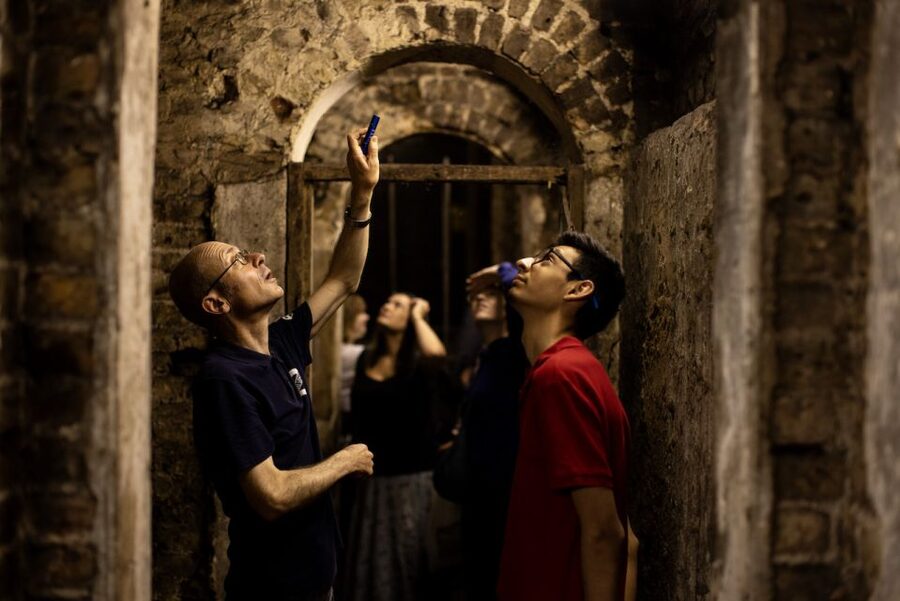
- Real access to closed-off areas: you’ll see original platforms plus corridors and lift shafts that have not been used by the public for decades.
- Victorian Underground origins: the tour connects Baker Street Station to the 1863 start of the Underground idea under London streets.
- A station that worked as headquarters: you learn how Baker Street functioned as the operational base for the London Underground.
- The staff rifle range stop: an unusual station space that adds texture to the worker-focused stories.
- Archive-based human stories: you hear accounts from people who worked, and even played, in these spaces.
- Designed for walking: plan for stairs, uneven surfaces, and low light, because there are no elevators.
Baker Street Station as a time machine, 1863 to today
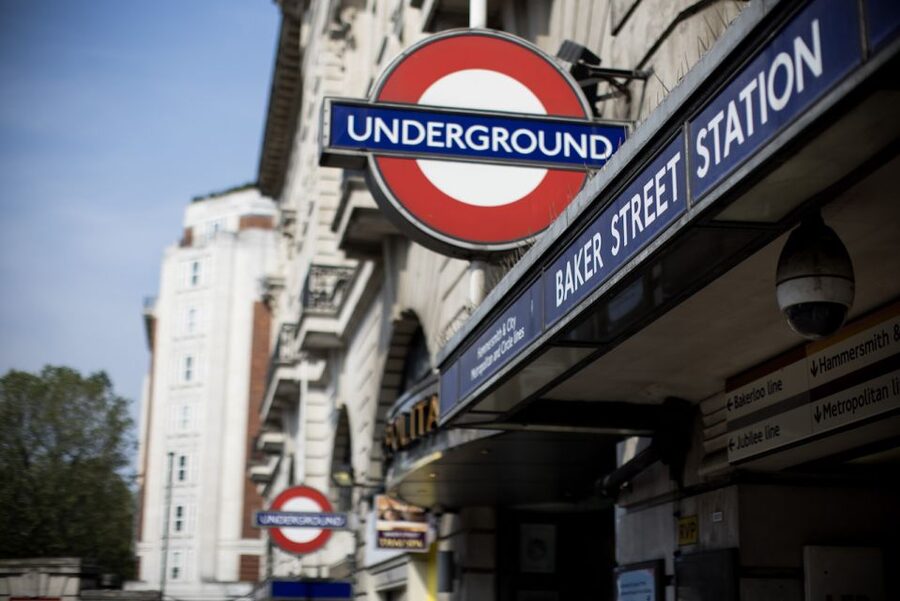
Baker Street Station opened on January 10, 1863, as part of the Metropolitan Railway. That date matters because it was part of the original leap of carrying passengers beneath Victorian London, when surface streets were already packed and chaotic.
What I like about this tour is that it does not treat the Underground like a museum prop. You are shown the station as an operating system, with history tied to how the London Underground worked, not just how it looked. You also get that satisfying feeling of seeing the “other London” inside a normal commute stop.
Also inked in under London
- London: The London Eye Entry Ticket
★ 4.6 · 35,875 reviews - From London: Harry Potter Warner Bros Studio Tour
★ 4.7 · 26,588 reviews - London: Westminster to Greenwich River Thames Cruise
★ 4.5 · 22,836 reviews
Entering the tour rhythm, meeting at Sherlock Holmes
You meet your guide outside Baker Street Underground Station, in front of the Sherlock Holmes statue. It is straightforward, and it helps you avoid that common travel problem where half the group is still wandering the square while the rest have already found the meeting point.
The tour runs 85 minutes, and it moves at walking speed. That is long enough to feel like you went somewhere specific, yet short enough that you are not stuck in underground corridors all day. Since there is a live English guide, you can ask questions as you go, especially when you want clarity on what you are seeing.
One practical note: there is no pickup or drop-off included. Build in normal London walking time between landmarks, and keep your schedule buffer tight if you have a next stop right after.
The hidden platforms and “how did people move here” corridors
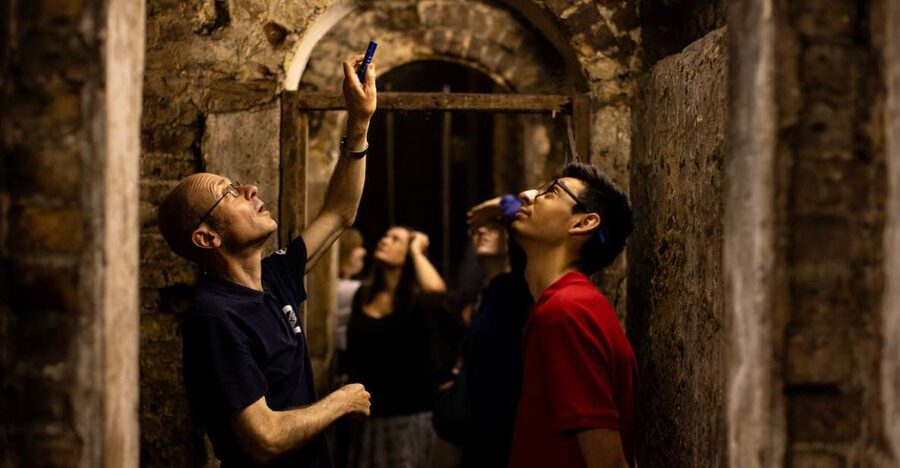
The big wow factor is exclusive station access. You explore closed-off parts of Baker Street Station, including original platforms and corridors that are hidden in plain sight from most passengers.
Even if you know your way around the Underground, these spaces change your mental map. Corridors like this have a different purpose than what you see in the public areas. They are about staff circulation, equipment movement, and station management, so the architecture feels like the station is built for work first, passengers second.
A standout detail is the old lift shafts. You are seeing parts that were last accessed by the public as far back as 1945, and other areas that have not been used for around 75 years. Standing near them, you get a real sense of scale and engineering choices made long before modern access and signage.
Staff spaces you can actually picture, including the rifle range
One of the most memorable stops is the staff rifle range. It sounds surprising at first, but it works because it explains how stations were run by people with real roles, real routines, and security needs.
This is where the tour feels more human. Instead of just showing you old stone and old signage, it shows you the practical corners that once supported staff operations. I like that the story doesn’t stay stuck in the 1860s either, because Baker Street served the London Underground beyond simply the first trains.
A page further on, still in London:
- Magical London: Harry Potter Guided Walking Tour★ 4.7 · 22,044 reviews
- London: Madame Tussauds London★ 4.6 · 20,915 reviews
- London: Warner Bros. Studio Harry Potter Tour & Branded Bus★ 4.7 · 19,194 reviews
- London: Tower Bridge Entry Ticket★ 4.7 · 15,560 reviews
Baker Street as London Underground operational headquarters
Baker Street was the operational headquarters for the London Underground, and the tour makes that function clear. You learn how the station supported the system, not just the tracks. That difference is important for your understanding.
When you hear how the Underground grew after 1863, you start to connect the Underground’s expansion to how headquarters needed to evolve too. The station becomes less of a landmark and more of a working command center that had to keep up with changing routes and increasing passenger demand.
If you enjoy transport history that focuses on systems, this part is a strong match. It gives you context you can carry back onto your later rides, so you spot patterns instead of just watching trains slide through.
What first passengers thought of underground travel in 1863
The tour includes the viewpoint of the very first passengers when the Underground launched in 1863. That piece matters because it reminds you that underground travel was not immediately “normal.”
The way the guide frames those early impressions helps you notice how technology changes habits. It is one thing to know that trains went underground, and another to understand how people reacted when they first tried it.
As you move through hidden corridors and old infrastructure, those early reactions become easier to imagine. The Underground felt new in both the literal and emotional sense, and the tour uses that idea to make the architecture more relatable.
The people behind the place, workers who lived and worked here
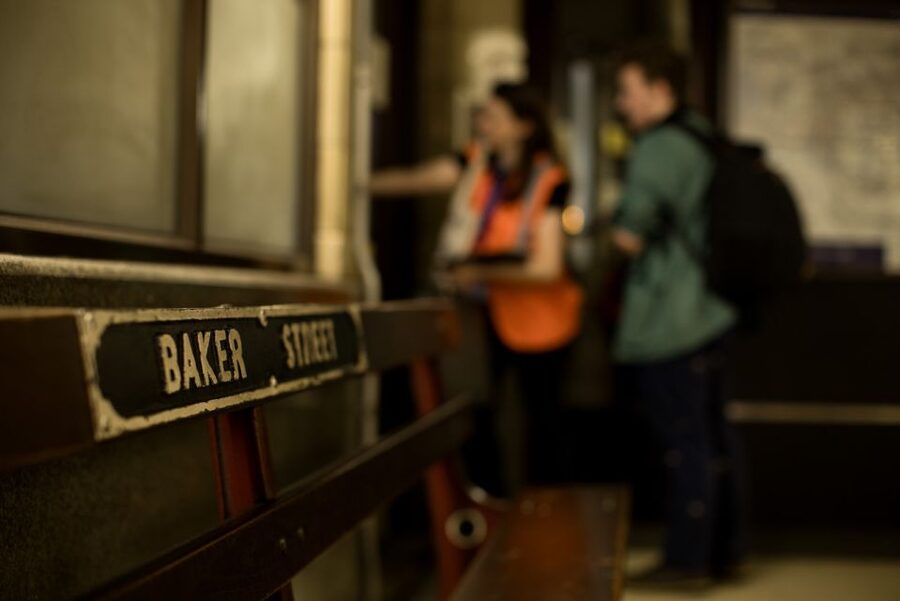
A big reason this tour lands is the emphasis on people. You hear first-hand accounts from staff who worked there across the years, including stories about working, and even playing, in these spaces.
This is also where the guide quality shows. Guides named in recent tours, including Anthony, Sophie, and Pat, have been praised for character and enthusiasm, and for keeping the stories organized rather than wandering. When a guide is good, you leave remembering more than just the spooky factor.
You also get facts pulled from the London Transport Museum archive and collection. That archive angle helps keep the tour grounded. It is not just a mood set underground, it is evidence-based storytelling with specific station connections.
Comfort and fit, because the station is not a climate-controlled mall
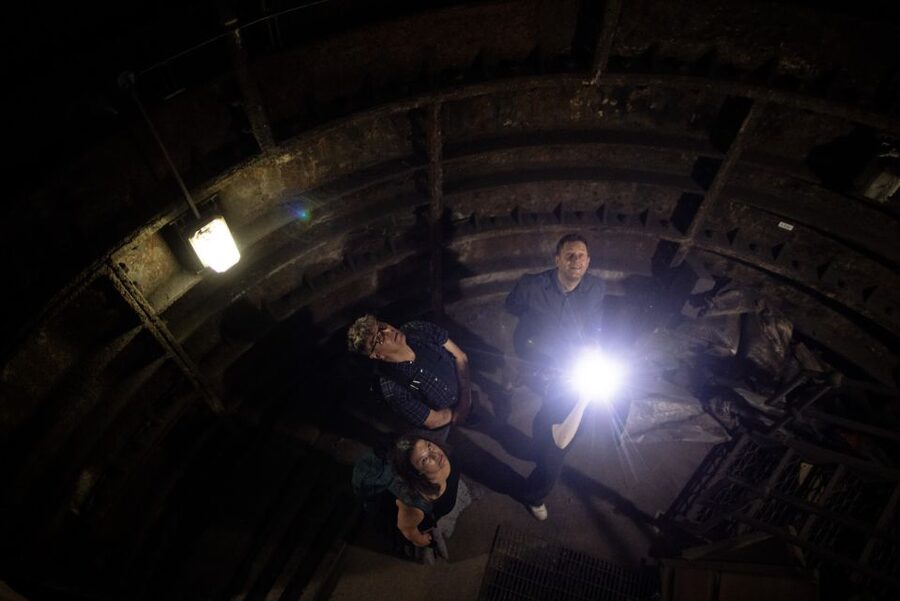
Plan for physical effort. The tour involves a lot of walking, including areas with uneven ground, low lighting, and stairs. There are no elevators, and that affects pace and comfort quickly.
What to bring is simple and practical: wear comfortable shoes you trust on stairs and uneven paths, and bring water. You will also need a passport or ID card.
What not to bring also matters. Food and drinks are not allowed, and luggage or large bags are not allowed. Think light. If you arrive with a huge bag, you will spend time managing it instead of focusing on the tour.
This experience is also not suitable for:
- children under 10
- people with mobility impairments
- people with claustrophobia
And there is a limit of four children aged 10 to 15 per adult.
Price and value, $60 for 85 minutes of real access
At $60 per person for an 85-minute guided experience, this is not the cheapest way to do London. The value comes from what you cannot replicate on your own.
Most Underground tours show public areas. This one includes station spaces that have been closed off from public use for decades, with access to original platforms, old lift shafts, and corridors. That level of access is the core reason the price makes sense.
You also get a live English guide, and the tour is built around archive stories and first-person accounts. If you care about transport systems, Baker Street Station becomes more than a stop on the map. It becomes a functioning historical site with details you can carry forward when you ride the Underground later.
If your goal is postcard London only, this may feel too technical and too physical for your style. If your goal is behind-the-scenes London with real constraints, it is strong value.
Who should book this Hidden Baker Street tour
You should book if you:
- love London Underground history and want operational context, not just old photos
- enjoy guided explanations while you walk through physical spaces
- want exclusive access to corridors, lift shafts, and original platforms
- prefer a focused 85-minute plan with a live guide
You should probably skip it if you need step-free access, dislike stairs, or feel uncomfortable in enclosed spaces. The combination of low lighting, uneven ground, and no elevators is not subtle.
Should you book this tour, or put it on the maybe list?
I think this is a great choice if you like your London history with feet on the ground. The best part is the access: you are shown the station’s hidden workings, including corridors and old lift shafts that most people never see, plus practical staff spaces like the rifle range.
I would only hesitate if you know stairs and low light will wear you down, or if claustrophobia is a concern. For everyone else, it is one of those rare experiences where you leave with a changed mental map of a place you thought you already understood.
FAQ
FAQ
How much does the London: Hidden Baker Street Tube Station Tour cost?
The price is $60 per person.
How long is the tour?
The tour duration is 85 minutes.
Where do I meet the guide?
Meet your guide outside Baker Street Underground Station, in front of the Sherlock Holmes statue.
Is food or drinks included?
No. Food and drinks are not allowed on the tour.
Is there a guide, and what language is the tour in?
Yes, it is a live guided walking tour in English.
Do I need to bring anything?
Bring comfortable shoes, water, and a passport or ID card.
Are elevators available?
No. The tour has stairs and there are no elevators.
Is the tour suitable for children?
Children under 10 are not suitable. For ages 10 to 15, there is a limit of four children per adult.
Is the tour suitable for mobility impairments or claustrophobia?
No. It is not suitable for people with mobility impairments or people with claustrophobia.
What is the cancellation policy?
Free cancellation is available up to 24 hours in advance for a full refund.
Newest entries under London





London Tours & Experiences, compared.

Westminster to Greenwich River Thames Cruise
Read our review →
Magical London: Harry Potter Guided Walking Tour
Read our review →
Warner Bros. Studio Harry Potter Tour & Branded Bus
Read our review →