
Reviewed · WALKING TOURS
London: City of London Walking Tour
London’s power moves on foot. This City of London walk turns big, famous landmarks into a single story, starting in the City’s oldest streets and ending at the fortress atmosphere of the Tower of London. It’s also a smart way to learn what the City of London actually does, not just what it looks like.
I particularly like the mix of spiritual landmark and political muscle, especially the stop by St Paul’s Cathedral followed by the City’s financial core at Bank and the Royal Exchange. I also like the “one walk, many eras” feeling, from Roman-era remnants to the Great Fire memorial, plus the photo-friendly stretch around London Bridge and the Shard area.
One consideration: this is a walking tour (about 150 minutes) on streets and uneven sidewalks, so it is not a great fit if you have low stamina or mobility concerns. And since it does not include attraction entry, you will want to plan any inside visits separately.
In This Review
- Key highlights you will feel fast
- City of London on one route, not ten different tickets
- Starting at The Blackfriar, then sliding into Fleet Street energy
- St Paul’s Cathedral and the meaning of being close to power
- Bank of England, Royal Exchange, and the City’s real stagecraft
- Leadenhall Market and a softer break from stone corridors
- The Monument to the Great Fire: London’s second big origin story
- Thames viewpoints: London Bridge, The Shard, Tower Bridge, and photo energy
- Sky Garden as the “quick wow” stop
- Tower Bridge meet-up, then the Tower of London fortress atmosphere
- How the 150 minutes works for real people
- Value at around $18, and what you do not get
- Who should book this walking tour
- Should you book the London City of London Walking Tour?
- FAQ
- Where does the tour start?
- How long is the London City of London Walking Tour?
- What is included in the tour?
- Are entrance tickets included?
- What language is the guide?
- How much does it cost?
- Is the tour suitable for wheelchair users or mobility impairments?
- What is the best way to book?
Key highlights you will feel fast
- 2000 years of London’s oldest core, with Roman Street and old wall vibes built into the walk
- Tower of London focus without rushing, with Beefeaters, ravens, and the Crown Jewels themes covered on the outside
- Financial district storytelling at Bank and the Royal Exchange, where the City’s power makes more sense
- The Great Fire at the Monument, tied to what London learned after devastation
- Leadenhall Market stop, a photogenic break that adds contrast to the gray-stone corporate streets
- Thames views and skyline photo points, including Tower Bridge, The Shard, and London Bridge
City of London on one route, not ten different tickets
The best thing about this tour is how it stitches together the City of London’s identity. If you have visited central London before, you might have noticed the neighborhoods blur. Here, the City feels distinct, like a separate world with its own rules, traditions, and historic swagger.
You will move through layers of time while still seeing the big hitters. The vibe shifts from medieval and religious to merchant and financial power, then to tragedy and rebuilding, and finally to fortress London by the Tower area. The result is that London’s icons do not feel random. They start to feel connected.
There is also a strong “walk and look” philosophy. You are not sent inside a bunch of buildings to check boxes. Instead, you get a guide who can point out what matters and explain why certain places shaped London the way they did. That helps you appreciate the city you are actually standing in.
More Guided Walking Tours in London
- Magical London: Harry Potter Guided Walking Tour
★ 4.7 · 22,044 reviews - London: The Original Jack the Ripper Walking Tour
★ 4.7 · 7,833 reviews - London: Harry Potter Movies Walking Tour (Kids Go Free)
★ 4.7 · 3,071 reviews
Starting at The Blackfriar, then sliding into Fleet Street energy
The tour begins in front of The Blackfriar pub, opposite Blackfriars station. Look for your guide holding a yellow umbrella. That detail matters in London, where streets can look similar and you do not want to waste time wandering around on day one.
From the start, you slide into the streets that made London famous for news, meetings, and influence. Fleet Street is where you will get the feel of the old press and the working life of the City. Even if you are not a history buff, Fleet Street gives you that “people used to move fast here” energy.
As you continue, you also pass areas associated with modern finance and media, including Bloomberg. The guide’s job is to connect the present to the past. That means you are not just looking at buildings, you are learning what this part of London has been used for, over and over.
If you like street-level orientation, this section helps you get bearings fast. You see how the City is laid out, and you understand the direction of travel before you reach the major monuments.
St Paul’s Cathedral and the meaning of being close to power
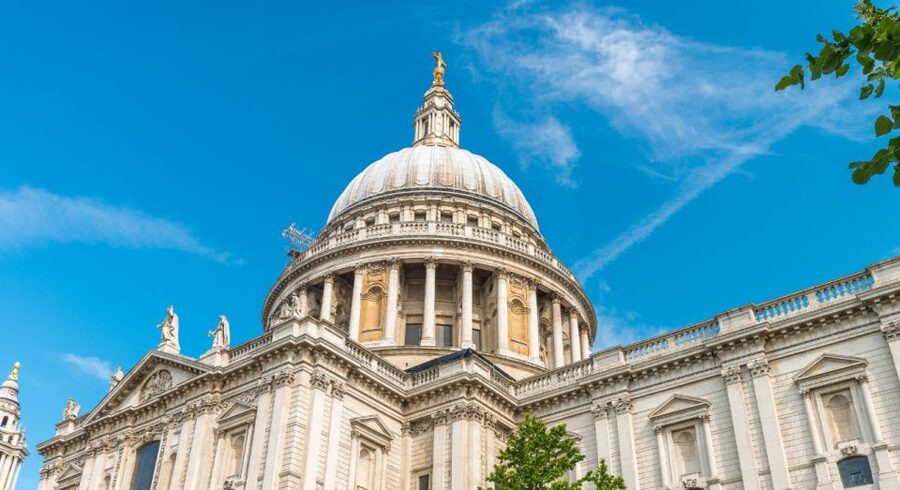
One of the clearest wins on this tour is the stop at St Paul’s Cathedral. Even without entering, the cathedral works as an anchor. It marks the spiritual and civic identity of London, and it gives the rest of the City stops more context.
The guide’s explanations (and the way they frame the City around the cathedral’s presence) makes you see St Paul’s not just as a beautiful landmark. It becomes a symbol tied to how London sees itself: faith, resilience, and civic pride. If you have ever stood in London and felt the city was too big to interpret, this is the kind of stop that gives you a mental handle.
After St Paul’s, you start moving toward the City’s “decision-making” places. That shift is part of the fun. You go from religious monument to modern business and governance, and the walk shows you how close these forces have long been.
Bank of England, Royal Exchange, and the City’s real stagecraft
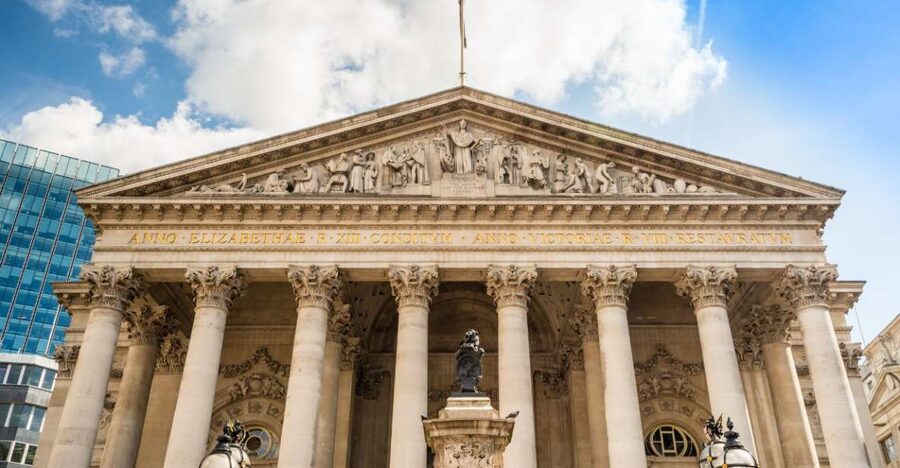
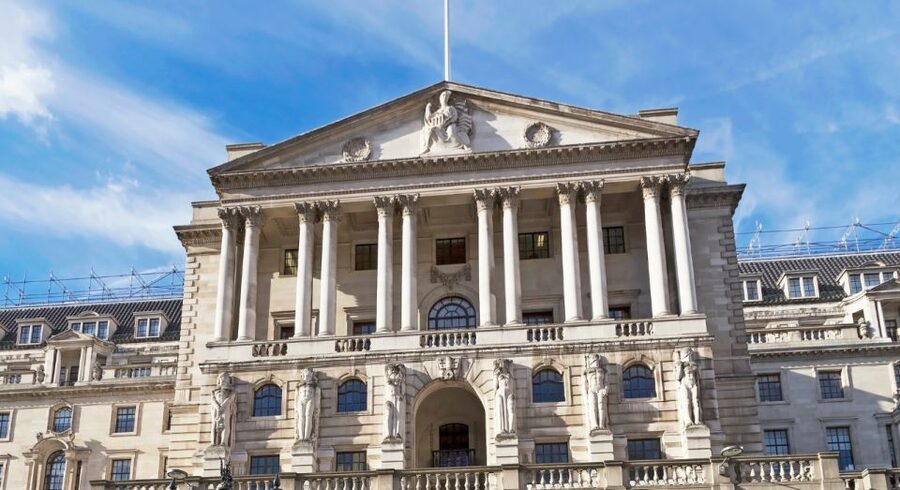
When the tour reaches Bank of England and the nearby City institutions, you start to understand the difference between visiting London and understanding the City of London. This area is where finance is not just an industry, it is a historic system of influence.
You will also see the Royal Exchange, London, a landmark connected to traders and merchants. The key value here is interpretation. A lot of people take photos and move on. Here, you get the story of why places like the Royal Exchange mattered, and how the City’s commerce shaped London’s economy and its everyday power.
Then there is Mansion House, where the Lord Mayor’s role comes into the conversation. That point helps you understand governance in the City, not as an abstract idea, but as something tied to specific buildings and traditions.
This whole segment is especially good if you enjoy learning how institutions work. You do not have to be a finance nerd. You just need curiosity. The guide can translate what you are seeing into plain language, which makes Bank and the Royal Exchange feel easier to read.
More British streets at boot pace:
- London: The Great British Rock and Roll Music Walking Tour★ 4.9 · 1,783 reviews
- London: Harry Potter Walking Tour in German★ 4.8 · 1,505 reviews
- London: Jack the Ripper Evening Walking Tour★ 4.9 · 1,449 reviews
- London: Street Art and Graffiti Guided Walking Tour★ 4.9 · 1,354 reviews
Leadenhall Market and a softer break from stone corridors
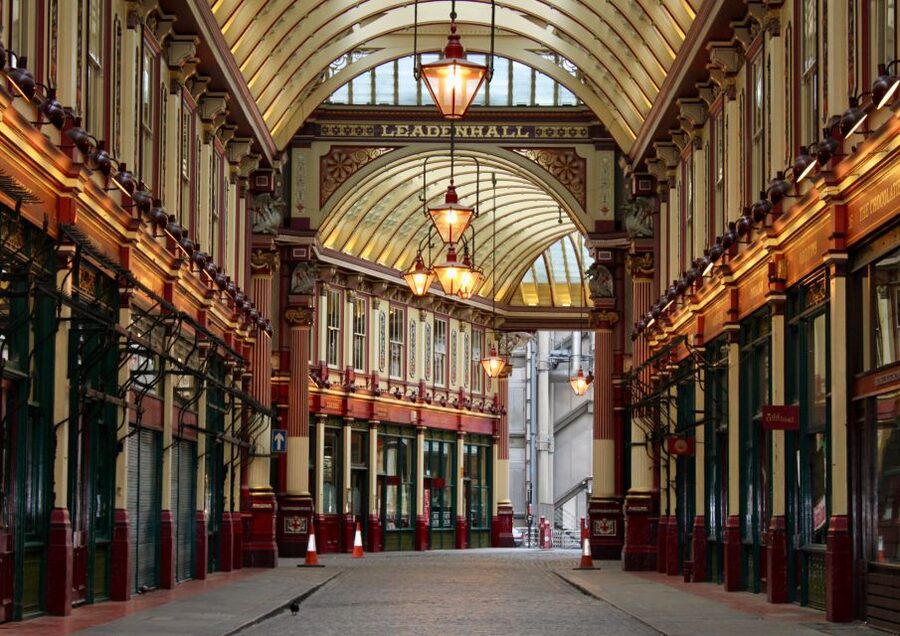
At Leadenhall Market, the tone changes. Instead of the hard edges of offices and big public buildings, you get a market space with charm and color. It is the kind of stop that resets your eyes after a stretch of gray-stone streets.
I like this kind of break because it also changes how you photograph London. Many stops on the route are big monuments and skyline angles. Leadenhall Market gives you something more textured, the sort of scene that looks good even on an overcast day.
This is also a practical moment. Markets are naturally good for a quick pause, a sip of water, and a look around. If you snack on the go, this is a nice time to do it without feeling rushed.
The Monument to the Great Fire: London’s second big origin story
The tour includes the Monument to the Great Fire of London, which is one of the city’s most important reminders that London can be destroyed and rebuilt in a new way. Standing near it, the story becomes tangible, because the scale of the event is so linked to how modern London formed.
The guide frames the Great Fire as a turning point, not just a spooky tale. You start to connect it to why London’s city planning and resilience evolved. Even if you already know the basics, this stop tends to make you see the event as part of how the city became what you recognize today.
If you like tragedy history done with context, this is one of the most satisfying stops on the walk. It gives weight to the rest of the City story, including the way power and rebuilding interact over time.
Thames viewpoints: London Bridge, The Shard, Tower Bridge, and photo energy
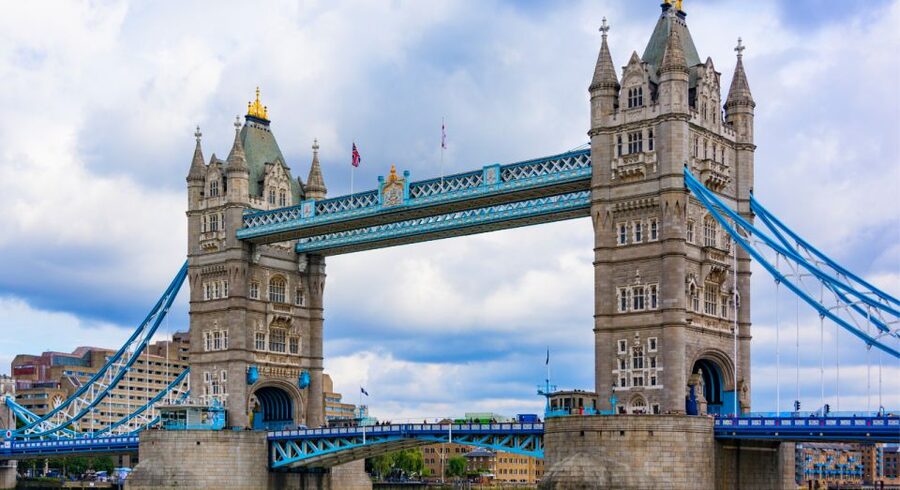
The route builds to classic Thames views, and it does it in a way that feels efficient rather than chaotic. You will pass London Bridge and see the skyline impact of The Shard. Then you reach photo-friendly spots near Tower Bridge.
What I like about these stops is that you get the imagery people come to London for, but you also get help placing them. The guide’s explanations make it easier to remember which landmark is which and what makes each one important.
Also, you get the sense of scale. The Thames is not just a river here. It is a corridor of movement and strategy, which fits the City’s overall theme of trade and influence.
If you are someone who cares about photos, bring a charged phone and be ready to pause. The guide will point out good angles. These are exactly the kinds of stops where a little direction beats aimless walking.
Sky Garden as the “quick wow” stop
You also have Sky Garden on the sightseeing list. This is the type of stop that gives you a modern London perspective without turning the day into a complicated ticket hunt.
Even if you do not go inside for long, the point is the view. Sky Garden is a way to see how London layers old power with new skyline statements. That contrast is one of the reasons this tour feels satisfying, instead of just being a checklist.
If you are visiting in changeable weather, higher viewpoints can be hit-or-miss. But as a concept, the Sky Garden stop adds a practical balance to all the older, historical buildings you are seeing.
Tower Bridge meet-up, then the Tower of London fortress atmosphere
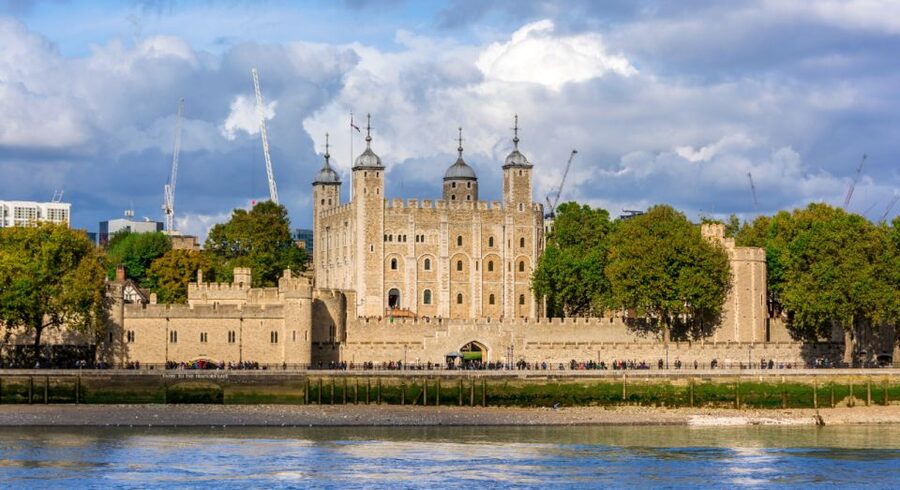
As the walk closes, you shift toward fortress London. The tour takes you to the area where HMS Belfast is located, then onto Tower Bridge and finally to the Tower of London, which is where you finish.
This is where the City’s story turns dramatic. Around the Tower of London, you get the outward feeling of a place built for control and protection. The guide focuses on big themes you will recognize, including Beefeaters, ravens, and the Crown Jewels.
Even without entering, the Tower area has a special weight. You feel like you are in the part of London that was built to hold on to authority through conflict and change. Ending here makes sense because the City’s power story has been building all day.
If you want to keep the momentum after the tour, this is also a convenient landing point. You are right where you would likely want to return later if you decide you want to go inside for a deeper look.
How the 150 minutes works for real people
This tour runs about 150 minutes, so it is not a full-day marathon. It is paced for seeing and understanding more than doing. You will cover a lot of ground in a short time, which is great if you want a concentrated hit of City landmarks.
The catch is that it still involves walking through busy streets and likely some uneven surfaces. It is not suitable for people with mobility impairments or wheelchair users, and it is not designed for low-fitness travelers. If you are not sure, be honest with yourself about how far you can comfortably walk in one go.
If you want to maximize enjoyment, wear shoes you trust. Plan for weather. Bring water if you can. And if you know you get tired easily, consider saving museum entry tickets for a different day so you do not stack too much.
Value at around $18, and what you do not get
At $18 per person, the value is strong for a guided experience covering a serious cluster of London icons. The tour is guided end-to-end, and it includes stops at places like St Paul’s Cathedral, Tower of London, Bank of England, and Leadenhall Market, plus The Shard area, HMS Belfast, and the Monument.
But here is the key tradeoff: entrance tickets are not included. The tour will not enter attractions. That means you are buying interpretation and orientation, not a bundle of “skip-the-line” entry.
For many visitors, that is exactly the right model. You get the context first, then you decide later what deserves your paid time inside. If you would rather do everything inside on a single outing, then you might prefer a different tour type. Still, as a “connect-the-dots” experience, this is excellent value.
Who should book this walking tour
This is a great fit if you want to understand the City of London instead of just snapping a few famous photos. If you enjoy learning how institutions and neighborhoods evolved, you will like the way the walk links spiritual landmarks, merchant spaces, and financial power.
It is also a solid option if you are short on time. In about 2.5 hours, you get a high density of recognizable places: St Paul’s, Bank, Royal Exchange, Mansion House, Leadenhall Market, the Monument, London Bridge, The Shard area, HMS Belfast, Tower Bridge, and the Tower of London.
If your must-do list is mostly inside attractions, then this might feel a bit light. But if your goal is to get oriented and leave with a clear sense of what you just saw, this is the kind of walk you will be glad you did.
Should you book the London City of London Walking Tour?
Yes, if you want a guided, time-efficient way to understand London’s oldest core and the institutions that shaped it. The combination of Tower of London storytelling, financial district context at Bank and the Royal Exchange, and the tragedy-and-rebuilding focus at the Monument makes this more than a sightseeing stroll.
Skip it only if you need wheelchair-friendly access or you cannot manage sustained street walking, or if you specifically need entrance tickets included. Otherwise, book it, bring comfy shoes, and use the guide to turn famous sights into a coherent London story.
FAQ
Where does the tour start?
The tour starts in front of The Blackfriar pub (174 Queen Victoria Street, London, EC4V 4EG), opposite Blackfriars station. Your guide will be holding a yellow umbrella.
How long is the London City of London Walking Tour?
The duration is 150 minutes.
What is included in the tour?
You get a guided walking tour of the City of London, with sightseeing stops including St Paul’s Cathedral, Tower of London, Tower Bridge, Bank of England, Royal Exchange, London Bridge, Fleet Street, Mansion House, Leadenhall Market, the Monument to the Great Fire of London, The Shard, HMS Belfast, the River Thames, and Sky Garden.
Are entrance tickets included?
No. The tour does not include entrance tickets, and it will not enter any sights or attractions.
What language is the guide?
The tour guide speaks English.
How much does it cost?
The price is $18 per person.
Is the tour suitable for wheelchair users or mobility impairments?
No. It is not suitable for people with mobility impairments or wheelchair users.
What is the best way to book?
You can reserve now and pay later, and you can cancel up to 24 hours in advance for a full refund.
Newest entries under London






Walking Tours, compared.

Magical London: Harry Potter Guided Walking Tour
Read our review →
University and City Walking Tour with Alumni Guide
Read our review →
Harry Potter Movies Walking Tour (Kids Go Free)
Read our review →
The Great British Rock and Roll Music Walking Tour
Read our review →

Harry Potter Walking Tour Including New College
Read our review →Browse the lists this tour appears in