
Reviewed · WALKING TOURS
London: Churchill and World War 2 Walking Tour in London
London changes character when you walk it. In this Churchill and World War 2 walking tour, you connect the big political addresses to the physical streets where wartime Britain lived, with stops like Downing Street and the Cenotaph built into the route.
I really like the mix of places you see and the stories you hear. I especially love how you connect Churchill’s public role with his personal life at St Margaret’s Church, and how the tour gives equal time to remembrance at the Women of World War II memorial.
One consideration: it is an active, downtown-style walk, so it is not a fit for wheelchair users, people with mobility impairments, or anyone with low fitness, and you cannot bring luggage or large bags.
In This Review
- Key things to know before you go
- Walking from Embankment Station into Churchill’s London
- Downing Street and the Ministry of Defence, where the war was managed
- The Cabinet Office and the Cenotaph, politics and remembrance side by side
- Women of World War II Memorial, a stop that changes how you look at the war
- Battle of Britain memorial, bravery you can picture on a cloudy day
- Churchill’s statue, the Houses of Parliament, and Big Ben views that hit harder than you expect
- St Margaret’s Church and Churchill’s marriage to Clementine
- HM Treasury and the Westminster war machine
- Finish near the Churchill War Rooms, exterior only, and what to do next
- Duration, pace, and value of an $18 ticket
- Who should book this Churchill and World War 2 walking tour
- Who should skip it
- Should you book it
- FAQ
- Where does the tour start?
- Where does the tour finish?
- How long is the London Churchill and World War 2 walking tour?
- How much does the tour cost?
- What parts of the Churchill War Rooms are included?
- What sights are included on the walk?
- Is there a guide, and what language is the tour in?
- Is luggage or large bags allowed?
- Is the tour suitable for wheelchair users or people with mobility impairments?
Key things to know before you go
- Yellow umbrella guide: meet at Embankment Station, Pier Exit, and look for the guide holding a yellow umbrella.
- High-impact sights, tight time: the tour is about 150 minutes, built around major WWII landmarks near Westminster.
- Memorials with purpose: you’ll pause at the Cenotaph and the Women of World War II Memorial, not just pass by.
- Churchill in full context: from Downing Street to the Houses of Parliament and the iconic statue by Big Ben.
- War Rooms close, but entry is separate: you finish outside the Churchill War Rooms, with entry not included.
Walking from Embankment Station into Churchill’s London
The experience starts at Embankment Station (Embankment Pier Exit). It is a simple start point, easy to find, and you’ll be able to spot your guide by the yellow umbrella.
You’re covering Westminster on foot, so it is not a sit-and-stare museum loop. The whole idea is to move at walking speed, so the streets and landmarks feel connected rather than like a checklist.
More Guided Walking Tours in London
- Magical London: Harry Potter Guided Walking Tour
★ 4.7 · 22,044 reviews - London: The Original Jack the Ripper Walking Tour
★ 4.7 · 7,833 reviews - London: Harry Potter Movies Walking Tour (Kids Go Free)
★ 4.7 · 3,071 reviews
Downing Street and the Ministry of Defence, where the war was managed
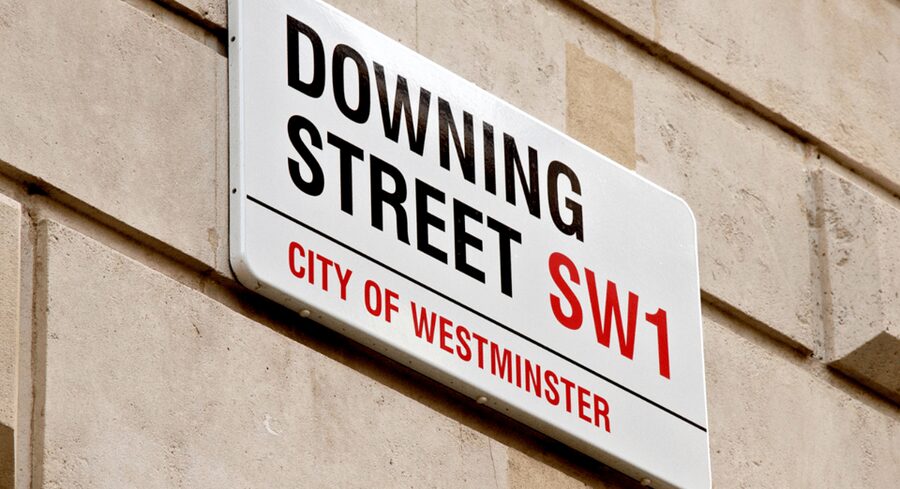
The tour quickly gets to the heart of power with 10 Downing Street. This isn’t just a famous door, it’s presented as a place of government and, during the war, Churchill’s headquarters. You’ll also see the Ministry of Defence, the decision-making hub that helped shape military choices in those crucial years.
What I like about starting with this zone is the way it frames your later stops. When you reach memorials and speeches, you can mentally place them next to where decisions were made.
Practical note: this section is very central and very photogenic, but it can also be busy with pedestrians. Give yourself time for photos, then keep moving so you do not feel rushed when the guide begins telling the key story beats.
The Cabinet Office and the Cenotaph, politics and remembrance side by side
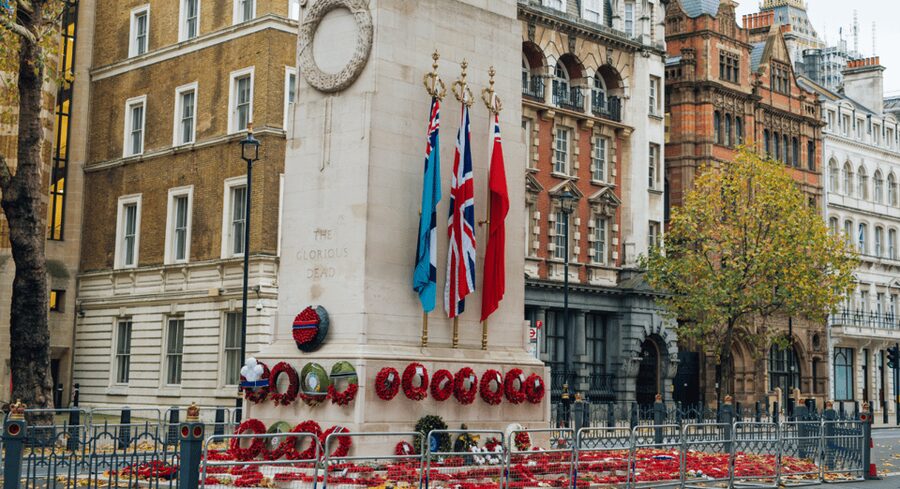
As you continue, you pass by the Cabinet Office and then reach the Cenotaph, one of Britain’s most important war memorials. This stop matters because it shifts the tone from command-and-control to loss and national remembrance. You’ll be there in a reflective mode, paying respect at a place designed to hold the weight of both World Wars.
You’ll also see Her Majesty’s Treasury around this Westminster stretch. Even though Treasury is not a memorial, it adds context. War is not only battles and speeches. It is also funding, planning, and national economics, and the guide helps tie that wartime pressure to what you’re seeing.
If you prefer a calm stop, the Cenotaph is one of the best pauses on the walk. Stand where you can see the memorial clearly, then let the guide’s explanation set the scene before you move on.
Women of World War II Memorial, a stop that changes how you look at the war
Next comes the Women of World War II Memorial. The emphasis here is on the vital contributions women made during the conflict. This is a crucial counterweight to the usual war stories that focus mostly on the battlefield and the leaders.
I like that the tour doesn’t treat this as a quick photo stop. It gives the memorial space, so you leave with a more complete picture of what wartime life demanded and who carried parts of the load.
More British streets at boot pace:
- London: The Great British Rock and Roll Music Walking Tour★ 4.9 · 1,783 reviews
- London: Harry Potter Walking Tour in German★ 4.8 · 1,505 reviews
- London: Jack the Ripper Evening Walking Tour★ 4.9 · 1,449 reviews
- London: Street Art and Graffiti Guided Walking Tour★ 4.9 · 1,354 reviews
Battle of Britain memorial, bravery you can picture on a cloudy day
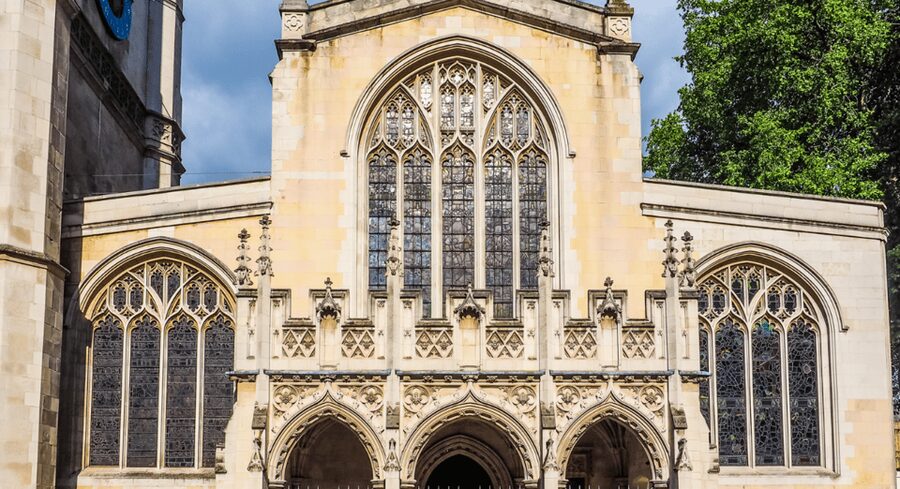
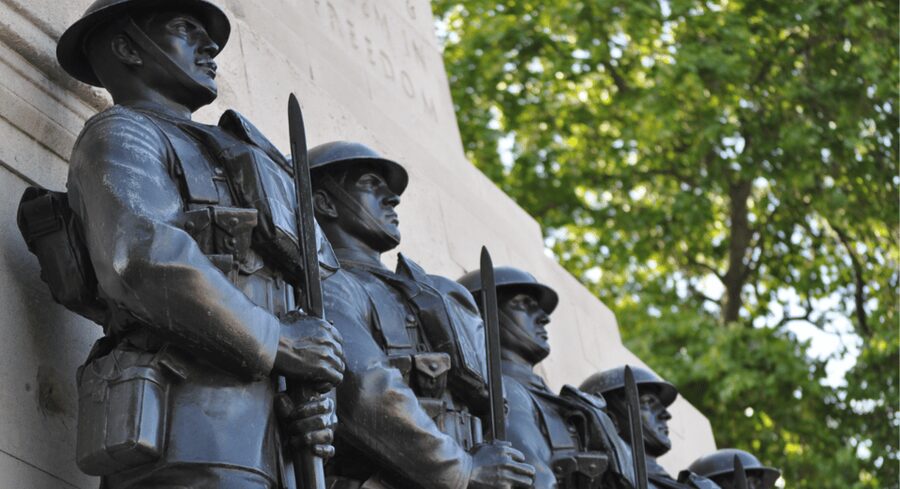
You’ll visit the Battle of Britain memorial. This is where the tour turns toward air defense and the pilots who defended Britain from invasion. The memorial is a strong reminder that the war effort wasn’t only fought in offices and government buildings, it was fought in the sky and in moments where courage had to be immediate.
Here’s the value: when the guide connects bravery to real locations, the story sticks. You can stand there, look at the memorial, and understand why it became important enough to mark with this specific tribute.
Weather tip: this part of London can feel brisk and open. If you get cold easily, plan for it, and keep your jacket handy.
Churchill’s statue, the Houses of Parliament, and Big Ben views that hit harder than you expect
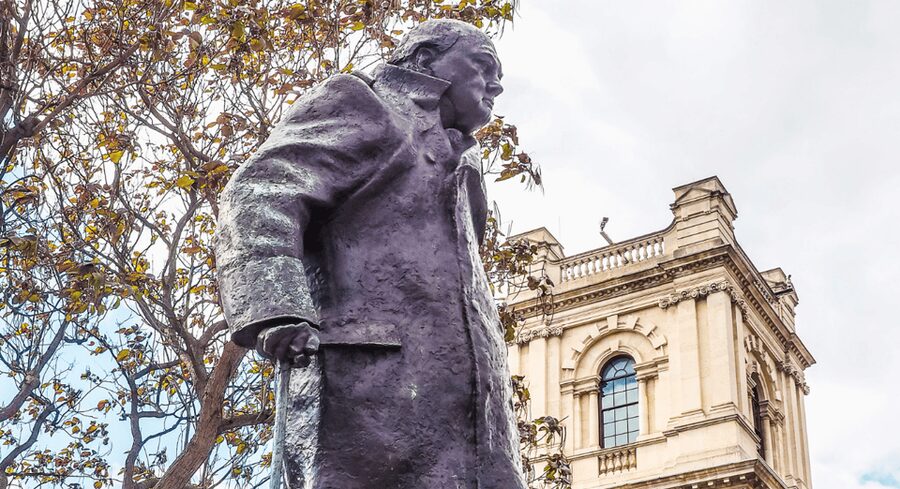
Then you arrive at the Winston Churchill statue, positioned so it overlooks the Houses of Parliament and Big Ben. It’s a classic Westminster view, but the tour makes it mean something beyond the postcard angle.
The Houses of Parliament stop reinforces Churchill’s role as a leader who worked inside the machinery of government during wartime. You’re looking at the seat of political life, and the statue helps you connect that place to the man whose speeches and decisions became part of the national story.
This is where you’ll probably want to slow down for a photo or two. Just remember you still have a couple more meaningful stops ahead, including one that’s very personal.
St Margaret’s Church and Churchill’s marriage to Clementine
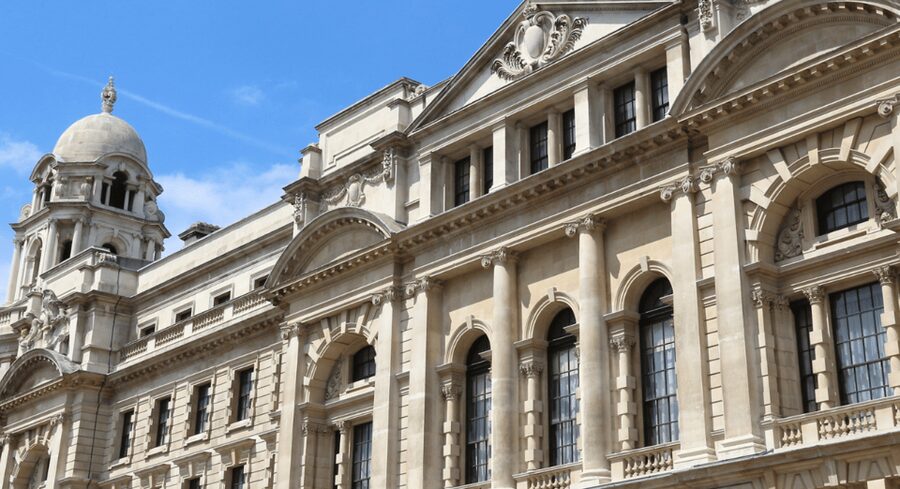
A highlight for many people is St Margaret’s Church. This is where Winston Churchill married Clementine Hozier. The tour uses the church as a personal-history stop, a moment that brings the man into focus as more than just a wartime name on a monument.
I like this stop because it adds texture. When you’ve been surrounded by power buildings and memorials, it is a relief to see a place tied to real family life and real commitments.
Also, churches tend to prompt quieter behavior. It makes it easier to reflect, and it gives the walk a human ending before you move to the final WWII setting.
HM Treasury and the Westminster war machine
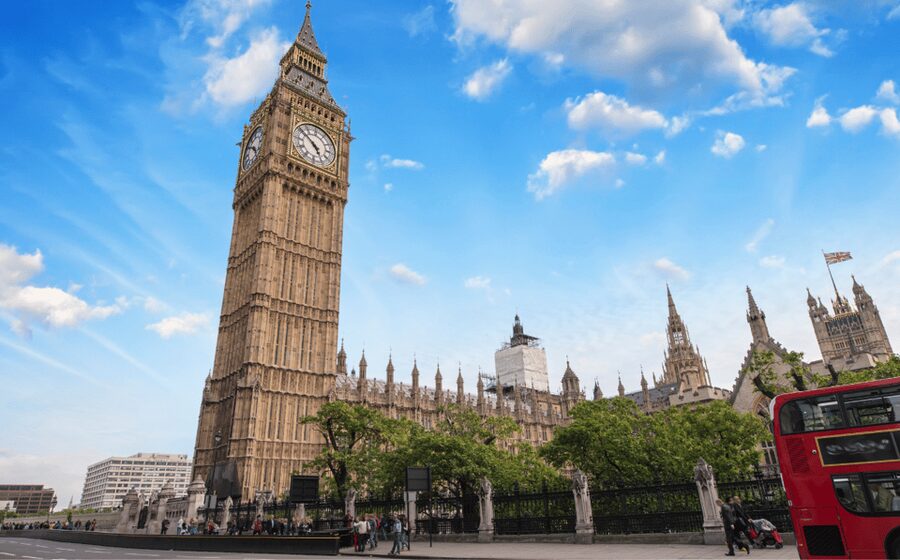
You pass HM Treasury as part of the route. While the exterior itself is the main thing you’ll see, the point of including it is interpretation. The guide connects financial and administrative pressure to the reality of keeping Britain running through war.
If you care about how governments function under stress, this is a smart addition. You get to think beyond the usual hero narrative and picture the broader system that had to survive as well.
Finish near the Churchill War Rooms, exterior only, and what to do next
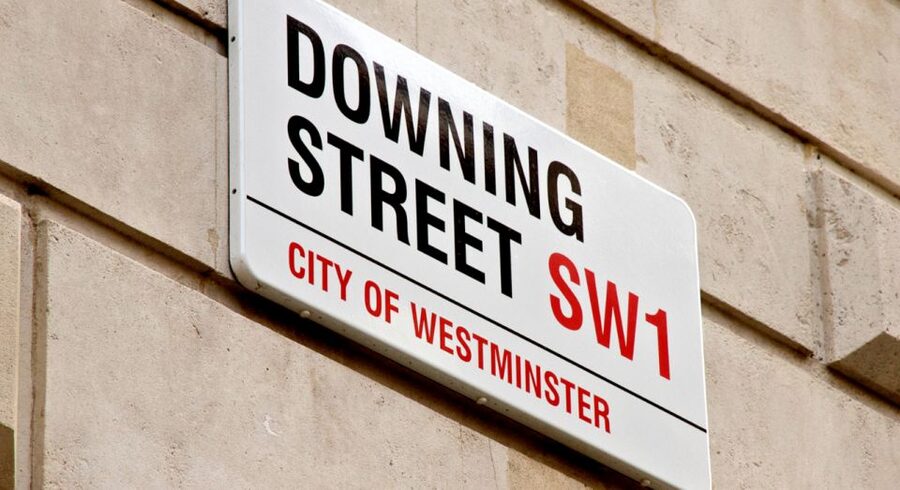
The tour ends at the Churchill War Rooms, and the important detail is this: you’ll see it from the outside only, not with entry. The advantage is that you still get the wartime context and the visual anchor, without turning your walk into a longer museum day.
If you find yourself wanting more, the War Rooms themselves are the obvious next step. Plan it as your follow-on if your schedule allows, especially if underground strategy history sounds like your kind of topic.
Duration, pace, and value of an $18 ticket
This tour runs about 150 minutes, which is long enough to feel like a real walking experience but not so long that you’re trapped all day in central London. At $18 per person, you’re buying a guided route that hits major landmarks you would otherwise have to piece together yourself.
Here’s the value equation I’d use: if you already want to see Westminster sights, this tour helps you connect them to a focused WWII storyline, with memorial stops that carry emotional weight. If you only want to take photos and move on fast, you might find it too guided. But if you like learning why places matter, the time and price make sense.
As for pace, it’s a walking tour, and it is not designed for low fitness. Plan comfortable footwear, and keep your expectations aligned with a steady walk through busy areas.
Who should book this Churchill and World War 2 walking tour
This fits best if you want a single, coherent WWII storyline in one outing. It’s also a good choice for people who like sites that mix political power with remembrance and personal history.
It’s especially worthwhile if these topics appeal to you:
- Winston Churchill as a leader connected to specific places
- WWII memorials and what they represent
- Westminster sights that you can interpret with wartime context
- Learning about both men’s and women’s roles during the war
Who should skip it
Skip it if any of these apply:
- You use a wheelchair or need mobility accommodations
- You have significant mobility impairments
- Your fitness level is low
- You plan to bring luggage or large bags
The route is central and pedestrian-heavy. For this kind of history walk to feel good, you need to be comfortable moving.
Should you book it
Yes, I think you should book it if you want a focused WWII walking story that connects major landmarks without turning the day into a museum marathon. The standout strength is the balance of power sites and memorials, including the Women of World War II Memorial and the Cenotaph, plus the personal touch of St Margaret’s Church and Churchill’s marriage to Clementine Hozier.
If you prefer a totally flexible self-guided day, or if you need strong accessibility support, you may want a different format. But for a 150-minute guided walk that feels purposeful, $18 is a very reasonable price.
FAQ
Where does the tour start?
It starts at Embankment Station, meeting at the Embankment Pier Exit.
Where does the tour finish?
It finishes at the Churchill War Rooms.
How long is the London Churchill and World War 2 walking tour?
The duration is about 150 minutes.
How much does the tour cost?
The price is $18 per person.
What parts of the Churchill War Rooms are included?
You will see the Churchill War Rooms exterior only. Entrance tickets are not included.
What sights are included on the walk?
You’ll see Downing Street, the Ministry of Defence, the Cenotaph, the Women of World War II Memorial, HM Treasury, the Churchill statue, Houses of Parliament, Big Ben, St Margaret’s Church, and the Battle of Britain memorial.
Is there a guide, and what language is the tour in?
Yes, it’s a guided walking tour with a professional tour guide. The tour is in English.
Is luggage or large bags allowed?
No. Luggage or large bags are not allowed.
Is the tour suitable for wheelchair users or people with mobility impairments?
No. It is not suitable for people with mobility impairments and wheelchair users, and it is also not suitable for people with low level of fitness.
Newest entries under London



Walking Tours, compared.

Magical London: Harry Potter Guided Walking Tour
Read our review →
University and City Walking Tour with Alumni Guide
Read our review →
Harry Potter Movies Walking Tour (Kids Go Free)
Read our review →
The Great British Rock and Roll Music Walking Tour
Read our review →
Harry Potter Walking Tour Including New College
Read our review →Browse the lists this tour appears in