
Reviewed · HISTORICAL TOURS
London: Brutalist Architecture & History Walking Tour
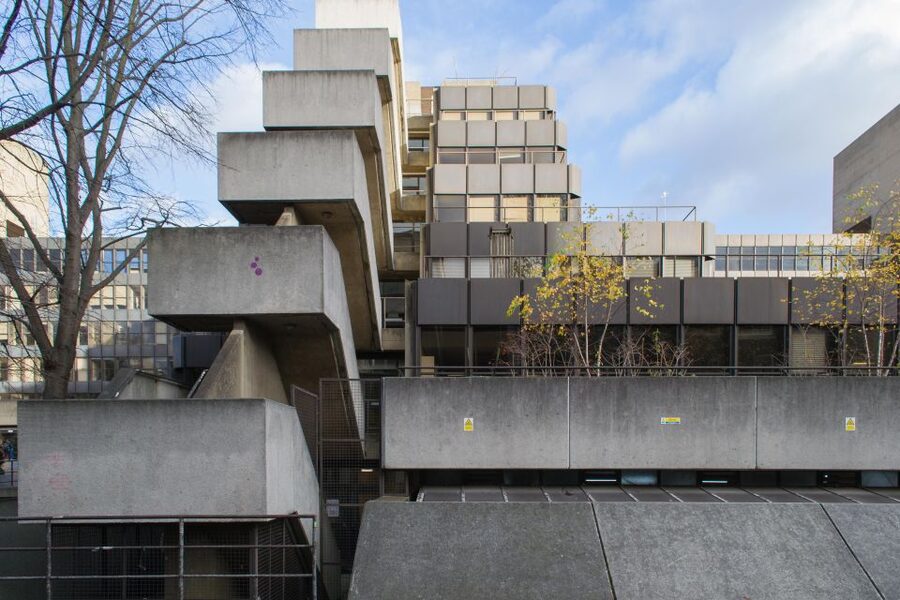
Brutal concrete, tons of stories in motion. This walking tour zeroes in on London’s Brutalist architecture, where raw forms and heavy concrete reflect the city after World War II. I like that it explains the real building logic behind the look, not just the style label, and I like the photo-friendly stops, especially around the National Theatre.
One clear heads up: you mostly view buildings from the outside, since interiors are not visited. It is also not designed for people with mobility impairments, and the tour is not suitable for children under 16.
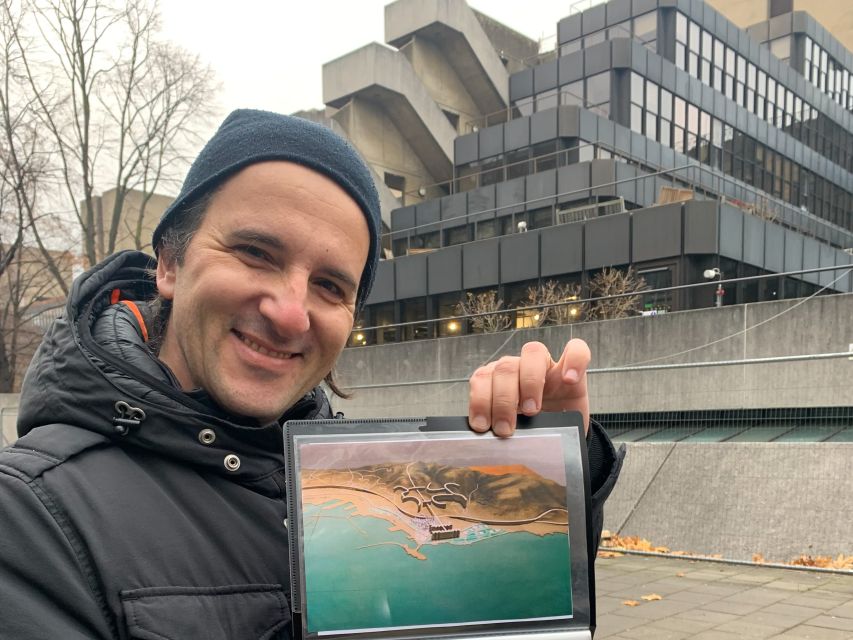
The vibe is smart and human, with a small group capped at 6, led in English by guides such as Evan, who’s praised for adapting the pace to your interests.
In This Review
- Key things to know before you book
- Why London’s Brutalism makes sense when you walk it
- Meet outside Russell Square and get set for a short Tube hop
- National Theatre exterior stop: modern form meets post-war cultural pressure
- Institute of Education: where concrete engineering becomes a teaching tool
- How the tour connects Brutalism to global events and European modernism
- Beyond the facades: what this walk teaches you about use, power, and preservation
- Walking comfort and timing: plan for 2.5 hours outdoors
- Price and value: what $47 buys in a group of 6
- Who should book this Brutalist Architecture and History tour
- Should you book this Brutalist Architecture & History tour
- FAQ
- How long is the London Brutalist Architecture & History Walking Tour?
- Where does the tour meet?
- What is the price per person?
- What is included in the tour?
- Are interiors of buildings visited?
- Does the tour use the Tube?
- What should I bring?
- What is the group size?
- Is it suitable for children or people with mobility impairments?
Key things to know before you book
- Small group (max 6) means less waiting and more time for questions.
- Outside-only stops keep it focused on architecture and urban design, not museum-style viewing.
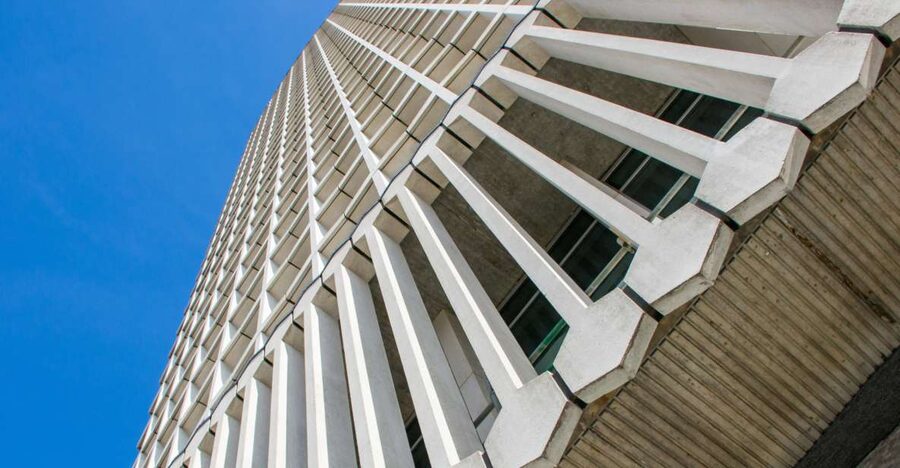
- Concrete made practical with explanations tied to engineering and the post-war push for modern building.
- National Theatre is a standout exterior for dramatic photos and social context.
- Institute of Education is a must-see angle on how Brutalism showed up in institutional London.
- A short Tube hop in Zone 1 is part of the route, so plan your transit credit.
Why London’s Brutalism makes sense when you walk it
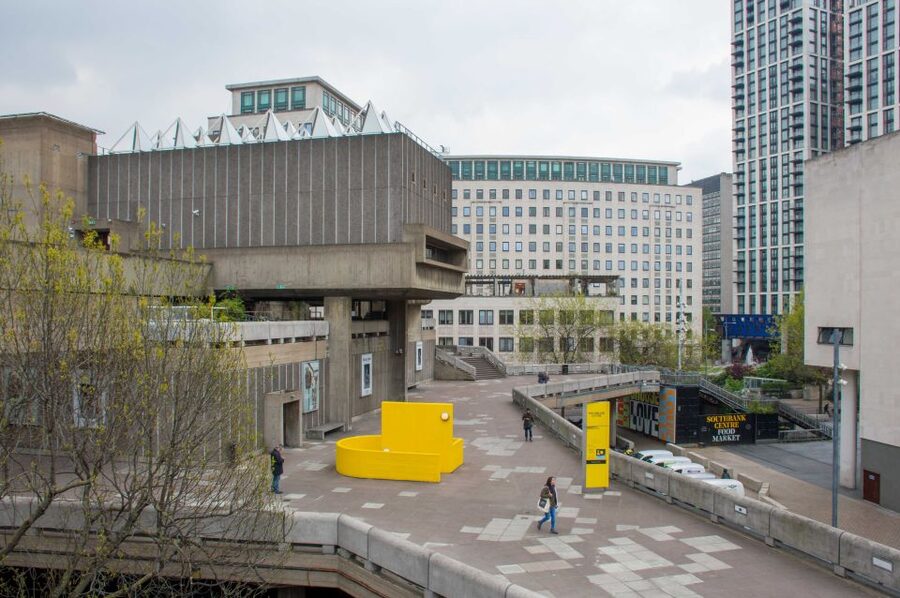
Brutalism can feel like Marmite. You either love the raw confidence or you want it to go away. The trick is learning what the buildings were trying to do when they were new.
This tour helps you connect the dots between architecture and the world around it. You spend 2.5 hours seeing major examples in central London and hearing how concrete became both a material choice and a design statement. If you care about how cities rebuild, you will get more out of it than the basic style overview.
I also like that the tour doesn’t pretend Brutalism had instant approval. You hear about reception, rejection, and later recognition, plus the ongoing debates about what these buildings should become now.
More Guided Walking Tours in London
- Magical London: Harry Potter Guided Walking Tour
★ 4.7 · 22,044 reviews - London: The Original Jack the Ripper Walking Tour
★ 4.7 · 7,833 reviews - London: Harry Potter Movies Walking Tour (Kids Go Free)
★ 4.7 · 3,071 reviews
Meet outside Russell Square and get set for a short Tube hop
The meeting point is outside Russell Square Underground Station on the Piccadilly Line. That location is handy because you can usually get there fast from several directions, and you start in the middle of the action instead of hunting around for obscure addresses.
Right away, you can expect the tour to be guided, not just a self-guided wander. A guide leads the story so you are not left guessing what you are looking at. With a max of 6 participants, you can actually ask follow-up questions without losing the group.
One practical note: the tour uses the Tube once for a short journey, and you should make sure you have enough credit for one trip within Zone 1. Bring your public transport ticket, because that is specifically listed as what to have on you.
National Theatre exterior stop: modern form meets post-war cultural pressure
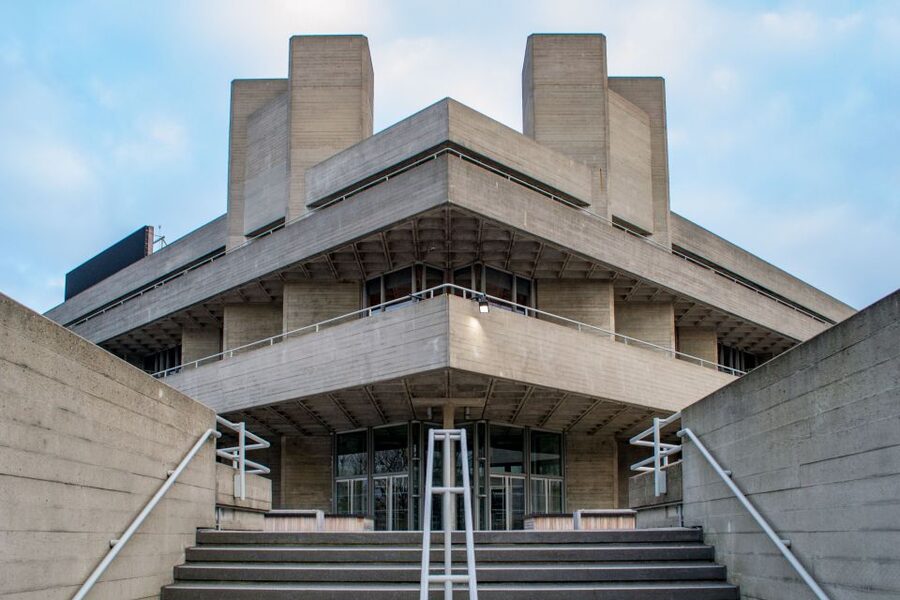
The National Theatre is one of the iconic photo targets on this walk, and it is easy to see why. Brutalism loves big gestures, and this is a building that shows off that impulse from multiple angles as you move around it.
What makes the stop more than just a good picture is the way the tour frames the building in social and cultural terms. You hear how modernist monumental architecture was tied to the time period, and you get a sense of the expectations around culture after the war. The message is not only about aesthetics, it is about what London wanted public buildings to represent.
You also learn that the story includes friction. You hear how different groups viewed these buildings over time, and how approval changed from criticism to protection. That matters, because it changes how you look at the building surface. Instead of seeing one dramatic facade, you see a public argument written in concrete.
Photo tip that actually helps: stand back for the full mass first, then move in for texture. Brutalism is not only the shape, it is also the surface. The guide’s explanations typically focus your eyes on what to notice, so your photos come out less like random shots and more like evidence of a style.
Institute of Education: where concrete engineering becomes a teaching tool
The Institute of Education is another anchor stop, and it is a smart choice because it pushes Brutalism into a different category than entertainment venues. Education buildings come with responsibilities: durability, function, and the message a school or training space sends to society.
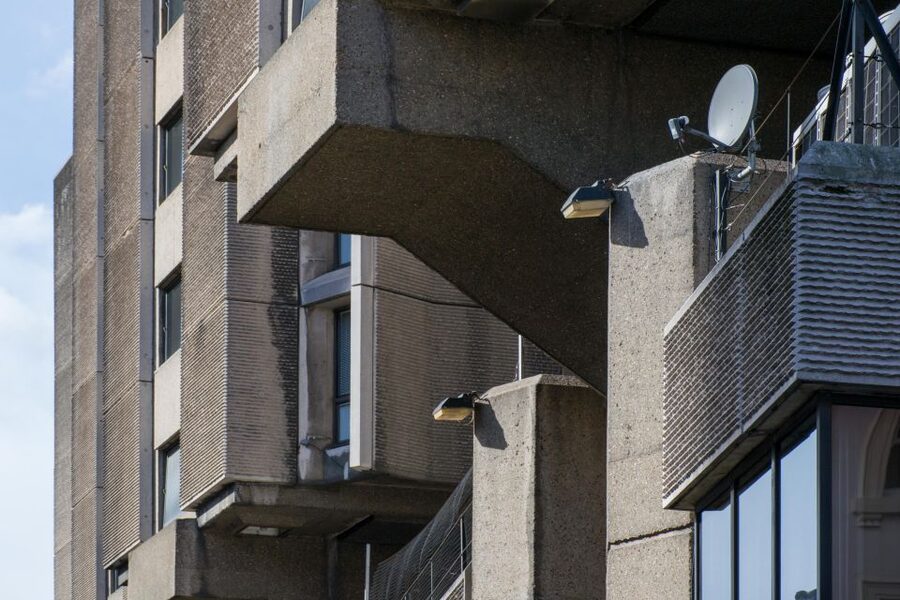
This tour ties the look of Brutalist buildings to why concrete was so appealing. Concrete is not just a gritty visual style. It is a practical engineering material that supports large spans, sturdy frameworks, and a certain kind of architectural honesty. When the guide connects that engineering logic to the building forms, the whole style becomes easier to understand, even if you are not naturally into modern architecture.
I also like that the tour doesn’t treat concrete like it appeared out of nowhere. You hear about increased use of concrete in modern times and how post-war pressures helped accelerate the trend. That context gives you a reason for the design choices, instead of leaving you with, Okay, this is ugly, or Okay, this is cool.
There is also a big theme across the tour: institutions built in this era are still being argued over. The guide discusses the struggle among local authorities, preservation societies, and residents about how best to use these distinctive buildings in the future. That makes the stops feel current, not trapped in a textbook.
More British streets at boot pace:
- London: The Great British Rock and Roll Music Walking Tour★ 4.9 · 1,783 reviews
- London: Harry Potter Walking Tour in German★ 4.8 · 1,505 reviews
- London: Jack the Ripper Evening Walking Tour★ 4.9 · 1,449 reviews
- London: Street Art and Graffiti Guided Walking Tour★ 4.9 · 1,354 reviews
How the tour connects Brutalism to global events and European modernism
Brutalism in London is not a sealed-off local story. The tour specifically covers how global events influenced London’s post-war architecture. Even without memorizing dates, you will understand the broad drivers: rebuilding, changing priorities, and the international mood that shaped what modern architecture was supposed to solve.
The tour also mentions key characters in European Modernism. You do not have to know them before you arrive. In fact, the guide’s approach is meant to work even if Brutalism is new to you. You get names and ideas, then you tie them back to what you are looking at on the street.
A helpful way to think about it: the guide is treating modernism like a living argument. Who gets to design public space? What does a city want to signal to its people? How does a material choice become political? When those questions are in your head, the buildings stop being just objects and start being parts of a bigger story.
One balanced note: if you care about fine-grain accuracy in architectural trivia, keep your own brain switched on. In at least one instance, some fact details may come out as simplified or debatable. That does not ruin the tour, but it does mean this is best for people who enjoy learning, not for people who need courtroom-level precision on every claim.
Beyond the facades: what this walk teaches you about use, power, and preservation
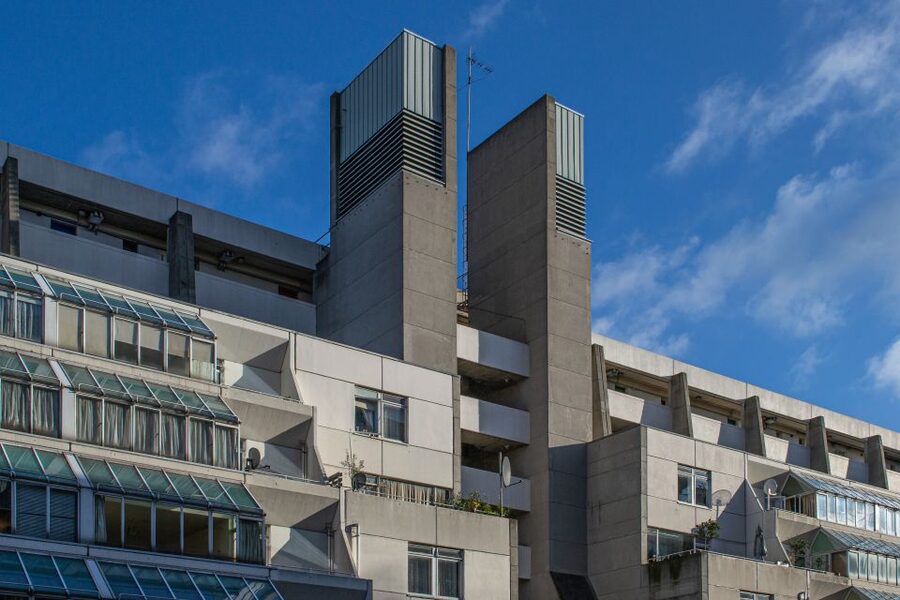
A lot of architecture walks end at spotting shapes. This one uses the buildings as prompts for bigger issues.
You hear about the cultural, social, and environmental impact of modernist monumental architecture. That matters because Brutalism is often judged only on visual impact. The tour pushes you to consider what these massive buildings do for cities: how they handle space, how they age, and how communities deal with them when tastes change.
You also get a clearer sense of the preservation conflict. The tour talks about an ongoing struggle among local authorities, preservation groups, and residents about what happens next. In other words, the story is still unfolding. That is one reason the walk feels different from a static museum visit.
And yes, you’ll get plenty of exterior viewing time. Interiors are not visited, but you still cover enough ground to see how these buildings sit in central London, how they relate to streets and neighbors, and how their scale lands when you are not looking at a postcard.
Walking comfort and timing: plan for 2.5 hours outdoors
This is a 2.5 hour walking tour. That means you should plan like it is real walking, not a quick stroll. Wear shoes you can stand in, and dress for the weather. The tour may be postponed or canceled if conditions are unfavorable, so it helps to check forecasts and have a backup idea.
Because interiors are not visited, you do not need to plan for museum-style queues. Instead, your time goes into observation and conversation. The guide uses exterior stops as live examples, which is great for learning faster because you are applying the ideas immediately.
The other timing factor is the Tube hop once for a short journey within Zone 1. That is not long, but it is still part of the experience. Build a little buffer so you do not feel rushed at the station.
Price and value: what $47 buys in a group of 6
At $47 per person for 2.5 hours, you are not paying for entry tickets. You are paying for guided interpretation and for a route that strings together major Brutalist examples in central London.
The value is strongest when you factor in the group size. With only up to 6 participants, you are more likely to get interaction. Multiple bookings highlight the guide’s enthusiasm and the way he shares more than the basics, including history and architecture connections that do not feel like reworded textbook lines.
The most convincing value angle is this: Brutalism is hard to evaluate from a standing stop alone. The same building can read as powerful or cold depending on your context. The guide’s job is to supply that context so you can form an opinion based on more than first impressions.
If you hate long lectures, you might still enjoy it, because the tour is paced around building viewing. It is education tied to street-level reality, not a nonstop talk in one place.
Who should book this Brutalist Architecture and History tour
Book it if you enjoy modern architecture, design details, or the idea of London after the post-war rebuild. You will get a lot out of it if you like asking why something was built and how it was received when it was new.
It also works well if you want an alternate side of London. Central London has classic landmarks, but this tour offers a different lens: concrete fortresses, serious lines, and debates about whether these buildings deserve protection and adaptation.
Skip it if you need wheelchair-friendly access. It is not suitable for people with mobility impairments. It is also not suitable for children under 16, so plan for it as an adult-focused activity.
Should you book this Brutalist Architecture & History tour
I think this is a great pick if you want to understand Brutalism instead of just judging it. The combination of major exterior examples, concrete focused explanations, and post-war context gives you more than a photo walk.
You should also book if you enjoy tight group learning. A small group of 6 keeps the guide focused and makes questions feel normal. If you are the kind of person who likes to look at buildings and ask what the material choices meant, you will feel at home here.
Don’t book it if your top goal is going inside buildings. Interiors are not visited, so set expectations accordingly. Also, if you are sensitive to weather uncertainty, choose your day carefully since unfavorable conditions can postpone or cancel the tour.
If you want, tell me your travel dates and what you already like about architecture, and I’ll suggest the best way to pair this with nearby London classics.
FAQ
How long is the London Brutalist Architecture & History Walking Tour?
It lasts 2.5 hours.
Where does the tour meet?
You meet outside Russell Square Underground Station (Piccadilly Line).
What is the price per person?
The price is $47 per person.
What is included in the tour?
It includes a walking tour and a live guide.
Are interiors of buildings visited?
No. The tour only visits buildings from the outside.
Does the tour use the Tube?
Yes, the tour uses the Tube once for a short journey in Zone 1. Make sure you have enough credit for one trip.
What should I bring?
Bring your public transport ticket.
What is the group size?
It is limited to 6 participants.
Is it suitable for children or people with mobility impairments?
No. It is not suitable for children under 16, and it is not suitable for people with mobility impairments.
Centuries in an Afternoon
- London: Historic Pubs of Central London Walking Tour
★ 4.9 · 1,065 reviews - London: Soho Music and Historic Pubs Walking Tour
★ 4.9 · 836 reviews - London: Rock ‘n’ Roll History Tour
★ 4.6 · 645 reviews - London: Westminster Abbey Tour with a Royal Heritage Guide
★ 4.7 · 614 reviews
Newest entries under London





Historical Tours, compared.


Westminster Abbey Tour with a Royal Heritage Guide
Read our review →

Browse the lists this tour appears in