
Reviewed · HISTORICAL TOURS
London Blitz Tour – Explore City of London Wartime History
London’s Blitz is history, but it walks right next to you. This City of London wartime history tour hits with two standouts for me: the survival story of St. Paul’s Cathedral and the awful, specific account of the Bank Station raid. The one drawback is simple, it is a walking tour and it is not suited to wheelchair users or people with mobility impairments.
I like how the guide keeps the pace steady for a tight 2 hours, so you get real places and real context, not a rushed lecture. You also get a strong sense of resilience, from raids and casualties to sanctuary and memorial gardens that feel peaceful now. Bring comfortable shoes and water, and dress for weather, because this is outdoors most of the time.
If you’re choosing between a quick photo stop and a guided story route, this one is built for the second option. At $39 per person for an expert guide, I think it is good value if you want meaning behind what you see around the City, not just names and dates.
In This Review
- Key highlights to know before you go
- Entering the City’s wartime story, in just two hours
- Stopping rules, shoes, and what to pack for this walk
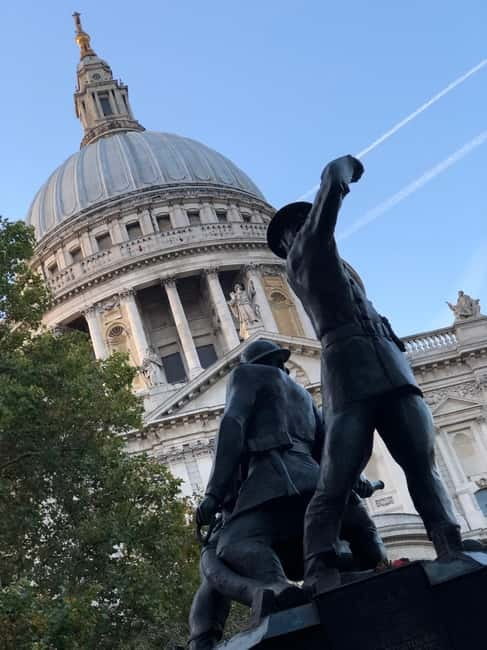
- St. Paul’s Cathedral: bomb hits survived, and firefighters had a role
- Bank Station raid: when danger was next to the daily commute
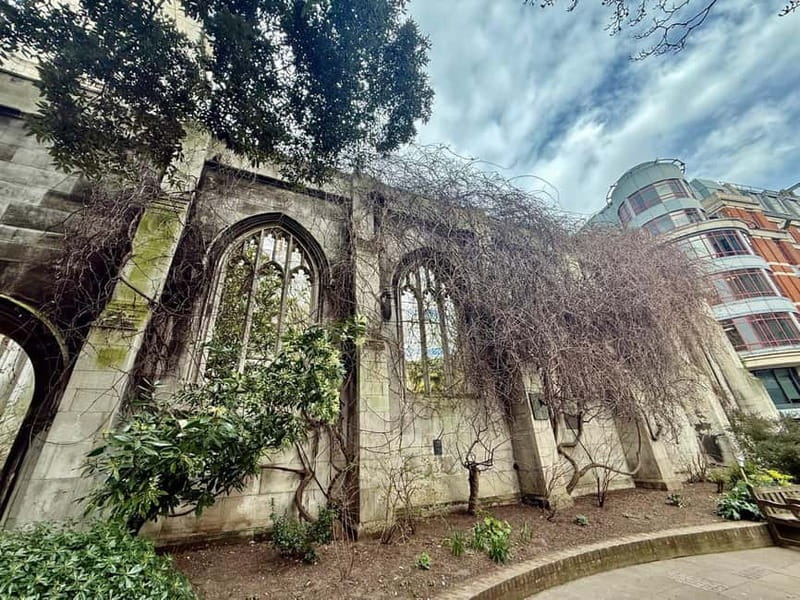
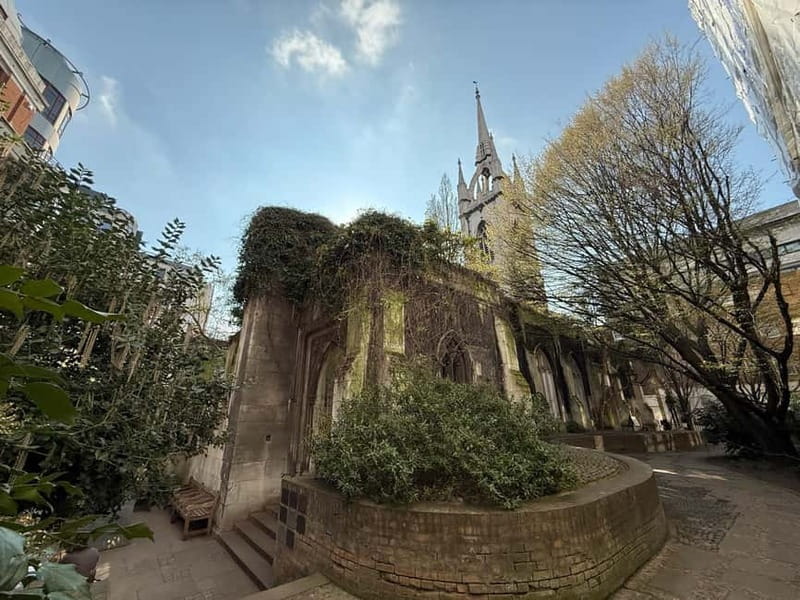
- Christ Church Greyfriars and St. Dunstan-in-the-East: ruins turned into gardens
- All Hallows by the Tower: sanctuary when the city was under threat
- Tower-area wartime prisoner stories, including Josef Jakobs
- Price, time, and why $39 feels fair for this route
- What kind of traveler this fits (and who should skip it)
- The guide experience: how names like Nathan, Babs, Jo, and Francis shape the tour
- Should you book the London Blitz Tour?
- FAQ
- How long is the London Blitz Tour?
- Where does the tour start?
- How much does it cost?
- What is included in the tour price?
- Is there food or drink included?
- What should I bring?
- Is the tour available in English?
- Is the tour suitable for wheelchair users or mobility impairments?
- Are guests allowed to smoke during the tour?
Key highlights to know before you go
- St. Paul’s Cathedral survived bomb hits, and you’ll hear why the firefighters mattered.
- Bank Station raid details bring home how close danger was for everyday civilians.
- Christ Church Greyfriars and St. Dunstan-in-the-East are now garden spaces, turning destruction into calm remembrance.
- All Hallows by the Tower offered sanctuary, and the tour explains what that meant in practice.
- Tower-area wartime prisoner stories, including Josef Jakobs, add a human layer beyond the headlines.
- You’ll cover multiple major sites in 2 hours, so it’s a great add-on day plan without eating your whole morning or afternoon.
Entering the City’s wartime story, in just two hours
This tour works because it treats the Blitz like a set of connected scenes rather than isolated facts. You start in the City and keep moving through places where the war left marks, then you finish with spaces that are quiet now. That contrast is the point. Bombing and fear were real, and so was the way Londoners kept going.
What makes the pacing feel fair is the way the guide builds momentum. You don’t just hear what happened at one location. You hear how people reacted, what protection looked like, and how the City kept functioning even with constant threat. Even in 2 hours, the walk has a beginning, a middle, and a strong final emotional note.
The tour is led by an English speaking guide. Private groups are available too, which is ideal if you’re traveling with family, or you want the guide to spend a bit more time on questions that matter to you.
More centuries walked in an afternoon:
- London: Historic Pubs of Central London Walking Tour
★ 4.9 · 1,065 reviews - London: Soho Music and Historic Pubs Walking Tour
★ 4.9 · 836 reviews - London: Rock ‘n’ Roll History Tour
★ 4.6 · 645 reviews
Stopping rules, shoes, and what to pack for this walk
Plan to move. The basic expectations are simple: comfortable shoes, water, and weather-appropriate clothing. You should also assume you’ll spend most of the time on streets and sidewalks, with limited time for long pauses.
One practical heads-up: smoking is not allowed on the tour. It might sound obvious, but it’s worth remembering if you normally plan breaks around a cigarette.
If you’re hoping to take lots of photos, do it, but don’t rely on long stops. The value here is the sequence of sights and stories, so keep your camera handy and your attention on the guide.
St. Paul’s Cathedral: bomb hits survived, and firefighters had a role
St. Paul’s Cathedral is the headline stop for a reason. You’ll learn how the cathedral survived bomb hits and became a symbol people could point to when the city felt fragile. That symbolism matters, because it explains why certain buildings become more than architecture during war.
What I like most about this part is the human focus. You hear about the firefighters who helped protect the cathedral. That shifts the story from distant events to hands-on effort. It also gives you a better feel for the chaos and urgency of those days, without turning it into vague tragedy.
If you’re the type who loves the idea of London as layered, this stop is a good anchor. Even if you’ve visited St. Paul’s before, the wartime angle gives you a new set of things to notice, like how people would have viewed the building during attacks, not just how you view it now.
Bank Station raid: when danger was next to the daily commute
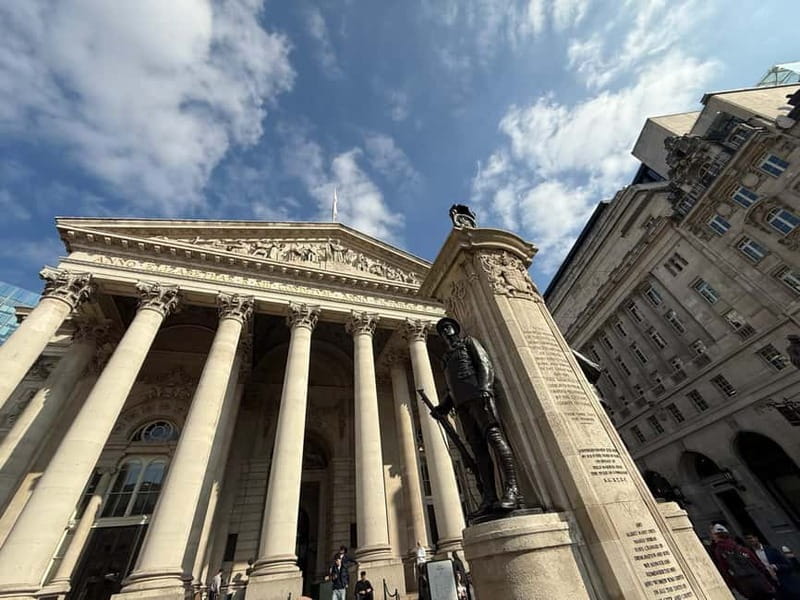
Then comes one of the hardest stops: the bombing raid on Bank Station, where dozens of civilians perished. This is where the tour becomes less about survival as a concept and more about vulnerability as a lived reality.
I appreciate that the guide doesn’t let this sink into sensationalism. Instead, the way the story is framed helps you connect bombing to ordinary life. Bank is part of the City’s workday rhythm, and the point is that threat can reach the places people use every day.
For you, this stop is worth it if you want historical context that feels grounded. You’ll leave with a clearer understanding of why civilian areas were targeted and how fear could be built into routine. It’s also a reminder that the Blitz was not only about military locations. It was about Londoners.
Also inked in under London
- London: The London Eye Entry Ticket★ 4.6 · 35,875 reviews
- From London: Harry Potter Warner Bros Studio Tour★ 4.7 · 26,588 reviews
- London: Westminster to Greenwich River Thames Cruise★ 4.5 · 22,836 reviews
- Magical London: Harry Potter Guided Walking Tour★ 4.7 · 22,044 reviews
Christ Church Greyfriars and St. Dunstan-in-the-East: ruins turned into gardens
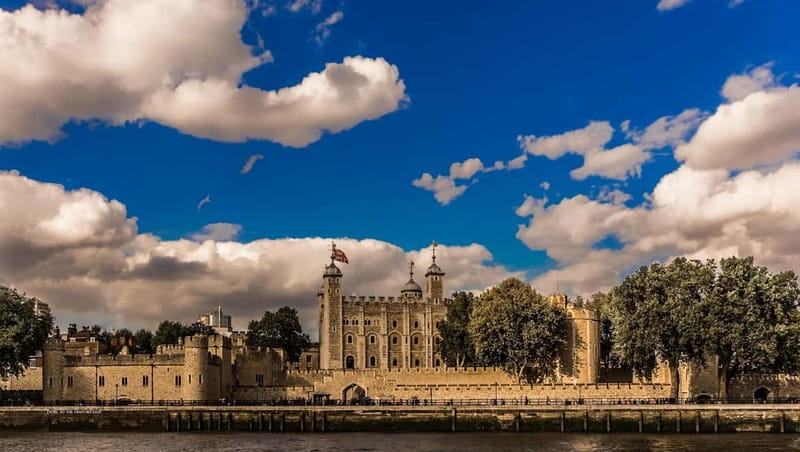
After the heavier material, the tour wisely changes tone. You visit the ruins of Christ Church Greyfriars, now a peaceful garden memorial. Then you explore St. Dunstan-in-the-East’s remains, also presented as a tranquil garden.
What I like about these garden stops is how they show time passing without erasing what happened. The spaces are calm, but they are not pretending the past is gone. They give you a chance to reset your head, then take in what remembrance can look like at street level.
If you are thinking about value, this is smart design. In 2 hours, you get emotional weight and then you get a place to absorb it. For many people, that makes the tour more memorable than if every stop stayed grim.
A practical note: gardens usually mean there’s less shelter from rain. Wear weather gear. If it’s wet, you’ll still be glad you brought good shoes.
All Hallows by the Tower: sanctuary when the city was under threat
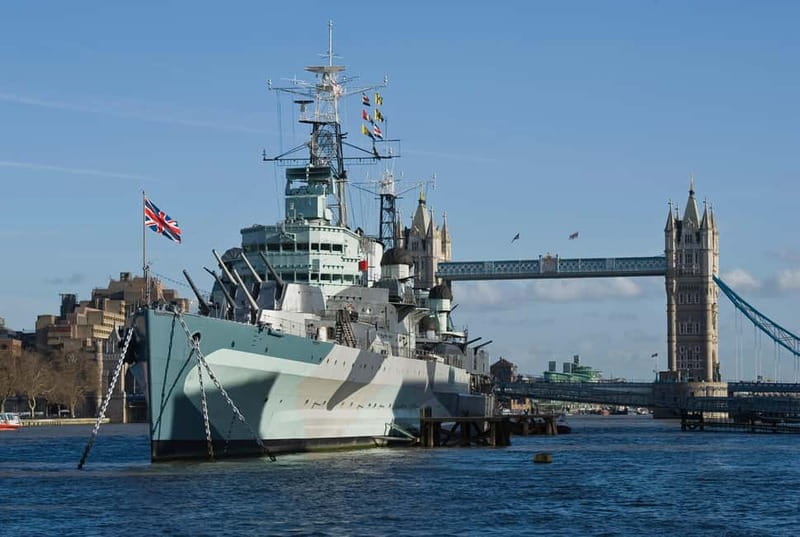
All Hallows by the Tower survived, and the tour explains how it offered sanctuary. This is an important contrast point. Bombings and raids are the visible story, but sanctuary is the lived response, the places where people looked for safety, comfort, and structure when everything else felt unstable.
I find this part of the walk particularly meaningful because it shows resilience in a quieter form. It is not just rebuilding after damage. It is also helping people get through the next hour.
If you want a tour that doesn’t stop at impact and moves toward how Londoners adapted, this is one of the better stops for that. Even if you don’t know much about the Blitz, the story here is accessible, direct, and grounded in a real location you can still picture.
Tower-area wartime prisoner stories, including Josef Jakobs
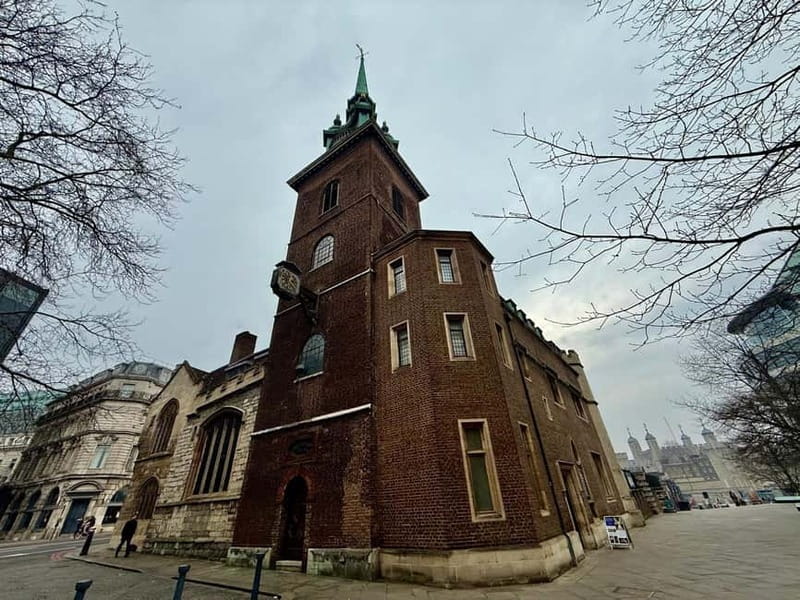
Outside the Tower, the guide shares tales of wartime prisoners, including Josef Jakobs. This portion adds another layer beyond bomb damage and street-level aftermath.
It matters because it widens the story of war. It shows that the Blitz was not only about air raids and fire. War affected people in detention, and the city had systems in place that shaped what happened to individuals caught up in it.
I like that this stop does not feel like a random extra. It fits. The emotional arc of the tour moves from destruction to protection, from public danger to personal consequences. By the time you reach this section, you understand that war reached everyone, in different ways.
Price, time, and why $39 feels fair for this route
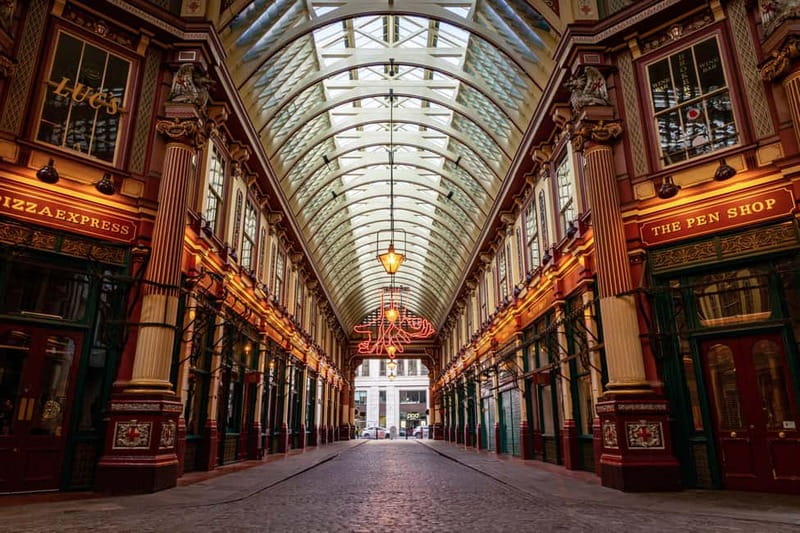
At $39 per person for a 2-hour walking tour, the value depends on your goal. If you want a guided route that covers several major sites in the City with an expert English speaking guide, this is a reasonable deal. You’re paying for interpretation, not just walking from one postcard location to another.
This tour has a tight footprint: you see St. Paul’s, Bank Station context, memorial gardens linked to major sites like Christ Church Greyfriars and St. Dunstan-in-the-East, plus All Hallows by the Tower. You also get the prisoner story element. In a city like London, that combination is hard to assemble on your own quickly, especially if you’re trying to understand what to look for at each place.
Also, because it is 2 hours, it is easier to fit into a day than a longer history deep-dive. You can do it mid-trip and still have energy left for museums or a pub lunch after, if you want.
What kind of traveler this fits (and who should skip it)
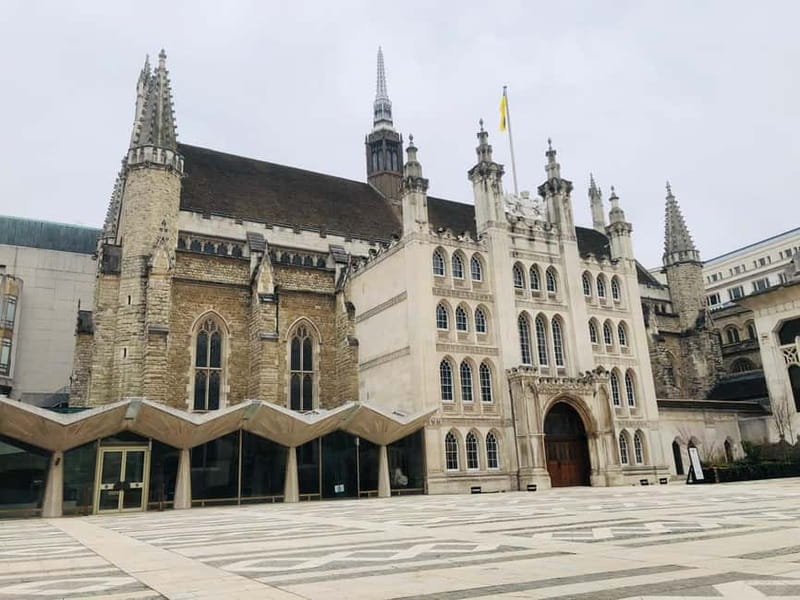
This tour suits you if you like history with a strong sense of place. You do not need to be an expert on the Blitz, because the guide’s job is to turn sites into a connected story. If you enjoy asking questions, you’re in a good spot too. Several guides on this route are described as engaging and responsive, which is exactly what you want when you’re dealing with heavy topics.
It also works well as a family outing, as long as everyone can handle a walking pace for 2 hours. The material is serious, so it may be best for teens and adults who can process wartime stories respectfully.
You should skip it if you use a wheelchair or have mobility impairments, since it is not suitable for wheelchair users and people with mobility impairments.
The guide experience: how names like Nathan, Babs, Jo, and Francis shape the tour
One thing I’d watch for in any history tour is whether the guide can keep attention while staying accurate. From what you can expect here, guides like Nathan, Babs, Jo, and Francis are repeatedly singled out for keeping the pace lively and answering questions clearly.
I also like that the guide interaction tends to feel personal. You’re not stuck with a scripted monologue. If you ask something, you get a real response. That matters because the Blitz is emotionally complex. A good guide helps you hold the facts and the human impact at the same time.
If you want practical help beyond the tour, some guides even share suggestions for things to do afterward. That’s useful when you’re deciding what to see next in London.
Should you book the London Blitz Tour?
If your answer is yes to any of these, book it: you want wartime context at real locations, you like walking tours that explain what you’re seeing, and you want a route that balances heavy stories with moments of quiet remembrance.
I would skip it only if walking is a problem for you, or if you prefer history presented in a museum setting with lots of seating. This is outdoors, it is moving, and it is built around a 2-hour storytelling flow.
For me, the best reason to book is the mix of places you get in one go: St. Paul’s survival, Bank Station civilian tragedy, memorial gardens at Christ Church Greyfriars and St. Dunstan-in-the-East, sanctuary at All Hallows by the Tower, and a Tower-area prisoner story including Josef Jakobs. It’s not just what the Blitz did. It’s how Londoners responded, protected, mourned, and carried on.
FAQ
How long is the London Blitz Tour?
The tour lasts 2 hours.
Where does the tour start?
The meeting point may vary depending on the option you booked.
How much does it cost?
The price is listed as $39 per person.
What is included in the tour price?
It includes an expert English speaking guide, a walking tour, and stories of resilience and determination.
Is there food or drink included?
No, food and drink are not included.
What should I bring?
Bring comfortable shoes and water, and wear weather-appropriate clothing.
Is the tour available in English?
Yes, the live tour guide speaks English.
Is the tour suitable for wheelchair users or mobility impairments?
No, it is not suitable for people with mobility impairments or wheelchair users.
Are guests allowed to smoke during the tour?
No, smoking is not allowed.
Newest entries under London




Historical Tours, compared.


Westminster Abbey Tour with a Royal Heritage Guide
Read our review →

Browse the lists this tour appears in