
Reviewed · HISTORICAL TOURS
London: Baroque and Roll: A Music History Walking Tour
London changes when you listen.
I love how this walk connects music eras across 300 years in one tight 2-hour route, and I really like the small, story-driven stops tied to real places in St James and Mayfair. One thing to plan for: it is a walking tour, so if you hate on-your-feet time or have mobility limits, you should think twice.
You meet in the churchyard at St James’ Church in Piccadilly, then your guide strings together the city as a timeline. Expect anecdotes and links to legends from Handel’s Messiah era to Swinging Sixties London hangouts, plus mentions like the Bee Gees, John Lennon meeting Yoko Ono, and Jimi Hendrix calling London his first real home. It is a music-focused tour that moves fast enough to feel fun, not so long that you’ll dread it.
In This Review
- What Makes Baroque and Roll So Fun in 2 Hours
- Key Highlights You Will Actually Care About
- Arriving at St James’ Church in Piccadilly
- How the Walk Turns London Into a Music Timeline
- St James to Mayfair: The Area-to-Story Connection
- Handel, Messiah, and the Classical Stops That Feel Concrete
- Swinging Sixties: Where the Stars Partied
- The Bee Gees and Songwriting in Place
- John Lennon and Yoko Ono: Why That Stop Sticks
- Jimi Hendrix’s London Start: From Myth to Location
- What the Guide Adds: Anecdotes, Not Just Names
- Price and Value: Is $26 Worth It?
- Practical Tips So You Enjoy Every Stop
- Who This Tour Fits Best (and Who Should Skip It)
- Should You Book Baroque and Roll?
- FAQ
- How long is the London Baroque and Roll walking tour?
- How much does the tour cost?
- Where do I meet for the tour?
- What language is the tour guide speaking?
- What is included in the tour price?
- What is not included?
- What should I bring?
- Is smoking allowed during the tour?
- Can I get a full refund if I cancel?
What Makes Baroque and Roll So Fun in 2 Hours
This is the kind of tour where the city starts acting like a playlist. Instead of museum rooms, you get London street corners and landmarks tied to big names and big moments.
The value is that you are not just hearing facts, you are getting the “how London fit into the music story” angle. You’ll leave with clearer context for why these artists and composers kept showing up here.
And since it is led by a live English guide, the tour has a human pace. You can ask questions, and the anecdotes land better than reading a sign.
Key Highlights You Will Actually Care About
- St James and Mayfair on foot, with stops built around famous music connections
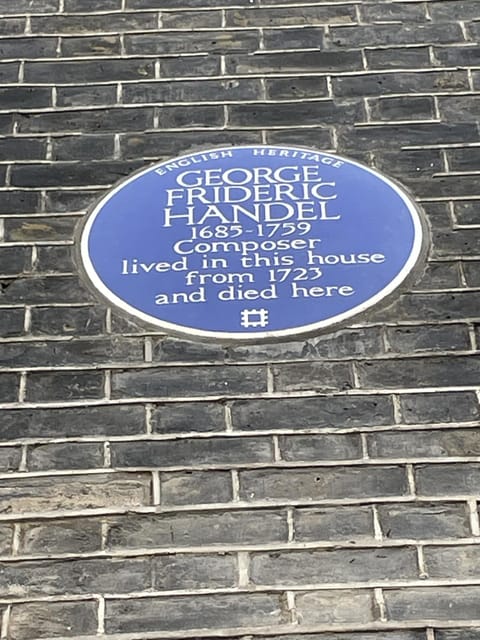
- Handel and Messiah, including where the guide places his greatest works
- Swinging Sixties London energy, where the tour points to nightlife and party culture
- Bee Gees songwriting connection, tied to where they wrote their greatest hits
- John Lennon and Yoko Ono first meeting, plus other iconic London links
- Jimi Hendrix’s London roots, including his first real home
More Guided Walking Tours in London
- Magical London: Harry Potter Guided Walking Tour
★ 4.7 · 22,044 reviews - London: The Original Jack the Ripper Walking Tour
★ 4.7 · 7,833 reviews - London: Harry Potter Movies Walking Tour (Kids Go Free)
★ 4.7 · 3,071 reviews
Arriving at St James’ Church in Piccadilly
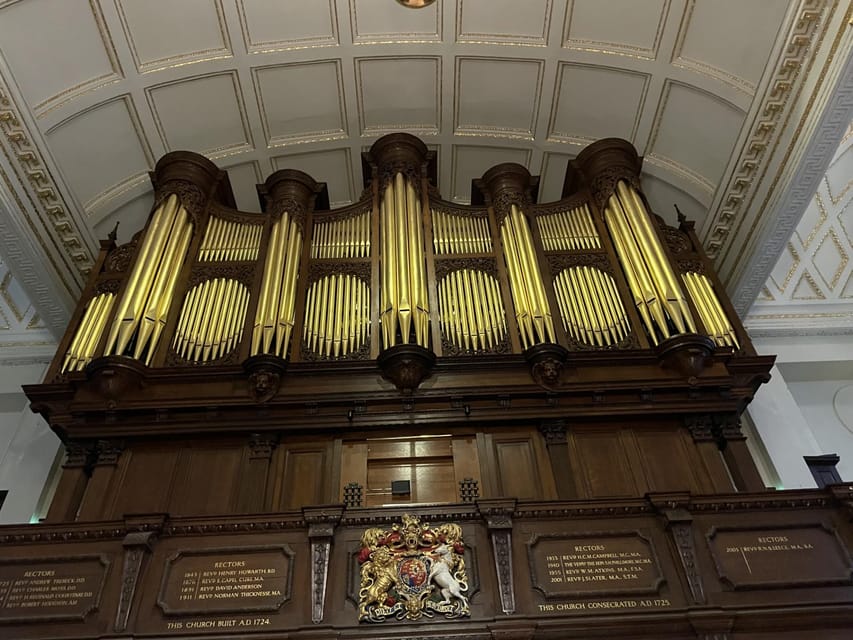
The tour starts in the churchyard of St James’ Church in Piccadilly. This matters because it sets the tone fast. You begin in a historic pocket, before the walk shifts you into the glossier Mayfair side.
I suggest showing up a few minutes early. You want time to orient yourself, grab water, and settle before the guide starts the timeline.
Bring comfortable shoes and a camera. You’ll be outdoors, and you’ll want to photograph the spots you’re learning about, not just your feet as you speed along.
How the Walk Turns London Into a Music Timeline

The core idea is simple: London kept attracting artists, composers, and performers for generations, and the tour uses real locations to show that. You move through St James and Mayfair, two areas with very different vibes, but both deeply tied to performers and patrons.
In a short 2 hours, you are not going to cover everything. That is also the point. You get a tight, memorable sweep, like a greatest-hits set but for music history.
I like tours that keep their focus. Here, the focus stays on where people created, lived, performed, and socialized. That makes the city feel personal, not like a list of unrelated facts.
St James to Mayfair: The Area-to-Story Connection
St James and Mayfair are linked in the guide’s storytelling because they represent different shades of London arts life. St James tends to feel more formal and classical, while Mayfair often feels like the stage where style, society, and show business overlap.
As you walk, the places you see are meant to explain the “why London” behind artists choosing this city. London offered stages, patrons, venues, and a dense creative scene, all packed into walkable distances.
A small drawback to keep in mind: because you are covering two areas on foot, the group can feel “always moving.” If you want long pauses to read every plaque, this may feel a bit brisk.
More British streets at boot pace:
- London: The Great British Rock and Roll Music Walking Tour★ 4.9 · 1,783 reviews
- London: Harry Potter Walking Tour in German★ 4.8 · 1,505 reviews
- London: Jack the Ripper Evening Walking Tour★ 4.9 · 1,449 reviews
- London: Street Art and Graffiti Guided Walking Tour★ 4.9 · 1,354 reviews
Handel, Messiah, and the Classical Stops That Feel Concrete
One of the headline themes is Handel, including where he composed his greatest works, and specifically mentions the Messiah. This kind of stop is valuable because Handel can feel abstract if you only know him from recordings or textbooks.
On the walk, the idea is to make you see Handel as a working composer in a city where audiences and institutions mattered. You’re not just learning that Messiah exists, you’re learning why London fit into that moment.
Even if Baroque music is not your daily soundtrack, you’ll likely enjoy the guide’s way of connecting the famous work to actual London locations. It makes the story feel less like history class and more like a city behind the music.
Swinging Sixties: Where the Stars Partied
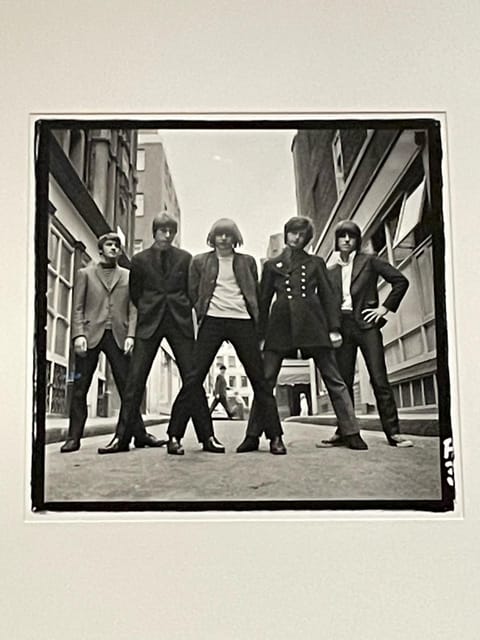
Then the tour shifts gears into the energy of the Swinging Sixties. You’ll hear where the stars of music and the arts partied, which is a different kind of music history than concert halls and composer notes.
That social layer matters. When you understand where people gathered, you understand how scenes form and how collaborations happen. In the 1960s, London’s nightlife and cultural life were part of the creative machine.
The tour also ties major names to place, including the Bee Gees, and mentions that John Lennon first met Yoko Ono in London. There’s also a connection to Jimi Hendrix calling London his first real home.
I like that the tour does not treat those names like trivia. It uses them as anchors so you can picture the city during the era, not just memorize facts.
The Bee Gees and Songwriting in Place
The mention of the Bee Gees writing their greatest hits gives the tour a pop-music credibility boost. It’s one thing to know the songs, and it is another to link the creative process to specific London locations.
This matters for value. It helps you connect what you already love, your music, to a physical setting. When you later listen to those songs, you’ll likely remember the London stops that went with them.
If you like music culture more than strict classical detail, this portion is where the tour often feels most fun. It is about artistic work happening in real spaces, not just reputations.
John Lennon and Yoko Ono: Why That Stop Sticks
The tour includes a reference to where John Lennon first met Yoko Ono. Stops like this tend to stick because they feel human and cinematic. You’re learning a personal story tied to a specific London moment, not just the public side of fame.
Even if you already know the names, this kind of placement turns them into something you can picture on a walk. You’ll probably find it easier to remember where you were in the city when the guide makes that connection.
A practical note: keep your camera handy, but do not let it slow you down at every step. One photo at each big stop is usually enough, and then you can focus on the guide’s story.
Jimi Hendrix’s London Start: From Myth to Location
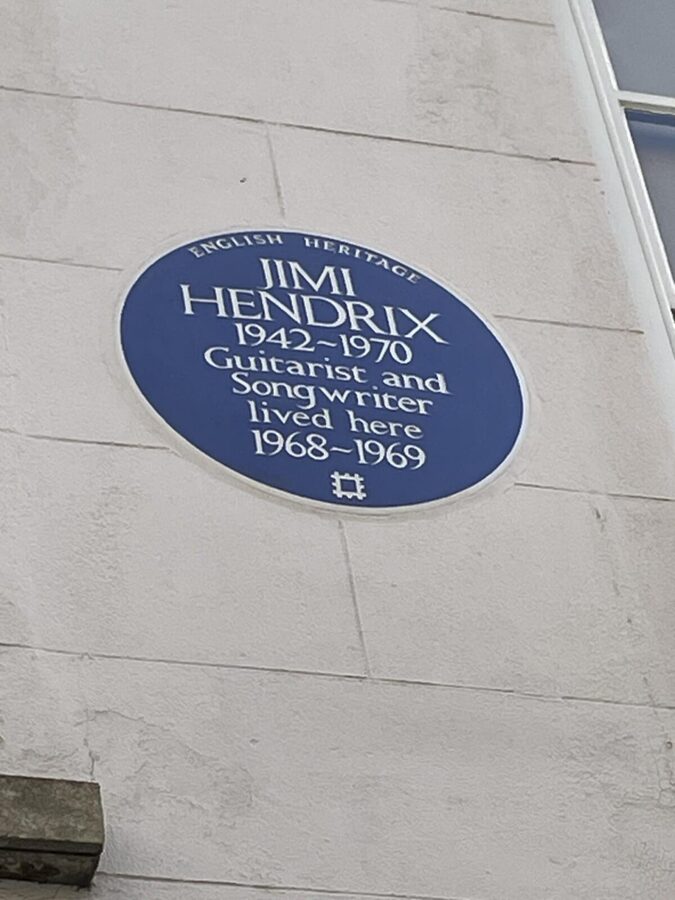
Another major anchor is Jimi Hendrix and the fact that the tour places his first real home in London. This is useful because Hendrix’s story is often told through sound, but you can also learn it through setting and belonging.
When a guide points to where something like this happened, it helps you understand why the city became part of his path. Place gives you a feeling for timing, movement, and why London mattered to him.
If you’re a guitar fan, this section can feel especially satisfying. You may still remember specific moments from your own listening life, and the tour connects those memories back to the city.
What the Guide Adds: Anecdotes, Not Just Names
This tour includes a live tour guide and music history anecdotes. That combination is what makes the time feel worth it, because the guide turns names into story arcs.
Anecdotes also help you catch the “in-between” details that don’t fit on plaques. You’ll get context for how artists and composers moved between performance, society, and creative work.
One caution: since the tour is 2 hours, the guide will prioritize highlights. If you want a deep lecture on one era, you may find the timeline jumps fast. But if you want a satisfying sweep across eras, this format works.
Price and Value: Is $26 Worth It?
At $26 per person for a 2-hour guided walking tour, the value comes down to what you like. If you enjoy music more than random sightseeing, this is a strong deal for London, because you are paying for interpretation and storytelling, not just location access.
You also get a focused tour structure: St James and Mayfair, plus major anchors like Handel and Messiah, the Bee Gees, John Lennon and Yoko Ono, and Jimi Hendrix. Those are high-recognition touchpoints that many self-guided walks would struggle to connect into one coherent experience.
The tradeoff is that you are not getting meals, drinks, or transportation included. So plan to start with water, and plan your day around the time you’re on foot.
Practical Tips So You Enjoy Every Stop
Wear comfortable walking shoes. This tour is built around walking through historic areas, so your feet are the limiting factor, not your curiosity.
Bring water. The guide recommends it, and it is a smart idea in London weather, even when it looks mild.
Check the weather forecast and dress appropriately. Since you’re outdoors much of the time, you’ll feel the temperature and wind more than you might expect.
And yes, no smoking during the experience. Easy rule, but it matters if you are choosing where to stand and wait.
Who This Tour Fits Best (and Who Should Skip It)
This tour is a great match if you like music and you enjoy learning through place. It is also ideal if you want a quick, story-packed overview of London’s arts pull, from Baroque work to pop icons.
It is less ideal if you need slow pacing, very frequent breaks, or step-free routes. The information lists wheelchair accessible, but it also says it is not suitable for wheelchair users and people with mobility impairments. If mobility is a factor for you, I strongly recommend asking the provider directly before you book.
Should You Book Baroque and Roll?
I think you should book this tour if you want a compact London walk that treats music history like a living city story. At $26 for 2 hours, you’re paying for a guide-led experience with major cultural anchors, not just scenic wandering.
Skip it if your ideal tour is lots of quiet time to linger, or if you need a route that works well for limited mobility. Otherwise, this one is a fun way to connect Handel, the Swinging Sixties, and rock and pop legends to the streets of St James and Mayfair.
FAQ
How long is the London Baroque and Roll walking tour?
The tour duration is 2 hours.
How much does the tour cost?
The price is $26 per person.
Where do I meet for the tour?
You meet in the churchyard of St James’ Church in Piccadilly.
What language is the tour guide speaking?
The live tour guide speaks English.
What is included in the tour price?
The tour includes a live tour guide and music history anecdotes.
What is not included?
Meals and drinks are not included, and transportation to or from the starting point is not included. Personal expenses are also not included.
What should I bring?
You should bring comfortable shoes, a camera, and water.
Is smoking allowed during the tour?
No, smoking is not allowed.
Can I get a full refund if I cancel?
Yes, free cancellation is available up to 24 hours in advance for a full refund.
Centuries in an Afternoon
- London: Historic Pubs of Central London Walking Tour
★ 4.9 · 1,065 reviews - London: Soho Music and Historic Pubs Walking Tour
★ 4.9 · 836 reviews - London: Rock ‘n’ Roll History Tour
★ 4.6 · 645 reviews - London: Westminster Abbey Tour with a Royal Heritage Guide
★ 4.7 · 614 reviews
Newest entries under London



Historical Tours, compared.

Westminster Abbey Tour with a Royal Heritage Guide
Read our review →
Browse the lists this tour appears in