
Reviewed · WALKING TOURS
Liverpool Private Guided Walking Tour
Liverpool is where a place name turns into a story. This private guided walking tour connects Liverpool’s Beatles era with the older trade city underneath it, from the waterfront landmarks to the grand civic buildings. I love the way the guide ties what you see, like the Liver Building and Town Hall, to why the city grew so fast. I also like the flexibility, because your guide can customize the walk with what your group cares about most. One thing to consider is the tour is only 1.5 hours, so you’ll get smart highlights rather than slow, in-depth stops and ticketed museum time.
You start right by the waterfront, and you finish with the music history at Cavern Club. It’s a great match if you want a focused orientation, quick context, and a local professional on hand to explain the meanings behind the sights. At $324 per group (up to 15 people), the value can be very good once you spread the cost across a small crew, especially with a live English guide for the whole time.
In This Review
- Key things you’ll notice on this Liverpool private walk
- Starting at Pier Head with the Beatles Statue
- UNESCO waterfront stops: Liver Birds, Mersey views, and big-city ambitions
- Decoding Liverpool’s Old English name and humble beginnings
- 18th-century commercial expansion and the “New York of Europe” feeling
- Town Hall: 18th-century civic power you can still feel
- St George’s Hall and its air-conditioning surprise
- Wellington’s Column: bronze cannons and facing Belgium
- Cavern Club: Beatles origin in a wider rock-and-roll lineup
- Price and value: when $324 per group makes sense
- Who this private walking tour is best for
- A quick note about the guide experience
- Should you book this Liverpool private guided walking tour?
- FAQ
- Where is the meeting point for the tour?
- How long is the Liverpool private guided walking tour?
- How much does it cost and how large is the group?
- Is the tour private or shared?
- What language is the guide?
- Are entrance fees included?
- Can I cancel and get a full refund?
- Can I pay later or keep plans flexible?
Key things you’ll notice on this Liverpool private walk
- Pier Head meeting point: You begin at the Beatles Statue in front of the Cunard Building, right at the action.
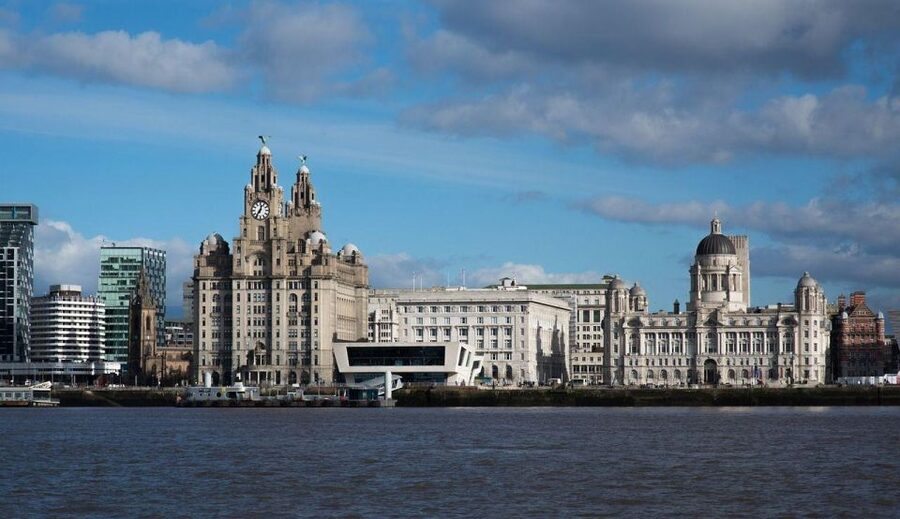
- UNESCO Maritime Mercantile City views: Waterfront landmarks come with clear explanations, not just photos.
- Liverpool name origin, explained: You’ll hear how the city’s Old English roots connect to the modern place.
- 18th-century power centers: Town Hall and St George’s Hall show how civic ambition looked in brick and stone.
- Liver Birds legend: The famous birds have a story tied to Liverpool’s identity.
- Cavern Club rock and roll legacy: Beatles history is grounded in the wider showbiz lineup that played there.
Starting at Pier Head with the Beatles Statue
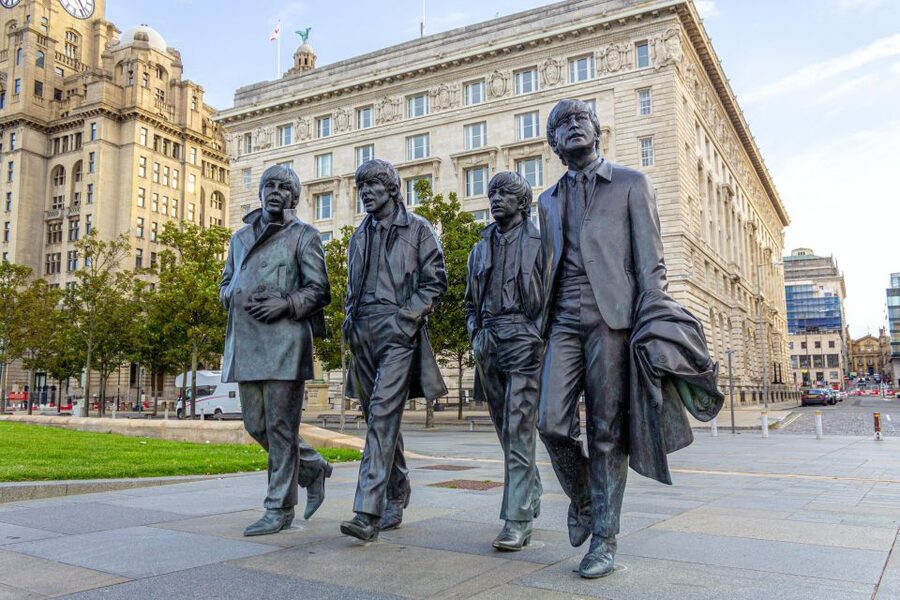
The tour begins at the Beatles Statue in front of the Cunard Building, Pier Head (Liverpool L3 1BY). That location is perfect for getting your bearings fast because it sits right where Liverpool’s waterfront identity is most visible. You get the sense of scale quickly: ships, trade routes, and the grand “we mean business” architecture all in one view.
What I like about starting here is that it doesn’t treat the Beatles as a separate bubble. You’re in the right setting to understand why Liverpool could become a major cultural export in the first place. Your guide is there with you the whole time, and that matters. In a group tour, you often end up half-listening while you try to keep up. On a private walking tour, you can ask real questions as you go.
You should also know what the 1.5-hour format means in practice. You’ll cover key stops, but you won’t have time for long interior visits or slow coffee breaks between every landmark. Think “guided highlights walk,” not “do everything day.”
More Guided Walking Tours in Liverpool
- Liverpool: Beatles Highlights Walking Tour
★ 4.8 · 274 reviews - Liverpool: A Walk Through Time: Full History Walking Tour
★ 4.8 · 184 reviews - Liverpool: The Beatles and Cavern Quarter Walking Tour
★ 4.7 · 133 reviews
UNESCO waterfront stops: Liver Birds, Mersey views, and big-city ambitions
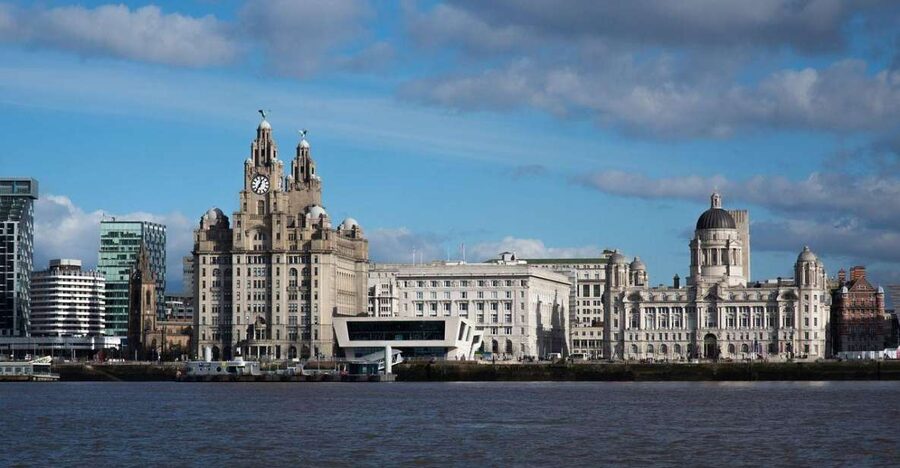
From Pier Head, the walk focuses on the UNESCO-designated World Heritage Maritime Mercantile City. This is the part of Liverpool that explains why the city feels both historic and international. You’ll have the chance to see the Liver Building, the Port of Liverpool Building, and the Cunard Building as you learn how their roles and symbolism fit together.
A standout mention is the story of the two Liver Birds. These aren’t just decorative details you pass by while scrolling on your phone. Your guide connects the legend to the buildings and what Liverpool wanted to represent to the world. If you usually skip the small carvings and coats of arms, this is a good tour to train your eyes. It teaches you what to look for next time, even after the tour ends.
You’ll also get moments to appreciate the setting around the mouth of the Mersey River. The waterfront angle matters because it’s geography doing the storytelling. You can practically feel why commerce and shipping shaped daily life here.
One more reason this waterfront segment is worth your attention: Liverpool isn’t just “the Beatles city.” It’s an industrial innovation and trading hub with museums and civic architecture to match. The walk supports that broader view without making the experience feel like a lecture.
Decoding Liverpool’s Old English name and humble beginnings
One of the tour highlights is decoding Liverpool’s Old English name origin, plus exploring the city’s humble start. Even if you’ve seen Liverpool on postcards before, you’ll likely benefit from this early context because it changes how you read the waterfront.
Here’s the practical value: the city’s later growth makes more sense when you understand how it started. Your guide gives you the logic behind the transformation, not just a timeline of facts. When you hear the name origin, you’ll be thinking about continuity, how meanings shift, and how a settlement becomes a city with a global reputation.
Then you connect that back to what you’re walking through. As you see the monumental buildings near the port area, the idea of expansion clicks into place. Liverpool’s growth didn’t happen by accident, and the tour helps you see the pattern: settlement, development, trade, then cultural visibility.
Because the tour is only 1.5 hours, the guide keeps this part focused. You’ll get the story the city tells about itself, and you’ll know what to research later if you want to go deeper on your own.
18th-century commercial expansion and the “New York of Europe” feeling
Liverpool’s 18th-century commercial expansion is a key thread in this tour, and it’s where you start to understand the city’s swagger. The walk points you toward why Liverpool gained a nickname-like reputation, sometimes described as the New York of Europe, meaning a big, ambitious port city with international reach.
You might not see warehouses in full operation anymore, but the architecture still communicates the same message: Liverpool built public-facing buildings to announce its importance. This is why the waterfront sights matter. They’re not random backdrops. They’re the physical language of commerce.
What I like here is the balance. The tour covers the trade-era expansion without making you wade through unrelated details. Instead, you walk from landmark to landmark and let each place clarify the theme.
If you’re the type who enjoys “why did this city become famous?” then this section should land well. If you already know a lot about British maritime history, you’ll still appreciate the way the guide keeps everything connected to what you can actually see on the street.
More British streets at boot pace:
- Liverpool: Guided City Walking Tour★ 4.9 · 119 reviews
- Liverpool: Heritage, History & Culture Guided Walking Tour★ 4.9 · 52 reviews
- Liverpool: The Beatles and Waterfront Guided Walking Tour★ 4.7 · 51 reviews
- Liverpool: Official Peaky Blinders City Centre Walking Tour★ 4.9 · 49 reviews
Town Hall: 18th-century civic power you can still feel
Next up is Liverpool’s Town Hall, built in the 18th century and considered one of the greatest British 18th-century town halls. This is one of those stops where the guide’s framing makes a real difference.
A town hall can seem like just another grand building until you remember what it signals: authority, governance, and a city willing to spend money on permanence. On this walk, Town Hall connects the dots between Liverpool’s commercial rise and the civic confidence that came with it.
Since entrance fees are not included, you’ll mostly experience Town Hall as a visual and storytelling stop. That’s fine. For this particular tour style, the outside views are enough because your guide is explaining what you should notice: scale, design intention, and what the building meant when it was new.
This is also a good point for photos, but don’t just take a quick snap. Pause long enough to look upward and check the details your guide points out. It’s the best way to get the most out of a short 1.5-hour walk.
St George’s Hall and its air-conditioning surprise
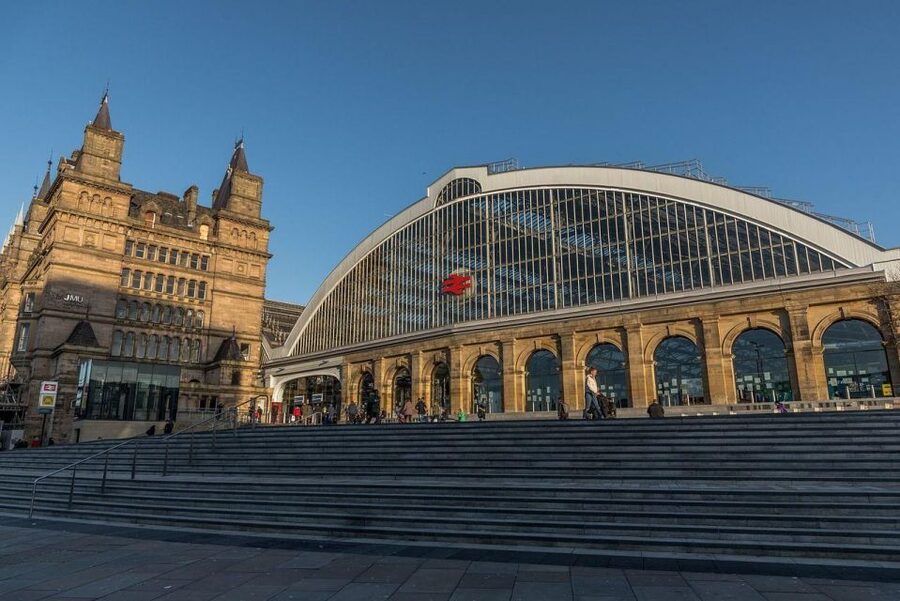
St George’s Hall is one of the biggest “wait, what?” stops on the route. It’s neoclassical, covered in Corinthian columns, statues, and plasterwork with allegories, and it also has the world’s first air-conditioning system.
That last detail is the kind of fact that makes a building more than a pretty exterior. Your guide helps you connect the civic prestige of a neoclassical venue to the surprising practical innovation inside it. Even if you don’t go into the hall, you get a better understanding of why Liverpool invested in both grandeur and function.
What you’ll get from this stop is perspective. You’ll start to see Liverpool as a city that built institutions, not just a city that produced music stars. The tour makes that shift smoothly, so it doesn’t feel like you’re switching topics mid-walk.
If you like architectural details, St George’s Hall is one of the most satisfying places on the route. If you don’t care about architecture, the air-conditioning fact alone is enough to make it memorable.
Wellington’s Column: bronze cannons and facing Belgium
Wellington’s Column is an 81-foot-high memorial to the Duke of Wellington, cast in bronze taken from cannons used at the Battle of Waterloo. It also faces toward the Belgian fields where Wellington claimed his most famous victory.
This is a stop that’s easy to overlook if you’re only thinking about Beatles landmarks. On this tour, it’s treated as part of Liverpool’s wider identity, not a random monument. It reminds you that Liverpool’s public spaces reflect major national events and choices, and that the city still communicates those connections through monuments.
The bronze-from-cannons detail is the kind of specificity that turns a tall column into a story. You can stand there and understand the message: not just remembrance, but transformation, using the physical leftovers of conflict for a commemorative purpose.
And facing toward Belgium matters. It gives the column a directional meaning, so you’re not just looking at height. You’re looking at intention.
Cavern Club: Beatles origin in a wider rock-and-roll lineup
No Liverpool walk tied to music is complete without the Cavern Club. Here, the tour shifts from civic monuments back to culture, with rock and roll history at the center.
You’ll learn how Cavern Club, originally a 50s jazz club, became one of the places where the Beatles started their story. Even if you’re a casual Beatles fan, this angle helps. It treats the Beatles as a result of Liverpool’s music ecosystem, not just a single overnight phenomenon.
And then the tour expands beyond the Fab Four. The guide highlights other legendary artists who played there, including The Rolling Stones, The Yardbirds, The Hollies, The Kinks, Elton John, Black Sabbath, Queen, The Who, and John Lee Hooker.
That list does two useful things. First, it shows the club’s long-term cultural influence. Second, it helps you imagine Cavern Club not as a museum exhibit but as a working stage where different eras collided.
Because entrance fees aren’t included, don’t expect a ticketed experience. You’re there for context, location-based storytelling, and the kind of street-level connection that makes music history feel less distant.
Price and value: when $324 per group makes sense
The price is $324 per group for up to 15 people, for a 1.5-hour private guided walk. That pricing model can feel high or fair depending on how you travel.
Here’s the practical math: if you fill a small group, the per-person cost can drop a lot. With fewer people, it stays expensive, but you gain something you cannot buy as easily with public tours, personal attention and the ability to customize on the spot.
For value, the included features matter:
- You get a local professional guide with your group only.
- The guide can customize what you see based on your interests.
- You cover major, high-recognition sites across different themes: waterfront trade, civic architecture, and Beatles-era music.
So the tour is best when you want a curated orientation that saves you time. If you already know Liverpool inside out and you just want photos at specific spots, you might not need a guided walk. If you want context that turns landmarks into stories, it’s a smart use of time.
Who this private walking tour is best for
This tour is a great fit if:
- You want a short, high-impact way to understand Liverpool’s waterfront and Beatles connection.
- Your group enjoys architecture, symbolism, and the meaning behind monuments.
- You want a guide to answer questions as you walk, not as you read a plaque.
- You are traveling with family or friends who appreciate a balanced mix of music and civic history.
It’s less ideal if you want long interior visits, museum tickets, or a slower pace. The best way to get the most out of a 90-minute format is to arrive with some curiosity and comfortable walking shoes.
A quick note about the guide experience
The tour includes a local professional guide with your group only, and there’s room to customize what you see on the spot. One guide name that has stood out is Marie, praised for being phenomenal and very accommodating to what a family wanted to see and learn.
You cannot guarantee which guide you’ll get, but the key point for your planning is simple. This tour is designed for real conversation, not just a script.
Should you book this Liverpool private guided walking tour?
Yes, I’d book it if you want a focused, story-first introduction to Liverpool that connects the waterfront, civic architecture, and Beatles-era culture in a single walk. The starting point at the Beatles Statue makes it easy to orient, and the UNESCO Maritime Mercantile City stops give you the trade-city context that explains why Liverpool mattered.
Skip it only if your priority is tickets, long museum time, or slow wandering with no need for explanations. With only 1.5 hours, you’re paying for guidance and cohesion, not for a long list of inside attractions.
If you’re short on time and want the city to make sense fast, this is the kind of tour that helps you see Liverpool in layers.
FAQ
Where is the meeting point for the tour?
You meet at the Beatles Statue in front of the Cunard Building, Pier Head, Liverpool L3 1BY, United Kingdom.
How long is the Liverpool private guided walking tour?
It lasts 1.5 hours.
How much does it cost and how large is the group?
The price is $324 per group, up to 15 people.
Is the tour private or shared?
It’s a private group tour, with a live local guide who stays with your group only.
What language is the guide?
The tour is guided in English.
Are entrance fees included?
No, entrance fees are not included.
Can I cancel and get a full refund?
Yes. You can cancel up to 24 hours in advance for a full refund.
Can I pay later or keep plans flexible?
Yes. You can reserve now and pay later.
Newest entries under Liverpool




Walking Tours, compared.

Magical London: Harry Potter Guided Walking Tour
Read our review →
University and City Walking Tour with Alumni Guide
Read our review →
Harry Potter Movies Walking Tour (Kids Go Free)
Read our review →
The Great British Rock and Roll Music Walking Tour
Read our review →

Harry Potter Walking Tour Including New College
Read our review →Browse the lists this tour appears in