
Reviewed · WHITE-WATER RAFTING & TUBING
Lake District White Water Rafting
First time on white water and still want it simple? That’s what makes Lake District White Water Rafting so appealing, you get a guided setup built for real fun on real rapids. I especially like that you’re on a fully guided raft with safety instruction before you hit the water, and I also like that the experience is set up to work for families, couples, and groups.
My main caution is straightforward: this is physical water sport, and the rules are clear about swimming comfort, weight limits, and getting wet in any weather.
In This Review
- Key things that make this rafting trip feel worth your time
- Price and value for a 3.5-hour white-water day
- North Lakes vs South Lakes: meeting points and parking reality
- Safety briefing, wetsuits, and why this setup works for first-timers
- On the water: the raft convoy, teamwork, and controlled chaos
- What makes these rapids special on English water
- Weather-proof adventure: rain, snow, and wetsuit logic
- Who should book: ages, weight limits, and fitness reality
- What to pack: your checklist for trainers, swimwear, and sanity
- After the ride: hot showers, winter comfort, and photo time
- Guides and the difference between okay and great instruction
- Should you book Lake District White Water Rafting?
- FAQ
- How long is the Lake District white-water rafting trip?
- Where does the activity start?
- What is the minimum age for this rafting experience?
- Do you need prior rafting experience?
- Is there a weight limit?
- Do I need to be able to swim?
- What should I bring with me?
- Are cellphones allowed on the trip?
- Are shorts allowed?
- Is there hot shower access after rafting?
Key things that make this rafting trip feel worth your time
- A guide on every raft means you get instruction and support right where it matters
- Best natural white-water rapids in England gives you the real deal, not a staged ride
- All-weather fun (rain, snow, shine) means you’re not gambling your trip on perfect conditions
- Ages 8 and up, no maximum age makes it genuinely family-friendly for the right participants
- Included equipment takes the hassle out of planning, from wetsuit to buoyancy aid and helmet
Price and value for a 3.5-hour white-water day
At about $133 per person, this is priced like a proper outdoor adventure. The value comes from what’s included: wetsuit, buoyancy aid, helmet, expert tuition, and the raft guide service run directly in the action. You’re not paying extra to figure out what to wear or to get basic safety gear sorted.
The trip duration is 3.5 hours, which is a sweet spot. You get time for a full safety briefing, time on the water, and time to settle afterward, without eating your whole day. If you’re visiting the Lake District and want one high-impact activity that still fits a holiday rhythm, this is a strong match.
One more value point: you get a free shuttle ride from the car park to the river and back as required. That removes one common headache of outdoor activities, the part where you have to manage logistics while you’re already damp and excited.
More rapids run bow-first:
- Aberfeldy: Rafting on the River Tay
★ 4.4 · 62 reviews - Llangollen: White Water Rafting Adventure
★ 4.9 · 52 reviews - Llangollen: River Tubing in the Dee Valley
★ 5.0 · 9 reviews
North Lakes vs South Lakes: meeting points and parking reality
Your exact meeting point is confirmed by email 24 hours before you go, so keep an eye on your inbox. There are two meeting areas: North Lakes and South Lakes, and the small differences matter.
Parking is included at the North Lakes Meeting Point. At South Lakes, there is a charge of £8.00 per car on the day at The National Trust. If you have a National Trust membership card, you can use it to avoid that fee, so it’s worth having that card handy if you’re starting from South Lakes.
One practical heads-up: the North Lakes location is not accessible via public transport, so plan on a car or confirmed transport. If you’re relying on taxis or buses, you’ll likely want to double-check the plan early, because this activity is built around getting you to the river reliably.
Safety briefing, wetsuits, and why this setup works for first-timers
Before you start, there’s a full safety briefing. This is where the trip earns its confidence. You’ll learn how the raft team works, what you should do in the water, and how to follow the guide’s commands so everyone stays safe.
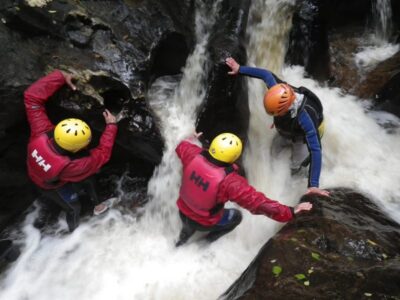
Then comes the clothing and gear part. You’ll be given what you need, including a wetsuit, buoyancy aid, and safety helmet. Even if you think you’ll just wear your usual clothes, don’t. This is one of those “plan like you’ll get soaked” situations, and wetsuit plus proper protection is the difference between comfortable and miserable.
The rules are clear about what you should bring. Use trainers with a good treaded sole that are securely fitted. Wet suit boots with smooth soles are not appropriate, and flip flops or crocs are also not right for this kind of footing. You want traction, because you’ll be moving on uneven river-edge ground before you even reach the water.
You also need swimwear and a towel. The swimwear goes under the wetsuit, and the towel is what helps you dry off and warm up after. If you take personal medication, bring it with you, because you’re out there for hours and you’ll want what you need ready.
On the water: the raft convoy, teamwork, and controlled chaos
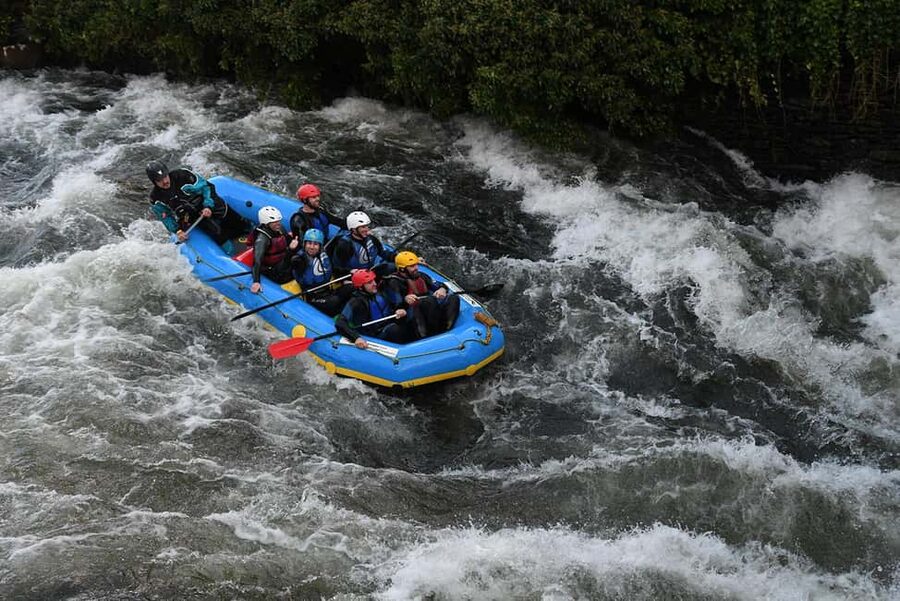
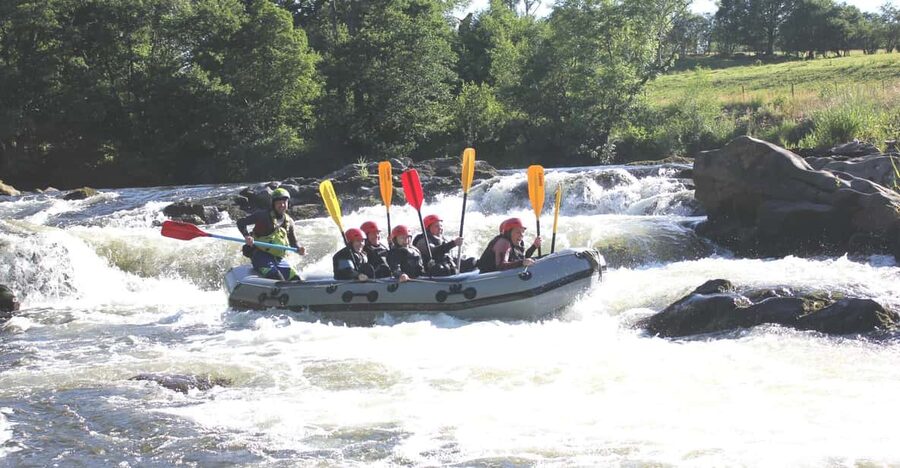
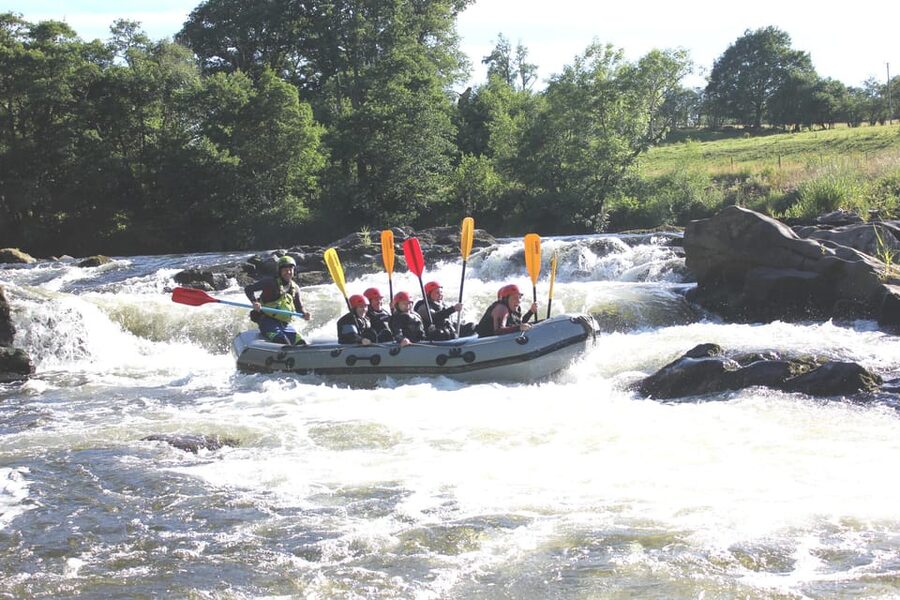
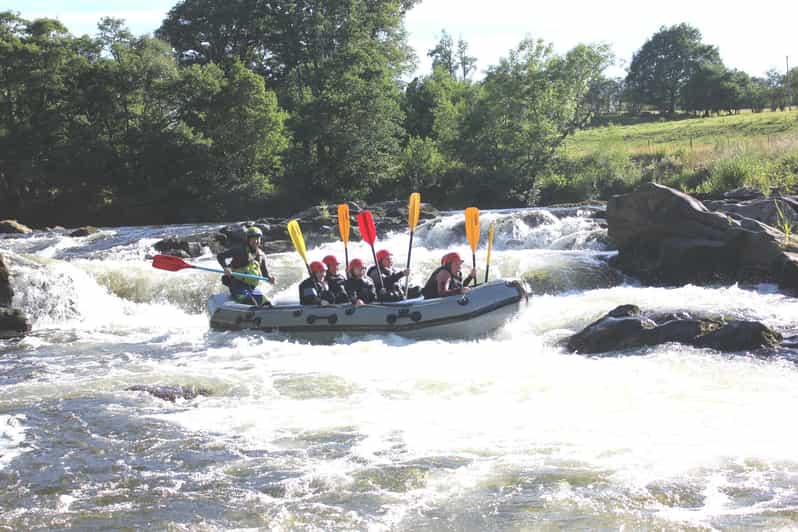
Once you’re suited up, the rafters travel in convoy with their own fully qualified raft guide. That convoy setup isn’t just for show. It means you’ll have a guide with you in your raft, and there’s coordination between rafts so the whole group stays organized.
There’s also a built-in social rhythm. You’ll have lots of interaction between rafts, which helps the experience feel like a day out with friends, not just a solo thrill ride. It can also reduce anxiety for first-timers. When you see how other people are reacting, you get a better read on what to expect.
In practical terms, the trip is physical and you’ll be using strength and body control. The good news is that it’s suited to people with marginal fitness, as long as you follow the guide and you don’t stack extra strenuous activities on the same day. If you’re planning a hike, a long walk, or another hard workout the same day, I’d either skip it or keep it light.
One more rule to take seriously: everyone must be able to swim and comfortable in the water. This isn’t about swimming laps. It’s about confidence when you’re in and around moving water. If that makes you uneasy, be honest with yourself before you book.
A page further on, still in England:
- Lincolnshire: ARK Wildlife and Dinosaur Park Entry Ticket★ 4.2 · 3 reviews
- Devon: Watermouth Castle Entry★ 4.4 · 3 reviews
- Belvoir Castle: Castle, Gardens and Ground Entry★ 4.0 · 2 reviews
- COTSWOLDS: Potters Wheel Taster Experience★ 5.0 · 2 reviews
What makes these rapids special on English water
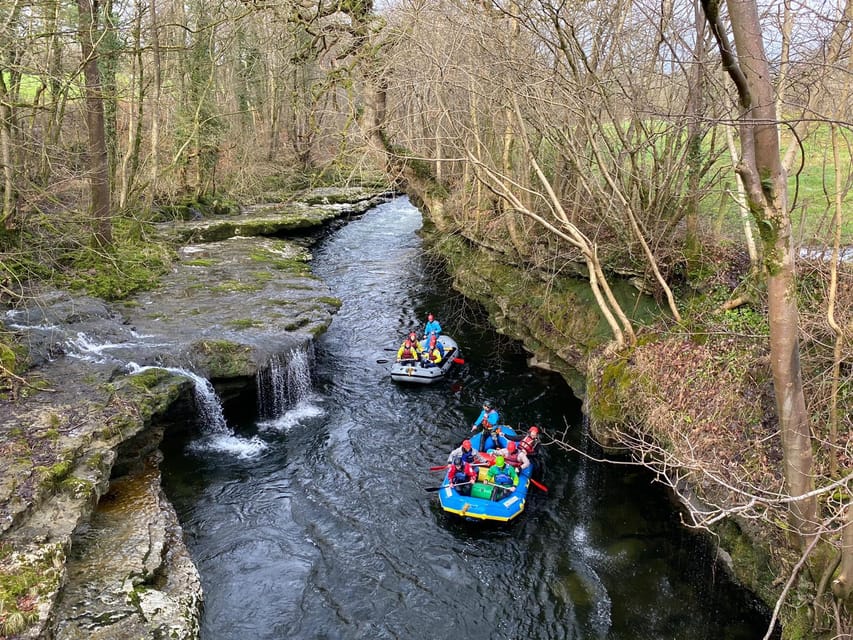
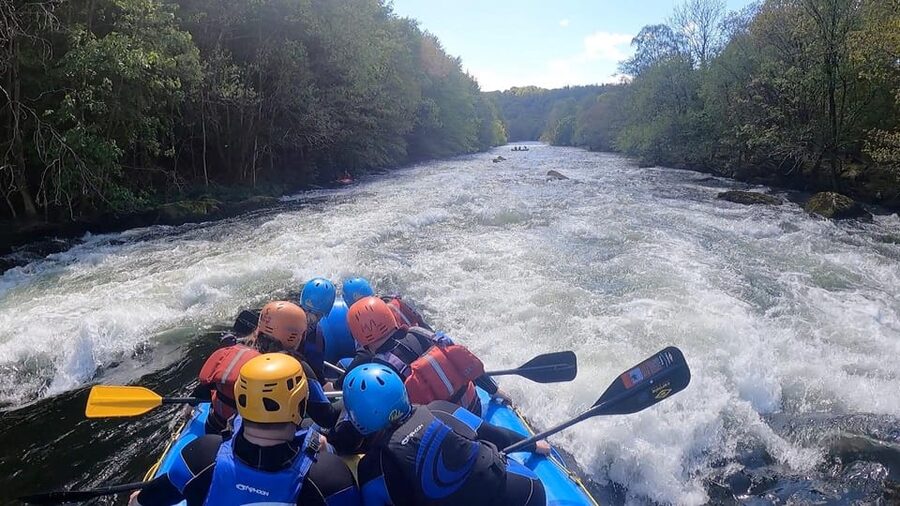
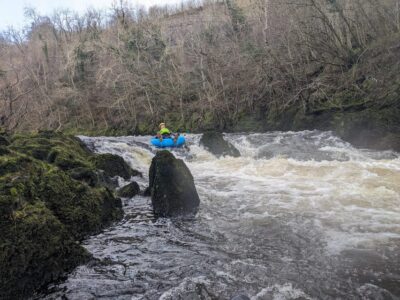
The headline here is simple: these are some of the best natural white-water rapids in England. The important part isn’t just the marketing line, it’s the phrase “natural rivers.” That means you’re not riding a theme-park flow. You’re moving through real water with real movement, guided by people who know how to run these sections safely.
The “last wilderness of England” idea is also part of the appeal. You’re getting views and a feeling you won’t get from trails. The only way to experience that specific stretch of countryside is from the river, and that’s a big reason this trip stands out from typical Lake District activities.
And yes, you should expect adrenaline. The rapids create physical moments, teamwork moments, and big laugh moments. It’s also the kind of experience that pulls you away from screens because you’ll be focused on staying balanced, following commands, and reacting to what the water does next.
If you’re the type who gets bored on mellow tours, this will probably keep you engaged the whole time. If you’re risk-averse, you’ll still find structure through the briefing and guide commands, but you should still expect water to be unpredictable.
Weather-proof adventure: rain, snow, and wetsuit logic
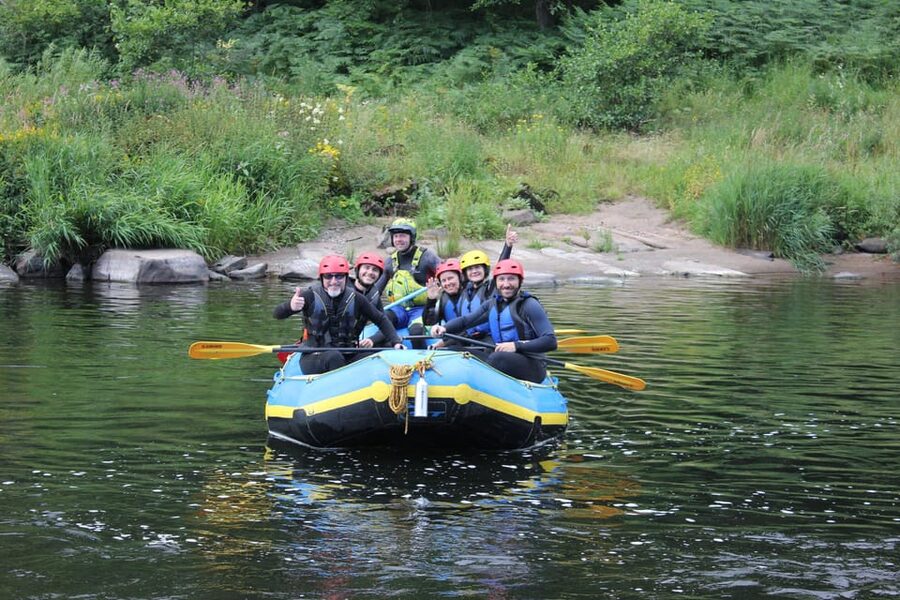
One of the strongest selling points is that it’s fun whatever the weather. Rain, snow, shine, the trip keeps running. That matters in the Lake District, because weather can shift fast and you don’t want your one big plan to depend on perfect skies.
Winter months also bring winter gear extras, including dry jackets added in the colder period. That helps a lot if you’re going when temperatures are low and you’re worried about getting cold between runs and after.
The wetsuit is your temperature control. But the real strategy is mindset: treat this as a get-wet activity from the start. You’ll have a better time if you stop thinking of water as something that ruins the day and start thinking of it as part of the ride.
Who should book: ages, weight limits, and fitness reality
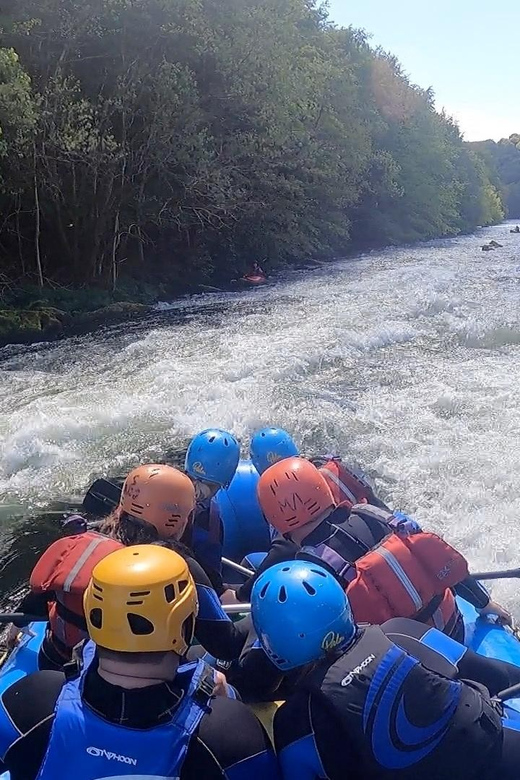
This experience is designed for ages 8 and up with no maximum age listed. That’s a rare combo for adventure activities. It means kids can do it, grandparents can do it, and groups can find a shared activity that still feels like an actual challenge.
There’s also a strict weight limit: everyone must weigh under 20 stone (127 KG). If you’re close to that limit, check early and plan your group accordingly.
It’s not suitable for pregnant women, and children under 8 are not accepted. You’ll also want to make sure everyone in your group understands the “no bare feet” and “no shorts” rules, because those choices affect safety and protection.
Fitness-wise, the trip notes it can suit people with marginal fitness. I’d still take it seriously as physical. It’s best if you can comfortably handle being wet, moving around on uneven ground, and following instructions quickly when the guide calls for it.
What to pack: your checklist for trainers, swimwear, and sanity
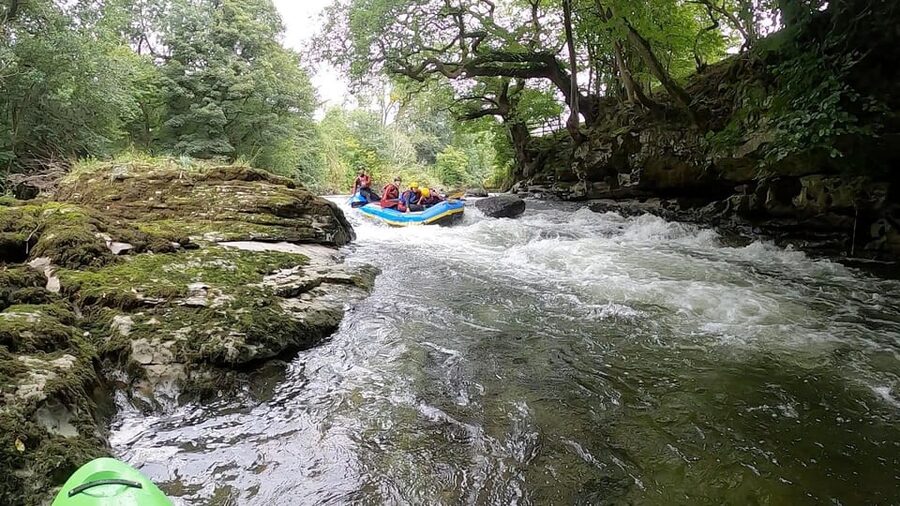
Bring the stuff that the trip explicitly asks for, because the raft team is set up around those materials. Use this packing list logic: if you wouldn’t want it to slip on river-edge rocks, don’t bring it.
You should bring:
- Trainers or hiking shoes with closed-toe coverage
- Swimwear to go under the wetsuit
- A towel
- Any personal medication you might need
You cannot bring:
- Shorts
- Cellphones
- Bare feet
If you love capturing memories, you might consider bringing a Go-Pro or similar camera. Just note a detail that’s easy to miss: you’ll need your own body harness, because cameras cannot be mounted on helmets. If you’re counting on photos, there may sometimes be an option to purchase photos after the trip, so it can be worth asking what’s available on your specific day.
After the ride: hot showers, winter comfort, and photo time
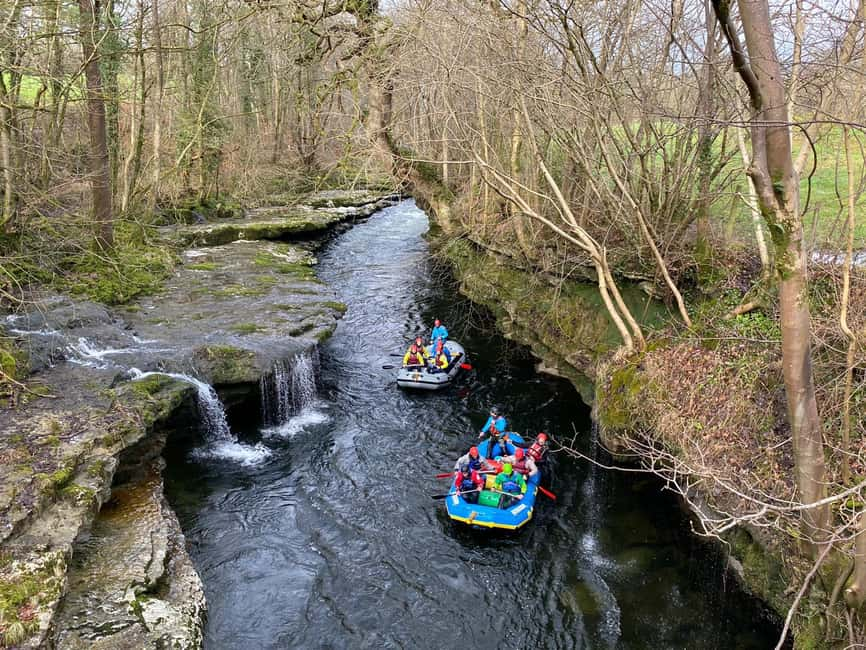
Once you’re done on the water, you’ll have time to warm up and get comfortable. If you’re riding from the South Lakes side, there are hot showers included. That’s a big deal after white-water, when you want to feel human again quickly.
In winter months, dry jackets are added, which helps you stay warmer between moments and after. Even with wetsuits, you’ll be wet, and comfort matters when you’re traveling.
About photos: there may be options to purchase photos afterward. If you’re the type who wants proof you did this in the Lake District, ask what’s offered before you step off the raft system.
Guides and the difference between okay and great instruction
One reason people talk up this activity is the quality of instruction. Every raft has a fully qualified raft guide, and the guide experience shows up in the way people describe the trip. There’s even a specific mention of Dan as an excellent instructor, which fits the overall model: clear safety guidance, quick commands, and a tone that helps you enjoy the ride without feeling out of control.
For you, that matters because good instruction changes the whole experience. When you understand what the guide wants, you stop worrying about what you should be doing and start reacting to the water like it’s supposed to be fun.
Should you book Lake District White Water Rafting?
If you want a real outdoor thrill in one half day, and you don’t want to spend hours piecing together logistics, this is a very sensible book. I’d especially recommend it if you’re traveling with a mix of ages or you want a group activity that still feels like a proper challenge.
Book it if:
- You can swim and you’re comfortable in the water
- Your group fits the weight limit and the age rules
- You’re okay with getting wet and you like being outdoors in real weather
Skip it or choose a gentler plan if:
- You or someone in your group doesn’t feel comfortable around moving water
- You need a dry, low-activity day
- You’re relying on public transport for the North Lakes meeting point
If your plan is flexible, the timing window is built around a 3.5-hour experience, and the activity runs in changing weather, so you’re not stuck waiting for sunshine to make the day happen.
FAQ
How long is the Lake District white-water rafting trip?
The trip duration is 3.5 hours.
Where does the activity start?
You meet at a North Lakes or South Lakes meeting point, and the exact location is confirmed by email 24 hours before your trip.
What is the minimum age for this rafting experience?
The minimum age is 8 years old.
Do you need prior rafting experience?
No previous experience is required.
Is there a weight limit?
Yes, everyone must be under 20 stone (127 KG).
Do I need to be able to swim?
Yes, everyone must be able to swim and be comfortable in the water.
What should I bring with me?
Bring trainers (wet-suit boots with smooth soles are not appropriate), swimwear, a towel, hiking or closed-toe shoes as needed, and any personal medication you may require.
Are cellphones allowed on the trip?
No, cellphones are not allowed.
Are shorts allowed?
No, shorts are not allowed.
Is there hot shower access after rafting?
Hot showers are included for the South Lakes trips.
Newest entries under England




White-Water Rafting & Tubing, compared.
Pitlochry, Scotland: Summer White Water Rafting Tour
Read our review →
Llangollen: River Dee Whitewater Rafting Adventure
Read our review →
Browse the lists this tour appears in