Reviewed · WALKING TOURS
Ironbridge: Guided Walking Tour with Victorian Professor
Ironbridge has a professor talking ghosts. This 2-hour walk through Ironbridge Gorge (a UNESCO World Heritage Site) is a time machine, mixing the Industrial Revolution story with spooky village lore and close-up views of the town’s older buildings. I love how the guide makes the place feel human, not just historic, especially when the facts connect to real people and real work.
Two things I really like: the Victorian professor style of storytelling and the tight focus on what shaped daily life in the gorge. You get a clear path through big landmarks, smaller details, and the kinds of secrets you would probably miss if you wandered alone.
One consideration: this tour involves steep inclines and lots of steps, and it is not a good match for mobility limits or wheelchair users. The pace is taken slowly, but you should still be honest about your comfort level before you book.
In This Review
- Key things you will notice on this tour
- Stepping into the Industrial Revolution, one street at a time
- Starting outside the Iron Bridge Tollhouse
- The Iron Bridge itself, and why 1779 still matters
- Climbing toward Lincoln Hill, a 16th-century hunting lodge above it all
- Workers’ cottages, Georgian houses, and early Victorian villas
- Ghost stories and industrial secrets that actually fit the setting
- The walking and the pace: what to plan for
- Price and value for a $35, 2-hour guided walk
- Who this tour suits best
- Should you book this Ironbridge walking tour?
- FAQ
- Where is the meeting point for the tour?
- How long is the Ironbridge guided walking tour?
- Where does the tour finish?
- What language is the tour guide?
- Is the tour suitable for wheelchair users or people with mobility impairments?
- Does the tour run in bad weather?
- What should I bring?
- Are dogs allowed?
- Is smoking allowed during the tour?
Key things you will notice on this tour
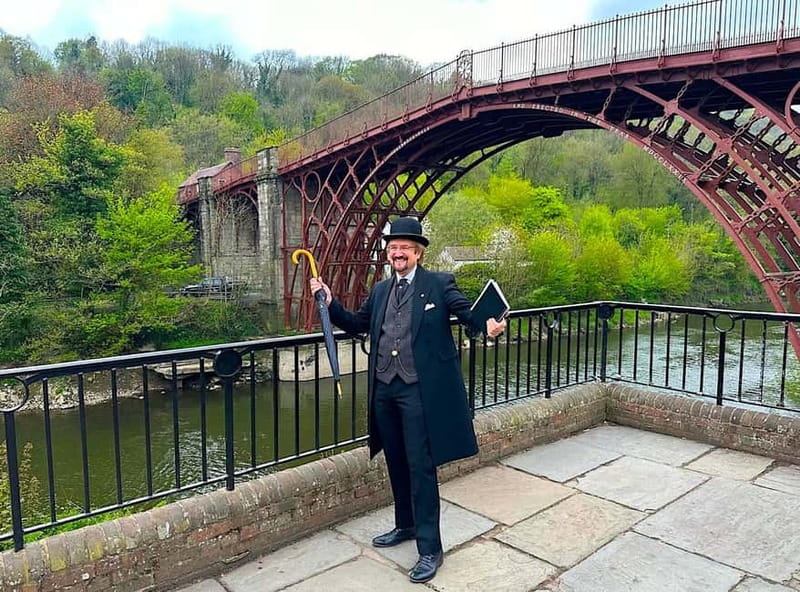
- Iron Bridge construction origins (starting in 1779) explained in plain language
- A Victorian professor who answers questions and keeps the story moving
- Lincoln Hill and its 16th-century hunting lodge above the river
- Workers’ cottages, Georgian houses, and early Victorian villas built with local materials
- Ghost stories alongside industry tales about heroes and villains
Stepping into the Industrial Revolution, one street at a time
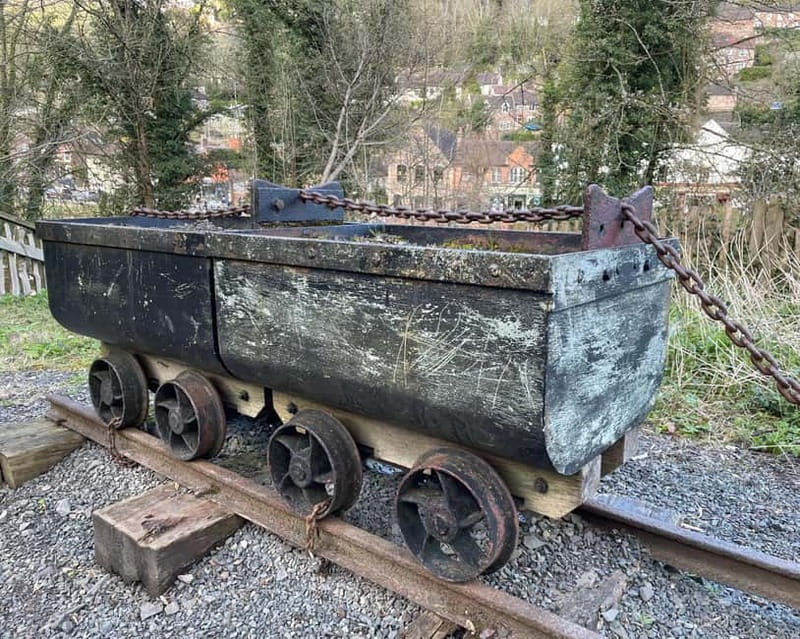
Ironbridge is one of those UK places where history feels close enough to touch. The gorge is the big headline, but the real magic is how quickly a guide can connect the dots between engineering, business, and everyday life. In just two hours, you get a guided thread through the town’s most important buildings and viewpoints, then the bigger story clicks into place.
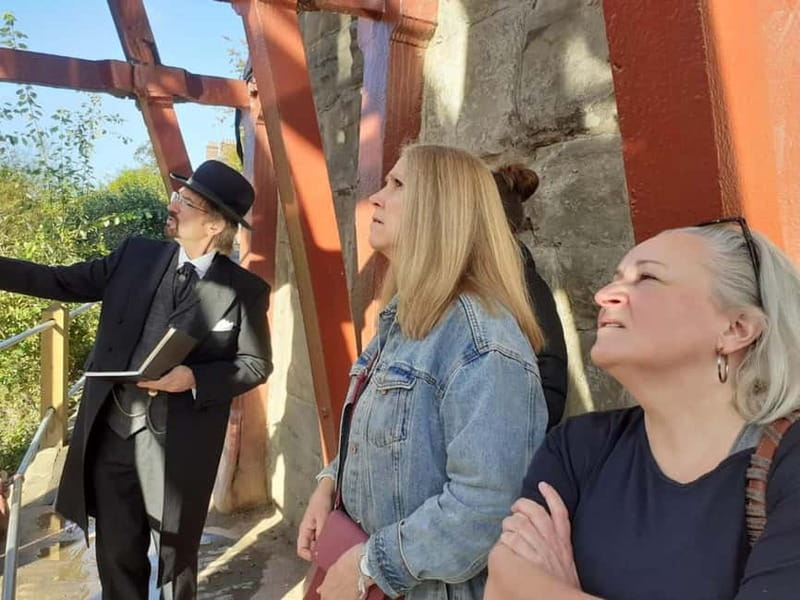
The tone matters here. This isn’t a lecture with occasional photos. Your guide, presented as a Victorian professor, tells the story like you are walking through a living lecture hall, with pauses for questions and small detours when something matters. On quieter departures, it can even feel more like an interactive chat than a group outing, which helps if you like to ask why a building looks the way it does or what a certain family actually did.
And yes, you also get ghost stories. Not as silly filler, but as part of the local way of talking about fear, power, and change. When you hear how the gorge transformed and who benefited, the supernatural bits start to make narrative sense.
More British streets at boot pace:
- Magical London: Harry Potter Guided Walking Tour
★ 4.7 · 22,044 reviews - London: The Original Jack the Ripper Walking Tour
★ 4.7 · 7,833 reviews - London: Harry Potter Movies Walking Tour (Kids Go Free)
★ 4.7 · 3,071 reviews
Starting outside the Iron Bridge Tollhouse
You meet outside the Iron Bridge Tollhouse on the southern end of the Iron Bridge, and you start the walk right where the story feels real. This matters because Ironbridge can be confusing at first glance. You see bridges, streets, and buildings, but you might not understand why they are positioned the way they are. Starting at the tollhouse gives you an immediate anchor for the industrial era, when movement and trade were the lifeblood of the gorge.
From this point, you can orient yourself quickly. You know where the bridge is, you know which direction you are heading, and you can better picture how people would have moved goods and materials. If you like photo stops, this is a great early moment because you will likely want an establishing shot before the walk tilts toward viewpoints and older streets.
Practical note: wear shoes with good grip. You are on a working town walk, and you will be climbing and stepping more than you might expect for a “short” tour.
The Iron Bridge itself, and why 1779 still matters
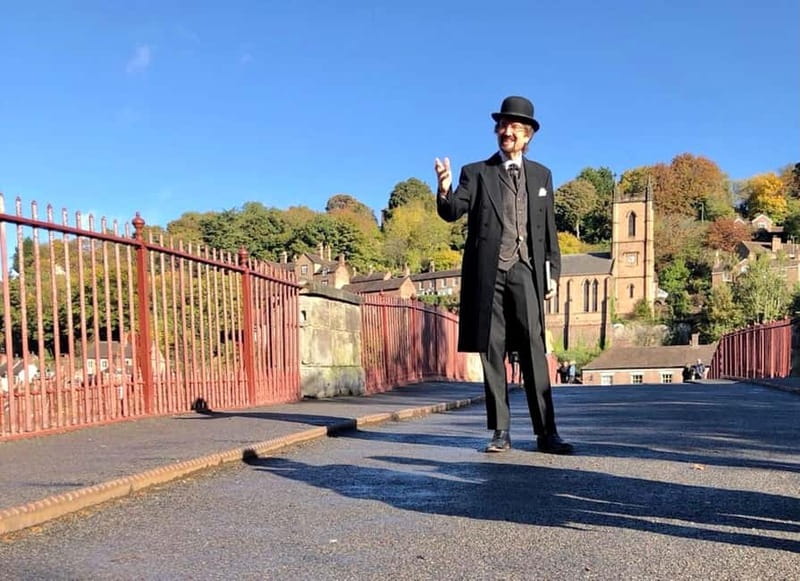
The center of gravity is the Iron Bridge, where construction began in 1779. That date is not just trivia. It is the start of the Industrial Revolution story in this particular area, when iron, design, and new methods changed how people built and moved things.
What I like about having the bridge in the middle of the tour is that your guide can point out the engineering logic while you are still close enough to really see it. You learn how the bridge worked as a practical solution, and how the gorge became a hub of industry and innovation because infrastructure made transport and production easier.
If you are the type who usually skips over explanations, this is where you might change your mind. A good guide can take a structure you have seen in postcards and make it feel like a machine with a purpose. You also get the human side, the visionaries and innovators whose decisions shaped what grew around the bridge.
Climbing toward Lincoln Hill, a 16th-century hunting lodge above it all
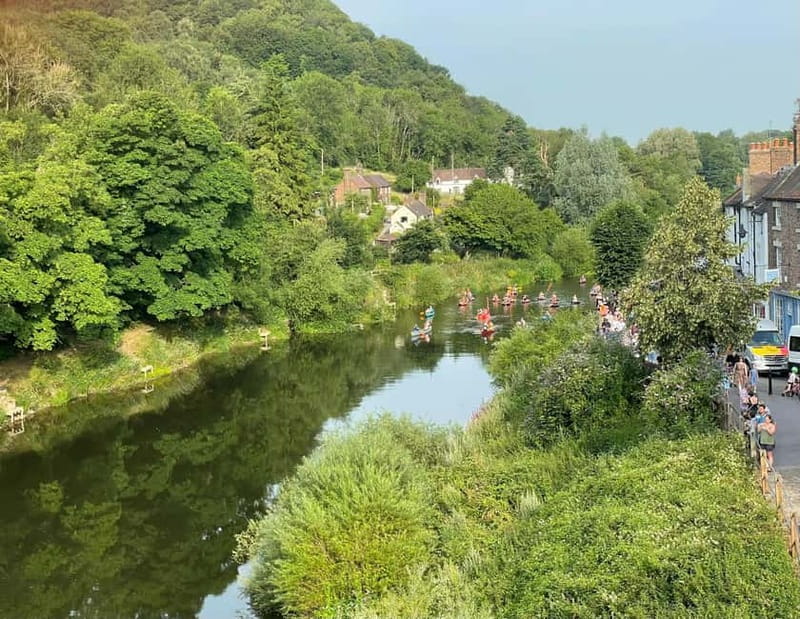
After getting your bearings by the bridge, you head uphill and take in the upper vantage points above the river. One specific stop that stands out is Lincoln Hill, where you find a stone-built 16th-century hunting lodge. This kind of building is a reminder that Ironbridge was not always an industrial hotspot. Long before factories and ironworks dominated the area, people already lived with these landscapes and used them for leisure and status.
That contrast is the point. By the time you return to the Industrial Revolution story, you understand the difference between old land use and the new industrial pace. The gorge didn’t just attract workers and machines, it reshaped what the area meant to the people living there.
This stop also helps with viewpoints. You see how the gorge channels movement and why industry clustered where it did. If you love photos, bring your camera and be ready to pause for the kind of views you normally have to drive to.
The drawback here is simple: it is uphill. The tour is taken slowly, but you should plan on it being a workout, not a stroller stroll.
Also inked in under London
- London: Emirates Stadium Entry Ticket and Audio Guide★ 4.7 · 5,513 reviews
- London: Christmas Lights Bus Tour With Live Guide★ 4.0 · 5,410 reviews
- From London: Cotswolds and Oxford Guided Day-Trip★ 4.7 · 3,720 reviews
- London: Wembley Stadium Guided Tour★ 4.7 · 3,629 reviews
Workers’ cottages, Georgian houses, and early Victorian villas
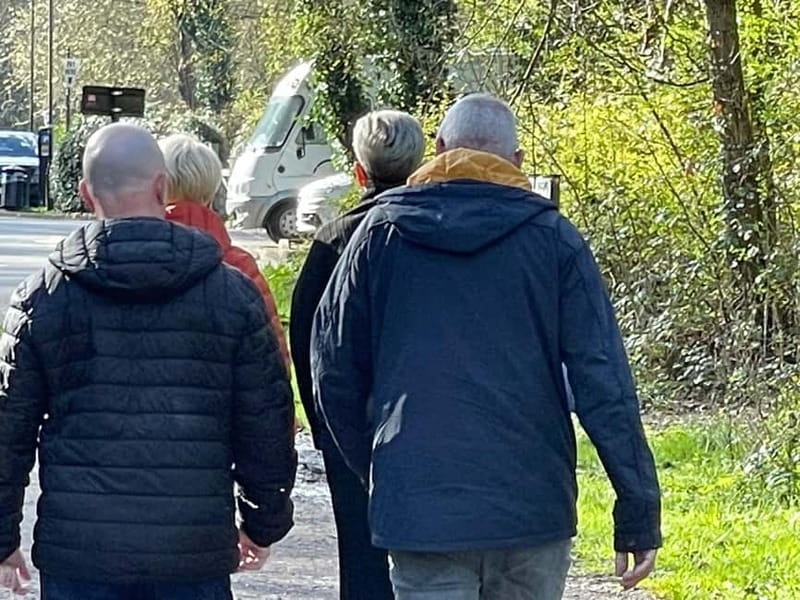
The gorge’s story is not only about big inventions. It is about housing and hierarchy, and how built form reveals who had money and who had labor.
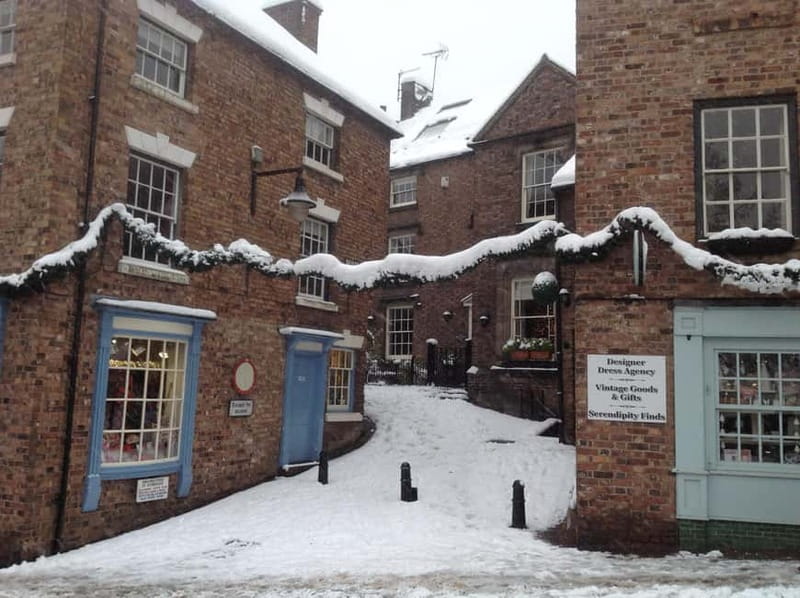
As you walk through the older parts of town, you visit 18th-century workers’ cottages, which act like silent witnesses to generations of toil. These buildings can feel plain until your guide explains what industries needed from workers, including closeness to work and simple, functional shelter. You start to connect architecture to the rhythms of factory life.
Next come the Georgian houses, erected by ironmasters and by mine and river barge owners. This is where you see prosperity in brick and design. If you want the “why it mattered” layer, this is it. Georgian homes show the wealth created by industry, and they hint at the social split that often grew up around industrial success.
Then the tour turns to early Victorian villas constructed with colorful local brick and tiles. These homes represent the next stage in confidence and craftsmanship. You might not know much about Victorian building style at the start, but by the time you reach these villas, your guide has usually helped you notice details you would have otherwise walked past.
If you like slow reading of the streets, you will enjoy this part. It is not just sightseeing. It is learning how the town’s architectural timeline evolved as power shifted.
Ghost stories and industrial secrets that actually fit the setting
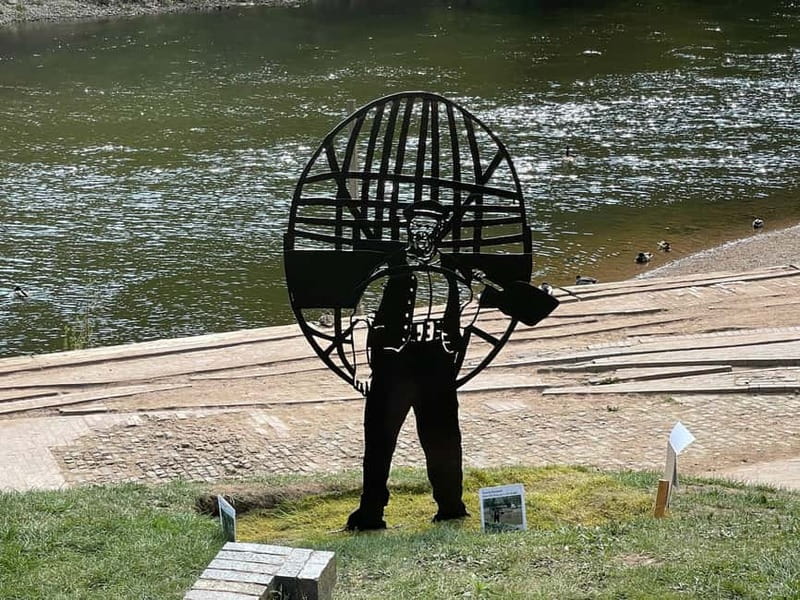
Ghost stories are often the weak link in history tours, but here they work because they attach to the local setting and the social tension created by industrial change. Your guide tells stories of ghosts reportedly haunting this Shropshire village, then threads them alongside the story of heroes and villains tied to Ironbridge and Coalbrookdale.
Even if you are skeptical, the ghost element does something useful. It helps you remember the human drama of the era: new wealth, old jobs disappearing or changing, and conflict between people who built the future and people who paid the cost. When you hear the spooky tales after you have already walked past workers’ cottages and the homes of those who profited, the stories feel less random.
The guide also explains how the area worked during the Industrial Revolution and beyond, including how industry and transport shaped daily life. That is important because Ironbridge is a place you can visit without understanding the mechanics. This tour gives you the mechanics first, so the later buildings and stories click into place.
One of the best parts is the way the professor answers questions. A couple of the experiences here really shine when you ask something specific, like how a structure would have been used, or why a particular trade mattered. The guide’s steady pace and willingness to engage make you feel like you are learning, not being processed.
The walking and the pace: what to plan for
This is a walking tour with steep stairs, and the route includes inclines. The tour is designed to move slowly, and the group is kept comfortable, but you should still plan your body like you are doing a real town walk, not a light amble.
If you have limitations, you might want to consider this carefully. One person in the provided experiences noted the guide was considerate about walking limitations, which suggests the professor can adapt the pace and keep things manageable. Still, the tour is not marketed for wheelchair users or people with mobility impairments, and that should guide your expectations.
What to bring:
- Comfortable shoes with grip
- Weather-appropriate clothing
- A camera, because the viewpoints are part of the payoff
Also, tours run regardless of weather. So bring a rain layer and be ready for damp cobbles and damp steps if it is wet.
Price and value for a $35, 2-hour guided walk
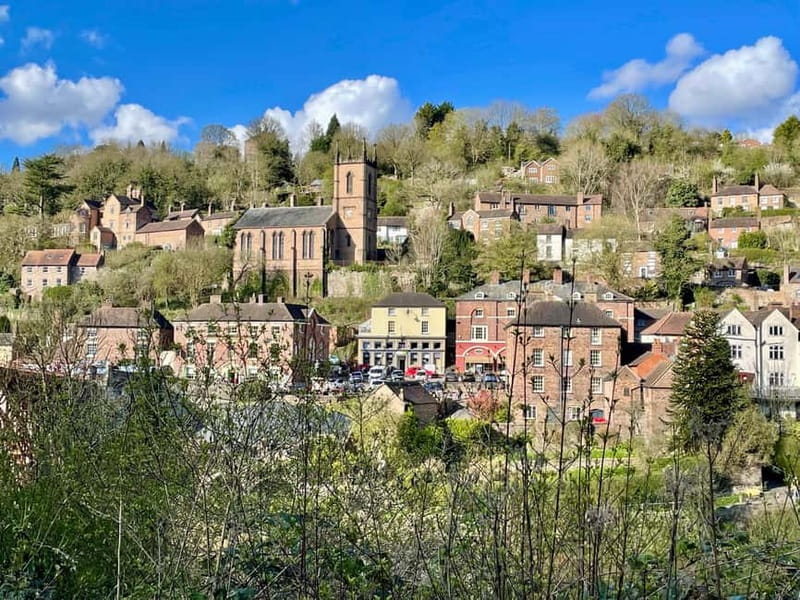
At $35 per person for about two hours, this is priced like a focused town walk rather than a full-day excursion. For me, the value comes from two things: the guide’s storytelling skill and the fact that you cover multiple layers of Ironbridge in a short time.
If you wander on your own, you can absolutely see the Iron Bridge and take photos. The question is whether you will understand the bridge’s construction context, the rise of industrial power, and how housing reflected that change. This tour is built to hand you those connections while you are still in the exact right spots to make sense of them.
You also get the added entertainment layer from ghost stories and local secrets, which you may or may not find if you are just following signs. When you combine practical explanations with engaging narrative, you end up with a stronger experience per minute, not just a checklist of sights.
If you are traveling with limited time in Telford and Wrekin, this is a sensible use of a couple of hours. If you are the kind of person who loves reading plaques for hours, you might still enjoy it, but you may not get the same “shortcut” benefit.
Who this tour suits best
This is a great fit if you want:
- A guided walk that explains the Industrial Revolution in context
- Architectural highlights in a compact loop
- Stories that mix engineering, social change, and local folklore
- A tour that feels friendly and interactive rather than strict
It is less ideal if you:
- Need wheelchair access
- Have significant mobility impairments
- Prefer level ground only
- Are traveling with very young children (it is not suitable for kids under 5)
Should you book this Ironbridge walking tour?
If you want Ironbridge Gorge to make sense fast, I think you should book it. The best part is the way the guide ties together the bridge, the hillside story, and the housing timeline, then adds ghost stories as a fun local layer rather than a random extra.
I would only hesitate if steep stairs and inclines are a real problem for you, or if you already plan to spend hours on your own deep reading with no interest in a guided thread. Otherwise, at $35 for a well-paced two-hour story walk, it is a solid value and a memorable way to see why this corner of Shropshire helped change the world.
FAQ
Where is the meeting point for the tour?
You meet outside the Iron Bridge Tollhouse on the southern end of the Iron Bridge. Look for the Professor.
How long is the Ironbridge guided walking tour?
The tour lasts 2 hours and includes more than 2 hours of walking time.
Where does the tour finish?
The tour finishes at the Museum of The Gorge Car Park.
What language is the tour guide?
The tour is conducted in English.
Is the tour suitable for wheelchair users or people with mobility impairments?
No. It is not suitable for people with mobility impairments, wheelchair users, or visually impaired people, based on the provided information.
Does the tour run in bad weather?
Yes. Tours are conducted regardless of weather, so dress for the conditions and wear comfortable walking shoes.
What should I bring?
Bring comfortable shoes, a camera, and weather-appropriate clothing.
Are dogs allowed?
A well-behaved dog on a lead may be welcome at the guide’s discretion, and you take full responsibility for the dog’s safety and for other people.
Is smoking allowed during the tour?
No. Smoking is not allowed.
Newest entries under London



Walking Tours, compared.
Magical London: Harry Potter Guided Walking Tour
Read our review →
University and City Walking Tour with Alumni Guide
Read our review →
Harry Potter Movies Walking Tour (Kids Go Free)
Read our review →
The Great British Rock and Roll Music Walking Tour
Read our review →