
Reviewed · HISTORICAL TOURS
Inspirational Women: Liverpool Past/Present History Tour
Women change Liverpool’s map. This 2 hour walk strings together cathedral art, suffragette activism, and women who shaped medicine and education. I love how the guide makes the stops feel personal, not like a textbook, and I also like the Lady Chapel stained glass focus plus the surprisingly specific way Everyman Theatre fits into the suffragette story.
One consideration: you will be on foot in busy city areas, with cobbles and uneven surfaces at times, so comfortable shoes matter.
In This Review
- Key Highlights You Shouldn’t Miss
- Why Inspirational Women in Liverpool Works So Well
- Starting at Liverpool Cathedral, Where Art Leads the Conversation
- Lady Chapel Stained Glass, and How to Read It Like a Local
- Blackburne House and Rodney Street, Where Education Meets Professional Life
- Everyman Theatre, Hope Hall, and the Suffragette Momentum
- Mount Pleasant and Medicine, Where Barriers Get Named
- Pembroke Place and the Red Brick Story, Plus Female Pioneers
- Metropolitan Cathedral of Christ the King and the Nightingale Link
- Lime Street to Walker Art Gallery, Plus a Liverpool Song Character
- St George’s Hall Finale, Suffragists and a Quirk About Cookery
- What the Price Gets You, and Why It’s Actually Good Value
- Who This Tour Suits Best (And Who Might Prefer Something Else)
- Practical Tips for a Smooth 2 Hour Walk
- Should You Book This Inspirational Women Tour?
- FAQ
- How long is the Inspirational Women: Liverpool Past/Present History Tour?
- Where does the tour start and what do you visit?
- Is admission to Liverpool Cathedral included?
- Is food and drink included in the price?
- Is the tour wheelchair accessible?
- Can I bring a dog or bring children?
- What should I bring?
Key Highlights You Shouldn’t Miss

- Liverpool Cathedral Lady Chapel stained glass that turns art into names, dates, and real influence.
- Everyman Theatre’s Hope Hall past, where political energy and suffragette links are part of the building’s identity.
- Education for girls and women at Blackburne House, tied to local alumni and why access mattered.
- Medicine and health reform at Mount Pleasant, with stories of women overcoming barriers around the turn of the last century.
- Red Brick University roots from Pembroke Place, plus pioneering female alumni and advocacy.
Why Inspirational Women in Liverpool Works So Well
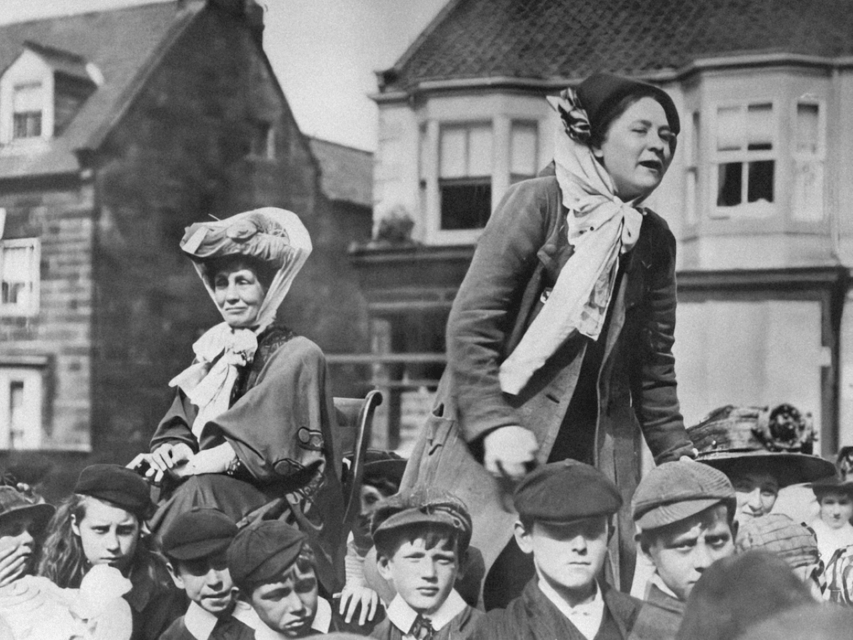
Liverpool’s famous for shipping, music, and big waterfront views. But this walk shows another side: the women who pushed, taught, nursed, legislated, and organized, often in rooms you would otherwise walk right past.
What makes this experience click is the way it connects place to purpose. You’re not only seeing landmarks, you’re learning what they were used for, who moved through them, and why their influence lasted beyond their lifetimes. I also like the tone: focused, story-driven, and not afraid to get practical about what these women fought for, from education to healthcare to equal rights.
If you get a guide like Pam, you’re in for an extra layer of warmth. One guide stood out for being personable and friendly, with a passion that made the details stick without turning the tour into a lecture.
More centuries walked in an afternoon:
- Liverpool: Haunted History Guided City Tour
★ 4.9 · 404 reviews - Liverpool: A Walk Through Time: Full History Walking Tour
★ 4.8 · 184 reviews - Liverpool: St James’ Cemetery Historical Ghost Tour
★ 4.9 · 169 reviews
Starting at Liverpool Cathedral, Where Art Leads the Conversation
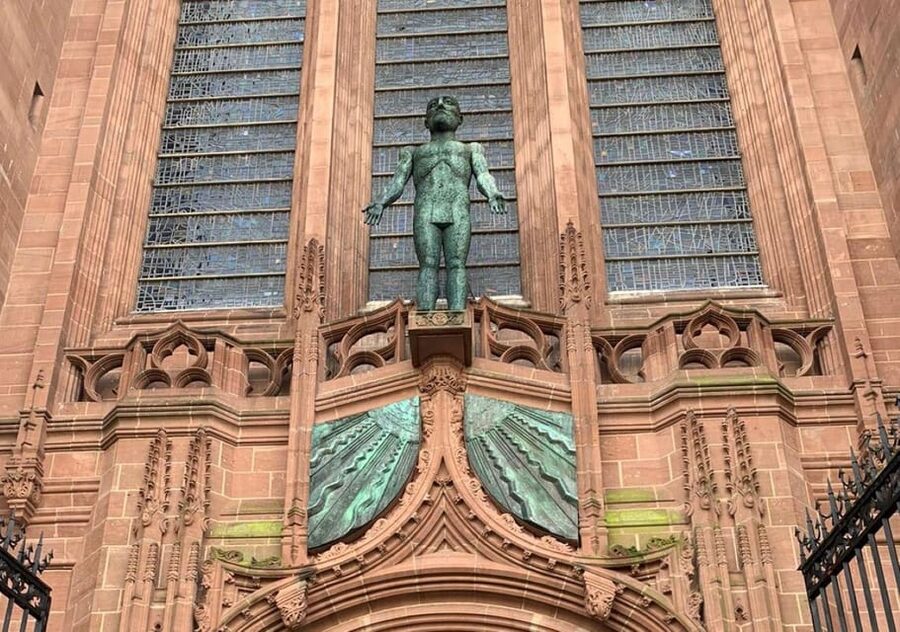
You begin at Liverpool Cathedral, and right away the tour uses architecture like a clue. You’ll get to see one of the cathedral’s later pieces by a major modern female sculptor, and that sets the theme: art and public life are connected.
Then you head into the Lady Chapel. This is the tour’s big visual moment, because the stained-glass windows are not just pretty light, they are teaching tools. You will learn about the women depicted in the windows, and how those figures connect back to Liverpool’s development and identity.
A practical tip for this stop: look closely at the glass before you get the full explanation. If you catch the shapes first, the story lands faster when the guide points you toward names and themes.
Also note the cathedral entry method. Admission is by donation, which is often easier than figuring out separate ticketing decisions while you travel.
Lady Chapel Stained Glass, and How to Read It Like a Local
This is where you slow down a notch. Instead of rushing from one plaque to another, you learn how to look. The guide points out the people shown in the windows, and links them to longer-lasting influence in Liverpool’s history.
If you’re the kind of person who usually skips stained glass because it feels like generic decoration, this is a good fix. The tour treats the windows like public messaging. Women’s achievements, education, and reform ideas show up in glass, meant to be seen by worshippers and visitors over generations.
Keep your camera ready, but also keep your eyes open for details you can’t photograph well, like the way different figures relate to each other inside the chapel. Even without a perfect photo, you’ll remember the stories.
Blackburne House and Rodney Street, Where Education Meets Professional Life
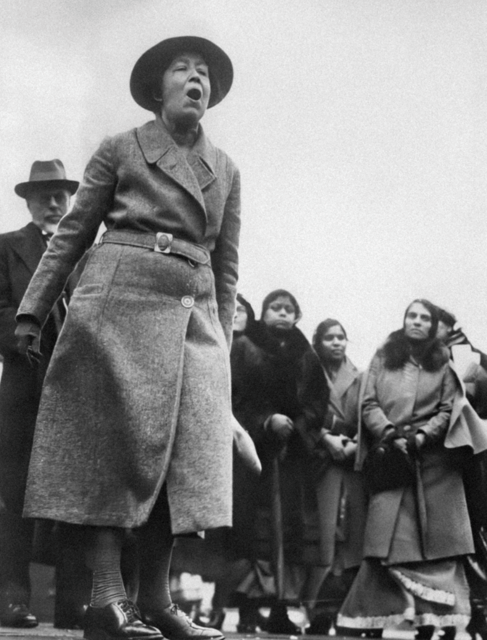
Next the tour heads toward Blackburne House, a grade II listed building with a real role in the education of girls and women. This stop matters because it shifts from symbolism to access. Stained glass can inspire, but schools and learning centers change outcomes.
You’ll hear about famous alumni tied to the building and how the place supported education for girls and women. The tour doesn’t treat this as a vague social improvement. It frames it as a specific pathway, with local connections you can picture.
Then you move to Rodney Street, often called the Harley Street of the North. That nickname is a useful lens. It tells you this neighborhood had a reputation for medicine and professional services, and the guide uses that context to bring up notable female residents you might not expect in this kind of setting.
If you like your history grounded in everyday spaces like streets and buildings, these two segments are strong. They show women’s influence in institutions and careers, not only in headline activism.
Also inked in under Liverpool
- Liverpool: Liverpool Football Club Museum and Stadium Tour★ 4.8 · 10,764 reviews
- Liverpool: City & Beatles Tour with Live Guide & Live Music★ 4.7 · 5,944 reviews
- Liverpool: The Beatles Story Ticket★ 4.7 · 4,197 reviews
- Liverpool: Sightseeing River Cruise on the Mersey River★ 4.4 · 4,153 reviews
Everyman Theatre, Hope Hall, and the Suffragette Momentum
The Everyman Theatre stop adds a harder edge. You’ll learn about the site’s history as Hope Hall and how the venue’s atmosphere fed into political conversation.
What I like here is the balance. The tour makes space for the political edge without turning it into doom and gloom. You get a sense of the bohemian environment around the place and how meetings, ideas, and organizing could happen in public-minded spaces.
This is also one of the best stops for anyone who wants the suffragette movement in Liverpool to feel specific. The stories are tied to the building and the kind of crowd it attracted, so it doesn’t float off into abstract history.
If you’re short on time in Liverpool, you’ll still find this segment useful. It’s the kind of stop that reorders your understanding of the city, because theaters were not just entertainment. They were part of social life and political pressure.
Mount Pleasant and Medicine, Where Barriers Get Named
Next comes Mount Pleasant, tied to medicine and health in Liverpool. This is the tour segment that leans into long-term impact. You’ll hear about women from Liverpool, the challenges they overcame, and what it took for them to influence medicine, education, and health services around the turn of the last century.
That time period can feel far away unless a story connects it to real obstacles. Here, the guide focuses on those barriers and why breaking them mattered. It’s not just inspiration. It’s context, like how access, training, and credibility were fought for, often while working against social expectations.
I also like that the tour keeps the lens local. Instead of leaving you with a list of famous names from elsewhere, you learn how Liverpool’s medical and educational networks were shaped by women who fought for a place inside them.
Bring water here if you’re starting to feel the walking pace. This portion is information-heavy, and you’ll want to stay comfortable.
Pembroke Place and the Red Brick Story, Plus Female Pioneers
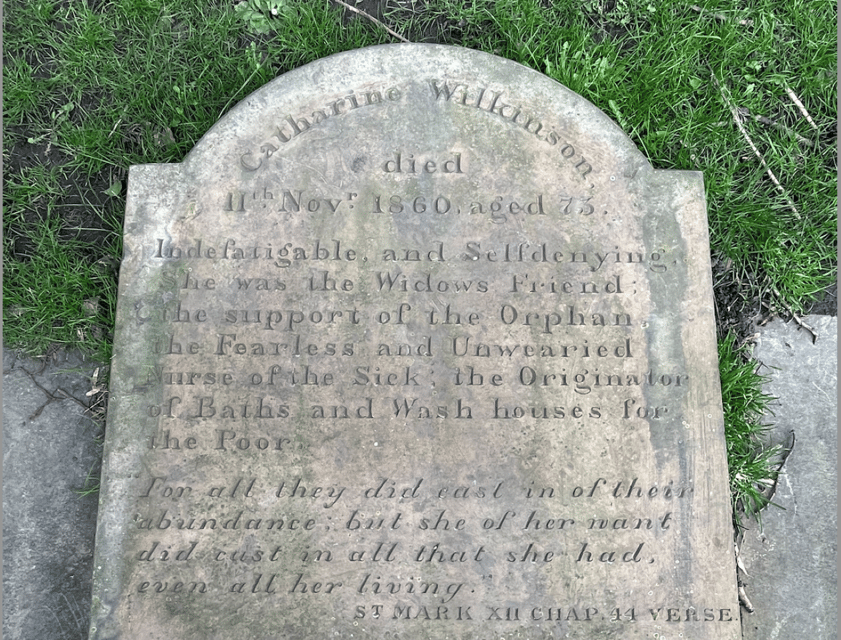
Pembroke Place is next, and the stop comes with a helpful historical explanation. This place is famously tied to the naming of red brick universities. The tour then connects that educational legacy to notable women and pioneering alumni.
You’ll hear about a philanthropist who successfully campaigned for women’s rights and family social in the early 1900s. That detail is important because it shows how activism and community support often went together. Rights debates weren’t separate from daily life. People pushed for policy, but they also worked on practical support systems.
This segment is especially good if you’re visiting Liverpool with a student, a parent, or anyone interested in education and social change. It gives the university origin story a human face, including the women who benefited from early reforms and the women who helped make them possible.
Metropolitan Cathedral of Christ the King and the Nightingale Link
The tour then reaches the Metropolitan Cathedral of Christ the King. Here, the story widens while staying grounded.
You’ll learn about the history of the site and its link to the Nightingale nurses. That connection gives you a wider view of nursing and healthcare reform, and how Liverpool connected to broader British efforts around care and training.
The tour also includes more than the tragic side of the Nightingale story. You’ll hear about the incredible work of a leading reformer who supported legislation for women and families in the 1800s.
This is one of the moments where you might pause and just take it in. A cathedral is built for reflection, and the content here has that same mood. But the guide keeps it from becoming purely sentimental by tying it back to reform and law, the mechanisms that turn values into change.
Lime Street to Walker Art Gallery, Plus a Liverpool Song Character
After the cathedral, you head toward Lime Street, known for its 19th-century reputation. The tour includes a fun, oddly specific story about one lady who shows up in several famous Liverpool songs.
Even if you only know a few of those songs, you’ll get the point. The city’s music and storytelling borrow characters and themes from the streets, so women’s lives can end up echoing in lyrics and public memory.
Then you arrive at the Walker Art Gallery. You’ll learn how this publicly owned art gallery became known as the national gallery of the North. The guide points out fascinating women connected to the gallery, including those still on display.
If you like turning a walking tour into something you can revisit later, this is a smart ending segment. You might find yourself wanting to return to specific artworks after hearing their names and the stories behind them.
St George’s Hall Finale, Suffragists and a Quirk About Cookery
The tour ends in the shadow of St George’s Hall, a grade I listed Neoclassical building. It’s a fitting finale because it feels grand, but the tour makes it practical again by connecting the building to the suffragist movement and an intriguing role in modern-day cookery.
The cookery connection is a nice reminder that history shows up in unexpected places. You’re not only learning about grand speeches and political posters. You’re learning how ideas and people ripple through culture in ways you might not guess from the outside.
If you’re taking photos, this is a great place to capture the building’s scale. Just keep a bit of patience for the group pace. This final stretch is where people tend to slow down and want one more picture.
What the Price Gets You, and Why It’s Actually Good Value
At about $28 per person for a 2 hour guided walk, you’re paying for more than movement between stops. This tour gives you a structured story across multiple major landmarks, including a cathedral experience with donation entry and a themed stop at the Everyman Theatre.
The value is in the specificity. You’re not getting a general “Liverpool women contributed” message. You’re getting women tied to education, medicine, legal reform, suffragette organizing, and art. That’s the kind of detail that usually takes longer research to piece together on your own, and it’s exactly what a good guide compresses into a walk you can finish in one afternoon.
Also, the fact that the tour is focused on one clear theme helps you remember it. You don’t come away with ten random facts. You come away with a mental map of how women shaped Liverpool’s institutions and public voice.
Who This Tour Suits Best (And Who Might Prefer Something Else)
I think this tour is a great fit if you:
- want history that connects to places you can still see
- enjoy architecture with context, like stained glass with names and meaning
- like social and political history, especially women’s rights and organizing
- travel with someone who appreciates art, education, and healthcare stories
It may feel less ideal if you prefer history told through battlefield events, royal timelines, or heavy dates. This walk is story-driven, with emphasis on people and influence. If you want a chronology-first approach, you might need to pair it with a museum visit on your trip.
It’s also a helpful choice for first-timers in Liverpool because the route passes important landmarks without needing buses between each segment.
Practical Tips for a Smooth 2 Hour Walk
The walking is real, even if it’s not all-mile-long. You’ll move through busy city areas and pass spots with uneven surfaces like cobbles.
Pack light and think comfort. I’d bring water, wear comfortable clothes, and keep a camera handy for the Lady Chapel and the gallery area. If you’re traveling with a stroller or wheelchair, the route is described as accessible, but cobbles can still slow things down, so go slow and plan for short pauses.
Dogs are welcome if they are well behaved, and children under 16 must be accompanied by an adult.
If you want good attention from the guide, arrive early. You’re asked to be at the meeting location 5 to 10 minutes before the start, and the guide from Liverpool Famous Walking Tours will be wearing purple, which makes the first 30 seconds less stressful.
Should You Book This Inspirational Women Tour?
Yes, you should book it if you want Liverpool history that centers on women’s real-world influence, from education and medicine to suffragette organizing and art. The best part is the payoff: you finish with a clearer sense of how Liverpool worked, who pushed it forward, and why these landmarks matter beyond their postcard value.
I’d book especially if you like tours where the guide sounds excited, like the guides who have been praised for being personable and passionate, and you want facts that feel connected rather than recycled.
If you’re nervous about cobbles or crowds, wear sturdy shoes and expect a few slower moments. But even with that consideration, this is one of the more memorable ways to spend a focused 2 hours in Merseyside.
FAQ
How long is the Inspirational Women: Liverpool Past/Present History Tour?
The tour lasts 2 hours.
Where does the tour start and what do you visit?
The tour begins at Liverpool Cathedral and includes visits and stops around the Lady Chapel, Blackburne House, Rodney Street, the Everyman Theatre, Mount Pleasant, Pembroke Place, the Metropolitan Cathedral of Christ the King, Lime Street, the Walker Art Gallery, and ends near St George’s Hall.
Is admission to Liverpool Cathedral included?
Admission to Liverpool Cathedral is by donation.
Is food and drink included in the price?
No, food and drink are not included.
Is the tour wheelchair accessible?
Yes, the tour is wheelchair accessible. Strollers and wheelchairs can be accommodated, but you should expect walking in a group and areas with uneven surfaces such as cobbles.
Can I bring a dog or bring children?
Well behaved dogs are welcome. Children under 16 must be accompanied by an adult.
What should I bring?
Bring a camera and water, and wear comfortable clothes.
Newest entries under Liverpool




Historical Tours, compared.

Westminster Abbey Tour with a Royal Heritage Guide
Read our review →
Browse the lists this tour appears in