Reviewed · LONDON TOURS & EXPERIENCES
Hidden Tube Tour – Piccadilly Circus: The Heart of London
You won’t just look at Piccadilly Circus, you’ll see what’s under it. This Hidden Tube Tour takes you behind secret doors at one of London’s most iconic stations, including original Edwardian features and areas closed to the public since 1929.
I especially like two things: wartime shelter stories that turn everyday commuters into people with real stakes, and the chance to walk through disused passenger tunnels that have been off-limits for generations. The station’s engineering and architecture also make the whole experience feel grounded, not spooky for the sake of it.
One caution: this tour is not step free, involves stairs and uneven ground, and includes low lighting, so it’s not suitable for claustrophobia or for people with mobility impairments.
In This Review
- Key things to know before you go
- Why Piccadilly Circus Station Has Secrets Worth Paying For
- Meeting at Exit 4, Then Getting Oriented Fast
- Behind Secret Doors: What You’ll See Under the Landmark
- The Edwardian Features That Change How You Read the Station
- Wartime Refuge Stories: The Station as Protection
- Disused Passenger Tunnels Closed Since 1929
- Practicalities: Stairs, Low Light, and What to Bring
- Price and Value: Is $60.61 for 75 Minutes Fair?
- Who This Tour Fits Best, and Who Should Skip It
- Should You Book the Hidden Tube Tour at Piccadilly Circus?
- FAQ
- Where do I meet for the Hidden Tube Tour – Piccadilly Circus?
- How long is the tour?
- What is included in the ticket?
- What is not included?
- Is the tour offered in English?
- Is there free cancellation?
- Do I need to bring ID?
- Are open-toed shoes allowed?
- Is the tour suitable for people with claustrophobia or mobility impairments?
- Are food, drinks, and luggage allowed?
- What is the minimum age for children?
Key things to know before you go
- Original Edwardian station details under Piccadilly Circus, still visible in hidden areas
- Wartime stories about people who took refuge in the station
- Passageways and lift shafts closed since 1929, plus other restricted sections
- Disused passenger tunnels that stopped being public long ago
- Strong guide energy, with clear, entertaining explanations throughout
Why Piccadilly Circus Station Has Secrets Worth Paying For
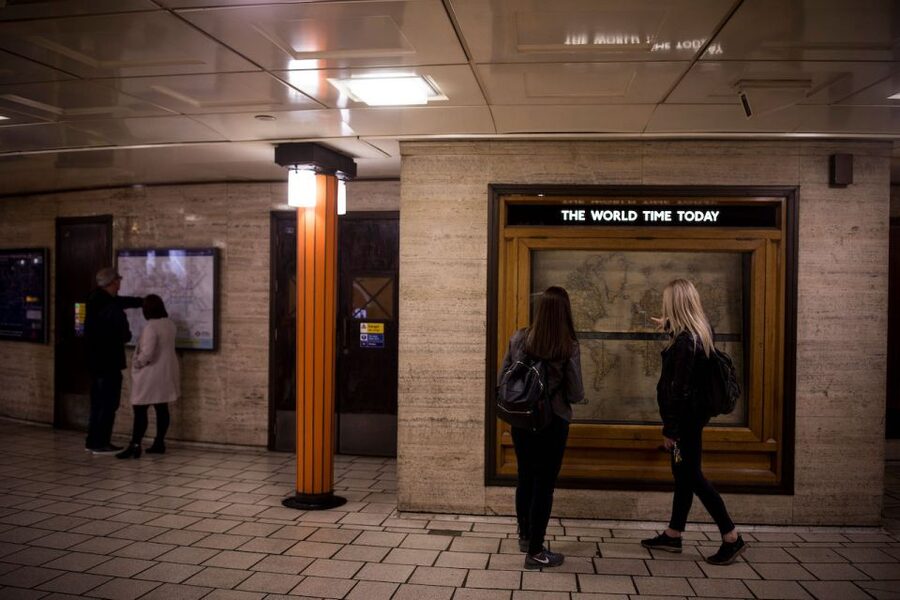
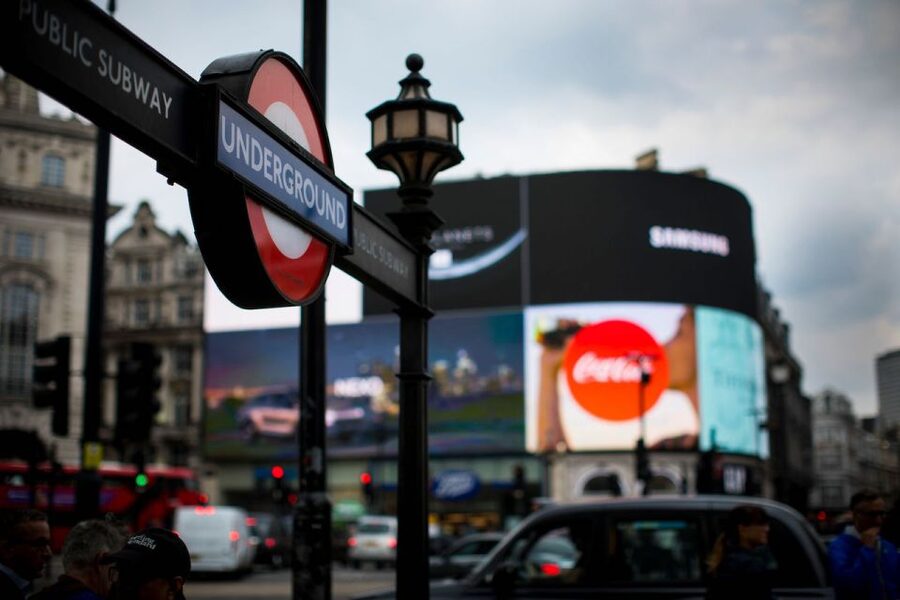
Piccadilly Circus station opened in 1906 and serves the Bakerloo and Piccadilly lines. It also sits right beneath the famous landmark, so you get a rare feeling of being at the center of London while still getting a different London, one level deeper.
What makes this tour compelling is the mix of time periods. You’ll hear how the station was modernised between 1925 and 1928, and then you’ll follow clues to the older Edwardian design that came first. That time jump is the whole point, because London’s Tube is constantly changing, yet traces of older days remain.
You’re not touring a museum room. You’re moving through a working piece of the Underground’s past, where engineering details and human stories overlap. That’s why it feels more real than typical “heritage” stops.
Also inked in under London
- London: The London Eye Entry Ticket
★ 4.6 · 35,875 reviews - From London: Harry Potter Warner Bros Studio Tour
★ 4.7 · 26,588 reviews - London: Westminster to Greenwich River Thames Cruise
★ 4.5 · 22,836 reviews
Meeting at Exit 4, Then Getting Oriented Fast
You meet at the bottom of the stairs of Exit 4 of Piccadilly Circus Underground station. Exit 4 is on the corner of Shaftesbury Avenue and Coventry Street, next to the Criterion Restaurant.
The tour ends back at the same meeting spot, so you’re not left figuring out your way out after you’ve spent the last hour looking at tunnels and doors most people never see. This matters because the station is busy above ground, and it’s easy to lose track of time when you’re trying to line up your next stop in London.
Once you start, the pace is designed around seeing restricted spaces safely. You’ll spend your time moving between passageways and hidden sections rather than sitting in one place listening. That keeps the tour lively, even when you’re learning technical details.
Behind Secret Doors: What You’ll See Under the Landmark
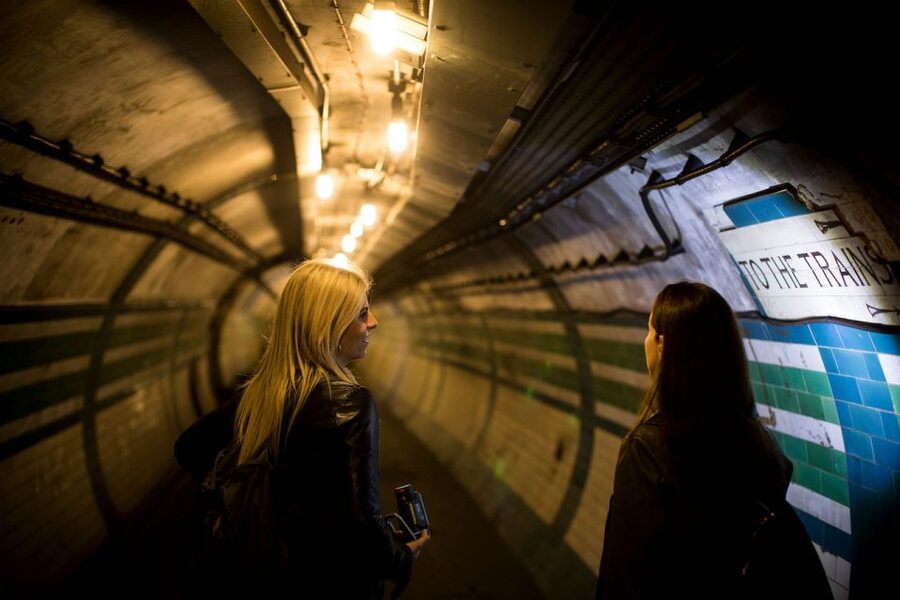
The core of the Hidden Tube Tour is access to areas closed to the travelling public since 1929. You’ll step behind secret doors into passageways and lift shafts that weren’t meant for everyday passengers, even after the station kept functioning.
These kinds of spaces change how you understand a Tube station. Instead of imagining tunnels as flat lines beneath you, you see how stations are built as layered systems, with corridors, shafts, and equipment spaces that support the public areas above.
You’ll also get a clear look at the station’s architecture, including hidden original Edwardian design features. The neat part is how the guide connects those features to why the Underground grew the way it did. When you understand the design choices, later changes make more sense.
If you like urban infrastructure, you’ll feel like you’re seeing behind the “stage set” of modern London.
The Edwardian Features That Change How You Read the Station
Piccadilly Circus is famous on the surface, but the Underground sections are where the Edwardian story lives. On this tour, you focus on original design elements that are usually hidden from view, and that shifts your perspective in a hurry.
You start noticing details differently. You think about who designed the spaces, how people moved through them when the station opened, and why the station needed updates later. The tour doesn’t treat Edwardian features as trivia. It uses them to explain how the station handled passenger flow over time.
You’ll also hear how extensive modernisation took place between 1925 and 1928 to meet rising demand. That context makes the older parts feel like the beginning of a bigger engineering project, not like leftover decoration.
This is one of the reasons I think the tour delivers real value. You come away with a clearer mental map of how the station evolved, not just photos of dark corridors.
A page further on, still in London:
- Magical London: Harry Potter Guided Walking Tour★ 4.7 · 22,044 reviews
- London: Madame Tussauds London★ 4.6 · 20,915 reviews
- London: Warner Bros. Studio Harry Potter Tour & Branded Bus★ 4.7 · 19,194 reviews
- London: Tower Bridge Entry Ticket★ 4.7 · 15,560 reviews
Wartime Refuge Stories: The Station as Protection
One of the most memorable parts is the stories about wartime shelterers who took refuge in the station. You’ll hear how the Tube did more than move people, it also became a place for protection during frightening times.
This is where the tour becomes human. You’re underground, you’re hearing about real risk, and suddenly it’s obvious that infrastructure can become life-support in emergencies. The guide ties those stories to the station’s spaces, so it doesn’t feel like a separate history talk happening alongside the tour.
The tour also includes stories about top-secret storage of priceless artefacts. Even if you don’t know London’s wartime logistics ahead of time, you’ll understand the general idea: valuable items needed protection, and underground space offered options.
I like this segment because it gives emotional weight to the engineering you’re seeing. You’re not just looking at structures. You’re learning why certain areas could matter when the city changed overnight.
Disused Passenger Tunnels Closed Since 1929
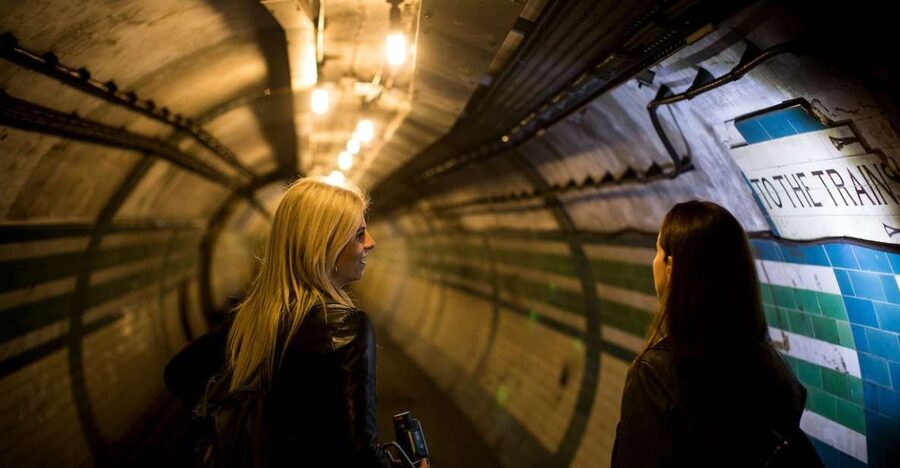
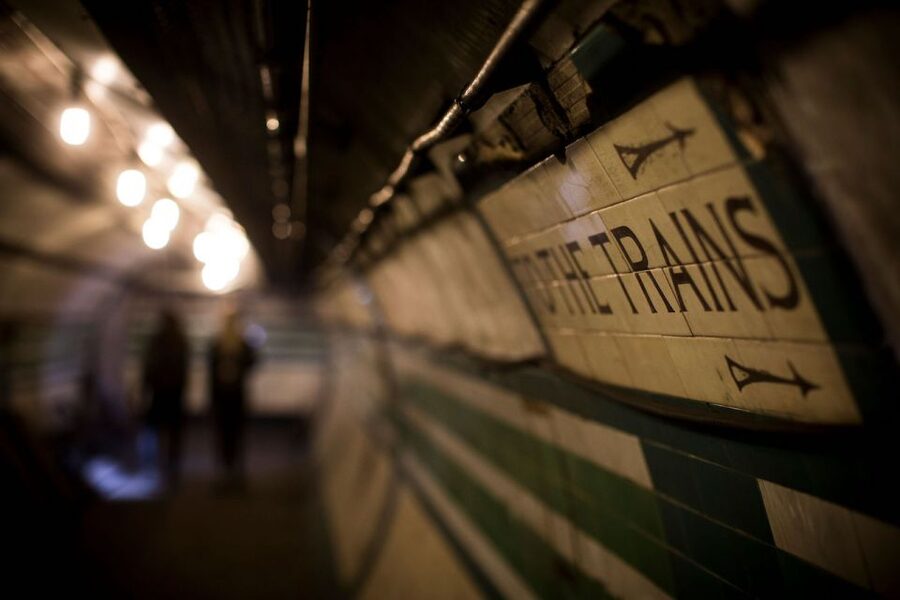
Yes, you get to see disused passenger tunnels closed to the travelling public since 1929. That single fact changes the atmosphere. You’re walking through routes that once served passengers, then were shut off from everyday use.
These tunnels help you grasp what “disused” really means. They’re not abandoned in the sense of being random spaces. They’re part of the station’s documented evolution, created for certain patterns of movement, then replaced or reorganised as demands changed.
Expect a lot of low-light and narrow-feeling spaces as you move through these sections. The guide leads you through carefully, and the goal is to show you what matters in the tunnels rather than make it a fear-based attraction.
This is one of the most praised elements, and it’s easy to see why. Most London history tours keep you above ground. Here, you get a slice of Underground reality that most people will never experience.
Practicalities: Stairs, Low Light, and What to Bring
Plan for walking and stairs. The tour involves a lot of walking, including areas of uneven ground and low lighting. Tours are not suitable for guests with claustrophobia.
There’s also no step-free access. The tour includes walking up and down flights of stairs, and there is no elevator. If you rely on step-free routes, you should take this seriously before booking.
Wear sturdy footwear and suitable clothing. Open-toed shoes are not allowed. Also note there’s no cloakroom, so don’t plan to bring bulky items.
You also can’t bring food and drinks, and luggage or large bags are not allowed. You’ll need to travel light, then focus on the tour itself.
You should bring a passport or ID card, since you’ll be asked for it. That’s a small step, but it saves stress on the day.
Price and Value: Is $60.61 for 75 Minutes Fair?
The price is $60.61 per person for a 75-minute guided tour. On the surface, that’s not “cheap,” especially if you’re trying to squeeze in lots of free London sights. But this tour isn’t free for a reason: it includes access to station sections closed to the public since 1929.
Most London tours show you visible attractions. This one gives you behind-the-scenes movement through restricted areas, including disused passenger tunnels and hidden Edwardian features. That kind of access usually carries a higher cost because it involves trained guides and careful crowd management underground.
The other value factor is who writes and runs the experience. The tour is based on historical expertise from London Transport Museum and built from their archives and collection. That matters when you’re paying, because it raises the odds you’ll get accurate, connected stories rather than generic facts.
If you’re the type who enjoys both engineering details and real-world stories, this price starts to feel like a fair trade. You’re paying for access and context, not just walking past a famous station entrance.
Who This Tour Fits Best, and Who Should Skip It
This tour fits best if you like Tube history with a clear narrative. You’ll enjoy it most if you care about how London’s Underground grew, and if you want to see how the station’s older design and later upgrades work together.
It’s also a great match for people who want something different from a typical “platform and photo” stop. You’re moving through hidden corridors and old passenger tunnels, which makes your visit to Piccadilly Circus feel less like sightseeing and more like discovery.
But skip it if you’re uncomfortable with tight spaces or you have claustrophobia. Also skip it if you need step-free access or if stairs are a problem for you, since there’s no elevator and the tour is not step free.
For families: the tour is not suitable for children under 10 years. There’s a maximum of four children aged 10 to 15 per adult, so bring your group size limits to mind.
Should You Book the Hidden Tube Tour at Piccadilly Circus?
I’d book this tour if you want a high-impact London experience in a tight window, 75 minutes, with access that regular visitors cannot get. You’ll learn how Piccadilly Circus station evolved from the Edwardian era, and you’ll see wartime refuge stories that turn the Underground into something far more human than transport.
If you’re sensitive to stairs, uneven ground, low lighting, or enclosed spaces, don’t force it. This experience is specific by design, and it won’t feel good if your comfort needs are different.
If you like guides who keep things clear and energetic, you’ll likely love it. The guides on this tour are known for being informative and upbeat, and that matters when you’re walking underground in darker, quieter spaces where good explanations make everything connect.
If you want one Underground tour that feels truly different, Hidden Tube Tour: Piccadilly Circus is a smart pick.
FAQ
Where do I meet for the Hidden Tube Tour – Piccadilly Circus?
Meet at the bottom of the stairs of Exit 4 of Piccadilly Circus Underground station, next to the Criterion Restaurant at the corner of Shaftesbury Avenue and Coventry Street.
How long is the tour?
The tour lasts 75 minutes. Starting times vary, so check availability for the schedule.
What is included in the ticket?
Your ticket includes a 75-minute guided tour of Piccadilly Circus Underground station, including disused parts of the station that have long been closed to the public.
What is not included?
Travel to and from Piccadilly Circus Station is not included.
Is the tour offered in English?
Yes, the live tour guide is English.
Is there free cancellation?
Yes, you can cancel up to 24 hours in advance for a full refund.
Do I need to bring ID?
Yes. Bring a passport or ID card.
Are open-toed shoes allowed?
No. Open-toed shoes are not allowed.
Is the tour suitable for people with claustrophobia or mobility impairments?
No. The tour involves low lighting and walking through areas that can feel enclosed, and it is not step free. It is also not suitable for people with mobility impairments.
Are food, drinks, and luggage allowed?
No. Food and drinks are not allowed, and luggage or large bags are not allowed.
What is the minimum age for children?
The tour is not suitable for children under 10 years old. There is also a maximum of four children aged 10 to 15 per adult.
Newest entries under London






London Tours & Experiences, compared.

Westminster to Greenwich River Thames Cruise
Read our review →
Magical London: Harry Potter Guided Walking Tour
Read our review →
Warner Bros. Studio Harry Potter Tour & Branded Bus
Read our review →